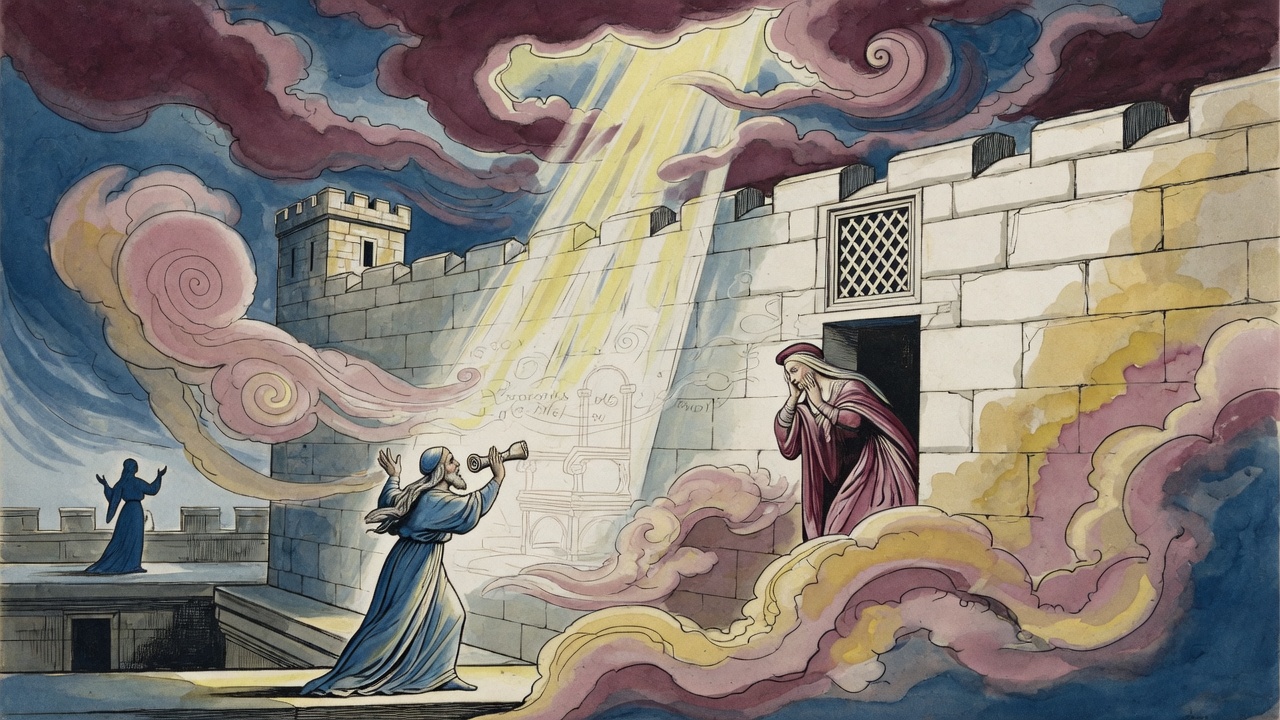
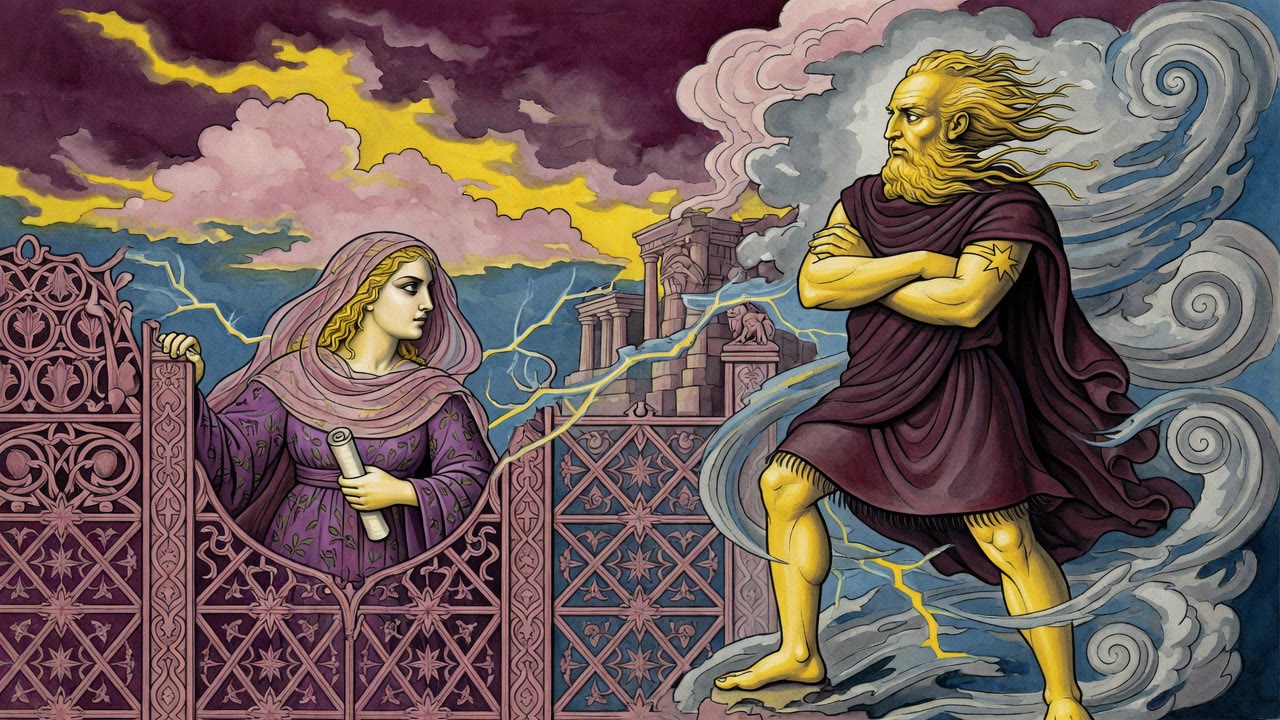
The First Decree Could Not Die So Esther Wrote a Second
Haman was already gone. His letters still slept in provincial chests. Esther took the ring and wrote a law that could stand beside them.
Table of Contents
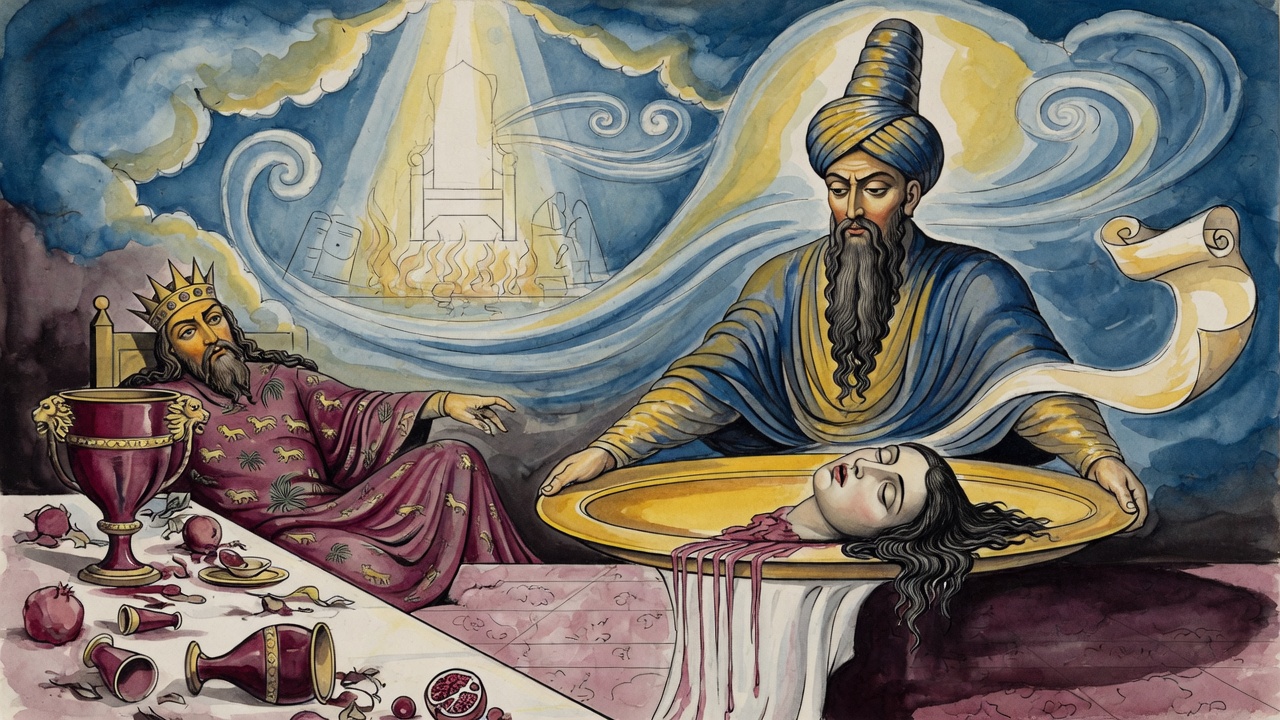 Click for full size
The Ring Would Not Come Off the First Letters
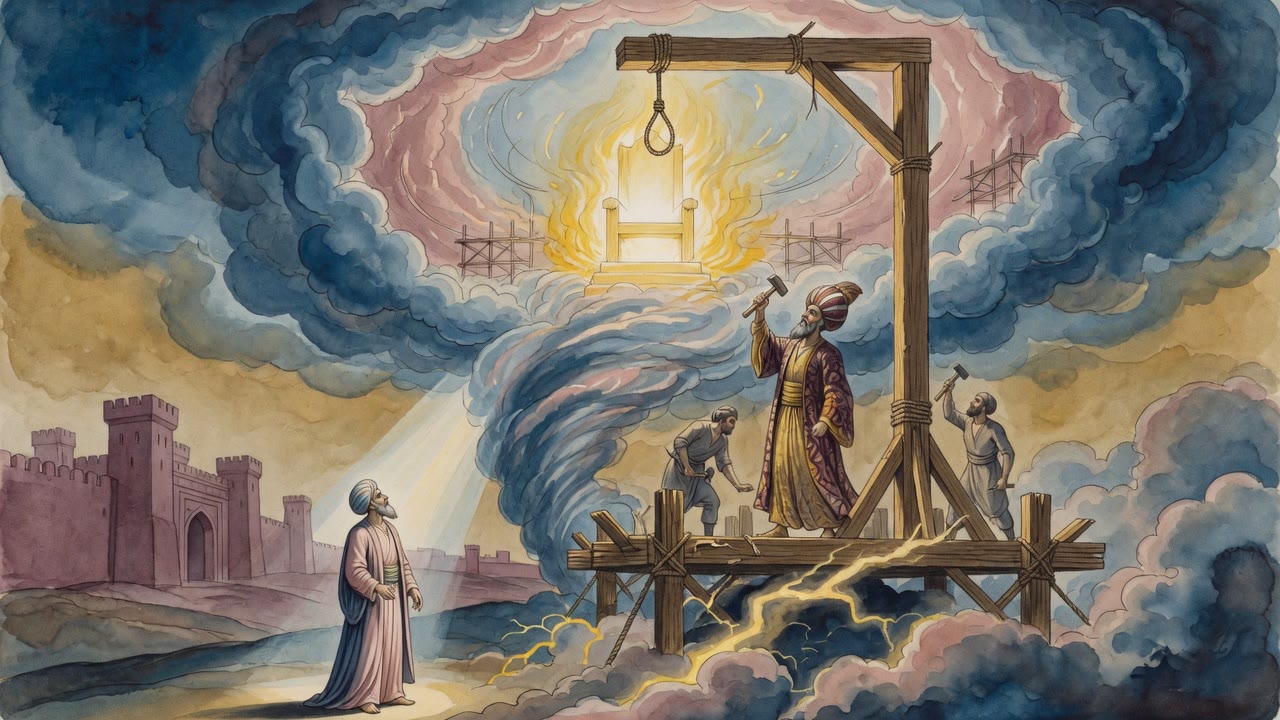
Haman was already gone. His letters still rode the roads and slept in provincial chests, legal as the day they were pressed with the royal ring. That was the iron of Persian rule. A sealed word of the king could not be taken back.
So Ahasuerus turned to Esther and Mordecai and put the impossible in soft language. Write about the Jews as is pleasing in your eyes in the name of the king (Esther 8:8).
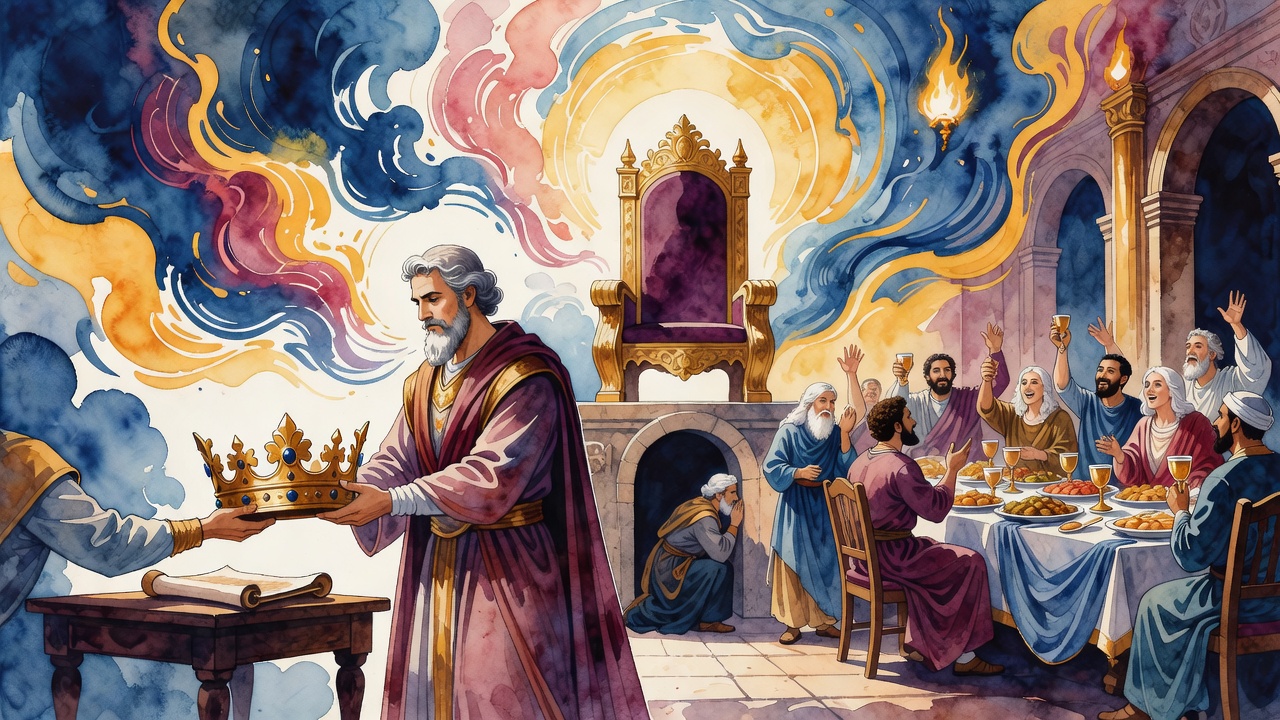
Pleasing did not mean pretty. It meant a second decree strong enough to stand beside the first and reverse its teeth. Esther took the ring. She did not pretend the old letters had never existed. She set out to write a law that could live in the same archive as a law written to kill her people.
Esther Wrote What Could Stand Beside Death
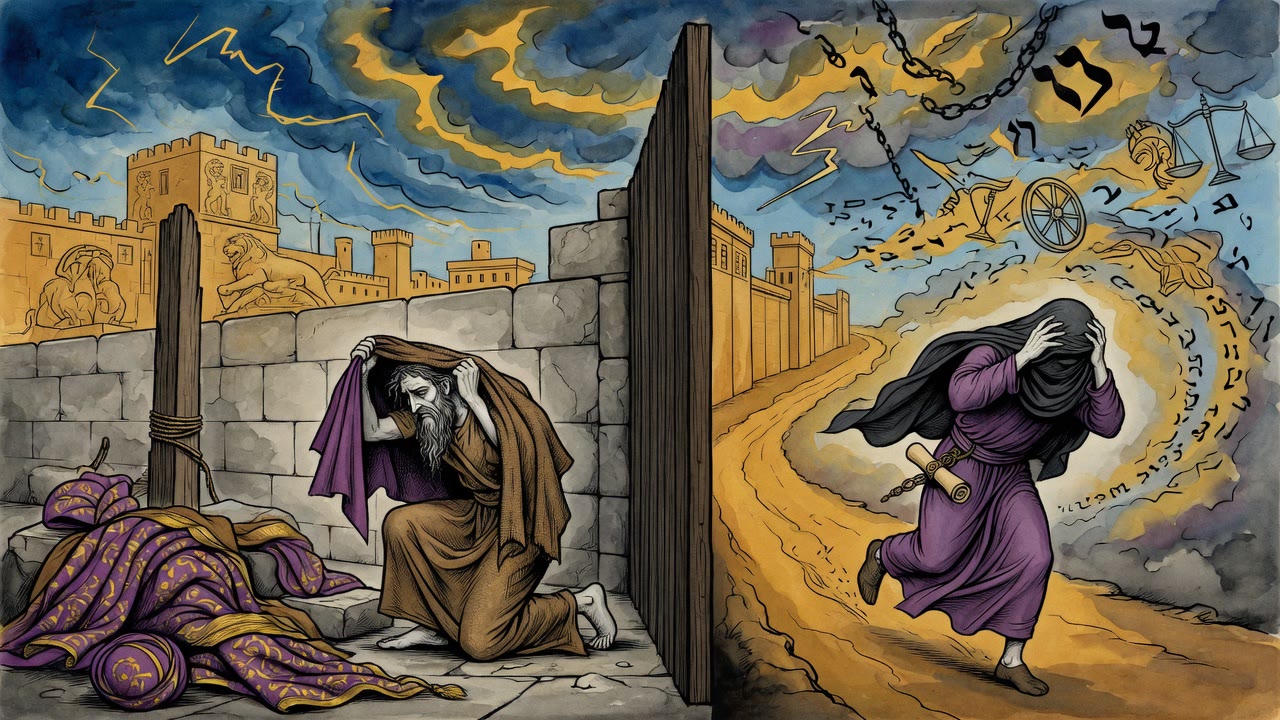
Scribes bent again over parchment. Some of them had copied the first letters. Empire is often like that: the same hands serving opposite hours. The new wording did not erase. It authorized the Jews to gather and to stand against those who sought their harm, to destroy and to kill and to eliminate those who rose to attack them (Esther 8:11).
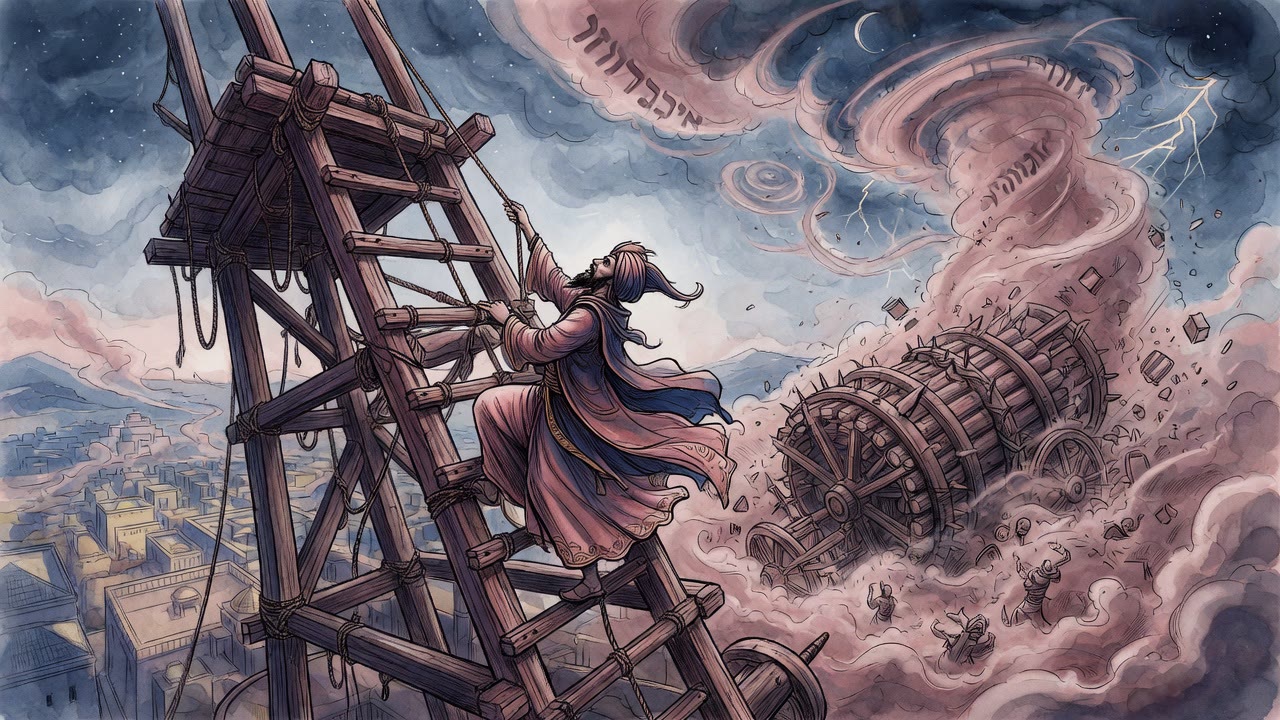
On the day enemies had hoped to hold power, the hope itself was to flip (Esther 9:1). Couriers ran again. The same roads that had carried death now carried the right to answer death. Speed mattered as much as wording. An unread defense is only paper.
Esther's seal and Mordecai's craft rode out together. Behind them lay months of sackcloth, a queen's unsummoned approach, a minister's fall. Ahead lay a dated day no one could move. The packets had to arrive first.
The Jews Gathered in Their Cities
When the second word reached the cities, the Jews gathered in their places throughout the provinces of Ahasuerus (Esther 9:2). They did not scatter. They massed. Men who had hidden knives for the appointed day of their own murder now checked those knives for defense. Women who had prepared burial cloth folded it away without joy, only with a harder breath.
No one stood against them, the scroll says, for fear of them had fallen on all the peoples. Fear is a migrant. For months it had lived in Jewish houses. Now it moved across the street.
Former friends crossed differently. Some neighbors joined the Jews. Some enemies discovered their courage had been rented from Haman's height and was now past due. Gathering was not carnival. It was the shape survival took when the law itself had been hired as an assassin.
They Hanged the Sons on the Day Set for Them
They laid hand on those who sought their harm. They killed Haman's sons and hanged them. In the streets that had recently measured them for graves, a people that had practiced for funerals now stood like a lion that has fallen among flocks and finds no hand strong enough to drive it off.
The first decree stayed in the archives like a scar. The second did not delete history. It overwrote power. Heaven did not always take the threat off the page. Sometimes heaven wrote a counter-threat into the same bureaucracy that had tried to kill them.
Ink against ink. Road against road. A first decree that could not die, and a second that made survival legal. Purim would remember the flip because the flip was public, dated, and forced through a crown that would not unsay itself.
A Lamb Stood Among Seventy Wolves
Later an emperor named Hadrian boasted to Rabbi Yehoshua about a miracle. Great is the lamb that survives among seventy wolves, he said, as if the lamb's luck were the whole of it.
The rabbi answered without flattery. Great is the shepherd who saves the lamb and crushes the wolves before it. No weapon formed against you will succeed (Isaiah 54:17).
In the Purim generation the shepherd's method had looked like sealed Persian prose written by Jewish hands under a foreign crown. A scattered people under a king who would not revoke his own ink had done to their hunters what the hunters had planned to do to them. Hadrian counted wolves. Rabbi Yehoshua named the hand that kept the lamb on its feet.
← All myths