Esther the Hidden Queen and Mordechai the Unmovable Man
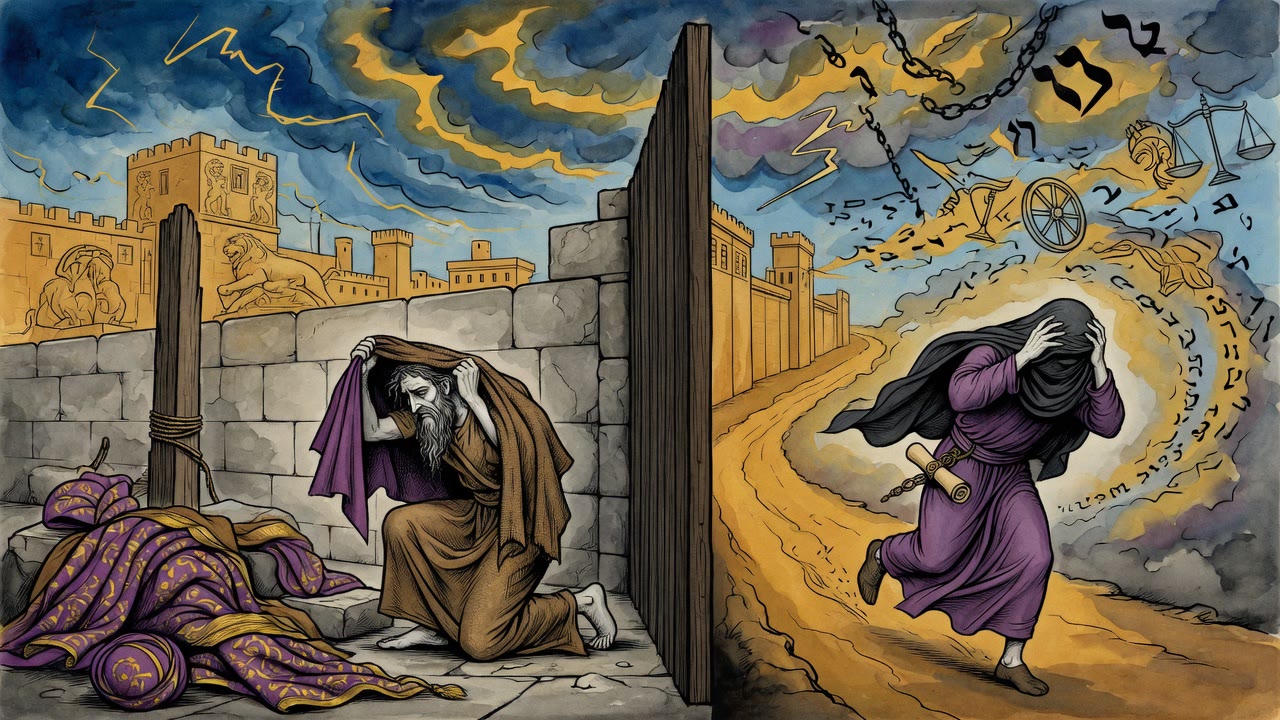
Esther sent Mordechai clothes to get him out of sackcloth. He sent the clothes back, and then sent her a copy of the order to kill every Jew in Persia.
Table of Contents
 Click for full size
A Name That Was a Prophecy
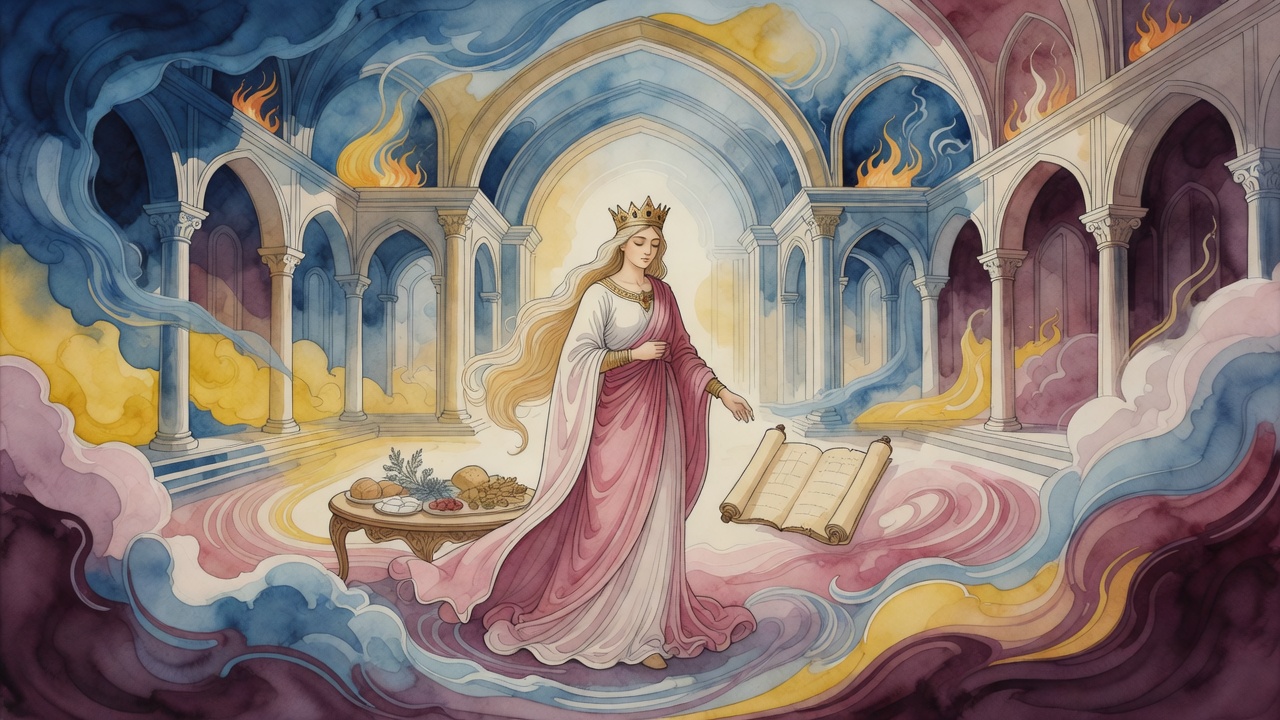
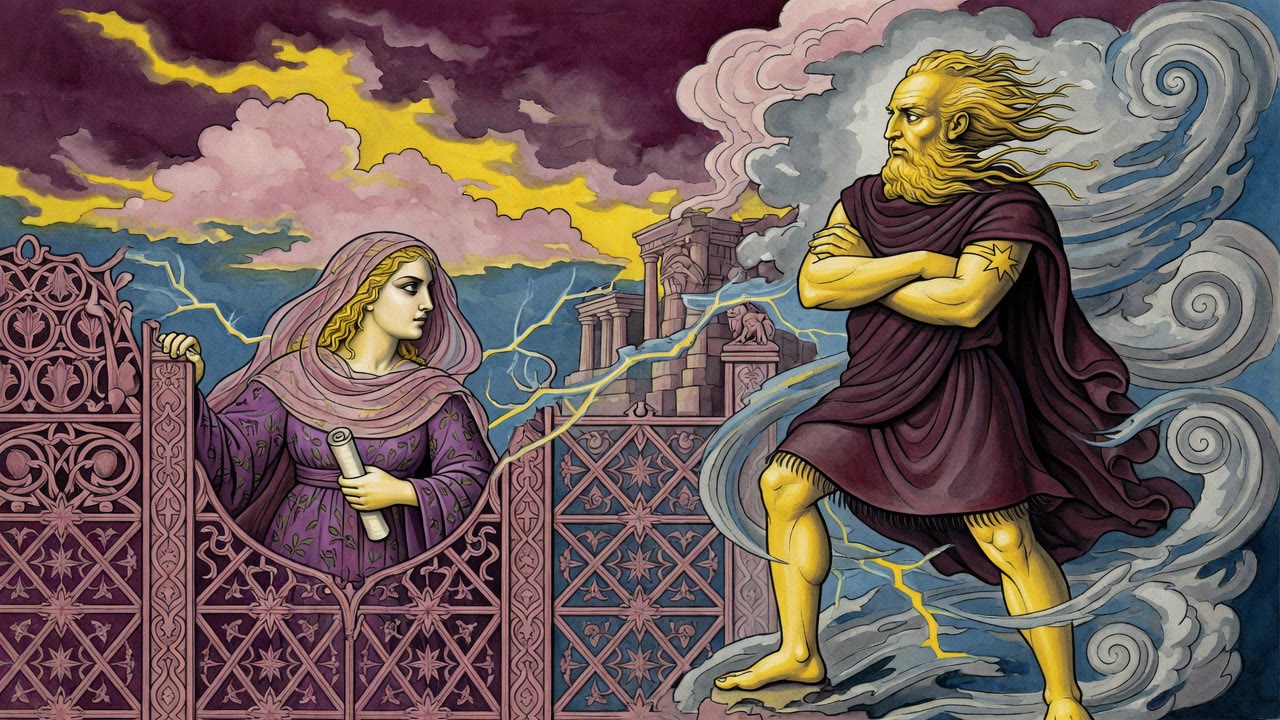
Before the Persian court learned the name Esther, a Jewish girl named Hadassah had already learned how to disappear. She had lived in Mordechai's house, kept out of sight of the king's searchers, raised in concealment as a natural condition of her life. When she was taken into the palace, the concealment continued: she told no one she was Jewish. The Legends of the Jews noted that she had been hidden in Mordechai's house for years before she was ever summoned, as though the hiding were preparation for the role rather than a temporary precaution.
Her name, in Hebrew, meant "she who conceals." The Megillah itself was a story built on hidden identities, hidden purposes, and a divine rescue that never named itself. Esther's name was the key to the whole structure. She was the hidden light, the spark that would only become visible at the moment of maximum danger, the thing that had been concealed so that its disclosure would matter.
What Mordechai Refused
Haman had been elevated above all the other officials at court, and the king had commanded that everyone bow to him when he passed. Everyone did. Mordechai stood.
Day after day, Haman's servants at the gate asked Mordechai why he would not bow. He gave them no satisfying answer. When they reported it to Haman, and Haman saw for himself that Mordechai did not bow, the reaction was disproportionate. It was not enough to punish this one man. Haman wanted all of Mordechai's people destroyed, every Jew in the Persian empire, and he went to the king with numbers and a proposal: a people scattered across all your provinces, laws different from everyone else's, not worth tolerating. Let them be destroyed. I will pay the treasury ten thousand talents of silver.
The king gave Haman his signet ring and told him to do as he saw fit.
Esther's Fear and Mordechai's Certainty
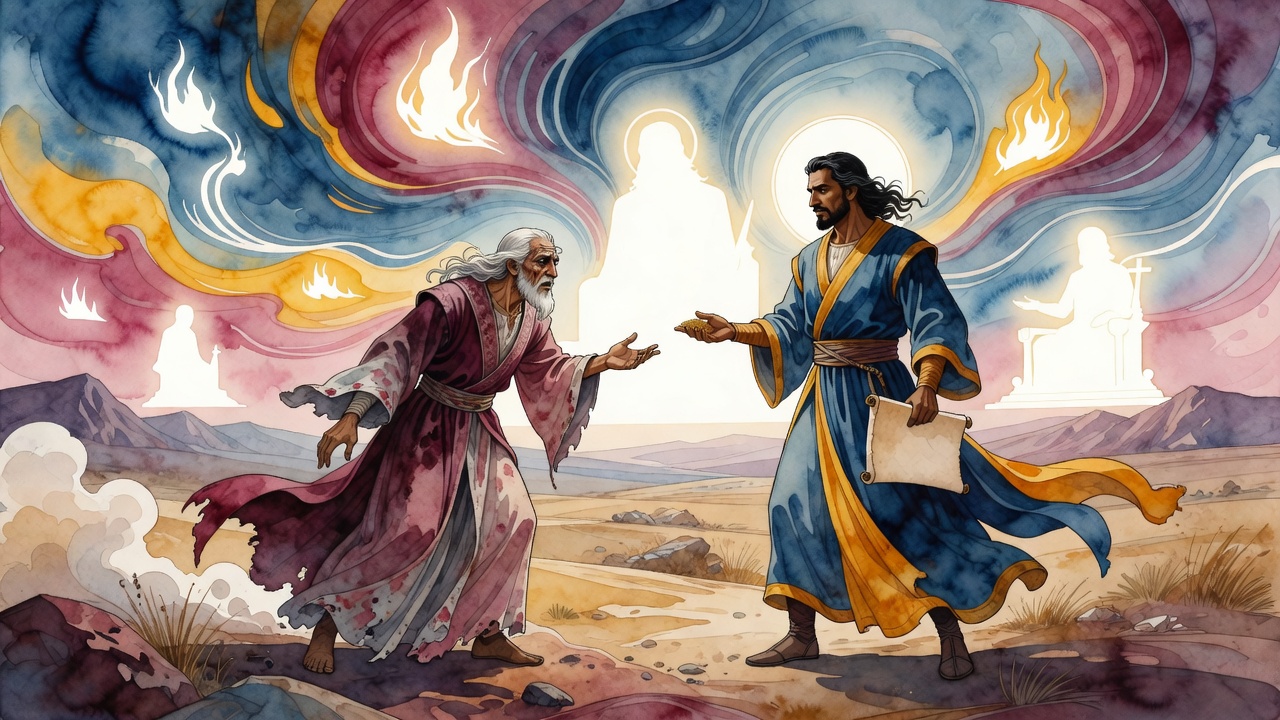
Esther heard about the decree and heard that Mordechai was walking through the city in sackcloth. She sent him clothes. He sent them back. She sent a servant to ask what was happening. He sent back the text of the decree and an instruction: go to the king, plead for your people.
She sent back the obvious problem: going to the king uninvited meant death, unless he extended his golden scepter, and he had not summoned her in thirty days. Mordechai's reply was the most direct thing in the Book of Esther: "Do not imagine that you will escape in the king's house while all the Jews perish. If you remain silent now, relief will come from somewhere else, but you and your father's house will be destroyed. And who knows if it was not for this very moment that you came to the kingdom?"
He was not issuing a threat. He was stating a theology. He had watched Esther's entire life, the orphaned girl, the hidden years, the unlikely selection as queen, and had traced the hand of providence through all of it. Her position inside the palace was not luck. It was placement. The moment had been prepared.
The King Who Could Not Sleep
Pirkei DeRabbi Eliezer looked behind the text for what had moved the king. On the night after Esther's first banquet, Ahasuerus could not sleep. The text says this plainly, without explanation. Pirkei DeRabbi Eliezer supplied one: the throne of the King of Kings had become unsteady. God had seen the great distress of Israel, and the instability of heaven had expressed itself as the sleeplessness of an earthly king. Ahasuerus called for his records, had them read aloud in the dark, and heard the story of Mordechai's unrewarded service, the time Mordechai had reported an assassination plot and saved the king's life, for the first time, or at least for the first time at the right moment.
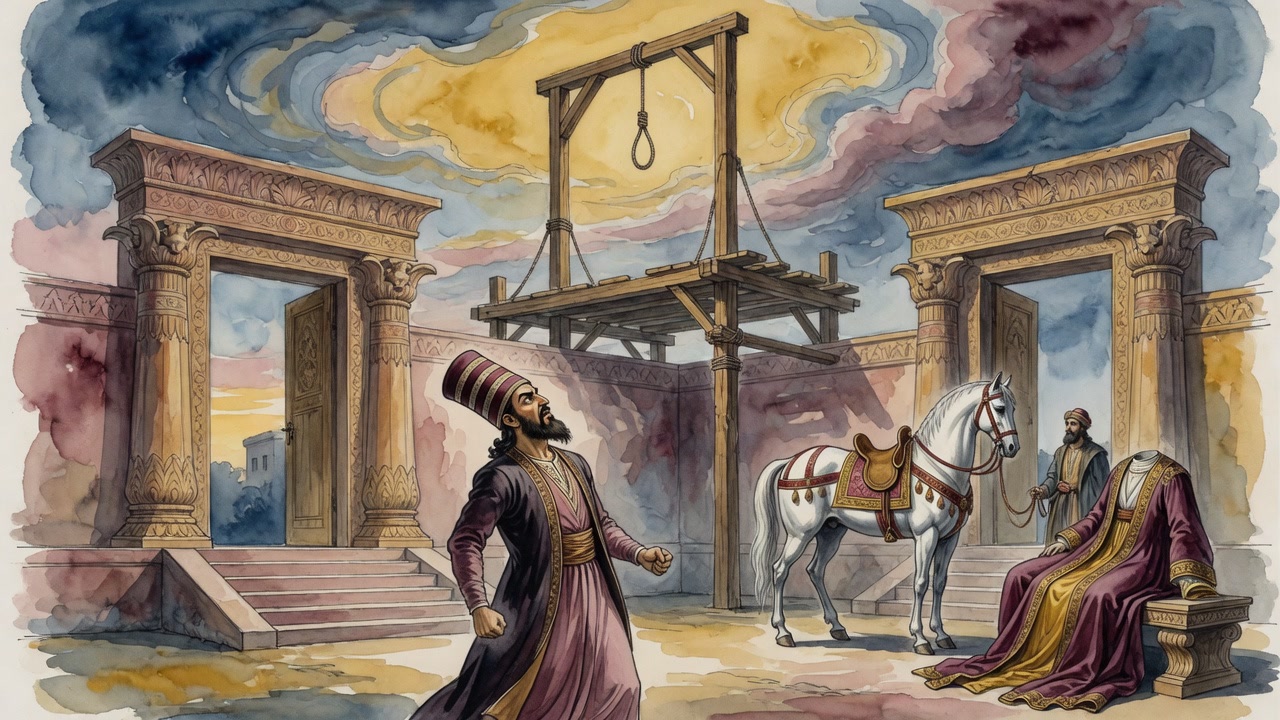
This was the pivot. Haman arrived early the next morning to ask for Mordechai's execution and walked into a conversation about honor. The king had decided to reward the man who had saved his life. He asked Haman what should be done for a man the king wishes to honor. Haman, certain the king meant him, described the most elaborate public humiliation he could imagine for his enemy, royal robes, the king's horse, a proclamation through the city streets. The king told him to do exactly this for Mordechai the Jew.
What the Name Concealed Until Now
Esther had hidden her Jewish identity from the moment she entered the palace. At the second banquet, she revealed it. "If I have found favor in the king's sight, let my life be given to me, for I and my people have been sold for destruction." The king asked who had done this. She pointed across the table: "An adversary and an enemy, this wicked Haman."
The concealment had served its purpose. The hidden queen had remained hidden long enough that the revelation, at the right moment, was decisive. Mordechai had been right about the placement. The name had been a prophecy all along: she who conceals, until concealment is no longer what the moment requires.
← All myths