5 min read

Only the Neglected Friend Entered the Kings Court

When the king summoned him, money refused, family stopped at the door, and only neglected deeds went in to speak.

Curated by Arthur · Told by Maggid ·
Table of Contents
  1. Money, Family, and the Deeds You Forgot
  2. The Farmer Who Shrunk His Own Field
  3. What Follows You Past the Door
  4. Train the Will Before the Summons

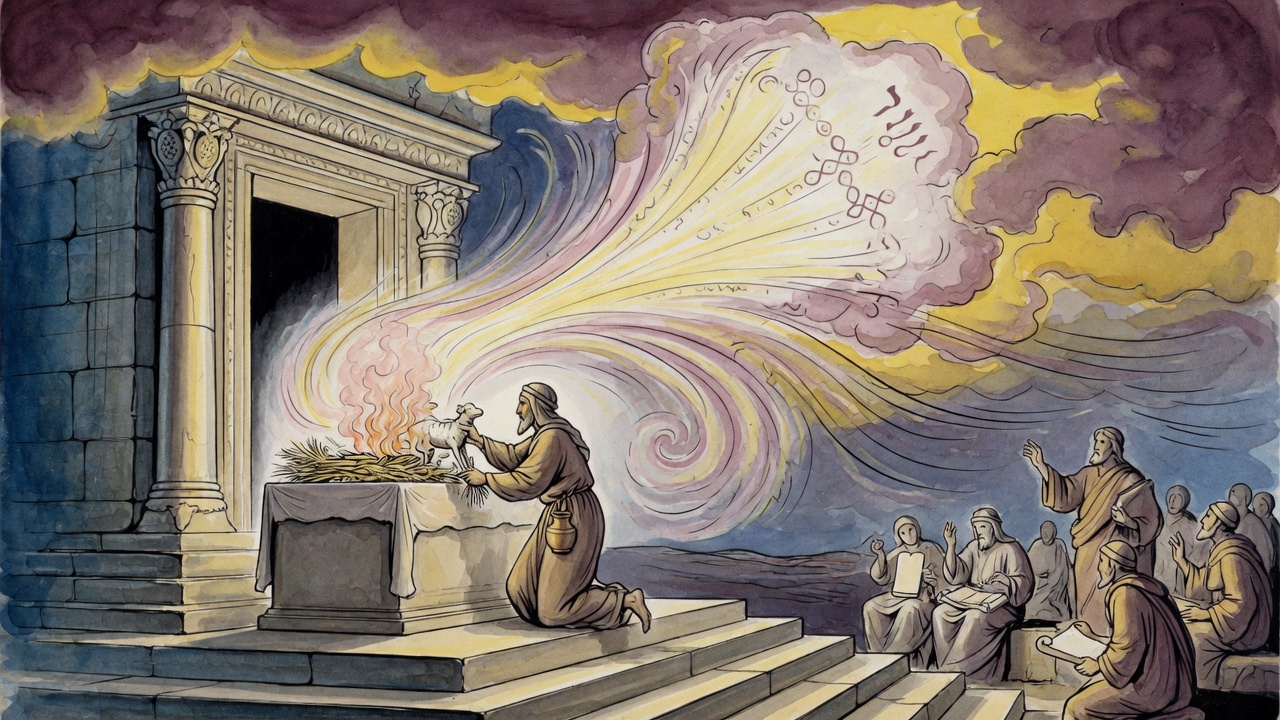
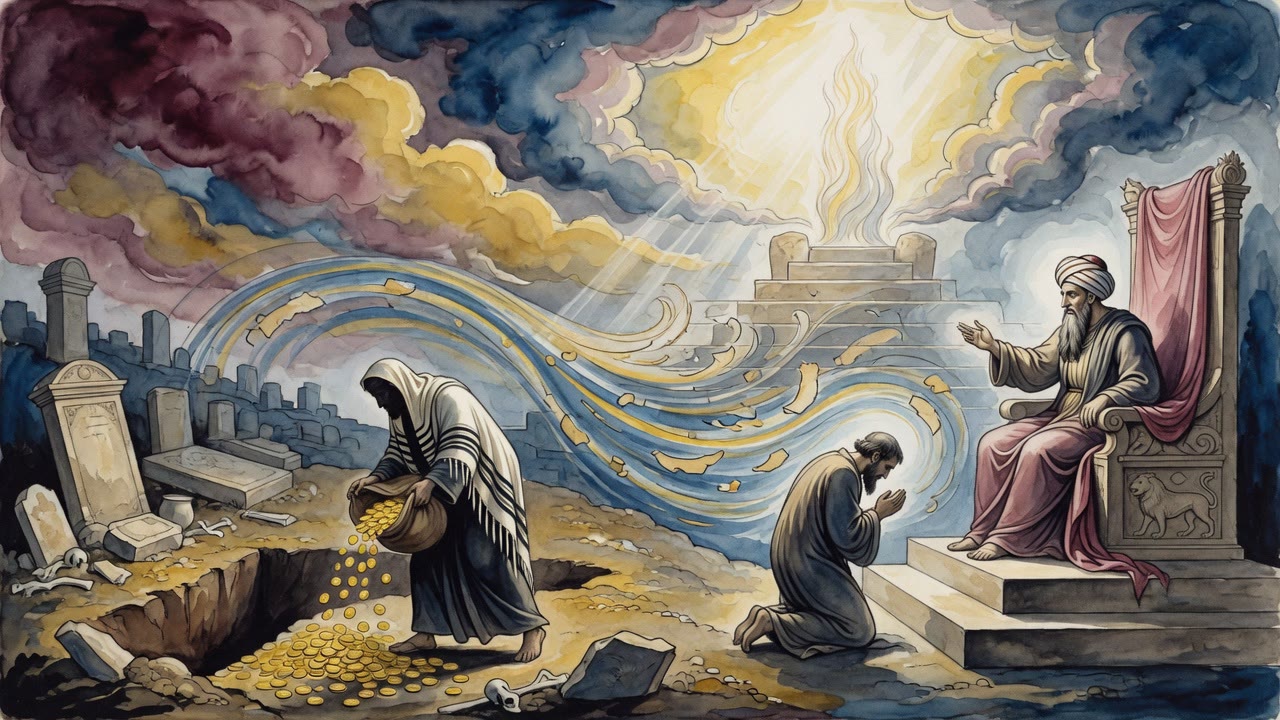
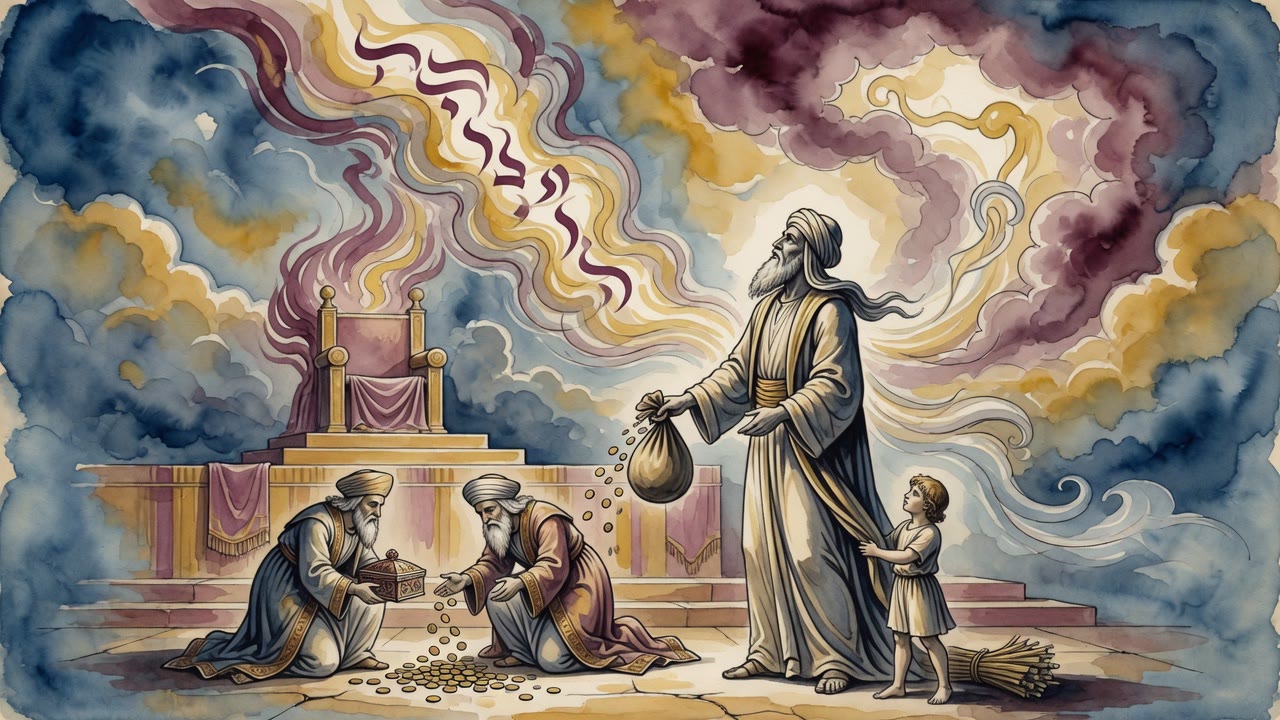
The summons came like a blade. A man who had lived carefully enough to think himself safe was called before the king on a grave charge. Terror sent him running to the friend he loved most, the one he had showered with gifts for years. "Come with me to the court," he begged. "Speak for me." The first friend refused. "I have my own affairs." The man went to the second friend, whom he had always respected at a polite distance. That friend walked him to the palace door and stopped. "I cannot go inside. I cannot face the king."
Only the Neglected Friend Entered the Kings Court Click for full size

In desperation he turned to the third friend, the one he had barely noticed, the one he had neglected while he polished the other two. That friend rose at once. "I will stand before the king and speak for you. I will not rest until you are acquitted."

Money, Family, and the Deeds You Forgot

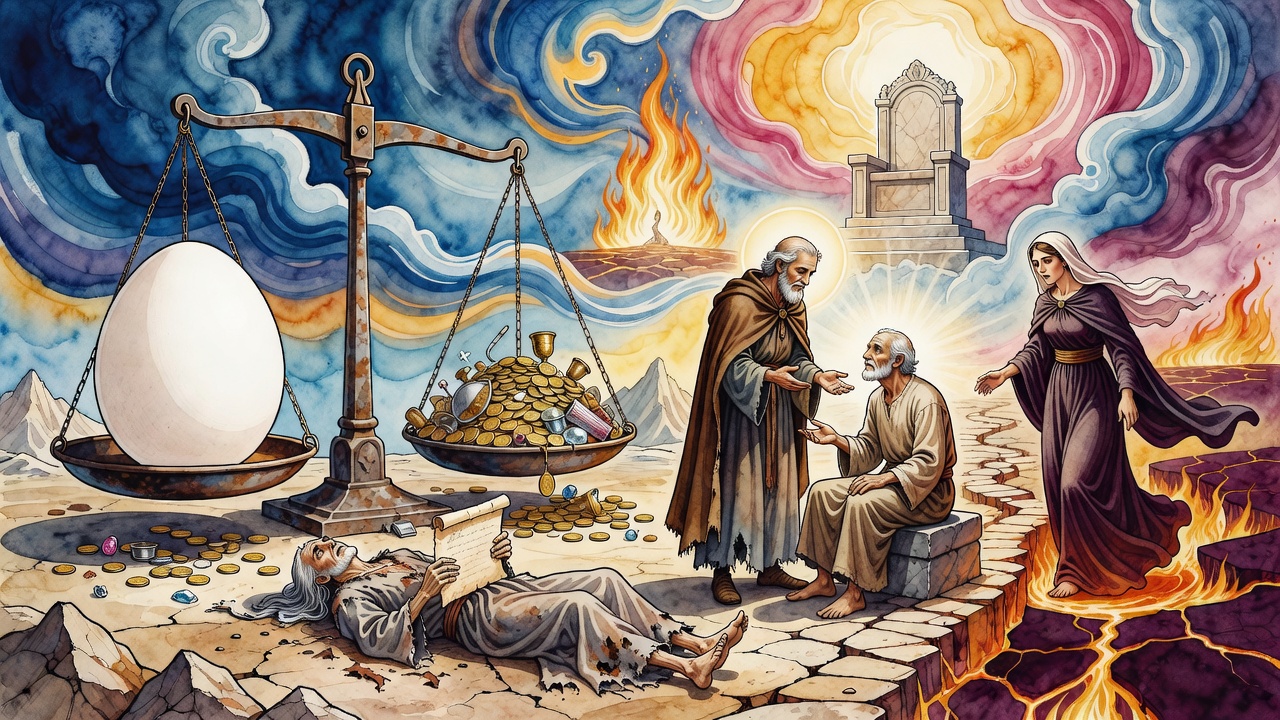
The rabbis named the friends without mercy. The first is money, the treasure people love above all else. At the hour of death, coins do not follow the body into the ground. The second is family, who will walk with you to the grave's edge and then turn back, as the living must. The third is good deeds and Torah learning, ignored in the rush of acquisition, yet the only companions that enter the heavenly court and argue the case before God.

Ben Zoma asked who is rich and answered: he who rejoices in his lot. Who is honored: he who honors others. Who is mighty: he who conquers his own impulse. The parable of the three friends is that teaching walking on two legs. Wealth that cannot enter the palace is not wealth when the charge is read. Strength that never trained the will collapses at the first royal summons.

The Farmer Who Shrunk His Own Field

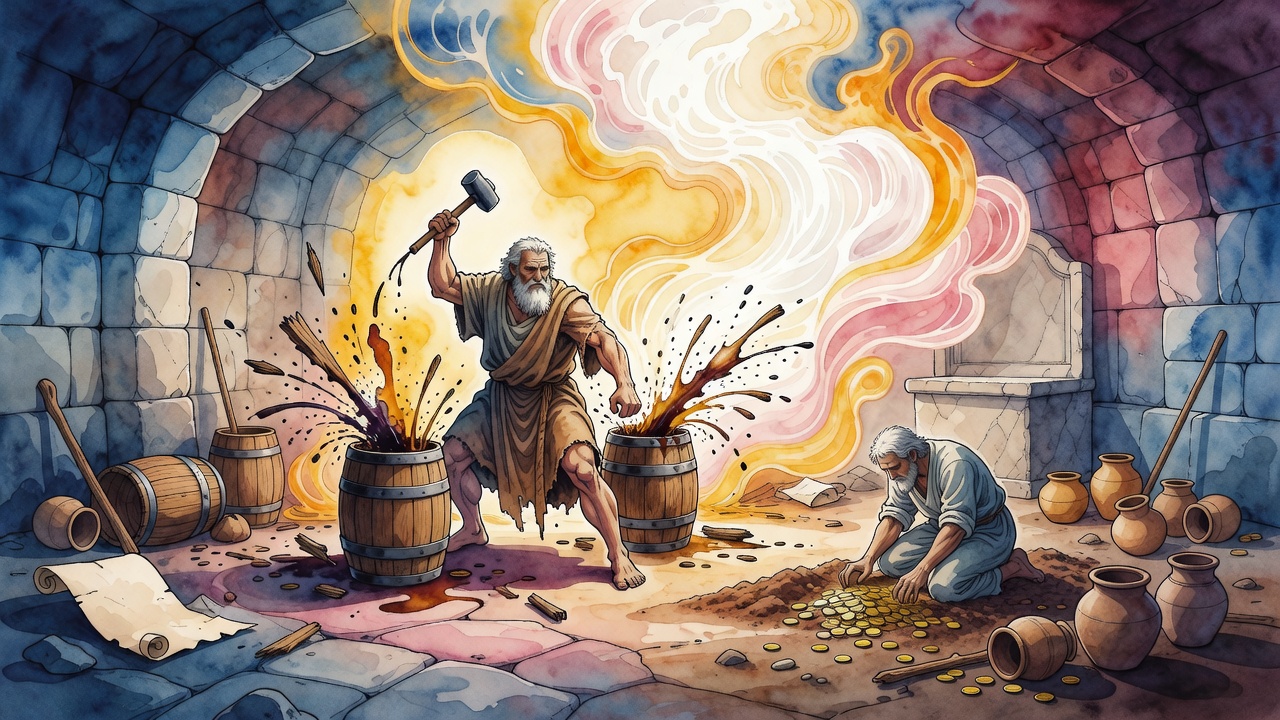
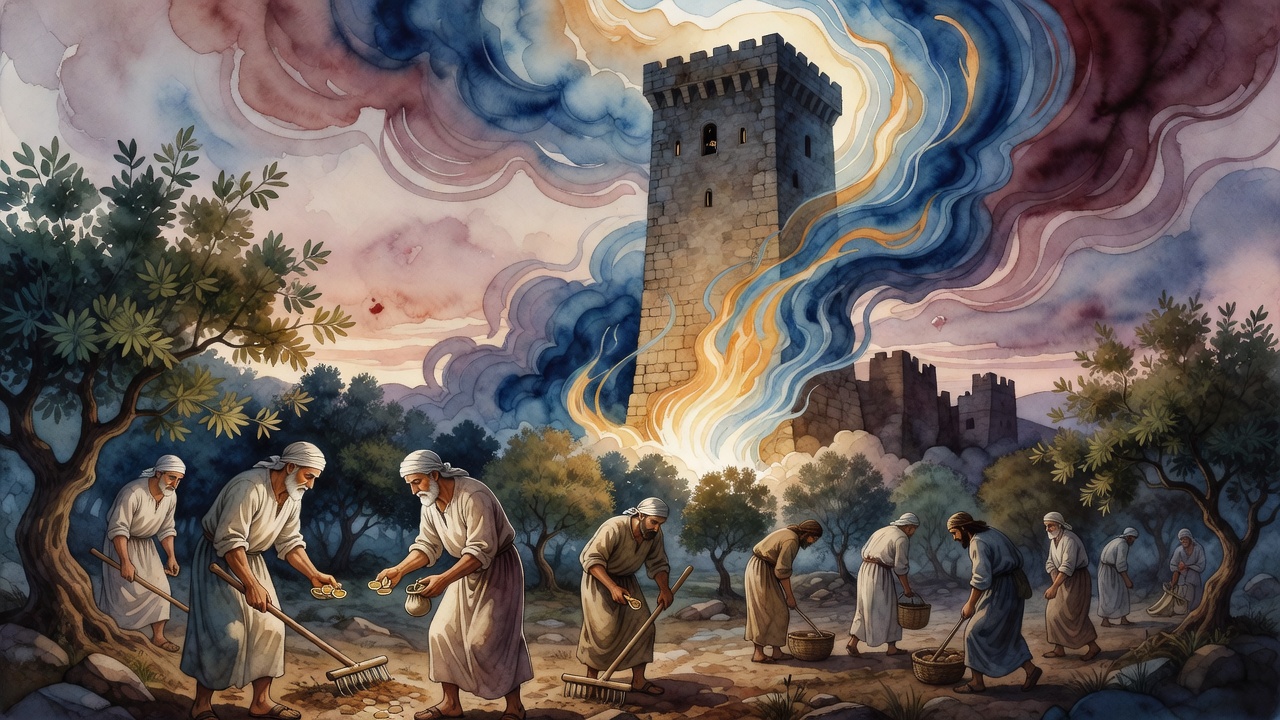
Another man tried to game the same economy from the other side. He looked at his fields and reduced his tithe, keeping more grain, giving Heaven less. The first year the harvest dipped. He shrugged. Weather. Seed. He reduced again. Year after year the earth answered his arithmetic with smaller and smaller yields, until the field produced exactly one-tenth of what it once had given.

Neighbors came not to console him but to congratulate him with iron smiles. "Mazel tov. You have become a priest. When you owned the field, you gave the tithe to the priest. Now God owns the field, and He gives the tithe to you." The tenth that remained was his portion, the same portion he used to release. God does not need the tithe. The tithe tests whether you trust the Giver. Withhold from Heaven, and Heaven withholds from you. The first friend in the parable, money, shrinks the moment you treat it as a god who can be bargained down.

What Follows You Past the Door

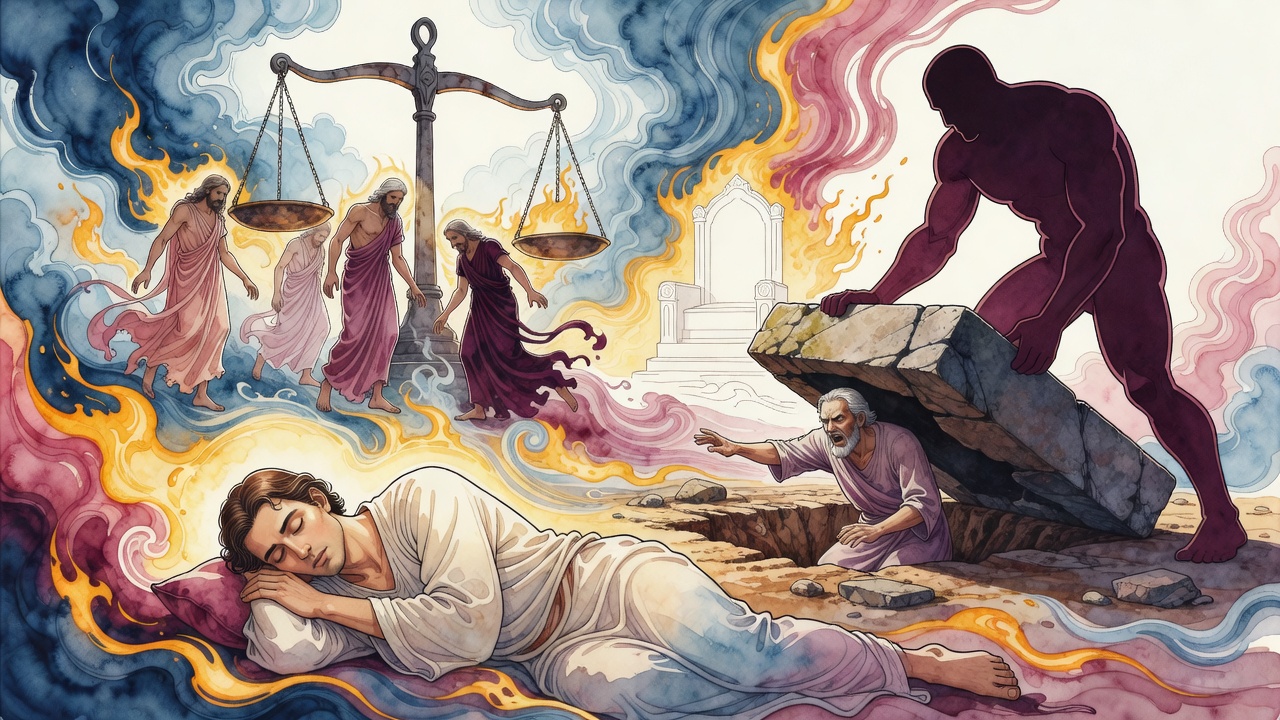
Ben Azzai warned not to despise any person or anything, for there is no one who does not have his hour and no thing that does not have its place. The neglected friend had an hour. The reduced tithe had a place, and when that place was denied, the whole harvest folded into a mockery of priesthood. A life is not scored by what it piles in barns. It is scored by what can still speak when barns are closed and relatives have gone home to cook the meal of mourning.

Imagine the man at the palace threshold again. His coins are busy elsewhere. His kin stop at the wood of the door. Only the quiet ledger of kindness steps inside. That is why the sages tell the story to the living, not only to the dying. You are choosing your courtroom companions every ordinary afternoon.

Train the Will Before the Summons

Who is mighty? He who rules his spirit. The man who loved money first had never ruled his ranking of loves. The farmer who shaved the tithe had never ruled his fear of lack. Both discover too late that the king they finally meet does not take bribes in the currency they spent their strength to gather.

If you want a friend who can face the throne, practice him now. Give the tenth while the field is full. Honor the person who cannot advance your name. Learn the chapter that will not impress a dinner guest. The neglected third friend grows only when fed. Starve him, and on the day of the charge you will stand alone with two polite refusals and a door that will not open from the outside.


← All myths
From the tradition

Sources

3 sources

The texts behind this telling. Some cards carry a translation of the source; others are our own retelling of it, and each card says which. Every card links out to the original.

Exempla of the Rabbis, No. 416Exempla of the Rabbis (Gaster, 1924)

Retold in our words. Read the original at the link below.The Exempla of the Rabbis, Moses Gaster (1924) · Public Domain

The sages told a parable about a man who had three friends. The first friend he loved above all others and showered with gifts. The second friend he respected but kept at a distance. The third friend he barely noticed at all.

One day, the man was summoned before the king on a grave charge. Terrified, he went to his first friend, the one he loved most. And begged for help. "Come with me to the court," he pleaded. "Speak on my behalf." The first friend refused. "I cannot help you," he said. "I have my own affairs to attend to." The man was devastated.

He went to his second friend and made the same plea. This friend was more sympathetic. "I will walk with you to the door of the palace," the second friend said, "but I cannot go inside. I cannot face the king." Better than nothing, but not enough.

In desperation, the man went to his third friend, the one he had neglected for years. To his astonishment, the third friend immediately agreed. "I will not only come with you," he said, "I will stand before the king and speak on your behalf. I will not rest until you are acquitted."

The rabbis explained the parable. The first friend is money, the thing people love most in this life. At the hour of death, money cannot follow you. The second friend is family, they will accompany you to the grave but no further. The third friend is your good deeds and your Torah learning. Neglected in life, they are the only companions that enter the heavenly court with you and argue your case before God.

Full source
Exempla of the Rabbis, No. 104Exempla of the Rabbis (Gaster, 1924)

Retold in our words. Read the original at the link below.The Exempla of the Rabbis, Moses Gaster (1924) · Public Domain

A farmer once looked at his fields and made a calculation that seemed clever at the time. The Torah commands that a tenth of every harvest must be given as a tithe. The farmer decided to reduce his tithe. He would keep more for himself and give less to God. Simple arithmetic, more grain in his storehouse, more coins in his purse.

The first year, the harvest was slightly smaller than before. The farmer shrugged it off, weather, perhaps, or the quality of the seed. He reduced his tithe again. The next year, the harvest shrank further. Year after year, as he withheld more, the earth yielded less. The fields that once overflowed with abundance began to wither, producing a fraction of what they once had.

Finally, the harvest dwindled to exactly one-tenth of what it had been in the beginning. The farmer who had once been the wealthiest landowner in his district now stood in a field that barely produced enough to feed his family.

His friends and neighbors came to visit. But not to console him. They came to congratulate him, with sharp smiles and sharper words. "Mazel tov!" they said. "You have become a priest! For when you were the owner of the field, you gave the tithe to the priest. Now God is the owner of the field, and He gives the tithe to you. The tenth that your field produces? That is your portion, the same portion you used to give away."

The Rabbis told this tale with dark humor and a clear warning: God does not need your tithe. The tithe is a test of whether you trust that the Giver of abundance will continue to give. Withhold from heaven, and heaven withholds from you.

Full source
Pirkei Avot 4Pirkei Avot

Retold in our words. Read the original at the link below.Mishnah Yomit by Dr. Joshua Kulp · CC0

Ben Zoma said: Who is wise? He who learns from every man, as it is said: “From all who taught me have I gained understanding” (Psalms 119:99). Who is mighty? He who subdues his [evil] inclination, as it is said: “He that is slow to anger is better than the mighty; and he that rules his spirit than he that takes a city” (Proverbs 16:32). Who is rich? He who rejoices in his lot, as it is said: “You shall enjoy the fruit of your labors, you shall be happy and you shall prosper” (Psalms 128:2) “You shall be happy” in this world, “and you shall prosper” in the world to come. Who is he that is honored? He who honors his fellow human beings as it is said: “For I honor those that honor Me, but those who spurn Me shall be dishonored” (I (Samuel 2:3)0).

Ben Azzai said: Be quick in performing a minor commandment as in the case of a major one, and flee from transgression; For one commandment leads to another commandment, and transgression leads to another transgression; For the reward for performing a commandment is another commandment and the reward for committing a transgression is a transgression.

He used to say: do not despise any man, and do not discriminate against anything, for there is no man that has not his hour, and there is no thing that has not its place.

Rabbi Levitas a man of Yavneh said: be exceeding humble spirit, for the end of man is the worm. Rabbi Yohanan ben Berokah said: whoever profanes the name of heaven in secret, he shall be punished in the open. Unwittingly or wittingly, it is all one in profaning the name.

Rabbi Ishmael his son said: He who learns in order to teach, it is granted to him to study and to teach; But he who learns in order to practice, it is granted to him to learn and to teach and to practice. Rabbi Zadok said: do not make them a crown for self-exaltation, nor a spade with which to dig. So too Hillel used to say, “And he that puts the crown to his own use shall perish.” Thus you have learned, anyone who derives worldly benefit from the words of the Torah, removes his life from the world.

Rabbi Yose said: whoever honors the Torah is himself honored by others, and whoever dishonors the Torah is himself dishonored by others.

Rabbi Ishmael his son said: he who refrains himself from judgment, rids himself of enmity, robbery and false swearing; But he whose heart is presumptuous in giving a judicial decision, is foolish, wicked and arrogant.

He used to say: judge not alone, for none may judge alone save one. And say not “accept my view”, for they are free but not you.

Rabbi Jonathan said: whoever fulfills the Torah out of a state of poverty, his end will be to fulfill it out of a state of wealth; And whoever discards the Torah out of a state of wealth, his end will be to discard it out of a state of poverty.

Rabbi Meir said: Engage but little in business, and busy yourself with the Torah. Be of humble spirit before all men. If you have neglected the Torah, you shall have many who bring you to neglect it, but if you have labored at the study of Torah, there is much reward to give unto you

Rabbi Eliezer ben Jacob said: he who performs one commandment acquires for himself one advocate, and he who commits one transgression acquires for himself one accuser. Repentance and good deeds are a shield against punishment. Rabbi Yochanan Hasandlar said: every assembly which is for the sake of heaven, will in the end endure; and every assembly which is not for the sake of heaven, will not endure in the end.

Rabbi Elazar ben Shammua said: let the honor of your student be as dear to you as your own, and the honor of your colleague as the reverence for your teacher, and the reverence for your teacher as the reverence of heaven.

Rabbi Judah said: be careful in study, for an error in study counts as deliberate sin. Rabbi Shimon said: There are three crowns: the crown of Torah, the crown of priesthood, and the crown of royalty, but the crown of a good name supersedes them all.

Rabbi Nehorai said: go as a [voluntary] exile to a place of Torah and say not that it will come after you, for [it is] your fellow [student]s who will make it permanent in your hand and “and lean not upon your own understanding” (Proverbs 3:5).

Rabbi Yannai said: it is not in our hands [to explain the reason] either of the security of the wicked, or even of the afflictions of the righteous. Rabbi Mathia ben Harash said: Upon meeting people, be the first to extend greetings; And be a tail unto lions, and not a head unto foxes.

Rabbi Jacob said: this world is like a vestibule before the world to come; prepare yourself in the vestibule, so that you may enter the banqueting-hall.

He used to say: more precious is one hour in repentance and good deeds in this world, than all the life of the world to come; And more precious is one hour of the tranquility of the world to come, than all the life of this world.

Rabbi Shimon ben Elazar said: Do not try to appease your friend during his hour of anger; Nor comfort him at the hour while his dead still lies before him; Nor question him at the hour of his vow; Nor strive to see him in the hour of his disgrace.

Shmuel Hakatan said: “If your enemy falls, do not exult; if he trips, let your heart not rejoice, lest the Lord see it and be displeased, and avert his wrath from him” (Proverbs 24:17).

Elisha ben Abuyah said: He who learns when a child, to what is he compared? To ink written upon a new writing sheet. And he who learns when an old man, to what is he compared? To ink written on a rubbed writing sheet. Rabbi Yose ben Judah a man of Kfar Ha-babli said: He who learns from the young, to what is he compared? To one who eats unripe grapes, and drinks wine from his vat; And he who learns from the old, to what is he compared? To one who eats ripe grapes, and drinks old wine. Rabbi said: don’t look at the container but at that which is in it: there is a new container full of old wine, and an old [container] in which there is not even new [wine].

Rabbi Elazar Ha-kappar said: envy, lust and [the desire for] honor put a man out of the world.

He used to say: the ones who were born are to die, and the ones who have died are to be brought to life, and the ones brought to life are to be judged; So that one may know, make known and have the knowledge that He is God, He is the designer, He is the creator, He is the discerner, He is the judge, He the witness, He the complainant, and that He will summon to judgment. Blessed be He, before Whom there is no iniquity, nor forgetting, nor respect of persons, nor taking of bribes, for all is His. And know that all is according to the reckoning. And let not your impulse assure thee that the grave is a place of refuge for you; for against your will were you formed, against your will were you born, against your will you live, against your will you will die, and against your will you will give an account and reckoning before the King of the kings of kings, the Holy One, blessed be He.

Full source