6 min read

One Egg Outweighed a Lifetime of Hoarded Gold

A miser dies with an empty ledger, a merchant who fed a blind man is spared, and a false-pious woman is walked through Gehinnom.

Curated by Arthur · Told by Maggid ·
Table of Contents
  1. The Scale That Hung Empty Above His Bed
  2. The Egg That Tipped the Mountains
  3. The Merchant Who Gave to a Man Who Did Not Want It
  4. The Woman Who Was Led Down Instead of Up
  5. Three Ledgers at the Same Threshold

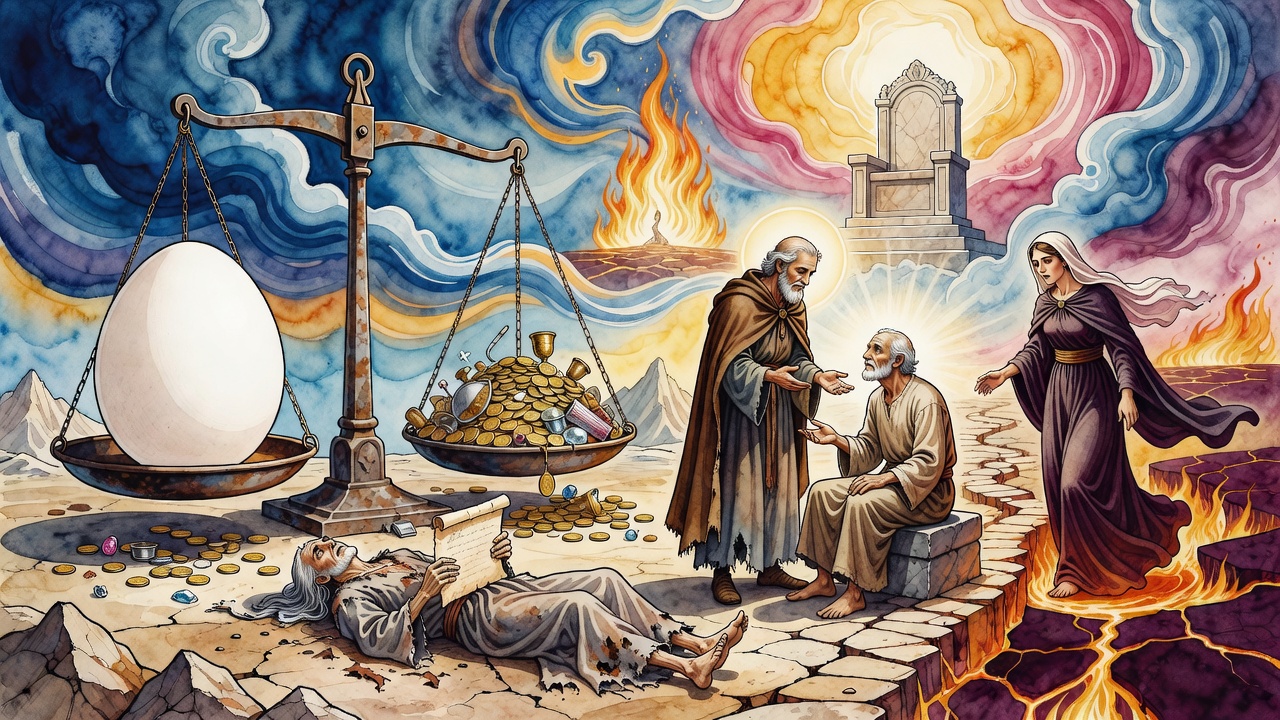
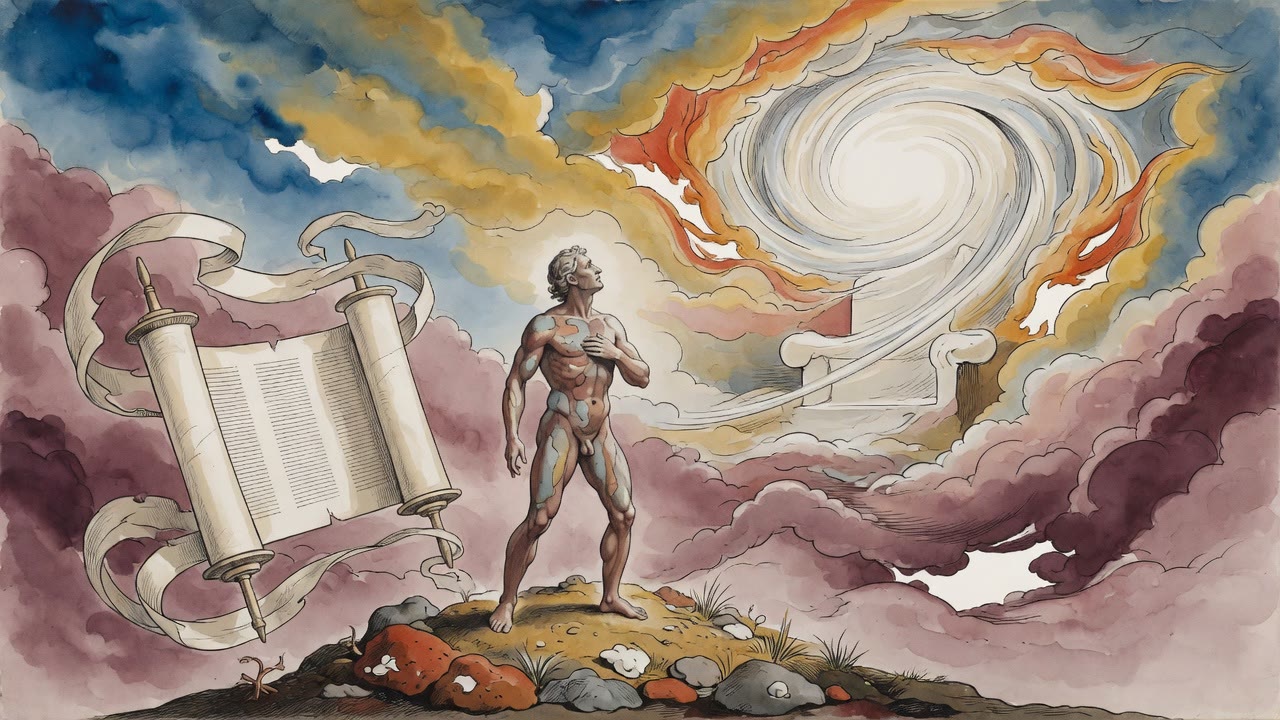
The rich man's house smelled of cold money and sickness. He lay under blankets no beggar in the town had ever touched, and far above him, in a place he could not see, two scales hung in the air. On one pan, mountains. Iron-gray mountains of everything he had taken and kept and refused. On the other pan, nothing. Not a coin. Not a crust. Not one warm hour given to anyone living.

And down the road the Angel of Death was already walking.

The Scale That Hung Empty Above His Bed

He had been the kind of rich the poor learn to step around. He hoarded. He lent at the edge of cruelty and collected without mercy. When a hungry man stood at his gate, he sent a servant to shut it. A whole life of that, stacked and weighed, and the pan of merit floated up light as breath.

Now he was dying, and hungry. A small, stupid hunger after a life of feasts. "Bring me an egg," he said, and his voice was a thread. A servant turned toward the kitchen.

At the doorway stood a poor man. Starving. Shaking. Mouth open to beg.

The rich man heard it. Barely. The begging voice reached him through the fog of his own ending, and something moved in him that had never moved before. Maybe guilt. Maybe the cold arithmetic of a man who knows he is about to stand before his Maker with empty hands. "Give the egg to the poor man," he rasped.

The servant gave it. The poor man ate. The rich man died with that egg still warm in another man's stomach.

The Egg That Tipped the Mountains

What happened next, the dead man came back to tell. He appeared to his son in a dream, and he was not screaming, which was itself a wonder.

"You cannot imagine what I saw," he said. "They brought my deeds to the scale. The guilt came down like iron, a whole life of it, pressing until I thought the pan would break the floor of heaven. I had nothing to set against it." He paused the way the dead pause. "And then they laid one egg on the other side. The egg I gave away with my last breath. And that single egg was heavy enough. The mountains lifted. They gave me a place in the Garden."

The son woke up changed. If one egg could drag a miser out of the fire, what could a life of giving buy? He never turned a beggar away again. He became the most open-handed man in town, and every coin he gave, he gave as if it weighed more than gold, because he had seen exactly how much an egg can weigh.

The Merchant Who Gave to a Man Who Did Not Want It

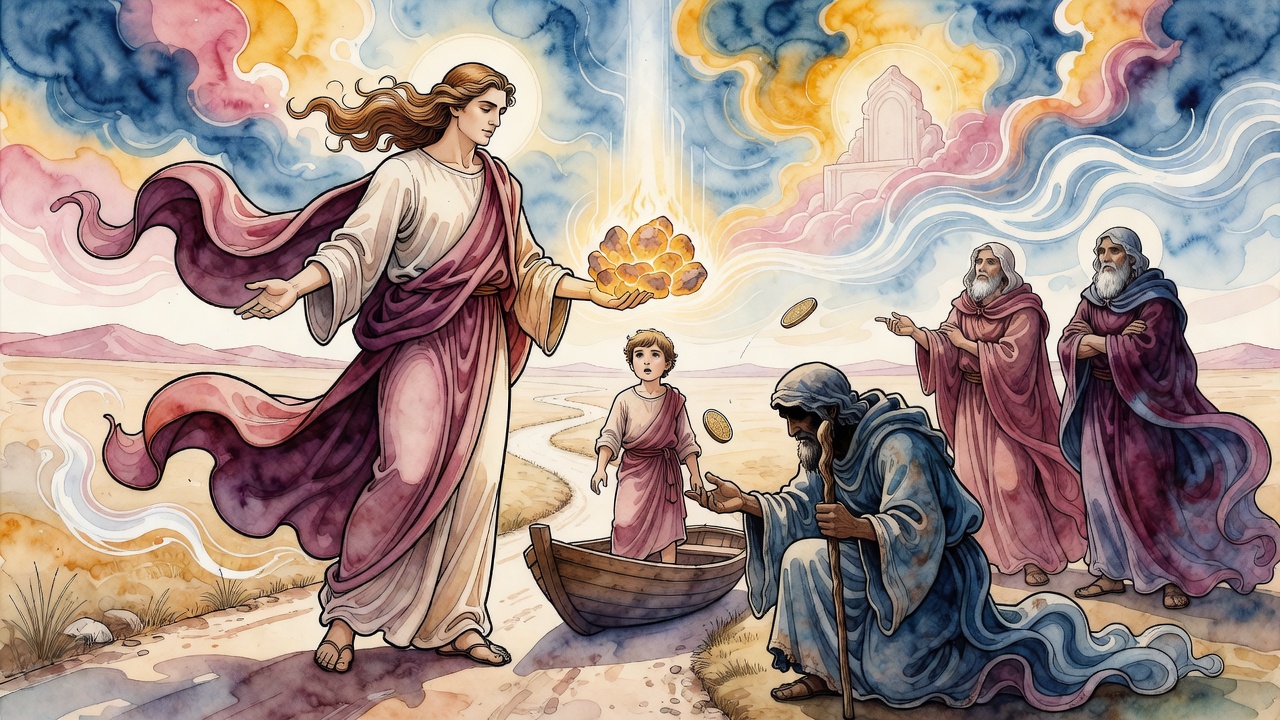
On another road a merchant traveled with an innkeeper who had asked to walk beside him. Near a town they passed a blind man sitting in the dust. The merchant stopped and pressed something into his hand. The innkeeper did not. "I do not know him," he said, and kept walking. Charity, to him, was a transaction between acquaintances, and a stranger in the dirt was owed nothing.

Then the road ahead of them was not empty. The Angel of Death stood in it, and the air went still the way it goes still before a verdict.

The angel looked at the merchant and let him pass. Fifty more years, granted on the strength of one coin handed to a blind beggar who had asked for nothing in return. The innkeeper, too, the angel let live, for a different reason. He would carry the story off that road and tell it everywhere, for the glory of God, and a man who spreads the news of mercy buys himself a little time as well.

One coin had bought fifty years. A man who made the giving a habit would never run out of road.

The Woman Who Was Led Down Instead of Up

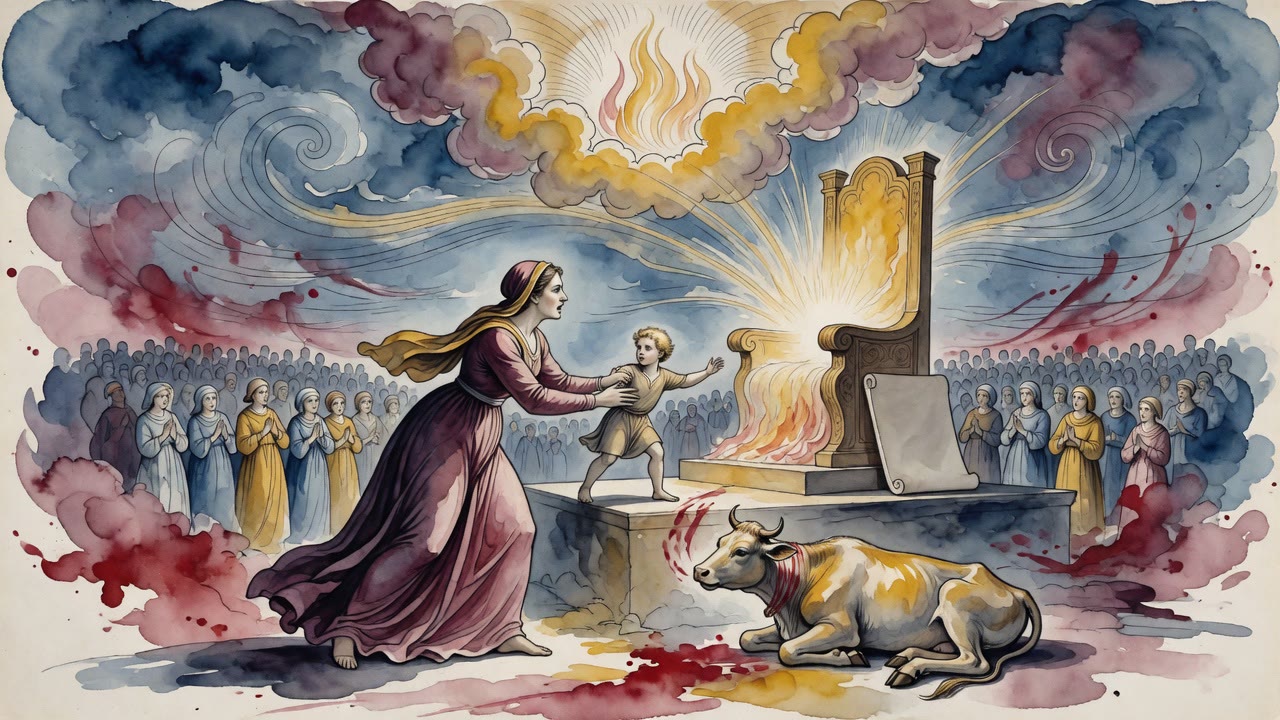
Not everyone wakes in a garden. There was a woman who had built her whole life into a beautiful false front. She fed the poor, the neighbors said. What they did not see was the bread itself, going green and sour, the worst of her larder pressed on the hungry with a pious smile, while the mercy she advertised never once reached her hands.

When she died, she was not shown the Garden. Someone led her through the gates of Gehinnom and walked her slowly past what waited there, chamber by chamber, and at each one she understood that the limb that sinned would answer for the sin, and the mouth that lied would be judged by the truth it had buried. The rotten bread came back to her. The smile she had worn came off in the heat. The front did not hold, because there is no marketplace in Gehinnom and no one left to deceive.

She had spent a life arranging what people saw. Now she was shown what was true, and the gap between the two was the whole of her sentence.

Three Ledgers at the Same Threshold

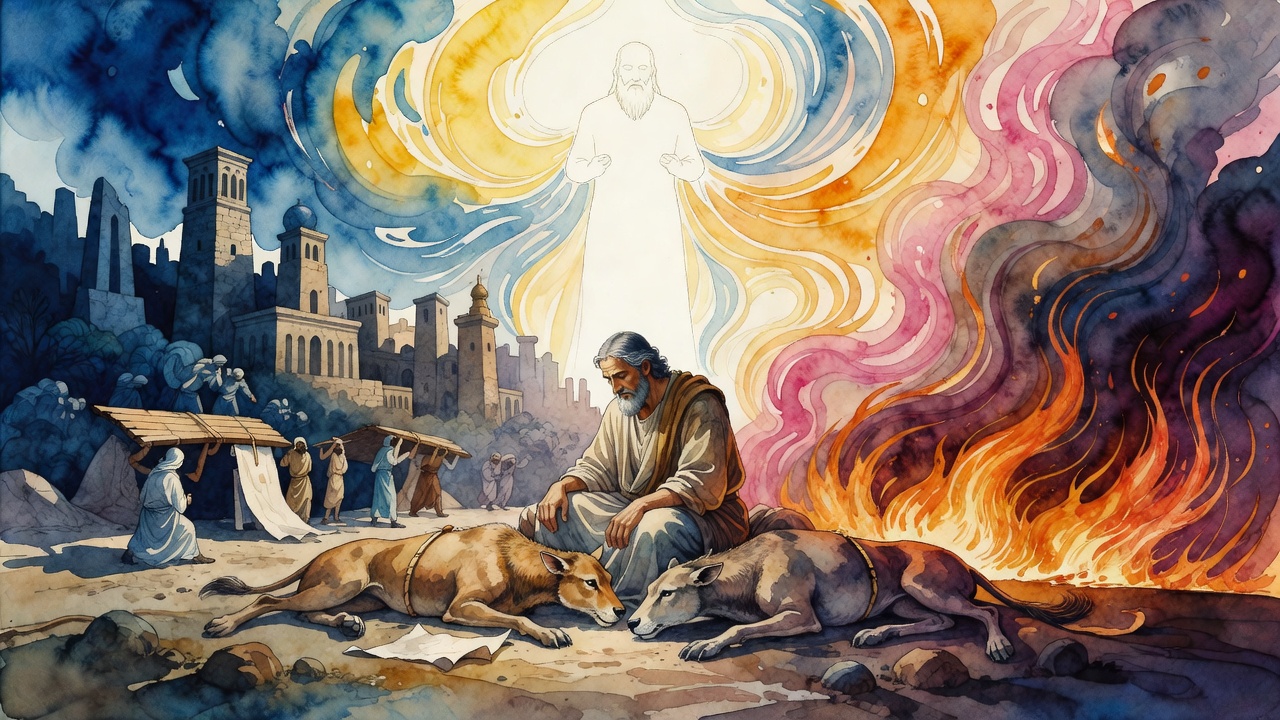
Three people came to the same door. A miser with a single egg. A merchant with a single coin. A woman with a pantry of charity that was no charity at all. The scale told no lies about any of them. The egg outweighed the mountains. The coin outran death by fifty years. And the spoiled bread weighed nothing when the woman needed it to weigh the world.

The gate of judgment closes the way gates close. After it shuts there is no errand left to run, no egg left to give, no beggar at the door. The giving belongs to the living, and only while the door still stands open.


← All myths

From the tradition

Sources

3 sources

The texts this telling draws on, in full. Open a card to read inline, or expand it for a wider, quieter read.

Exempla of the Rabbis, No. 397Exempla of the Rabbis (Gaster, 1924)

A wicked man lay on his deathbed. He had lived selfishly, hoarded his wealth, and never once given charity. The Angel of Death was approaching, and the man's ledger in heaven was catastrophically empty of good deeds. Not a single act of kindness. Not one coin given to the poor. Nothing to place on the scale of merit against a lifetime of greed.

In his final hours, the man was desperately hungry. "Bring me an egg," he groaned. A servant went to fetch it. But as the servant passed through the doorway, a poor man was standing there, starving, trembling, begging for a scrap of food.

The wicked man, barely conscious, heard the poor man's voice. Something stirred in him, perhaps guilt, perhaps a final flicker of humanity, perhaps simple recognition that he was about to face his Maker with nothing to show. "Give the egg to the poor man," he rasped. It was the first and only act of charity in his entire life.

He died moments later.

But in the World to Come, the man appeared to his son in a dream. "You cannot imagine what happened," the dead man said. "When they weighed my deeds, the scale of guilt was overwhelming, a lifetime of sin pressing down like mountains of iron. But then they placed a single egg on the scale of merit. And that egg, that one egg, given to a poor man in my last breath, was heavy enough to tip the balance. I was granted a place in Paradise."

The son was transformed. He became the most generous man in his community, giving charity constantly, never refusing a beggar. If a single egg could save a wicked man's soul, what could a lifetime of giving accomplish?

Full source
Exempla of the Rabbis, No. 387Exempla of the Rabbis (Gaster, 1924)

2. A merchant whilst travelling, is asked by an innkeeper to be allowed to go with him. Near a town they meet a blind man. The merchant gives him something; the other refuses saying he does not know him. The angel of death meets them, spares the merchant fifty years longer because of charity, and allows the other to live because he wishes to recount the adventure for the glory of God. If a man be saved by giving once, how much more will he be saved by making a habit of it?

*) From shorter recension B. ed. Jellinek. vide p. 7, ยง 19.

388.3- Rabbi Gamliel, R. Eliezer, Rabbi Joshua travelling were hospitably received by a man. At the table he first carried every dish into an adjoining room. They asked him what it meant and whether he bewitched the food. He replied that in the adjoining room lived his father who had taken an oath never to leave it before he had seen some of the Jewish sages. Told that they were the sages, the father explained that the son had been married for twelve years but had been bewitched and therefore had no child. He begged the sages to save him. Rabbi Joshua asked for some black seed; he sowed it there, it grew up at once; he pulled out the stalks and a woman came up. He got hold of her by her locks and asked her to break the spell. She replied that she had sunk it into the depths of the sea. No one present saw the witch but they heard the conversation. Rabbi Joshua conjured up the demon of the sea who cast up the spell. A year afterwards a child was born and this was Judah ben Batira.

Full source
Exempla of the Rabbis, No. 338Exempla of the Rabbis (Gaster, 1924)

A woman who had lived a life of cruelty and false piety was shown, after her death, the punishments awaiting her in Gehinnom. This exemplum, gathered by Gaster from Eisenstein's Otzar and paralleled in the Maaseh Book, belongs to a family of moralizing tales in which a soul is granted a vision of the world to come so that the living may take warning. The structure follows the older aggadic teaching that measure is met with measure, so that the limbs and faculties used for sin become the very instruments of reckoning.

The point the storytellers press is not idle terror but accountability. Scripture warns that a person's deeds follow after them, and the prophets repeatedly insist that outward show without inward justice earns no favor (Isaiah 1:11-17). A woman who fed the poor with rotten bread, or who pretended charity while withholding mercy, finds in the next world that the deception is laid bare. The hypocrite's reward is to be judged by the truth she concealed rather than the appearance she maintained.

Such tales circulated alongside the wider folk motif of the forbidden chamber, in which a soul is permitted to see all but one hidden room, and the rabbis bent the borrowed frame to a Jewish purpose. The lesson is that repentance belongs to the living, for once the gates of judgment close the soul can no longer mend what it left undone. The teaching urges the listener to weigh deeds honestly now, while there is still time to turn (Ecclesiastes 12:14).

Full source