5 min read

Tobi Made His Son Swear to Honor the Mother

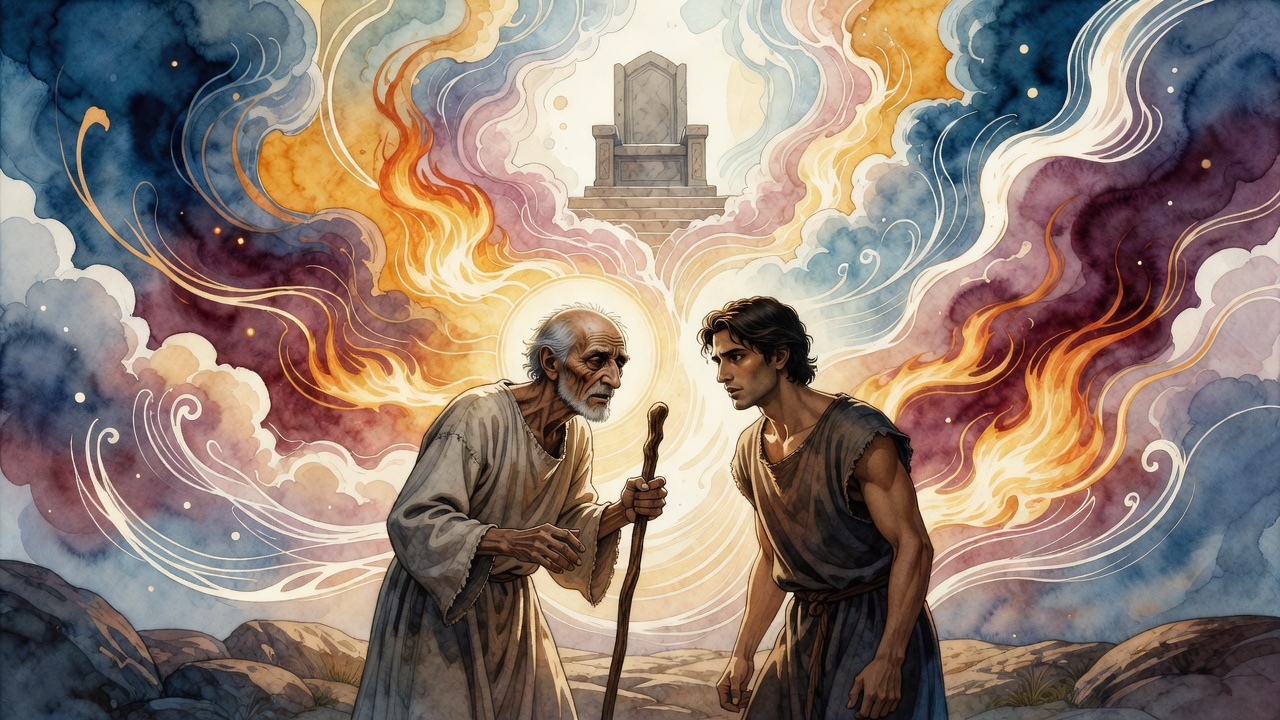
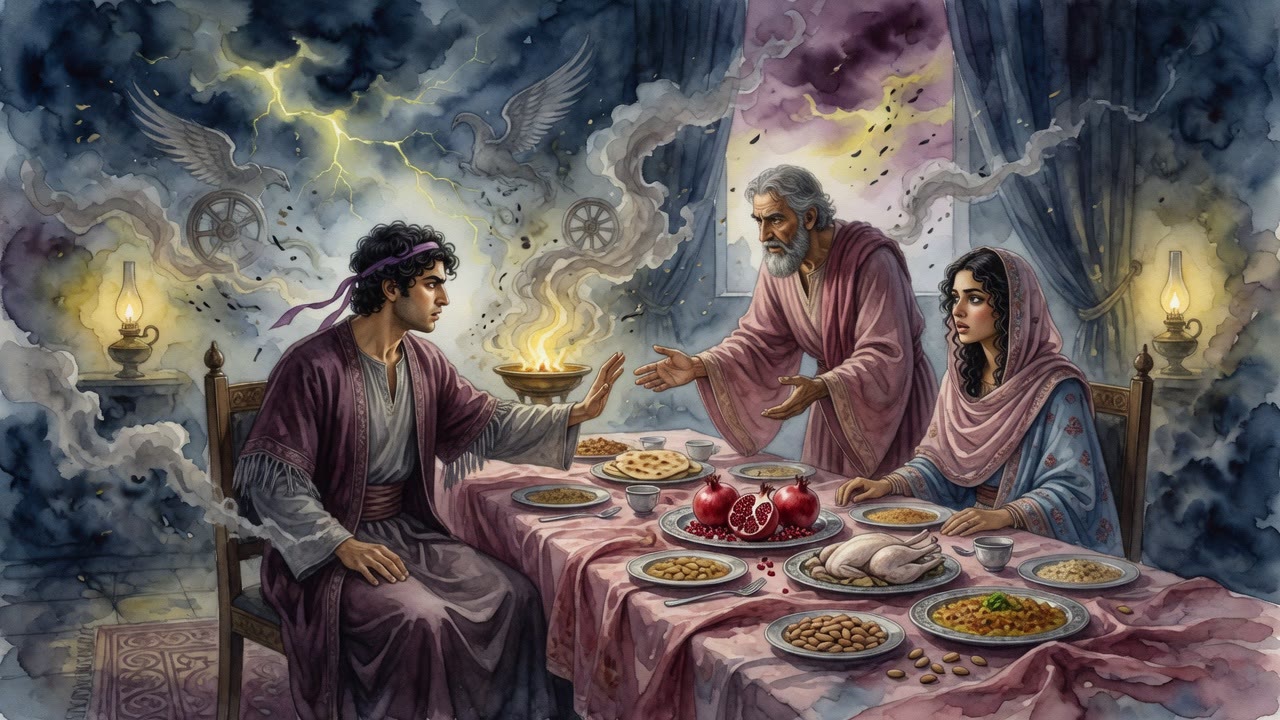
Blind and asking to die every day, Tobi called his son to the bed. Bury me with honor, he said, and never make your mother's life bitter.

Curated by Arthur · Told by Maggid ·
Table of Contents
  1. Money in Media, Death in the Room
  2. Five Parts From a Father, Five From a Mother
  3. Burial Without Spectacle
  4. The Son Who Had to Carry Both Maps

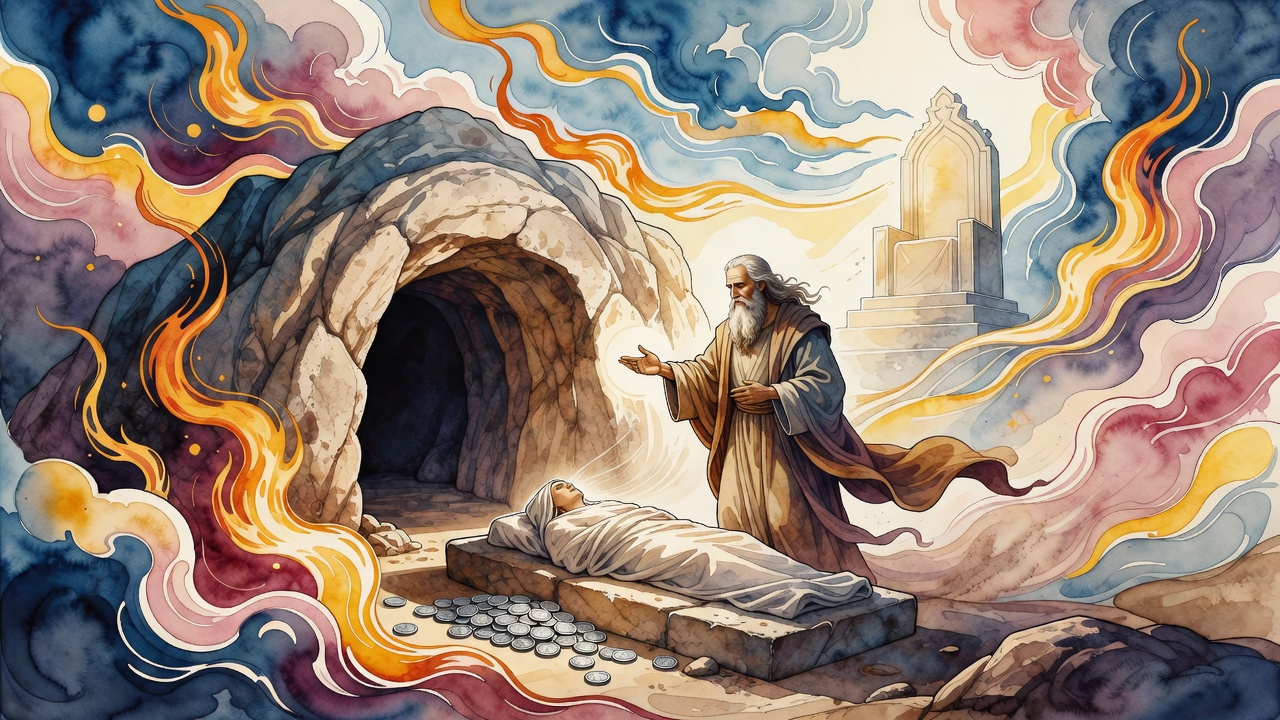
Tobi lay remembering money. Not as greed. As unfinished duty. Silver left in the hand of Gabael in Rages of Media still sat on his mind while his body asked every day to die. He called his son Tobiyyah before the last strength failed, because some debts cannot be spoken by a corpse.

Tobi Made His Son Swear to Honor the Mother Click for full size

"When I am dead, bury me with honour," he began. Simple words, heavy as stone. Then he turned the speech toward the living woman who would remain. Honour thy mother. Forsake her not all the days of her life. Oppose not her desire. Make not her life bitter. Remember what troubles passed over her when thou wast in her womb. When she is dead, bury her by me with honour in one grave.

Money in Media, Death in the Room

The silver in Rages mattered because a family in exile still needed a future. Tobi would not let the map to Gabael die with him. He would not let the map become an excuse to ignore the mother either. Coin and care arrived in the same conversation on purpose.

He told Tobiyyah to remember his Creator all his days, to sin not, to keep commandments, to keep his hand open in alms from whatever the Lord gave, to refuse the company of violent men. Hide not thine eyes from the poor of Israel, he said, so the Lord will not hide His eyes from thee in trouble.

Even a man who cannot see with his eyes can still teach another man how to look. Tobi's blindness did not cancel the poor. It sharpened the order. Alms deliver from death, he said. Treasures of the wicked do not profit. Heaven pays special regard to the one who occupies himself in mercy.

Five Parts From a Father, Five From a Mother

Other teachers counted the body to explain why parents stand so near God in honor. A human being receives five parts from the father, five from the mother, and ten from God. Bones, veins, nails, brain, and the white of the eye from the father. Skin, flesh, blood, hair, and the pupil from the mother. Breath, soul, light of countenance, sight, hearing, speech, touch, sense, insight, and understanding from God.

When people honor parents, God says it is as if He dwelled among them and they honored Him. When they do not, God says it is good He does not dwell among them, or they would treat Him with the same contempt. The fifth commandment is not etiquette. It is proximity theology written as household law.

Tobi did not lecture Tobiyyah with organ lists. He pointed at a specific woman and a specific bitterness to avoid. The later counting explains why that pointing carries cosmic weight. To embitter a mother is to insult one of the three partners in a child's making.

Burial Without Spectacle

Josephus, defending Jewish law, said the people care for decent burial without extravagant expense or illustrious monuments. Nearest relations perform the rites. Passersby join the lament. The house is purified afterward so no one confuses funeral impurity with the stain of murder.

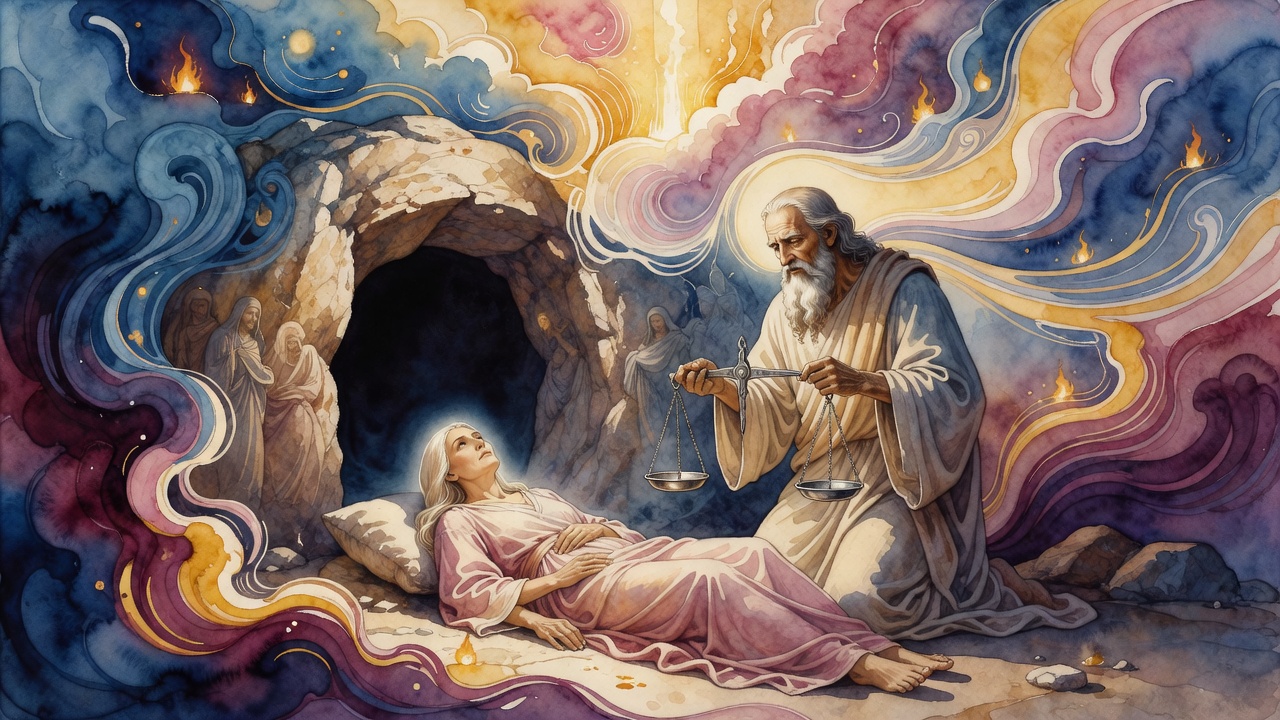
Tobi's orders fit that world. Honour, not theater. One grave for husband and wife, not a competition of stones. The son's hands would do what hired glory cannot. In a foreign land, a shared grave is also a flag that says this family still knows its dead.

Tobiyyah listened beside a father who asked daily to die and still spent breath on the mother's future comfort. That is not sentiment. That is command structure. God first, then the ones who partnered with God to build a child's bones and blood.

The Son Who Had to Carry Both Maps

One map led to Media and a bag of silver. One map led through years of not opposing a mother's desire. Tobi tied them together so Tobiyyah could not call himself faithful with coin while failing at the table at home.

Alms open heaven's regard. Honor keeps God willing to dwell near human houses. Burial without vanity keeps death from becoming a second vanity fair. The blind man on the bed saw all three more clearly than men with open eyes and closed fists.

When the room went quiet, the orders remained. Bury me. Do not embitter her. Bury her beside me. Give. Remember. The road to Rages would test the son's courage. The years with his mother would test his memory of the womb troubles Tobi refused to let him forget.


← All myths

From the tradition

Sources

3 sources

The texts behind this telling. Some cards carry a translation of the source; others are our own retelling of it, and each card says which. Every card links out to the original.

Book of Tobit 4:3Book of Tobit

Retold in our words. Read the original at the link below.Sefaria-hosted English translation · CC-BY

He’s lying there, remembering a debt, a sum of money he entrusted to a man named Gabael, way back in Rages, a city in Media – ancient Persia. "Behold, I ask every day to die," he thinks. A bit dramatic, perhaps, but it emphasizes the urgency. He knows he has to tell his son, Tobiyyah, about this money before it’s too late.

So, he calls Tobiyyah to his side. This isn't just about finances; it's a father's last will and testament, a passing down of values. "When I am dead, bury me with honour," Tobi begins. It’s a simple request, yet loaded with love and respect. But then he turns to his wife. "Honour thy mother, and forsake her not all the days of her life, and oppose not her desire." Can you hear the tenderness in those words? He knows the struggles she's faced, the sacrifices she made while carrying Tobiyyah. "And make not her life bitter, for remember, my son, what troubles passed over her when thou wast in her womb; and when she is dead, bury her by me with honour in one grave." It's a poignant image, this desire for eternal unity and love.

Tobi's words aren't just about familial duty. He launches into a broader moral lesson, a guide to living a righteous life. "Remember thy Creator all thy days, and sin not before him, and transgress not his commandments." It's the foundation, the foundation upon which everything else rests.

Then comes the concept of tzedakah, righteousness or justice, often expressed through charity. "And withhold not thy hand from giving alms of all which the Lord giveth thee, and keep not company with violent men. Hide not thine eyes from the poor of Israel, so shall the Lord not hide his eyes from thee in the time of thy trouble." It's a powerful promise, a reciprocal relationship with the Divine. If you turn away from those in need, you'll find yourself alone in your own time of need.

Tobi continues, "And if thou art not able to make riches, cease not to give alms of that which is found in thine hand, so shalt thou acquire for thyself riches and treasures of silver and gold by almsgiving, for the treasures of the wicked shall not profit, and alms doth deliver from death; and every one who occupieth himself in alms shall behold the face of God, as it is written, ‘I will behold thy face by almsgiving,’ and in heaven they pay special regard to him." It's not about accumulating wealth for its own sake, but about using what you have, even if it's little, to make the world a better place. It suggests that acts of charity aren't just earthly good deeds, but they have a profound impact in the heavenly realms as well.

Tobi's words resonate even today. They remind us that our actions matter, that kindness and generosity have a power that transcends the material world. What kind of legacy are we leaving? What values are we passing down? Perhaps, like Tobi, we should all take a moment to reflect on what truly matters and share that wisdom with those we love.

Full source
Legends of the Jews 2:60Legends of the Jews

Retold in our words. Read the original at the link below.The Legends of the Jews by Louis Ginzberg (1909) · Public Domain

Why Honoring Parents Equals Honoring God is the question behind this passage from Legends of the Jews.

Why such emphasis? Well, the tradition teaches that you owe your very existence to three beings: God, your father, and your mother. Each plays a unique, vital role in creating you. It's a partnership, a cosmic collaboration, if you will.

What, specifically, does each contribute? According to the Legends of the Jews, that magnificent collection of rabbinic lore compiled by Louis Ginzberg, your father gives you the hard stuff: bones, veins, nails, brain, and the white of your eye. The mother? She provides the softer, more nurturing elements: skin, flesh, blood, hair, and the pupil of the eye.

So, where does God fit in? Ah, now we get to the truly essential ingredients. God gives you the ruach, the breath of life, the neshamah, the soul. But it doesn't stop there. God also bestows the light in your face, your sight, your hearing, your very ability to speak, to touch, to sense, to understand the world around you. Without these gifts, we wouldn't truly be human.

A divine assembly line of creation. And it underlines just how interconnected we are.

The text goes on to say that when we honor our parents, God sees it as if we were honoring Him directly. "I consider it as if I had dwelled among men and they had honored Me." That's a pretty profound statement. It elevates the act of honoring our parents to a spiritual plane.

But what about the flip side? What happens when we don't honor our parents? The text suggests that God essentially says, "It is good that I do not dwell among men, or they would have treated Me superciliously, too." In other words, if we can't respect those who brought us into the world, how can we possibly respect the Divine?

It challenges us to look at our relationships with our parents in a new light. It's not just about filial piety; it's about recognizing the divine spark within each of us and honoring the roles that God, our fathers, and our mothers played in bringing that spark to life. So maybe, just maybe, giving your mom a call isn't just a nice thing to do. Maybe it's a sacred act.

Full source
Against Apion 27:1Against Apion

Retold in our words. Read the original at the link below.Against Apion, trans. William Whiston · Public Domain

Maybe we should look back, way back, to some ancient wisdom.

Flavius Josephus, a first-century Romano-Jewish scholar, in his work Against Apion, gives us a glimpse into the values that he believed held Jewish society together. And honestly? They still resonate today.

He starts with the big one: honoring your parents. And I'm not talking about a dutiful phone call on their birthdays. Josephus says the law "ordains… that parents should be honored immediately after God himself." Heavy stuff. And the consequences for failing to do so? Stoning. Yep, stoning. It’s a stark reminder of the profound respect owed to those who brought us into the world. He frames it as "requiting them for the benefits" we've received.

Then there's respect for elders. Not just your parents, but every elder. Why? Because "God is the eldest of all beings." It’s a fascinating connection, linking everyday interactions to the divine order. It’s about recognizing the wisdom and experience that comes with age.

And how about friendship? Total honesty, complete trust. Josephus says the law "does not give leave to conceal any thing from our friends." It’s all or nothing. True friendship, according to this ancient code, demands complete fidelity. But there's a flip side: even if things go sour, even if "an enmity arise between them," you never reveal their secrets. Loyalty, it seems, trumps even conflict.

Justice and fairness are paramount too. "If any judge takes bribes, his punishment is death." No room for corruption. And it's not just about taking bribes; it's about actively helping those in need. A judge who "overlooks one that offers him a petition, and this when he is able to relieve him, he is a guilty person." Justice isn't passive; it demands action.

And what about everyday transactions? "What is not by any one intrusted to another ought not to be required back again." Keep your word. "No one is to touch another's goods." Don't steal. Pretty basic stuff. And then there’s this: "He that lends money must not demand usury for its loan." Usury, charging excessive interest, was strictly forbidden. It's a principle rooted in protecting the vulnerable from exploitation.

Josephus concludes that these "and many more of the like sort, are the rules that unite us in the bands of society one with another."

So, what do we take away from this ancient list? Perhaps it’s a reminder that some values are timeless. Respect, honesty, justice, loyalty… these aren't just nice ideas; they're the bedrock of a thriving society. And maybe, just maybe, revisiting these principles can help us build a better world, one interaction at a time.

Full source