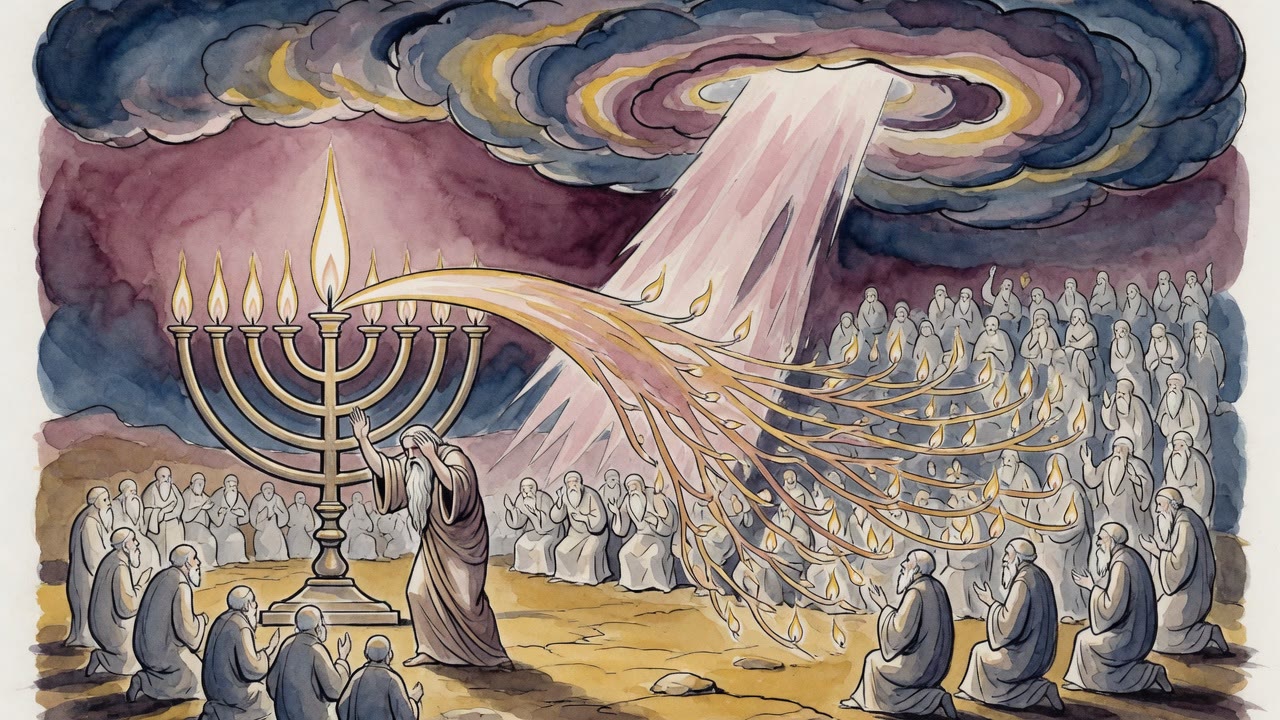
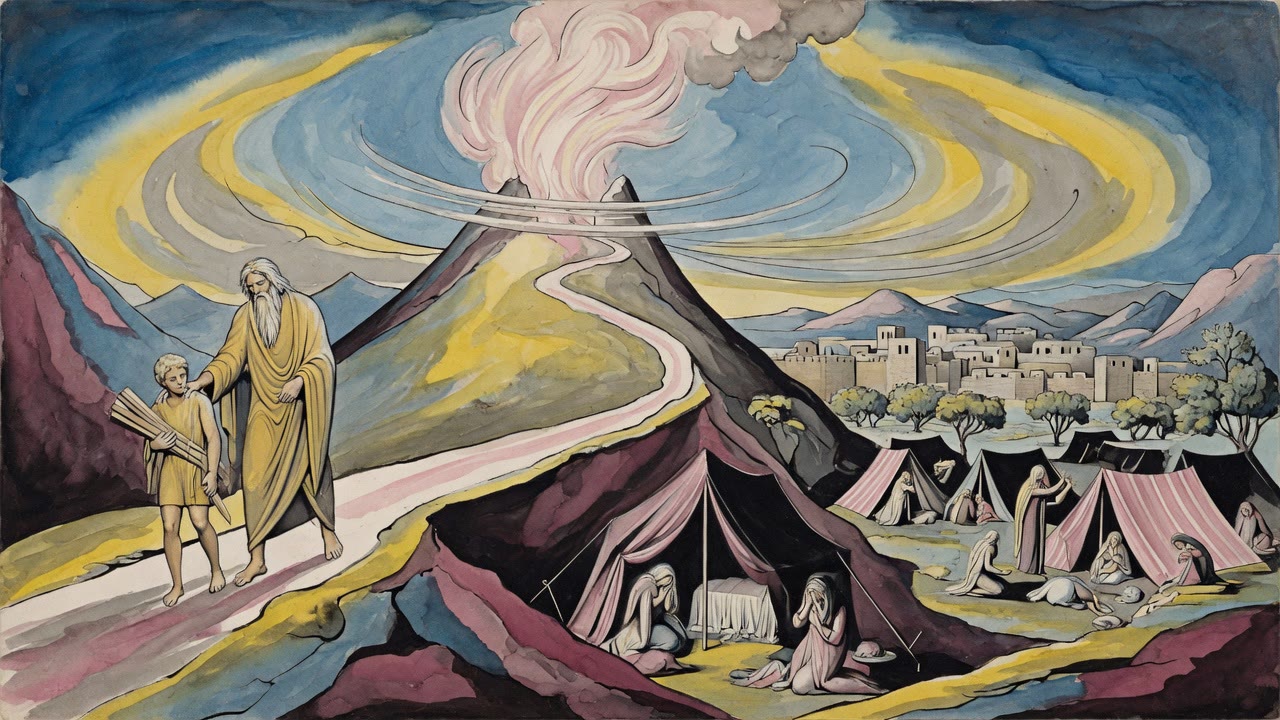
Abraham Pays Full Silver for Sarah's Grave
Ephron offered the cave as a gift. Abraham would not take it. A gift can be taken back. Silver stays in the deed.
Table of Contents
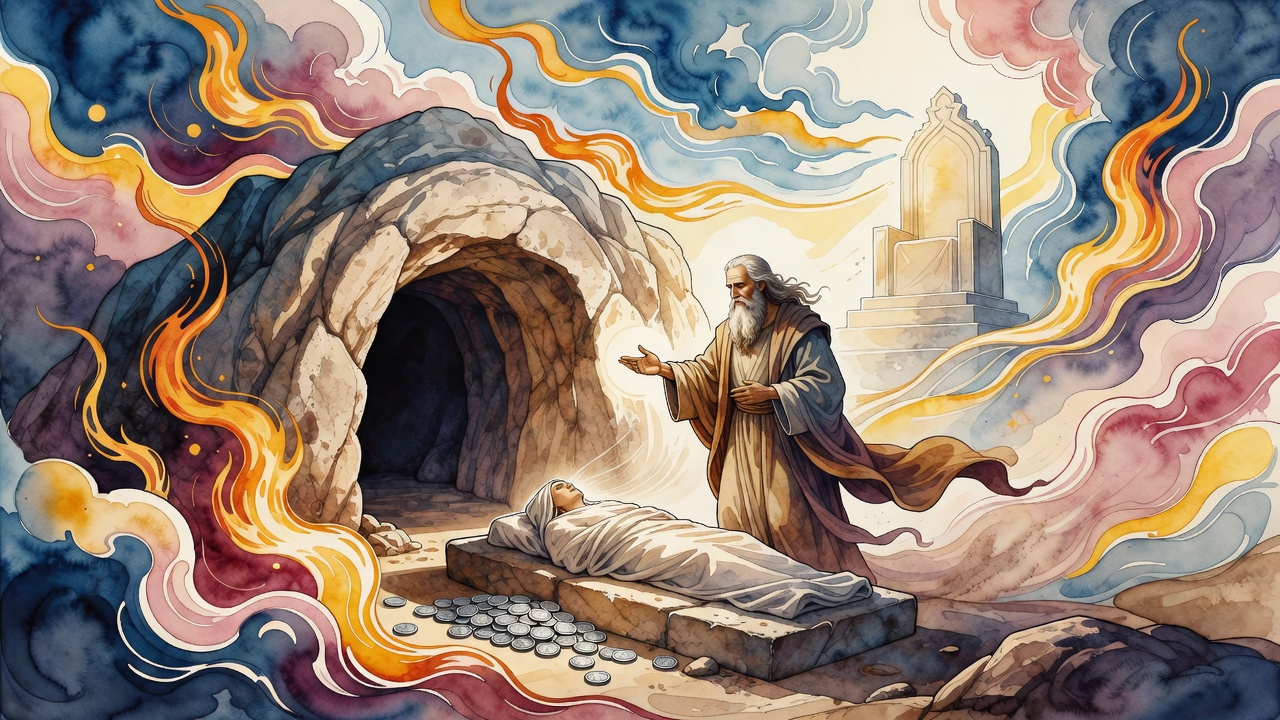
Sarah was one hundred twenty-seven years old when the house went quiet. Abraham did not first reach for theology. He reached for earth. A body that had laughed and traveled and carried a promise now needed a place that would not be taken back by a neighbor's whim.
 Click for full size
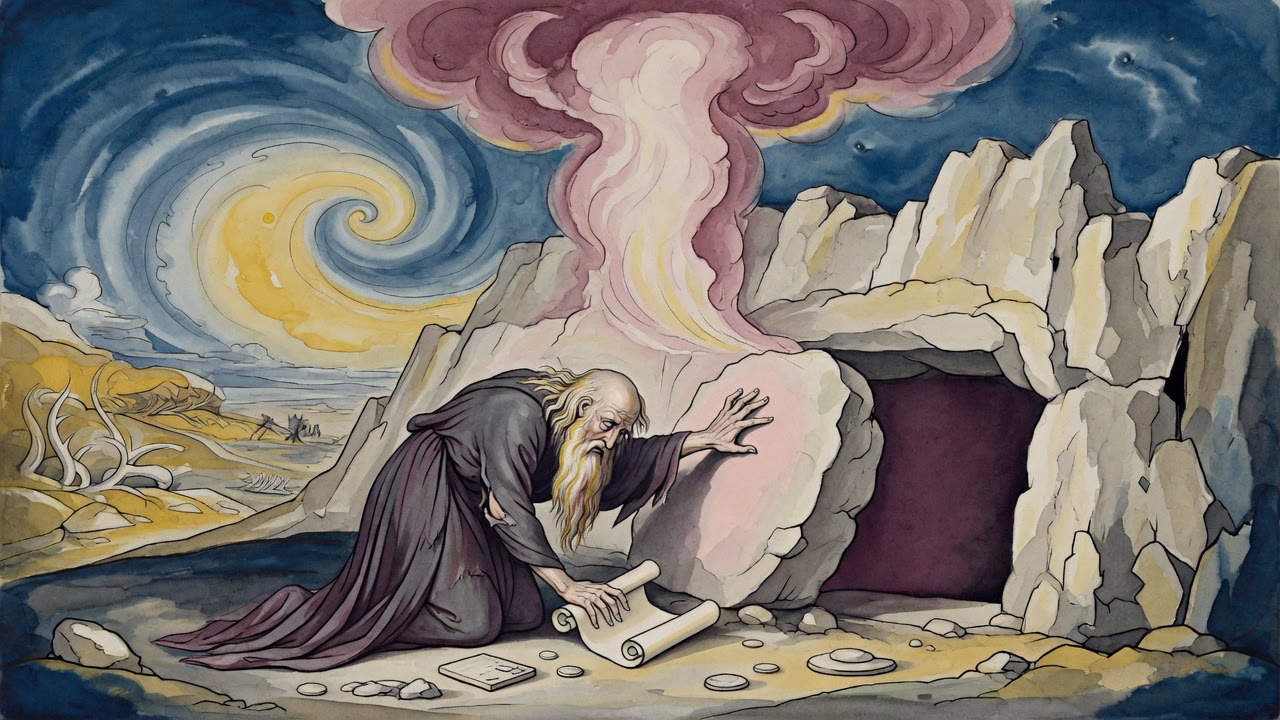
He stood before the children of Heth as a stranger and a sojourner and asked for a burial place. They offered him their own sepulchers with the easy generosity of men who still own the land. Abraham did not want a loan of graves. He wanted the cave of Machpelah at the end of Ephron's field, and he wanted it bought.
Four Hundred Shekels
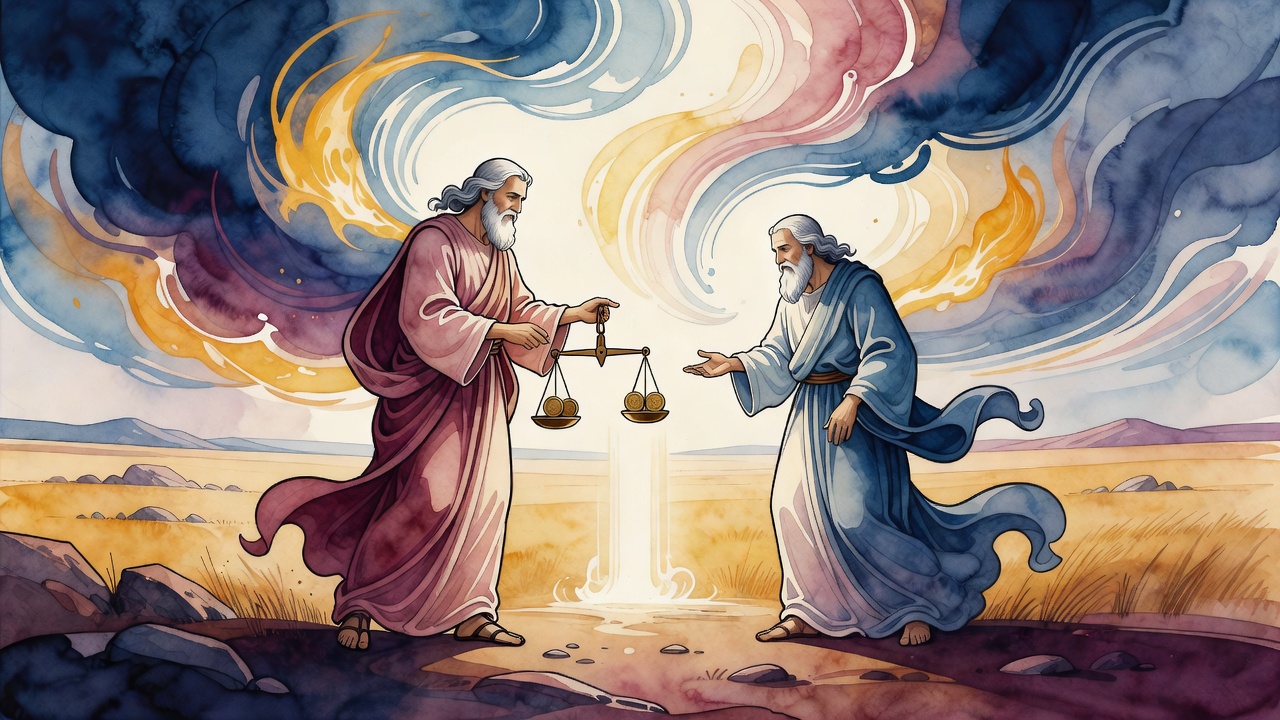
Ephron son of Zochar offered field and cave as a gift. The offer glittered. Abraham refused it. A gift can be regretted. A gift can be rewritten by the next generation. He insisted on full value paid not only to Ephron but to every claim that might later rise against the deed.
Silver left his hand in a counted weight: four hundred shekels. Witnesses stood. Amigal, Adichorom, Abdon, and Bakdil put their names to a written contract. The deed said the cave and field were for Abraham and for his seed and for those who would go forth from his loins, a burial possession forever. The transaction smelled of dust and metal and the stubbornness of a man who had learned that promises need ground under them.
Only then did he bury Sarah with honor. Shem and Eber and Abimelech walked in the procession. Abraham mourned seven days while the purchased earth held her. After the mourning, Isaac went to the house of Shem and Eber to learn the ways of the Lord. Grief and study shared the same week. The cave was already teaching the family what inheritance costs.
A Coffin at the Gates of Tiberias
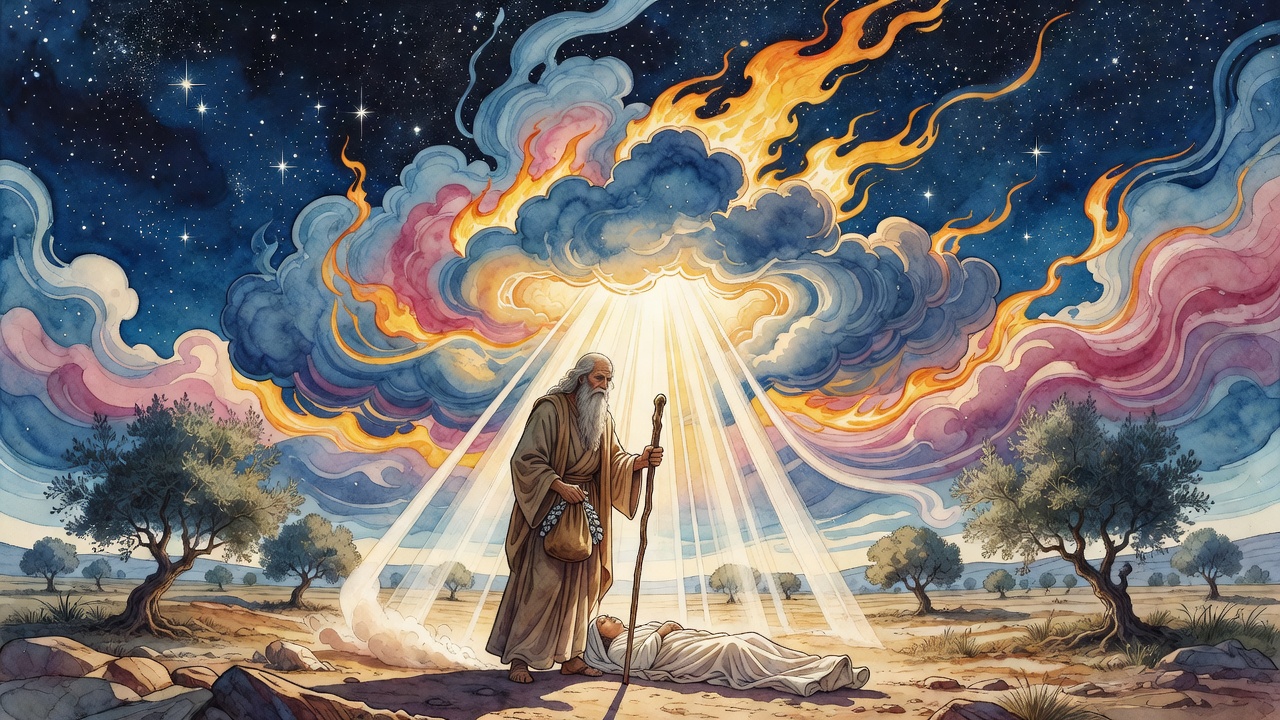
Centuries later, two sages walked by the gates outside Tiberias. A coffin came toward them from a far land, borne home at last to holy soil. Rabbi Qatsra's heart hardened.
"What good does it do him now?" he asked. "His soul fled in a foreign land." Scripture itself seems to complain of a life that made the heritage abomination and a death that dragged impurity into the grave.
Rabbi Eleazar would not let the verdict stand. The moment the man is buried in the Land of Israel, the Holy One forgives him. It is written that His land atones for His people (Deuteronomy 32:43). The dust itself becomes an advocate. The dead man who can no longer speak finds a defender in the soil that receives him.
The bearers shifted the coffin poles on their shoulders. Salt was on their mouths. The last miles were already behind them. Rabbi Qatsra's question hung in the heat. Rabbi Eleazar answered with soil.
What Silver Cannot Buy
Abraham's silver buys undisputed title. It does not buy the absence of grief. Sarah is still gone. Isaac still leaves for learning with red eyes. The field still holds its stones. But the family will not later stand in a market arguing whether a foreigner's wife may rest in a borrowed shelf of rock.
The Tiberias coffin arrives without silver in its story. Distance and devotion carry it. Rabbi Qatsra hears only failure. Rabbi Eleazar hears the land speaking for a silent mouth. Between them sits the terror of dying far from the promise and the hope that the earth of Israel can finish a prayer the body could not finish.
Abraham paid so his dead would not be guests. The later coffin travels so a soul will not remain a stranger forever.
The Cave That Keeps the Claim
Machpelah will gather more bodies. Generations will point to the double cave and say the purchase still stands. The witnesses are dust. The shekels are melted into other economies. The deed's intent remains: a people needs a place that cannot be shrugged off as temporary hospitality.
At Tiberias the gates still open for the long road home. Some arrive alive. Some arrive in wood. The land does not ask the corpse for a speech. It receives, and the midrash dares to say that reception is itself a kind of pardon.
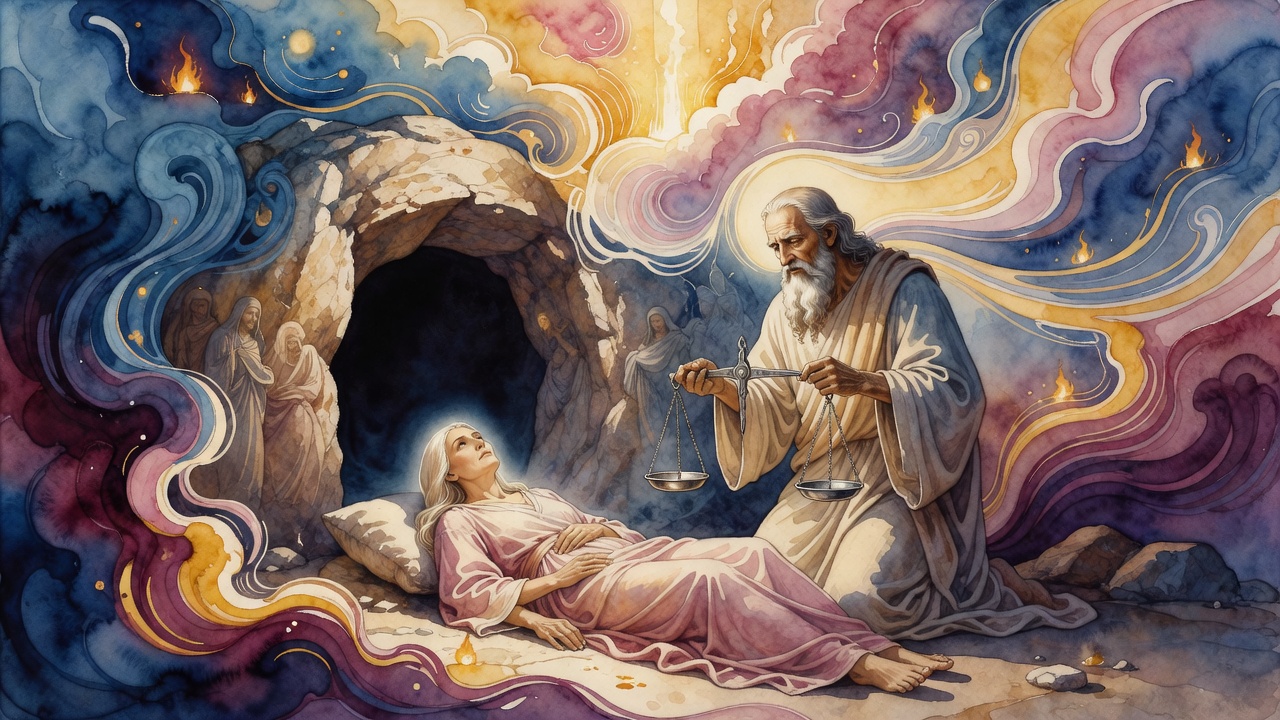
Abraham's hand is still dusty from the shekels while the cave mouth darkens around Sarah's wrapped form. The children of Heth go home to supper. The contract stays. Years will bury the witnesses, but the field will still answer to a name that began as a stranger's purchase. Isaac leaves for the house of study with his mother's absence still new. The cave behind him is not only a grave. It is the first permanent address in the land of promise, paid in full, signed, witnessed, and wet with seven days of tears.
← All myths