Ephron Named Four Hundred as if It Were Nothing
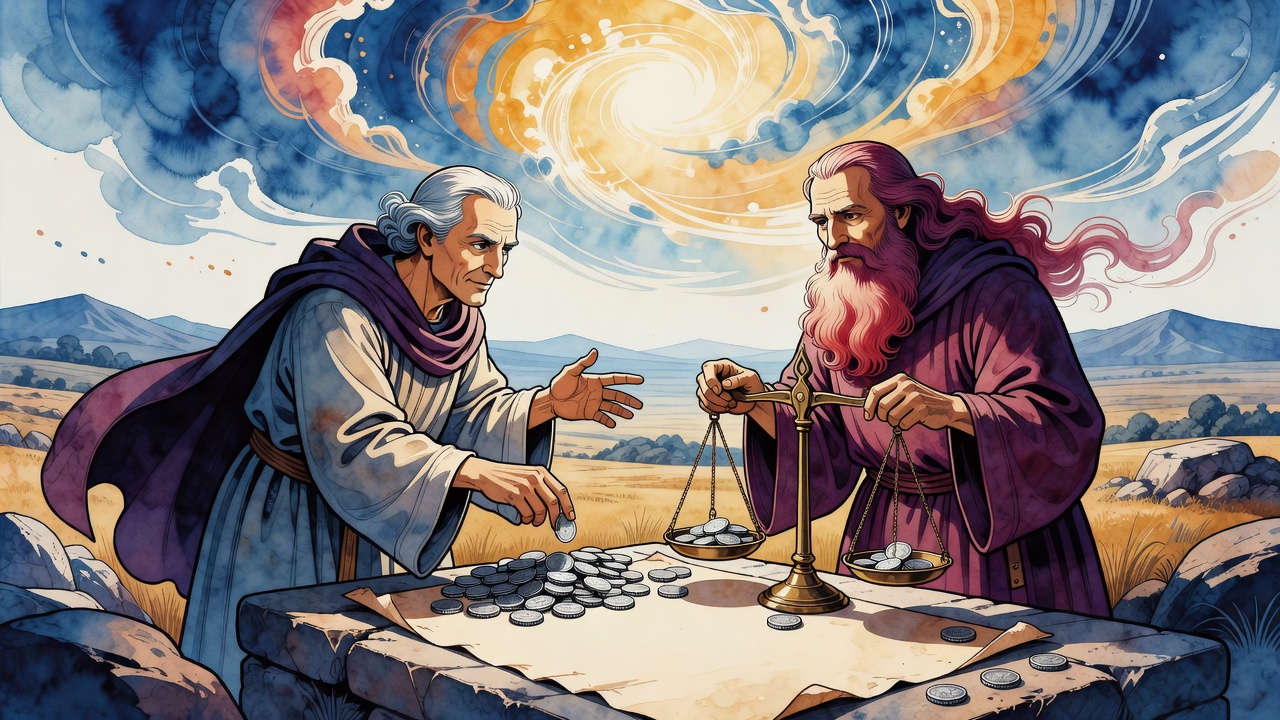
Ephron offered Sarah's burial field as a gift, then named four hundred shekels between friends. Abraham weighed full coin for the first lasting foothold.
Table of Contents
 Click for full size
A Hundred and Twenty-Seven Years End
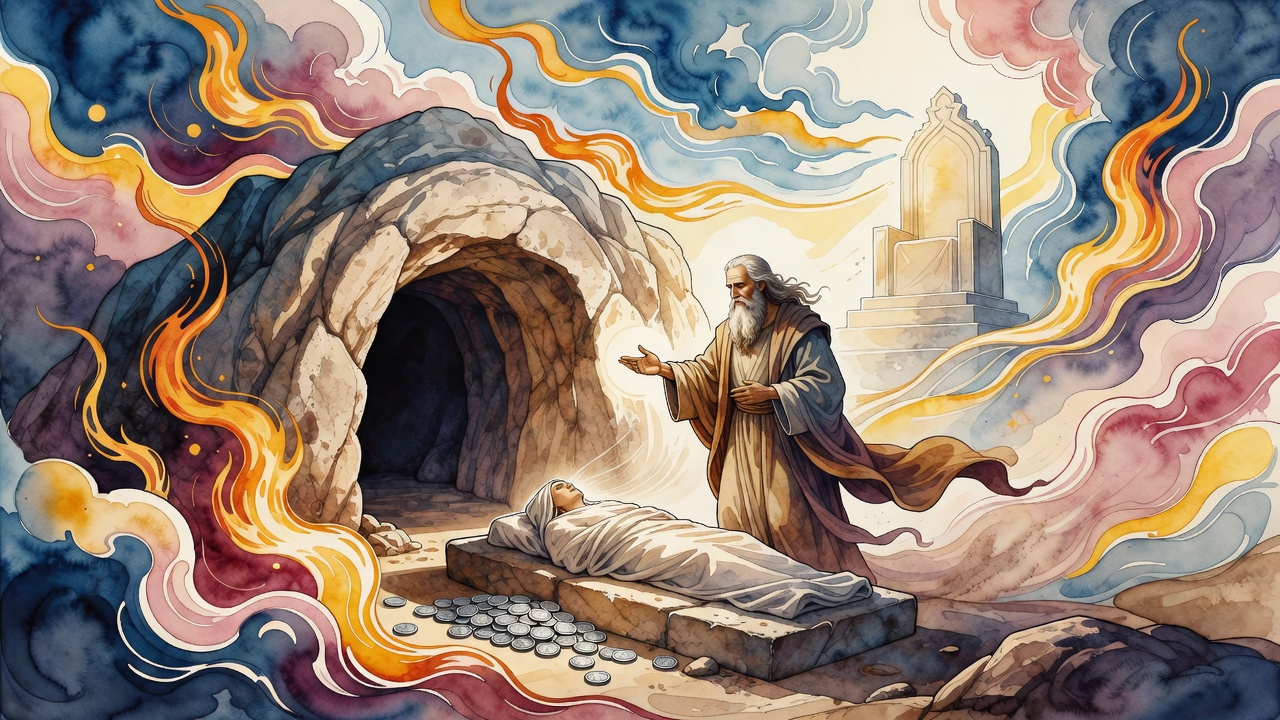
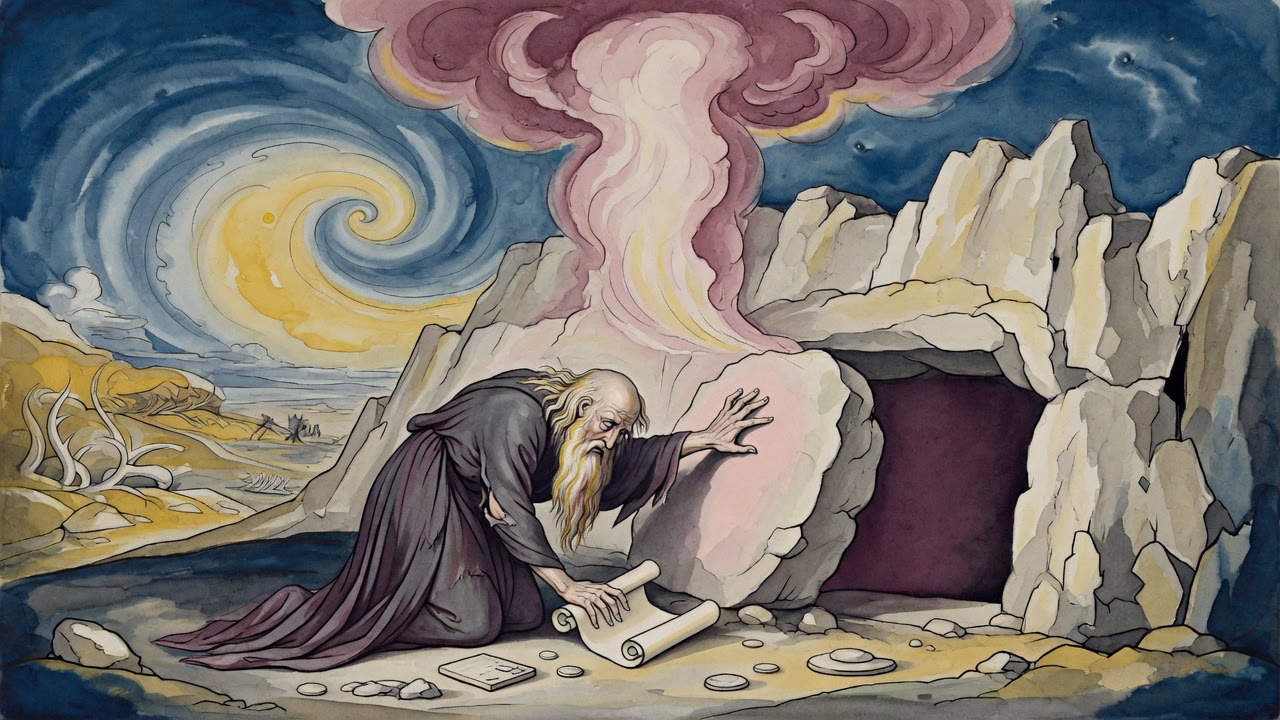
Sarah died at one hundred and twenty-seven years. The man who had argued with kings and angels now needed a square of earth large enough for grief. The children of Heth offered courtesy. Take the best of our sepulchers, they said, as if mourning could be solved with a neighborly wave. Abraham bowed and asked for more than a favor. He asked for a purchase. A gift can be revoked by a later mood. A deed can outlast a mood and a dynasty.
The field he wanted held the cave of Machpelah. Later tradition would fill that cave with Adam and Eve, Isaac and Rebekah, Jacob and Leah. On this day it was still a Hittite asset with a price waiting inside politeness, and Abraham intended to pay until the ground itself remembered his name.
The Theater of Generosity
Ephron stepped forward like a man embarrassed by commerce. Take the field as a gift, he insisted, loud enough for the gate to hear his virtue. Abraham refused the gift and insisted on silver. Then Ephron performed the oldest market trick in a mourning tent. "My lord, hearken unto me. A piece of land worth four hundred shekels of silver, what is that betwixt me and thee?" The sum arrived wrapped in friendship. The number was not small. The shrug was the weapon that tried to make haggling look like insult.
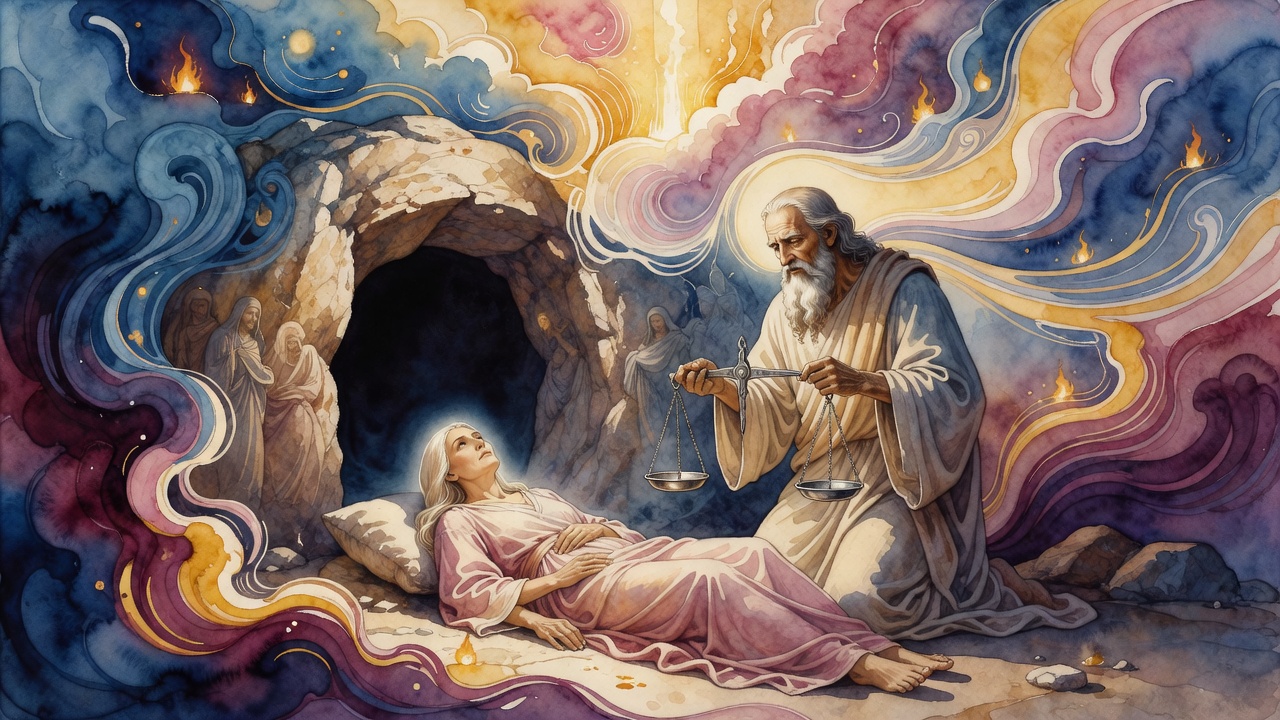
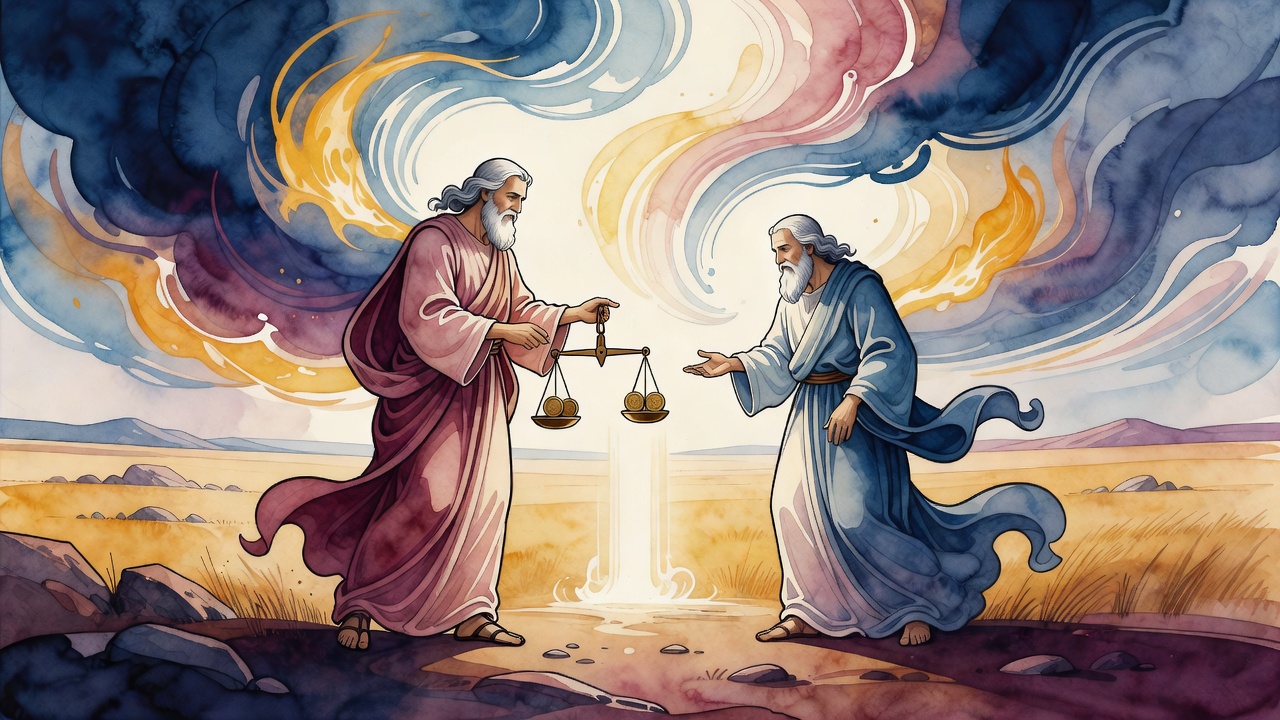
Abraham heard the real sentence under the flourish. He did not haggle. He weighed four hundred shekels of silver, current coin, full weight, no alloy games, no delay that would let grief be used as leverage. Witnesses signed. The field of Ephron, the cave within it, every tree in the border, passed to Abraham as a holding for all times. Strategic generosity met absolute payment and lost the future argument in public, where futures are hardest to rewrite.
The First Foothold
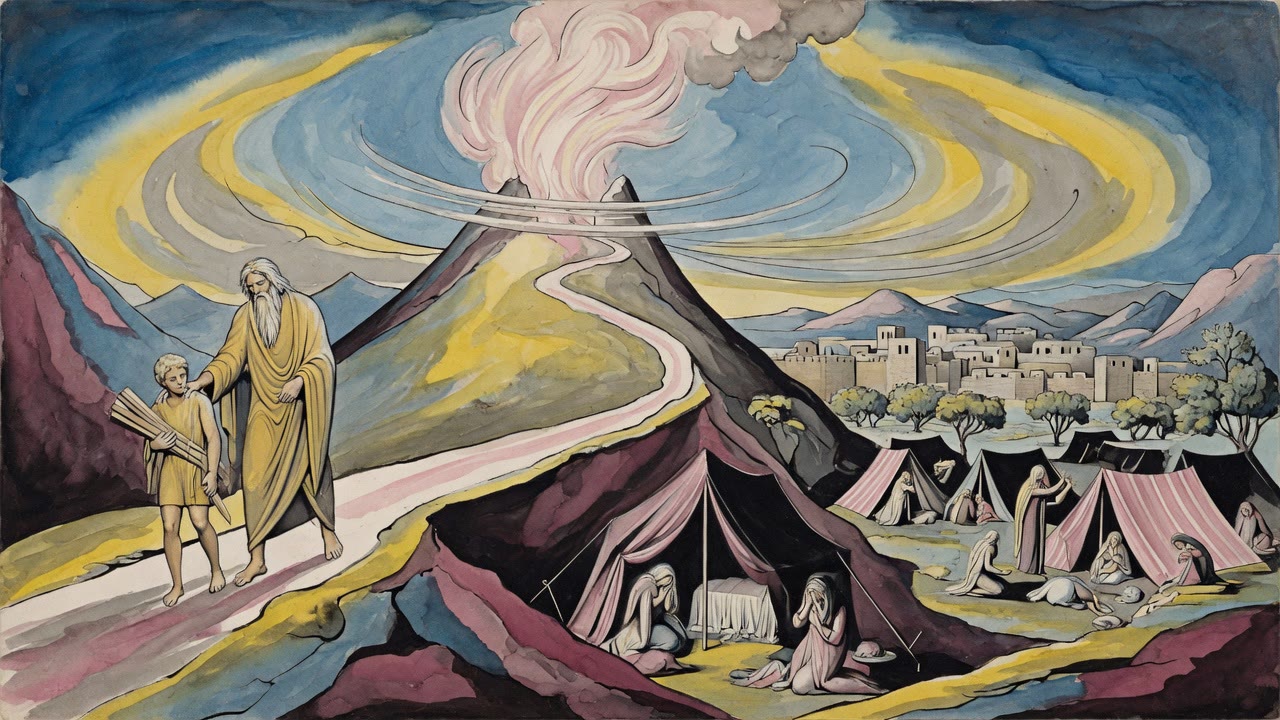
Josephus records the same four hundred shekels and names the purchase as the first permanent foothold Israel would own in the promised land. A grave became a claim. While empires still called the soil theirs, a deed in Hebron said a family of covenant would sleep here until the end of their story. Abraham laid Sarah to rest and did not stop building a legacy. He later married Keturah, fathered more sons, and sent colonies toward distant coasts. Isaac would marry Rebekah after a servant's prayer at a well where only one girl gave water freely. Isaac and Ishmael would one day bury Abraham beside Sarah in the same cave, brothers sharing a shovel if not a blessing.
All of that future leaned on a transaction Ephron tried to make look like nothing. The scales in the gate remembered more honesty than the smile that named the price between friends who were not friends in the market sense at all.
Silver That Refused to Be Charm
The children of Heth watched a foreigner bury his dead with the manners of a prince and the precision of a merchant who knows when a smile is an invoice. Four hundred shekels bought more than limestone. They bought the right to grieve without asking permission each generation. Abraham's integrity did not need Ephron to be honest. It needed Abraham to pay as if heaven were auditing the scales and the dead were listening for whether love would cheapen itself to save coin.
In Hebron the wind still moves over ground that once heard a man say "what is that betwixt me and thee" while counting every shekel in his throat. The cave answered with silence and permanence. Sarah's years ended in a purchase that taught Israel how to hold land without confusing courtesy for ownership, and how to bury a matriarch without leaving her rest dependent on a Hittite mood.
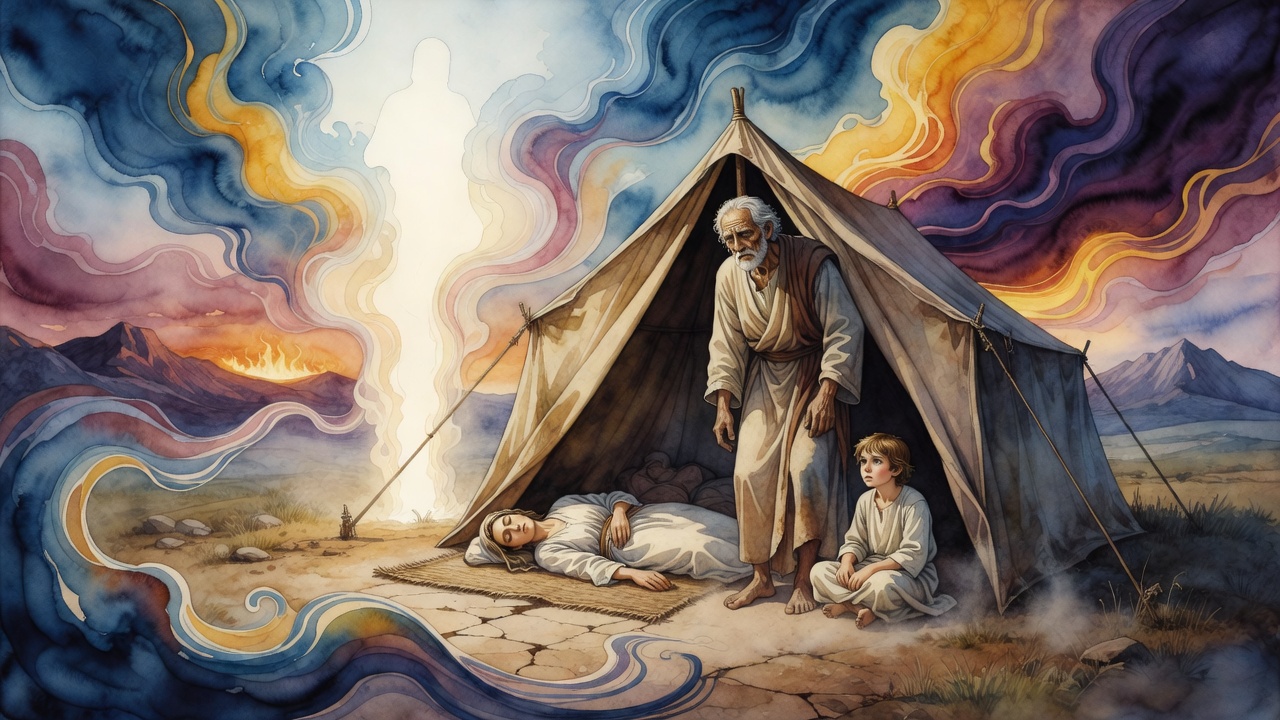
Sarah's death emptied more than a tent. It emptied the daily speech of a partnership that had crossed borders, laughed at a promised birth, and faced kings who wanted her beauty. Abraham's purchase was grief given legal form. He would not let her rest on borrowed courtesy. The Hittites' offer of free burial sounded kind and left ownership with them. Abraham's silver made the kindness unnecessary and the claim permanent.
Four hundred shekels in full weight taught every watcher at the gate that the Hebrew would not bargain over a matriarch's rest. Ephron's phrase "between me and thee" tried to make the sum feel social. Abraham's scales made the sum feel final. Later, when Isaac brought Rebekah into Sarah's tent, and when Ishmael stood with Isaac at Abraham's burial, the cave already knew how to hold a family's contradictions without surrendering the deed.
← All myths