5 min read

Twenty-Two Books Against a Crowd of Contradictions

While Greeks piled disagreeing volumes, Israel kept twenty-two sacred books, and Egypt and Babylon trusted priests with their annals.

Curated by Arthur · Told by Maggid ·
Table of Contents
  1. The Man Who Had Been There
  2. Twenty-Two Books and No More
  3. The Oldest Thing Athens Had
  4. The Priests of the Nile and the Chaldeans
  5. The Thing No Archive Could Show

They wanted one word out of him, and the crowd had paid to watch him give it.
Twenty-Two Books Against a Crowd of Contradictions Click for full size

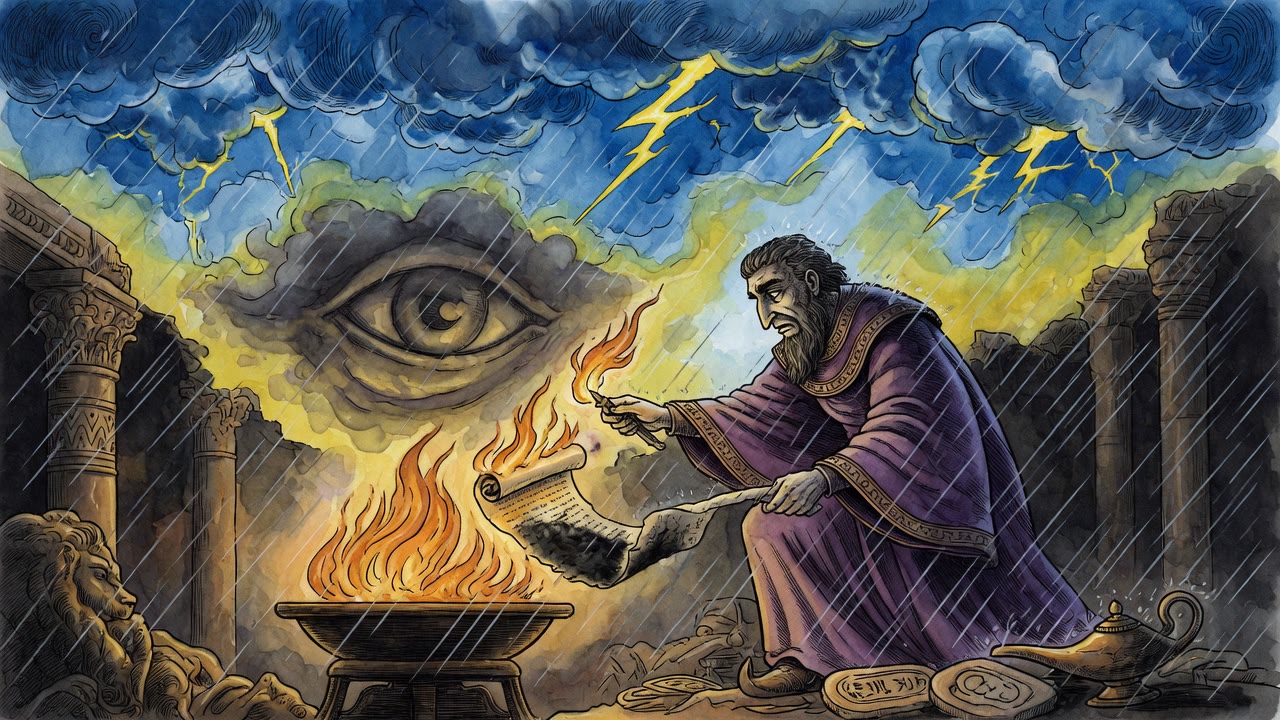
Not a renunciation with reasons attached, not an argument, one word spoken against the laws of his nation and the books that hold them, and the men working the ropes would stop. He could have said it in the time it takes to breathe. He would have walked out into the street afterward with nothing broken except a sentence. He did not say it, so they killed him in front of a paying house, and this was not the first Jewish captive to be put on that machinery and everyone in the empire knew it would not be the last.

The Man Who Had Been There

Josephus was in Rome with a Greek history open in front of him, about a war he had personally stood in the middle of.

The author had never gone near the places he was describing. He had not been anywhere close when the things happened. He had put a few reports together out of hearsay, and he was calling the result a history, and the room was applauding. So Josephus sat down to answer him, and the answer opened with a count.

Twenty-Two Books and No More

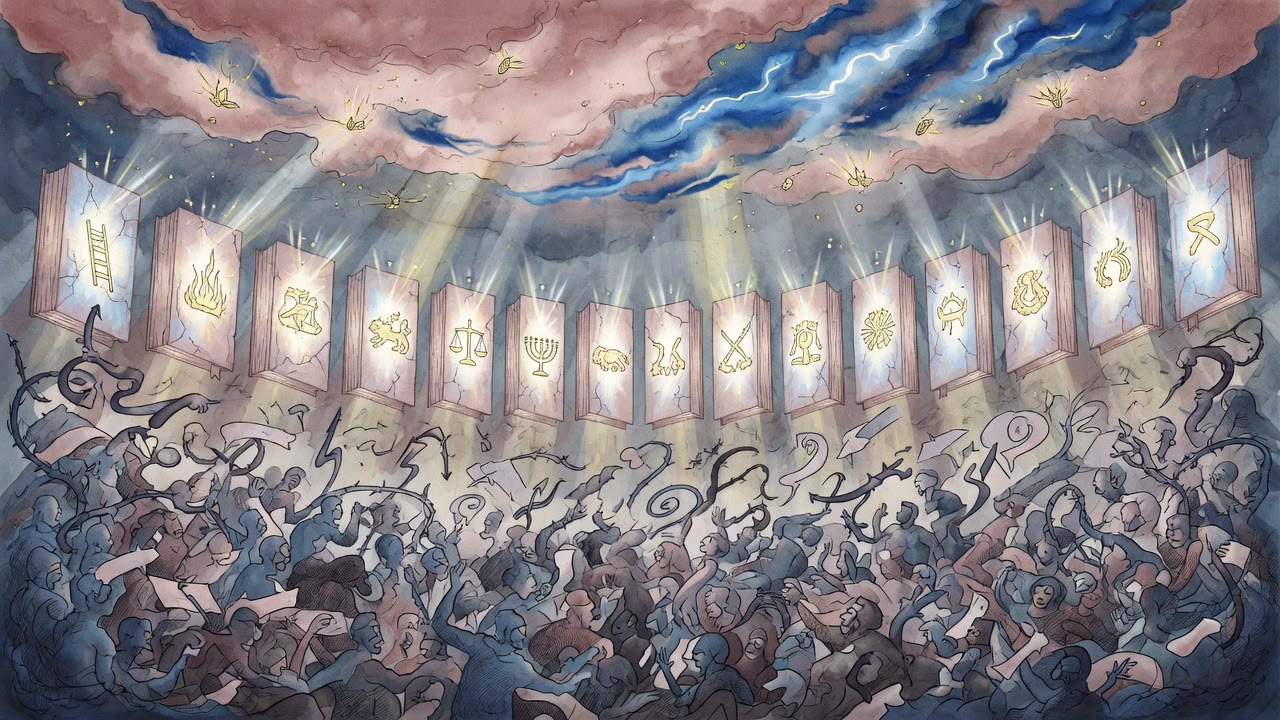
Not an innumerable multitude of books, disagreeing with each other and contradicting each other. Twenty-two.

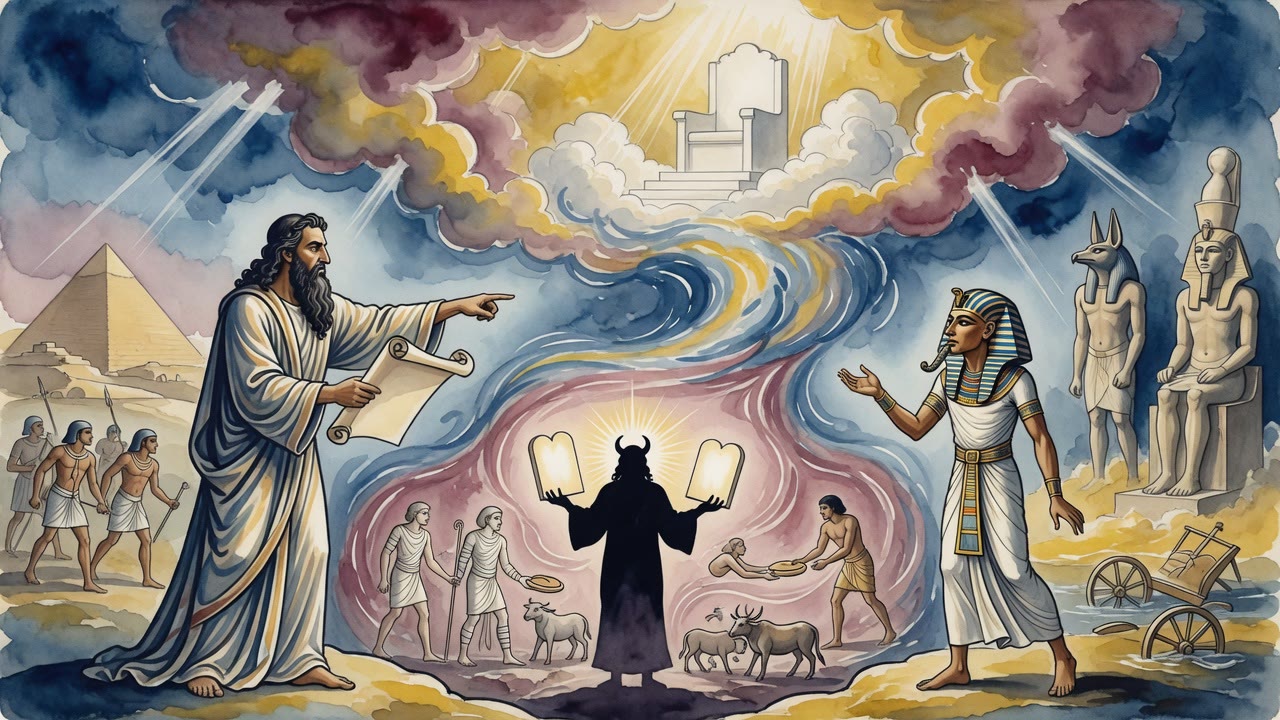
Five of them are Moses, his laws and the traditions of how mankind began, running down to his own death, a stretch of a little short of three thousand years. Thirteen belong to the prophets who came after him, who wrote down what was done in their times as far as the reign of Artaxerxes of Persia. The last four are hymns to God and rules for the conduct of a human life. That is the shelf, and it ends there on purpose, because history has been written since Artaxerxes and written in detail, but it does not carry the same authority, since the exact succession of prophets stopped.

In all the ages since, nobody has been bold enough to add anything to those books, take anything out of them, or change a word.

The Oldest Thing Athens Had

The Greeks contradict each other because at the beginning they took no care to keep public records, so the men who wrote later had room for mistakes and, after the mistakes, room for lies.

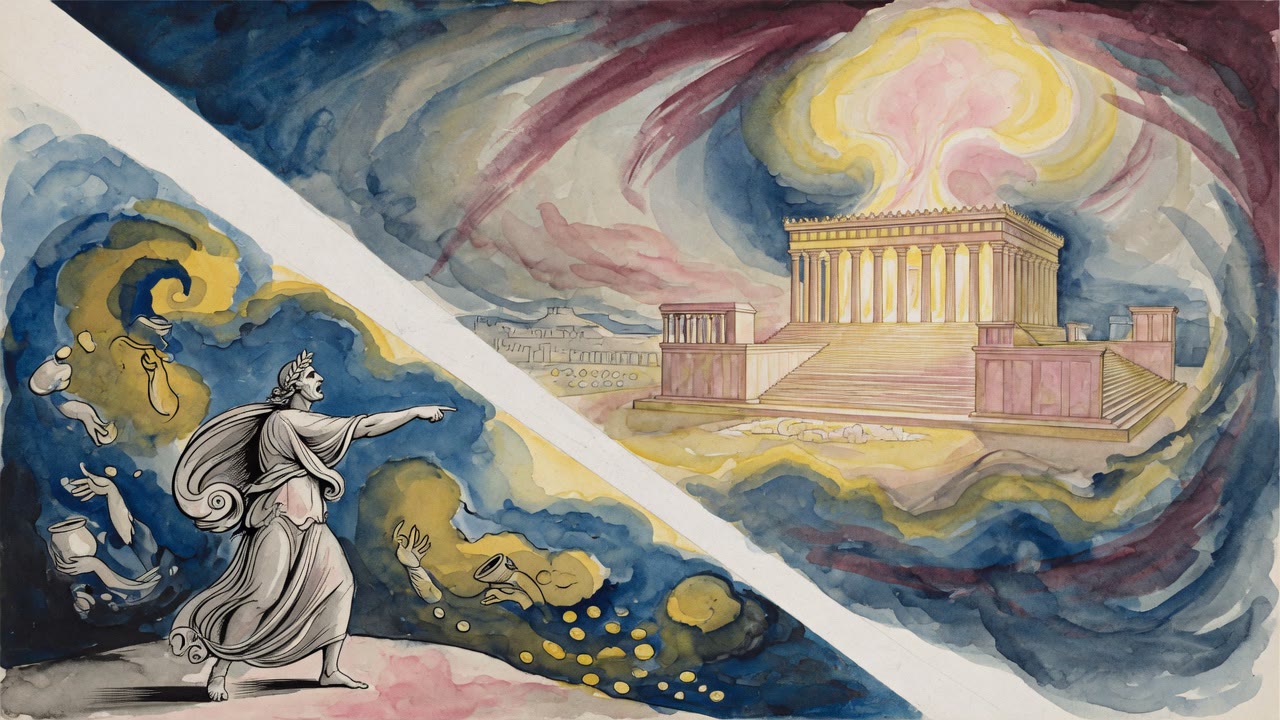
Athens claimed to have come up out of its own soil and to have been learned from the start. But the oldest public record the Athenians themselves would point to was Draco's law about murder, and Draco lived only a little before the tyrant Pisistratus, which puts him near the time of Cyrus and of Daniel. The Arcadians boasted loudest about their antiquity, though they got their letters late and had a hard time learning them.

Where the record is missing, a man with a good style has room to work. Some of them wrote for applause, some to flatter a city, some to make a name by contradicting whoever wrote last, and the critics who came after argued about whether Herodotus wrote more beautifully than Thucydides instead of asking which of them had been standing there.

The Priests of the Nile and the Chaldeans

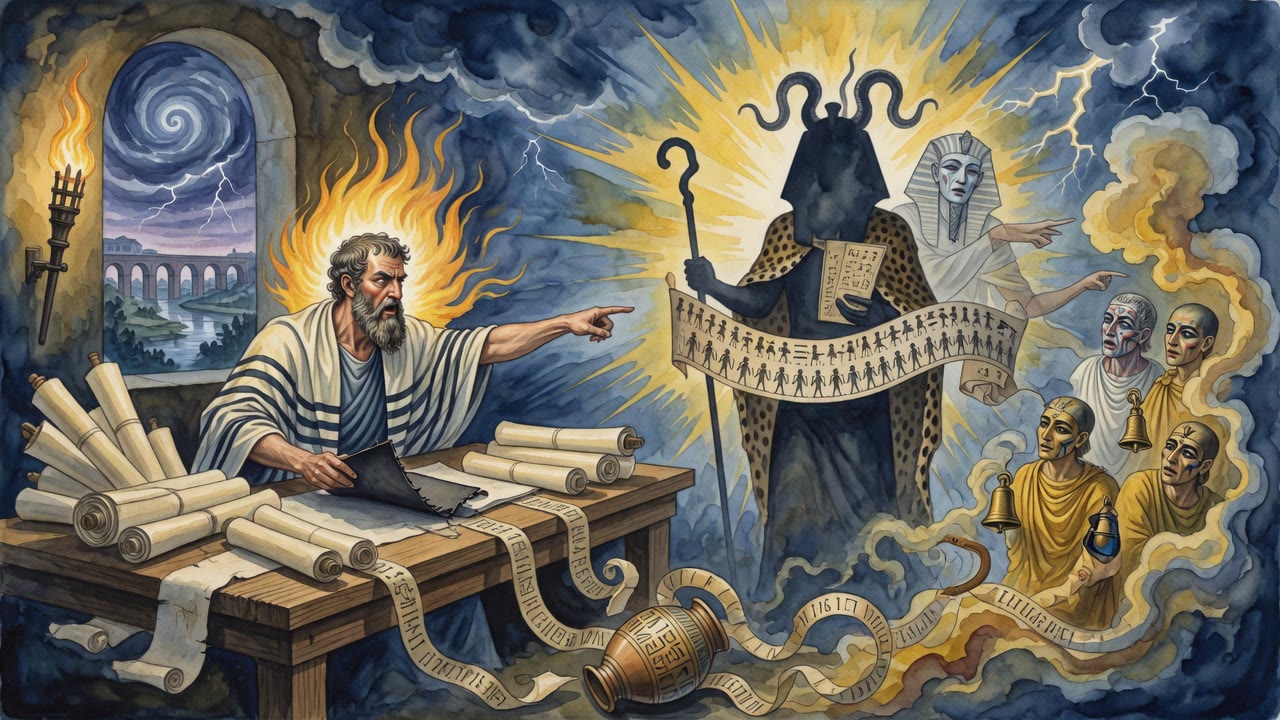
The Egyptians and the Babylonians kept careful records, and Josephus said so plainly, because everybody already knew it and there was nothing to be gained by pretending otherwise. Priests did the work, men set aside for it and trained in it. Chaldean priests held Babylon's years. The Phoenicians, mixed in among the Greeks, used their letters for cargo manifests and for memory alike.

"Our fathers took no less care than any of them," he wrote, and he would not even claim they took more. What he claimed was the identity of the keepers. High priests and prophets, all the way down to his own day, and written with the utmost accuracy.

The Thing No Archive Could Show

"Destroy every book the Greeks possess," he wrote, "and you will not find one man among them willing to take the smallest injury to prevent it, because they hold those writings to be the opinions of the men who wrote them and nothing more."

Then he pointed at the theatres.

Jewish children are taught from birth that these books hold divine teachings, that a person stays inside them, and that if it comes to it a person dies for them. Josephus was not arguing that from a document. He had lived through the war and its aftermath, and he had seen what the captives did on the sand when they were offered the easy sentence.

Twenty-two books on one shelf, and a man on a rack in a Roman theatre with the word he refused to say still behind his teeth.


← All myths
From the tradition

Sources

3 sources

The texts behind this telling. Some cards carry a translation of the source; others are our own retelling of it, and each card says which. Every card links out to the original.

Against Apion 8:1Against Apion

Retold in our words. Read the original at the link below.Against Apion, trans. William Whiston · Public Domain

The historian Josephus, writing in his work Against Apion, gives us a glimpse into the Jewish perspective on this very question. He contrasts the Jewish reverence for scripture with what he sees as a more casual Greek attitude towards their own writings. And it's a powerful contrast.

Josephus points out that, unlike the Greeks with their "innumerable multitude of books, disagreeing from and contradicting one another," the Jewish people have a very specific and defined set of texts: twenty-two books, to be exact. These are the books we know today as the Tanakh, or Hebrew Bible (though there's a bit of debate, as we'll see, about the exact list). As the footnote in Whiston's translation of Josephus' text suggests, these books are essentially what we consider canonical in the Hebrew Bible, with some interesting exceptions like excluding the Song of Songs (Canticles) and including a version of Esdras instead of Ezra.

He divides these books into three categories. First, there are the five books of Moses, the Torah, which tell the story from the creation of the world up to Moses' death. Josephus notes that this covers nearly three thousand years! Then, there are thirteen books written by the prophets who followed Moses, recounting events from his death until the reign of Artaxerxes, the Persian king. Finally, the remaining four books contain hymns to God (think Psalms!) and precepts for how to live a good life (like Proverbs).

Josephus is keen to emphasize the incredible importance of these texts to the Jewish people. He admits that history has been written since Artaxerxes, but these later writings aren't held with the same authority. Why? Because, he says, there hasn't been an unbroken succession of prophets since then. The age of prophecy, in a sense, has ended.

But here's the real kicker: Josephus declares that the Jewish people's devotion to these books is evident in their actions. He boasts that for generations, no one has dared to add, subtract, or change a single thing in these sacred texts. From birth, Jews are taught to believe these books contain Divine doctrines, to persist in them, and even, this is the powerful part, to willingly die for them. Josephus then drives home the point with a stark example: Jewish captives, facing torture and death in the arena, would rather endure unimaginable suffering than deny their laws or the writings that contain them. He contrasts this with the Greeks, who, he claims, wouldn't lift a finger to protect their own writings. He argues that the Greeks see their texts as simply the opinions of the authors, and he criticizes contemporary Greek historians for writing about events they didn't witness firsthand, relying on hearsay and speculation.

Josephus is making a powerful argument here. He's not just talking about religious texts; he's talking about identity, about the very soul of a people. The Tanakh, in his view, isn't just a collection of stories and laws; it's the foundation upon which Jewish identity is built. It's evidence of their unwavering faith and their willingness to sacrifice everything for what they believe.

What texts, what stories, what beliefs are so deeply ingrained in us that we would defend them with our lives? What does it truly mean to believe?

Full source
Against Apion 6:1Against Apion

Retold in our words. Read the original at the link below.Against Apion, trans. William Whiston · Public Domain

Josephus, in his work Against Apion, reflects on this very question. He's making a case for the integrity and antiquity of Jewish history, and he does so by comparing it to the historical practices of other ancient civilizations.

He readily acknowledges that the Egyptians and Babylonians meticulously kept records, entrusting this task to their priests, learned individuals deeply invested in philosophical pursuits. The Chaldean priests, in particular, were known for their role in preserving Babylonian history. And the Phoenicians, mingling with the Greeks, skillfully used their alphabet for both everyday matters and recording historical events. Josephus figures this much is obvious; everyone knows these cultures valued written records.

What about our ancestors, the Jewish people? Did they also prioritize the accurate recording of their history?

Josephus answers with a resounding yes. He argues that our forefathers took just as much care – if not more – in preserving their records. But here's the crucial difference: they entrusted this vital task to their high priests and prophets. These weren't just scribes; they were spiritual leaders, deeply connected to the divine and fiercely dedicated to preserving the truth. The records, Josephus insists, were written "all along down to our own times with the utmost accuracy."

And then he makes a bold claim, almost daring in its confidence: "…if it be not too bold for me to say it, our history will be so written hereafter." He's asserting that this tradition of meticulous record-keeping, entrusted to those with the highest spiritual authority, will continue into the future.

Think about the weight of that statement. It’s evidence of the enduring power of faith, the belief that history isn't just a collection of dates and events, but a sacred narrative to be guarded and passed on with unwavering devotion. It's a reminder that the stories we tell shape who we are, and that those who preserve these stories hold a profound responsibility. Will we live up to that responsibility?

Full source
Against Apion 4:1Against Apion

Retold in our words. Read the original at the link below.Against Apion, trans. William Whiston · Public Domain

Why can't we get a straight story?

Josephus, in his work Against Apion, grapples with this very issue, specifically regarding the discrepancies between Greek and Jewish accounts of history. And his explanation? It's surprisingly human.

Josephus points a finger at a couple of key culprits. First, he suggests a lack of reliable record-keeping in the early days of Greece. Imagine trying to piece together a story centuries after the fact, relying on fragmented memories and word-of-mouth accounts. It's a recipe for error, and, let's be honest, for embellishment. Josephus argues that this absence of meticulous public records gave ample opportunity for mistakes and outright fabrication to creep into historical narratives. He emphasizes that this wasn't just a problem in smaller Greek states; even Athens, which prided itself on its intellectual prowess and claimed to be Aborigines (native to the land), lacked comprehensive historical records.

He even throws a little shade at the Athenians, pointing out that the laws of Draco, dealing with murders, were considered their oldest written records. And Draco lived only a short time before the tyrant Pisistratus, around the time of Cyrus and Daniel. As for the Arcadians, who boasted of their ancient lineage, Josephus notes they adopted written letters much later and even then, with considerable difficulty.

But Josephus doesn't stop there. He identifies a second, perhaps more subtle, reason for these historical inconsistencies: the priorities of scholars. He observes that many learned critics focus on philology – the study of words – rather than deeply engaging with the content and historical accuracy of ancient texts. They prioritize style and eloquence over truth. Are we sometimes so caught up in the how that we lose sight of the what and the why?

Josephus illustrates this point by noting the debates about whether Herodotus or Thucydides was the better historian based on their writing style. While such discussions have their place, Josephus implies they miss the bigger picture. Herodotus's history is much broader in scope, while Thucydides is far more reliable when writing about his own time period. This distinction, Josephus suggests, is far more important than stylistic preferences.

It’s a reminder that engaging with history isn't just about admiring the language or the narrative flair. It's about critically evaluating sources, understanding their biases, and striving to uncover the most accurate representation of the past, even when the path is obscured by conflicting accounts and human fallibility. It’s about valuing truth over eloquence, substance over style. And ultimately, it's about remembering that the stories we tell about the past shape the world we live in today.

Full source