6 min read

The Two Counselors Hidden in the Flank Who Testify at Judgment

Two kidneys whisper good and evil counsel to the heart, and when justice comes they testify while the soul begs not to be gathered with the wicked.

Curated by Arthur · Told by Maggid ·
Table of Contents
  1. The King With Two Counselors in His Flank
  2. The Poor Wise Youth and the Old Foolish King
  3. The Chambers No Census Can Reach
  4. The Day Justice Came for the Soul
  5. The Soul That Begged Not to Be Gathered In
The Two Counselors Hidden in the Flank Who Testify at Judgment Click for full size

The King With Two Counselors in His Flank

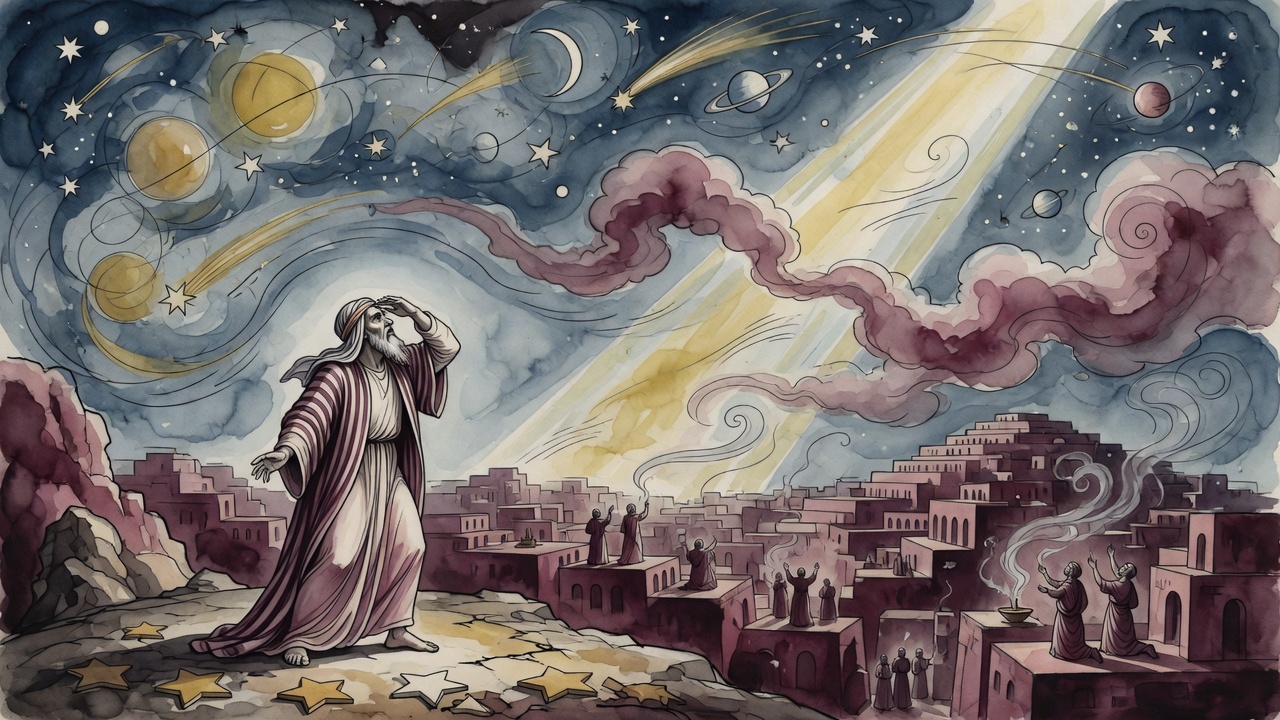
Sleep would not come to David. He lay in the dark of his own chest and listened to the two voices that never left him.

He had learned where they sat. Deep in the flank, below the heart, two kidneys pressed against the spine, and they were not silent meat. They were counselors. All night they leaned toward the heart and whispered, the way a counselor murmurs to a king before he decides. The heart was king. Every limb obeyed it, all two hundred and forty-eight, but the heart never ruled alone. First it heard its counselors.

One kidney counseled toward good. The other counseled toward evil. And the man in the bed lay between them and could feel both mouths moving.

The Poor Wise Youth and the Old Foolish King

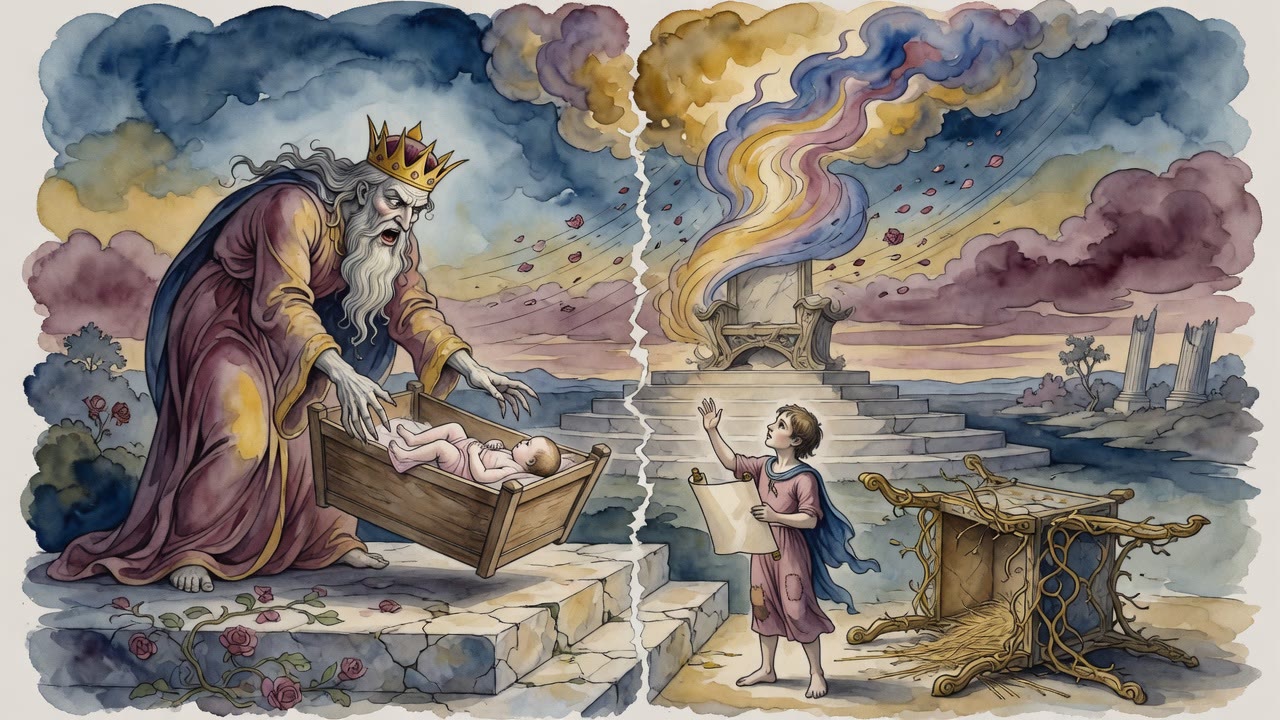
The good counsel had a strange shape. It spoke like a youth, poor and wise. Poor, because so few in the house ever stopped to listen to it. Wise, because it had stood with the Holy One for thirteen years before it entered the body, and carried that closeness like a dowry. Each morning it came fresh with the light, urging the limbs toward mercy, and each day fewer hands obeyed it.

The other counsel was older. It had been in the body from the womb, and it did not speak like a youth. It spoke like an old king, foolish and sure, who had reigned so long over the limbs that he no longer heard any warning. It wanted one thing. It wanted to plant wickedness in the chambers of the heart and watch it take root. It had come up out of a narrow place to rule the throne.

David lay between the poor youth and the old king and did the thing the counselors did not expect. He praised. "I will praise the Lord with all my heart," he said into the dark, and he meant the whole heart, both chambers, the good inclination and the evil one together. He would not serve with half a body. He yoked the old king beside the poor youth and drove them both toward heaven.

The Chambers No Census Can Reach

Not everyone did this. David knew the others, who used the deep chambers to hide.

They dug their counsel down where no eye could follow and said the work was done in the dark and no one had seen. "Who sees us," they said. "Who knows."

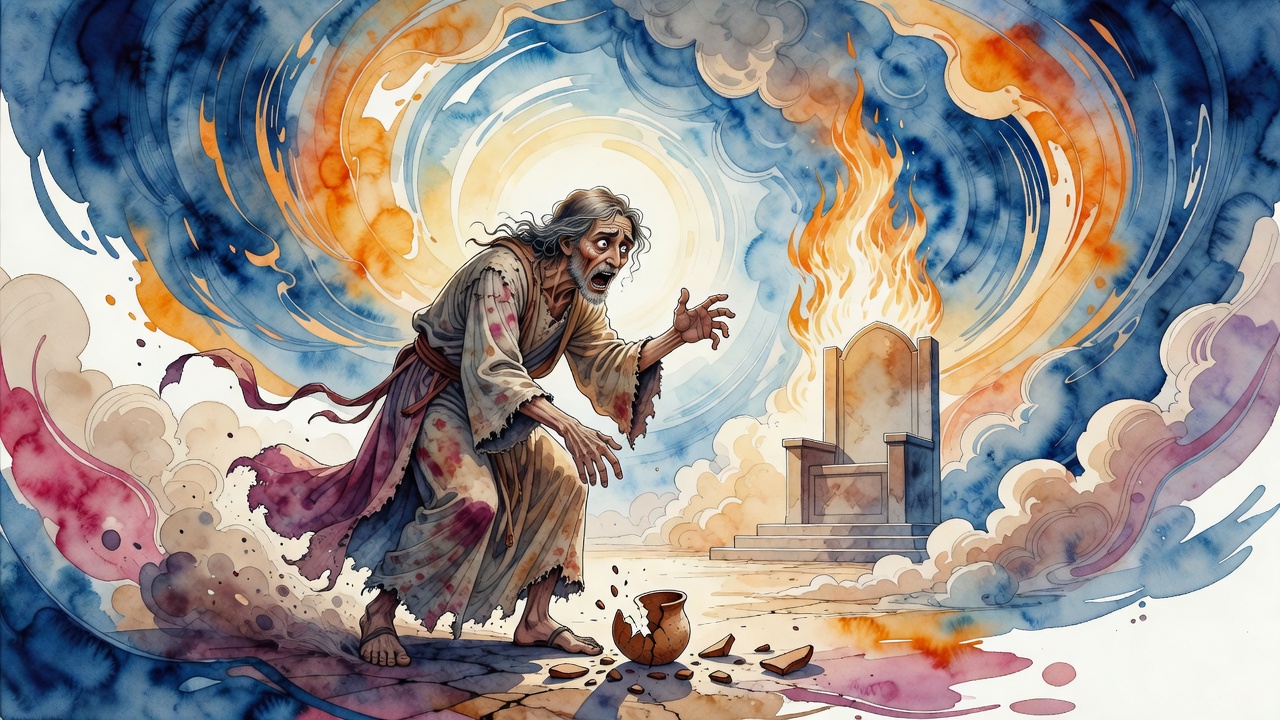
Rabbi Levi told how foolish that was. Picture an architect, he said, who builds a whole city with his own hands and sets secret rooms into the walls that only he knows. Then a ruler comes to number the people, and they run and hide in those rooms to escape the count. But the ruler is the architect. He knows each hollow better than the ones crouching inside it, and he walks the city and calls them out one by one.

So it was with the One who had built the body. He examined the heart and tested the kidneys. No chamber was sunk deep enough to hide a whisper from the hand that shaped it.

The Day Justice Came for the Soul

Then the reckoning came, as it comes.

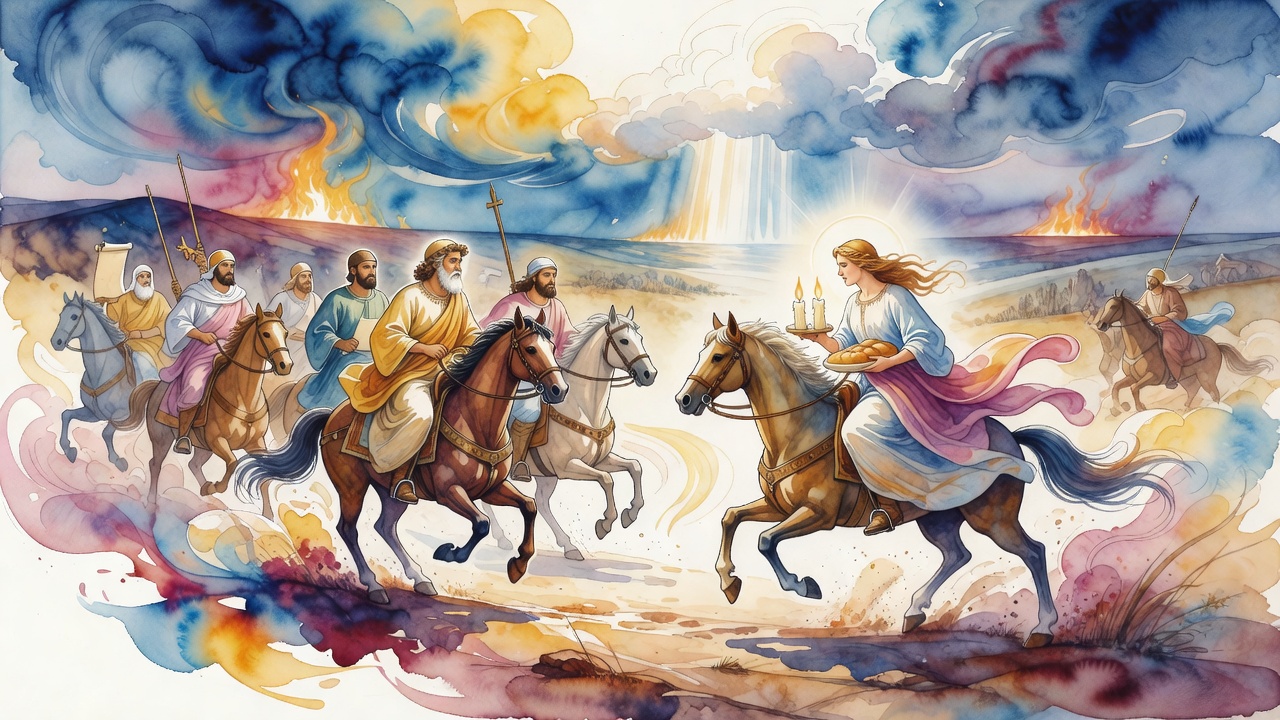
The soul was brought up out of the body it had worn, and it stood where all the deaths are sorted. There was a death that took one day, in anger. A death of panic that took two. A death of plague that took three. There were the gentle deaths that took seven, the death of love, and the long deaths of suffering after. Now the counting turned toward it.

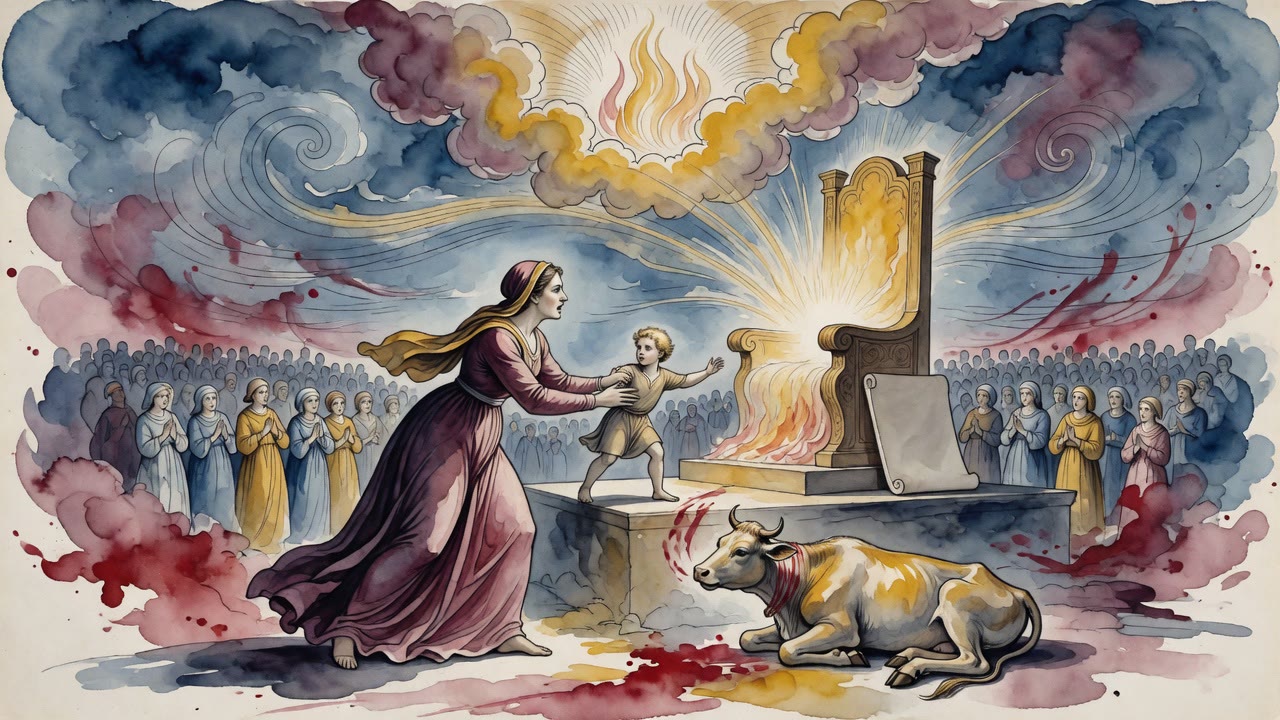
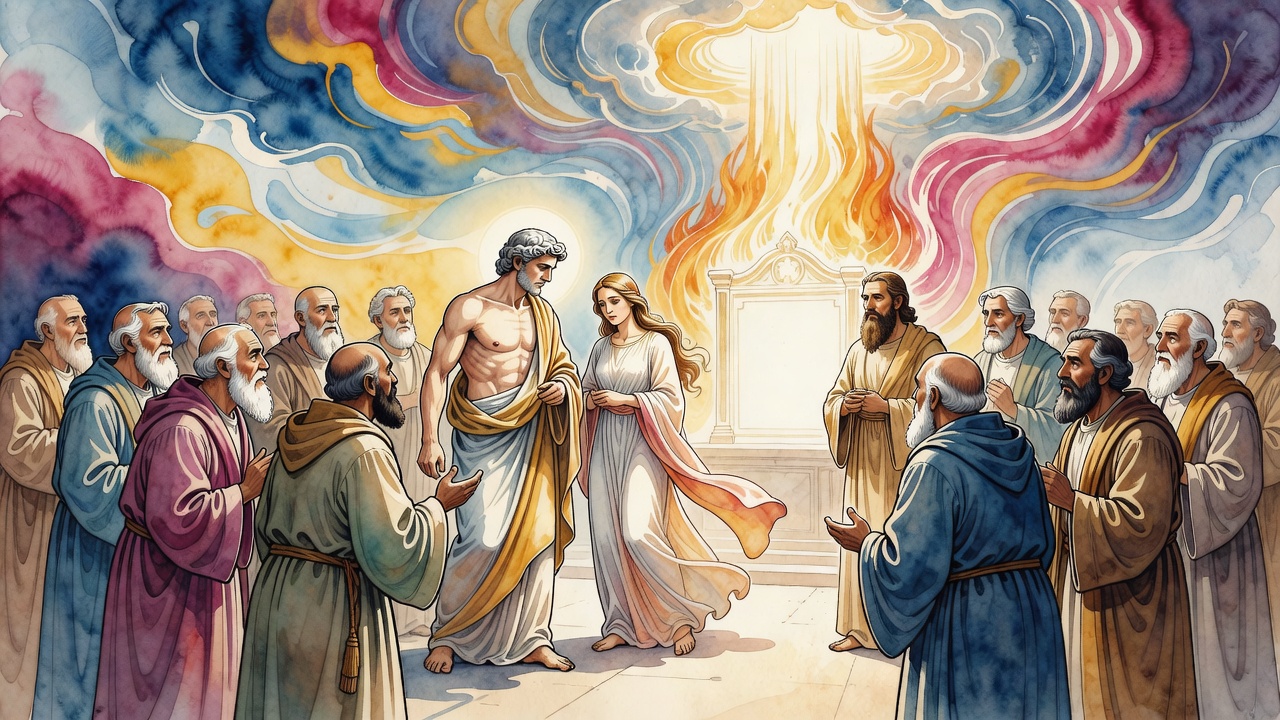
And the witnesses came up with it. The heart came, and the two kidneys came, and they did not lie. They had weighed every counsel and kept every decision. They told what the old king had whispered and what the poor youth had begged and which whisper the hand had followed. The Architect had known the rooms all along.

The Soul That Begged Not to Be Gathered In

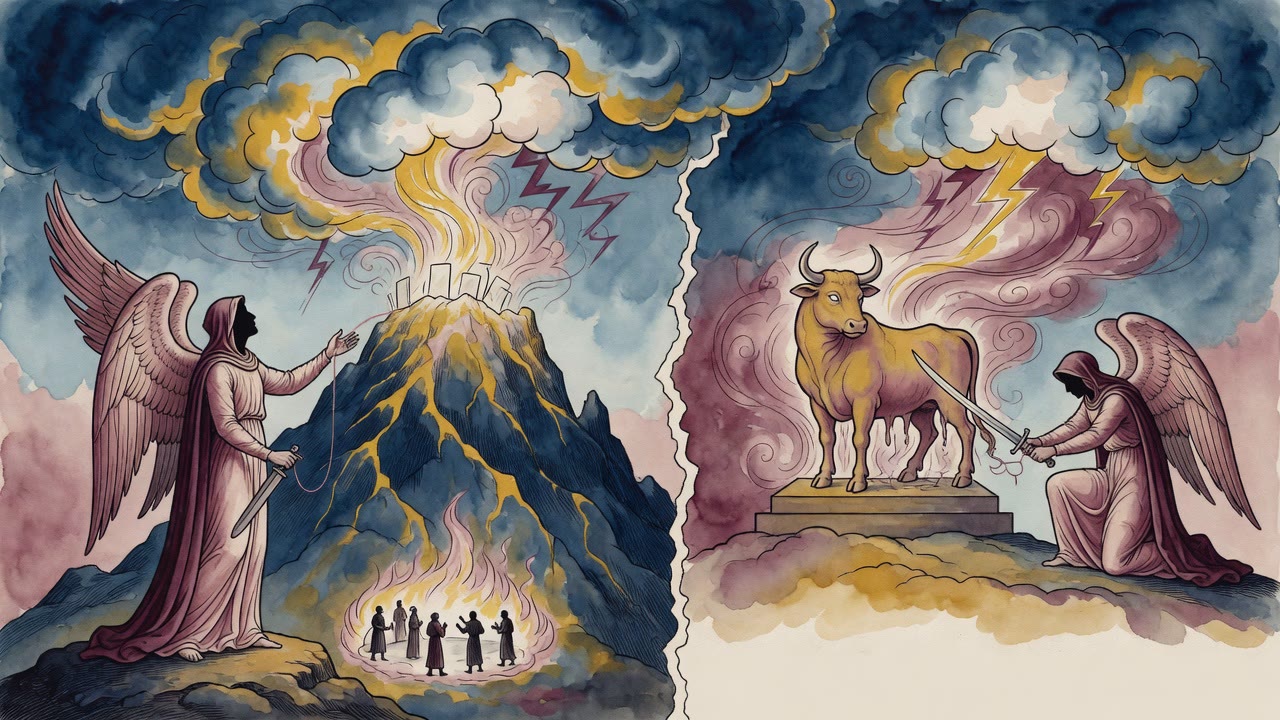
The soul looked at who else stood in the counting. There were the ones who had died by stoning and by fire for what their hands had done, and the ones who had died by the sword and by strangling, the people of blood. They waited to be gathered together, and the soul cried out not to be swept in with them.

"Do not gather my soul with sinners," it said, "nor my life with men of blood."

It was an old prayer. Daniel had prayed near to it in Babylon, that he and his companions not perish with the sorcerers of the king. Jacob had breathed it on his deathbed when he made Joseph swear not to bury him in Egypt, unwilling to lie even in the soil of that place. The righteous had always feared the shared grave more than the grave itself.

And the mercy the soul pleaded for had been given before. When the generation of the flood was already condemned, the Holy One held the waters back seven days, the seven days of mourning for Methuselah the righteous, so that the rest might turn and repent and not be gathered with the drowned. They did not turn. The water came on the eighth day. But the seven days had been real, and the door had stood open.

So the soul stood in the counting with its heart and its kidneys beside it, and it did not ask to have lived a cleaner life. It asked only not to be laid down among the men of blood, and waited to learn whether the door still stood open a while longer.


← All myths
From the tradition

Sources

3 sources

The texts behind this telling. Some cards carry a translation of the source; others are our own retelling of it, and each card says which. Every card links out to the original.

Midrash Tehillim 9:4Midrash Tehillim

Retold in our words. Read the original at the link below.Rabbi Mike Feuer, Jerusalem Anthology · CC-BY

Jewish tradition has a name for these dueling forces: the yetzer hatov (the good inclination) and the yetzer hara – the inclination to good and the inclination to evil.

Midrash Tehillim, a fascinating collection of interpretations on the Book of Psalms, explores this very struggle. It opens with the verse, "I will praise the Lord with all my heart," and then immediately pivots to this internal battle between good and evil. The Midrash (rabbinic interpretive commentary) suggests that acknowledging these two opposing forces is the first step in preventing wickedness from taking root in our hearts.

To illustrate this, Midrash Tehillim 9 uses a striking allegory, drawing on (Ecclesiastes 4:13): "Better a poor but wise youth than an old and foolish king who no longer knows how to heed a warning." Who are these figures?

The "poor but wise youth," we're told, represents the yetzer hatov, the inclination to do good. Why a "youth?" Because goodness is always being newly created, fresh and vibrant. Why "poor?" Because, sadly, not everyone listens to its call. But why "wise?" Ah, here's where it gets interesting. The Midrash states that this inclination is "united with the Holy One, blessed be He, for thirteen years prior." – a connection to the Divine, a foundation of wisdom built over time.

And the "old and foolish king who no longer knows how to heed a warning?" That's the yetzer hara, the inclination to evil. Why a "king?" Because it holds sway over all our limbs, influencing our actions. Why "old?" Because, as (Genesis 8:21) tells us, "the inclination of man's heart is evil from his youth." This inclination has been with us since the very beginning, from our mother's womb, as some interpret. And why "foolish?" Because its ultimate aim is to plant wickedness in our hearts.

The Midrash continues, quoting the verse, "For he came out of prison to be king, even though he was born poor in his kingdom." This "kingdom," the Midrash clarifies, refers to the domain of the inclination to evil. Intriguingly, it also suggests that the inclination to do good is born within this same "kingdom." Both forces are part of our internal landscape.

So, what does it all mean? This isn't just some abstract theological concept. It's a deeply personal struggle that each of us faces every day. The Midrash isn’t telling us that evil is inherently more powerful or has some kind of unfair advantage. Instead, it highlights the persistence of the yetzer hara and the need to actively cultivate the yetzer hatov.

We need to recognize the voices within us, to understand their origins and motivations. To nurture the connection to the Divine that fuels the inclination to good. As the Midrash concludes, "I will recount all Your wonders, they are amazing – some belong to the past, some to this world, and some to the world to come." By acknowledging the wonders around us, by seeking connection and understanding, we can strengthen the voice of goodness within, and hopefully, create a little more light in the world.

Full source
Midrash Tehillim 14:1Midrash Tehillim

Retold in our words. Read the original at the link below.Rabbi Mike Feuer, Jerusalem Anthology · CC-BY

The ancient rabbis certainly did. In Midrash Tehillim, a collection of rabbinic teachings on the Book of Psalms, we find a fascinating exploration of the human heart and its relationship to… well, everything else.

The passage starts with a seemingly simple line from a psalm: "To the leader; a psalm of David." But then it dives deep. Why, the midrash (rabbinic interpretive commentary) asks, does the verse only mention the heart and kidneys? What’s so special about those two organs?

The answer is profound. According to this teaching, the heart is the command center. Our eyes, ears, intestines, all 248 organs, follow the heart's lead. But the kidneys? Ah, the kidneys are the heart's advisors. Think of them as the wise counsel whispering in the king's ear. The heart makes the final decision, but the kidneys offer their vital input. Therefore, the midrash concludes, God examines the heart and tests the kidneys. It's a whole-body evaluation, inside and out!

This idea of the heart being the key resonates throughout Jewish tradition. We see it echoed in (1 Chronicles 28:9), where it says, "And you, Solomon, my son, know the God of your fathers and serve him with a perfect heart, for all hearts seek the Lord." But what are these "all hearts"? The midrash offers a compelling interpretation: they are the two hearts we all possess: the yetzer tov, the good inclination, and the yetzer ra, the evil inclination. That constant push and pull, that inner dialogue – it all happens within the chambers of our hearts.

But what about those who try to hide their true intentions? Those who think they can deceive God? The midrash quotes (Isaiah 29:15): "Woe to those who hide their plans from me!" The wicked, it says, believe they can dig deep within their hearts, concealing their schemes as if God is blind to their actions.

But God sees everything.

Rabbi Levi uses a powerful analogy to illustrate this point. When a ruler comes to take a census, the people flee and hide in those very rooms. But the ruler, being the architect, knows every nook and cranny of the city better than they do!

Similarly, God, the ultimate Creator, knows every chamber within us. There's nowhere to hide. As Rabbi Jeremiah points out, quoting (Jeremiah 17:9), "The heart is deceitful above all things, and it is exceedingly perverse: who can know it?" The very next verse, (Jeremiah 17:10), provides the answer: "I the Lord search the heart." God searches our hearts and reveals what's hidden. It's like Daniel says in (Daniel 2:22): "He reveals deep and secret things."

So, what does this all mean for us? It's a call for honesty, both with ourselves and with God. We can't outsmart the Creator. Our inner lives, the struggles within our hearts, are known. Perhaps the real challenge, then, isn't to hide, but to open our hearts, to acknowledge the good and the bad, and to strive to align our intentions with the Divine will. It's a lifelong journey of self-discovery, guided by the wisdom of the Torah and the ever-watchful gaze of the One who knows us better than we know ourselves.

Full source
Midrash Tehillim 26:7Midrash Tehillim

Retold in our words. Read the original at the link below.Rabbi Mike Feuer, Jerusalem Anthology · CC-BY

"

The Midrash (rabbinic interpretive commentary) begins by interpreting this verse in a stark, almost visceral way. "Do not gather with the sins of my soul," it says, refers to those who die by stoning or burning – the most severe punishments. "And with people of blood, my life" refers to those killed or strangled. Yikes. It's a powerful image of wanting to be separated from those who met violent ends, presumably due to their actions.

The Midrash doesn't stop there. It offers another layer of interpretation: "Another matter, these are the Egyptians." Why the Egyptians? Because, as we're reminded, Jacob, on his deathbed, implored his son Joseph, "Please do not bury me in Egypt" (Genesis 47:29). The implication? Jacob didn't want to be associated, even in death, with a land that represented oppression and spiritual impurity.

Rabbi Yochanan points out that we find this prayer – to not be gathered with the wicked – in other places too. Daniel, for instance, in the Book of Daniel (2:18), asks God to have compassion so that he and his companions "would not be destroyed" along with the Babylonian sorcerers. And then, of course, there's David’s plea in the Psalm itself. It seems a common thread runs through the prayers of the righteous: a desire to be separated from the fate of the wicked.

Rabbi Chalfata, citing Rabbi Ibu, then brings up the story of Nabal from the Book of Samuel (1 (Samuel 25:3)8): "And it came to pass about ten days later, that the Lord struck Nabal, and he died." But here’s where it gets interesting. The Midrash questions: isn't a plague supposed to last only three days? Why ten? It then launches into a fascinating breakdown of different types of death: death by anger (one day), death by panic (two days), death by plague (three days), and so on, eventually reaching "the death of love" (seven days) and "the death of suffering." A somber, yet strangely poetic, taxonomy of endings.

So, why ten days for Nabal? The Midrash suggests that Nabal’s death was connected to the seven days of mourning for Samuel the Righteous. The idea is that God delayed Nabal's death so that it wouldn't interfere with the mourning period and that Nabal wouldn't die during the plague that might accompany such a disruption. Rabbi Brechia, quoting Rabbi Samuel, adds that the "ten days" alludes to the ten days between Rosh Hashanah (the Jewish New Year) and Yom Kippur (the Day of Atonement) – a crucial period for repentance, or teshuvah.

The Midrash then throws in a couple of other intriguing examples. It mentions the story from 2 Kings where a man touches the bones of Elisha and is revived. He returns home, but only lives for an hour before dying and being buried elsewhere. The implication? Even though he was temporarily resurrected, his ultimate fate was determined by his actions, and he was not "gathered" with the righteous.

And what about the son of the Shunammite woman, also in 2 Kings? The text notes "And it came to pass on a certain day that he came and went into his father."

Finally, Rav Hoshaya brings up the flood in Genesis. "And it came to pass after seven days that the waters of the flood were upon the earth" (Genesis 7:10). He explains that God waited seven days, a period of mourning, for Methuselah the righteous to allow people to repent before bringing on the deluge. But they didn't. Hence, the verse "Do not gather my soul with sinners" – a plea for divine mercy and separation from the unrepentant.

What does it all mean? This passage from Midrash Tehillim isn't just about avoiding physical proximity to the wicked, it's about the ultimate destiny of our souls. It’s a call to action, a reminder that our choices have consequences, not just in this life, but perhaps in the world to come. It suggests that we have a say in who we are "gathered" with – that through repentance, through righteous actions, we can influence our final destination. Are we living a life that aligns us with the righteous? Or are we drifting towards a different kind of gathering? It’s a question worth pondering.

Full source