A Fly and a Pebble Put Two Men in Joseph's Prison
Pharaoh raised his cup and found something floating in it. By evening the man who had poured it was in the prison where Joseph already slept.
Table of Contents
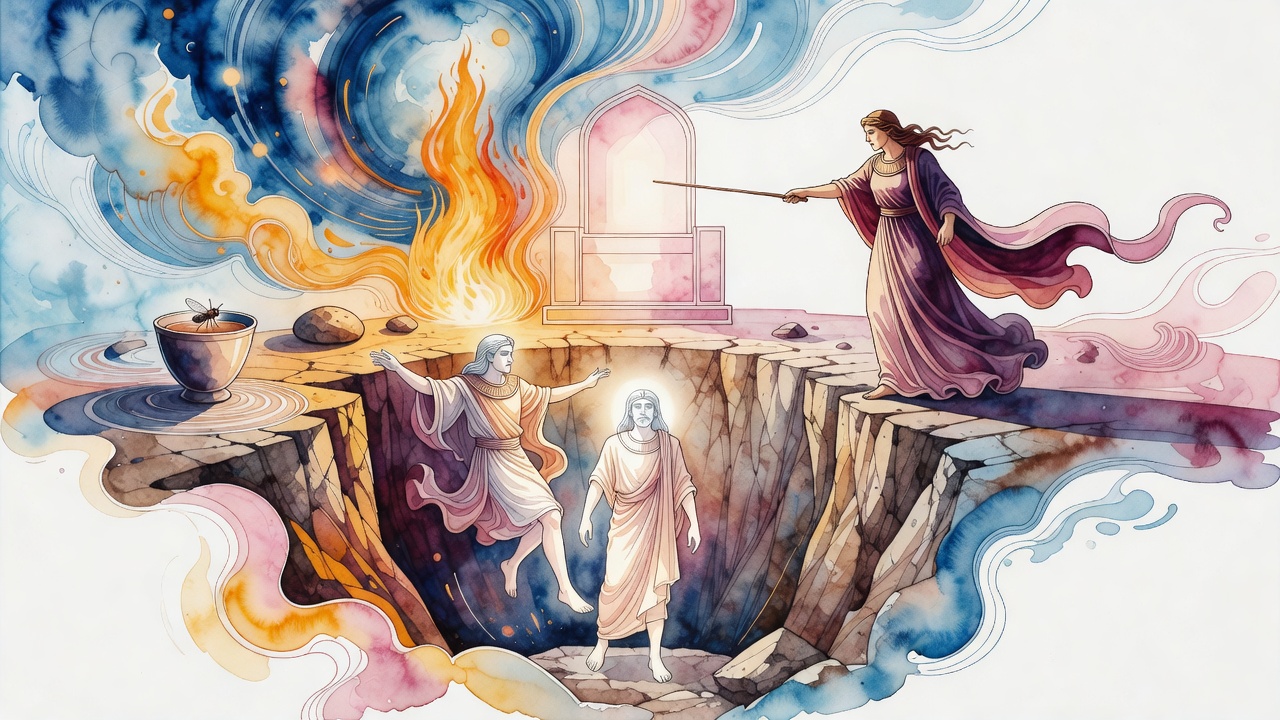
Pharaoh raised the cup and there was a fly in it.
 Click for full size
Not a beetle in a storeroom, not a mouse in the granary. A fly, in the warm drink, in the king's own cup, in the king's own hand, in front of the whole court with everybody watching him swallow. The man who had filled that cup and carried it up the steps was the chief of the cupbearers of Egypt. He had one job and he had been doing it for years without a mark against him.
A Pebble in the White Loaf
The chief baker sent up the fine white bread the same day, and Pharaoh bit down on a stone.
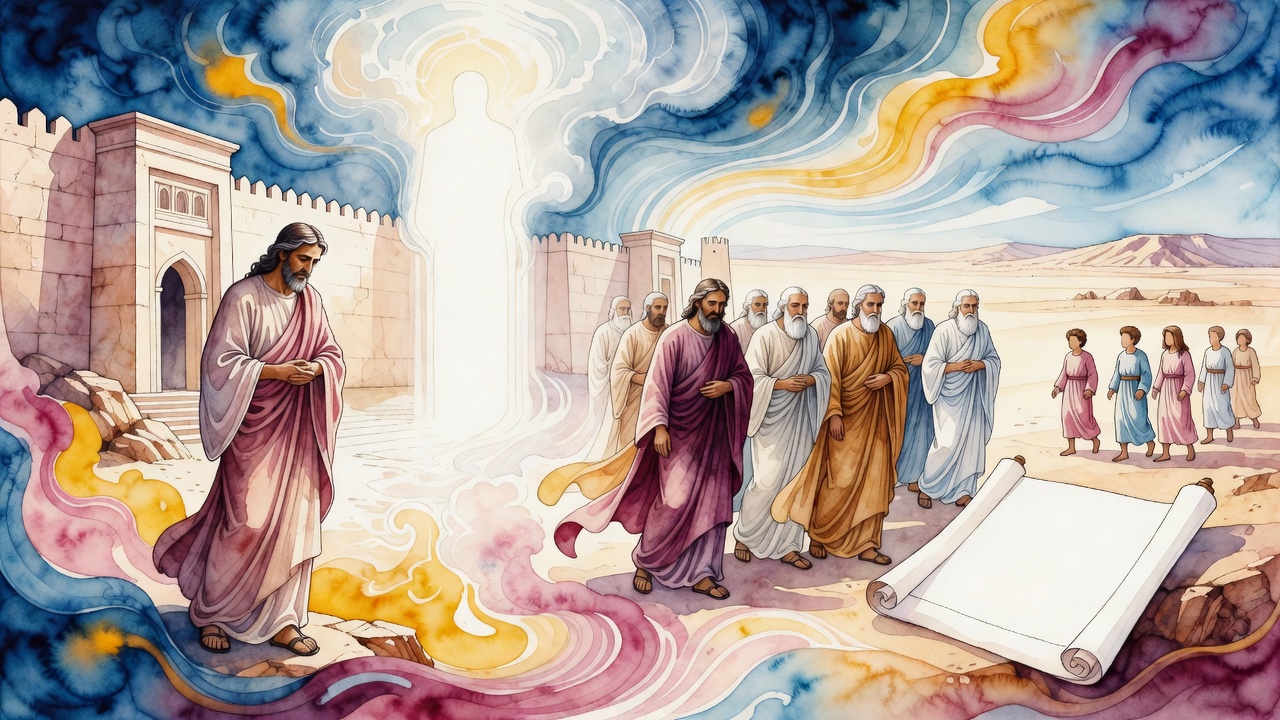
Two men at the very top of the royal household. One insect and one small stone between them, and the whole household knew by nightfall. Guards took them out through the courtyard and down to the prison of the captain of the guard, the round house where the king kept men he had not decided about yet, and where a Hebrew slave had already been sitting a long time on a charge he had not earned.
Or They Reached for the King's Daughter
Not everyone tells it that small.
There is a second account of what those two did, and in that one the fly and the pebble are a mercy laid over the real thing. What the cupbearer and the baker did, by that telling, was put their hands on the king's own daughter.
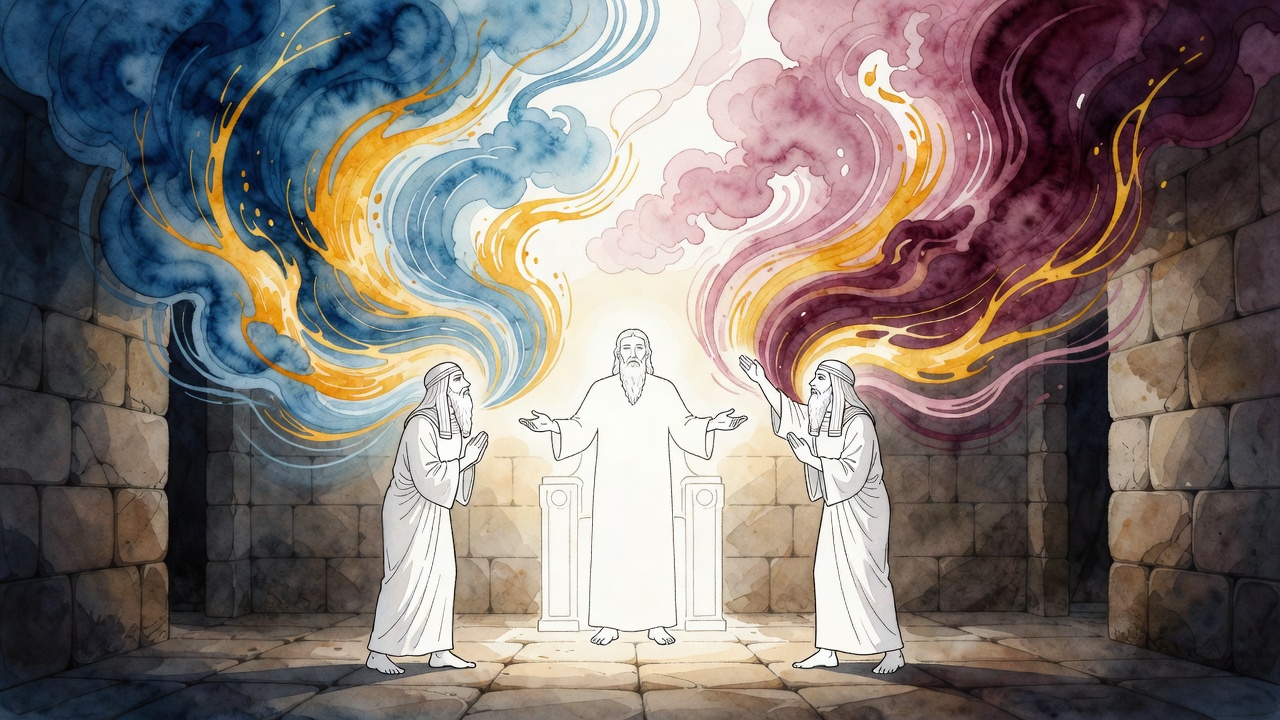
The word for what they did is the same word Joseph had used in that same house, in the room with the door shut, when his master's wife took hold of his coat. "How can I do this great wickedness," he had said to her, "and sin against God?" He would not do it. They did. And the door of one prison closed on all three of them.
The Rod That Could Not Rest
Joseph was down there because of a woman who could not let him alone.
The rod of wickedness does not rest on the portion of the righteous. It finds no purchase in a man who will not put his hand out, so it goes on looking, and when it finds nothing to take hold of it comes down anyway, across his back and his name and his freedom. Potiphar's wife was the rod. Joseph was the portion it came down on. She kept the coat he left in her fist and told the household he had come at her, and the master who had trusted him with the keys to everything he owned had him put in irons and never once asked him a question.
So he was already there, months into it, when the guards brought the two officers down the steps.
Two Officers in the Pit
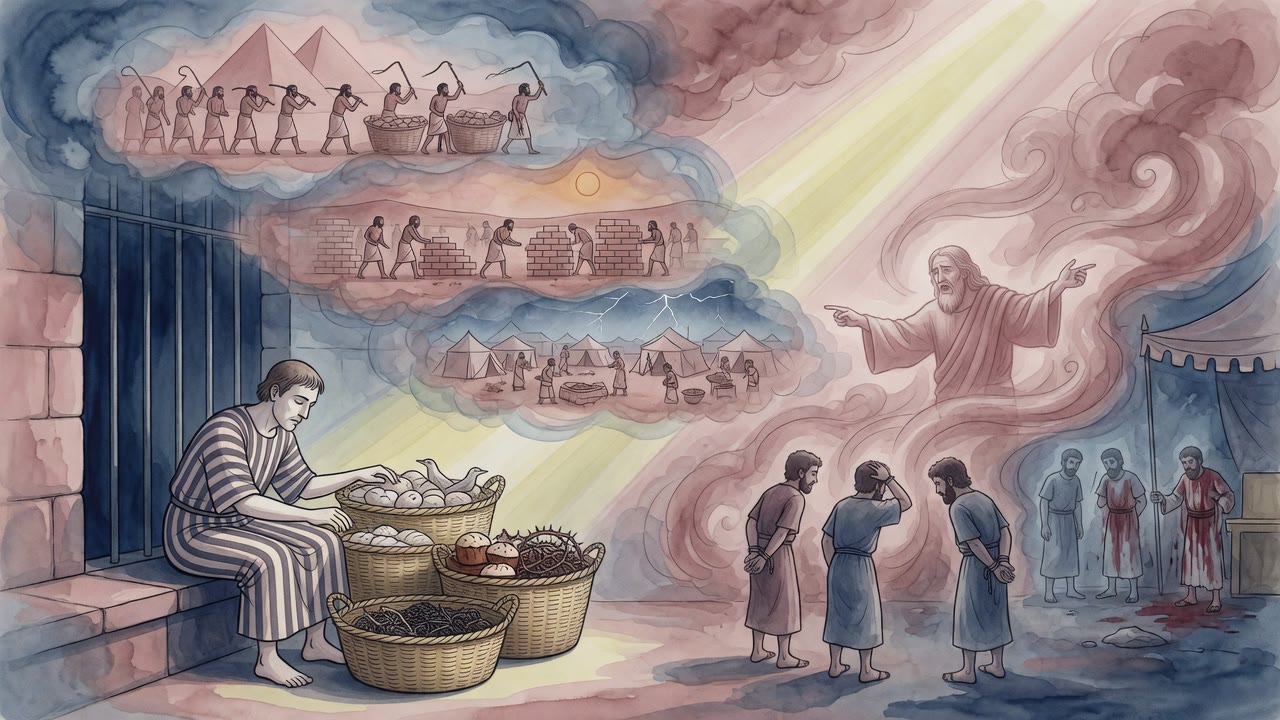
They were handed over to him, and he waited on them. The Hebrew who had run the house of the captain of the guard now poured for the man who had poured for Pharaoh.
Then one night both of them dreamed, and in the morning both of them were sitting with their faces down, and Joseph asked why.
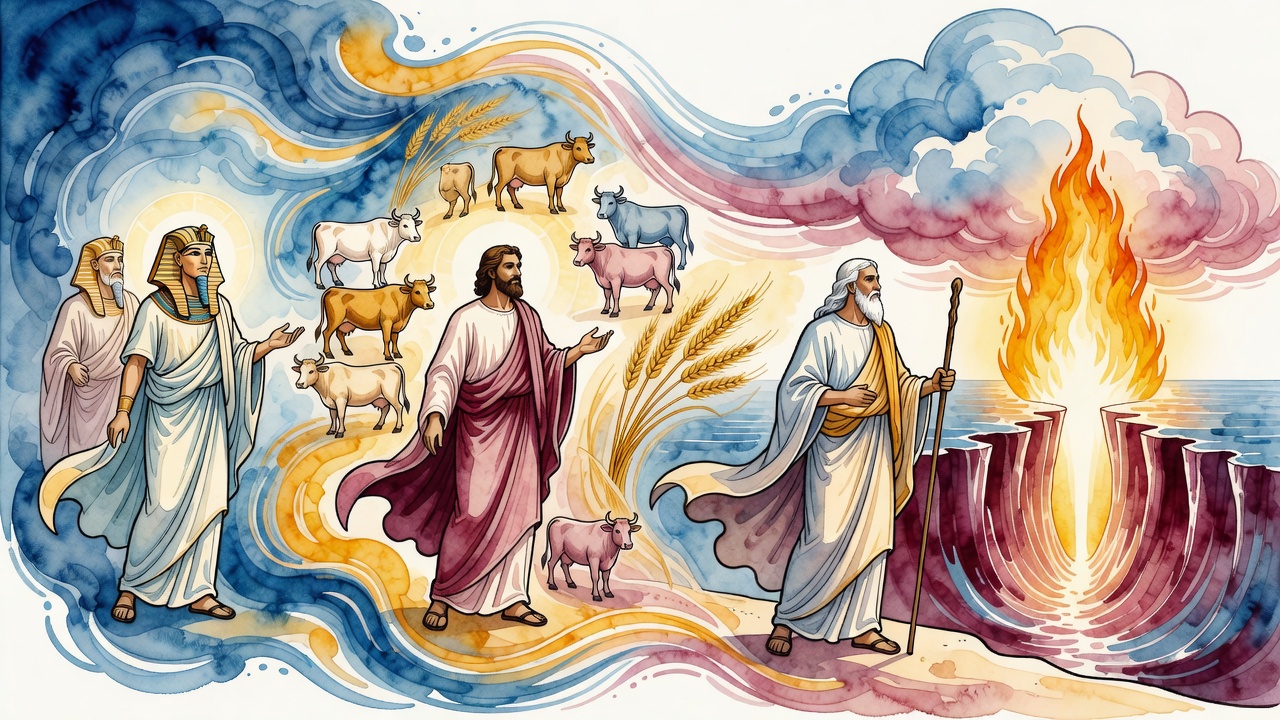
The cupbearer had seen a vine with three branches, budding, blossoming, ripening, and Pharaoh's cup in his own hand and the grapes squeezed into it. Three days, Joseph told him. Three days and your head comes up and the cup goes back in your hand.
The baker heard that answer and told his own. Three white baskets stacked on his head, and the top one full of every kind of baked thing for the king, and birds eating out of it.
Three days, Joseph said again, and did not soften the rest of it.
Then he asked the cupbearer for one thing. Remember me when it goes well with you. Say my name in front of Pharaoh. Get me out of this house.
One Cup Restored, One Rope
On the third day Pharaoh held a feast for his birthday and had both men brought up out of the prison in front of the whole court.
The cupbearer got his post back and put the cup into the king's hand that same afternoon, clean this time, and nothing floating in it. The baker was hanged on a tree, and the birds came down to him exactly as the baskets had shown.
And the cupbearer, standing at the king's elbow again with the cup steady in his fingers, did not remember Joseph. He forgot him for two more years, which is longer than a fly takes to drown and longer than a stone takes to find a tooth, while the one man in the story who had refused a locked room went on sleeping in the prison of the men who had refused nothing.
← All myths