When Heaven Refused to Let Moses Walk In Alone
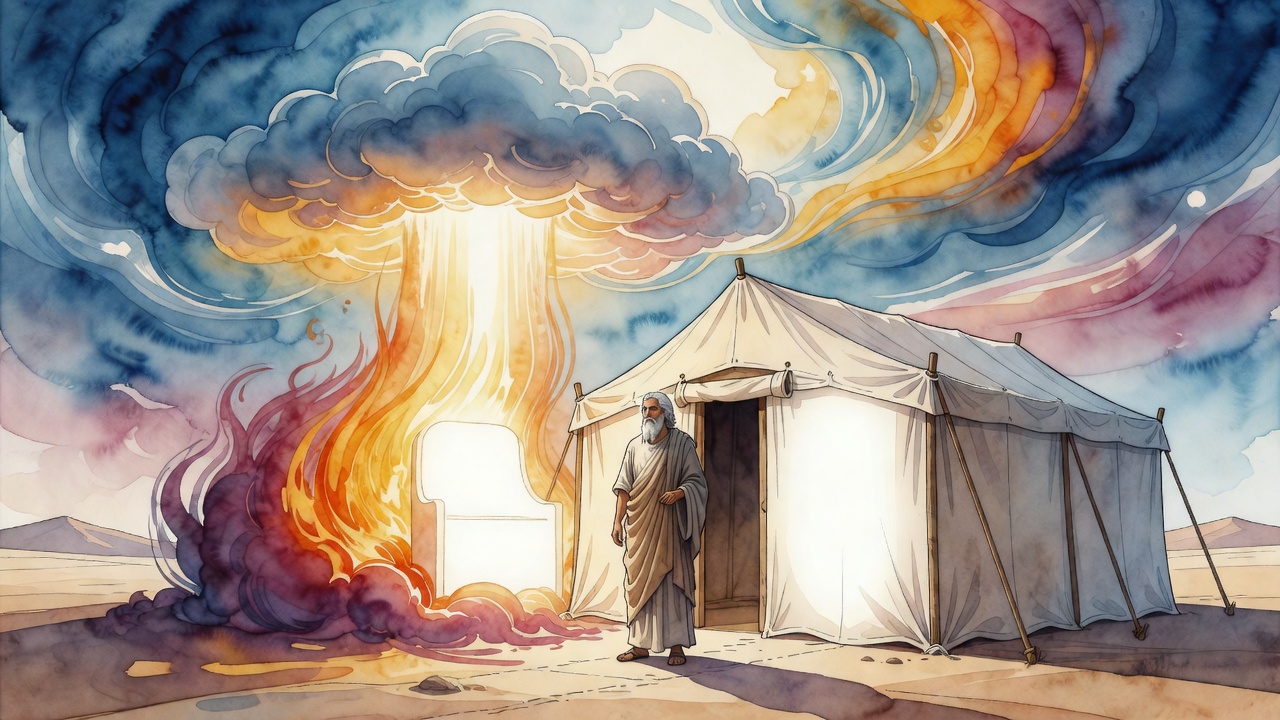
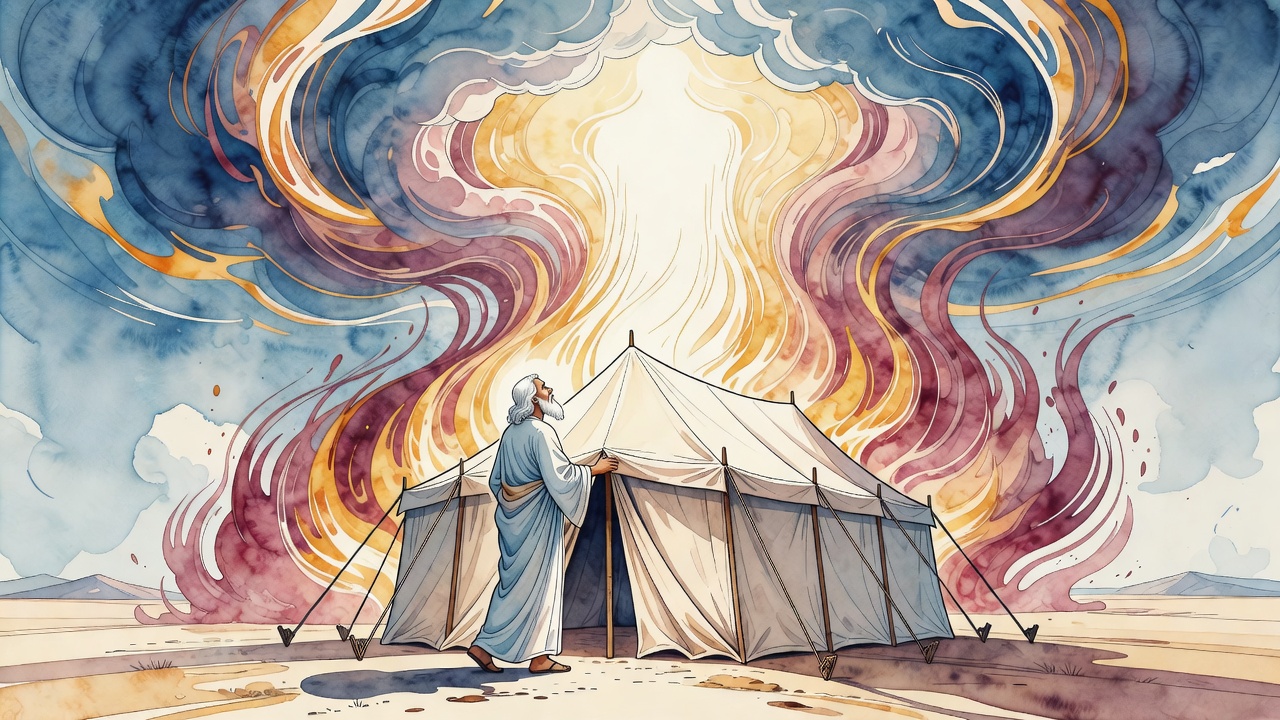
Moses built the Tent of Meeting. He knew its every measurement. Then he stopped at the threshold and waited to be called.
Table of Contents
 Click for full size
The Man Who Should Have Walked In
Moses had supervised every cubit. He had relayed the measurements to the craftsmen, overseen the work of Betzalel's hands, inspected the curtains and the boards and the clasps of gold and silver. When the Tabernacle was finished and the cloud of divine presence settled onto it like smoke filling a lamp, Moses had as much right to walk through that threshold as any man alive. More right. He had built it.
He stopped at the door. The book of Leviticus opens with the explanation. Two verbs where one would do: vayikra el Moshe, and He called to Moses, and then vayedaber, and He spoke. God called first. Only then did God speak. Moses, who had argued with God on the mountain and won, who had shattered the tablets and lived, who had descended from Sinai with his face blazing like a second sun, waited at the entrance to a tent he had built until he was summoned.
Knowledge Is Not Enough to Get You In
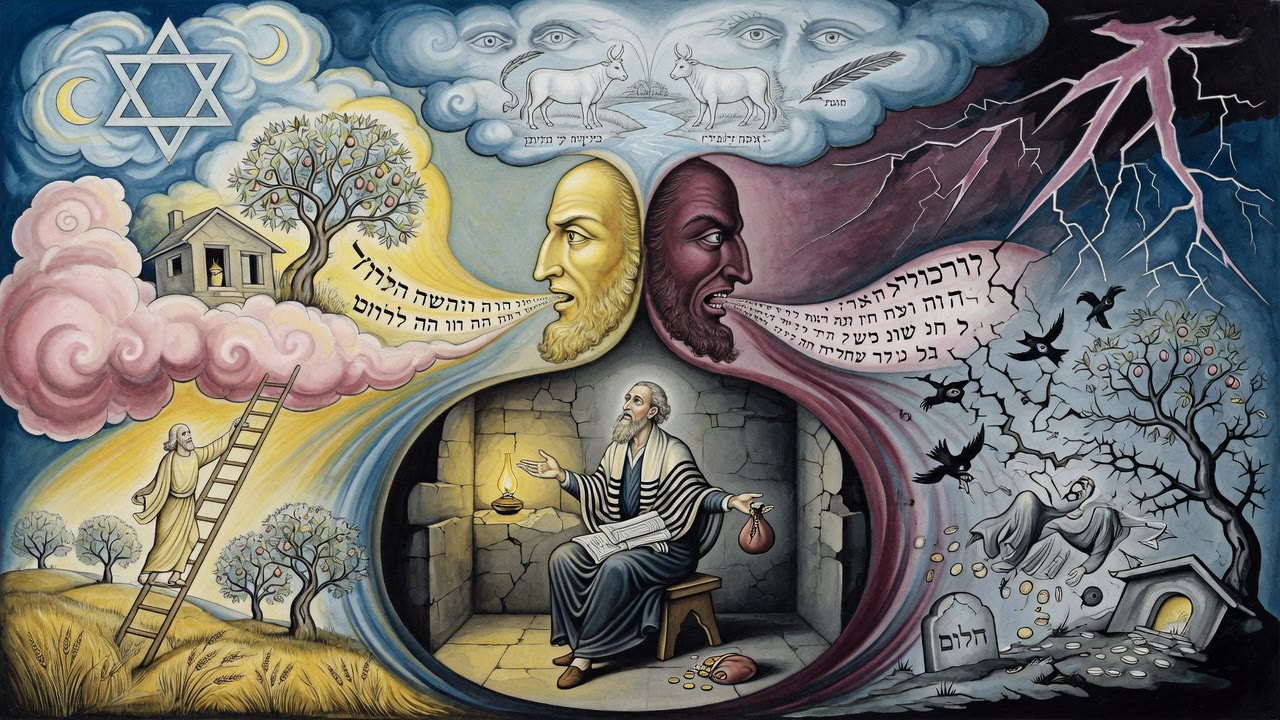
Vayikra Rabbah, the fifth-century Palestinian midrash on Leviticus, seizes on the doubled verb to make a claim it does not soften. A Torah scholar without sense is worse than a carcass. Worse than a dead animal on the road, worse than something that defiles by contact, worse than what you step around rather than step toward. The line is meant to sting.
The midrash is not attacking Torah study. It is attacking the person who has accumulated knowledge without the interior quality that makes knowledge useful. The Hebrew word it uses is daat, usually translated as wisdom or understanding but pointing specifically at the kind of knowing that comes from genuine relationship rather than from accumulation. Moses waiting at the door is the counter-image to this. He knows everything. He built the building. He is waiting anyway, because the invitation has to come from inside.
The Seven Names He Carried
The same section of Vayikra Rabbah considers the names Moses held. Seven of them, the midrash says. Yered, Avigdor, Chever, Yekutiel, Avi Zanoach, Avi Soco, and Shmaria. None of these is the name his parents gave him or the name Pharaoh's daughter gave him. They are names his character generated, given to him by the people whose lives his actions shaped. Each name is a trace of a specific protection he provided or a specific act of faithfulness he performed. They accumulated around him the way moss grows on stone that does not move.
The midrash presents them without ranking them. No name is better than another. The man who stood at the threshold of the Tent of Meeting was carrying seven names he had not sought and could not have invented. He waited at the door not because he lacked credentials but because credentials were not the currency the door accepted.
The Burnt Offering and the Thing Love Covers
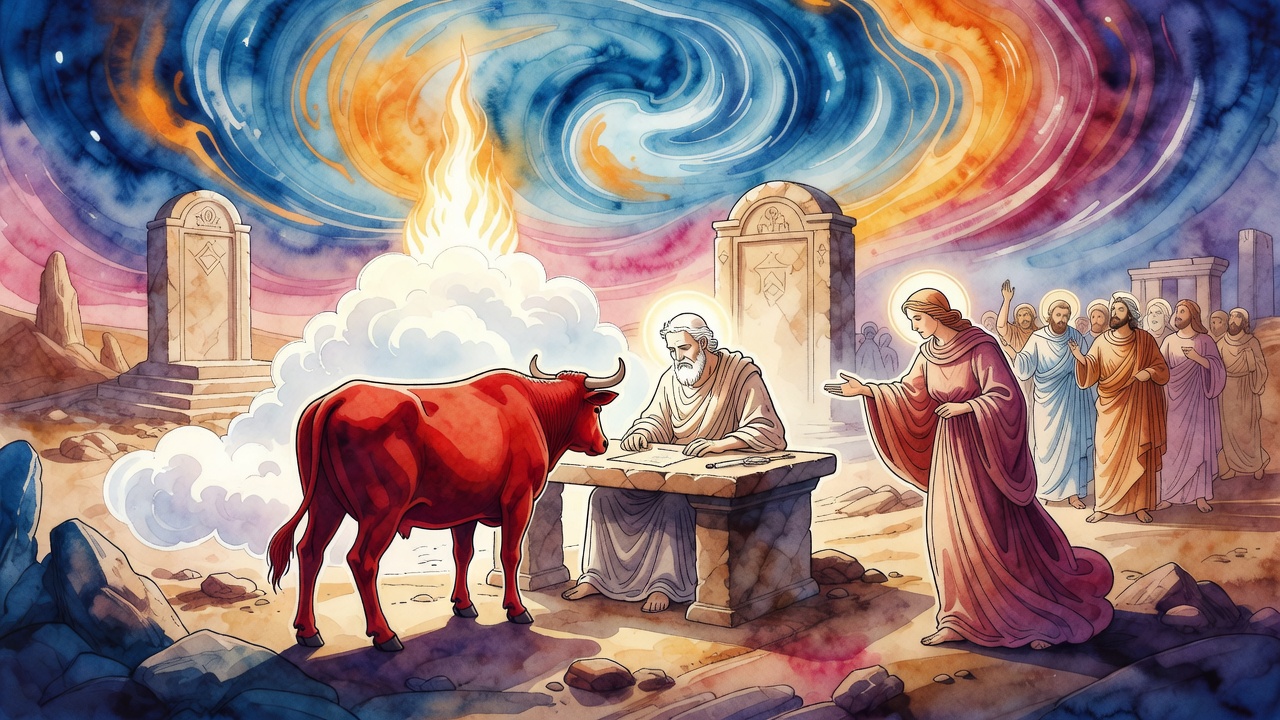
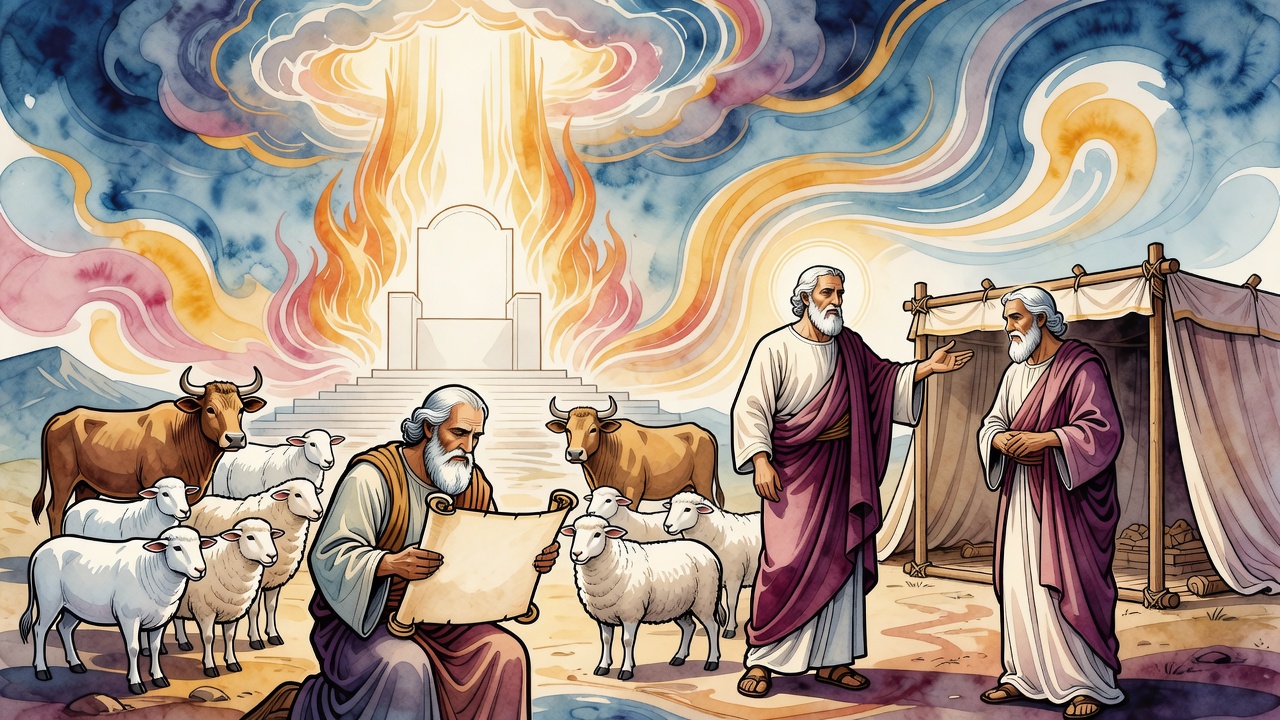
The third passage in this cluster of Vayikra Rabbah teachings concerns the burnt offering and the verse from Proverbs: love covers all transgressions. The midrash reads the burnt offering as the ritual form of that covering. A person who brings a burnt offering to the threshold of the Tent of Meeting is doing exactly what Moses did when he stood at the door. They are presenting themselves at the entry point without forcing their way in. The fire receives what the person offers. The covering happens. Something that had been exposed and vulnerable is enclosed.
The three images belong together. The scholar without sense who defiles by contact. The seven names accumulated through a lifetime of faithful action. The burnt offering where love does the work the person cannot do for themselves. Vayikra Rabbah placed these at the opening of its commentary on Leviticus because Leviticus is, before anything else, the book about the threshold. About what can cross over and what cannot. About who is called and who must wait. Moses at the door is the book's first answer to its own question: even the greatest of all prophets stands outside until the call comes from inside.
← All myths