The Oath Over the Western Wall and the Voice at Sinai
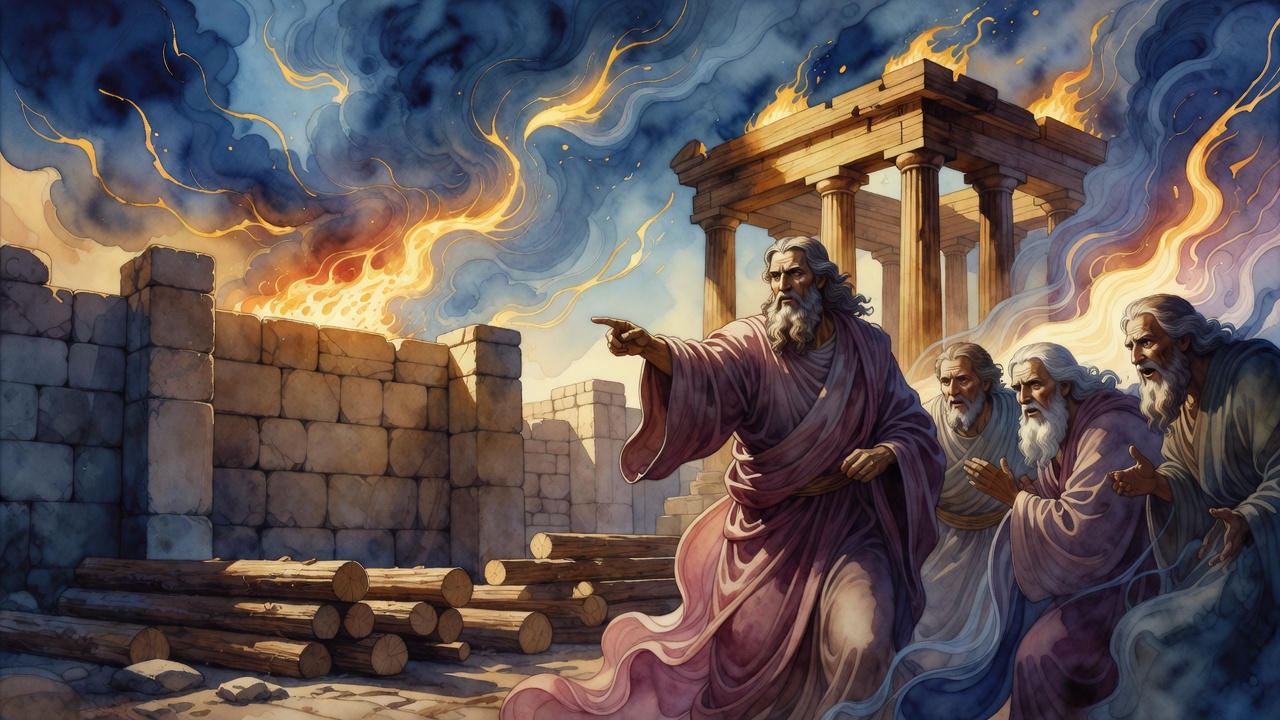
The Temple burned and one wall stayed up. Rabbi Yosei said God swore never to let that wall fall, and that God still stands behind the stones.
Table of Contents
After the Temple burned and the priests scattered, one wall was still standing. People looked at it and asked the only question that mattered: why this one? Why did this particular stretch of stone survive when everything else collapsed?
 Click for full size
Rabbi Yosei bar Hanina had an answer, and it came from the Song of Songs.
The Beloved Stands Behind the Wall
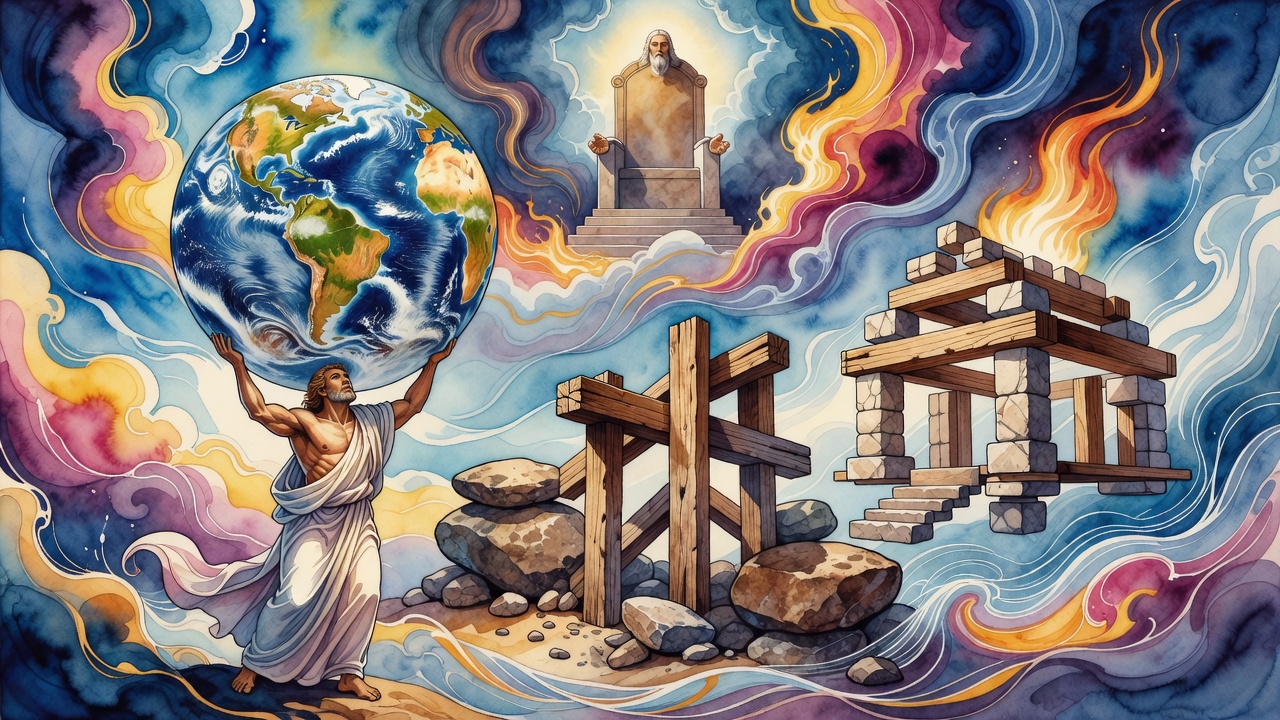
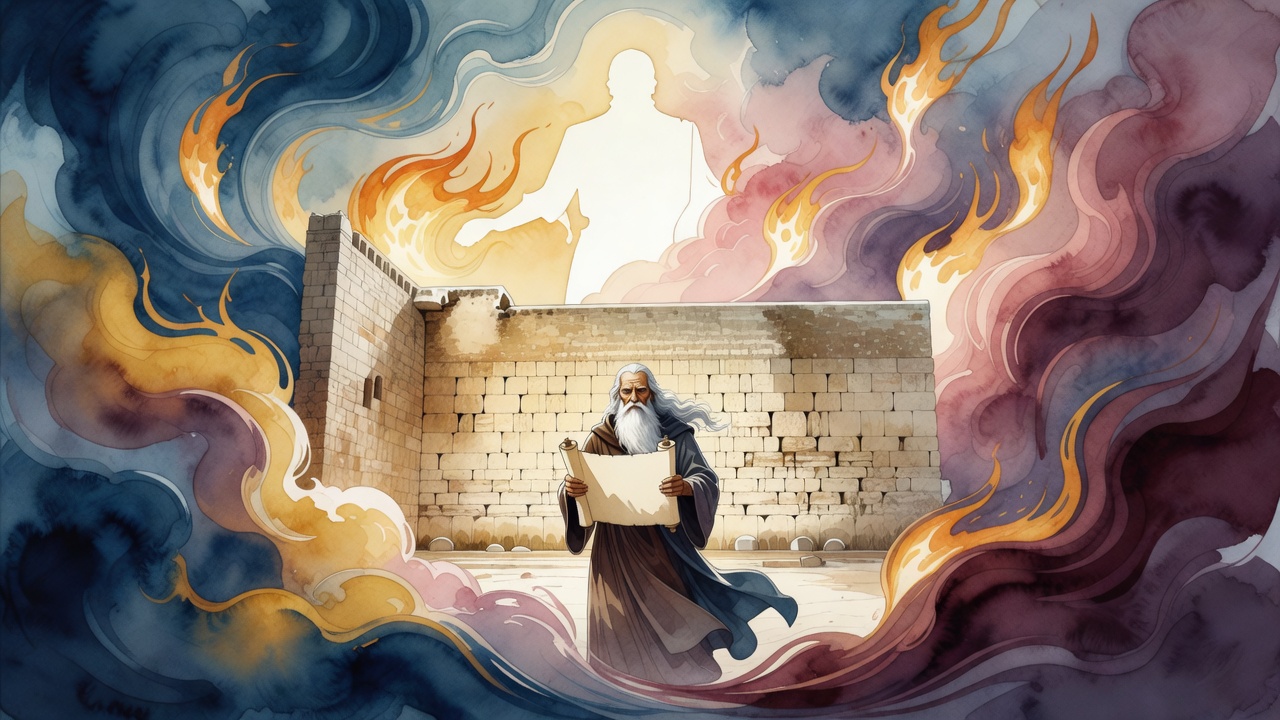
The verse describes the beloved peering through a wall, gazing through windows, watching through latticework. It is a love poem about presence half-concealed, about someone who has not yet entered but has not gone away. Rabbi Yosei read it not as poetry but as a deed of title. The beloved standing behind the wall is the Holy One. The wall is the Western Wall of the Temple precinct.
The argument that follows is architectural and theological at once. The oath sworn over the western side of the sanctuary means that no earthly power, not Babylon, not Rome, not any empire that would come later, has authority to bring it down. The Priests' Gate on the south and the Hulda Gate carry the same protection. These are the entrances through which Israel walked toward the holy place, and the oath covers the thresholds as much as the stones.
The Song's image of a watchful presence at a wall becomes, in Rabbi Yosei's reading, the explanation for a historical fact that would otherwise require either accident or the indifference of conquerors. The wall stands not because attackers overlooked it. It stands because something stands behind it that has not left.
The Voice That Had Not Changed
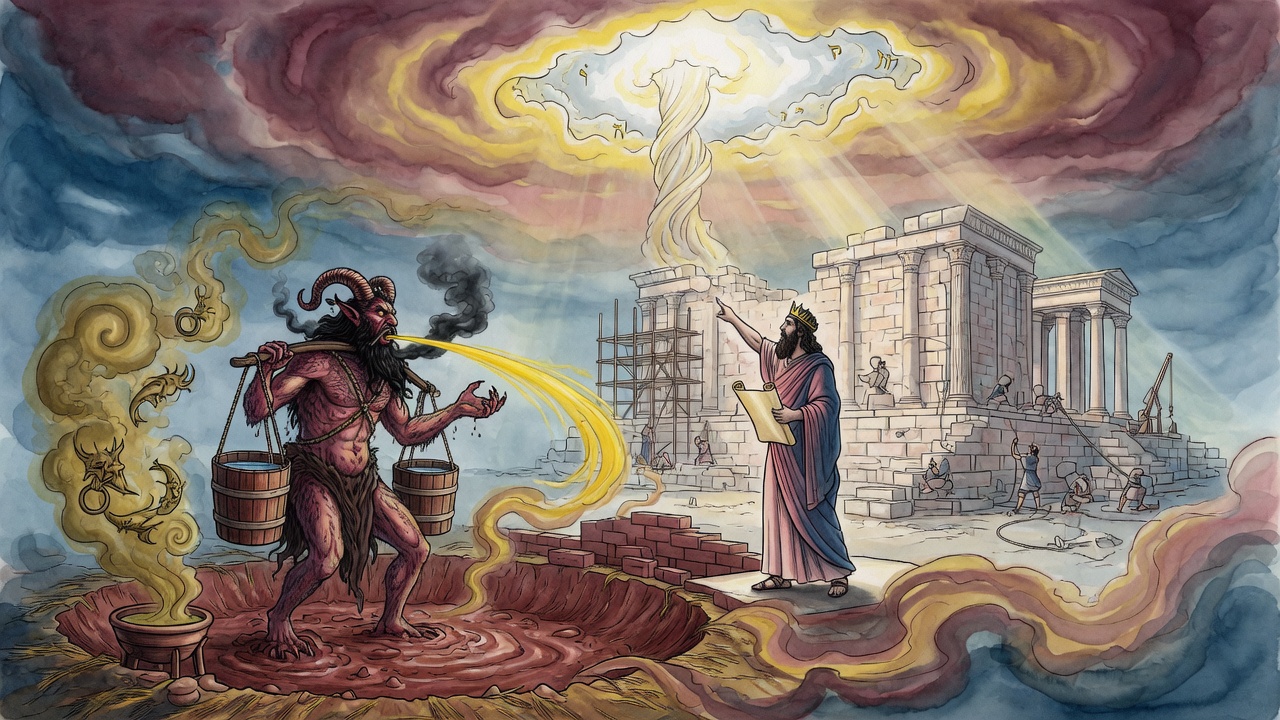
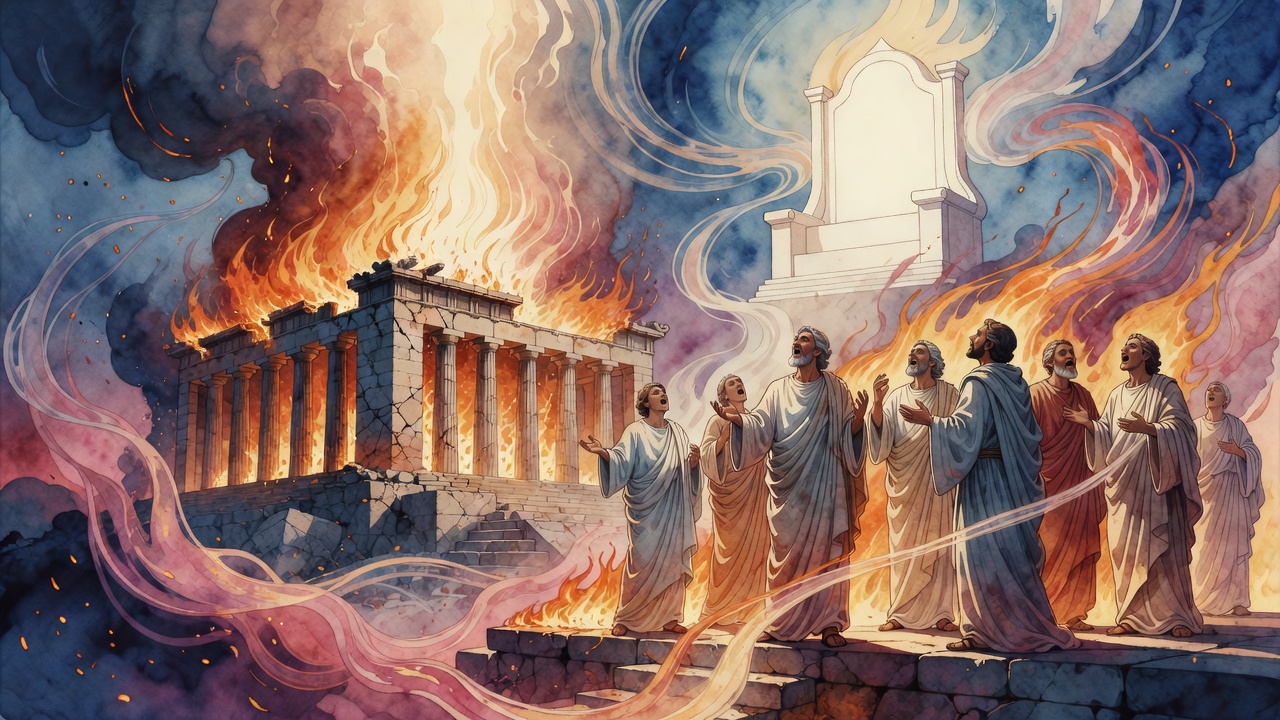
The second passage traces the same presence backward to its origin. When Solomon completed the Temple and the people gathered for the dedication, one voice rose from the entire assembly. Not a chorus of voices, not a crowd's noise, but a single sound from all of them together, as if Israel had somehow become one mouth in that moment.
The sages recognized that sound. It was the same voice that had risen at Sinai when the Torah was given. The people who stood at the base of the mountain and heard the ten utterances had also, in some accounts, produced a single unified response. Centuries separated the two events, and the desert was far from Jerusalem, but the Shekhinah (God's indwelling presence) had moved between them, and where the Shekhinah moved, the voice that accompanied Her stayed the same.
The Line That Began at Sinai
The Tabernacle of Moses and the Temple of Solomon are read as a continuous structure in this telling. The line of sacred space does not begin at the Temple Mount. It begins at the foot of Sinai, where Israel first heard the voice that would later inhabit the inner chamber of the house Solomon built. The dedication feast at Jerusalem is a re-sounding of something that had been spoken once in the wilderness.
Two Walls, One Presence
What the two passages share is a conviction about where the Holy One is when Israel cannot see Him clearly. At the Song of Songs wall, He is just behind the stone, watching through the lattice. At Sinai and Solomon's Temple, He is speaking through the people themselves, generating from their gathered throats a single sound that crosses centuries.
The Western Wall's survival is not an accident of military history. It is evidence of the same pattern the Song describes: the beloved does not leave. He stands at the barrier. He watches through the gap. And when Israel gathers again, whether in the desert or in the rebuilt city, the voice that answers them is the one that never stopped speaking.
← All myths