5 min read

Yohanan Returned His Son as a Perfect Deposit

When Yohanan ben Zakkai's son died, flattery failed until Elazar named the boy a deposit returned whole to its Owner.

Curated by Arthur · Told by Maggid ·
Table of Contents
  1. The House Without a Son
  2. Elazar's Different Angle
  3. Years Later, Another Bedside
  4. Fear Equal to Flesh and Blood
  5. One Life, Two Returns
Yohanan Returned His Son as a Perfect Deposit Click for full size

The House Without a Son

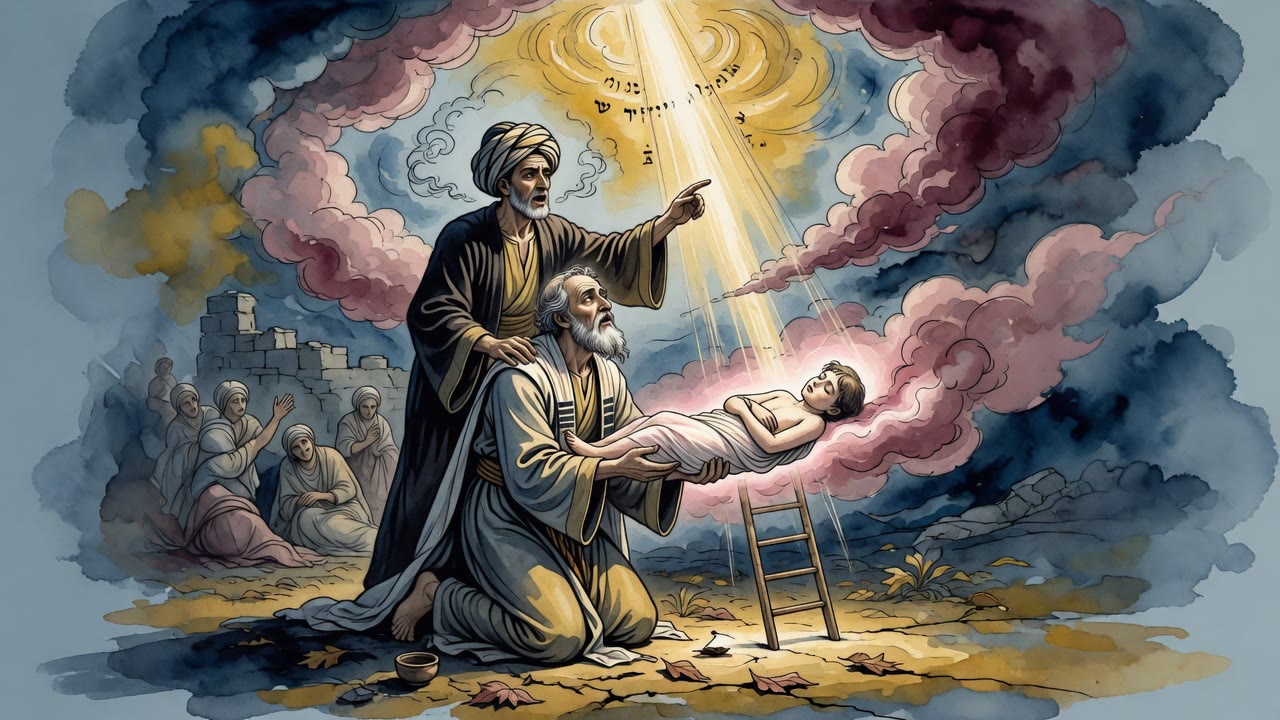
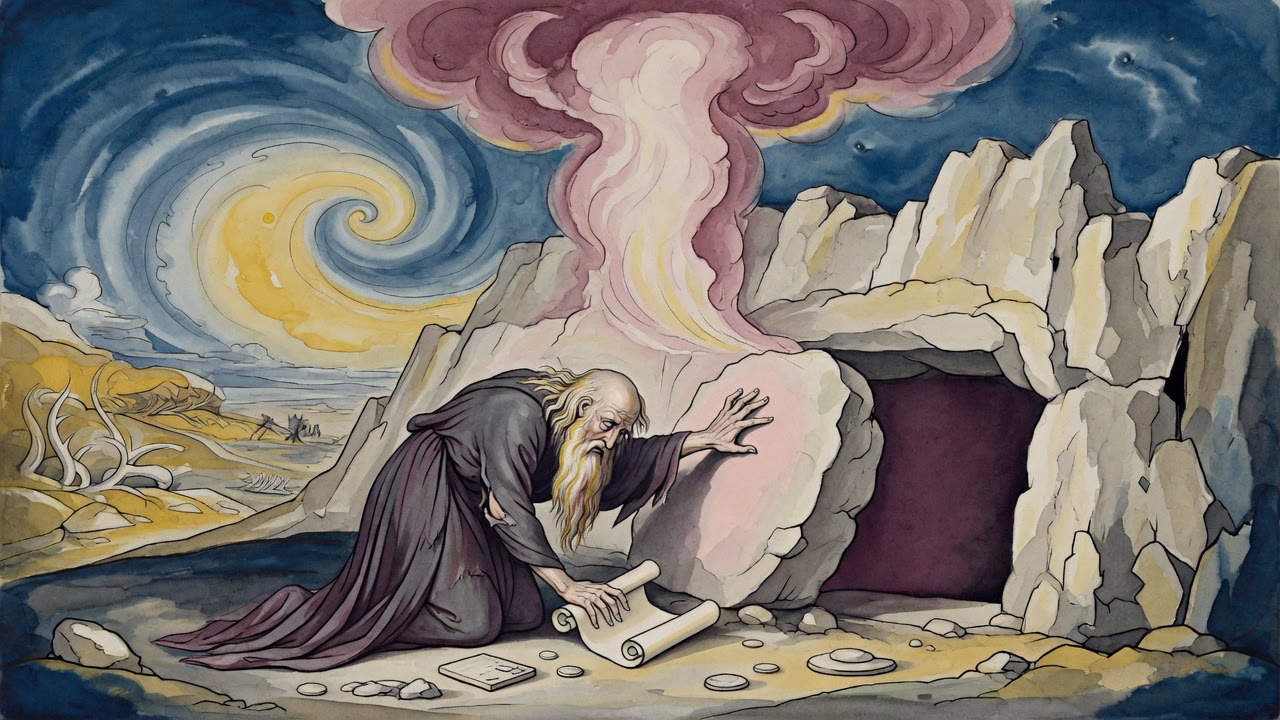
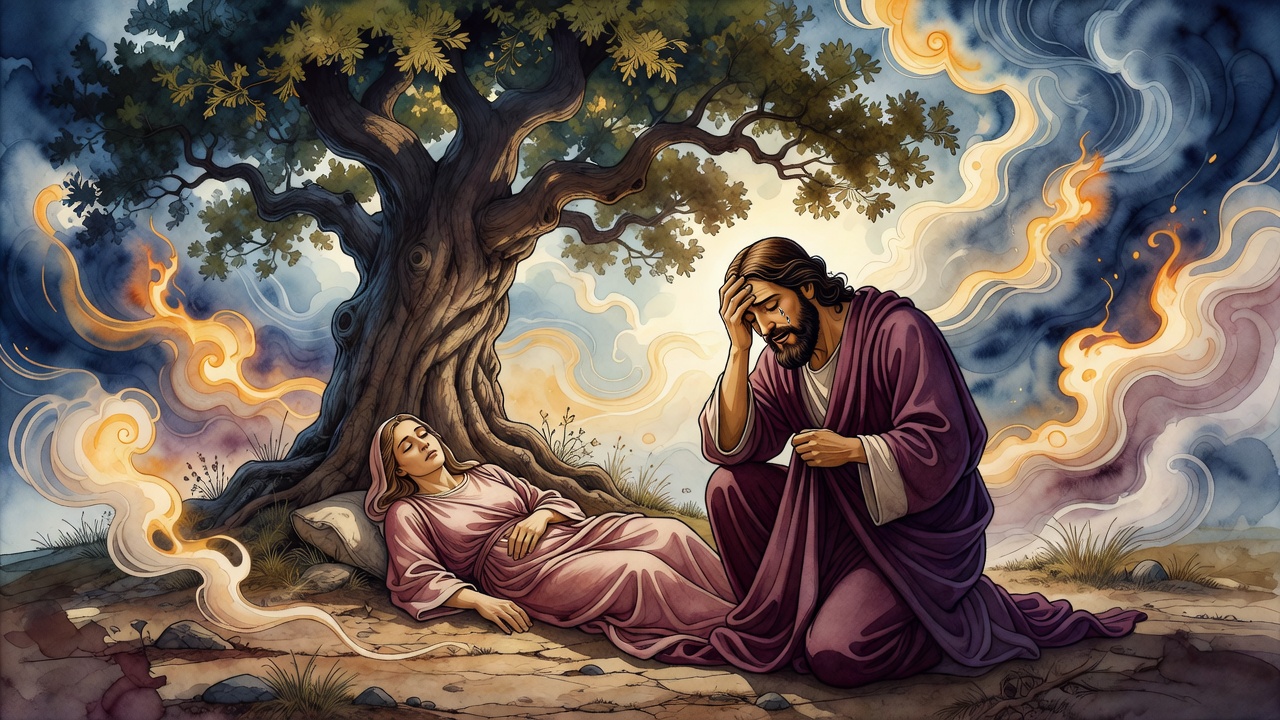
The son of Rabban Yohanan ben Zakkai died, and the house that had outmaneuvered Rome filled with a quieter enemy. Disciples came in a line, each carrying words polished for a master. Some spoke of the academy at Yavneh. Some spoke of the Torah saved when the Temple fell. Some tried silence and hoped silence would do the work speech could not. None of the words found a place to sit. Yohanan heard praise of his leadership bounce off the empty room where a child had been. Leadership does not bury a son. Praise does not warm a seat.

Elazar's Different Angle

Elazar ben Arach entered last, the student Yohanan had once called a spring that grows stronger as it flows. He did not begin with the master's greatness. He began with the legal image of a deposit, language a scholar could hold without drowning.

A son is not a possession, he said. A son is something entrusted by the One who gives life. You received him unfinished, a child with open hands and an unformed mind. You return him now as a complete scholar, without moral blemish, a man who learned under your roof and left no stain that would shame the trust. The Owner asked for His deposit back in better condition than He left it. You have not failed the trust. You have discharged it.

Yohanan's grief shifted language. Loss became stewardship completed. The tears did not stop. They found a vessel that could hold them without spilling into the lie that his life's work had been pointless because one beloved body had stopped. Elazar had not erased the corpse. He had renamed the relationship between father, son, and God.

After Elazar left, the house did not fill with music. It filled with a quieter order. Yohanan could sit without the praise-noise of disciples scraping at a wound. He could say the boy's name and mean a completed trust rather than a theft. The academy still needed him. The bed where a son had studied still held the shape of absence. Both facts stood. Neither canceled the other.

Years Later, Another Bedside

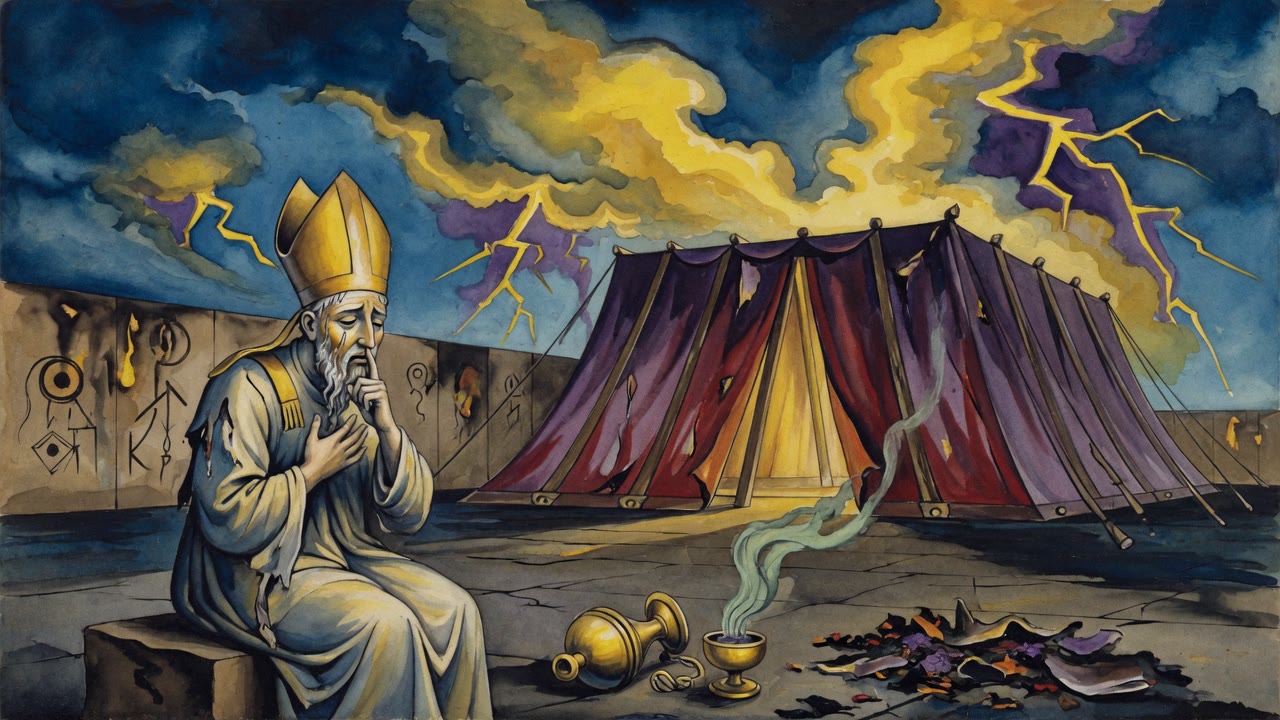
Decades on, the same man lay dying. The room smelled of oil and old scrolls. Students gathered for a final teaching and found tears again on the face that had stared down empires. Master, they asked, why do you weep? You preserved Torah when Jerusalem burned. Why now, at the end of a life that already reads like rescue?

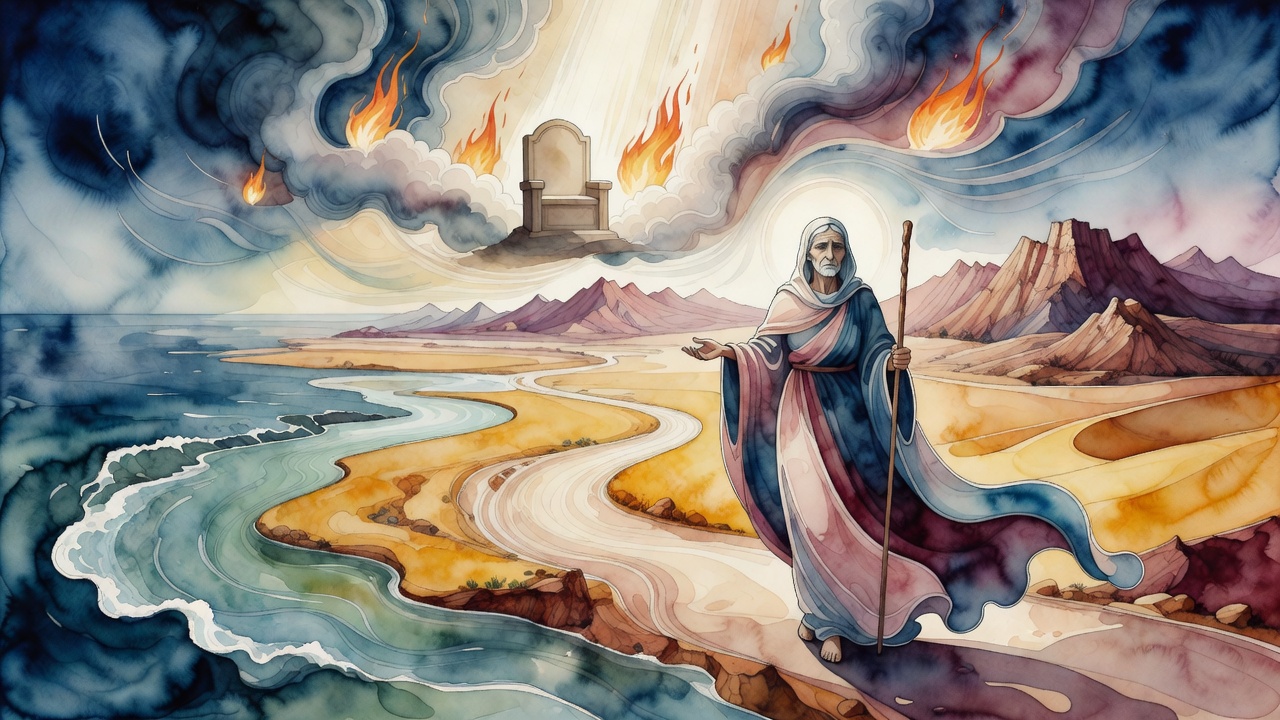
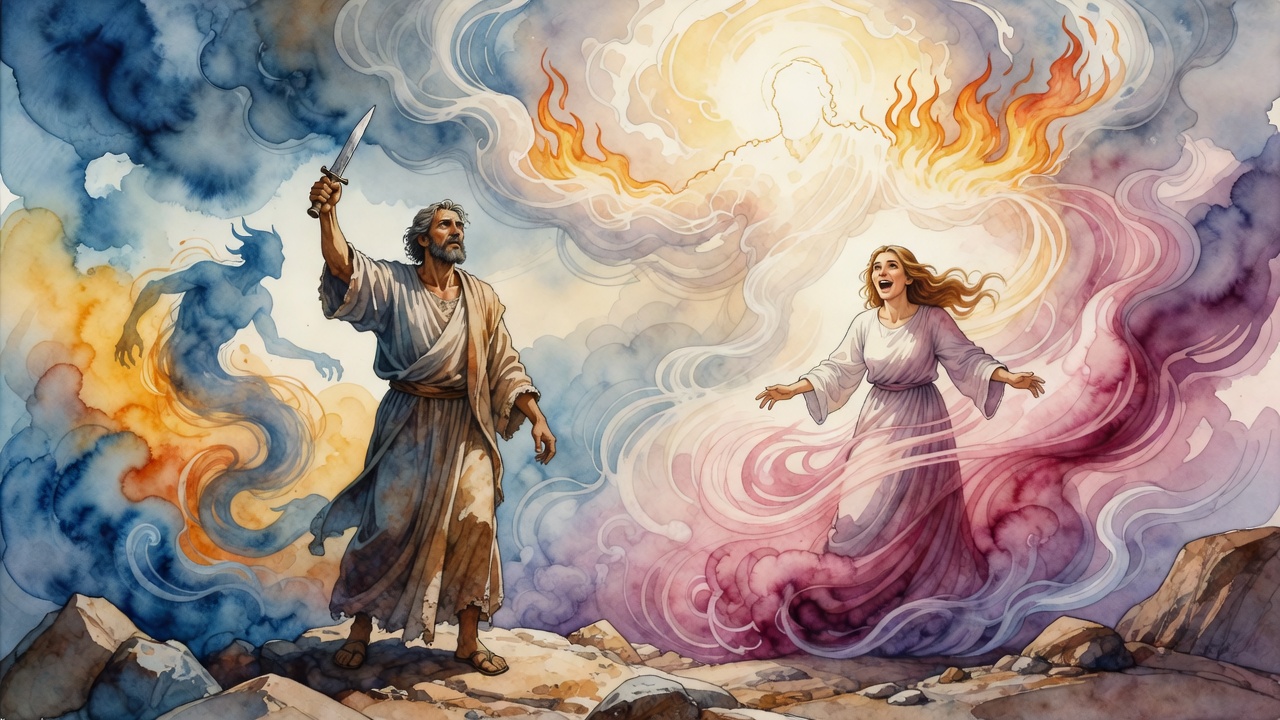
Yohanan answered without theater. I am about to stand before a King who takes no bribe. Before a human king I could plead and find an angle. I found an angle with Vespasian once, in a coffin, with a city dying behind me. Before this King every angle falls flat. I do not know which road He will assign me, the narrow path toward Eden or the broad path toward Gehinnom (the place of punishment after death).

The man who had bargained for Yavneh trembled before a court he could not out-negotiate. His honesty in that hour was itself a last lesson. The students who wanted a soaring farewell received a human one.

Fear Equal to Flesh and Blood

His final blessing came shaped like a warning. May the fear of Heaven be as great for you as the fear of flesh and blood. You already watch yourselves before neighbors and officers. You already lower your voice when a powerful man enters the courtyard. Learn to watch yourselves before the Unseen with the same care, because the Unseen does not miss what the neighbor misses.

The currency he left them was practical, almost severe. Live as carefully under God's eye as you already live under human eyes. That was not poetry. That was a dying administrator of Torah refusing to let his students inherit only legends about his courage.

One Life, Two Returns

First he returned a son as a perfected deposit. Later he prepared to return his own soul without knowing the receipt. Between those two returns stood the architect of post-Temple Judaism, still human enough to need comfort and still honest enough to admit fear. Comfort that works does not deny the corpse. It renames the relationship. Yohanan accepted the renaming when Elazar offered it, and years later he refused every false comfort that would have painted his own death as a guaranteed parade into Eden.

The generation that rebuilt Jewish life around study rather than sacrifice needed both scenes. One teaches how to grieve a child without calling God a thief. The other teaches how to die without calling yourself finished business. Together they keep Yohanan from hardening into a statue. He remains a father and a mortal who cried in public for reasons that still make sense.


← All myths

From the tradition

Sources

2 sources

The texts behind this telling. Some cards carry a translation of the source; others are our own retelling of it, and each card says which. Every card links out to the original.

Exempla of the Rabbis, No. 171Exempla of the Rabbis (Gaster, 1924)

Retold in our words. Read the original at the link below.The Exempla of the Rabbis, Moses Gaster (1924) · Public Domain

This consolation story from the Exempla of the Rabbis turns on the death of the son of Rabbi Yohanan ben Zakkai, the towering leader of the generation that survived the destruction of the Second Temple and rebuilt Jewish life around the academy at Yavneh. When his son died, his foremost disciples came one after another to comfort him, yet their words gave him no peace.

The disciple who succeeded where the others failed was Elazar ben Arach, whom his master had once praised as a flowing spring of ever increasing strength. Rather than speak of the master's own loss, Elazar reframed the death entirely. He told Rabbi Yohanan that a son is not a possession but a deposit, something entrusted to a parent by the One who gives it. The son had been placed in his father's care in an imperfect, unformed state, as a child. Now the father was returning that deposit to its true Owner in a perfect condition.

For the son had died as a great scholar and without moral blemish, having grown from the raw charge given to his father into a complete and worthy person. By this image, the bereaved father had not failed in his trust but had fulfilled it, returning what was entrusted to him better than he received it. This was the comfort that finally reached Rabbi Yohanan, because it transformed his grief from the language of loss into the language of a faithful steward who had discharged his duty.

Full source
Gaster, Exempla of the Rabbis, no. 133; cf. Berakhot 28bThe Exempla of the Rabbis (1924)

Retold in our words. Read the original at the link below.The Exempla of the Rabbis, Moses Gaster (1924) · PD-US-pre-1929

Rabbi Yohanan ben Zakkai lay dying. He had been one of the greatest of all the sages, the man who, during the Roman siege of Jerusalem, had been smuggled out of the city in a coffin to beg Vespasian for the academy at Yavneh. He had saved the Torah's transmission when the Temple fell. His students gathered at his bedside expecting a last teaching. What they got, instead, was his tears.

"Master," they said, "why do you weep? You who preserved the Torah, why, now, at the end?"

He answered them honestly. "I am about to appear before a King before whom no bribe is possible. Before a human king, I could plead, I could explain, I could find an angle. This is a King before whom all angles fall flat. And I do not know," he said, "which of two roads He will send me down, the narrow road that leads to Eden, or the broad road that leads to Gehinnom."

His disciples were silent. The man who had outmaneuvered Vespasian was trembling before a trial he could not strategize.

Then Yohanan gave them his final blessing, and it was not a blessing in the usual sense. It was a warning shaped like a prayer. "May the fear of Heaven be to you," he said, "as great as the fear of flesh and blood. For you see human beings, and you are careful not to be detected doing wrong. So learn to fear God as much as you already fear a nosy neighbor."

Gaster's Exempla (no. 133, 1924) preserves the teaching because it captures something startling: the greatest sage of his age wished only that his students could live with as much vigilance before the Unseen as they already did before the seen.

Full source