22 myths
Each story names the sources it was written from.
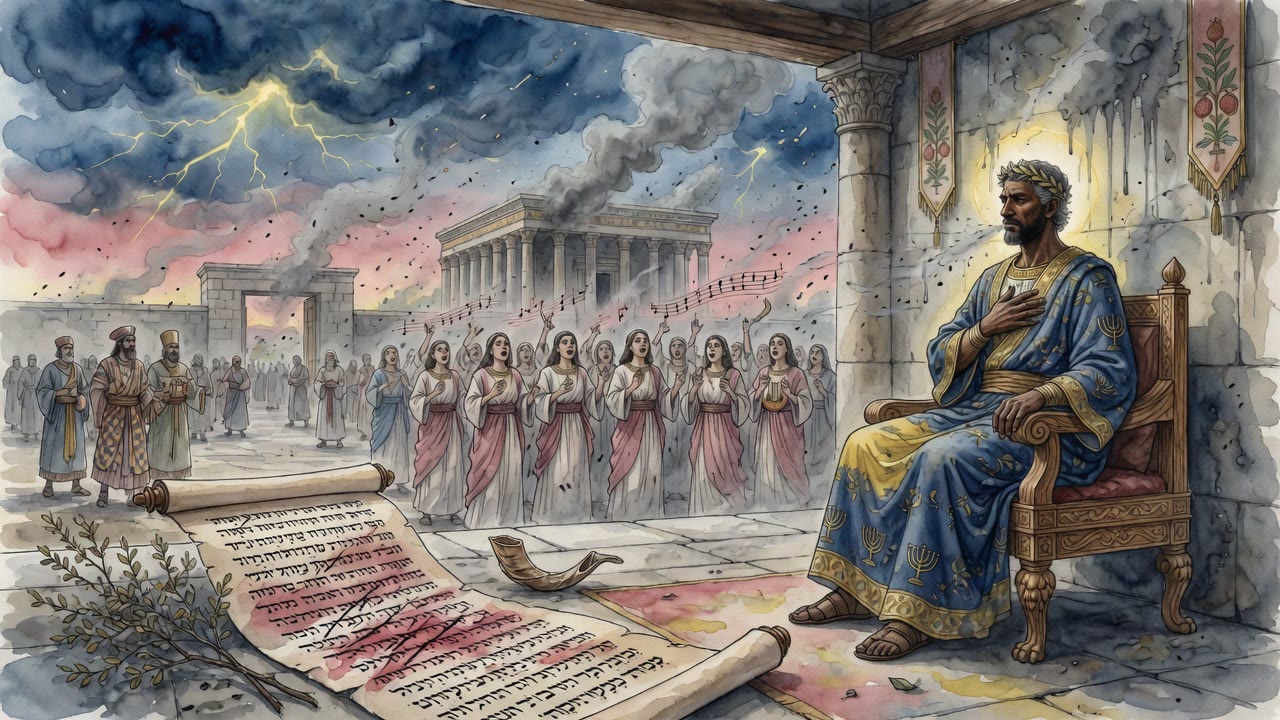
The camp outside Jerusalem did not wake. Isaiah asked the king for a song. Hezekiah kept his mouth shut and the study lamps burning.
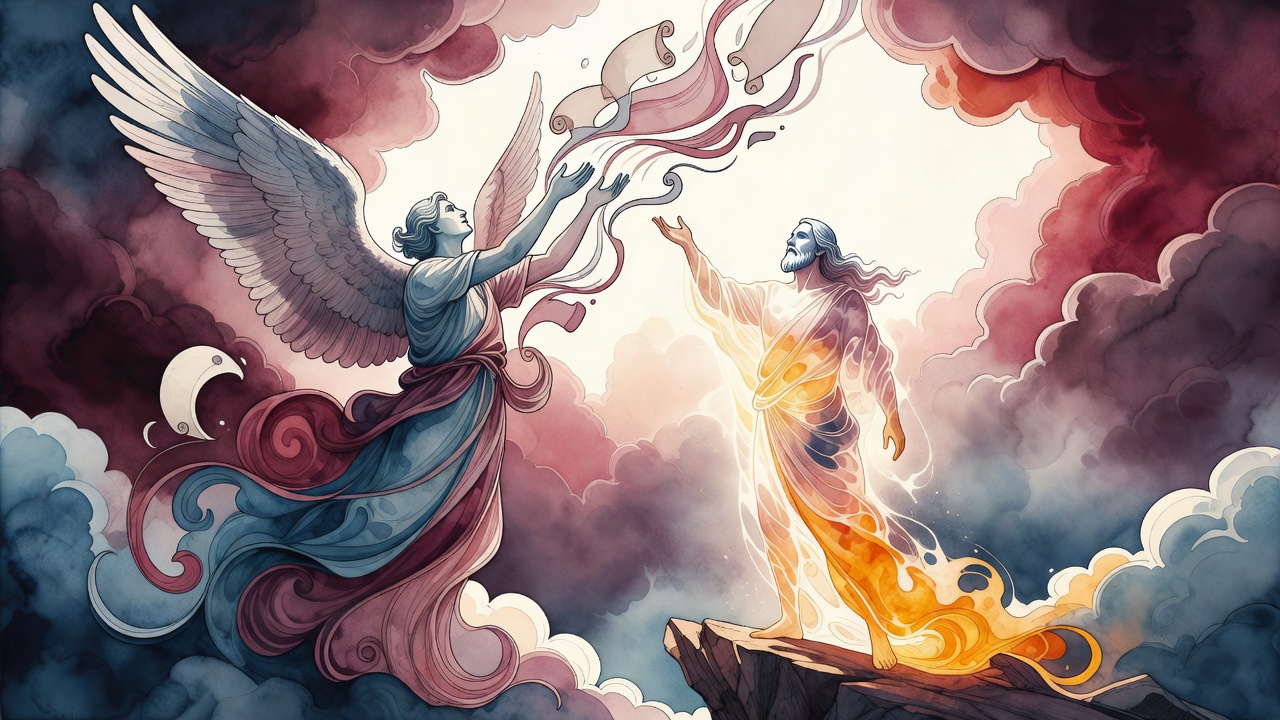
Solomon warned that a bird of heaven carries the voice. The midrash says that bird is an angel, and Saul's curse reached heaven as soon as he said it.
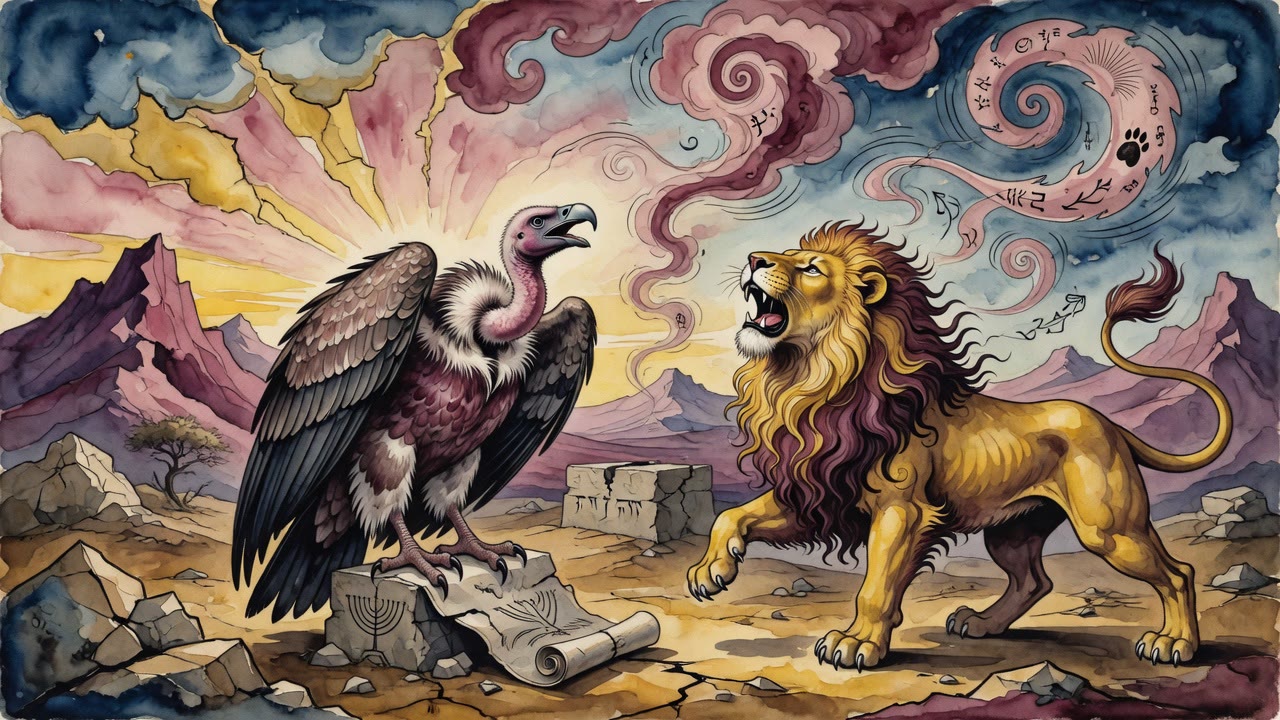
A sleeper wakes at midnight to a rooster crowing seven verses and learns the earth, the sea, the fox, and the frog each carry a praise of their own.
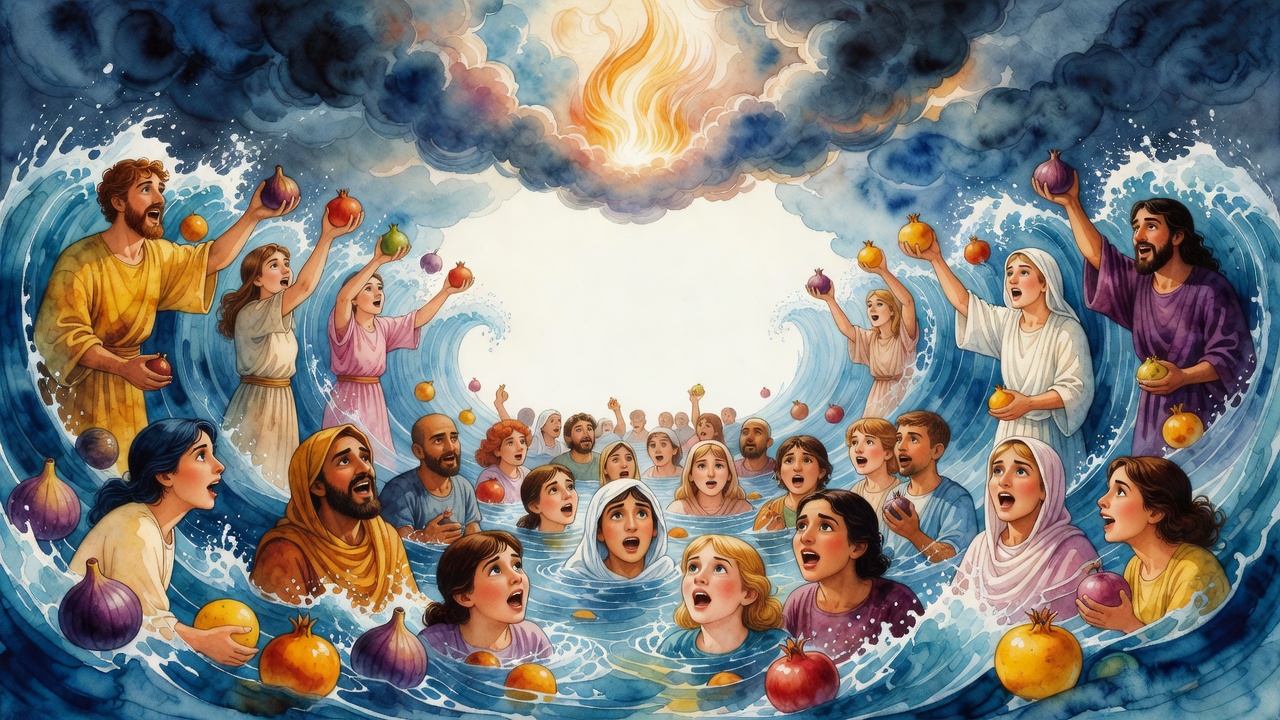
God detours Israel from the Philistine road. At the sea they enter to their noses, pluck fruit from water walls, and sing as dark yet comely.
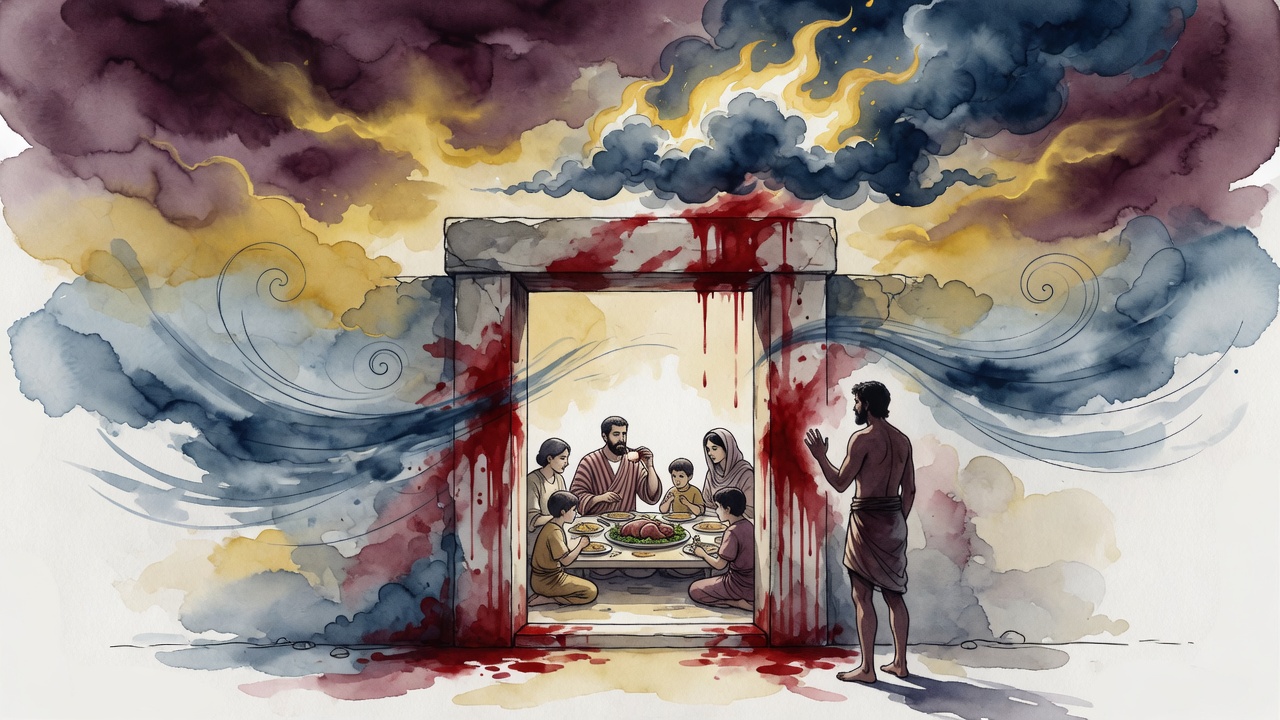
Israel stood at the water with the eighth-day mark in their flesh. Moses sang one word, and the sea tore along that cut.
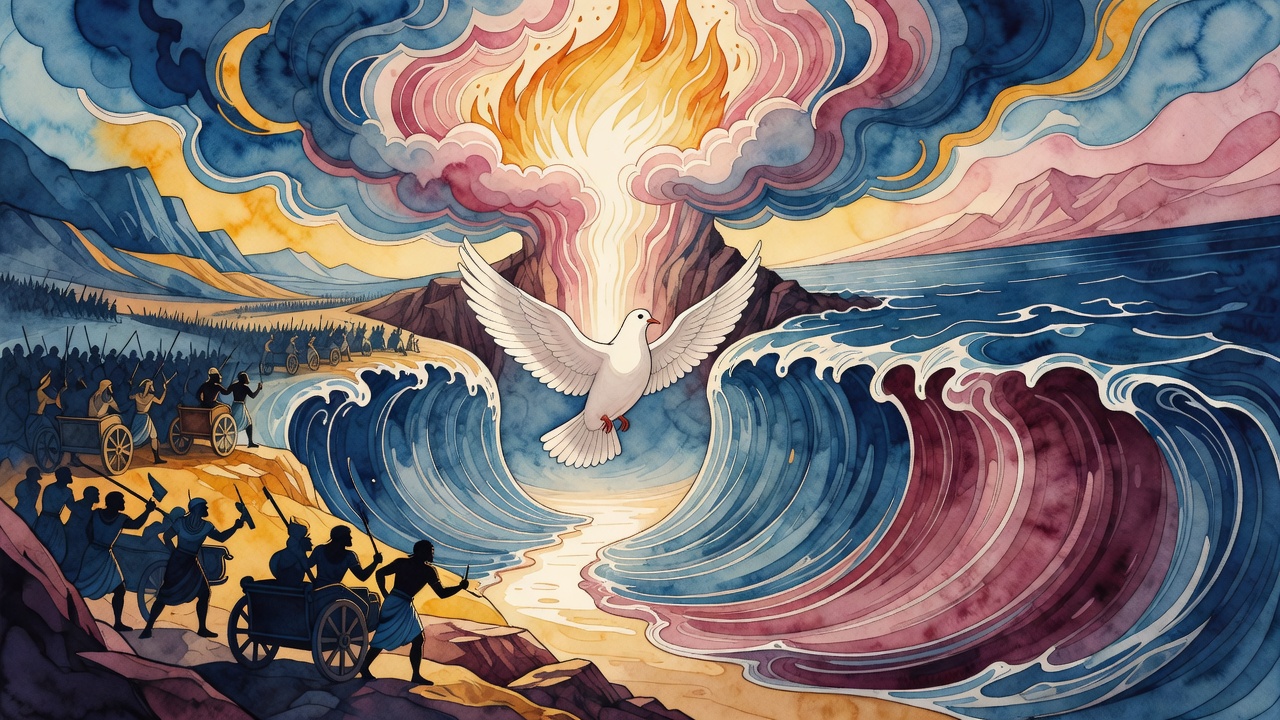
The army filled the rear. The sea filled the front. Israel stood in the wet sand, looking for a crack that was not death.
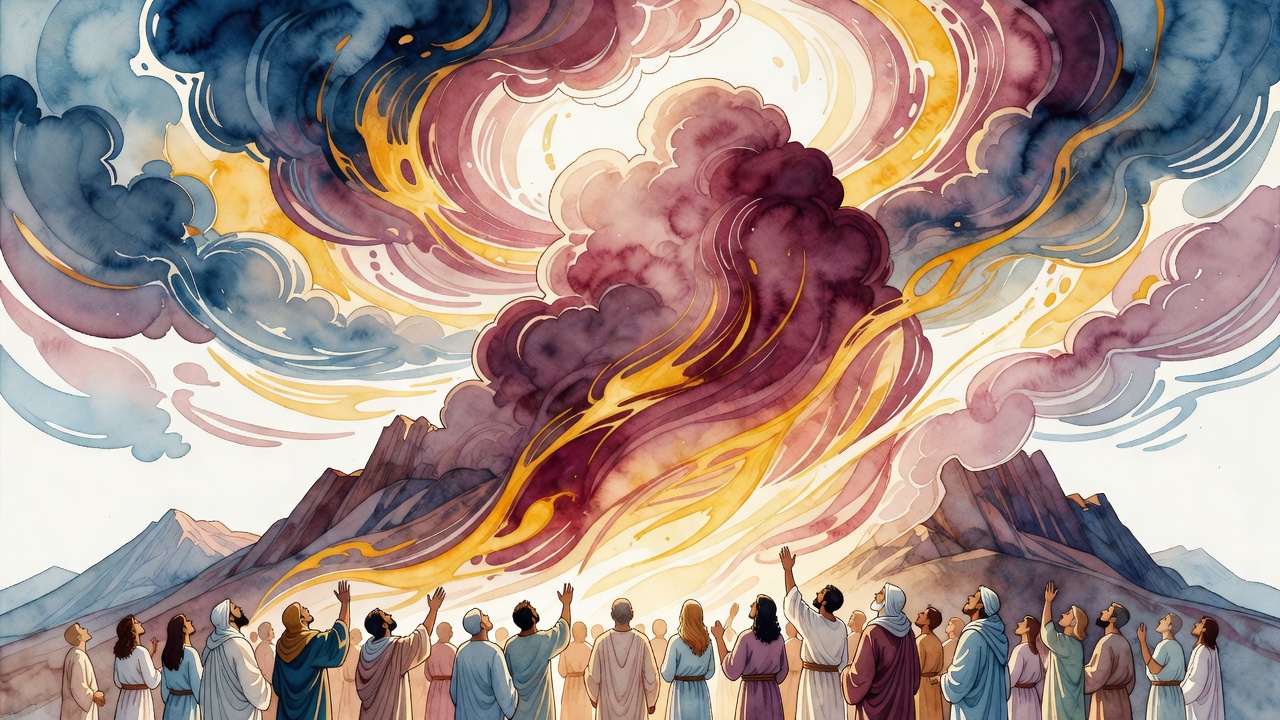
On the third morning the camp still had sleep in its eyes. God was already on the mountain. Thunder spoke in voices that did not copy each other.
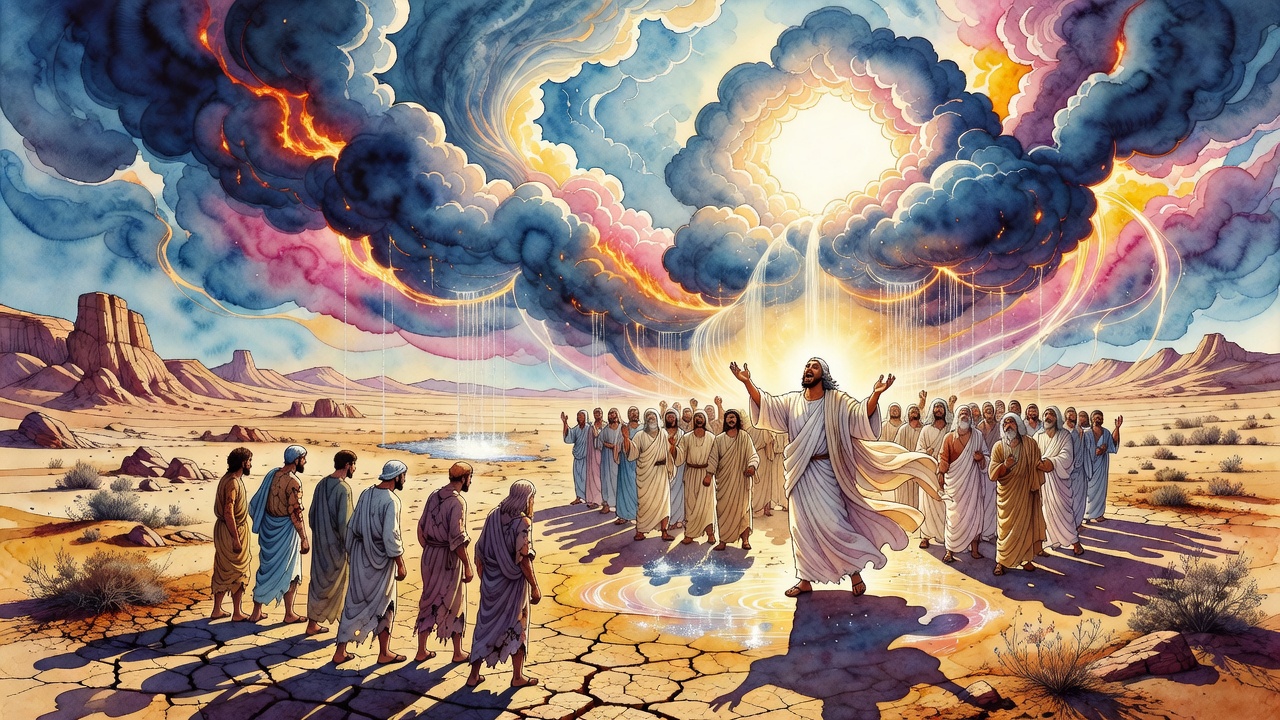
There was no shade at the foot of the mountain, and every neck was burning. Then God told the clouds to let go, and cool water hit the whole camp at once.
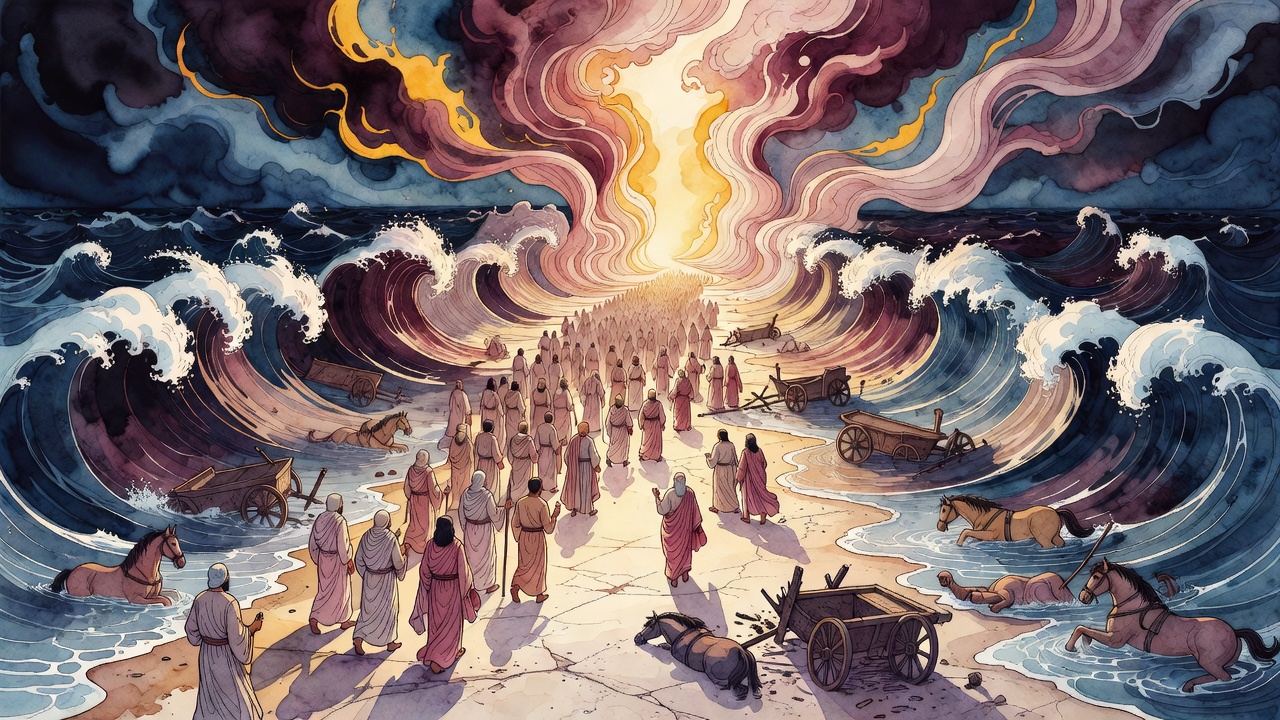
Moses told Pharaoh the last plague would make him shove Israel out. At midnight the king hunted the brothers through the dark himself.
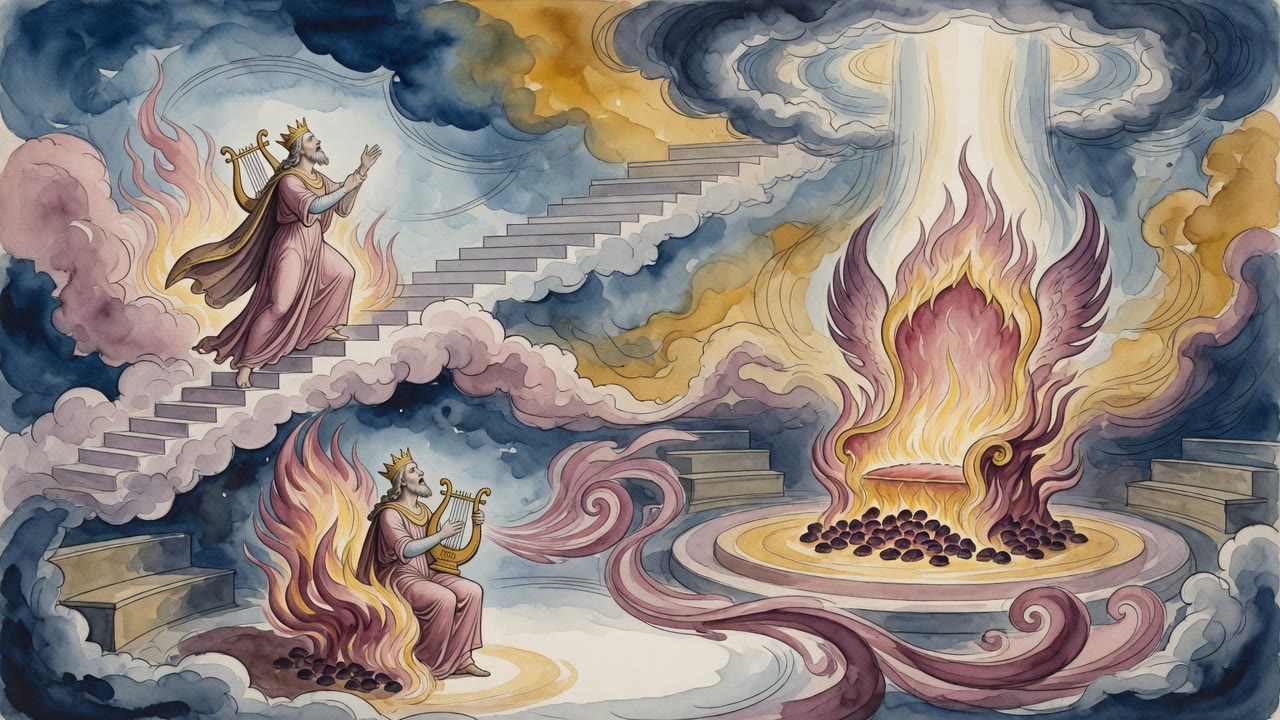
The seat under David was fire forty parasangs high. He sat and sang until Metatron answered, and the fire did not eat him.
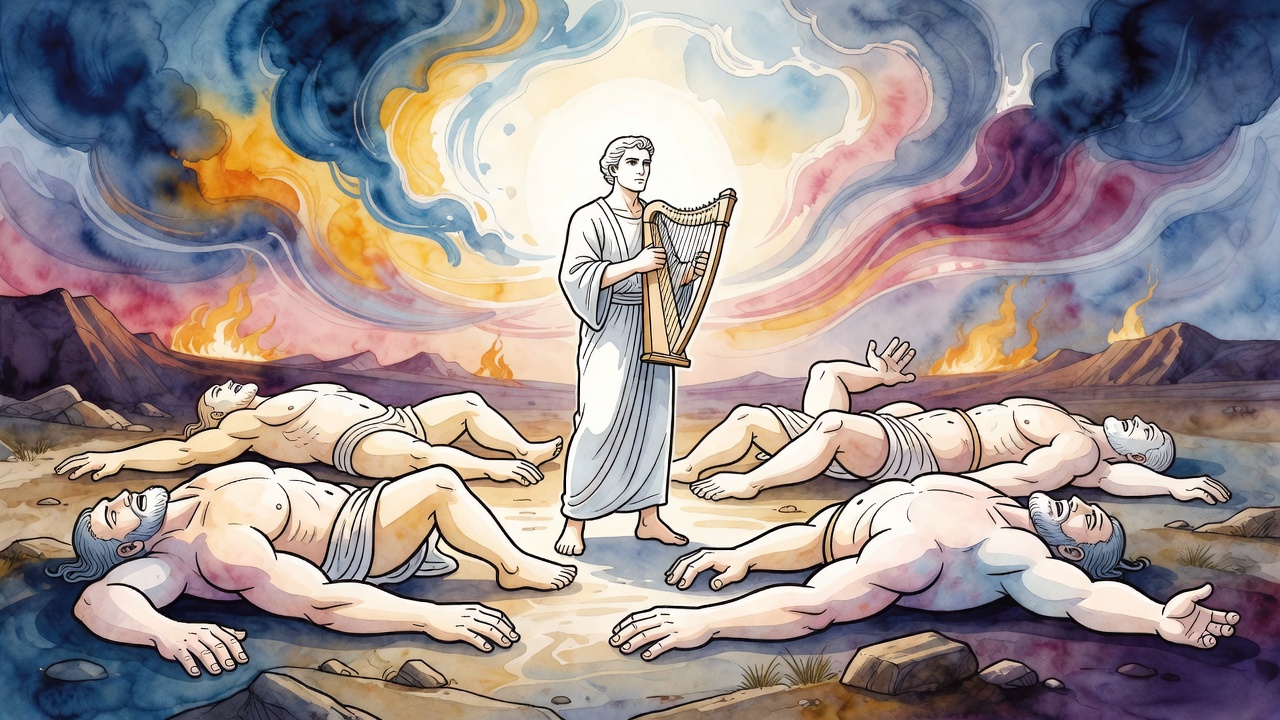
David went out with his men one more time and his strength gave out in the middle of the fighting. Afterward they made him swear never to come again.
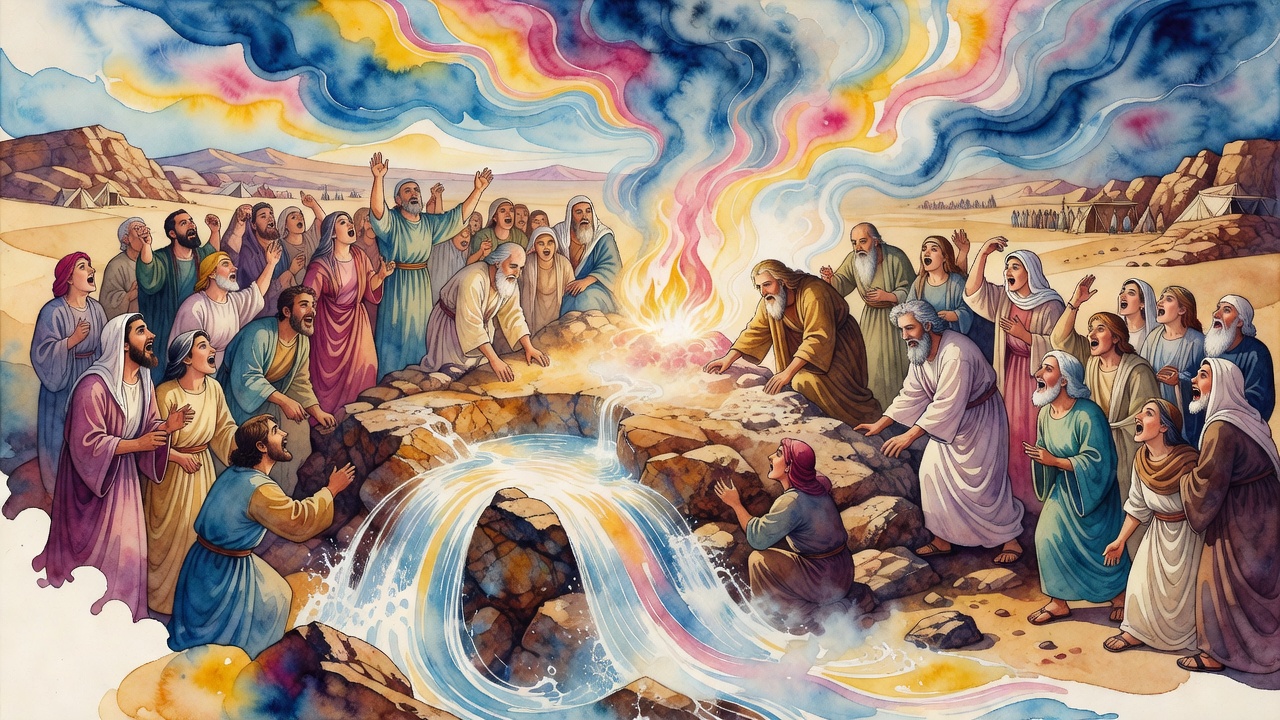
Dust still coated their lips when the rock gave way. Moses had walked stone after stone with the staff idle, until the Presence marked one.
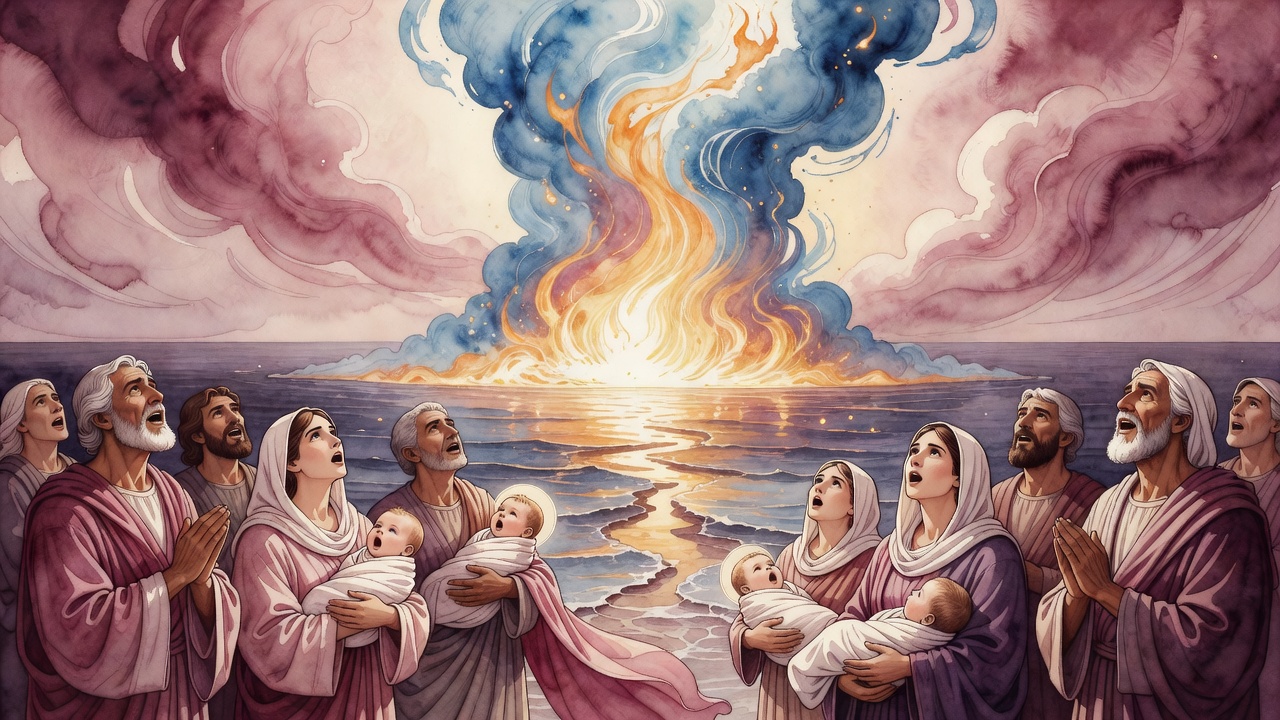
At the Song of the Sea even infants in the womb and nursing babies opened their mouths, while God's morning watch answered the patriarchs' dawn obedience.
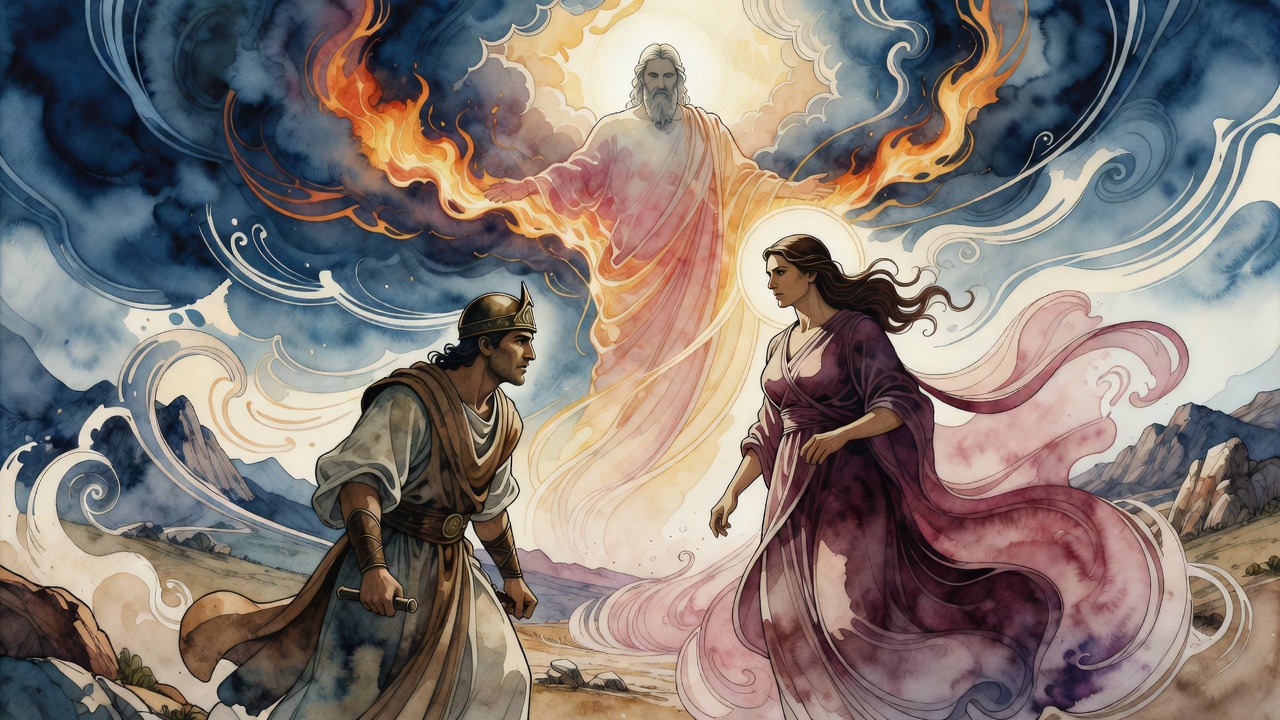
Barak refused to march unless Deborah went with him, and the prophetess warned that the day's glory would slip from his hands into a woman's.
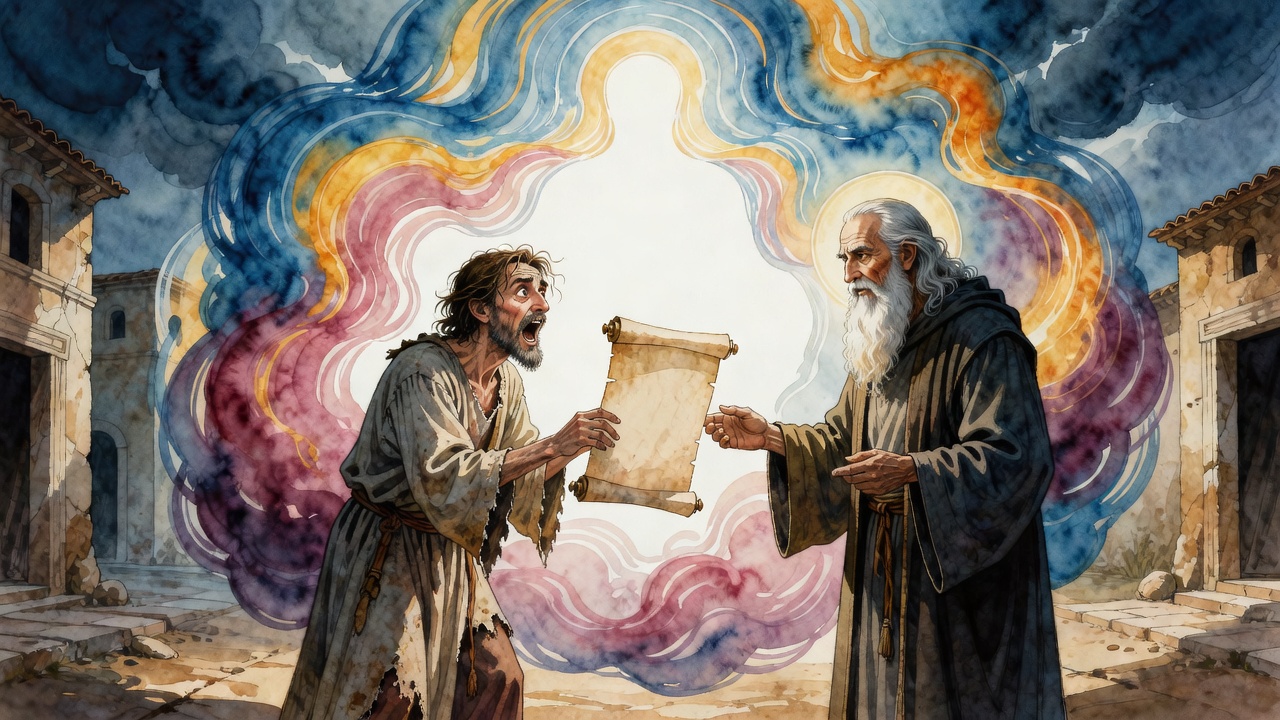
A man went through the towns shouting that he had the drug of life for sale. Rabbi Yannai's daughter heard him from the house and ran to her father.
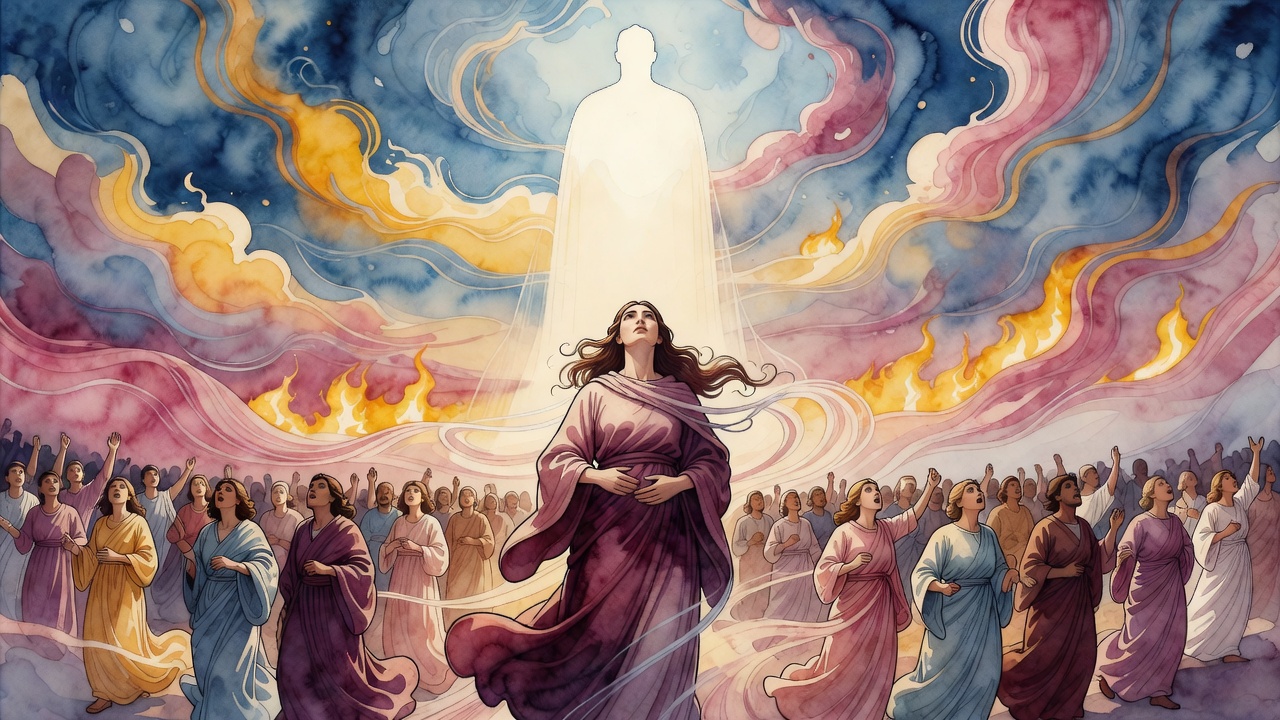
Eli watched a woman mouthing words at Shiloh and took her for a drunk. Hannah left the sanctuary lighter, and bore five more children after Samuel.
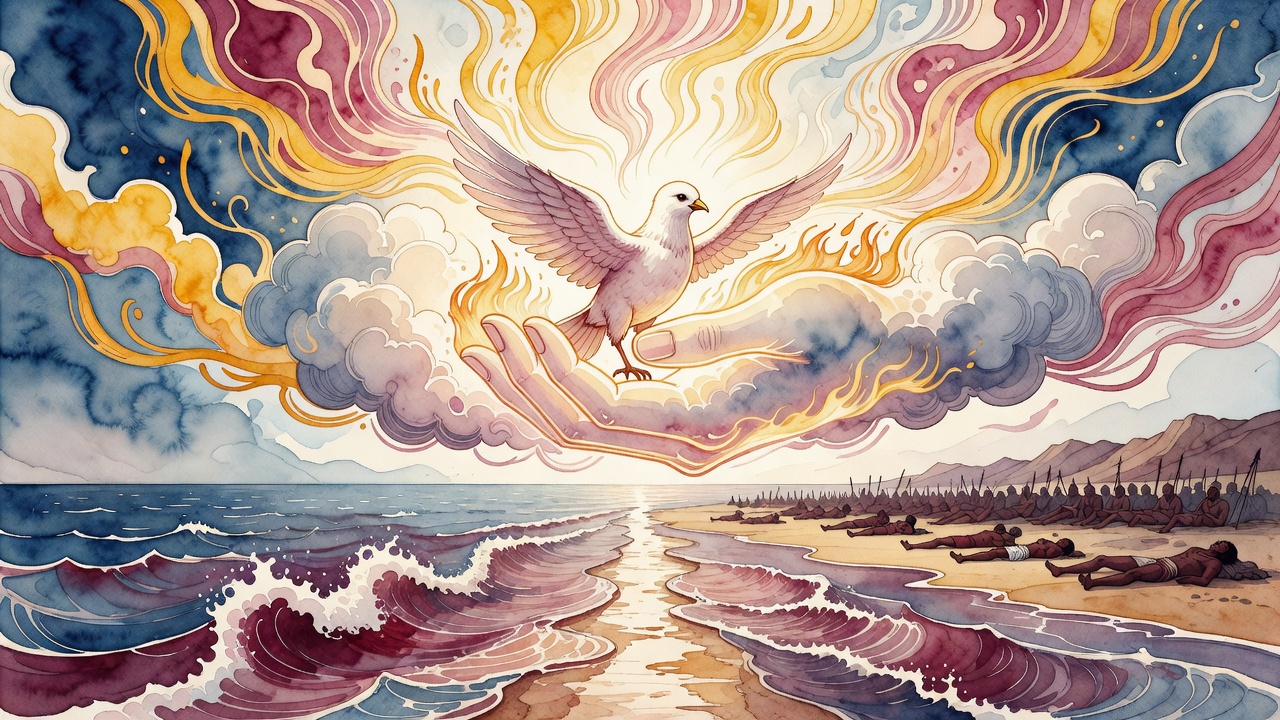
God cradles Israel like a bird in an open palm at the sea, then the song crowns Him king while Egypt lies dead on the shore.
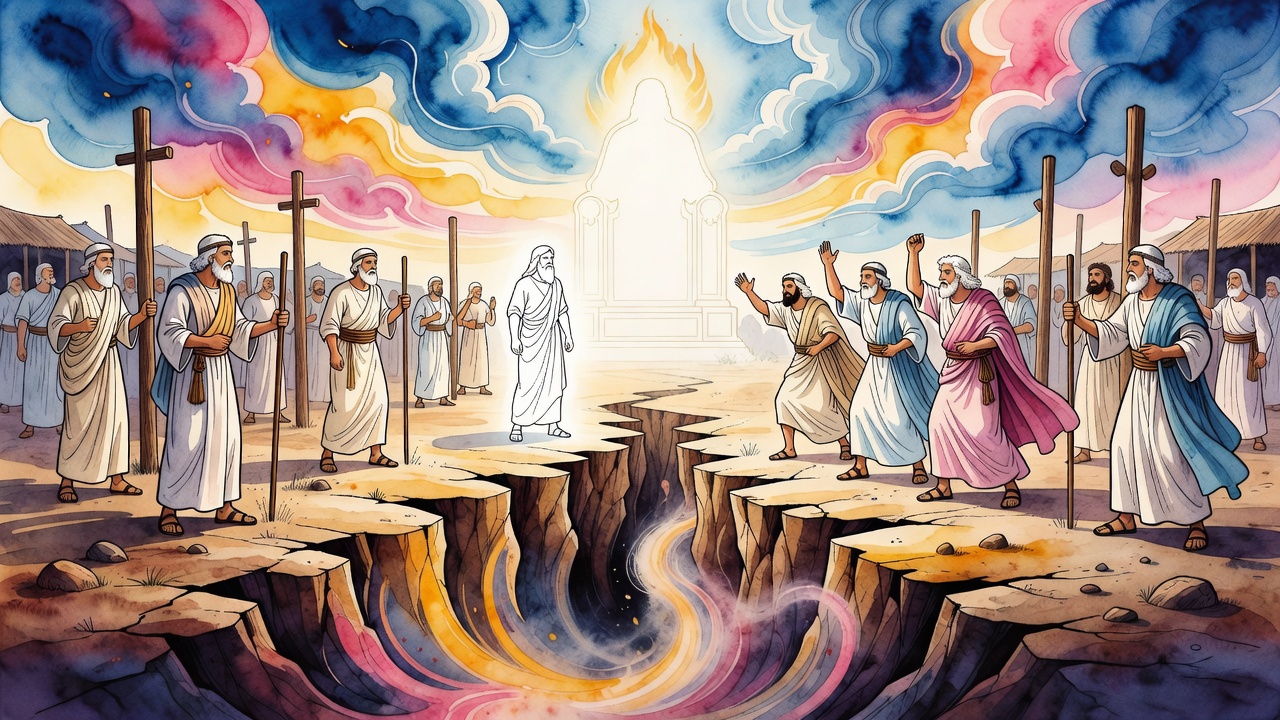
At the water jars they asked why it was always his face at the tent door. The ground opened, and mothers pulled their children back from the crack.
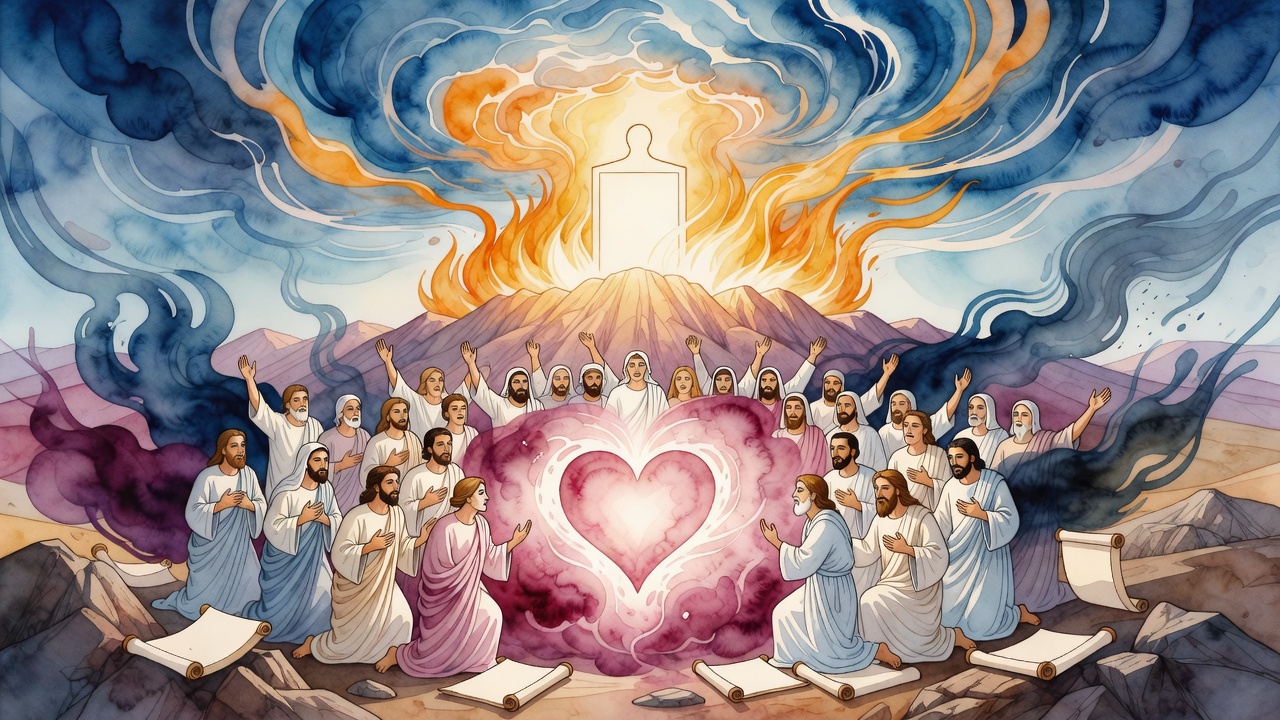
When Israel heard God directly, Torah stuck in the heart and the evil urge fled. They asked for Moses instead, and both gifts began to fade.
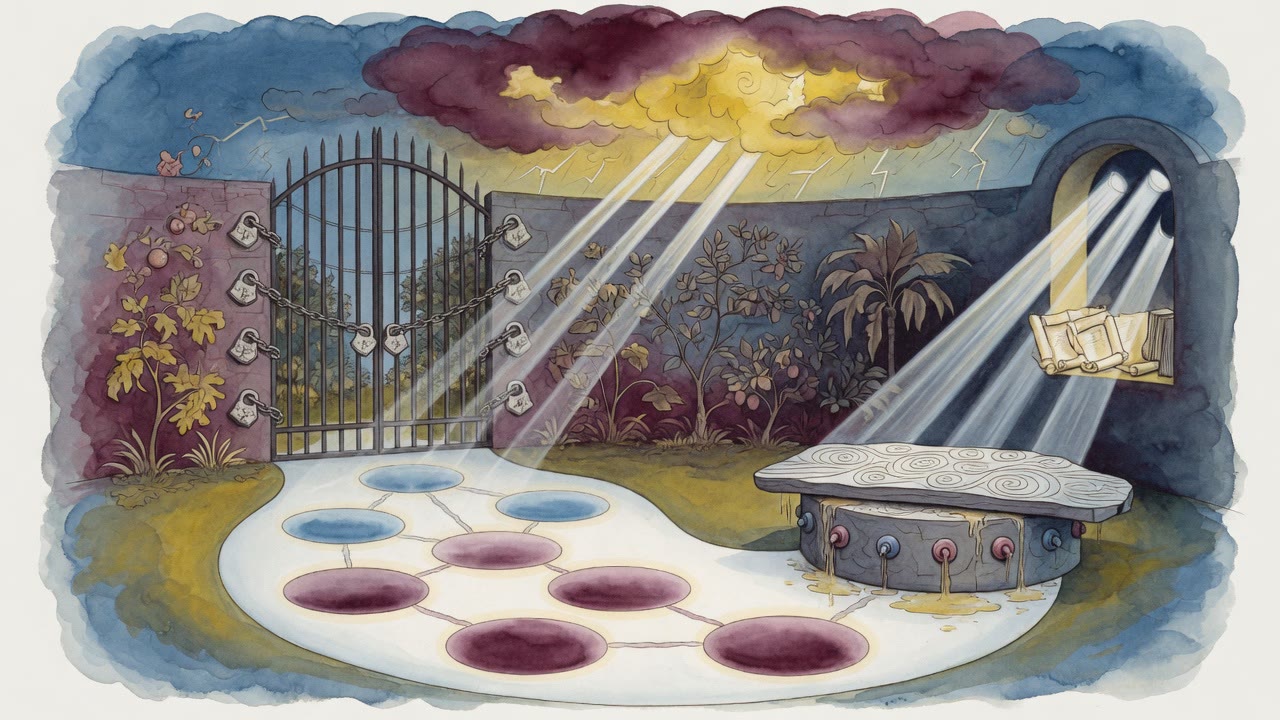
Moses walked the brick-dust lanes with one line: at about midnight. Children watched the brothers pass, men who no longer bent at every Egyptian shout.
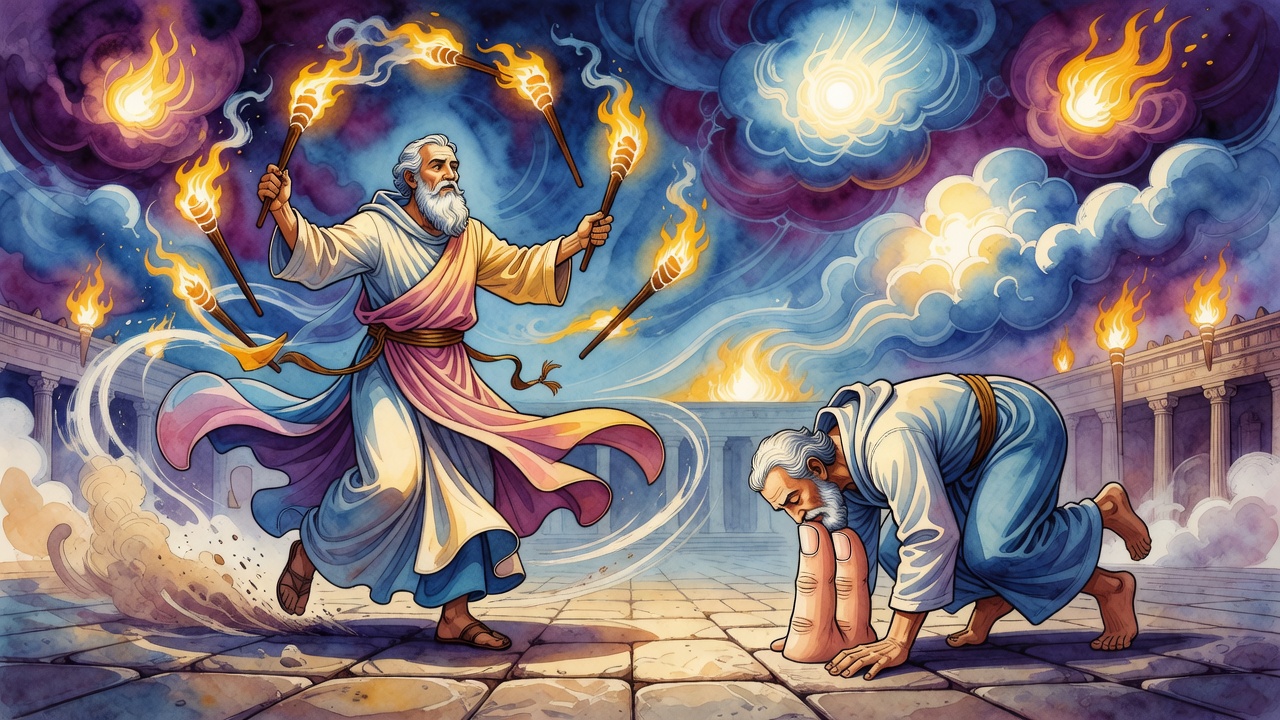
Oil spat from eight wicks over the Court of the Women. He caught every torch, then put them down and pressed his mouth to the floor.
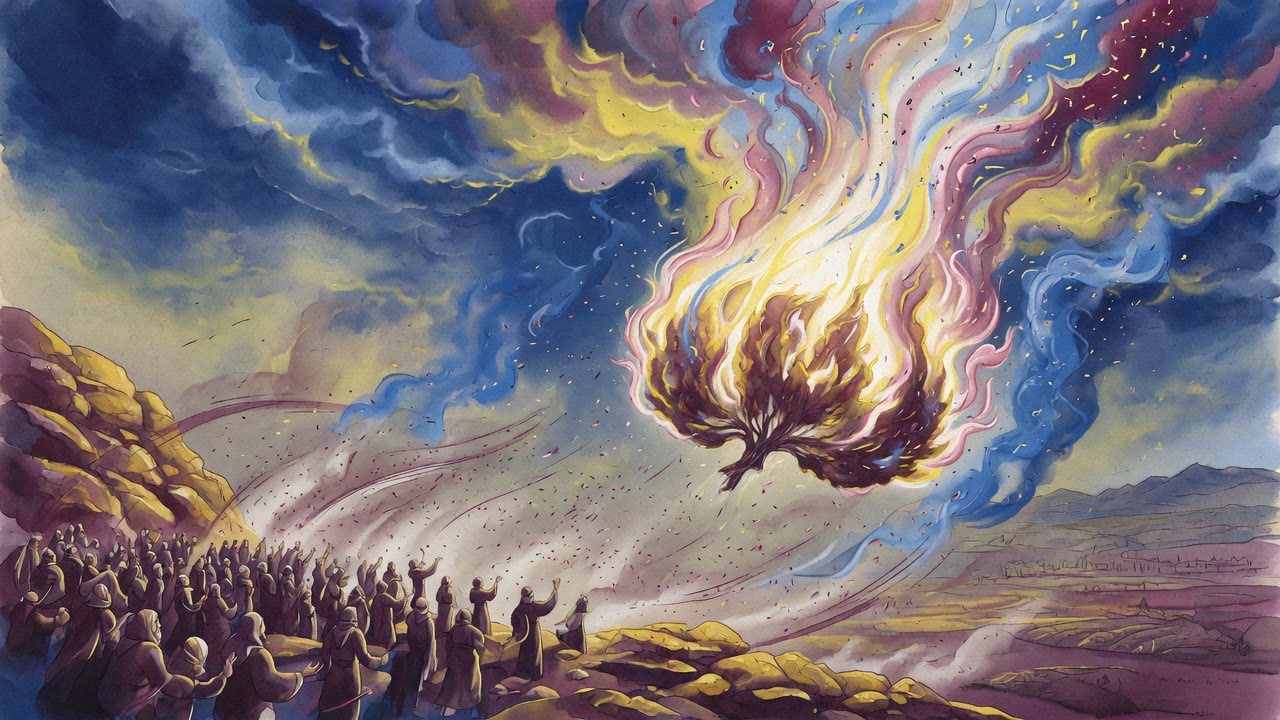
In seven palaces of fire the chariots pass the sanctus upward, but the whole burning host must wait in silence until Israel sings the first note.
