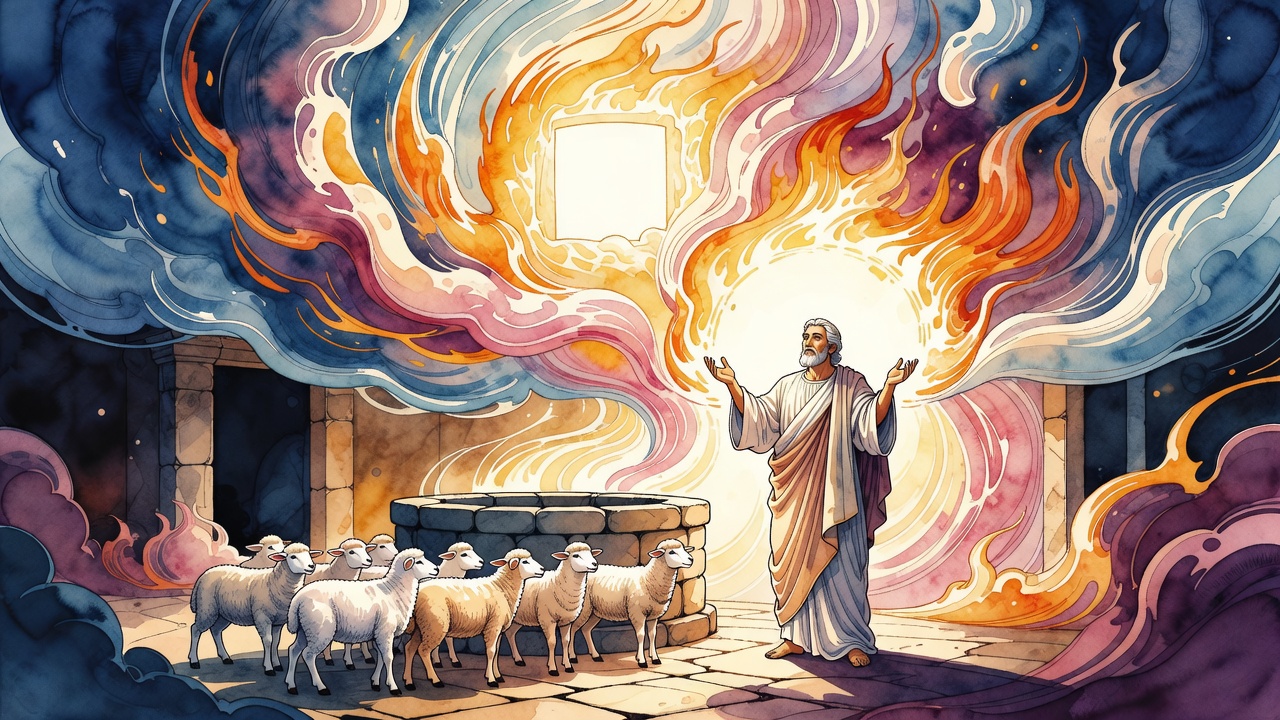
Abraham Feared Shem's Curse After the Dust Fought
The kings were down and Lot was free. Abraham counted the dead from Elam's house. He waited for a righteous mouth to open against him.
Table of Contents
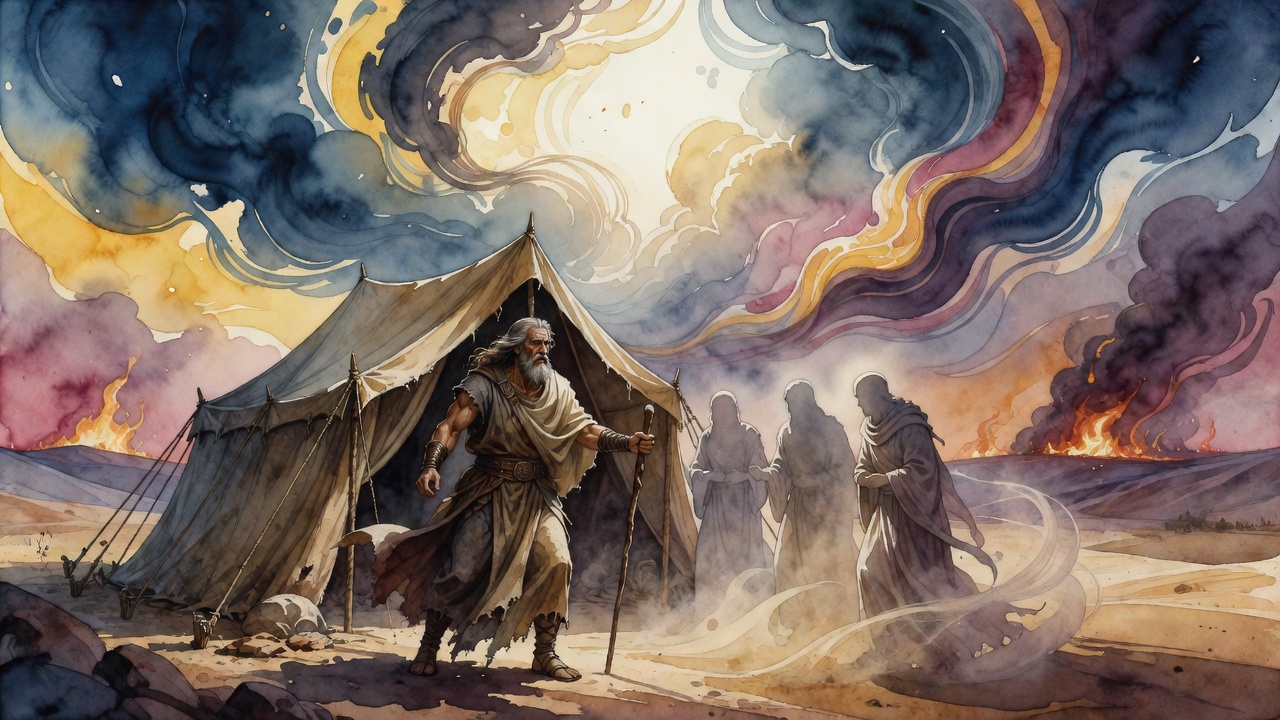
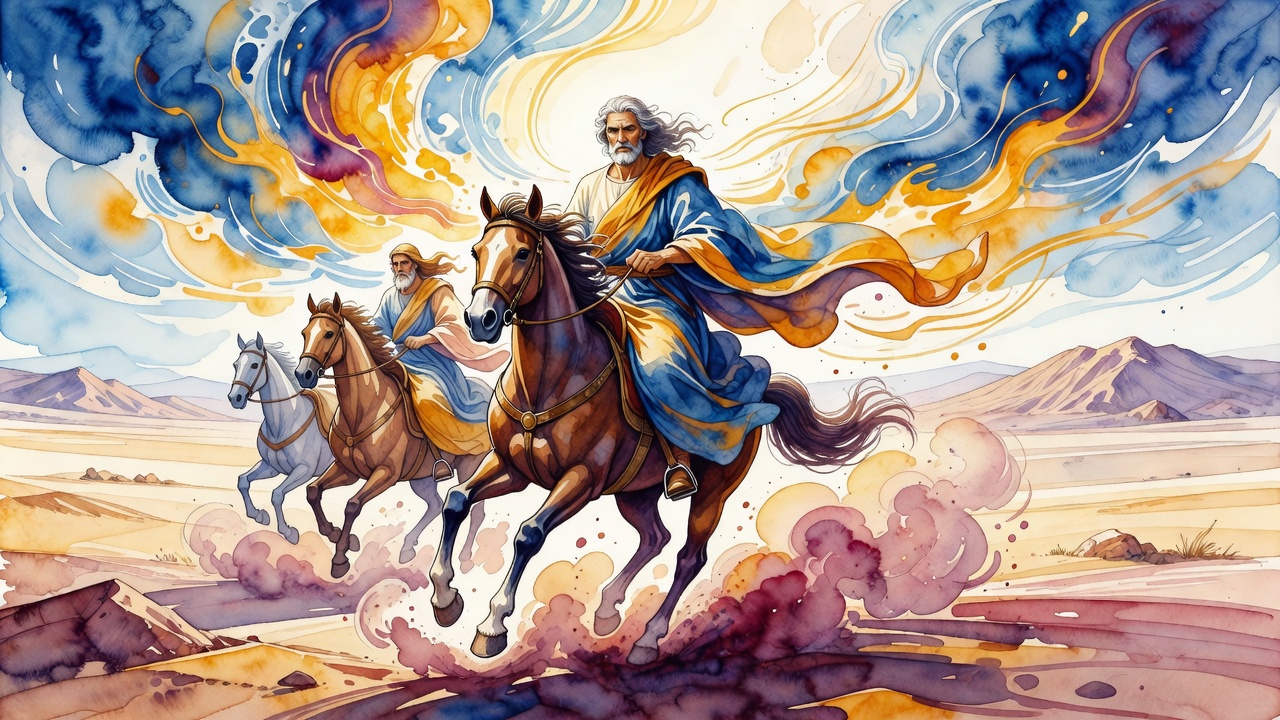
Abraham stood in the quiet after battle with dust still under his nails. He had chased the kings who took Lot. He had thrown that dust toward the enemy, and heaven had turned grit into arrows, bows, and spears until the pursuit became a miracle with a human arm attached (Genesis 14). Victory should have tasted clean. Instead fear climbed his throat.
 Click for full size
He Counted the Dead of Elam
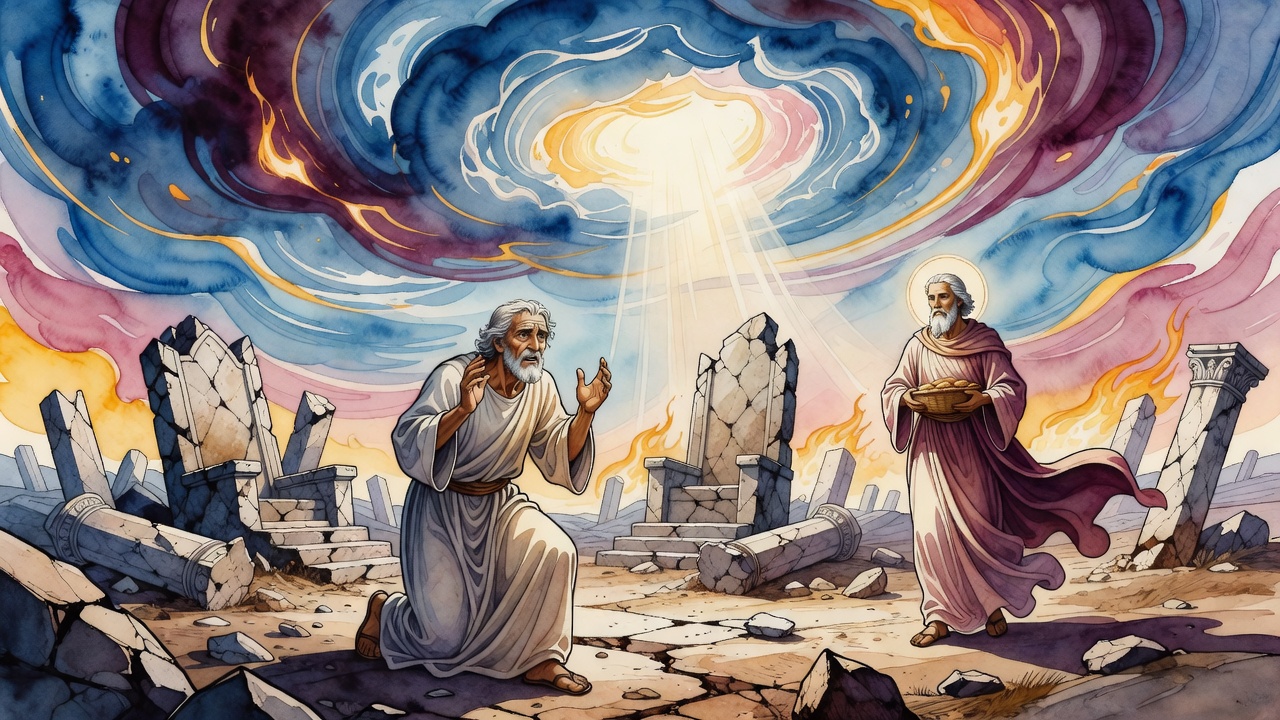
He had killed men from the line of Elam, and Elam was counted among the sons of Shem (Genesis 10:22). Shem was a righteous name in the old stories. Abraham pictured that righteous mouth opening in a curse and himself falling under it.
"I have slain the son of this righteous man," he said to himself. "Now he will curse me and I shall die." Bodies on the ground do not vanish because the cause was just. He counted the dead in Elam's line and felt Shem's possible curse like a second army.
Lot stood in the aftershock with less theology and more exhaustion. Abraham's fear was not Lot's fear. Each man carried a different ledger from the same war.
Fear Not
The word arrived like a hand on a shaking shoulder. Fear not, Abraham (Genesis 15:1). The comfort was not a scolding. It was an answer to a specific dread. A wise man fears and turns from evil. A fool hardens and stays confident. Abraham's fear was not cowardice after theft. It was the tremor of a man who knows righteous speech can wound as deeply as a spear.
God did not mock the tremor. God answered its exact object. Shem will not curse you. He will come out to meet you with gifts and blessing.
Fear not is easy to print and hard to receive. It had to name the exact dread. Not fear of another coalition of kings. Fear of a righteous mouth.
Dust Became Weapons in the Air
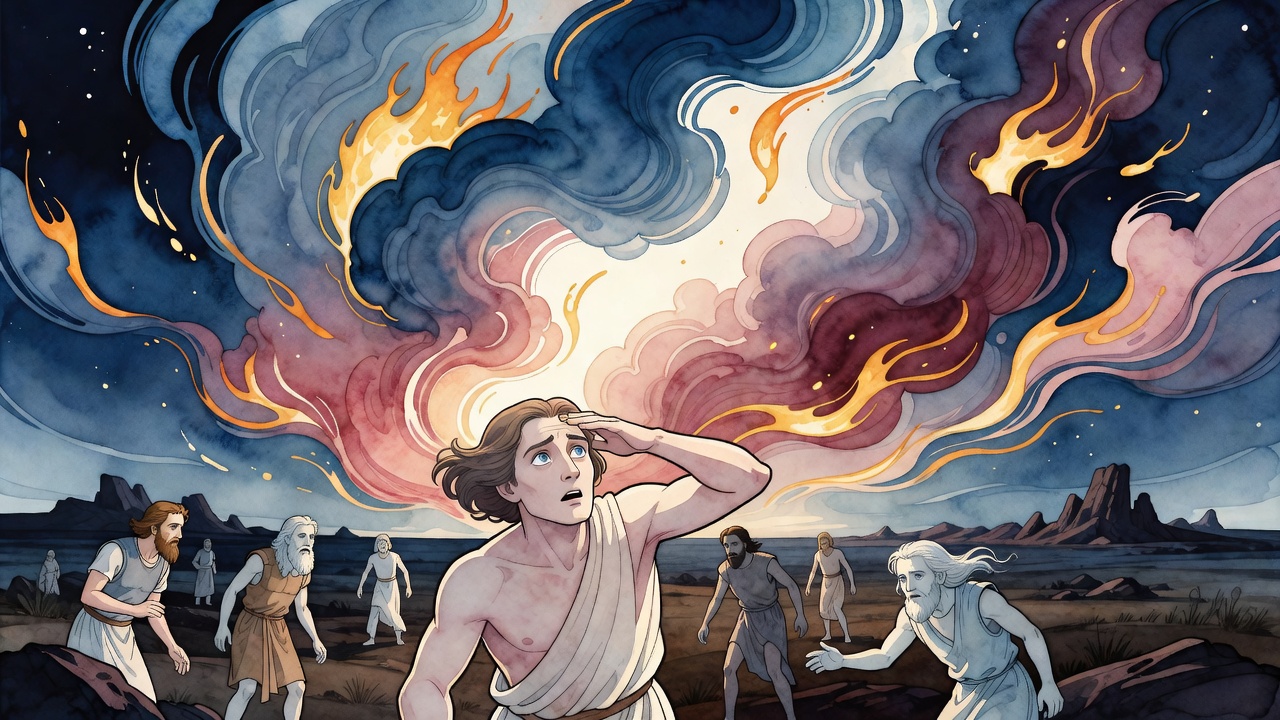
In the fight itself Abraham had moved like a man who trusted the strange mathematics of heaven. He grasped the dust. He hurled it. God converted the dust into arrows, bows, and spears. Kings broke. Lot returned. "Delivered" tasted like a performed wonder, not a slogan. Dust that should have been only dust had fought like a full armory (Isaiah 41:2-3).
The night after such a day is when the mind replays the cost. He sat with grit still under his nails and tried to believe the comfort before his body could.
He accepted the word without denying the blood on the campaign. He did not start another raid. He did not put on a proud silence. He waited for the meeting he had been promised.
Bread and Wine in Salem
Melchizedek, king of Salem, brought out bread and wine and blessed Abraham in the name of God Most High, who had delivered enemies into his hand (Genesis 14:18-20). The meeting flipped Abraham's dread into public honor. The man who feared a curse received a blessing and a shared table.
When Melchizedek blessed the victor, he also taught the camp a public reading of the fight. God Most High delivered. The dust was a tool. The curse Abraham imagined did not get the last word. Bread and wine made the theology edible, which is sometimes the only way a shaking man can take it in.
For one hour the main sound was not hoof or scream. It was bread broken for a man who had expected a curse and received a cup instead.
Out of the Chaldeans
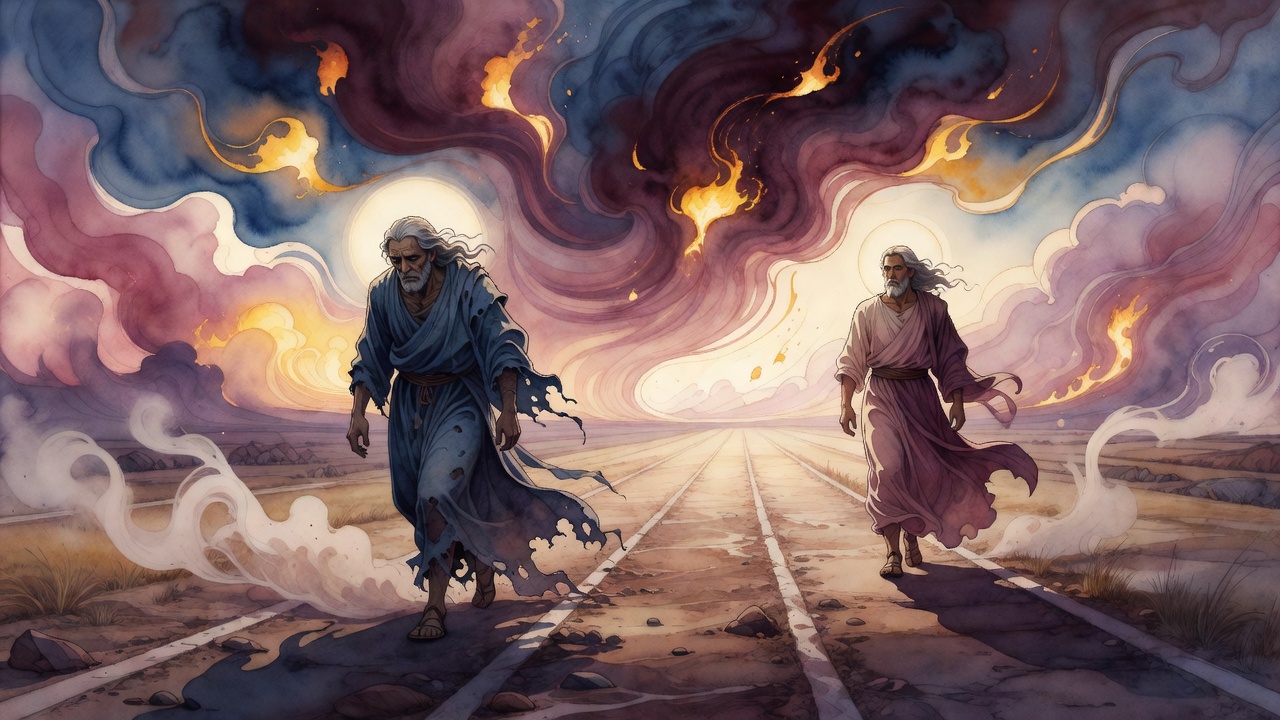
Later God reminded him of another exit. "I am the Lord who brought you out of the land of the Chaldeans to give you this land" (Genesis 15:7). The reminder is not trivia. It ties the war's aftermath to the longer extraction from Ur, from a country of other powers and other fears. Abraham's life keeps being a sequence of leaves and arrivals under a voice that claims the exits.
Chaldea behind him. Canaan under his feet. Kings in retreat. A priest-king ahead with bread. Fear still possible, but answered. He was a man repeatedly pulled out of systems that claimed him.
When Melchizedek's blessing ended, Abraham still had Lot to settle and a covenant of pieces ahead. For that night, though, he slept under a comfort that had arrived in two forms: a voice that said fear not, and a priest-king who refused to treat him as a man marked for cursing.
The dust under his nails was still there. So was the bread. Between grit and grain the next stretch of his life could begin without the imagined curse sitting on his chest.
← All myths