Parshat Lech Lecha5 min read

The King of Sodom Walks a Racecourse to Abram

After night war, the king of Sodom meets Abram on a royal track stripped of chariots, prestige, and every prize he once flaunted.

Curated by Arthur · Told by Maggid ·
Table of Contents
  1. Bitumen and Begging
  2. Two Kings on One Track
  3. Why Did I Become Wiser
  4. Gold Only After the Lineage
  5. Night Riders and Day Beggars
  6. The Track Remembers

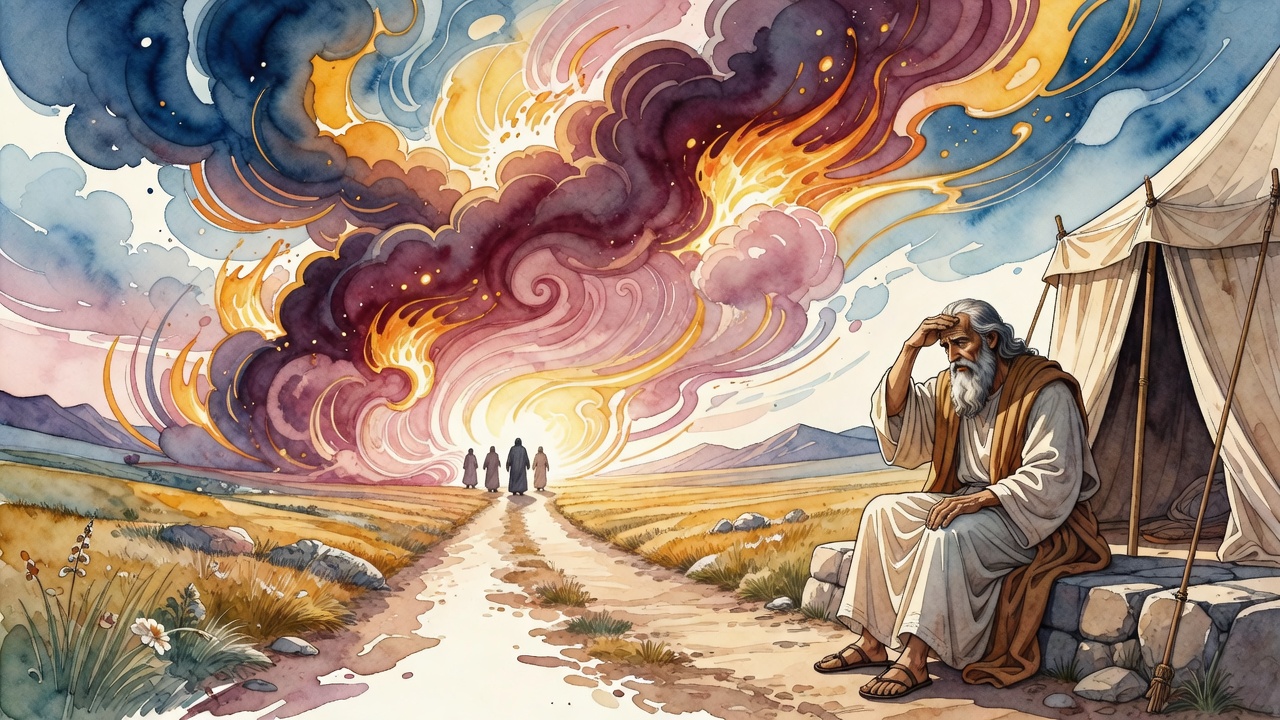
The king of Sodom stepped onto ground built for speed and found he could barely walk.
The King of Sodom Walks a Racecourse to Abram Click for full size

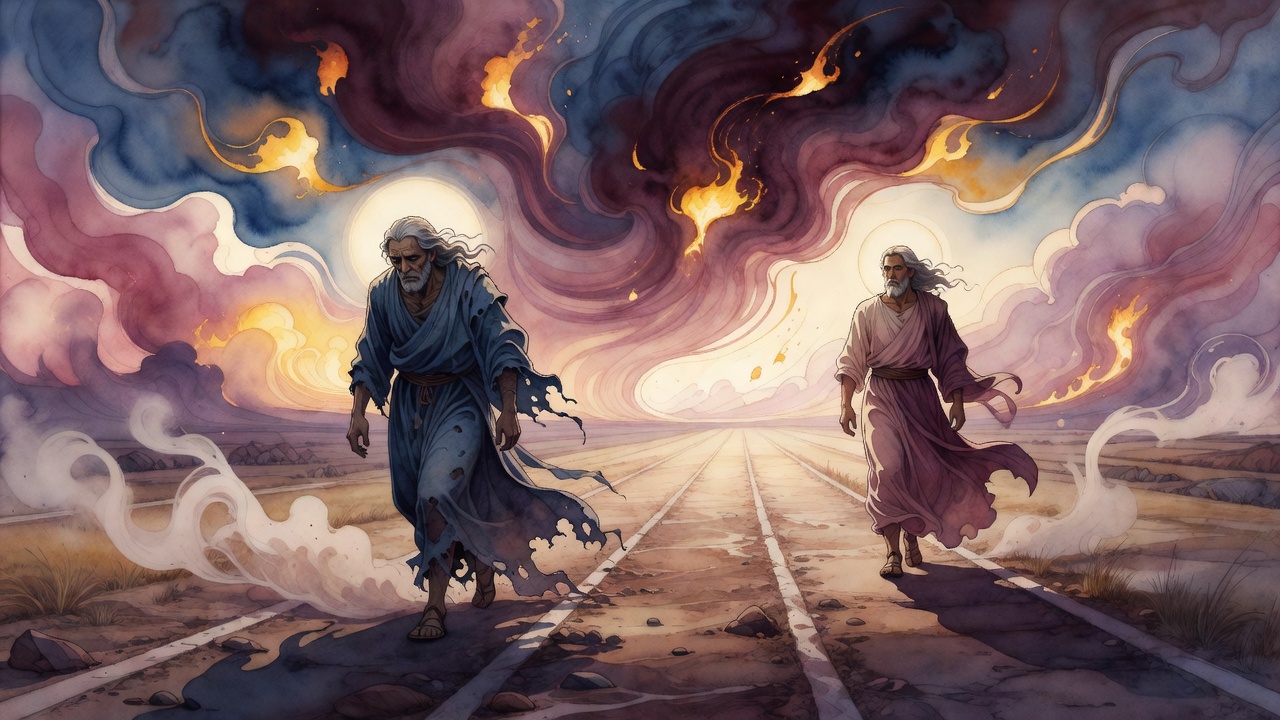
Hebrew Scripture names the place the Valley of Shaveh, the King's Valley. The Aramaic of Targum Pseudo-Jonathan calls it the plain of Mephana, the king's race-course. Chariots once tore this dirt for sport. Courtiers once cheered wealth dressed as velocity. Now the same strip of earth held a ruined sovereign and a man who had ridden through the night to undo a kidnapping.

Bitumen and Begging

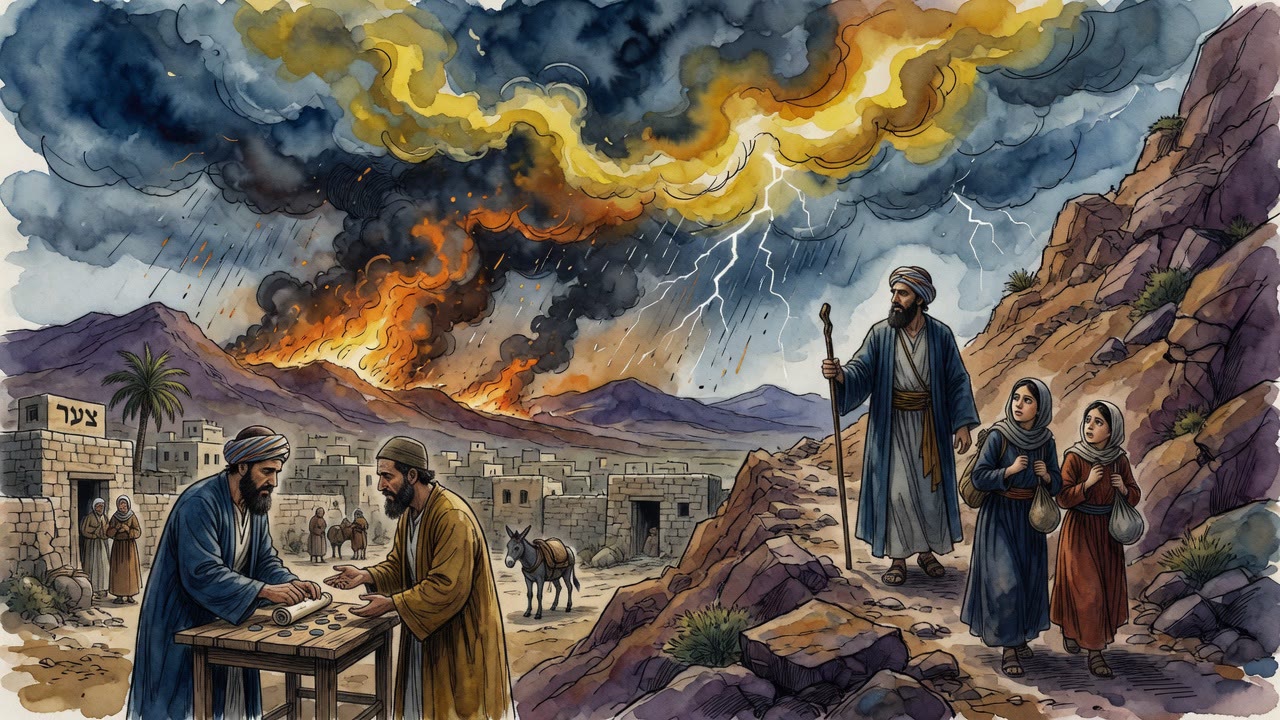
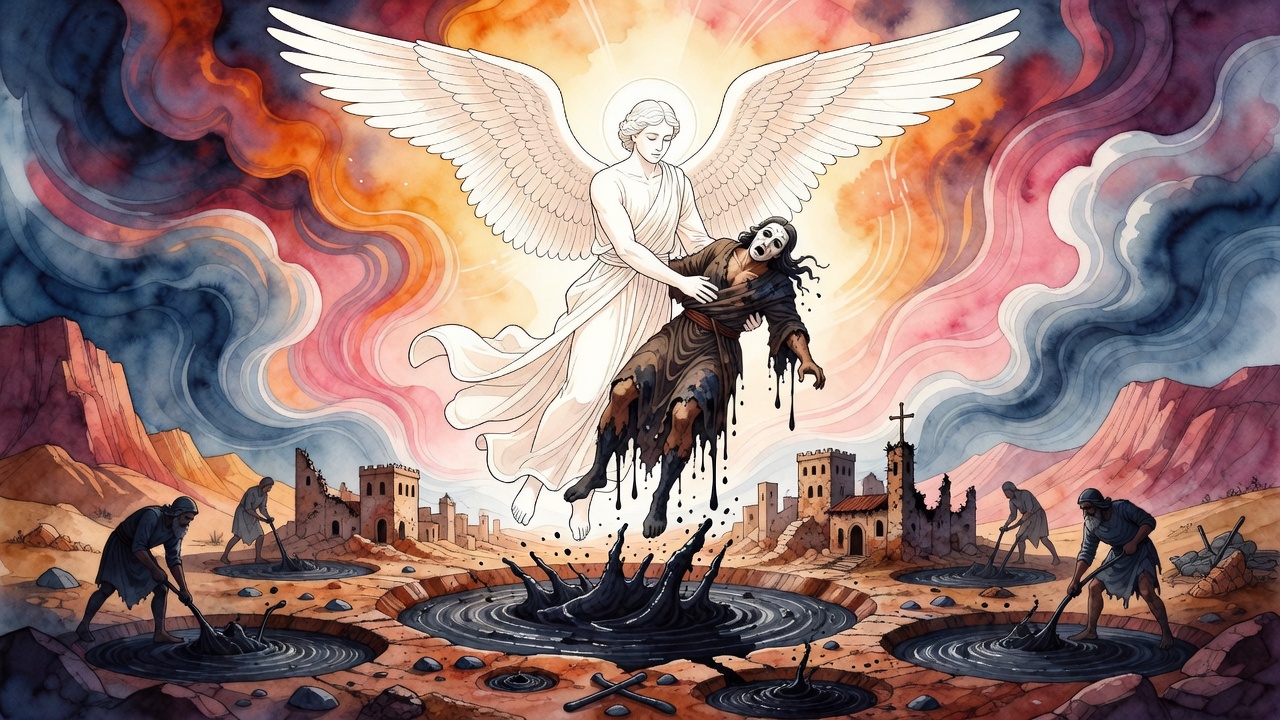
The war of the four kings against the five had ended in pits of bitumen and empty streets (Genesis 14:10). Allies hired for pride had been dragged down. Captives, including Lot, had been marched north. Then Abram armed his retainers, struck by night, and brought back people and goods the way a father brings back a stolen son.

Sodom's king came out to meet him not in a throne room but on the track. The image is almost comic if it were not so sharp. A race-course is where you prove you are faster, richer, harder to catch. He arrived stripped of all three. His army was dead. His people lived only because a stranger from Canaan had refused to leave kin in chains.

Two Kings on One Track

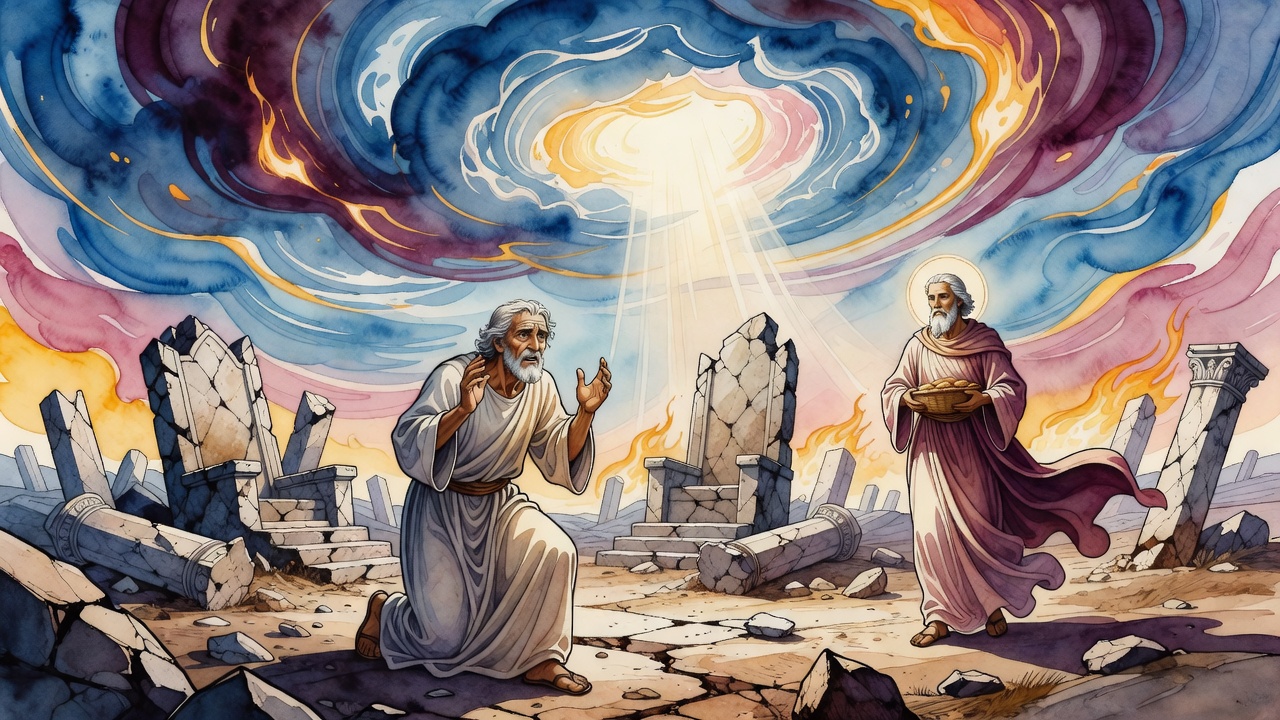
Malkizedek, king of Salem, priest of the Most High God, also came out to that meeting (Genesis 14:18). Bread and wine in his hands, blessing in his mouth. Two kings, one moral weight and one moral bankruptcy, facing the same man on the same ground.

The Targumist does not moralize in long sermons. He names the surface. A racetrack that once displayed power has become a negotiation floor. Status turns inside out when the winner of the night war will not take a thread or a sandal strap from Sodom's spoils. Abram refuses the enrichment that would let the wicked king say, I made Abram rich.

Power without righteousness looks ridiculous on a course meant for spectacle. Righteousness without a throne still walks away with the blessing.

Why Did I Become Wiser

After that victory, people began calling Abram king. Kohelet Rabbah lets him speak the doubt that haunts anyone who risks everything for truth. I am called king, he says, and Nimrod is called king. Both will die. Why did I become wiser? Why smash idols, why proclaim there is no god like the One in the heavens and on the earth, if the wise man and the fool share one grave and one forgetting?

The midrash does not leave him in that pit. Remembrance is not vanity when the Name is the stake. Abram's war was never for a track or a title. It was for a nephew and for a world that still needed one man willing to ride while kings slept on their pride.

Still, the question hangs over Mephana's dirt: what is a victory worth if the world crowns both the idol-smasher and the tyrant with the same thin word, king?

Gold Only After the Lineage

A generation later, Abram's servant stands at another threshold of gift and proof. At the well, before he sets jewel and bracelet on Rivkah, the Targum rearranges the order of the story. First he asks whose daughter she is. Only after she answers, daughter of Bethuel son of Nahor, does the gold land on her brow and wrist.

The plain verse can be read as jewelry first. The Aramaic and the rabbis insist on confirmation first. Chesed at the well was already the answer to prayer. The servant still paused. He would not let Laban and Bethuel think a stranger bought a girl with shiny metal and invented a family afterward. The chain was checked out loud. Faith did not skip the question.

On the racecourse, Abram had already refused Sodom's gold. At the well, his house refuses careless gold. Wealth is not banned. Unexamined alliance is.

Night Riders and Day Beggars

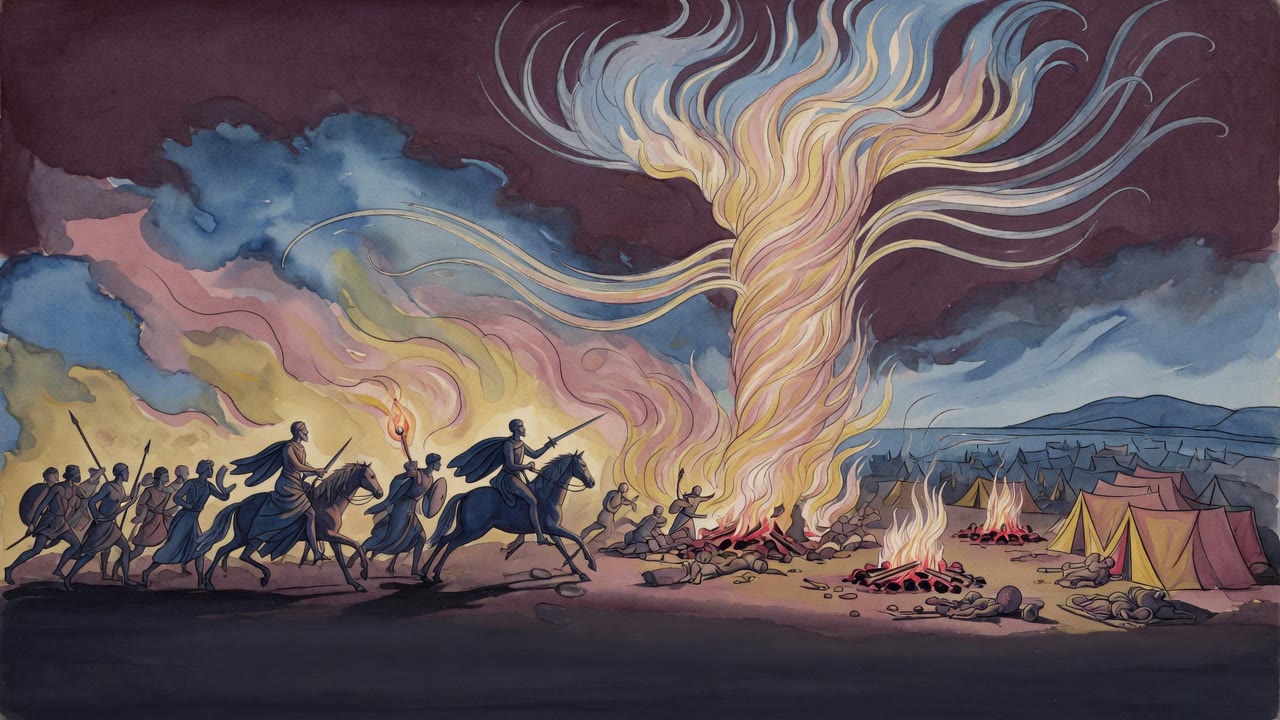
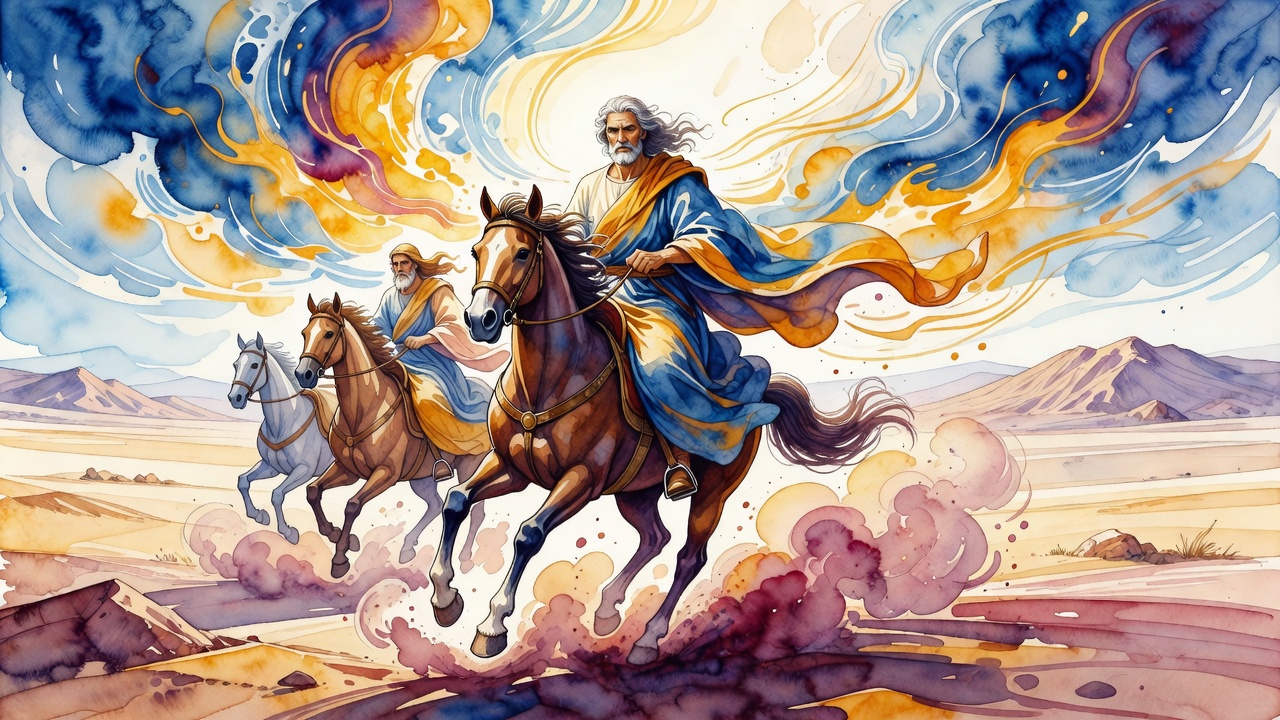
Abram's men had counted three hundred eighteen, a number the midrash loves to turn into Eliezer's name alone, as if one trusted servant could be an army when the cause is pure. They struck when darkness made empire clumsy. Captives stumbled home with dust in their teeth and a new fact in their bones: the man of the tents could unmake a coalition of kings before dawn.

Morning light is harder on pride. The race-course, under sun, shows every crack. Sodom's king can no longer pretend the war was a draw. He must ask for persons and goods as if he still owned them, while Abram stands between booty and blessing and chooses the blessing that does not smell like Sodom.

Malkizedek's bread tastes different on that dirt than any royal feast would. It is food for a covenant moment, not for a victory parade.

The Track Remembers

Dust settles on Mephana. Chariot ruts fill with wind. The king of Sodom returns to a city that will one day burn for sins the night war did not cleanse. Abram returns to tents and promise. Malkizedek's blessing lingers longer than either king's reputation.

The places built to display power sometimes become the places that display failure. A race-course turned into a begging ground is its own verdict. Abram walks off it without a prize from Sodom and with something heavier: the knowledge that heaven's favor does not need a finish-line crown.


← All myths
From the tradition

Sources

3 sources

The texts behind this telling. Some cards carry a translation of the source; others are our own retelling of it, and each card says which. Every card links out to the original.

Targum Pseudo-Jonathan on Genesis 14:17Targum Pseudo-Jonathan on Genesis

Retold in our words. Read the original at the link below.The Targum of Jonathan ben Uzziel, trans. J. W. Etheridge, London, 1862 · Public Domain

Targum Pseudo-Jonathan on (Genesis 14:17) translates a forgotten geographical name into a vivid picture. The Hebrew Bible calls the location the Valley of Shaveh, which is the King's Valley. The Aramaic renders it the plain of Mephana, which was the king's race-course.

The king of Sodom, fleeing a defeat so thorough that his hired allies had been dragged into bitumen pits (Genesis 14:10), comes out to meet Abram on a running track. The image is almost embarrassing. A place where the king once held chariot games, where he displayed his wealth to his court, has become the site of his diplomatic begging.

The Targumist does not moralize. He simply names the ground. A race-course is a place where you demonstrate speed, power, and prestige. The king of Sodom walks onto it stripped of all three. His army is dead. His people are captives now restored by a stranger. His city is still standing only because Abram has ridden through the night to restore what Kedarlaomer took.

Here the plain verse begins a delicate dance. The king of Sodom will meet Abram on this track, and so will Malkizedek, king of Salem, priest of the Most High God (Genesis 14:18). Two kings, one moral, one bankrupt, meeting Abram at the same location. The Targumist places them on a racetrack, and you can almost feel the theological allegory: two sovereigns running side by side, and only one of them is holding the winner's prize.

The Targum teaches a subtle lesson about status. The places we built to display our power sometimes become the places we show our failure. A race-course turned into a negotiation is its own kind of verdict.

Full source
Kohelet Rabbah 2:15Kohelet Rabbah

Retold in our words. Read the original at the link below.The Sefaria Midrash Rabbah, 2022 · CC-BY

The book of Ecclesiastes, or Kohelet as it's known in Hebrew, wrestles with these very feelings. And Kohelet Rabbah, a collection of rabbinic interpretations of Ecclesiastes, dives even deeper.

One passage in Kohelet really hits home: "I said in my heart: Like the fate of the fool, so will befall me; and why did I become wiser? I said in my heart, this too is vanity. For there is no remembrance of the wise man with the fool forever; with the passage of the coming days everything is forgotten. How can the wise man die like the fool?" (Ecclesiastes 2:15–16). It’s a raw and honest questioning of the value of wisdom itself.

The Rabbis of Kohelet Rabbah, in section 15, unpack this sentiment, and they do so in a really interesting way. It's presented from the perspective of Abraham!

"I am called king," Abraham says, and then contrasts himself with the infamous Nimrod, also called king. This comes from a midrash, a rabbinic story, found in Bereshit Rabba 42:5. It tells us that after Abraham's victory over the four kings (Genesis 14), people began referring to him as their king.

Both Abraham and Nimrod are called "king." Both will ultimately die. So, Abraham asks, "Why did I become wiser?" Why did he dedicate his life to proclaiming the oneness of God, even risking everything for it? Why did he try to guide others toward the truth, declaring, "There is no god like Him in the heavens and on the earth?"

The kind we all experience sometimes.

But then, Abraham. Or rather, the Rabbis speaking through him, retracts that thought. “For there is no remembrance of the wise man with the fool forever…everything is forgotten.” But is everything truly forgotten?

The text then offers a powerful counter-argument, attributed to Solomon. The similar fate of the wise and the foolish will not be forgotten! Why? Because in times of trouble, the Israelites cry out: “Remember Abraham, Isaac, and Jacob your servants…” (Exodus 32:13). These are the figures we turn to in times of need.

Do the nations of the world, the text asks, say: “Remember the actions of Nimrod?” Of course not!

"How can the wise man die like the fool?" the text concludes. It cannot be! Their legacies are fundamentally different.

The wise person leaves behind a legacy of goodness, a source of inspiration and comfort for generations to come. The fool.. well, the fool fades into oblivion.

So, what do we take away from this? Maybe it’s this: that true wisdom isn't just about accumulating knowledge, but about living a life that leaves the world a little brighter, a little better. A life that, even after we're gone, will be remembered for the good it brought. And maybe, just maybe, that’s the only kind of immortality that really matters.

Full source
Targum Pseudo-Jonathan on Genesis 24:47Targum Pseudo-Jonathan on Genesis

Retold in our words. Read the original at the link below.The Targum of Jonathan ben Uzziel, trans. J. W. Etheridge, London, 1862 · Public Domain

A careful reader notices the sequence. In Targum Pseudo-Jonathan on (Genesis 24:47), Eliezer describes what he did at the well in a very particular order. First, he asked Rivekah whose daughter she was. Only after she answered, "The daughter of Bethuel, the son of Nachor, whom Milkah bare to him", did he set the jewel upon her brow and the bracelets on her hand.

The plain text of (Genesis 24:22) seems to put the jewelry first, before the lineage question. The Targum, and the Rabbis following it, rearrange the order in the retelling. Why? Because the servant wants Laban and Bethuel to understand that he was not seduced by generosity and then forced to rationalize a bride. He was careful. He confirmed the family first, and then he adorned her.

There is a lesson here for every decision we make in a rush. The servant had already seen the chesed at the well. He had already received the answer to his prayer. And still he paused to ask one more question before he put the ring on her hand. Confirmation before commitment.

The Targum is quietly defending Rivekah's honor too. She was not a girl who took jewelry from a stranger and invented a family later. The family was already the right family. The servant verified it out loud. The chain was checked, and only then did the gold land.

Faith does not mean skipping the due diligence. Eliezer believed God had answered him, and he still asked the question.

Full source