Abraham Took Four-Mile Strides to Save Lot
Lot was already in the kings' net. Abraham's stride stretched four miles at a step, and he would not let Sodom pay him for the rescue.
Table of Contents
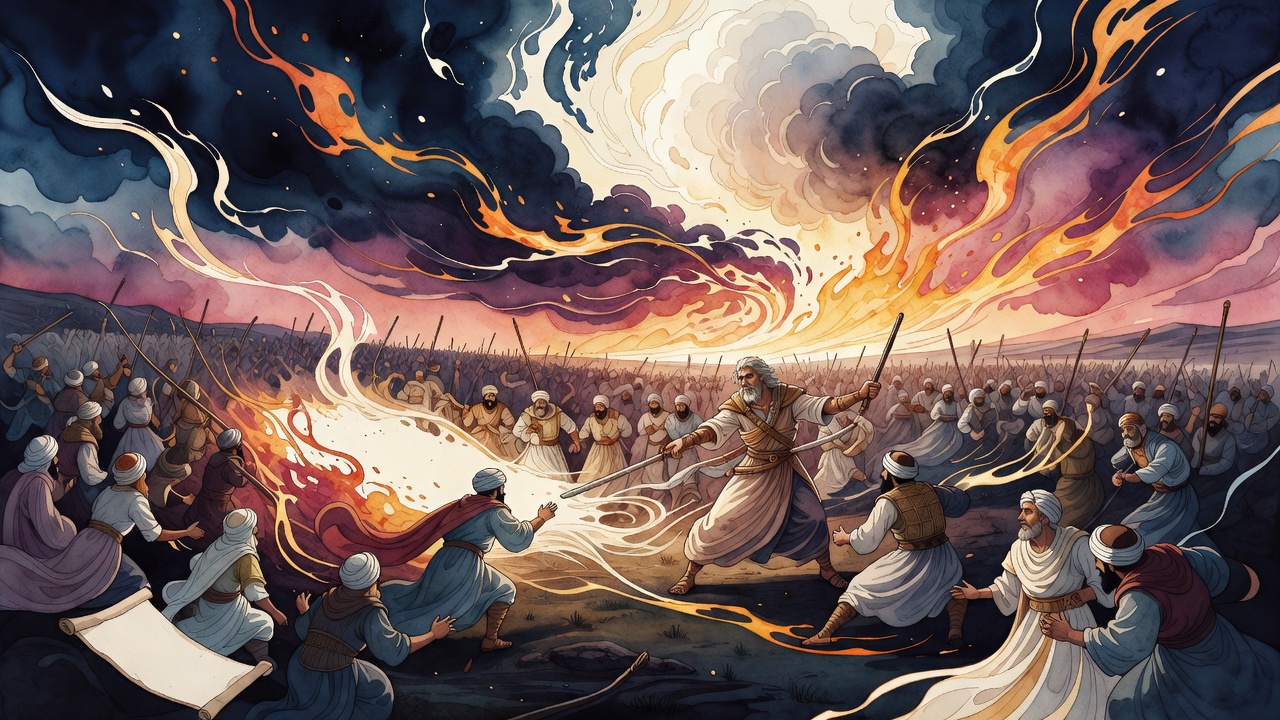
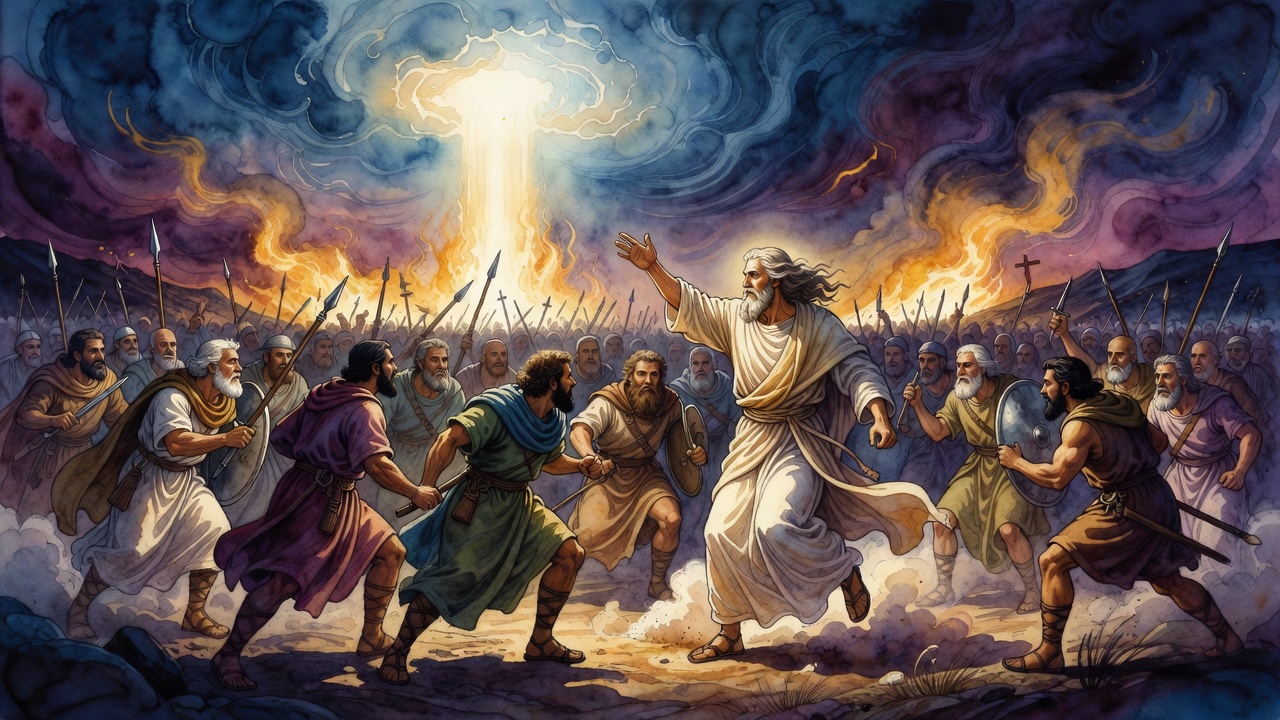
Lot was already a captive when the word reached the oaks. The kings of the plain had taken people as casually as cattle. Abraham armed the trained men of his house and ran.
 Click for full size
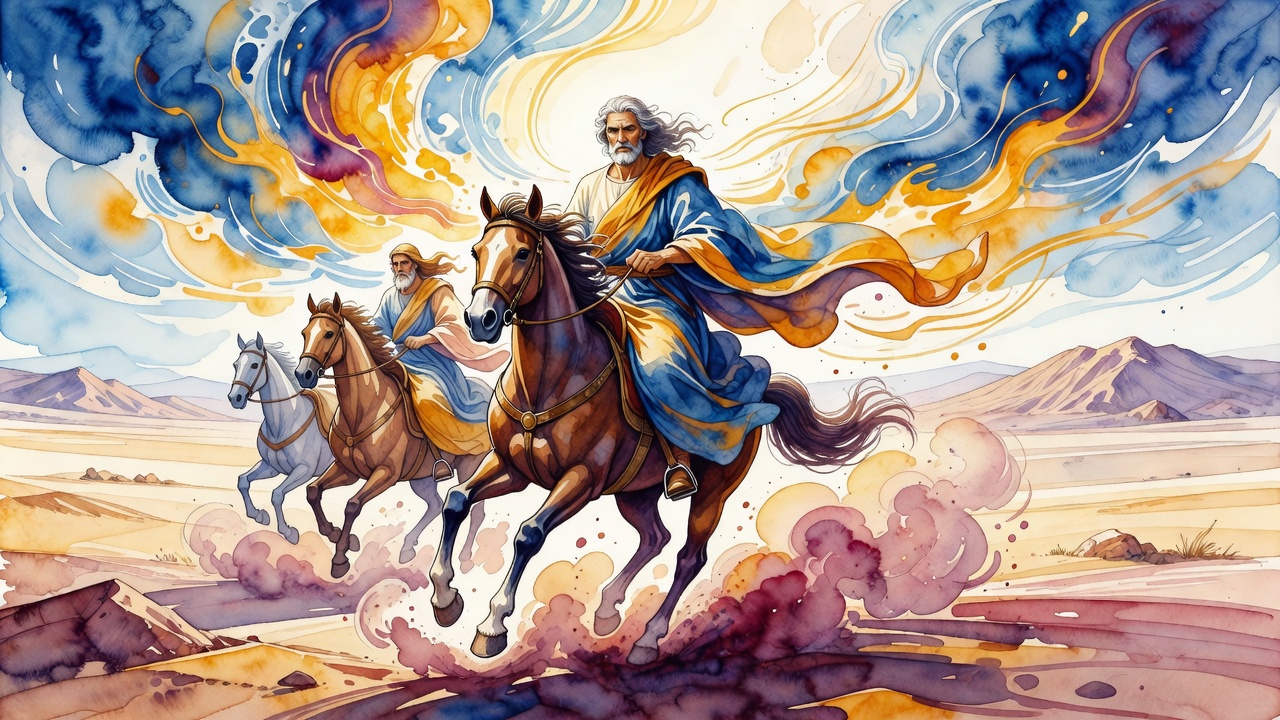
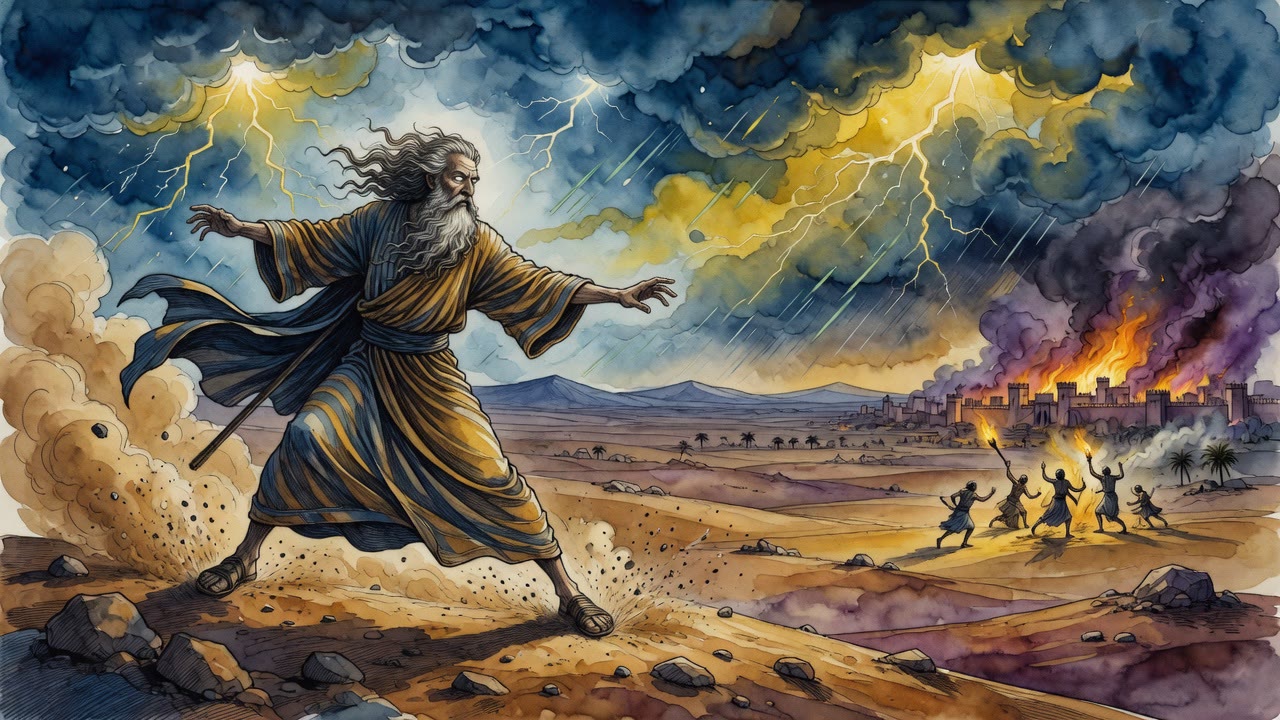
The ground under him refused ordinary distance. His strides stretched four miles at a step. He ran to save Lot until sixteen kings and their legions lay behind him, and he passed on in peace, untouched by the slaughter cooling on the road.
Four Miles in a Single Step
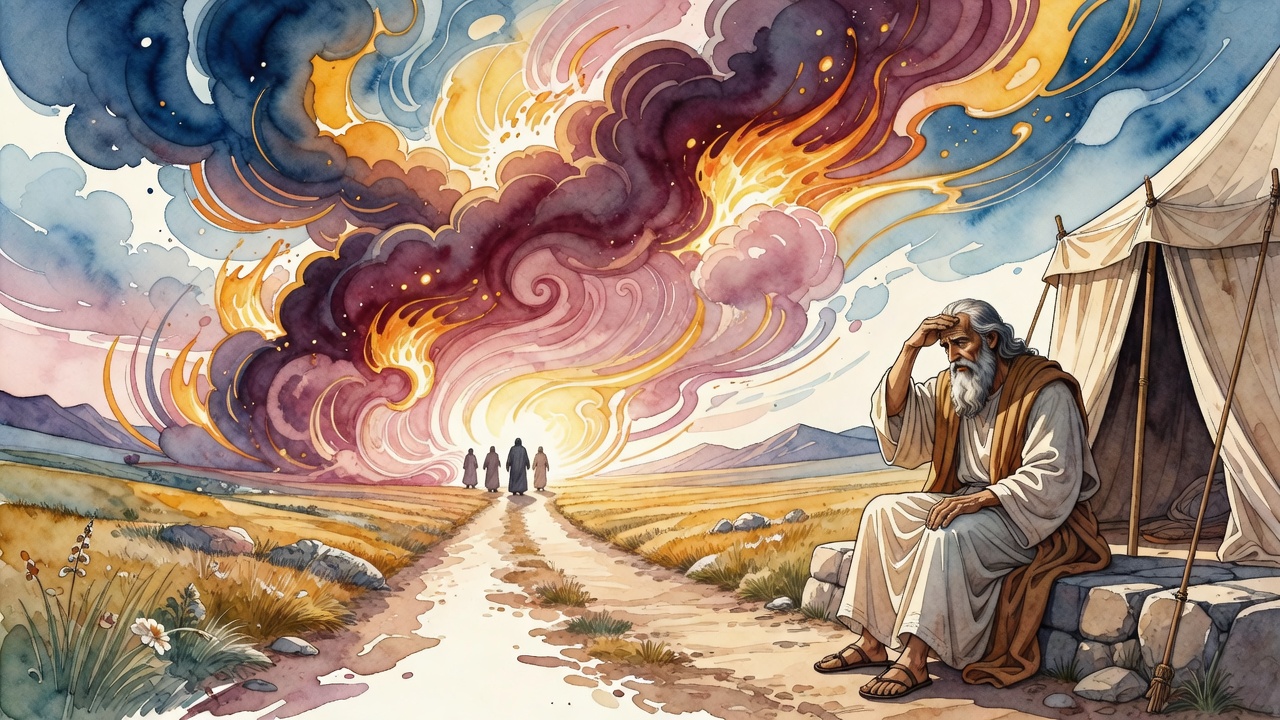
Lot had chosen the well-watered plain and discovered that green fields sit next to thrones that raid. When the kings came, they took kinsmen like livestock. Word reached Abraham like a rope thrown to a man who still answered to family law older than Canaan's borders.
He did not send a messenger. He ran. Ordinary road-physics could not keep up with the urgency of rescue. Sixteen kings fell in the telling not as a census for generals but as a measure of how far heaven stretched one man's steps.
Dust rose in a line that did not look like a traveler's. It looked like a storm with a name inside it. Lot was somewhere ahead in a net of kings, and Abraham's feet kept eating the map.
Seated at the Right Hand
The Holy One seated him at the right hand for that deed, as the psalm later sings: sit at My right hand. Rescue had become coronation language before any crown of Sodom could be offered.
Abraham did not stop to count the bodies. He passed on in peace. The road behind him held what war holds. The road ahead held a nephew still breathing. That was the only cargo he meant to bring home.
Night after a battle is when men usually count donkeys and silver. Abraham counted obligations instead. Kinship was not an invoice. Lot's life was not a market.
The King Who Tried to Pay
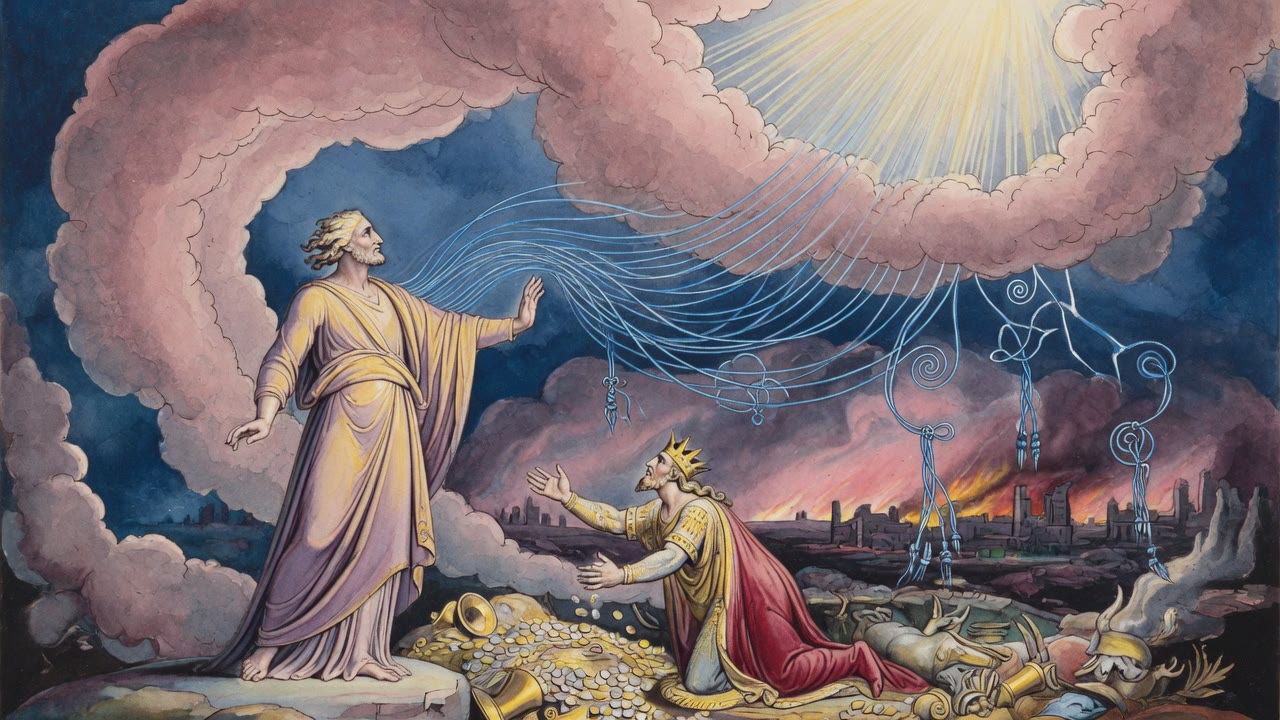
The king of Sodom came out calculating. Had Abraham's enemies killed him, they would have stripped everything he owned. Now this stranger had saved the captives. "Give me the persons, and take the property for yourself." Keep the goods. Return the souls. A clean ledger for a dirty city.
It sounded generous. It was a trap for reputation. If a single sandal-strap came from Sodom, the nations could say Sodom made him rich. Abraham would owe his greatness to no king of the plain, only to God Most High.
He would touch none of it. The spoil still glittered where men had dropped it. He walked past it the way a man walks past a snare he has already named.
A Raised Hand Was the Oath
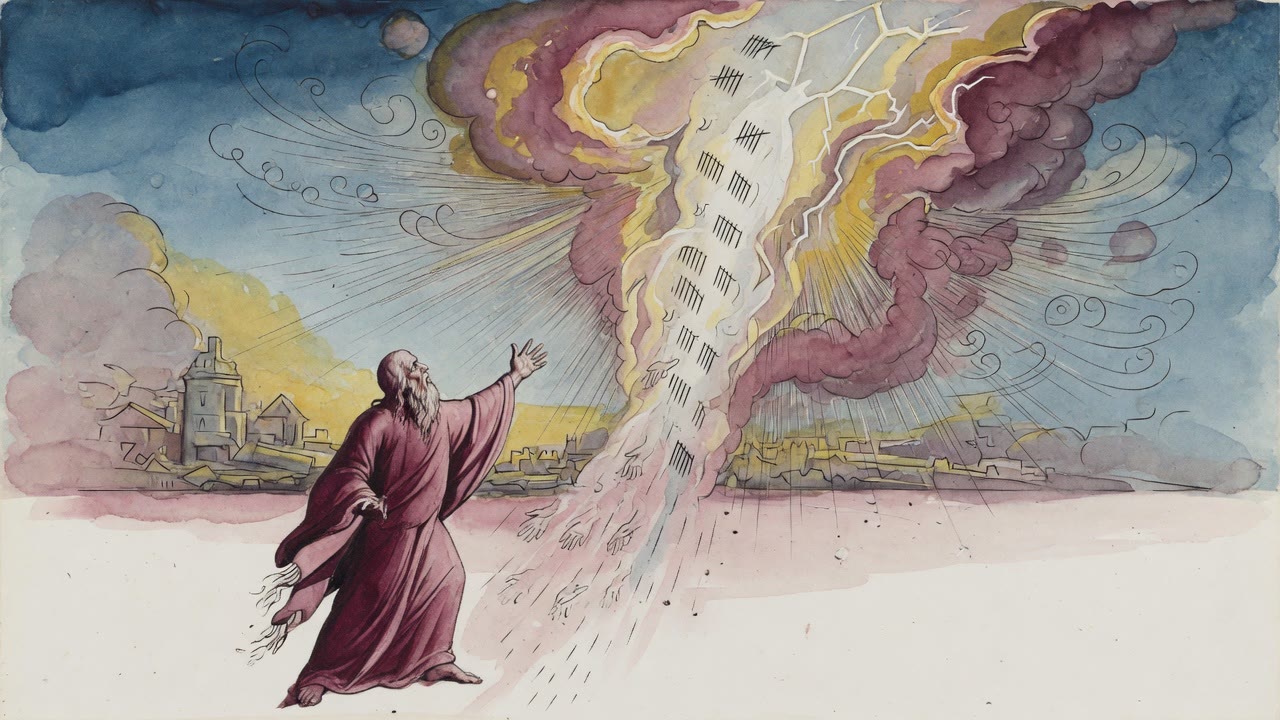
Abraham lifted his hand, and the lifting was itself an oath, the way Daniel later saw an angel raise right hand and left toward heaven and swear by the One who lives forever. The body became the signature. He would not let the king of Sodom write the footnote to a rescue heaven had paced in four-mile steps.
Lot went free. The kings of the plain kept their arithmetic. Abraham kept the only patronage that matched the right hand of heaven. Empty hands. A raised hand. A name that would not wear another king's thanks.
In the morning light after the oath, silver still lay in the dust. Abraham did not stoop. Lot's freedom was enough cargo. Heaven's right hand was enough payment.
The Flask That Had to Move
Before the chase there had been a quieter summons. Abraham had been like a flask of balsam sealed in a corner. While it sat unmoved, no one smelled the oil. "Move yourself from place to place," the Holy One told him, "and your name will be exalted in the world." Leaving home cracked the seal. Fragrance spilled into the road.
The four-mile stride was that fragrance at full speed. Sodom's gold would have been a second seal, a bottle put back on a shelf labeled with another king's thanks. He refused the stopper. The flask of his name stayed open to the road and closed to Sodom's gifts.
Lot returned to a city that would later burn. Abraham returned to a promise that would not be underwritten by Sodom's treasury. The right hand of heaven remained the only seat he would accept as payment for a kinsman's life.
← All myths