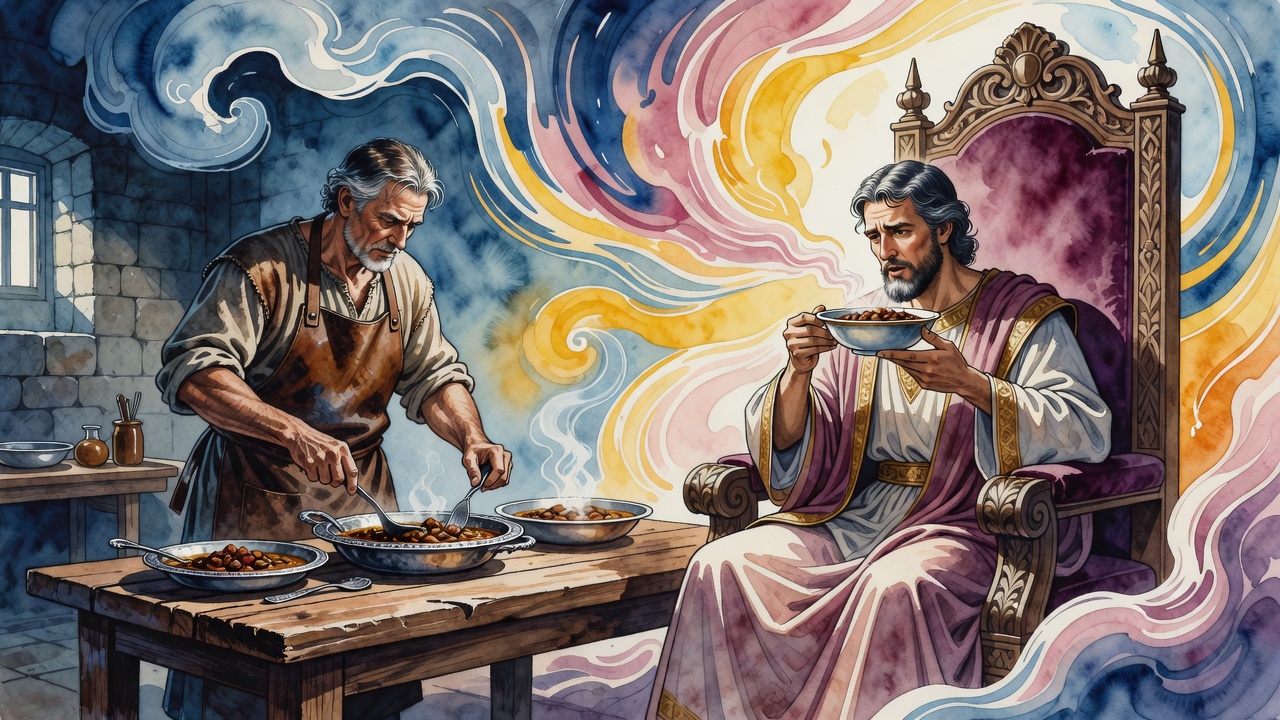
Antoninus Stormed When Judah Greeted Him Hourly
At dawn it was Lord. An hour later, Emperor. An hour after that, Peace to you, O King. The servants exchanged glances. Antoninus bristled.
Table of Contents
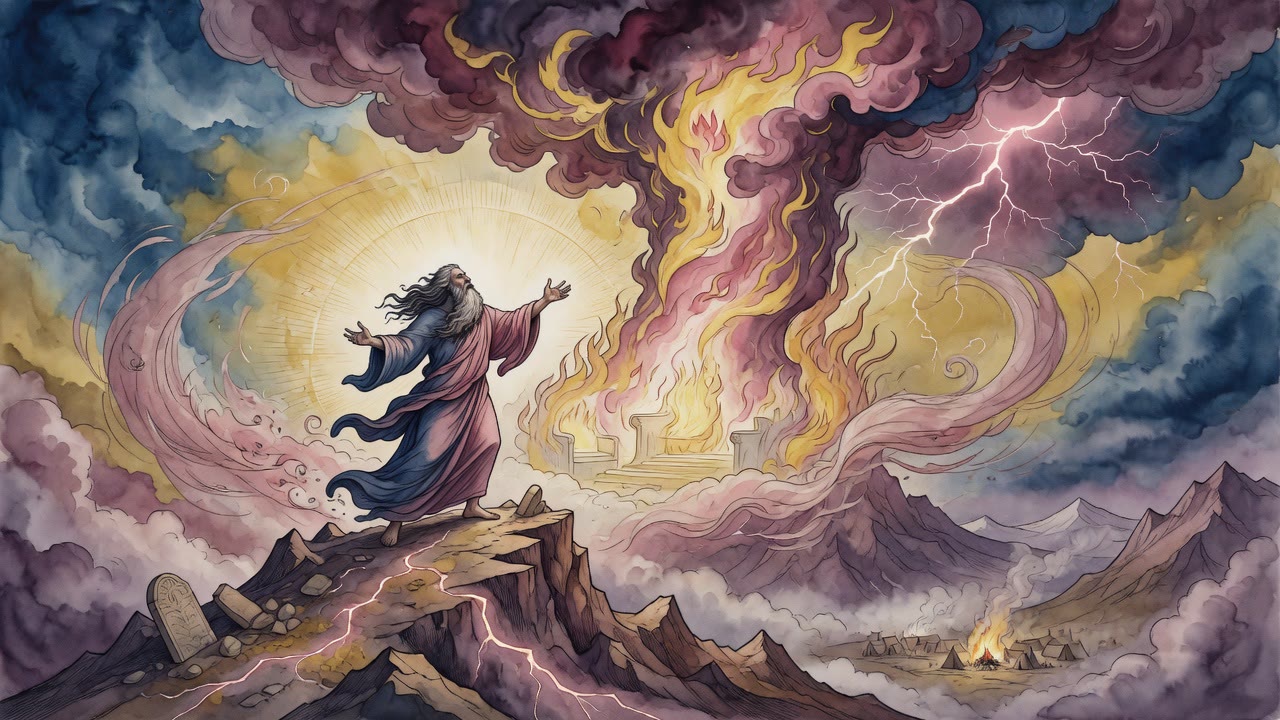 Click for full size
Three Standings
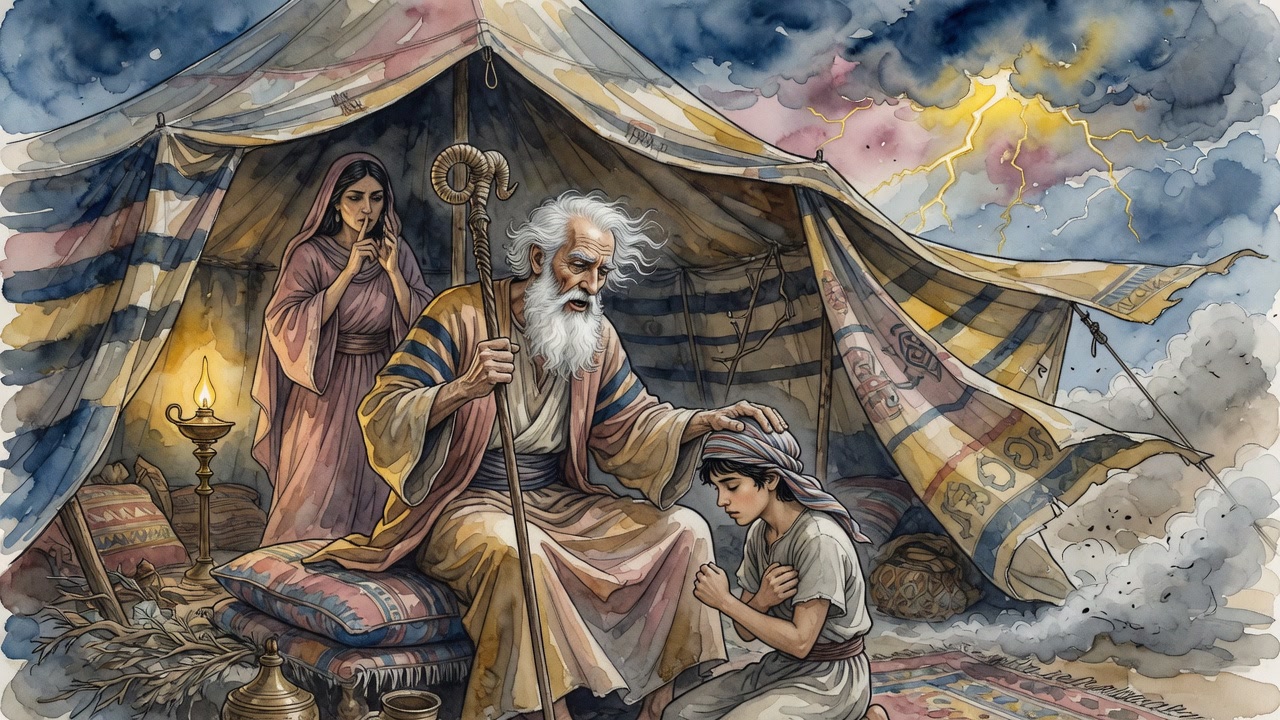
Rabbi Judah the Prince counted the hours on his fingers before he answered the emperor, and stopped at three. No more. Three pillars had fixed the standings like stakes in hard ground. Abraham rose at dawn and gave the morning prayer its first light, when the world is still deciding whether to be kind. Isaac went out to the field at dusk and gave Minchah its weight, the hour when shadows lengthen and a man feels the day ask for an account. Jacob came upon the place at nightfall and gave the evening prayer its spine, when the body admits need and the mouth finally stops bargaining with daylight.
Daniel knelt three times without naming the clock, an exile's discipline under foreign windows. David sang evening, morning, and noon and sealed the count so anxiety would not invent a fourth out of panic. Rabbi Yochanan still sighed in the study house: would that a man could pray the whole day long. Desire pulled one way, toward endless standing. Measure pulled the other, toward a love that does not cheapen itself by never leaving the doorstep.
The Emperor's Challenge
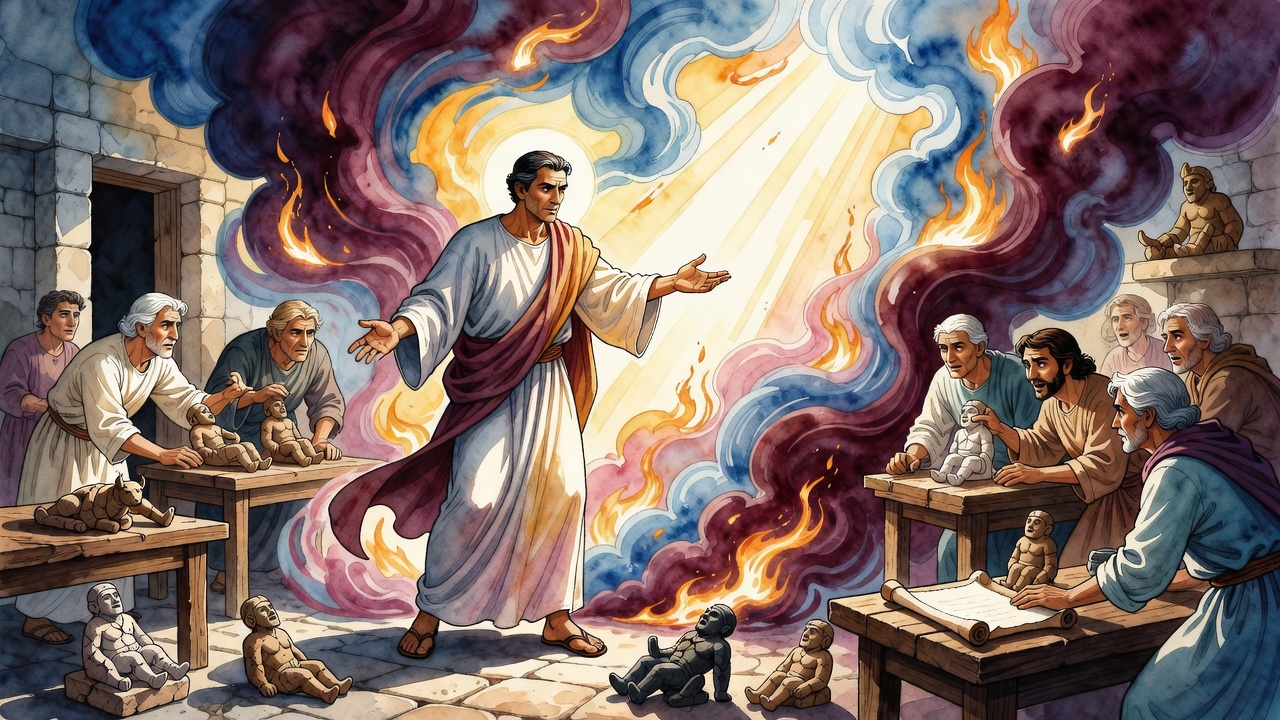
Antoninus challenged Rabbi Judah the Prince in a chamber that smelled of oil and power. Why not pray every hour? The question was not curiosity alone. It was a test of whether Israel's God was a needy courtier or a King. Because, said the Rabbi, you must not grow casual before the Almighty. Familiarity without awe is not intimacy. It is noise.
The emperor would not accept a theology of restraint from a subject people. He wanted either endless praise, which would prove the Jews stingy when they refused, or an admission that three was a small ration. He leaned on the argument the way he leaned on provinces.
So Rabbi Judah arranged a lesson the crown could feel in its own nerves, not in a scroll the emperor would not read.
Hour by Hour at the Gate
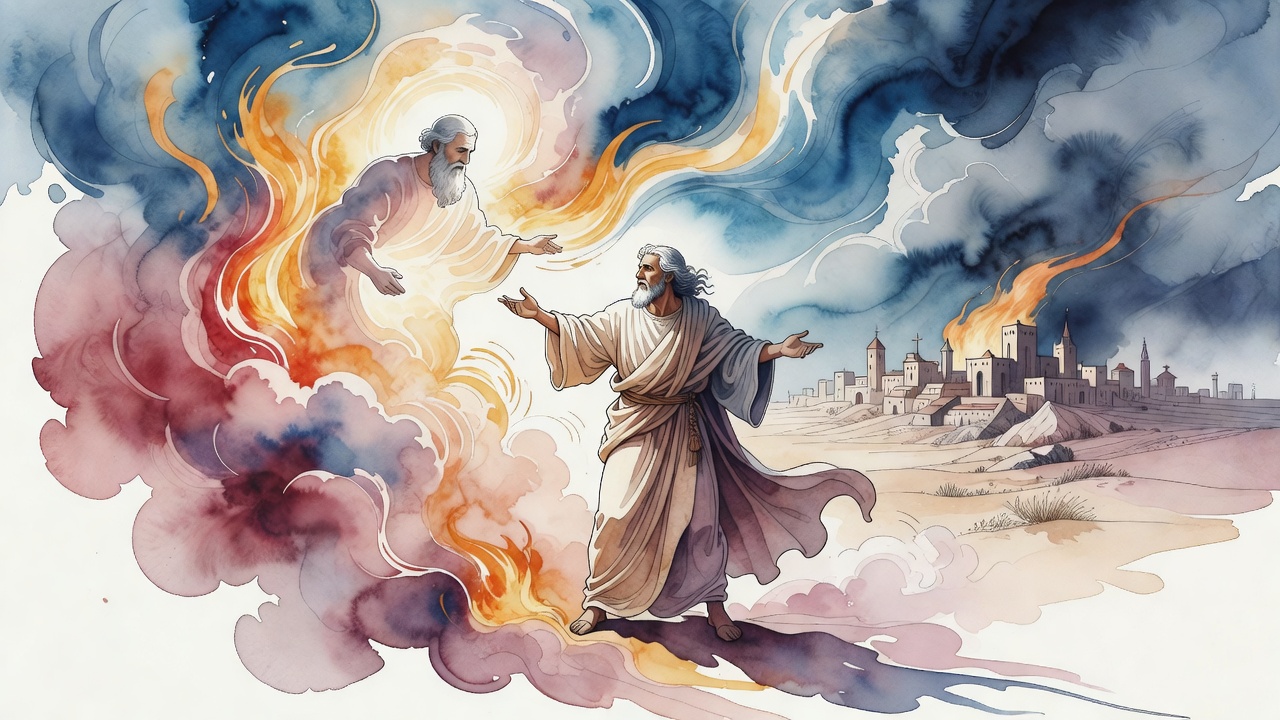
At dawn the Rabbi came: "Lord!" An hour later: "Emperor!" An hour later: "Peace to you, O King!" Again. Again. The titles stacked like wet leaves against a door. Servants exchanged glances. Antoninus bristled as the sun climbed. Why mock my crown with constant greetings? The air in the chamber thinned around the insult of repetition. Even flattery, poured without rest, becomes a kind of slap.
"Exactly," said the Rabbi, and did not bow lower to soften it. "Hear your own mouth. If flesh and blood resents being hailed every hour, how much more should one not weary the King of Kings without ceasing."
The emperor's anger became the proof. Casual access is not intimacy. It is noise that trains a throne to stop listening. Antoninus, who could order a province silent, could not bear a subject who would not stop greeting him. Heaven, the Rabbi implied, has better hearing and still prefers measure.
Eighteen Bends of Bone
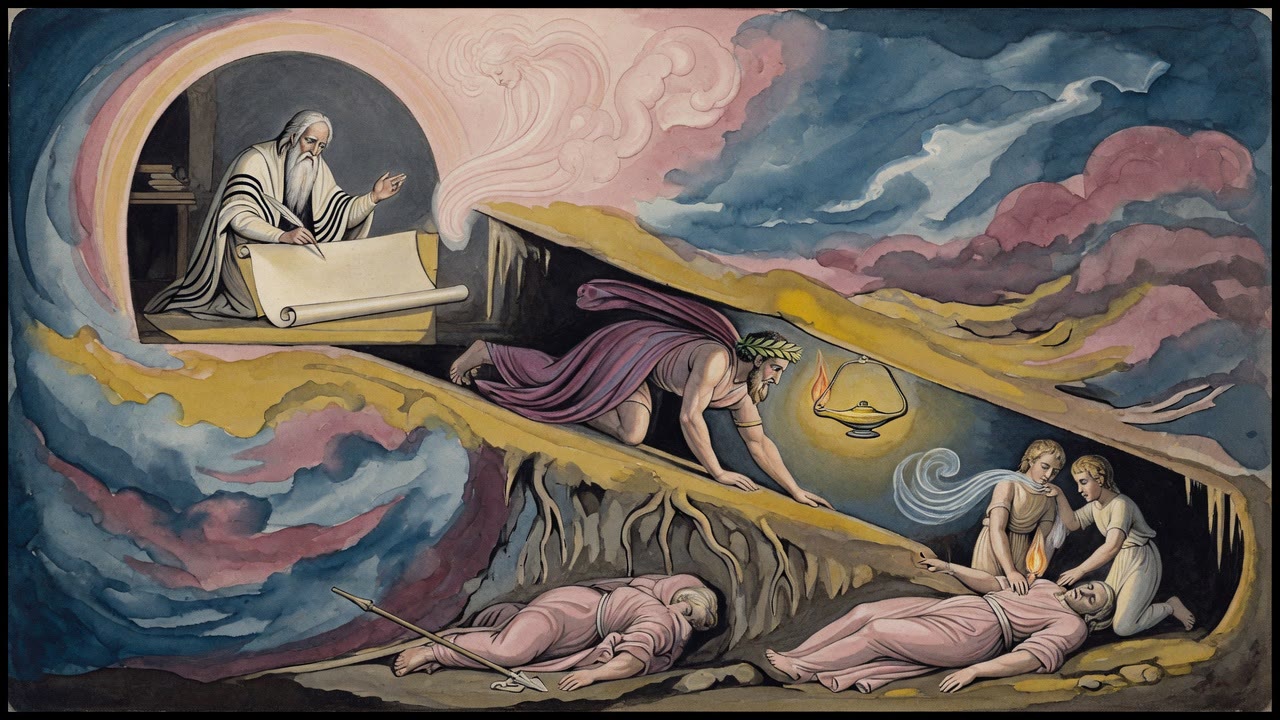
How many benedictions each day? Eighteen, the masters taught, a number with more than one spine. Rabbi Samuel son of Nahman counted eighteen times the patriarchs' names stand together in the Torah, from Joseph's oath of remembrance in Egypt to Moses' last sight of the sworn land before death closed the view. A nineteenth near miss at Bethel, where Jacob's name is missing from the trio of fathers, does not join the count. Incomplete trios do not pad the ledger.
Rabbi Yohanan heard eighteen commands for the Sanctuary's making, "as the Lord commanded Moses," repeated until the pattern locked like beams in a frame. Rabbi Simeon felt eighteen vertebrae under a praying man's skin. When a man prays and genuflects, he bows until the chain of the spine loosens, "All my bones shall say, O Lord, who is like You." The body itself keeps score of how low praise must go before it is honest.
Eighteen is not a random pile of words. It is a skeleton of standing.
Measure That Protects Desire
Three hours. Eighteen blessings. A spine that unlocks only when the bow is real. Antoninus learned that endless greeting cheapens a crown until the crowned head snaps. Israel learned, in the same lesson, that measured standing keeps the Name from becoming furniture in a house that never stops talking.
Rabbi Judah walked home under a sky that still invited more prayer than the mouth could safely pour without turning sacred speech into habit's drone. The sigh of Rabbi Yochanan remained honest. The emperor's rage remained useful. Between them the people kept three appointments and meant them, and when they bent, they bent until the bones spoke.
The gate of the palace went quiet after the last forced greeting. The hours of Abraham, Isaac, and Jacob did not go quiet. They kept their three appointments under every sky that thought an emperor was the last word.
← All myths