5 min read

Butcher of Ludik and the Cold Shabbat Stew

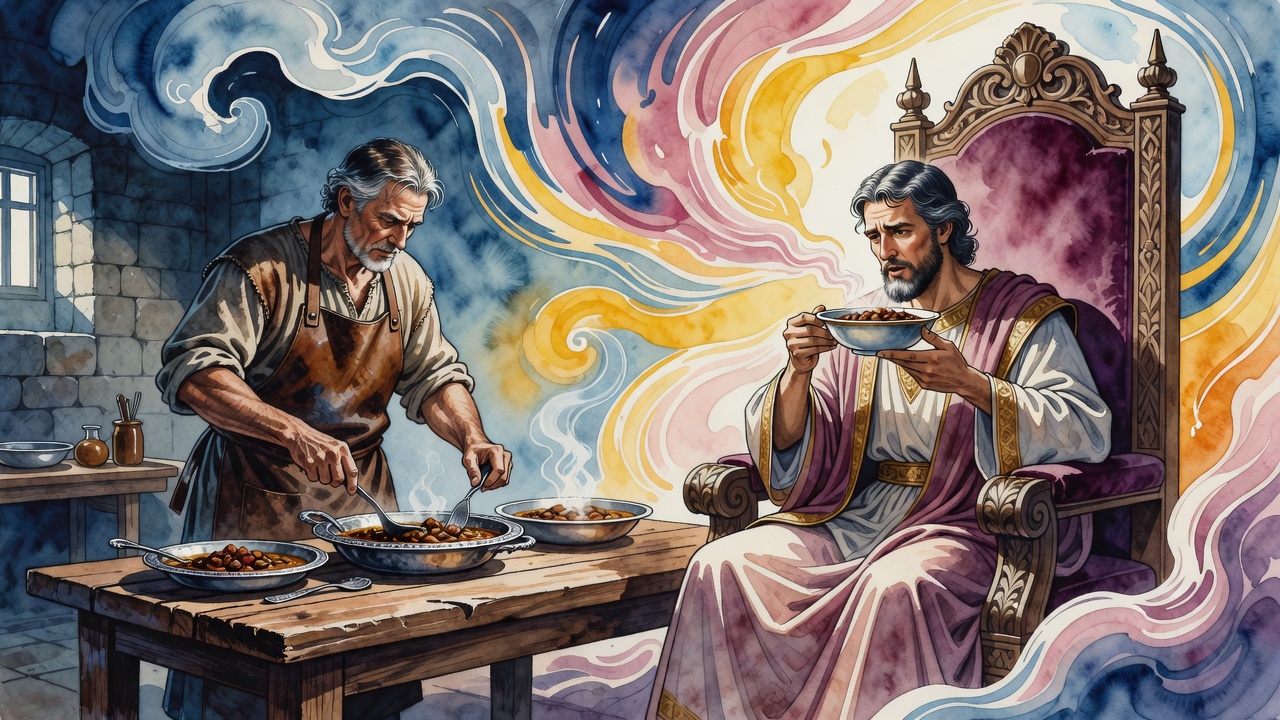
A former butcher in Ludik filled silver dishes for the seventh day. In another house an emperor tasted cold stew and asked why it outshone hot meat.

Curated by Arthur · Told by Maggid ·
Table of Contents
  1. Silver Plates in a Butcher's House
  2. An Emperor at a Cold Table
  3. What the Butcher Knew Without Philosophy
  4. A Gate Between Worlds
  5. The Question That Returns
Butcher of Ludik and the Cold Shabbat Stew Click for full size

Silver Plates in a Butcher's House

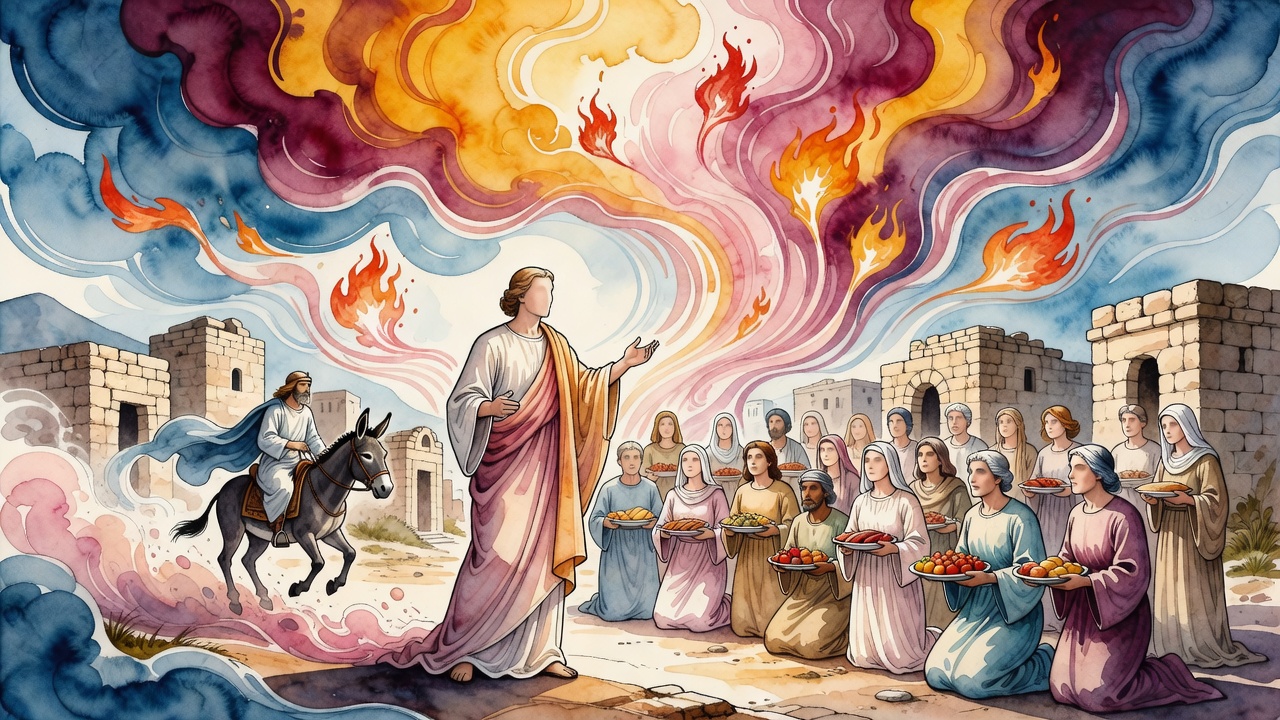
Rabbi Achiya, son of Abba, spent a Sabbath in the town of Ludik and entered a house that smelled of roasted meat and clean linen. The dishes were silver and gold. Candlelight ran along the rims. The host stood before the meal and said, "The earth is the Lord's, and the fullness thereof" (Psalms 24:1). After the blessing he sat and added, "The heavens are the heavens of the Lord, but the earth He has given to the children of men" (Psalms 115:16).

Achiya could not keep the question in his throat. "How did you merit this?" The host answered as if the answer had been waiting under the challah cloth. "I was a butcher. Every week I chose the finest cattle for the Sabbath, so the people of my town would eat the best flesh on the day that owns the week. I did not save the best cuts for my own pot alone. I made sure the seventh day was fed first."

Prosperity, in his telling, was not a secret coin buried under a floorboard. It was a habit of giving the day its due until the day answered with a house full of light and guests who could taste the difference in the meat and in the air around the table.

An Emperor at a Cold Table

Far from Ludik, the Roman emperor Antoninus sat often at the table of Rabbi Judah the Prince, redactor of the Mishnah. On weekdays the food came hot from the hearth, seasoned and splendid. On Shabbat the pots had rested since sunset Friday. No new fire. No fresh roast. The emperor's tongue, trained on imperial kitchens, should have preferred the weekday heat without argument.

It did not. He set down his cup and frowned at his own pleasure. "How is this?" he asked. "Your Shabbat stew has sat a day. My weekday meal left the fire an hour ago. I would sooner eat your cold food than my hot feast." Rabbi smiled with the patience of a man who has heard armies and still prefers a spice no cook can buy. "One spice is missing from your weekday plate," he said. "The blessing God rests on the seventh day. Shabbat itself seasons the food. No furnace can copy it."

Antoninus left with a puzzle that tasted better than flattery. Power could command cooks. It could not command the seventh day to enter a pot before its time.

What the Butcher Knew Without Philosophy

The butcher of Ludik never sat in a palace. He stood among carcasses and chose which one would honor the day when lamps were lit. His piety was not abstract talk about rest. It was a selection of meat, a refusal to sell the town second best when the sun went down on Friday, a week's labor aimed at one evening's table across many homes.

The emperor discovered the same truth from the other side of the table. Cold food on a holy day outran hot food on an ordinary one because the day itself entered the pot and refused to be only a calendar mark. Both stories refuse the idea that holiness is speech alone. Holiness is a cut of meat set aside. Holiness is a fire allowed to rest. Holiness is a tongue honest enough to notice what the calendar has done to flavor.

Achiya carried the butcher's answer back into the study house. Antoninus carried Rabbi's answer back under the weight of empire. Same spice. Different roofs. Same refusal to treat Friday night as leftover time.

A Gate Between Worlds

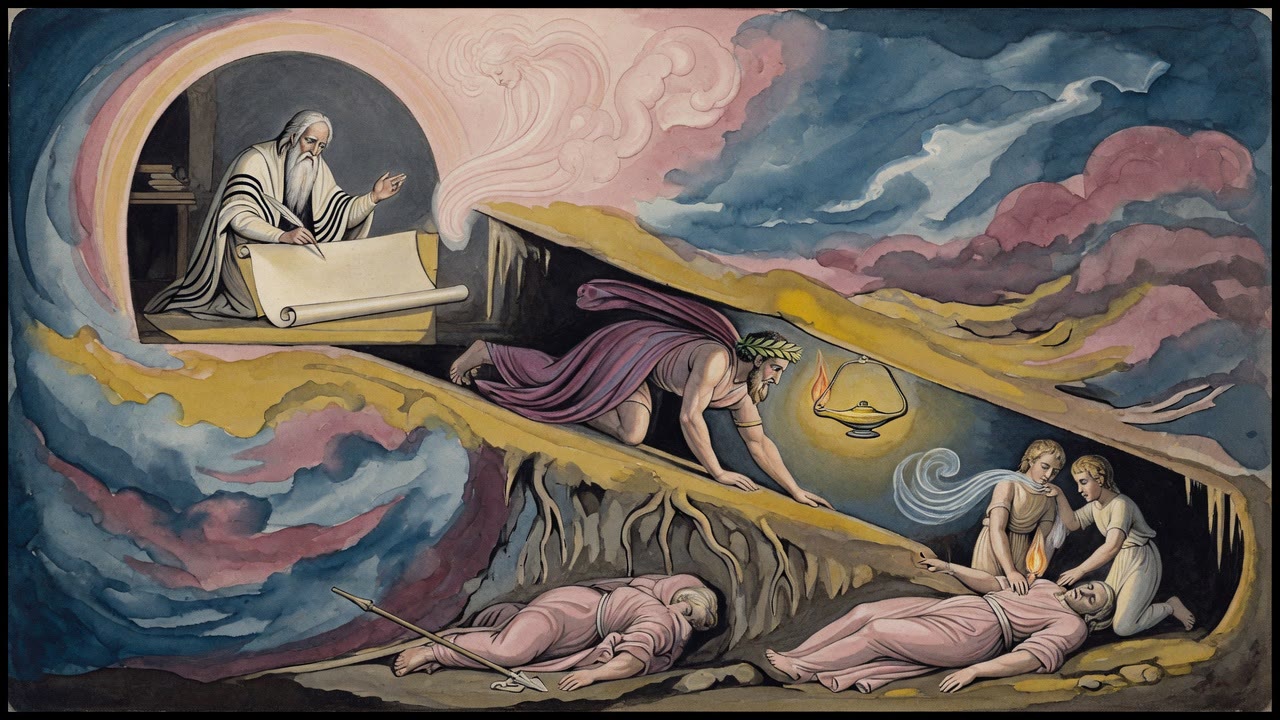
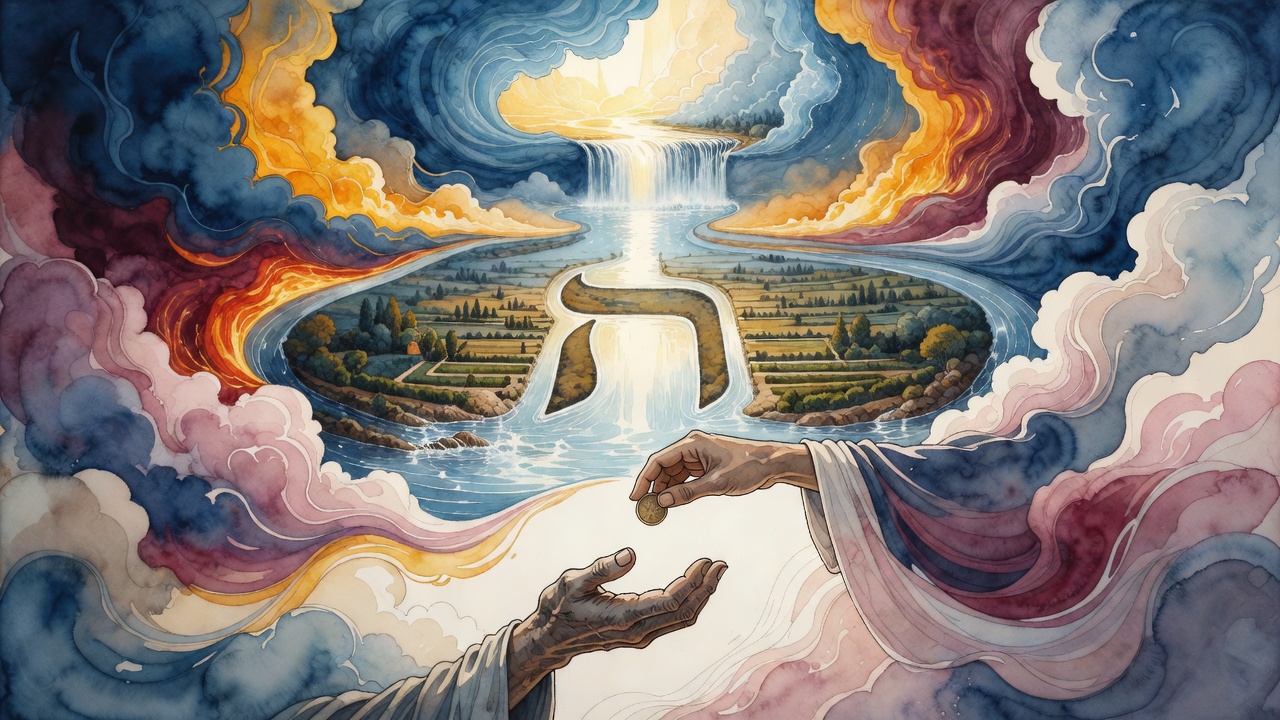
Later mystical teachers would speak of Shabbat as more than rest for tired bodies. In the Idra Zuta of the Zohar, the day becomes a gate where blessing flows because the lower and higher join, as if a split body became whole for one span of hours. From that joining the week receives what it could not earn by force.

The butcher and the emperor do not speak that language. They live its consequence without naming the sefirot (the ten divine attributes of Kabbalah). When the day is guarded, the house fills. When the day is tasted, even cold stew carries a spice no empire can mint. A person who treats Friday night as an interruption will eat interruption. A person who treats it as a gate will taste the crossing, whether the plate is gold in Ludik or simple clay in the house of Rabbi.

The Question That Returns

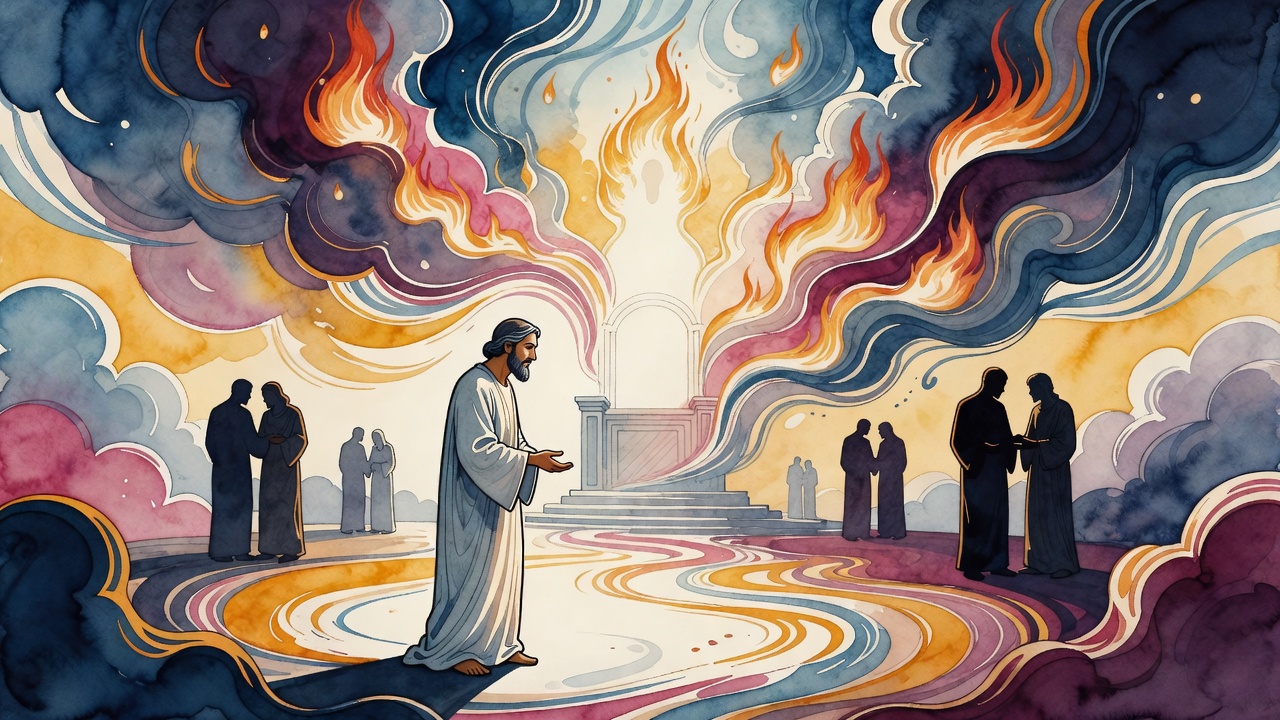
Years after Achiya told the story, students still asked whether one man's Sabbath cattle could really open a door to wealth. The story does not offer a market chart. It offers a posture. Give the day the best you have, and do not be shocked if the day answers in kind, sometimes in coin, always in flavor.

Antoninus's question returns every week in every kitchen that wonders why leftover cholent tastes like more than leftover stew, why the room softens when the candles stand, why a cold plate can outrank a hot one when the seventh day sits down as a guest. The answer is not magic powder. It is a day that refuses to be ordinary, and people who refuse to feed it ordinary care.


← All myths
From the tradition

Sources

3 sources

The texts behind this telling. Some cards carry a translation of the source; others are our own retelling of it, and each card says which. Every card links out to the original.

Rabbinical Ana, Hebraic LiteratureHebraic Literature (1901)

Retold in our words. Read the original at the link below.Project Gutenberg eBook #14368, Hebraic Literature · PD-US-pre-1929

Rabbi Achiya, the son of Abba, used to tell this story of a Sabbath he spent in the town of Ludik.

He had been invited into the home of a wealthy man. The table was laid with a sumptuous meal, and the dishes, every platter and goblet, were of silver and gold. Before blessing the food, the host stood up and said, "The earth is the Lord's, and the fullness thereof" (Psalms 24:1). After the blessing, he sat down and said, "The heavens are the heavens of the Lord, but the earth He has given to the children of men" (Psalms 115:16).

Rabbi Achiya marveled at the man's simple piety and could not hold his question. "Forgive my boldness, sir," he said, "but how did you merit all this?"

The host answered without hesitation. "I was a butcher once. And every week, when I went to the market, I chose the finest cattle to be slaughtered for the Sabbath. So that the people of my town would eat the best meat on that holy day. I believe firmly that to this, and to nothing else, I owe my prosperity."

Rabbi Achiya looked at the gold plates and said, "Blessed be the Lord, who has given you all this."

The sages use the story to teach a plain lesson: honoring Shabbat is not only a private devotion. When a merchant tilts his whole business toward the seventh day, heaven notices. The silver plates are not the reward exactly; they are heaven's way of agreeing with the butcher's priorities.

(From the 1901 Hebraic Literature anthology, Rabbinical Ana section.)

Full source
Gaster, Exempla no. 120; cf. Shabbat 119aThe Exempla of the Rabbis (1924)

Retold in our words. Read the original at the link below.The Exempla of the Rabbis, Moses Gaster (1924) · PD-US-pre-1929

The Roman emperor Antoninus was a friend of Rabbi Judah the Prince, the compiler of the Mishnah, known to tradition as Rabbi. The two men ate together often, and the emperor noticed something he could not explain.

When he dined at Rabbi's table on an ordinary weekday, the food was hot, seasoned, freshly cooked, splendid. When he dined there on Shabbat, the food was cold, because no fire had been lit since sunset Friday. And yet somehow it tasted better.

"How is this?" Antoninus asked. "Your Shabbat stew has been sitting for a day. My weekday meal came straight from the hearth. And yet I would sooner eat your cold Sabbath food than my hot feast."

Rabbi smiled. "There is one spice missing from your weekday meal. It is the blessing that God lets rest on the seventh day. Shabbat itself seasons the food. No cook can add that flavor, and no furnace can copy it."

The Exempla keeps the story because it teaches that Shabbat is not a day of deprivation, even when it looks that way from outside. A Jew who guards the Sabbath receives a taste, literal or spiritual, that cannot be bought or reheated.

(From The Exempla of the Rabbis, Moses Gaster, 1924, no. 120, based on Shabbat 119a.)

Full source
Idra Zuta 1:165Idra Zuta

Retold in our words. Read the original at the link below.Idra Zuta, The Small Gathering, trans. Michal Ricardo · CC-BY

Jewish mysticism might have an answer for you, and it all revolves around Shabbat (the Sabbath).

Shabbat as the day of rest, a sacred pause in the week is familiar. But according to the Idra Zuta, a profound section of the Zohar, Shabbat is so much more than just a day off. It’s a day of wholeness, of unity, where blessings flow freely. The verse from Exodus (Shemot) 20:11 tells us, “therefore Hashem blessed the Shabbat day and hallowed it.” But why did God bless it?

The Idra Zuta explains that on Shabbat, everything is influenced by a single, unified body. This is because Malchut, often understood as the divine feminine or the aspect of God that is manifest in the world, cleaves to the King – representing the divine masculine or the transcendent aspect of God. They become one. And it is from this union that blessings flow.

So, what does this have to do with feeling incomplete?

Well, the Idra Zuta doesn't hold back: whoever is not in a state of male and female is considered only half a body. Now, this isn't necessarily about physical gender. It's about embodying both aspects – the giving and receiving, the active and passive, the assertive and receptive – within ourselves. It’s about inner balance.

The text continues, stating that no blessings reside over something damaged or lacking, but only on a whole place, something complete. A half-thing cannot endure and is never blessed. Pretty strong stuff. It just leaks out. Similarly, if we are lacking in some fundamental way, if we are not whole, the blessings can't take root. We need to cultivate that inner sense of completeness, of balance, to truly receive the abundance that is available to us.

This isn't about achieving perfection, mind you. It's about striving for wholeness, for integration. It's about recognizing and embracing all parts of ourselves, the masculine and the feminine, the light and the shadow.

So, as we approach Shabbat, perhaps we can ask ourselves: Where am I feeling incomplete? Where am I lacking balance? What can I do to cultivate greater wholeness within myself, so that I may be a vessel for the blessings that the universe so generously offers? Because, after all, the Idra Zuta reminds us, it's in that state of wholeness that we truly thrive.

Full source