Devorah Made Thick Wicks and Judged Israel
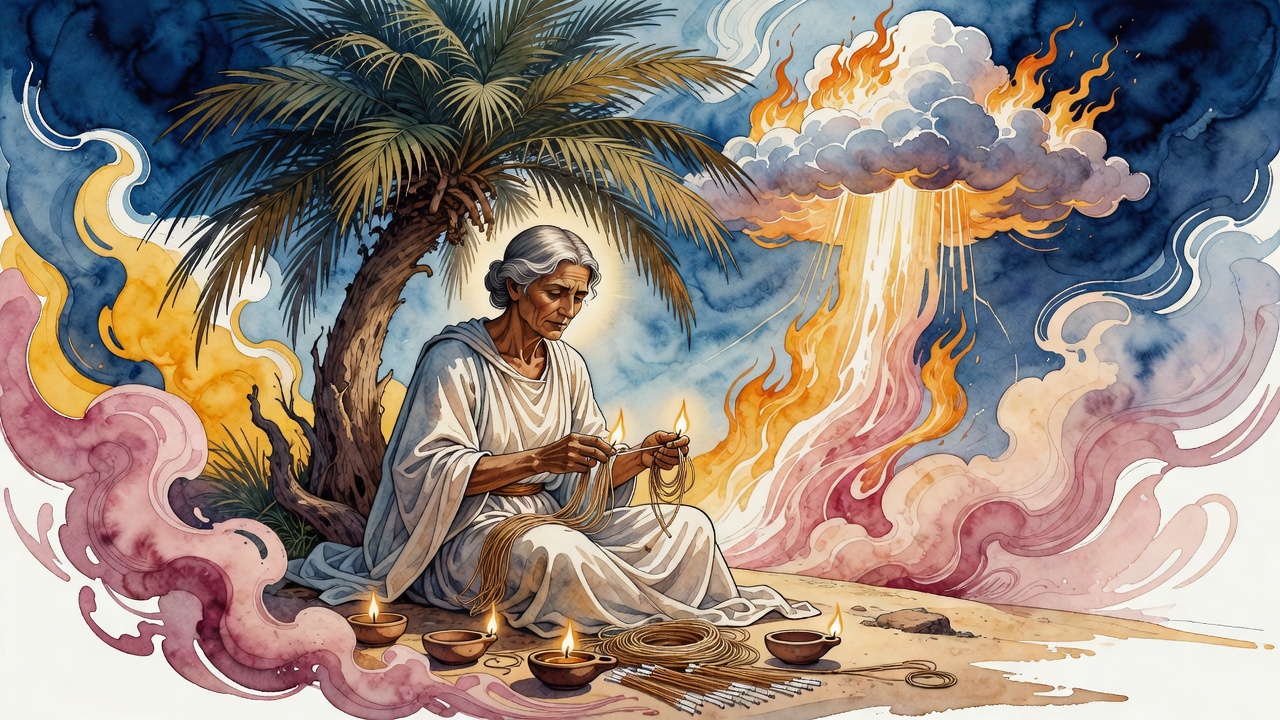
Her husband could not sit in the study house. She twisted flax for the lamps at Shiloh. Heaven named her judge over the tribes.
Table of Contents
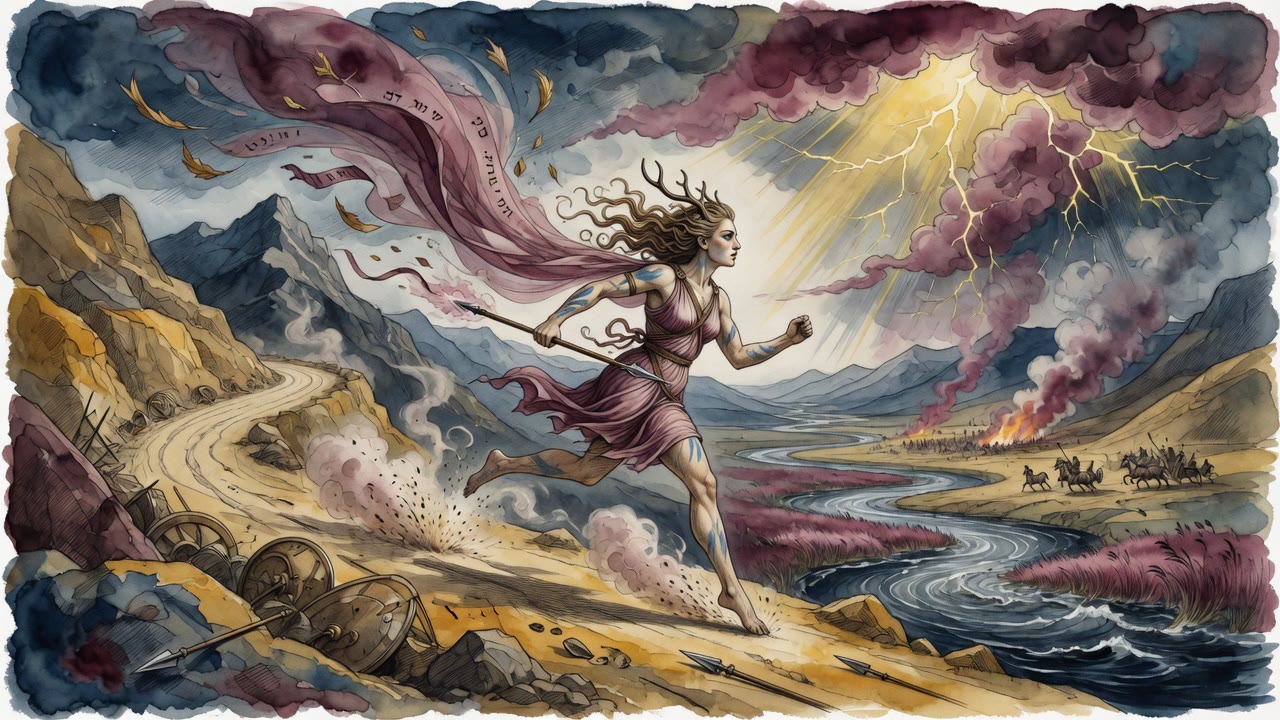
Devorah sat with flax while Israel bent under Canaanite iron. Sisera's nine hundred chariots owned the valleys. Oil stained her fingers. No audience but heaven.
 Click for full size
Her husband was no scholar. She would not leave him without a share in the holy work. "Let us make wicks," she said, "and go to the sanctuary at Shiloh. You will have a place among the greats, and a place in the world to come."
He was called Barak, and Michael, and Lapidot. Barak, because his face looked like lightning. Michael, because he made himself small. Lapidot, "torches," because she made wicks for the lamps and chose to make them thick, so the light would not die in a draft.
Heaven Multiplied the Light
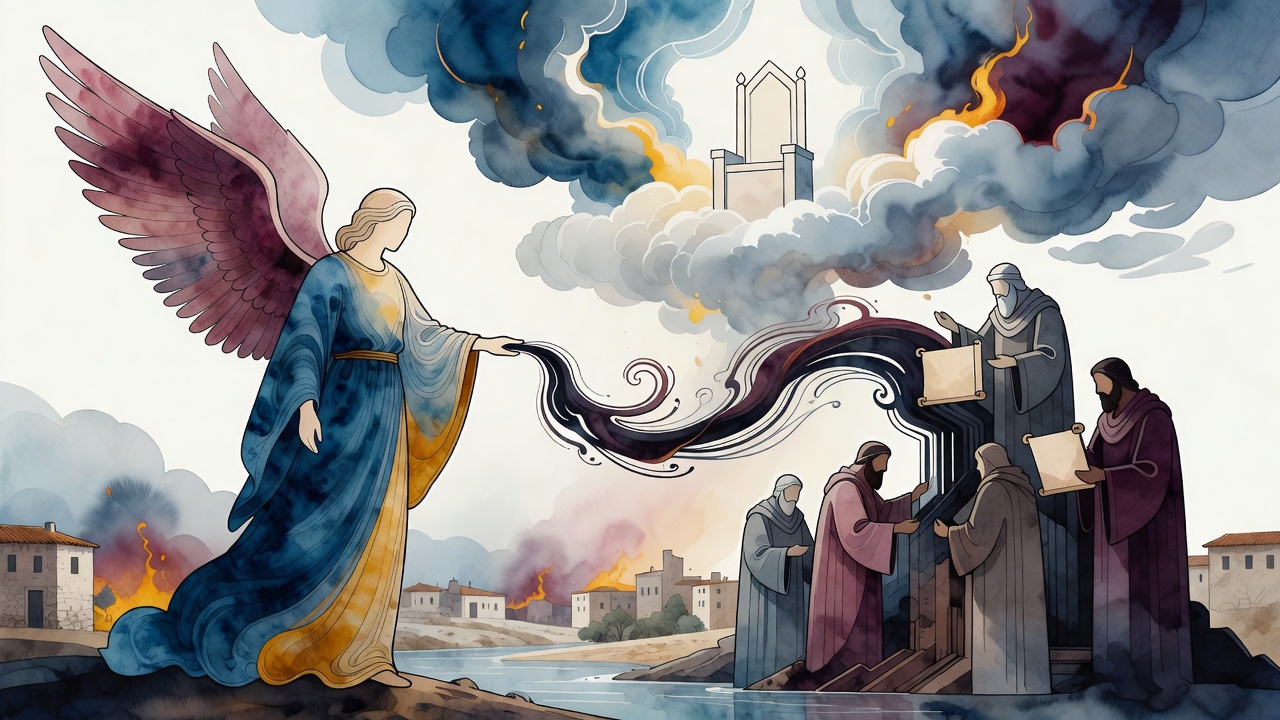
The Holy One saw the intention and spoke.
"Devorah, you meant to increase My light. I will increase your light in Judah and Jerusalem before the twelve tribes."
Pinchas ben Eleazar still lived. Offices that looked more obvious still stood. The spirit did not wait for those offices. Heaven and earth were called to witness: the Divine Spirit may rest upon a Jew or a gentile, a man or a woman, a slave or a maid. It depends on the deeds of that person. The woman who thickened wicks became a woman whose word thickened into law.
Under the Palm
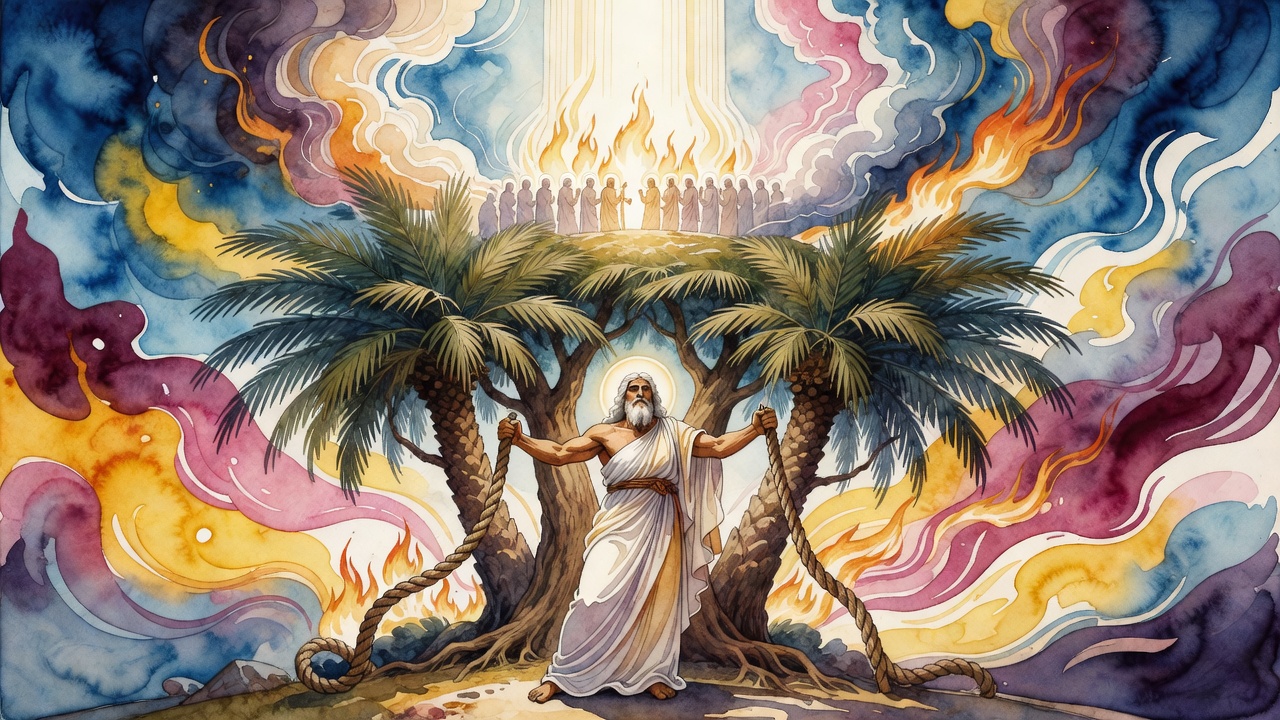
She judged Israel under a palm tree between Ramah and Bethel in the hill country of Ephraim. People came carrying disputes, fear, and the dull ache of occupation. They came the way people come to a well in a drought.
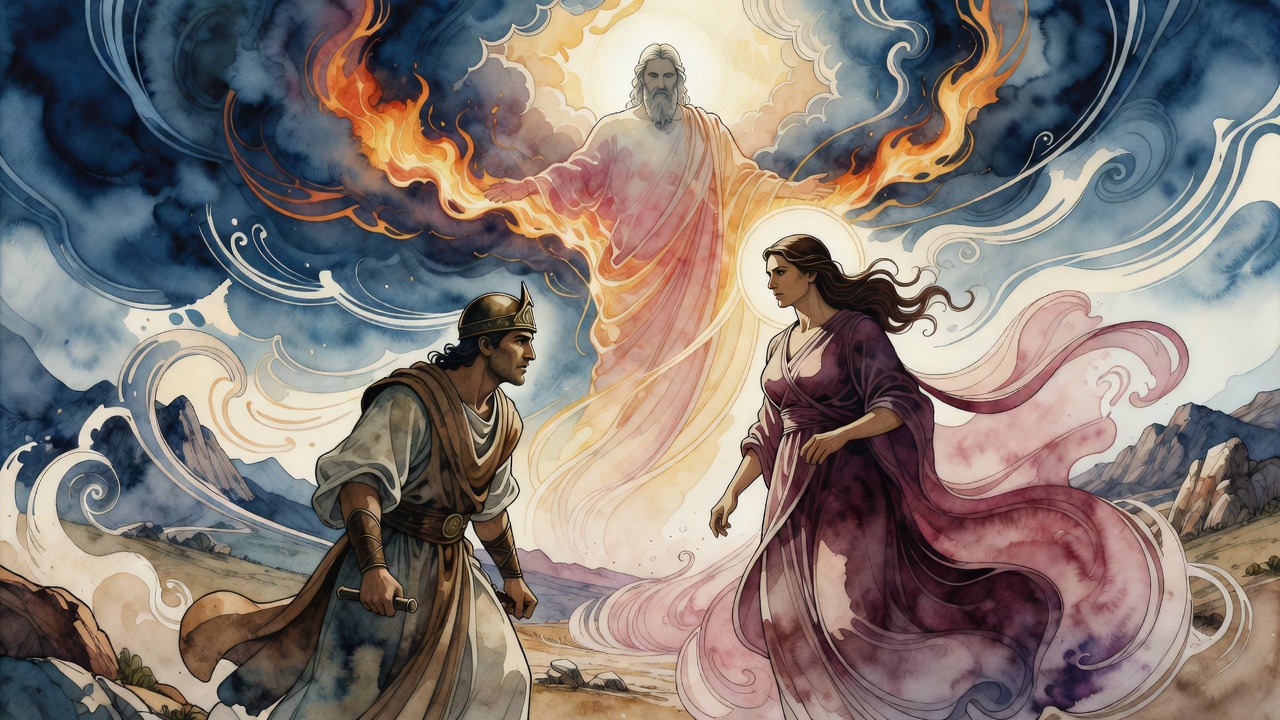
Barak son of Abinoam received her summons from Kedesh-naphtali. The command from God was to draw Sisera toward the Kishon with ten thousand men of Naphtali and Zebulun. Barak would not go unless she went.
"I will surely go with you," she said, "only the glory will not be yours, for the Lord will sell Sisera into the hand of a woman."
He wanted her presence as a shield. She gave him the price of that shield in a plain sentence. He took it. They marched.
Rain, Mud, and a Tent Peg
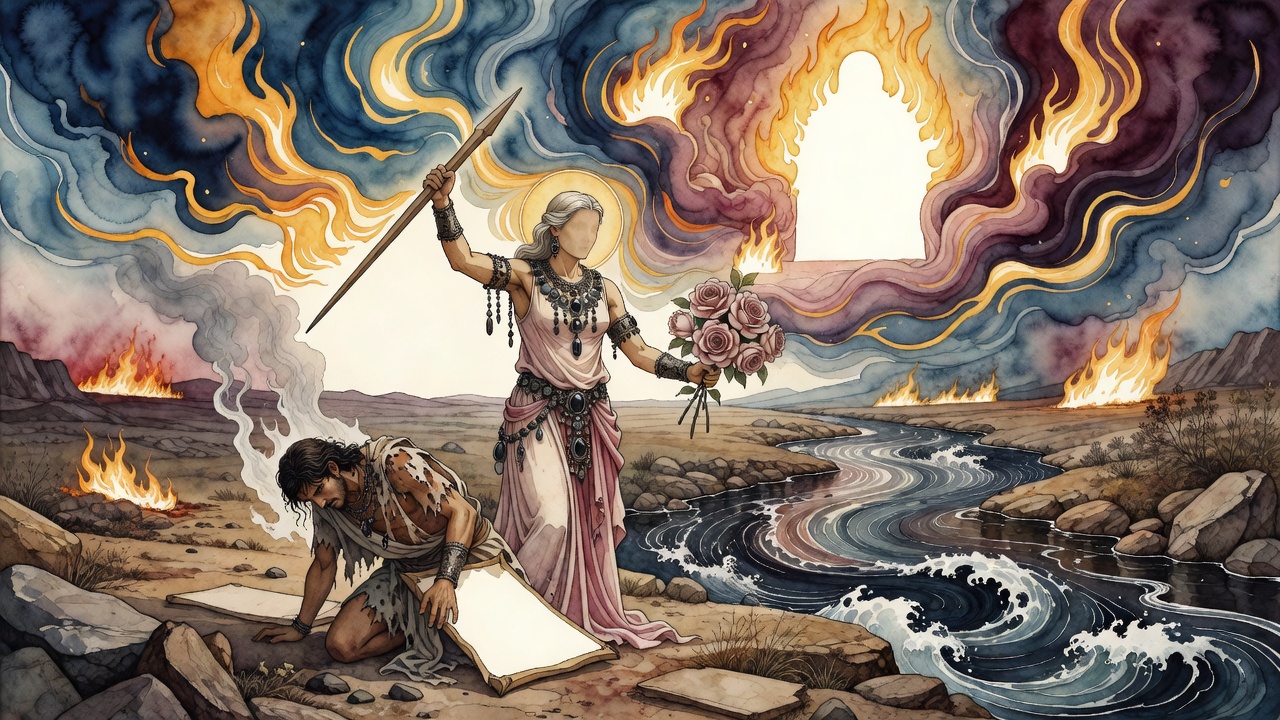
They went. The stars fought from their courses. The Kishon rose and took the iron advantage and made it scrap. Chariots that had been the terror of the valleys sank in mud. Sisera fled on foot to the tent of Yael, wife of Heber the Kenite.
She brought milk. She brought a blanket. He slept trusting hospitality. Then a peg and a hammer in a woman's arm. The commander who had terrorized a people died like a nail driven into the ground while he slept.
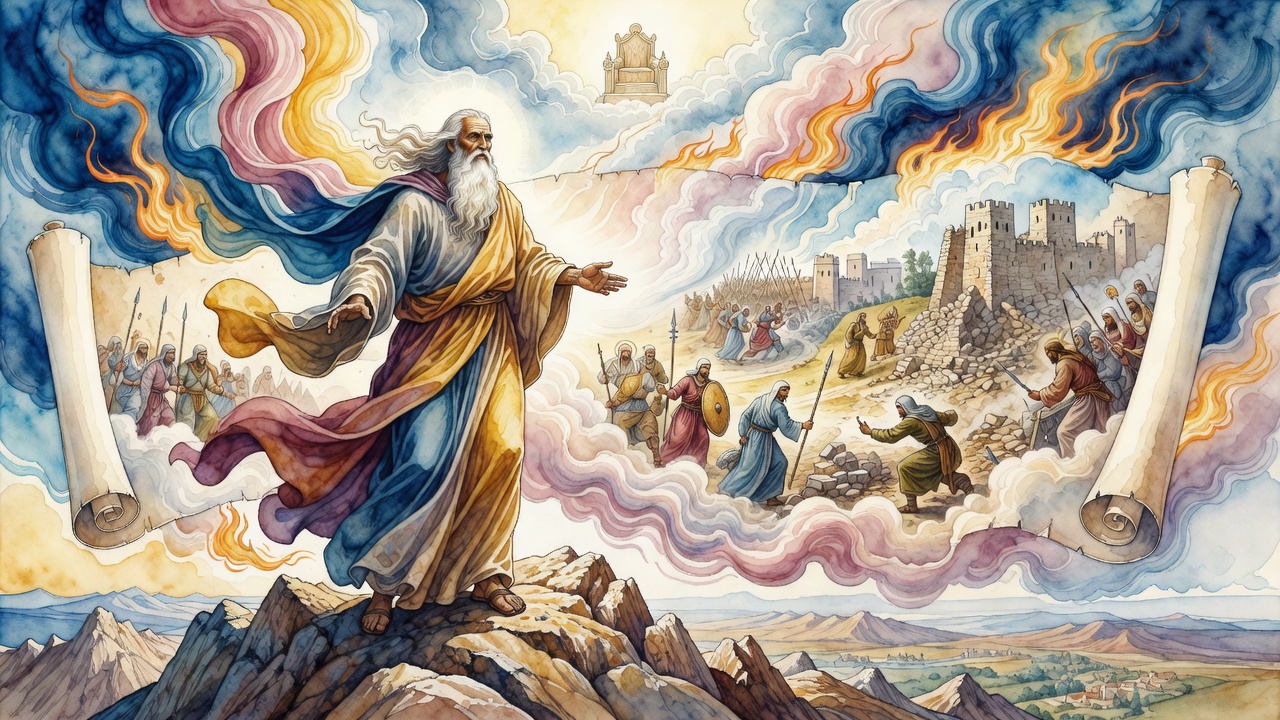
Devorah's war ended not with her hand on the peg but with her word over the campaign that made the peg possible. She and Barak sang. The song named kings who watched from a distance, tribes who came to the trumpet, and tribes who lingered among the sheepfolds when the crisis needed bodies. Praise and rebuke shared stanzas.
Forty Years of Rest
The land had rest for forty years. Devorah's light did not remain a private craft of oil and flax. It became public law, public war, public music, public rest.
Even the dumb fishes proclaim their Lord upon the waters. Frogs bless the Name of the glory of His kingdom. She had not invented praise. She had refused to let the sanctuary's portion of light run thin while the people lived thin lives under oppression. Heaven answered by making her a lamp for tribes who had forgotten how to burn steady.
Children later learned her name before they learned the thickness of a proper wick. The woman who increased light for the Holy One found her own name set among the judges, as hard to miss as flame in a dark tent.
← All myths