Naphtali Ran Like a Doe Toward the Kishon
Deborah sent Naphtali's fighters like a doe let loose. Swift feet took the Kishon road, and later song repaid the charge.
Table of Contents
 Click for full size
A Doe Let Loose
Jacob spoke over Naphtali and called him a doe let loose, a speaker of pleasant words. The blessing sounded soft until the day it had to run.
The land of Naphtali held irrigated fields, water-fed ground near Kineret, the sea that later ages called Galilee. Rabbis argued over names along that coast: Yerah, Beit Yerah, Sennaberis, the environs of Beit Shean, the whole shore of Tiberias. Under the names sat one fact. The tribe lived where water made earth answer quickly.
Ginosar, they said, was gardens of princes. Leadership and fertility shared a border. Captains rose from that soil. The doe was not only pretty. The doe was trained to move through wet ground without sinking into fear.
A blessing that names speed is a prophecy waiting for a road. Roads appear when history turns hard.
Deborah Opens the Gate
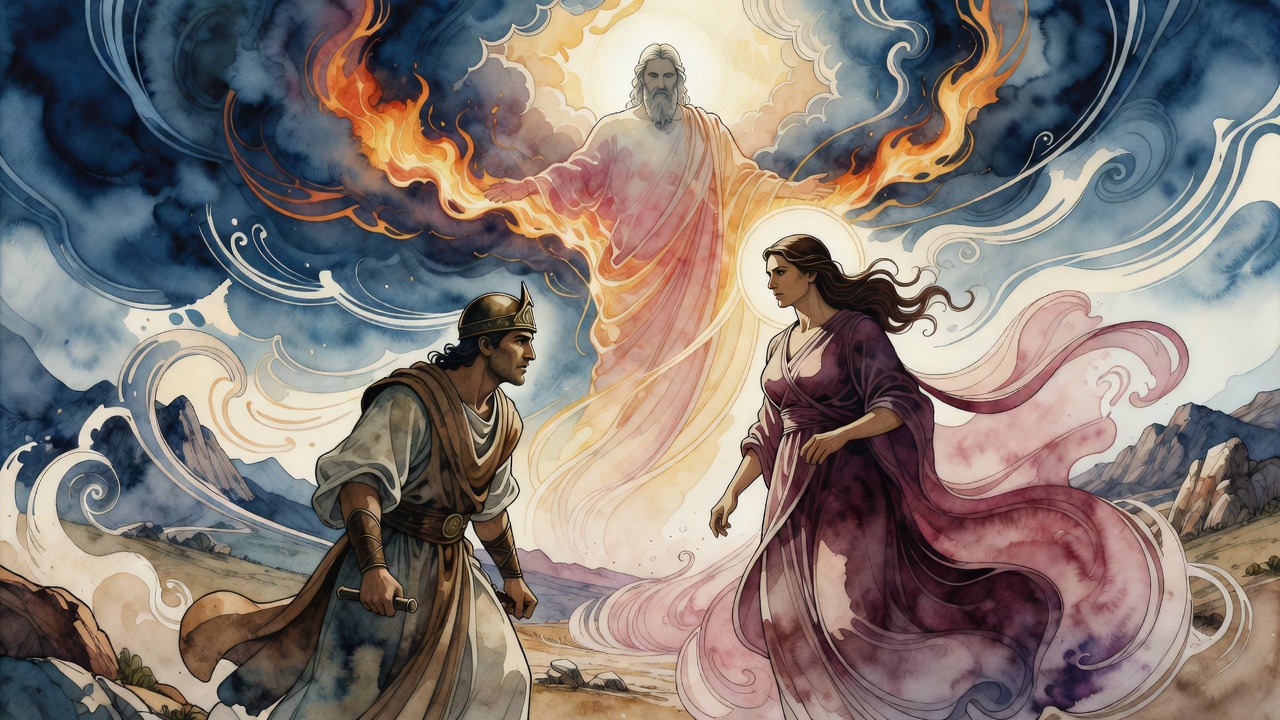
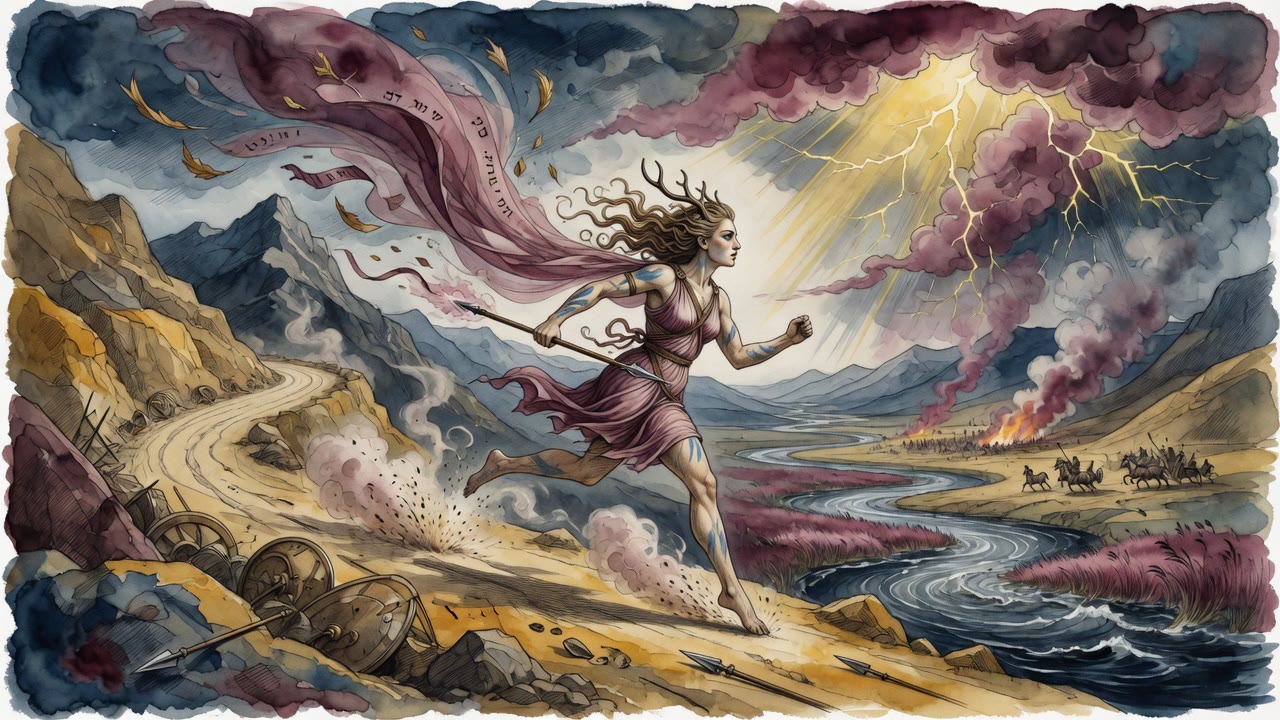
When Deborah called Barak from Kedesh-Naphtali, the blessing became orders. Go toward the Kishon. Face the Canaanite line. The fighters of Naphtali were sent, nishlehu, loosed the way a doe is loosed from a thicket into open ground.
Feet hit road. Spears found balance. Men who had walked among gardens now walked toward iron. The pleasant words of the tribe would come later. First the body had to risk itself under a sky that did not promise easy weather.
A doe does not argue with the hunter's field. It runs because running is how it lives. Naphtali ran because the prophetess had opened the latch. Barak wanted Deborah's presence. Deborah wanted the tribes' feet. Between them the doe left the thicket.
Some tribes delayed. Naphtali's story in this telling is the opposite of delay: the moment the word came, the legs answered.
When the Righteous Multiply
In another chamber of midrash, the sages read, "When the righteous are many, the people rejoice." Not when the powerful rule cleverly. When the righteous are numerous. Moses had already told Israel that good and right living would go well for them and for their children. Rain, the rabbis said, falls in a world aligned with covenant. Abundance is not a coin machine, but neither is it pure accident across generations.
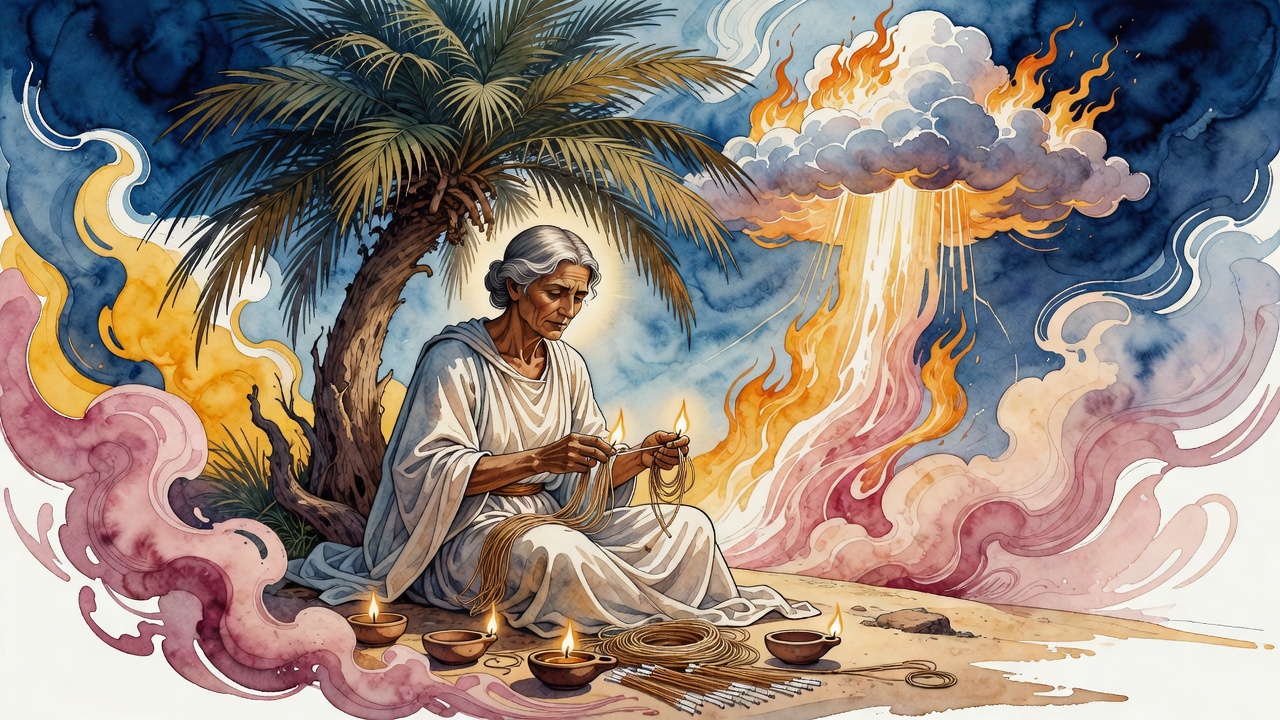
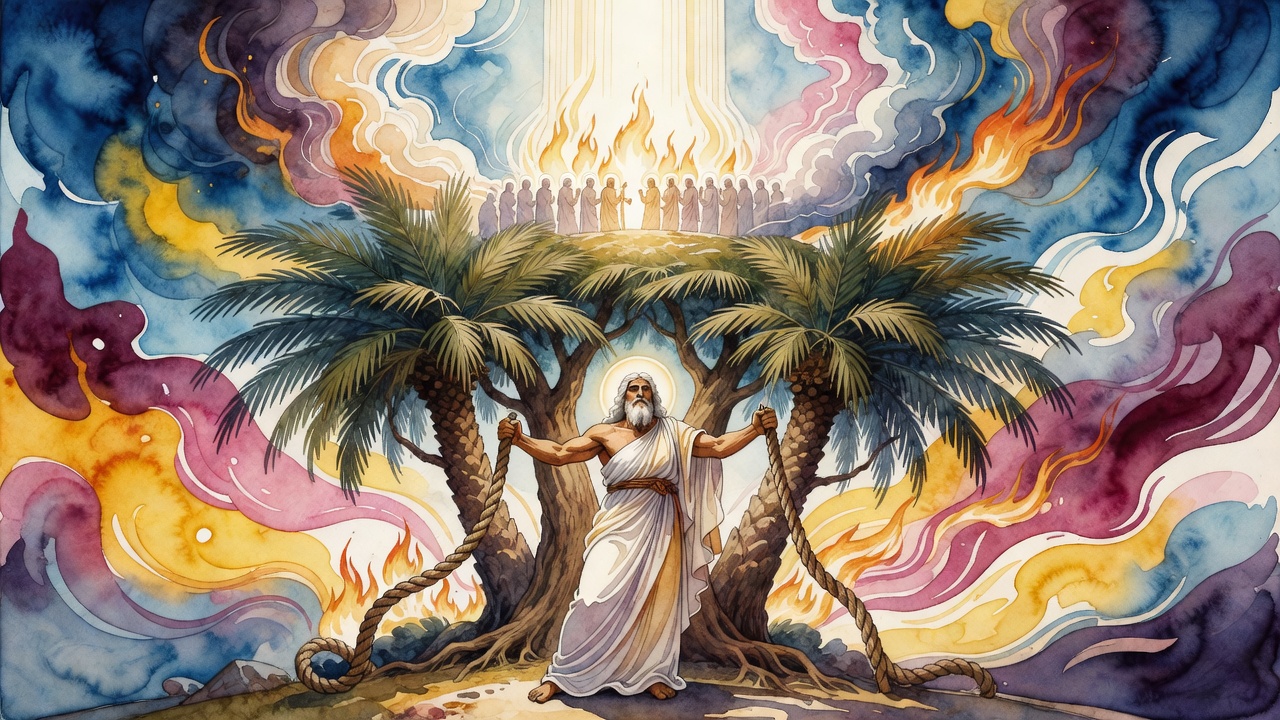
Deborah's generation was thin on ease and thick on need. One woman judging under a palm, one general who wanted her presence, tribes that had to choose whether to answer. When enough of them chose rightly, the people could rejoice, not because pain vanished, but because courage became shared.
Famine is not random, the midrash insists, and neither is abundance. War victory is not a toy of chance when the righteous hold the line together. Jacob's household, scattered and then gathered, becomes a pattern: a family that stays in covenant multiplies into a people that can still field fighters when the palm-judge calls.
Song After Speed
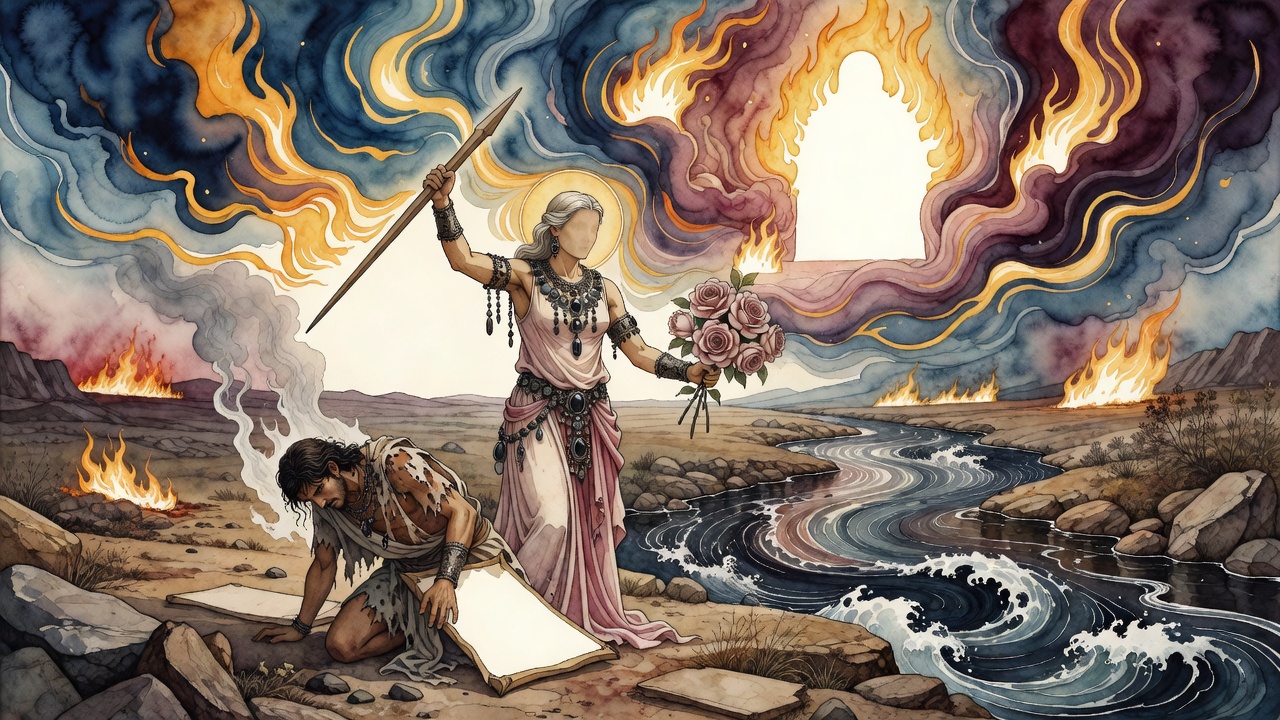
After the Kishon fight, song rose. Pleasant words repaid the charge. The school of Rabbi Natan heard Deborah's triumph hymn inside Jacob's blessing. The doe that ran now spoke.
That order matters. Speech without the run is decoration. The run without speech leaves the next generation without a map. Naphtali's gift was both: speed when sent, words when the field went quiet.
Women and men who had held their breath through chariot noise could finally hear lyrics. The land of irrigated fields had sent its bodies; the song sent memory back into those fields so children would know why the old blessing mentioned a doe.
Water, Feet, and a People
Stand at the idea of Kineret. Water makes land rich. Rich land makes bodies strong. Strong bodies, sent well, can turn a battle. The blessing that sounded like nature was always also strategy.
When righteous numbers rise, good multiplies with them. When a tribe answers a call, the people taste a smaller version of that truth: one more willing body changes the air for everyone standing near.
Naphtali's coast still teaches the same lesson in quieter years. Fertility without courage is only fat. Courage without a place to return to is only exile. The doe runs out and, if the day allows, runs home carrying song.
Before the charge, someone in Naphtali must have looked back at the irrigated plots and wondered if gardens would still be gardens if the battle failed. Speed does not cancel that glance. It only refuses to let the glance become a veto. The doe runs with memory of water in its legs.
Deborah's palm was a small seat for a large demand. Judges do not always look like generals. Generals do not always want to move without a prophetess. Between palm and Kishon the tribe became the blessing spoken over a dying father's bed generations earlier.
Pleasant words after victory are not bragging alone. They are how a people stores courage for the next thin year. Song is a second irrigation. It waters memory so the fields of the heart do not crack between wars.
When the righteous are many, rejoicing is not a festival of denial. It is the relief of shared backbone. One doe is a miracle. A line of them is a people. Naphtali's run is the moment a blessing stopped being poetry and became dust on sandals.
← All myths