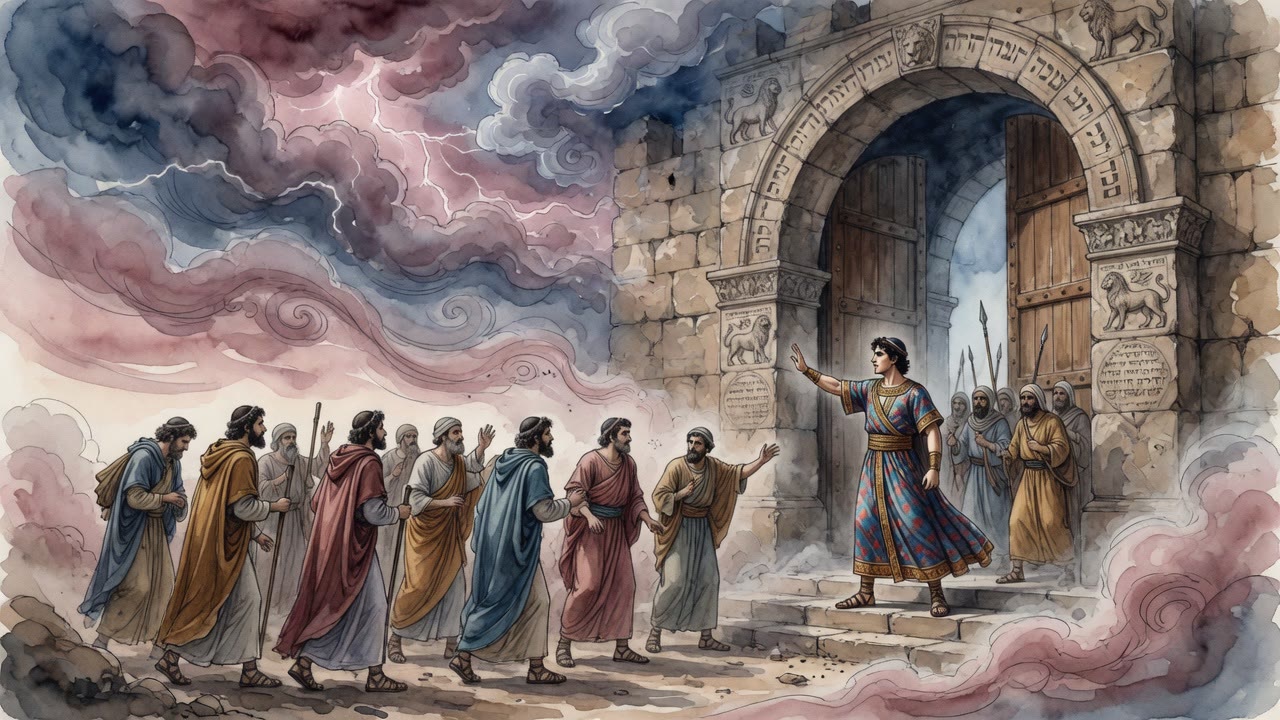
Dinah Went Out and the Proverb Found Her
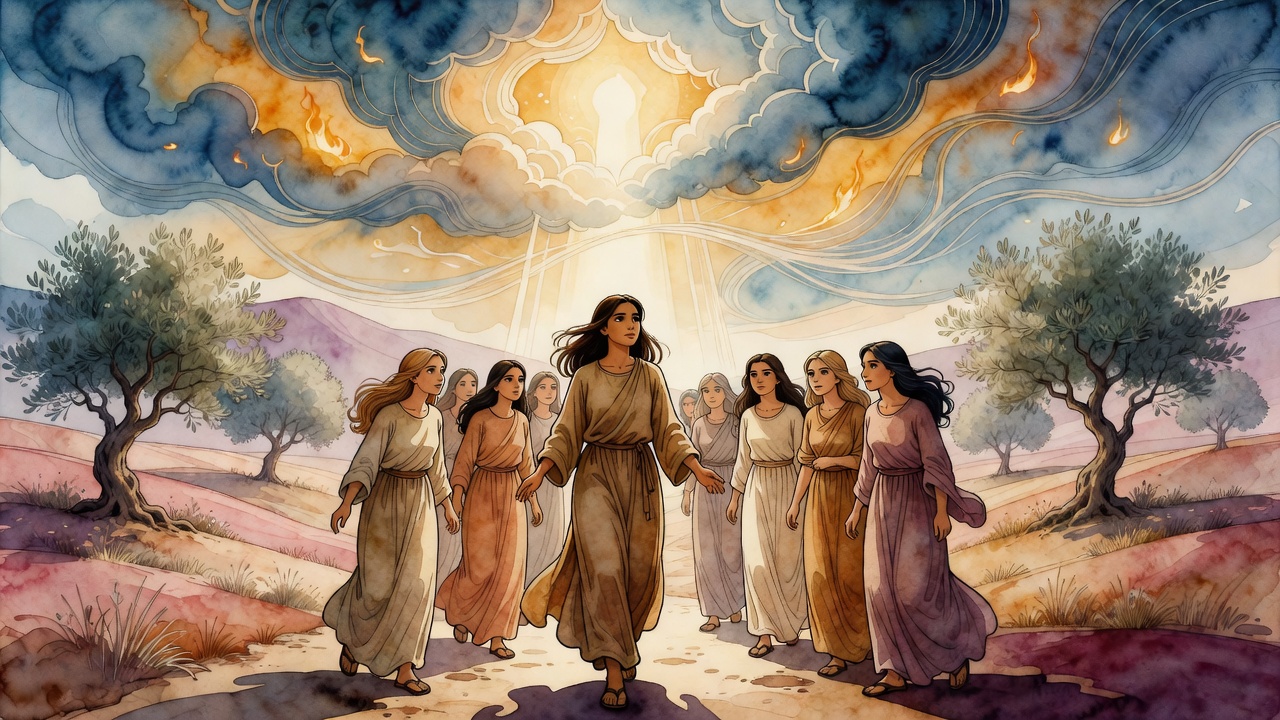
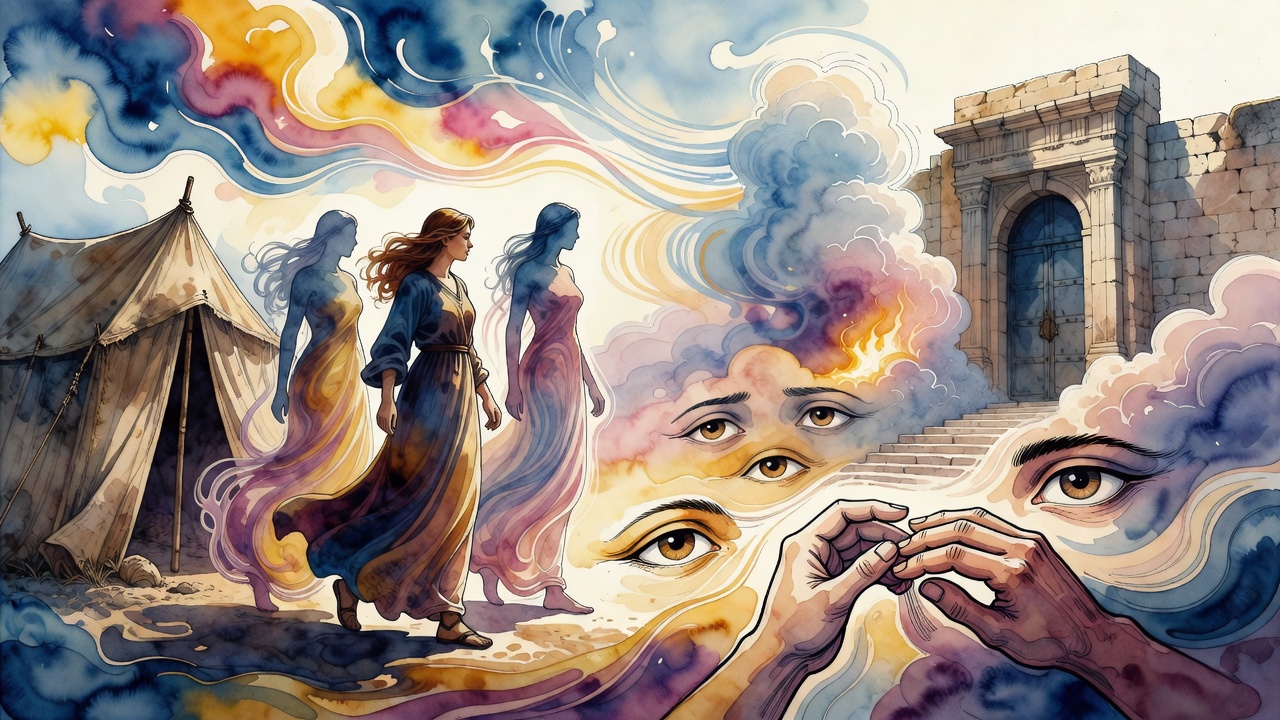
No one stopped her at the tent flap. The light outside was ordinary and the daughters of the land stood clustered near the city gate.
Table of Contents
 Click for full size
One Restless Verb
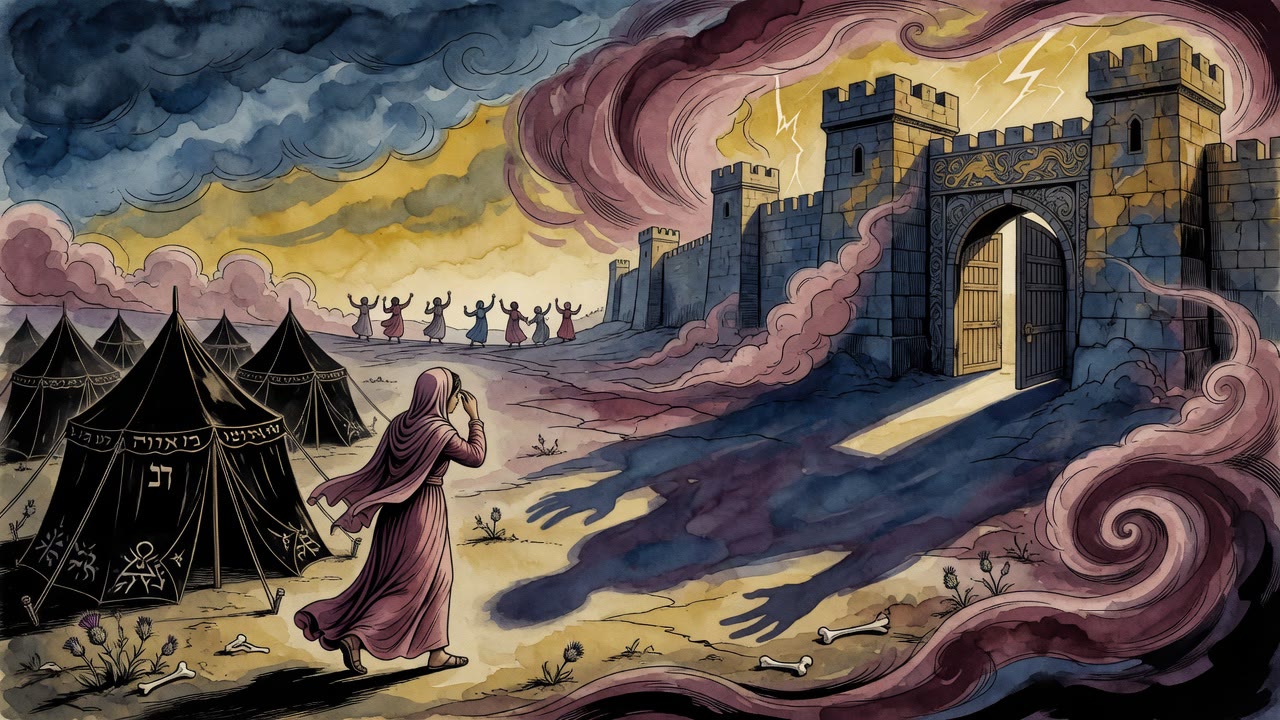
Dinah left the tent and the light outside was ordinary. The daughters of the land moved in clusters near the city gate. She stepped toward them as if kinship could be borrowed from strangers. The Torah opens the account with a restless verb and names the mother in the same breath: "And Dinah the daughter of Leah went out" (Genesis 34:1). Why Leah here? Because Scripture has already taught a hard saying through the prophet Ezekiel: "As the mother, so her daughter" (Ezekiel 16:44). Dinah stepped toward the daughters of the land. The proverb stepped with her.
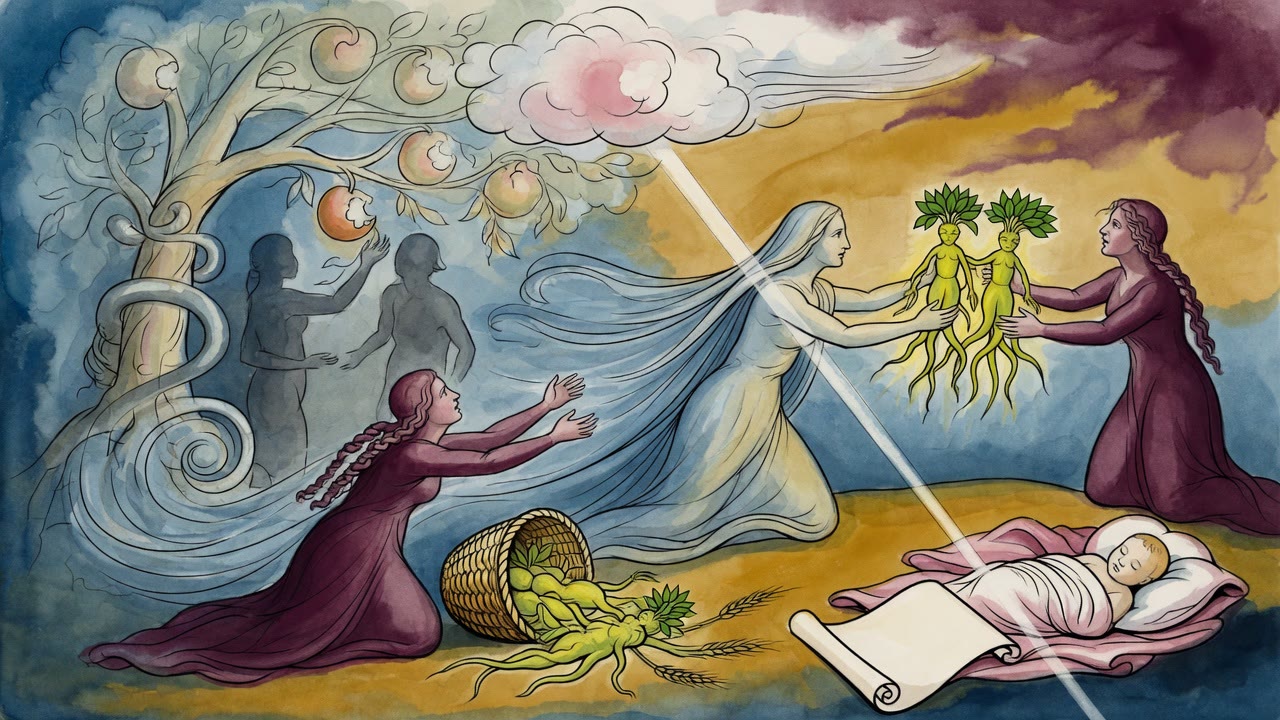
Leah had once gone out to meet Jacob in the field with the mandrakes' bargain in her mouth. The daughter inherited the going-out. The city of Shechem was waiting with eyes that did not ask permission. Jacob's household had fences of custom. The gate of Shechem had other laws.
No one stopped her at the tent flap. The ordinary light made the risk look ordinary too. That is how many disasters begin: with a step that feels smaller than its consequence.
What the Eyes of Job Refused
From that single word "went out," the sages draw a teaching about a woman's place and her ornaments. May a woman wear her finery into the public square on the Sabbath, the hair-net, the golden tiara, the chain called katla, the nose-rings, the sealless rings? The question is not only law. It is the memory of a girl who left the tent and did not return whole. Ornaments that announce the body can also endanger it when the street is not a brother's field.
Job made a covenant with his eyes. He would not look upon a virgin. The modesty of Job's eyes becomes the counterweight to Dinah's going out. One man binds his gaze. One daughter loosens her steps. The field between them is where the proverb does its work, and where Shechem's prince refused any covenant of looking at all.
As the Mother, So Her Daughter
The proverb is not soft. It does not flatter. It says the pattern holds across generations when a house does not stop it. Leah's going out to claim Jacob with the mandrakes is not Shechem's violence, and the sages do not collapse them into one sin. They do say the Torah refuses to hide the mother's name when the daughter goes out. Like mother, like daughter, the street will say, and the verse has already placed Leah in the doorway of the story so the street will not invent the connection alone.
Jacob's sons heard what was done to their sister and the city paid in blood. The proverb does not excuse Shechem. It warns the household that footsteps have parents. Simeon and Levi answered with swords. The pain in the tent answered with silence and with fury. Dinah's name stayed bound to a verb that still makes mothers listen for the sound of a gate.
Why Eve Was Made
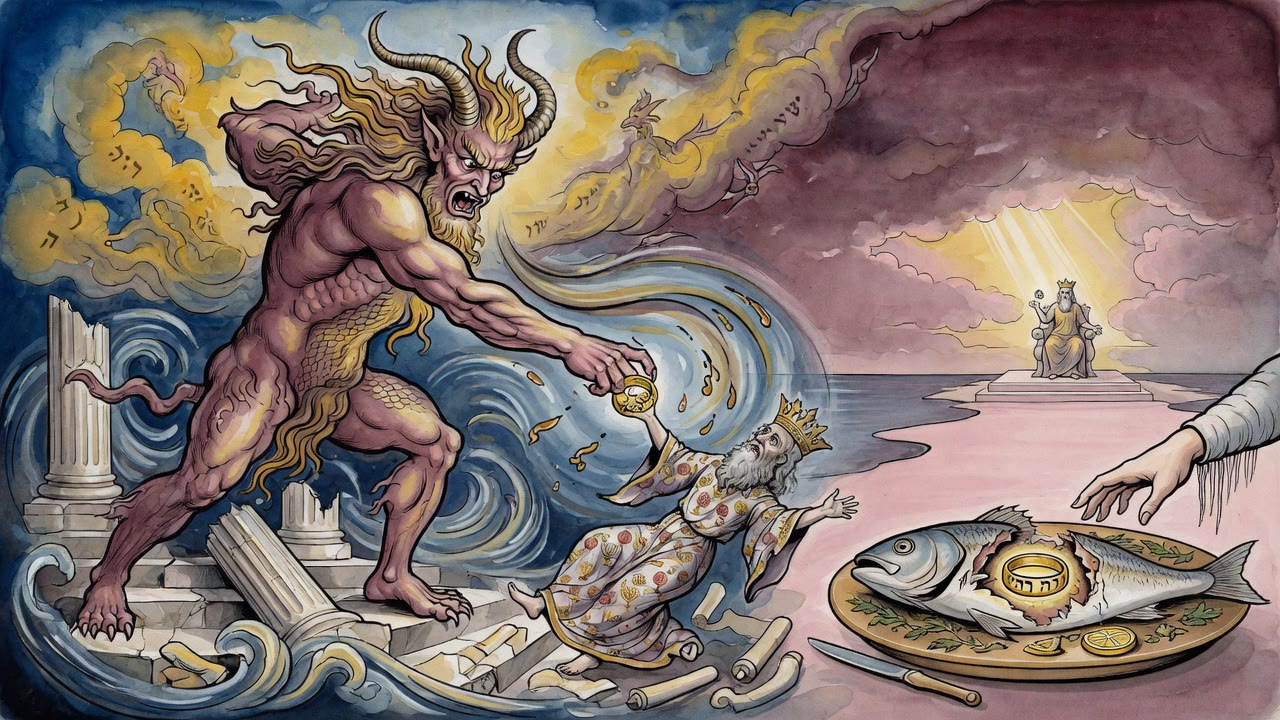
Why does the verse open on Dinah's going out? The Maggid hears an older counsel from Proverbs: "You have spurned all my counsel." Whose counsel? When the Holy One set out to fashion Chavah, He weighed every limb of Adam and foresaw the daughters who would prove His foresight. He made woman not as an afterthought but as a partner whose steps would matter in every generation. Dinah's going out does not cancel that foresight. It shows why Heaven cared how a body moves in a city that does not fear God.
The daughters who proved His foresight include the ones who guard the tent and the ones who leave it. The making of Eve stands behind every later daughter named in a crisis. Dinah is not Eve. She is a granddaughter of the same design, walking into a gate that should have been safer. Foresight is not a guarantee of safety. It is the reason the story treats her steps as weighty enough for a proverb and a war.
After the Gate
Shechem saw her. He took her. The sons of Jacob answered with blades and a city emptied of men. Dinah's going out remains a verb that never finishes its work in the house of Israel. Mothers hear it. Daughters hear it. The proverb of Ezekiel still fits in the mouth of anyone who watches a family pattern step into a street. Job's eyes stay as a counter-covenant. Eve's making stays as the older counsel that human steps were never meant to be casual.
The tent that lost her for a time gained a story that would travel farther than Shechem's walls. Every later reading still stops at the doorway and asks who is going out, and why, and who is watching the road.
← All myths