A Man Who Never Learned Torah Shouted Holy and Got a City
He had never been taught to read a line of it, so he waited in the synagogue for the one sentence he was allowed to say, and then he roared it.
Table of Contents
 Click for full size
The Man Who Could Not Read a Word
There was a man in Babylonia who had come to the end of his life regretting the same thing every day, which was that nobody had ever taught him anything. Not Scripture, not the oral teaching, not a line of either, so that when he stood in the synagogue he stood in it the way a man stands in a language he does not speak, listening for the few places he could recognize and keeping quiet through everything else.
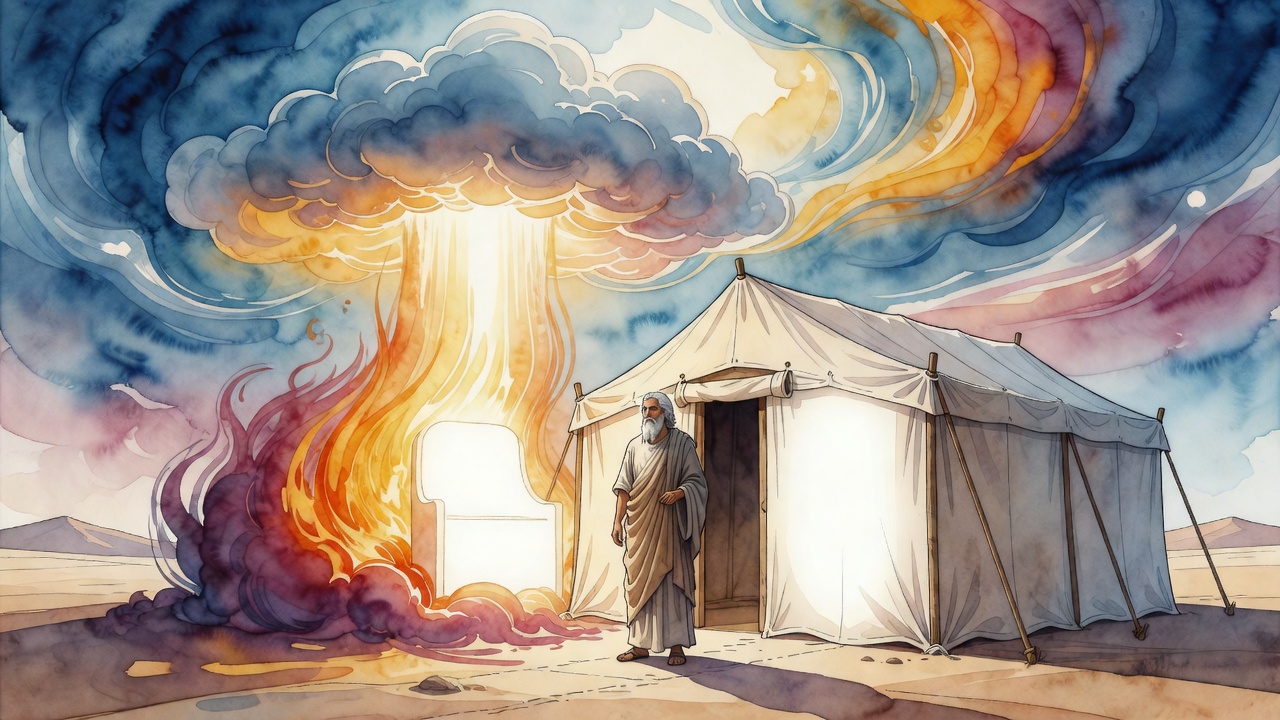
Because he could not follow the readings, he had spent years in that room contributing nothing to it. But the sanctification of the Name belongs to the whole congregation and not to the learned, and when the prayer leader came to it that morning the man opened his throat and put his entire body behind the words.
"Holy, holy, holy is the Lord of hosts."
It came out louder than every other voice in the building, and it kept going after the rest had stopped.
What He Said When They Asked Him
They came over to him afterward, because a shout like that in a small room is not something a congregation lets pass. What did you see, they asked him, that made you raise your voice like that?
"I was never given Scripture and I was never given Mishnah," he said, "and this is the one thing I am permitted to say. So am I not going to raise my voice for it, and let my soul be quiet afterward?"
He had worked out the arithmetic of his own life and found exactly one line in it that was his, and since it was the only one he had, he was not going to say it at the volume of a man with other options.
The Other Man, Who Had Every Word and Used None of Them
In another synagogue there was a father whose small son stood across the room from him during the festival. The prayer leader began, and the congregation answered him with Halleluyah, and out of the noise came one voice saying something else, because the boy had found the rhythm of the responses and was filling it with jokes.
People turned around, and then they went to the father.
"Look at your son. Listen to what he is answering."
"What would you have me do? He is a child. Let him play."
The next day the leader went up again and the congregation answered Halleluyah, and the boy put the same nonsense in the same place, so they went to the father again and got the same reply word for word. That went on through all eight days of the festival, with the boy across the room and the father close enough to hear every syllable of it, and the father never once crossed the floor to him, because correcting a child in front of a congregation would have cost him something in front of the congregation.
Three Years Later, in Both Houses
Not one year passed, and not two, and not three.
The father died, and then his wife died, and then the son who had been playing, and then that son's own son, until fifteen people out of one household were in the ground. When it finally stopped there were two of them left breathing. One was crippled and blind. The other was a fool who did harm.
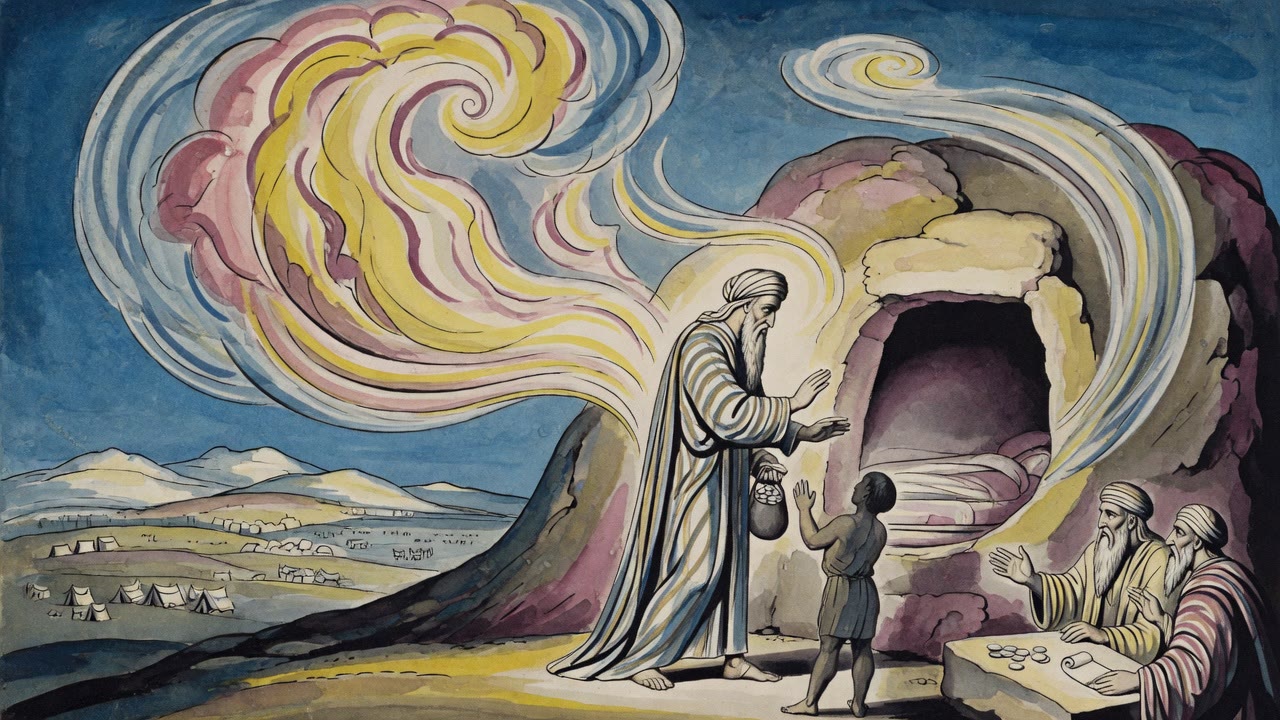
In the same span of years the man from Babylonia went up to the land of Israel, where they made him commander of the emperor's army and put every fortress in the country under his hand. Then they gave him ground, so he built a city on it and lived there, and because he owed no tax on any of it the name that stuck to him was Kilonai, the man who pays nothing. His children were called that after him, and their children after them, for as long as the family lasted.
The Charge Elazar Was Given
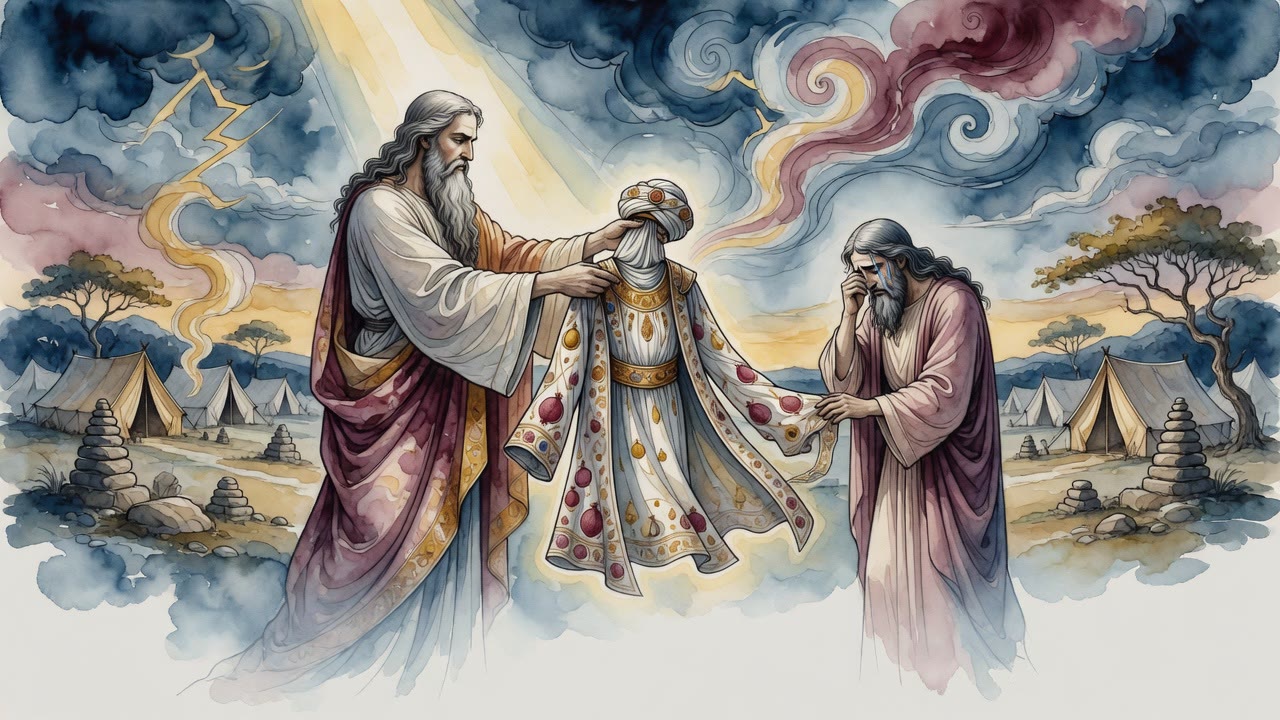
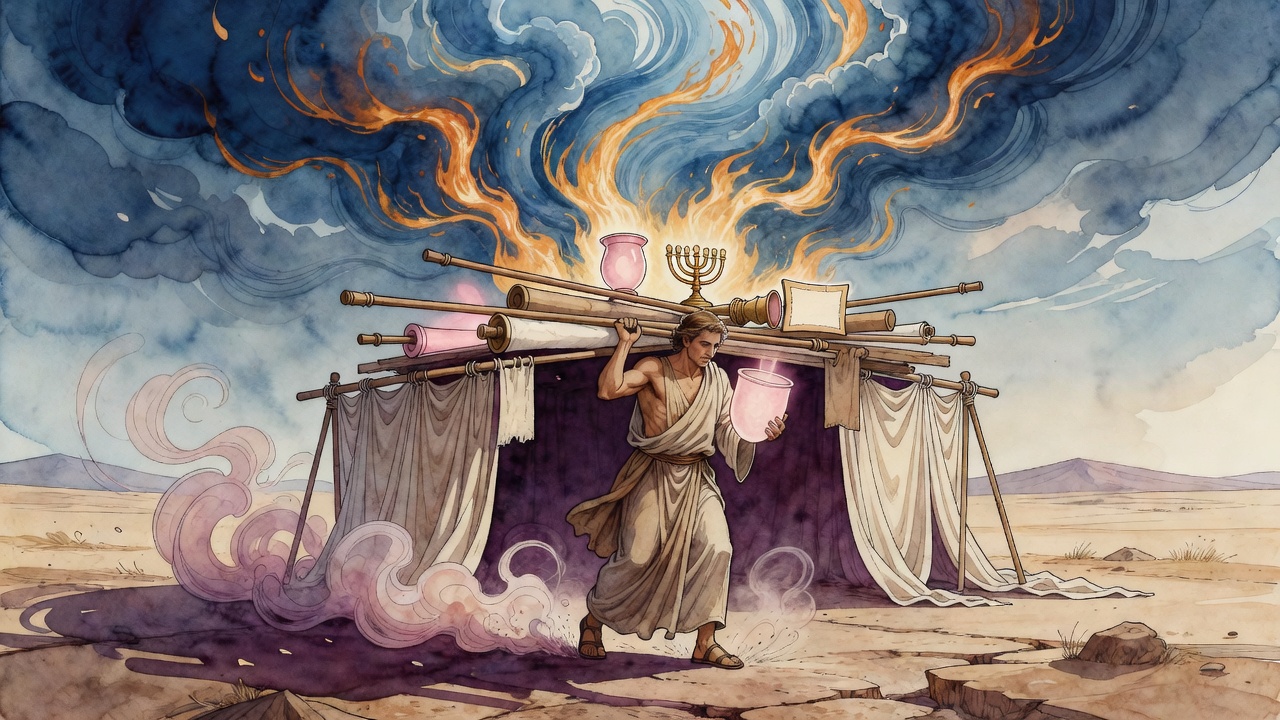
The sages set both of those men beside a priest, because the verse they were reading is an inventory. Elazar son of Aaron was handed the oil for the lamp, the incense of the spices, the daily meal offering, the anointing oil, the whole Tabernacle and everything inside it. He had made none of it and he owned none of it, so the entire weight of his position came from the fact that the weight belonged to somebody else.
Alongside the inventory they set a line from Proverbs about not glorifying yourself in front of a king and not standing in the place of the great. If a man has to make himself small before a king of flesh and blood who will be dead within fifty years, then in front of the One who is everywhere the arithmetic only gets steeper. Elijah gave it as a rule with nothing left over: increase the honor of Heaven and reduce your own, and your own comes back to you multiplied, but reduce the honor of Heaven in order to raise your own, and Heaven will be standing exactly where it stood, and the only thing in the room that has shrunk is you.
One man had the whole of it and spent eight days protecting his own dignity while his son made a joke of the responses, and there was nobody left in his house to say Halleluyah at the end of it. The other could not read a syllable, so he shouted the one syllable he had, and they wrote his name on a city.
← All myths