Eliezer Vowed Rashly and Rebecca Answered the Well
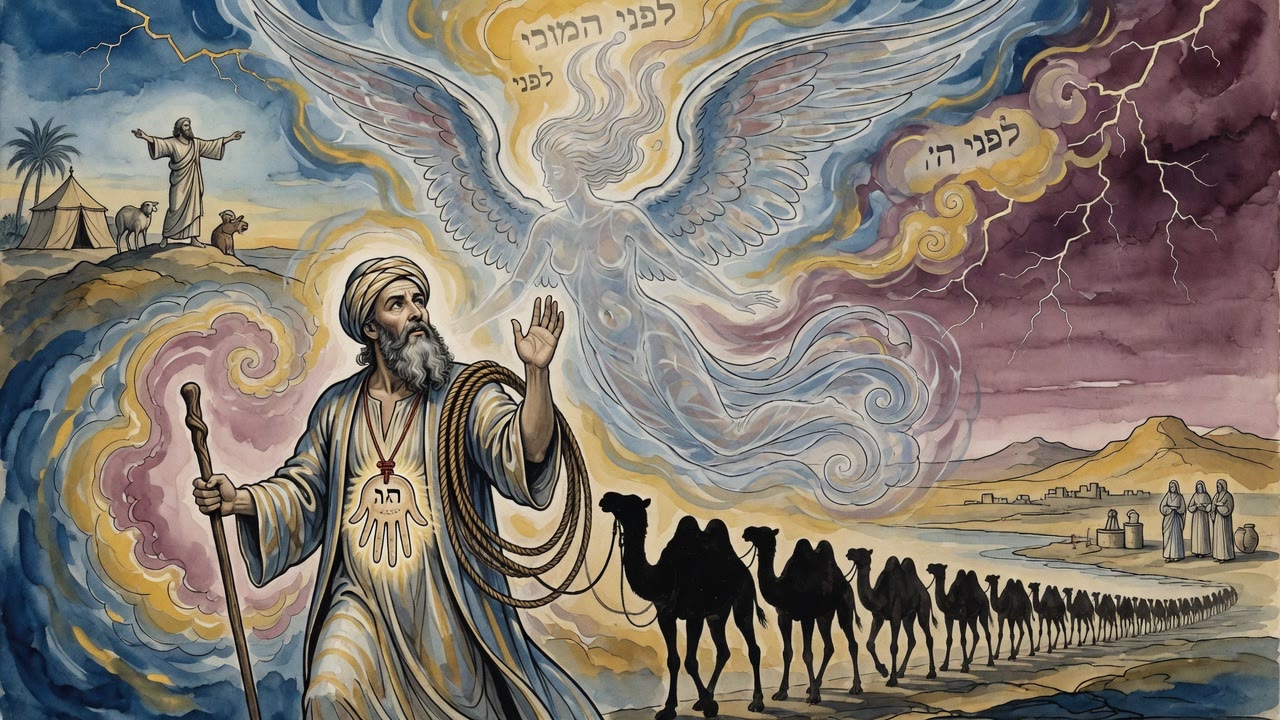
At the well Eliezer set a sign that could have crowned the wrong woman, yet Rebecca drew for man and camel while Laban confessed the match came from the LORD.
Table of Contents
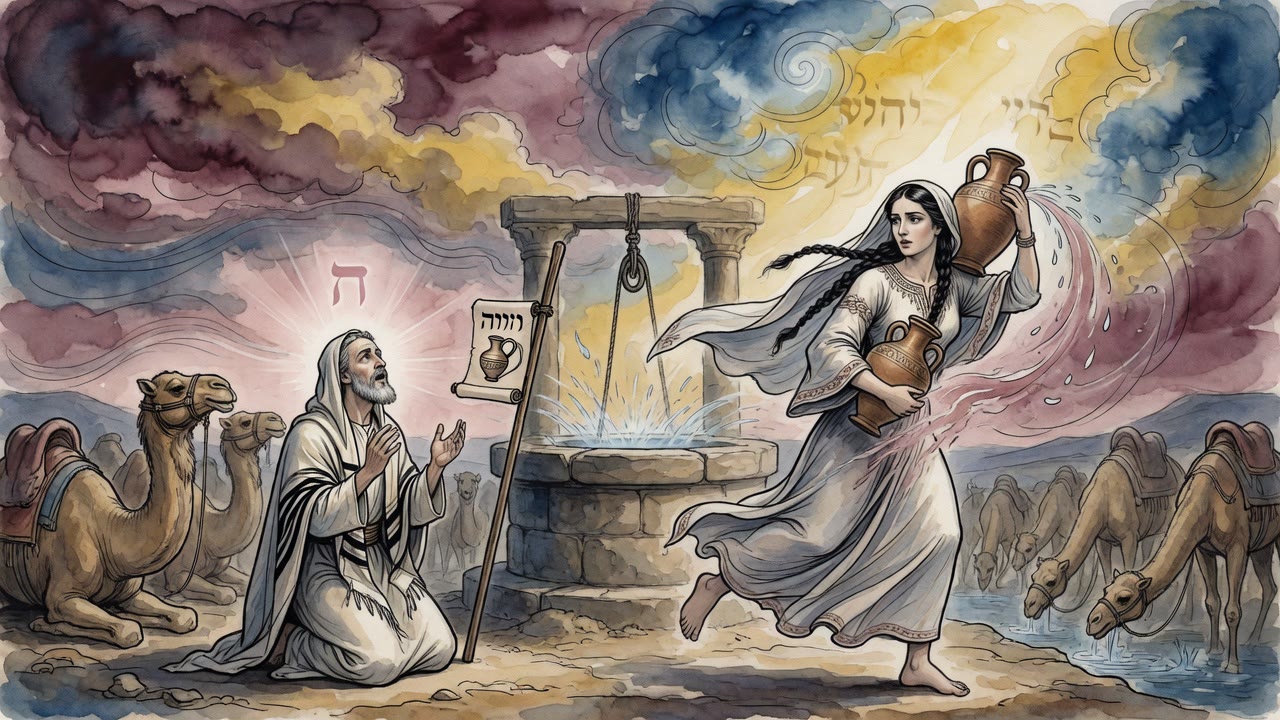
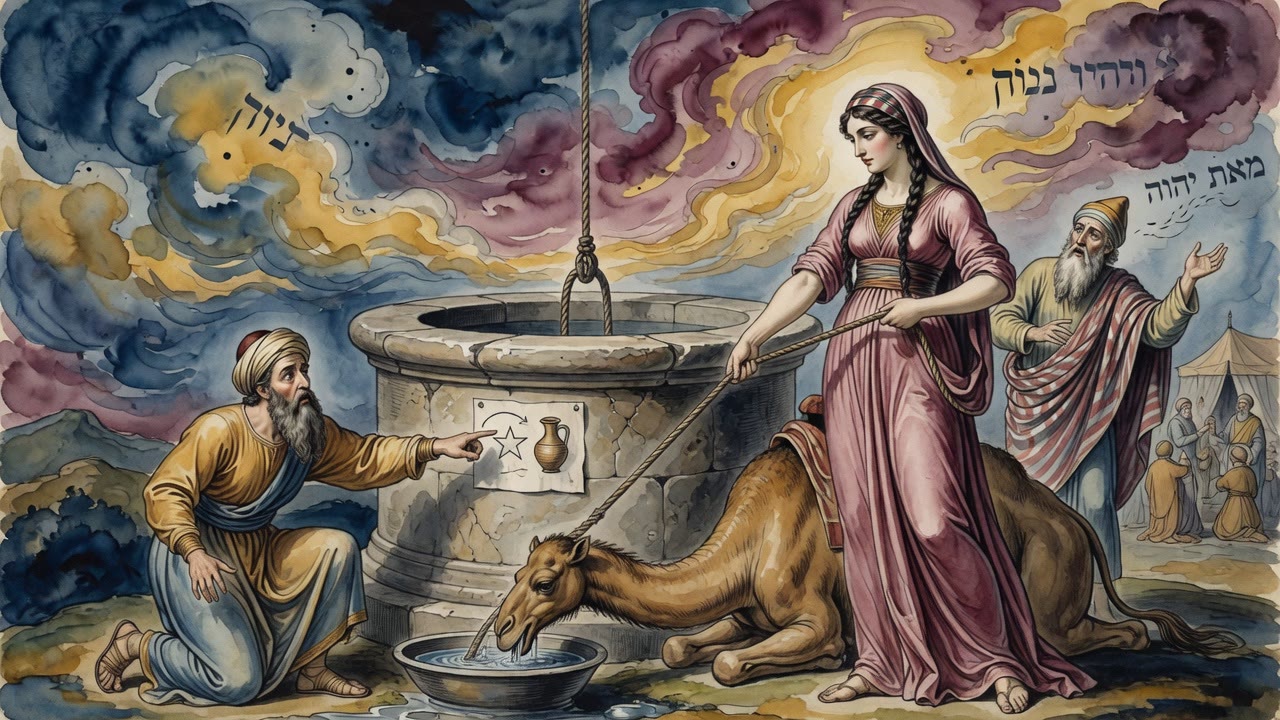
The well grew quiet enough for a man to hear his own fear. Eliezer, servant of Abraham, held prayer and breath together and set a sign. Let the right maiden offer water to him and to his camels. The words were rash. The sages mark them. The girl who answered might have been forbidden to Abraham's house, a woman the covenant could not carry. He asked without enough fences around his tongue.
 Click for full size
Then the jar rose on a shoulder that belonged to a daughter of kings. Rebecca came out, and the sign filled itself word for word. Mercy watched over a faithful errand and refused to let folly choose the bride.
Four Who Opened Their Mouths
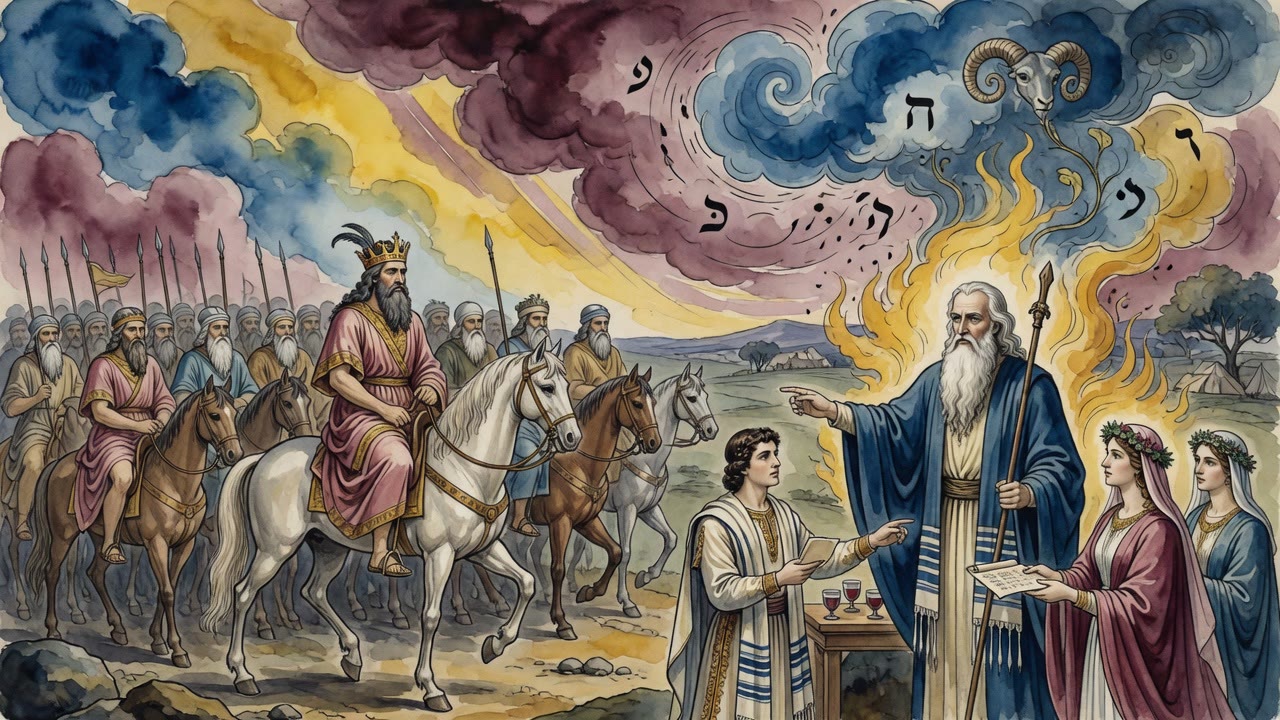
So it was with four who asked carelessly. Saul swore his daughter to whoever struck the Philistine, never minding that a gentile or slave might claim her, and Heaven sent him David. Caleb pledged his daughter to whoever took Kiriath-sepher, and the conqueror proved to be worthy Othniel. Three asked amiss and were answered well.
The fourth was Jephthah, who vowed to offer whatever came forth from his doors, as though a pig or donkey might climb an altar. Out came his daughter, who could never be a sacrifice. Three were spared their folly. He was not. Let a man learn how to vow before he opens his mouth over living bodies.
From the LORD the Matter Came Forth
When Eliezer finished telling his tale, Laban and Bethuel could only answer, "From the LORD the matter has come forth; we cannot speak to you bad or good." What made them so certain? Two wonders had already declared it. The land itself had leapt beneath the servant's feet, the long road folded short so he arrived in a single day. The sign he asked at the well came to pass exactly. When a road bends to a purpose and a spoken condition is fulfilled before the eyes, argument thins.
From that confession the sages drew a cord across Torah, Prophets, and Writings. A man's wife is appointed by the LORD. "From the LORD the matter has come forth." Elsewhere a hidden match: father and mother did not know it was from the LORD. In Writings: a prudent wife is from the LORD. Rebekah to Isaac was sealed in Heaven before it was spoken on earth.
White at Another Well
Years later, at a well in the east, Jacob would ask shepherds if they knew Laban son of Nahor, and the midrash heard more than a traveler's question. Laban, the white one, opened a doorway into mercy. Do you know whether the Holy One has whitened your iniquities? "Though your sins be as scarlet, they shall be white as snow," the prophet said. The letters of whitening sit inside the name. The shepherds answered, "We know," not only the man, but the pardon.
Even at a stranger's trough, the wandering son of Isaac drew up a truth deeper than water. Repentance reaches the Holy One. Scarlet becomes snow. The house that once confessed a match from Heaven still carries a name the tradition can hear as forgiveness.
What the Camels Witnessed
Rebecca did not only water a tired man. She watered the future of a people while a servant's rash sign hung in the air like a blade that never fell. Eliezer learned what Jephthah would not: Heaven may rescue a vow, but a vow is still a fire to handle with wet hands.
The well kept both stories in its dark. A girl who ran for strangers' camels. A man who spoke too fast and was saved by the answer. Above them the decree had already gone out, and below them the water kept rising for whoever would lower the jar.
House servants later retold how a sign too loose still found a sealed match, and mothers used the tale to warn sons about vows made over other people lives. Eliezer remained a model of errand faith repaired by mercy. Jephthah remained the warning that not every open mouth is caught before it falls.
Camels drank until the water story became undeniable. Rebecca's arms knew the weight of stranger need before she knew she was answering a decree. Eliezer watched the sign complete itself and felt the fear of his rash words turn into awe. He had almost written a tragedy. Heaven had edited it into a betrothal.
Jephthah's door would not receive the same edit. That contrast is why the sages chain the four vows together. Mercy is not a promise that every open mouth will be rescued. It is a reminder that speech about living futures is holy risk. At Laban's table the confession sealed what the well had shown. At another well, years on, whitening of sin would echo in a name, as if the house itself remembered how scarlet becomes snow.
Isaac waited in a field far from the well, and the road that had folded for Eliezer would unfold again as a bride approaching. Rash speech had nearly ruined the errand. Exact mercy had repaired it. The camels, indifferent witnesses, carried both the fear and the repair toward a marriage Heaven had already signed.
← All myths