Elijah Laid a Hand on the Holy Rabbi's Tooth
Thirteen years a toothache ruled Judah HaNasi in Sepphoris. Beasts lived. Wombs held. Then a man with Rabbi Hiyya's face touched his jaw.
Table of Contents
 Click for full size
Thirteen Years in One Tooth
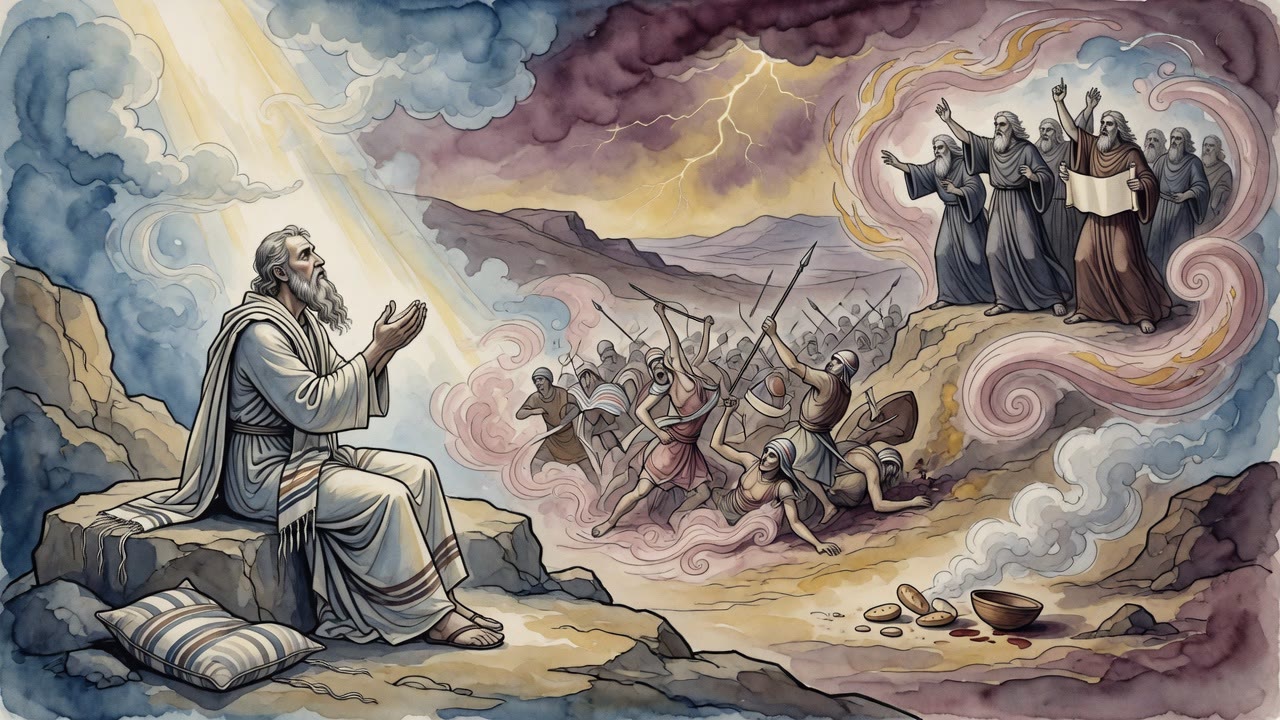
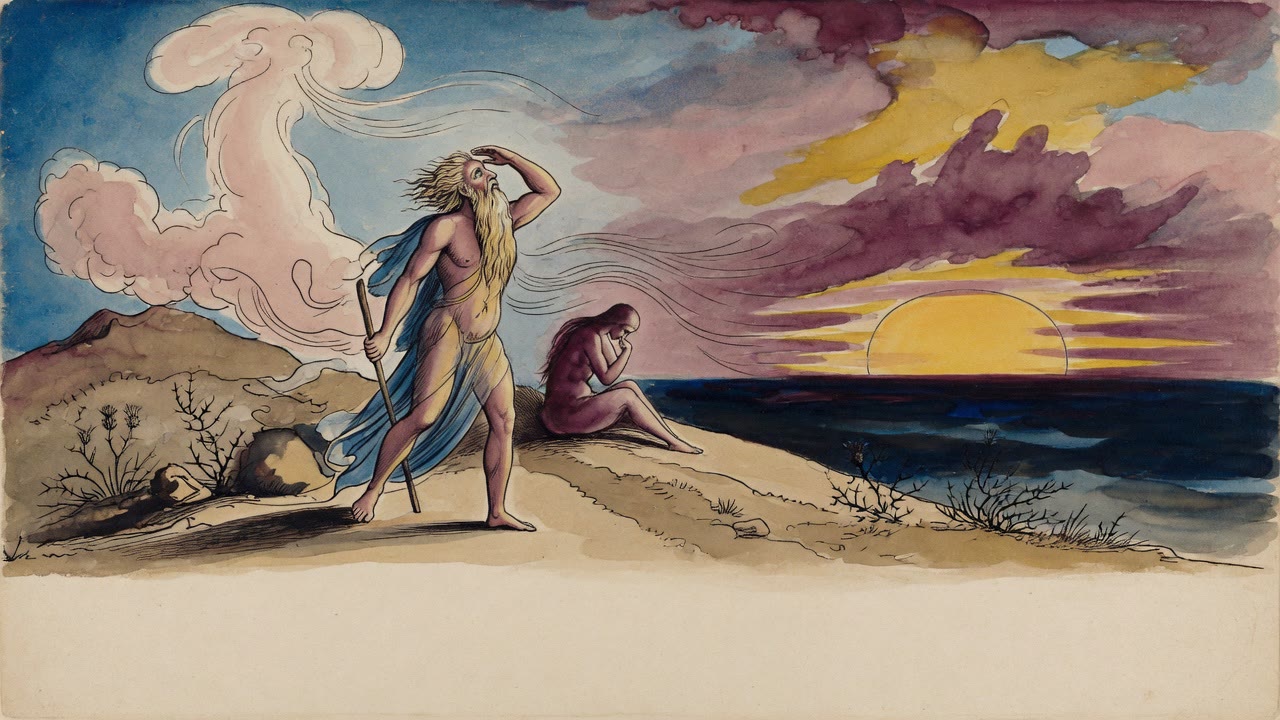
For seventeen years Rabbenu HaKadosh, Our Holy Rabbi, dwelt in Sepphoris. For thirteen of those years a toothache gnawed Rabbi Judah HaNasi without rest. Night did not cool it. Study did not drown it. The pain sat in his jaw like a second pulse and would not leave.
Students could close a book and find a pillow. He closed a book and found the tooth again, waiting like a creditor. Still he taught. Still he ordered traditions that would outlive every ache in Judea. Blessed is the man whom You chastise, O Lord, and whom You teach from Your Torah (Psalms 94:12). The verse sat on the table beside him. He kept the page in his hand while the nerve fired.
Some afflictions crush Torah out of a person. His did not. He went on learning with a jaw that ruled his nights. The land around him did not know what it was borrowing from that mouth.
No Beast Died While He Hurt
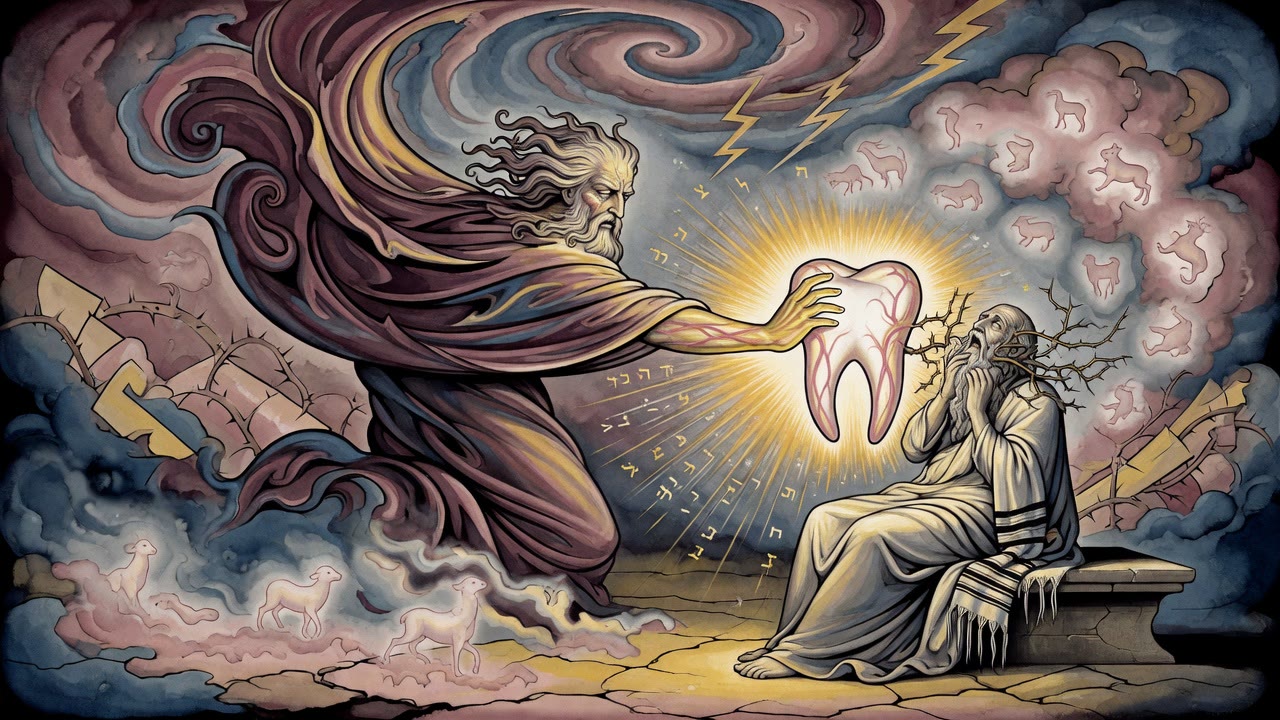
Throughout all thirteen years, no wild beast perished in the land of Israel, and no woman lost the child of her womb. While his tooth burned, the land held its young and its wild things. Beasts lived. Wombs held. The righteous man's suffering had become a shield stretched over the whole country, and the country never sent a letter of thanks.
Sepphoris slept in patches while the Nasi did not. He taught through it. He arranged Mishnah through it. From inside his mouth the public mercy did not feel like honor. It felt like unpaid labor performed by a nerve.
Rabbi Bisna used to say that no soul passes through this world untouched by suffering. A man whose tooth throbs cannot sleep. Another man is awake the whole night too, bent over Torah. Both are robbed of rest. Their nights are not the same. Judah HaNasi's nights were both. The page stayed. The tooth stayed. Thirteen years is a long exam.
Anger Opened the Door
At the close of those years Our Holy Rabbi grew angry with Rabbi Hiyya the Great. The quarrel was human and sharp. A teacher and a student, a door shut harder than it needed to be. That anger became a doorway anyway.
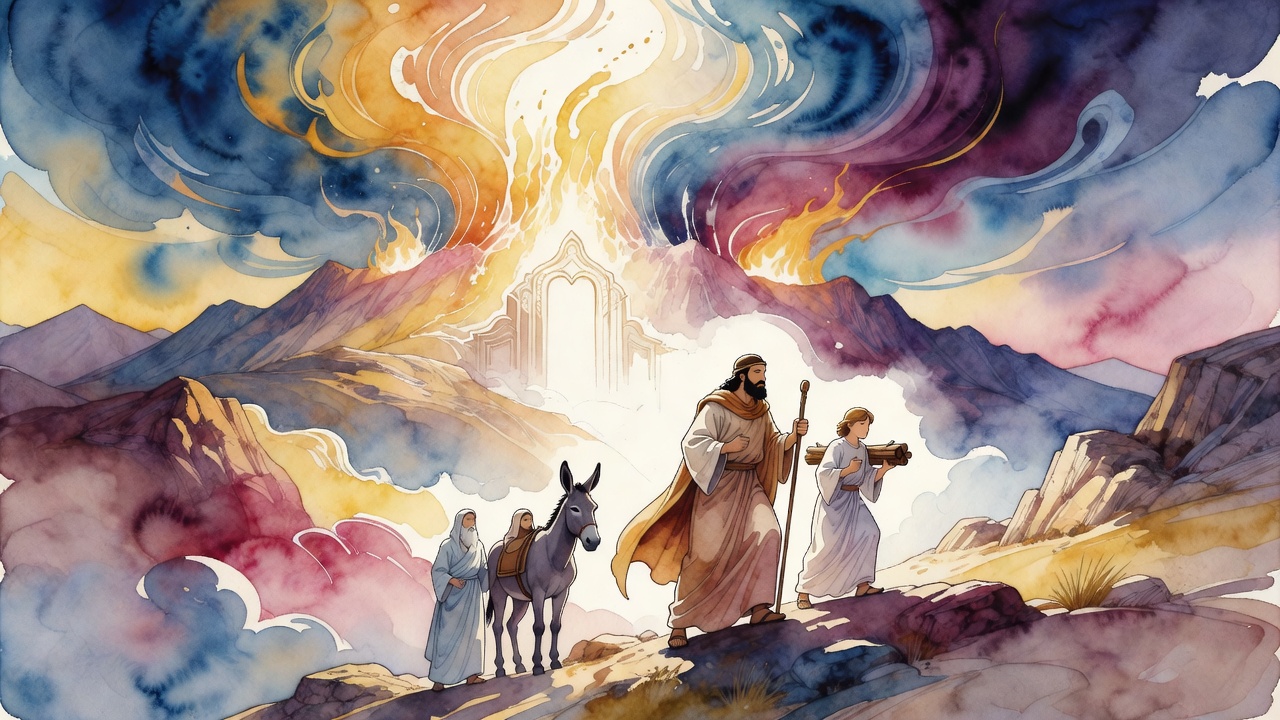
Then Elijah, remembered for good, slipped into the house wearing the very likeness of Rabbi Hiyya. He laid his hand upon the aching tooth. In an instant the pain was gone. The jaw unclenched. Years of fire went out under one quiet palm.
Judah HaNasi breathed. He could close his mouth without bracing. He could think about the next ruling without tasting metal. He thanked the man he thought was Hiyya. The guest left. The house in Sepphoris went quiet in a way it had not been quiet in thirteen years.
The Hand Was Not Hiyya's
The next morning the true Rabbi Hiyya arrived. "Rabbi, how fares that tooth of yours?" he asked.
"From the moment you laid your hand on it yesterday," said Our Rabbi, "it was healed."
Rabbi Hiyya cried out at once. "Woe to the beasts of the land of Israel, woe to the women with child, for your shield is lifted!" Then, quieter: "But I never touched your tooth."
Our Rabbi understood. It had been Elijah himself. The prophet who refuses ordinary death had walked into a house in Sepphoris looking like a student and closed a wound Heaven had kept open on purpose. From that hour Rabbi Hiyya treated his teacher with a new honor, the honor due a man whose pain had been public infrastructure for a whole land.
The Shield Came Off
When the tooth healed, the land lost a silent defense it had never asked for and never thanked. Beasts would die again. Wombs would fail again. The private body of one sage had been carrying a public mercy without a trumpet. The hand that healed also announced that the lease was over, whether the tenants were ready or not.
Rabbi Judah HaNasi went on teaching with a jaw that no longer ruled him. The Mishnah would still be ordered under his hand. The toothache would live only as a memory of how Heaven sometimes rents a righteous body as shelter for everyone else, then sends Elijah to end the term without asking the country if it is ready.
He did not ask for the pain back. Hiyya did not pretend the woe was theater. A shield removed is a real change in weather. Sepphoris kept its study halls. The nerve was gone. The beasts and the unborn went back to ordinary danger, and the Nasi went back to ordinary sleep, which is also a kind of mercy, and also a kind of loss.
← All myths