6 min read

Elijah Stopped Lilith on the Night Road with an Oath by the Name

Lilith crossed a night road hunting a birthing mother, but Elijah stood in her path and bound her hunger with an oath by the Name.

Curated by Arthur · Told by Maggid ·
Table of Contents
  1. The First Wife Who Flew
  2. The Scent of Mother's Milk
  3. Unclean One, Where Are You Going
  4. An Oath by the Name of the Holy One
  5. The Lamp Still Burning

Elijah was on the road when she crossed it. The hour was late, the kind of dark in which dogs go quiet and lamps gutter low, and the thing that moved through it did not walk like a woman, though it wore a woman's shape. It moved with appetite. It moved like something that had already chosen a door.
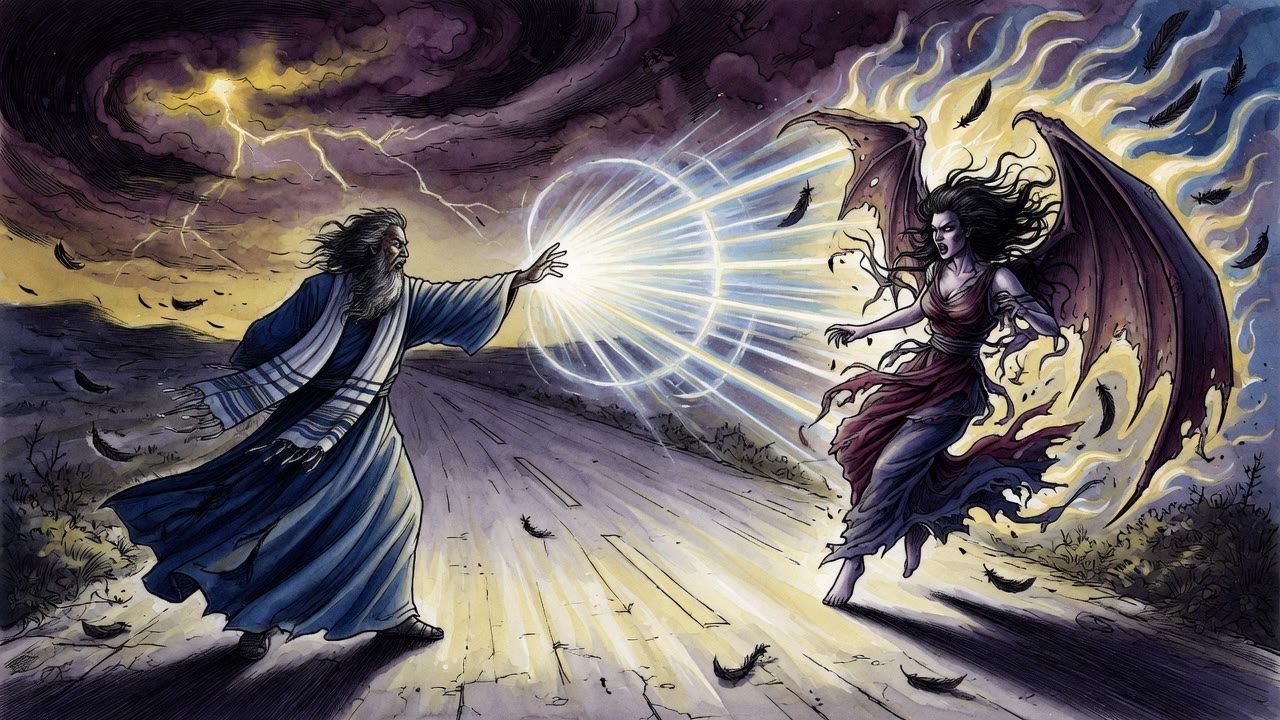
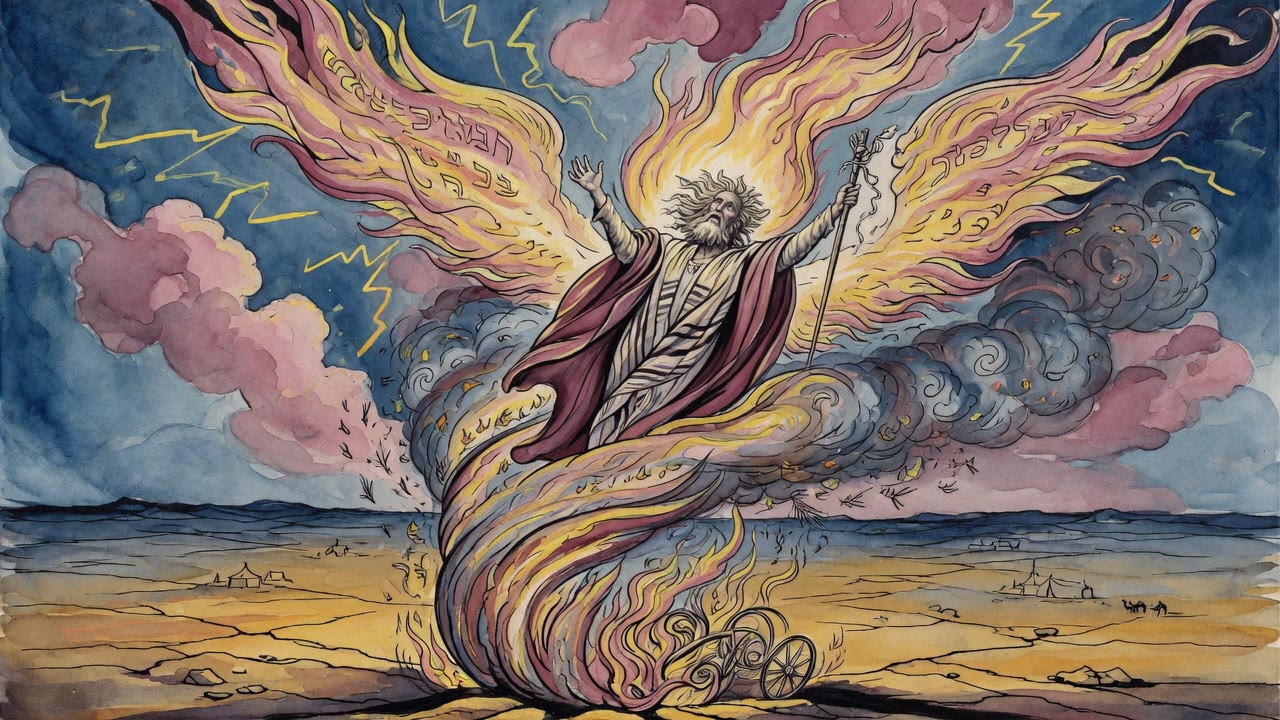
He knew her. The prophet who had stood on Carmel and watched fire fall from heaven onto a drenched altar (1 Kings 18:38) did not need to squint into the dark to know what hunted in it. He stepped into her path, and she stopped, because she had to. Whatever else she was, she could not pass him, and she could not lie to him. That much was fixed, as fixed as her hunger.

The First Wife Who Flew

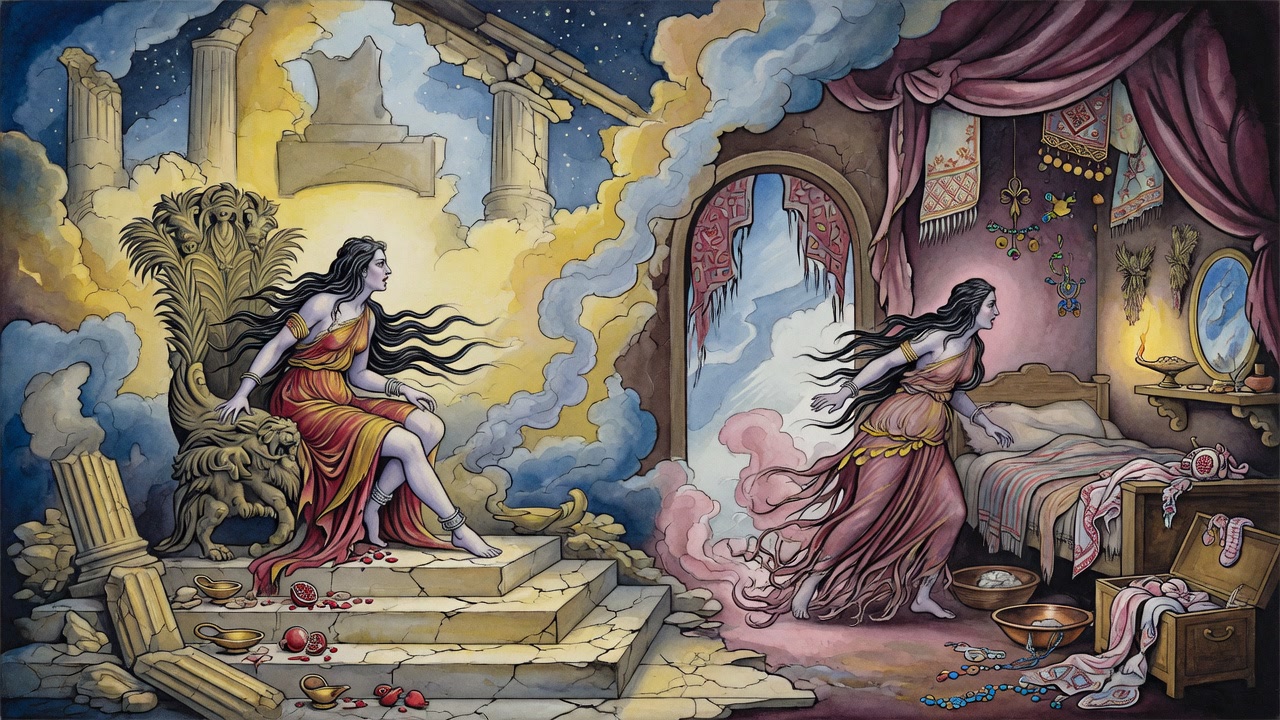
She had been made at the beginning, and not from a rib. When God looked at the first man standing alone and said it was not good for the man to be alone (Genesis 2:18), He formed a woman from the same dust He had used for Adam, shaped the same way, drawn from the same earth. Her name was Lilith.

The trouble began at once. When they lay together, Adam claimed the upper place, and Lilith refused the lower one. "I will not lie beneath you," she said. He insisted that he belonged on top. Her answer was simple and total. "We are equal. We were both created from the earth." Neither yielded. And when she saw that Adam would never treat her as his equal, she did what no human being had ever done. She spoke the Shem HaMeforash, the Ineffable Name of God, the secret Name that is never uttered, and it carried her up off the ground and into the sky.

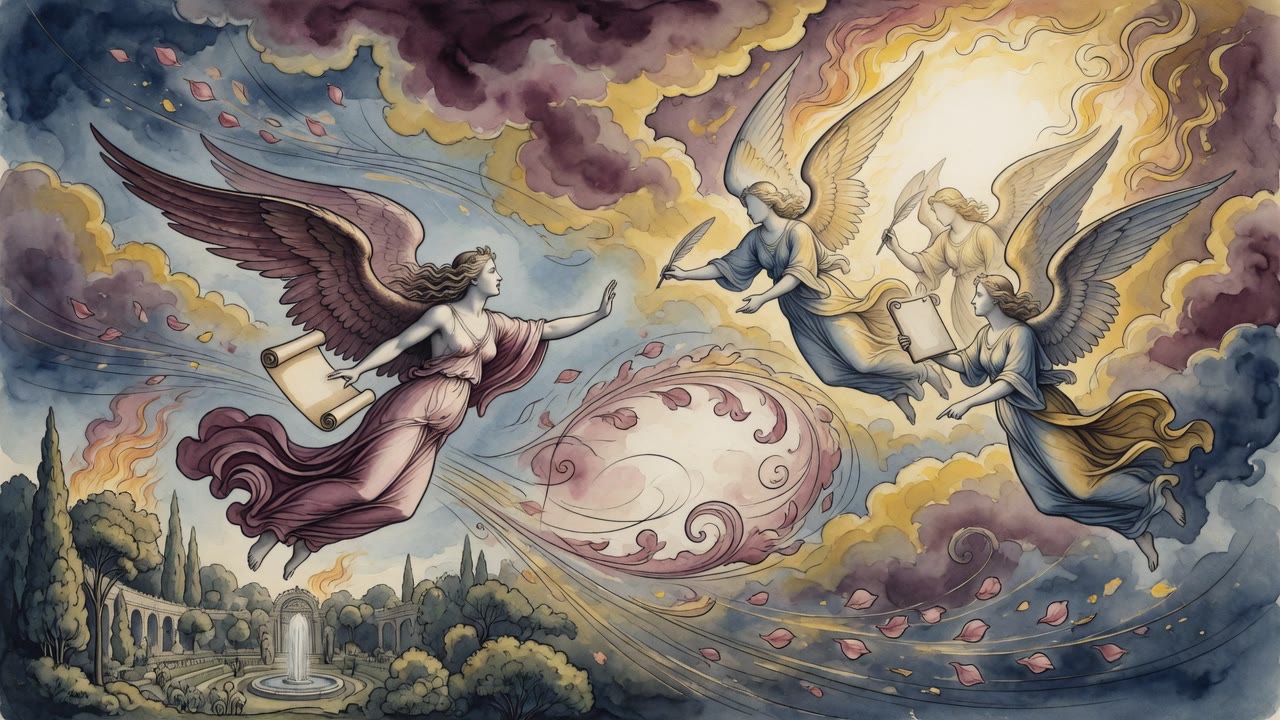
Adam stood in the Garden and prayed. "Sovereign of the universe, the woman You gave me has run away." So God sent three angels after her, Sanoy, Sansanoy, and Semangalof, to bring her back. They found her. She did not come back.

The Scent of Mother's Milk

What she became instead, every mother learned to fear. Lilith flies over the houses of the living at night, and her senses are tuned to one scent above all others, the smell of mother's milk. Where a woman nurses, where a child is new, she circles. And when she has chosen her house, she finds a way in. A crack beneath the door. A gap in the shutter. Any weakness in a home's defenses is wide enough for her.

She does not always come as herself. She slips along the wall as a black cat, silent and sleek. She leans in the corner as a broom no one remembers buying. She floats as a single hair in the milk. Some say she comes to strangle infants in their cribs. Others say she comes for the afterbirth, to carry it off and feed it to her own demonic brood. Against her, families hang amulets over the cradle, charms written for this one enemy. And against her stands the old midwife, the woman wise in the ways of birth, who knows the signs and watches the corners of the room.

Unclean One, Where Are You Going

So when Elijah blocked the road that night, he was not stopping a stranger. He was standing between an old hunger and a new child.

He did not greet her. "Unclean one," he said, "where are you going?"

She did not pretend innocence, because pretense was not available to her. Lies do not survive in front of Elijah. Whatever force keeps truth in a prophet's mouth pulls the truth out of hers, and she knew it the way she knew her own hunger.

"I am going to the house of a woman who is about to give birth," she said. "I will give her a sleeping potion and kill her and take her child and eat it."

The confession came quickly and completely. She did not soften it, and she did not bargain over it. She had a sequence, the potion first, then the mother, then the child, and the sequence had the worn smoothness of a thing done many times before. Somewhere down that road a woman was already in labor, gripping the bedframe while a lamp burned and a midwife murmured beside her, and neither of them knew what was coming up the dark toward the door.

An Oath by the Name of the Holy One

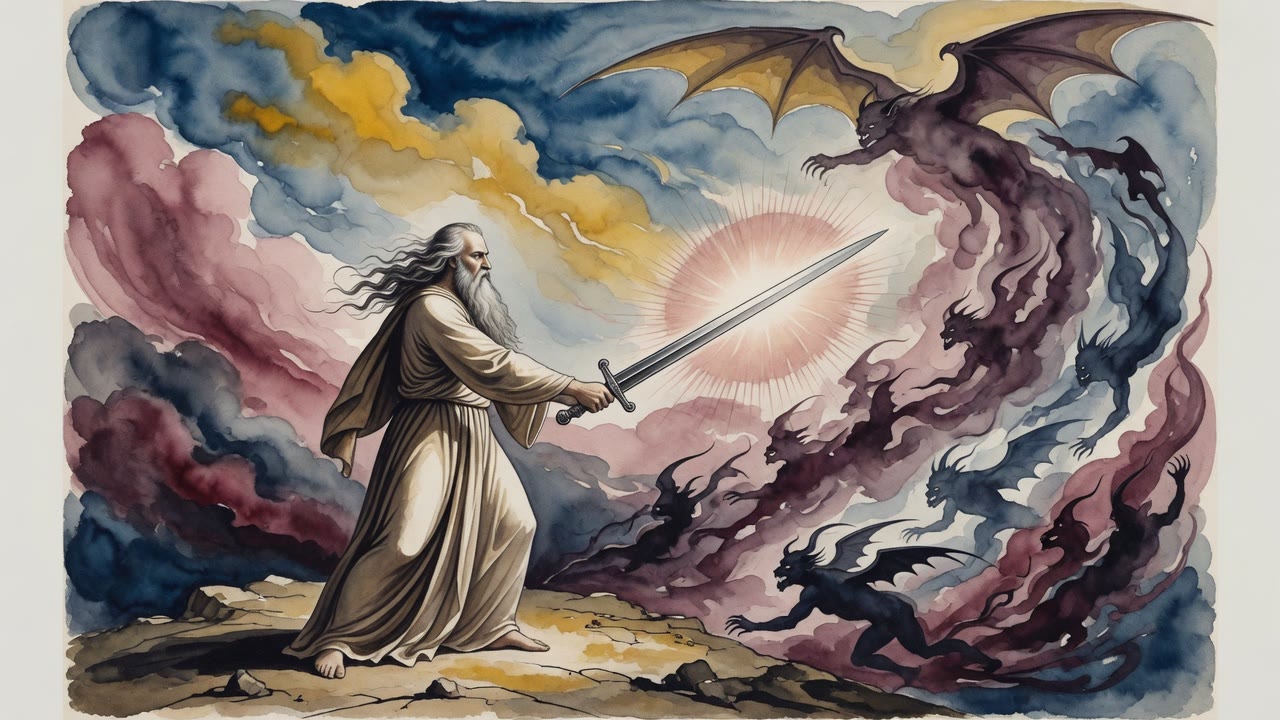
Elijah did not draw a weapon. He did not call down fire the way he had once called it onto the altar at Carmel. Against a creature who had fled the Garden on the strength of a Name, he used a Name.

He made her swear an oath by the name of the Holy One, blessed be He. Not a promise to him, for a prophet can be outlasted, but an oath sworn on the Name itself, the one bond she could not slip. She had defied Adam. She had refused three angels. She had passed through cracks and shutters and locked doors for generations. But an oath by the Name held where every door had failed, because the Name was the very power she herself had once spoken, and she knew exactly what it could do.

She swore. She would have no power over that woman in childbirth. She would turn aside.

The Lamp Still Burning

And she did. The shape in the road turned away from the town, away from the lamp in the window and the smell of milk, and went elsewhere into the night. Down the road the woman labored on, and toward morning a child cried for the first time in that house, and no one inside ever knew how close the night had come.

Lilith went on existing. The amulets stayed over the cradles, and the midwives kept watching the corners, because an oath sworn for one woman covers one woman. But that night, on that road, the hunger that no door could keep out was stopped by a sentence. Elijah asked where she was going, and the truth she could not hold back became the rope that bound her.


← All myths
From the tradition

Sources

3 sources

The texts this telling draws on, in full. Open a card to read inline, or expand it for a wider, quieter read.

The Aleph Bet of ben Sira, The Alphabet of ben Sira, (alternative version)Otzar Midrashim (Eisenstein)

When God created the first man from the dust of the earth, He looked at Adam standing alone and said what the Torah itself records: "It is not good for this man to be alone" (Genesis 2:18). So God formed a woman from the same earth, shaped her the same way, and called her Lilith.

The trouble started immediately. When Adam and Lilith tried to lie together, she refused to take the lower position. "I will not lie beneath you," she said. Adam insisted he belonged on top. Lilith's answer was devastating in its simplicity: "We are equal. We were both created from the earth."

Neither would yield. And when Lilith saw that Adam would never treat her as his equal, she did something no human had ever done before. She spoke the Ineffable Name of God, the secret, unutterable Name. And flew away into the sky.

Adam stood in the Garden and prayed. "Sovereign of the universe, the woman you gave me has run away." God dispatched three angels, Sanoy, Sansanoy, and Semangalof, to bring her back. They found her hovering over the sea, in the mighty waters where the Egyptians would one day drown.

"Return to Adam," the angels commanded. Lilith refused. They threatened to drown her. She made them a counteroffer: she would prey on newborn infants, boys for eight days after birth, girls for twenty, unless she saw the names of these three angels written on an amulet. In that case, she swore by the living God, she would have no power over the child.

God imposed one more condition. One hundred of Lilith's demon children would die every single day. She accepted even this. And so the first woman made from equal earth became something else entirely, a night creature haunting the edges of the world, her oath binding her, her freedom absolute, and one hundred of her children perishing daily as the price of her refusal to submit.

Full source
Shishim Sippurei AmFolk Tales

Tonight,

The folklore surrounding Lilith paints a vivid picture of a creature of darkness, forever prowling, forever hungry. According to tradition, she doesn't just wander aimlessly. Oh no. As preserved in Jewish folklore, Lilith flies over homes, her senses keenly attuned to the scent of mother's milk. And when she finds it? She'll find a way in. Any crack, any crevice, a weakness in the defenses of the home.

She's a shapeshifter, you see. A master of disguise. She might slip in as a black cat, silent and sleek. Or perhaps as something utterly mundane, like a broom leaning in the corner. Even… a hair in the milk.

What does she want? Some say she comes to strangle infants in their cribs. Others believe she seeks the afterbirth, that potent symbol of new life, to feed to her own demonic brood. Only an amulet, a protective charm specifically designed to ward off Lilith's evil, can keep a child safe.

But Lilith has a formidable adversary: the old midwife. The woman wise in the ways of birth, death, and the things that dwell in between. The midwife who knows all her tricks.

There's a Kurdish tale, "The Hair in the Milk," preserved in Jewish folklore anthologies, that perfectly illustrates this struggle. Professor Dov Noy suggests that this story is a prime example of a woman's tale, containing secrets of how to defeat the enemy, Lilith.

Imagine this: Lilith, drawn by the scent of fresh milk, transforms herself into a long, black hair, falling into a glass prepared for the new mother. But the mother notices the hair and faints. The midwife, instantly recognizing the demonic presence, doesn't panic. She pours the milk, hair and all, into a jug and seals it tight.

Can you hear it? Trapped inside, Lilith begs, pleads, bargains. The midwife, unwavering, extracts a vow. Not only must Lilith spare the woman and her child, but she must serve them for three years, protecting them from other evil forces. And here's the thing about Lilith: once she swears an oath, she is bound to it.

Now, it's important to notice a key difference here. The way Lilith is portrayed in this story of the midwife is quite different from the male myths about her. As we find in Shishim Sippurei Am, IFA4563, the male attitude toward Lilith is often a mix of fear and… well, let's just say sexual fantasy. From a woman's perspective, however, Lilith is just bad news. Plain and simple. A threat to both the marital bed and the very lives of their children.

This dynamic makes you wonder… Does Lilith hold more power over men than women? Perhaps it’s because men are ambivalent toward Lilith, seeing her as something forbidden and tempting, while fearing her destructive abilities. For women, Lilith is a husband-stealing, child-destroying witch they fear and loathe more than anything else. And unlike the men, they are willing to struggle against her, here defeating her.

So, what are we to make of Lilith? Is she merely a terrifying boogeyman, a figure to be feared and loathed? Or is there something more to her story? It makes you think about the things that haunt us, the fears that prey on our deepest vulnerabilities, and the strength we find, often in unexpected places, to confront them.

Full source
Beit HaMidrash 5:36Beit HaMidrash (Jellinek)

A fiery prophet, a champion of God, and a recurring figure who pops up in Jewish stories whenever things need a divine kick in the pants. And Lilith… well, Lilith is a whole other story.

She's the night demoness, a figure shrouded in mystery and often depicted as the first wife of Adam, who left him because she refused to be subservient. She's a primal force, a symbol of female power untamed, and a source of endless fascination.

So, He encounters Lilith.

He confronts her, doesn't mince words. "Unclean one," he says, "where are you going?" It's a loaded question. He already suspects she's up to no good. And Lilith, interestingly enough, knows she can't lie to Elijah. This tells us something about Elijah's power, his connection to truth.

So, she spills the beans. "I am going to the house of a woman who is about to give birth. I will give her a sleeping potion and kill her and take her child and eat it."

Whoa.

Heavy stuff. This single sentence encapsulates the fear and anxiety surrounding childbirth in ancient times. The vulnerability of both mother and child, and the terrifying image of a demon preying on that vulnerability. This depiction of Lilith, found in Tree of Souls (Schwartz, 269), paints her as a literal child-snatcher, a monstrous figure embodying primal fears.

It's a chilling encounter, and it leaves us wondering: What happens next? What does Elijah do? That, my friends, is a story for another time. But this brief meeting highlights the constant battle between good and evil, the ever-present threat lurking in the shadows, and the power of figures like Elijah to confront those shadows head-on. And it reminds us that even in the oldest stories, there's always something new to discover, something to make us think, and maybe even something to make us a little bit afraid of the dark.

Full source