The Men Who Would Not Leave Enoch Were Found Under the Snow
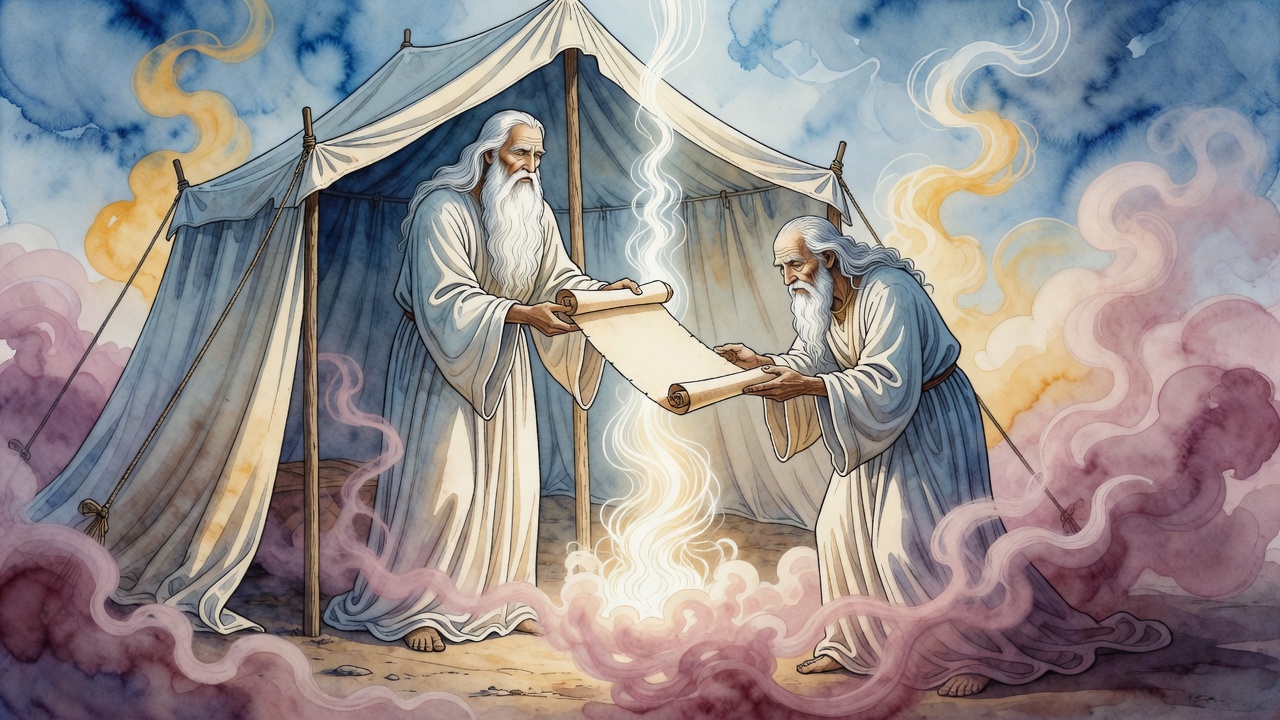
Enoch turned in the saddle six mornings and told them to go home. On the eighth day the kings sent riders to count who had stayed.
Table of Contents
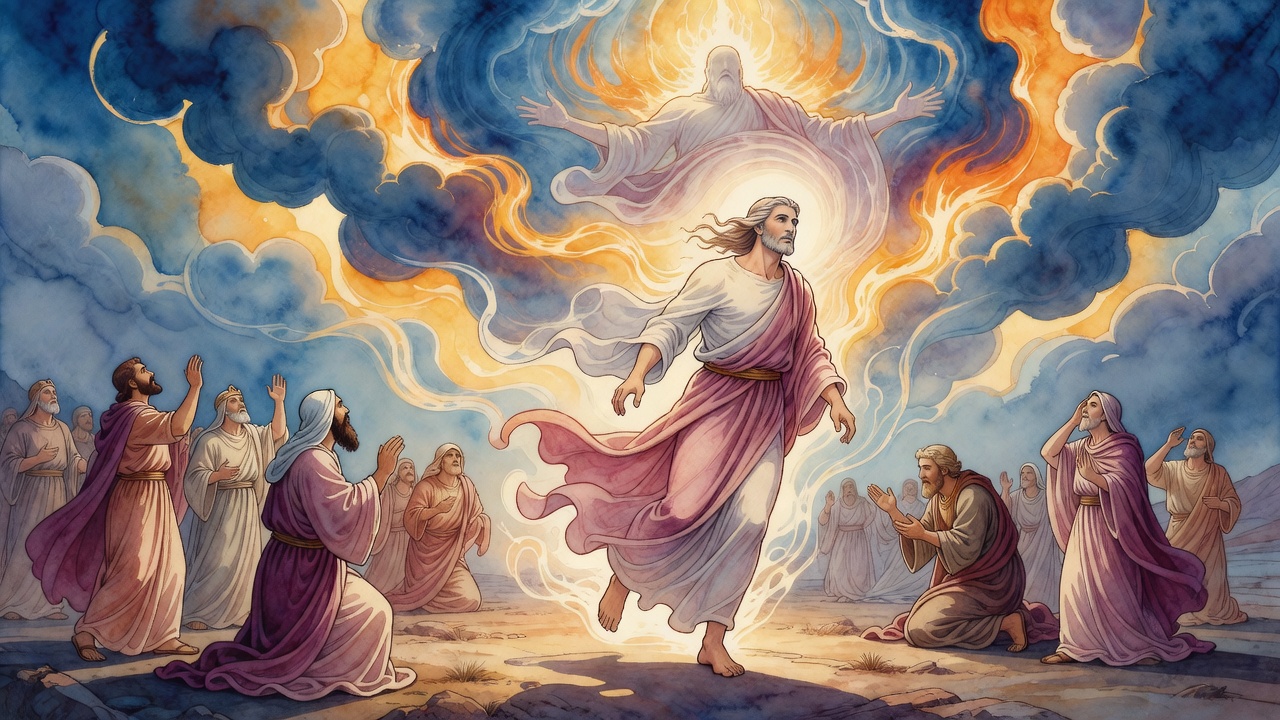
The horse came down pacing on nothing, the way a horse paces a yard.
 Click for full size
Men in the crowd grabbed each other's sleeves and pointed. Enoch did not look up. He had been mid-sentence, teaching law and the settling of quarrels, when the shape appeared over the assembly.
"That one has come for me," he said. "The time is here. You will not see me again."
The Face They Could Not Stand
He had ruled two hundred and forty-three years. Then he began to disappear by degrees. Three days shut in his chamber praying, one day out among the people. Then six days in and one out. Then once a month. Then once a year.
By then the kings and princes who had put themselves under his command could not walk up to him at all. There was something on his face they could not stand in front of. Men who tried it came away certain they had nearly died of it.
So they made a rule. Every request in the world would be saved and brought on the single day he showed himself. On that day the earth queued. When he finished speaking they went down on their faces and shouted the way people shout at a coronation.
"Long live the king. Long live the king."
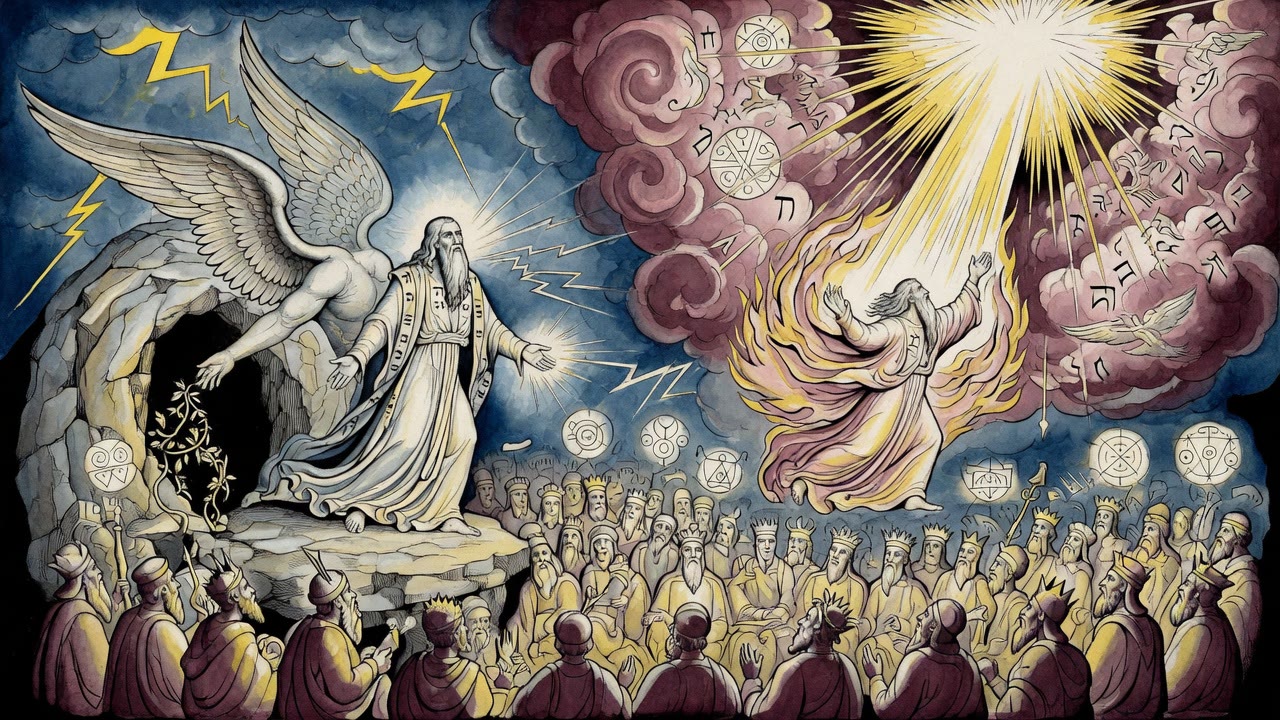
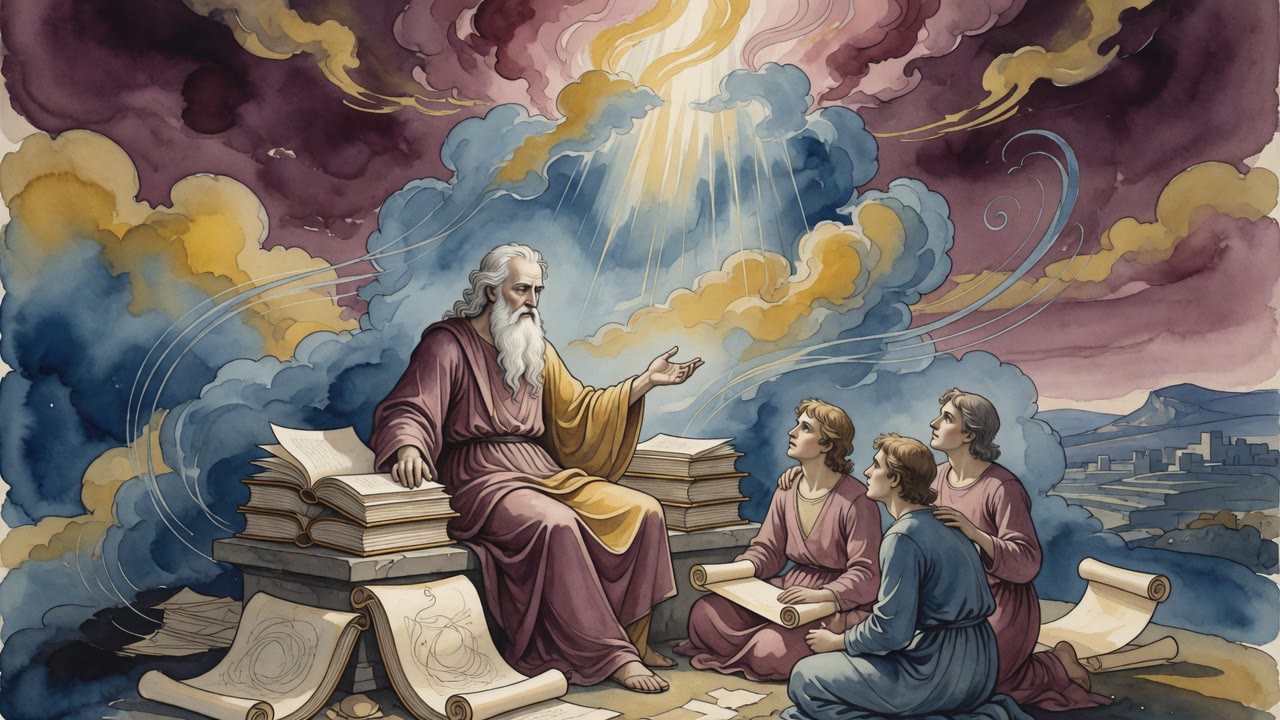
He was still in front of that crowd when the angel came. God had decided to make him king over the angels, the way he had been king over men. Enoch stopped the audience and sent word to every corner of the earth. "I have been called up to heaven. I do not know which day I go. So I will teach you everything I have while I am still here."
A Horse Walked on the Air
The horse came the rest of the way down and stood in front of him. He got on its back and went on teaching from the saddle. When it started walking, the crowd walked with it.
Eight hundred thousand men followed him out of the settled country and kept going for a full day. Dust. Heat. The sound of a host that would not break.
On the second morning he turned in the saddle. "Go back to your tents. Why are you coming? You may die out here."
Most of them went. A group stayed. He told them the same thing the next morning, and the next, for six days, and every morning some more of them turned around and walked back toward their houses.
Go Home or You Will Die
On the sixth day he stopped the horse and said it without any softening. "Tomorrow I go up. Whoever is standing near me will die."
They did not move.
"Wherever you are going, we are going. As God lives, only death is separating us from you."
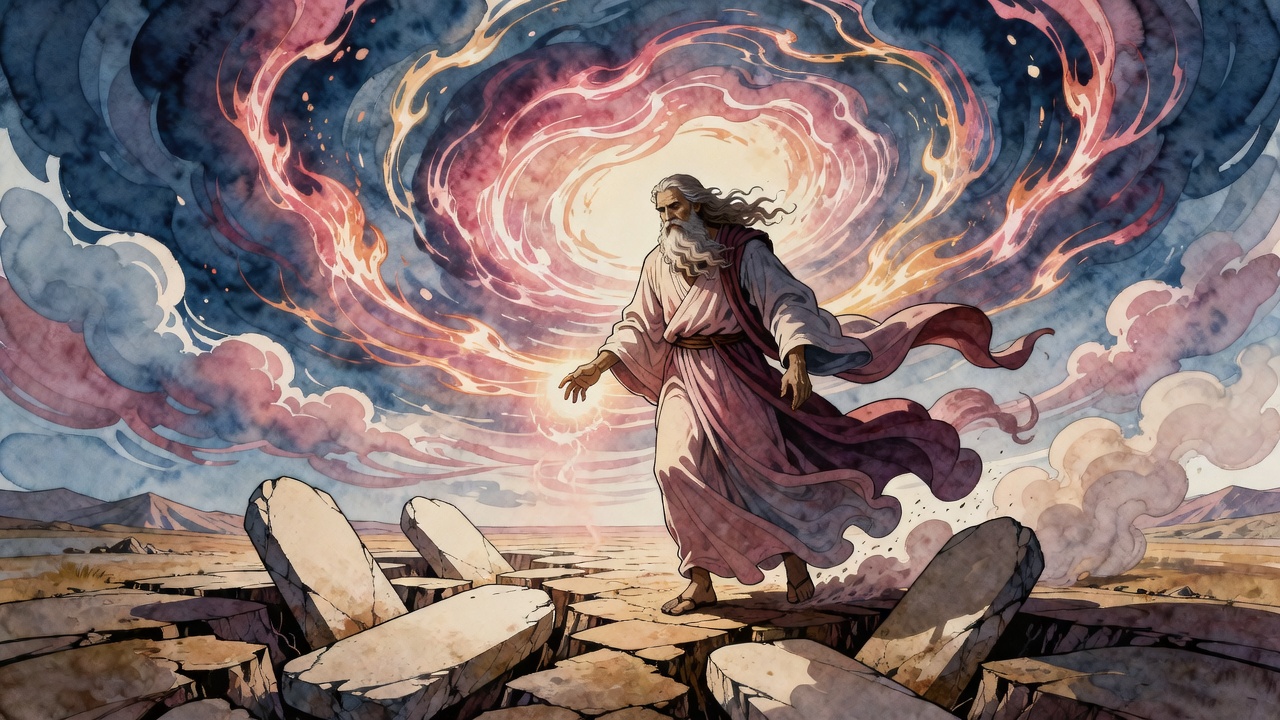
He stopped arguing. They walked the seventh day beside the horse. On the seventh day the sky opened over the whole party. A whirlwind came down with horses of fire in it and chariots of fire behind them. Enoch went up inside it. The men who had refused to go home were standing directly underneath.
The kings who had turned back in good time had done something careful before they left. They had counted the men who stayed.
Snow Over the Count
On the eighth day they sent riders out to match the number against whatever was there.
The riders found the ground white. Snow lay over the whole site, and on top of the snow were stones of hail the size of a fist. Nothing stood above it. They talked among themselves and decided to break through and look.
Under the snow they found the men. All of them, the entire count, exactly the number the kings had written down, lying where they had been standing when the fire came down.
One was missing. They went through the bodies twice for him and he was not there.
Heaven Smelled a Body
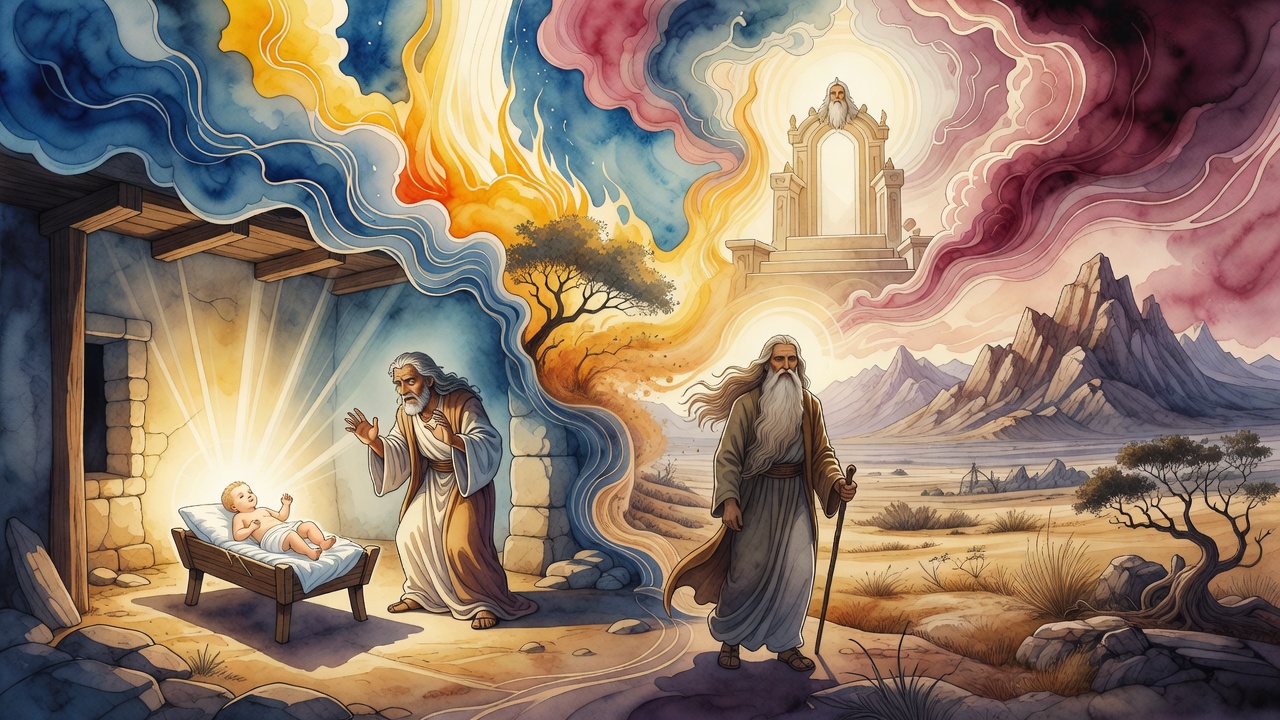
Six hundred and fifty million parasangs away, the ones who carry the Throne knew something was coming up. The ofanim caught it first, then the seraphim, then the cherubim. Every burning thing in that place turned toward the smell of a body.
"What is this. The odor of one born of a woman. How does he come into the highest heaven, where the angels are made of fire?"
God answered His own household. "Do not take offense at this. Every human being denied Me and denied that I rule anything. They gave their worship to idols, and I moved My Presence off the earth and brought it up here. This man is the chosen one of all of them. He has more faith and more justice in him than the whole rest of the world put together. He is the only wage I have collected out of the place I made."
Then the gates of wisdom opened for him, and understanding, and life, and peace, and strength, and the fear of sin. A throne was set beside the seventh palace. A herald went through the heavens announcing that this one was now first over every prince in the realm and would be called Metatron.
His flesh turned to flame. His veins ran fire. His bones went to glowing coal. His eyes became torches and his hair a sheet of burning, and storm and whirlwind closed around him on every side.
Down on the earth the kings came back from the snow and put oil on the head of Methuselah, Enoch's son, and made him king in his father's place. He taught what his father had taught him, all his life, and did not turn from it to the right or the left. Toward the end of his days the people stopped listening, and robbed each other, and corrupted every road they walked on, and the ground they sowed came up thorns.
← All myths