Er Refused Tamar a Child and Died for His Vanity
Judah's firstborn wanted Tamar's face left unchanged by a child. He kept his seed from her. By morning the Lord had closed his life.
Table of Contents
Er, firstborn of Judah, took Tamar into his house and then kept his seed from her. The Torah says only that he was evil in the eyes of the Lord, and that the Lord slew him (Genesis 38:7). The bed told the rest. He was not barren. He would not plant.
 Click for full size
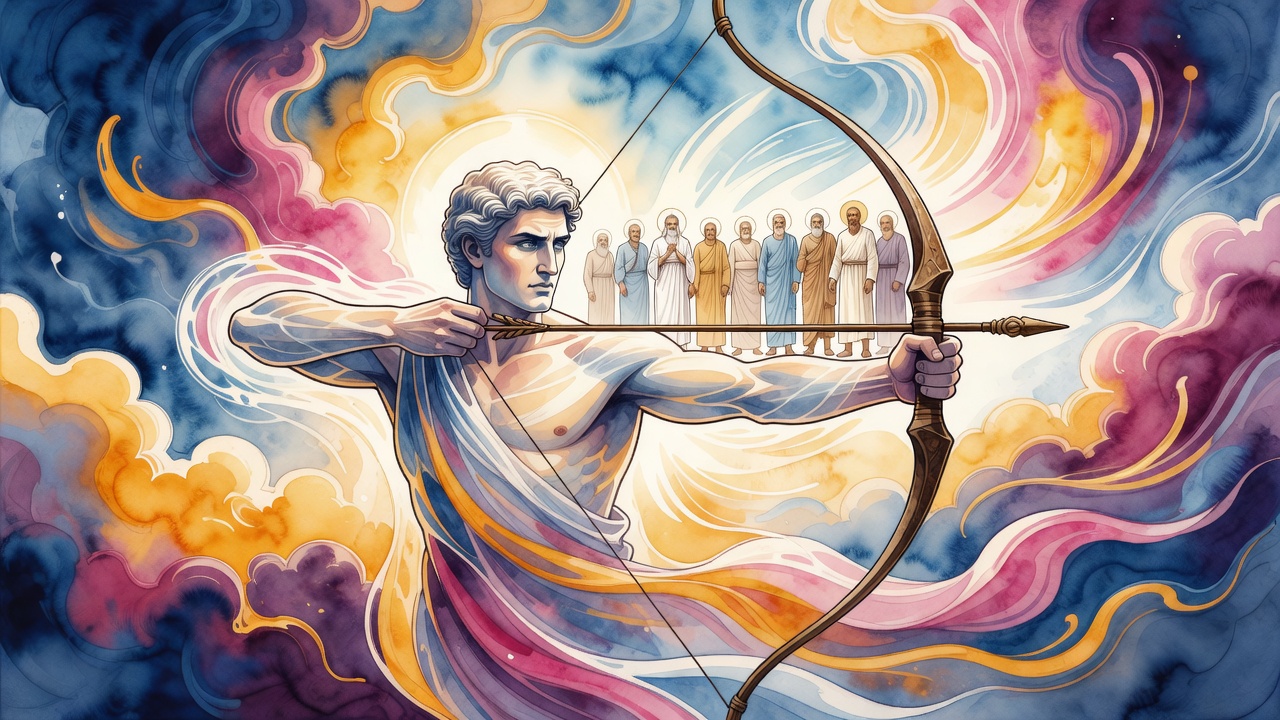
He feared a child would spoil her face. He wanted the glow of a wife without the risk of a mother. He turned the marriage bed into a place where nothing was allowed to change.
The Husband Who Wanted Her Unchanged
God had already spoken the first command to humankind. Be fruitful and multiply (Genesis 1:28). Er heard it and chose her beauty over it. He looked at Tamar the way a man looks at a thing he is afraid to use. If she conceived, her body would alter. If she bore, the face he had married would not stay the face he had bought.
So he withheld. Night after night the house of Judah held a marriage that produced no future. Tamar lay down as a wife and rose as a wife. No child cried in that room. No name was waiting to be given. The line of kings that would one day run through her had not yet been spoken, and Er was already trying to stop it with his own body.
She did not have a court. She did not have a prophet. She had a husband who would not plant, and a silence in the bed that grew heavier than speech.
The Anger That Did Not Argue
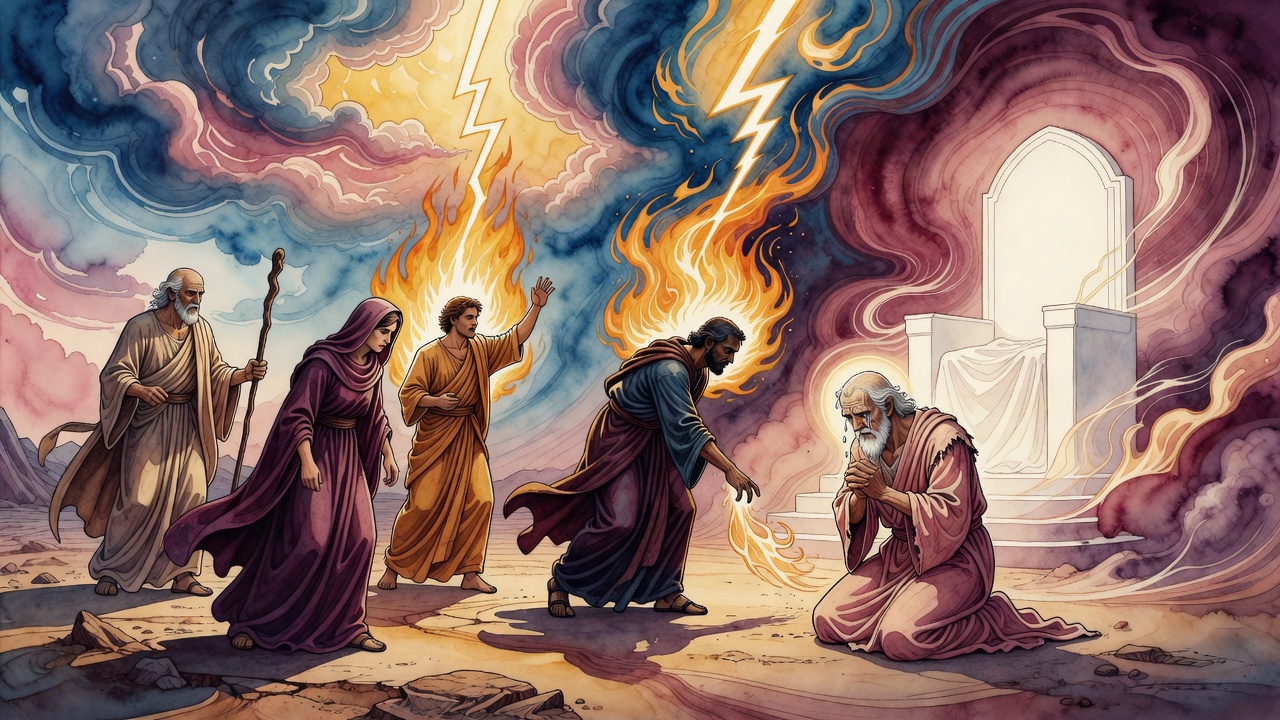
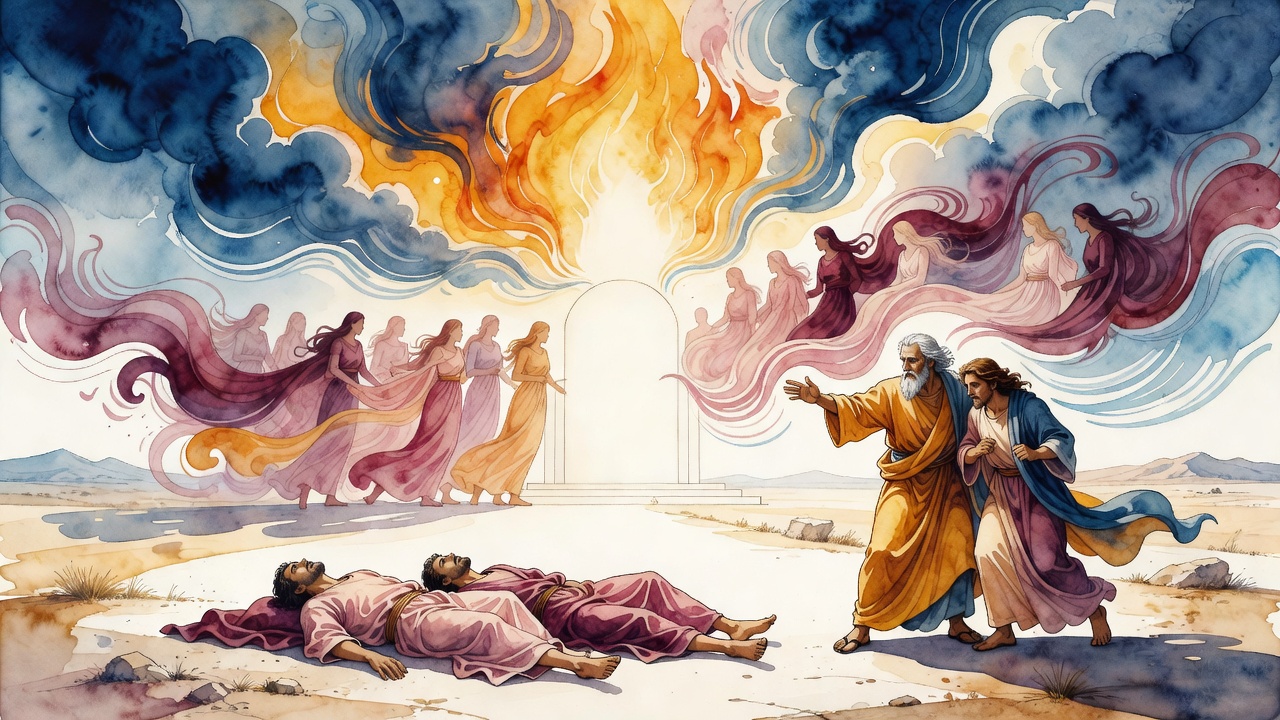
Heaven did not send a warning into that room. The anger of the Lord prevailed against Er, and he died. Few deaths in Genesis fall so directly from God's hand. No famine. No battle. No brother to blame. The firstborn of Judah went to bed a man who would not give his seed, and he did not rise.
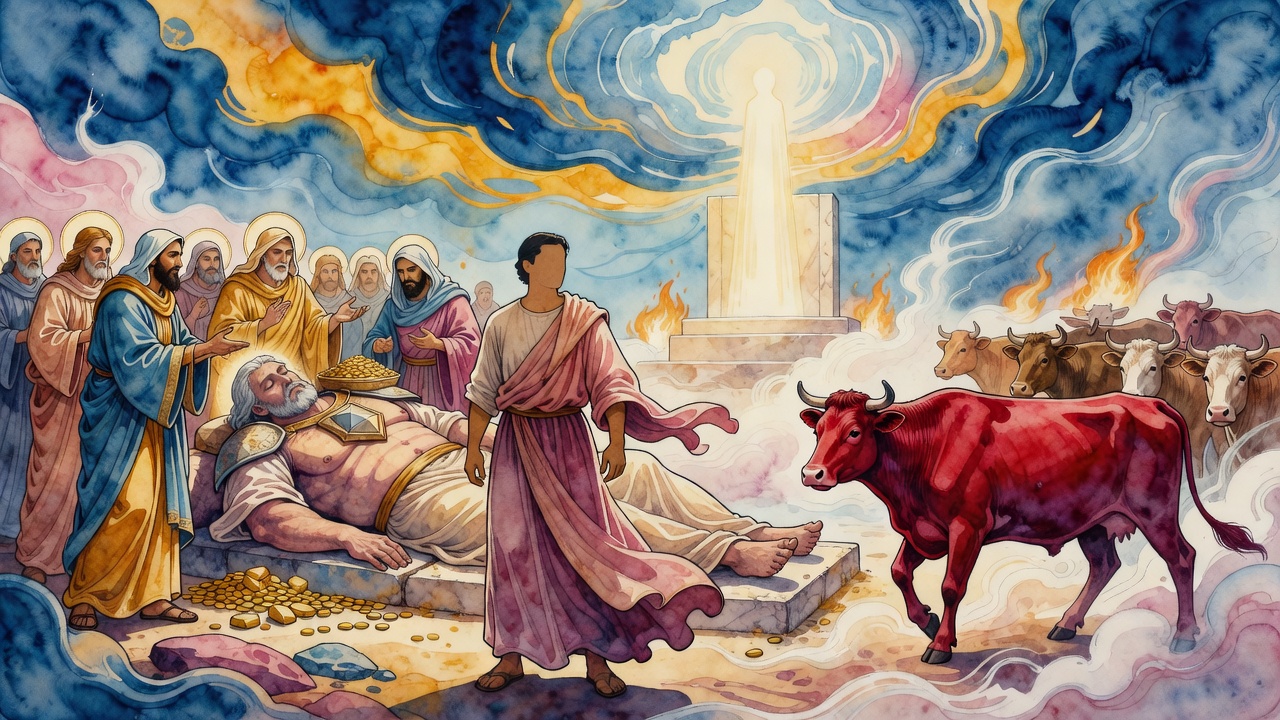
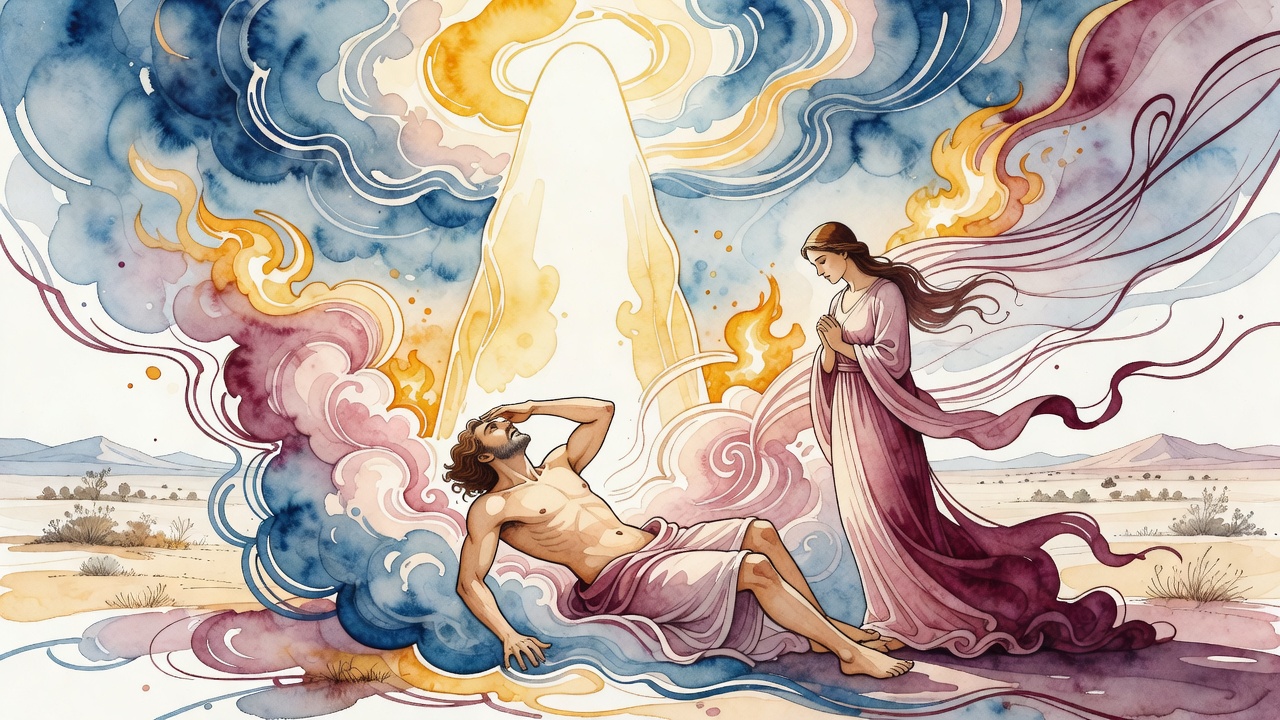
Tamar woke beside a body that would never change its mind. Judah's house learned in one night that beauty kept from fruit is not beauty protected. It is a theft from the next generation, and the thief does not get to keep what he stole.
They buried him. The widow was still young. The cradle was still empty. The name Er stuck to her like a brand with no child under it.
A Father Counts an Empty Cradle
Judah had married a daughter into his house, and the worry that follows such a marriage did not end at the wedding canopy. When you marry the daughter, you worry about her the most, lest she not have children. And when you are older, lest she perform magic.
He had thought the ketubah would quiet that fear. It did not. First came the empty cradle. Er had seen to that. Then came the stranger fear that a woman left without children, left inside a dead son's name, might turn toward arts no household wants to name. Judah did not say this in the courtyard. He said it to himself in the dark, counting the rooms, counting the years, counting a daughter-in-law who had been given to his firstborn and given nothing back.
The fear was not soft. It measured Tamar by the child she did not have and by the danger a childless woman might become. It did not measure Er, who had already been measured from above.
Tamar After the Empty Bed
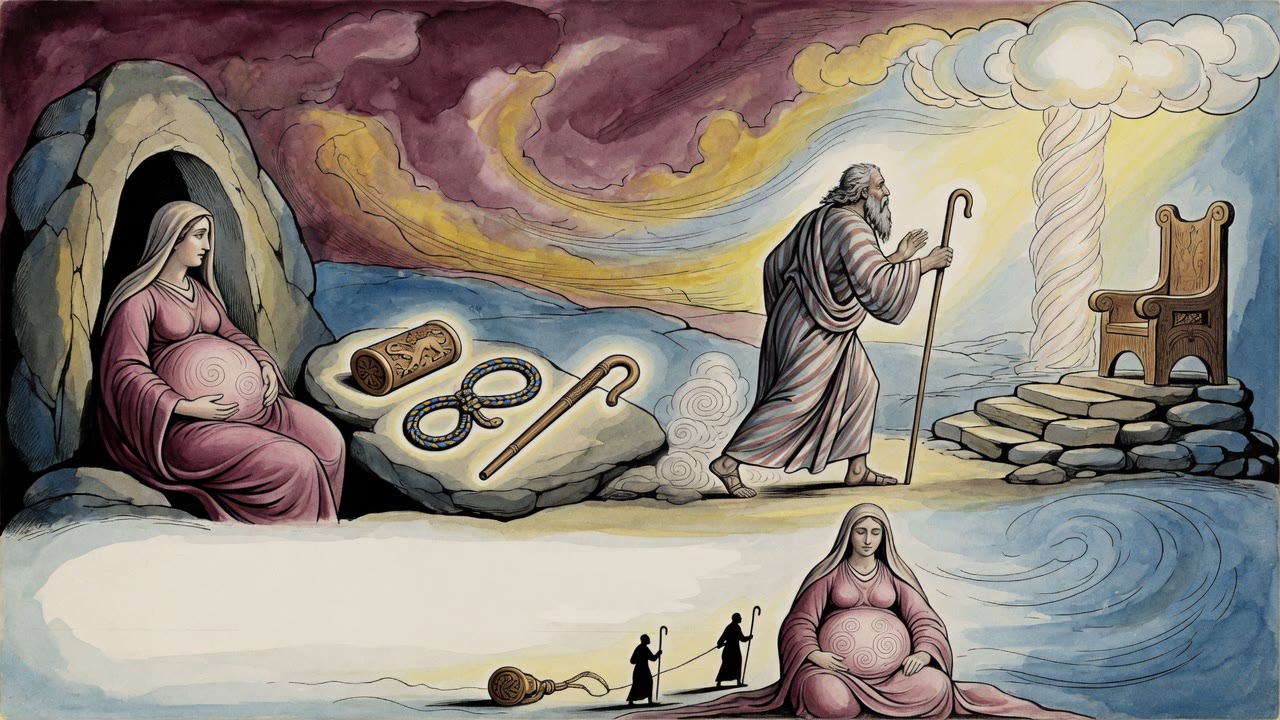
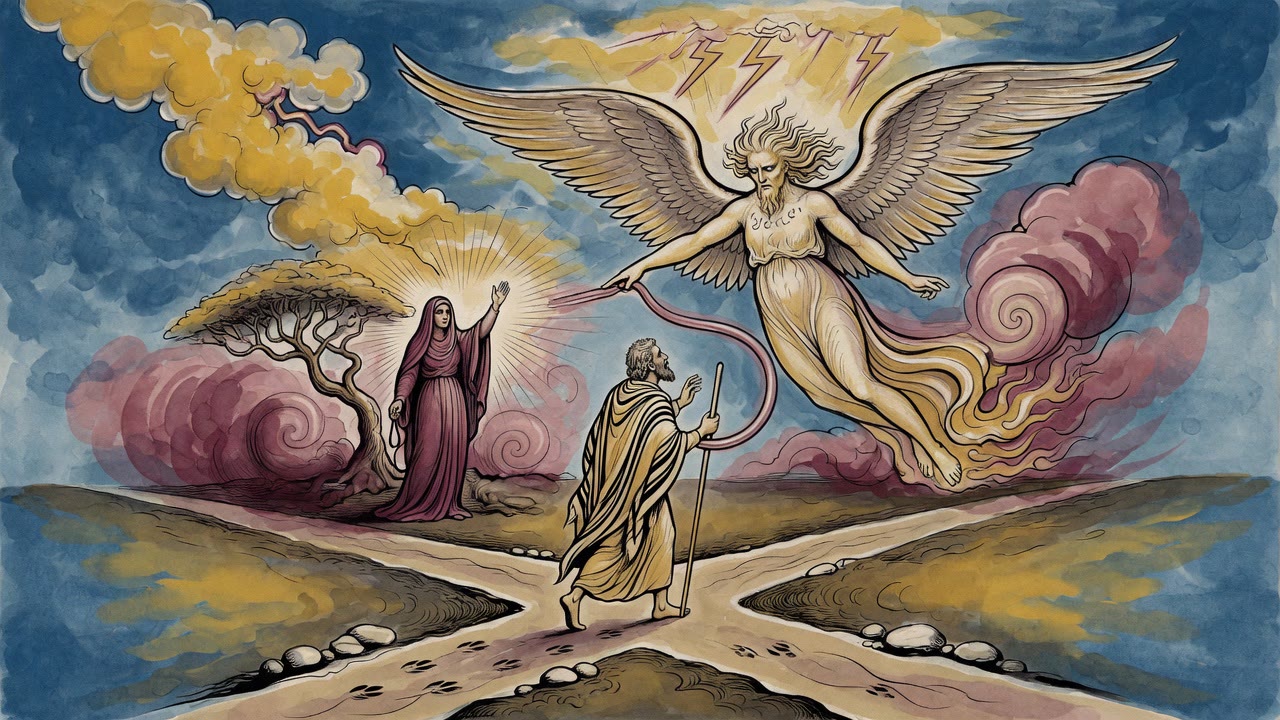
She stayed in the house with no child and a dead husband's name. Judah would later send her to wait in her father's house, and then forget her, and then meet her on a road with his face covered and his pledges in her hand. Twin boys would come from that harder chapter. From that line would come David.
Er had tried to keep her body from changing. History used her body to change the kingdom. The evil was not a vague hardness of heart. It was a refusal that looked like love of beauty and acted like murder of the future. He robbed Tamar of motherhood. He robbed Judah of a grandson. He robbed the line of its first chance to begin under his roof. Heaven answered the robbery with a life cut short.
In the dark of that first marriage she had no seal, no cord, no staff. She had only the silence of a bed and a God who would not ignore the planting that never came. The man who hid her from motherhood could not hide her from what came after. He was in the ground. She was still waiting. The line would not wait with him.
← All myths