5 min read

Ezra's Sages Caged Desire and the World Stopped Laying Eggs

The first prisoner went into the cell and never came out. The second one warned them, before they took it, what would happen if they won.

Curated by Arthur · Told by Maggid ·
Table of Contents
  1. The Wall the Persians Could Not Bring Down
  2. They Prayed Until the Seducers Were in Their Hands
  3. The Prisoner Who Warned Them
  4. Not an Egg in the Whole World
  5. They Plastered Up His Eyes
  6. The Sage Who Stayed Outside the Cave
Ezra's Sages Caged Desire and the World Stopped Laying Eggs Click for full size

The Wall the Persians Could Not Bring Down

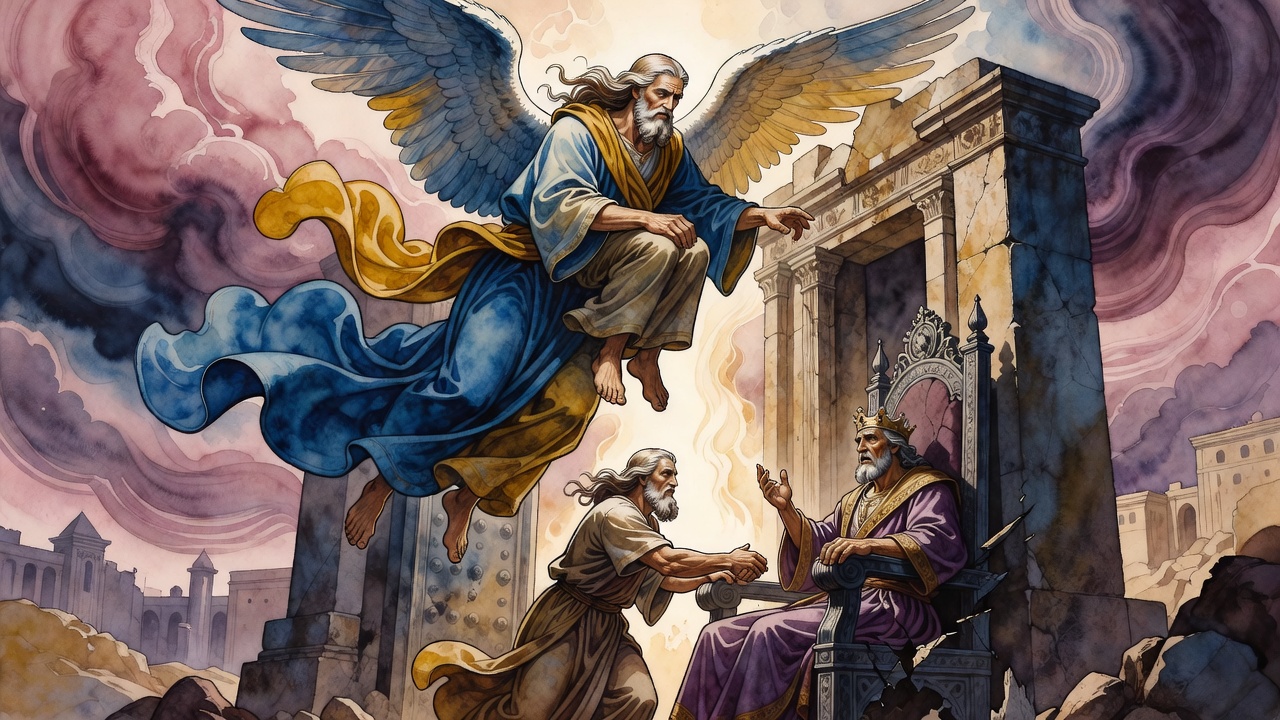
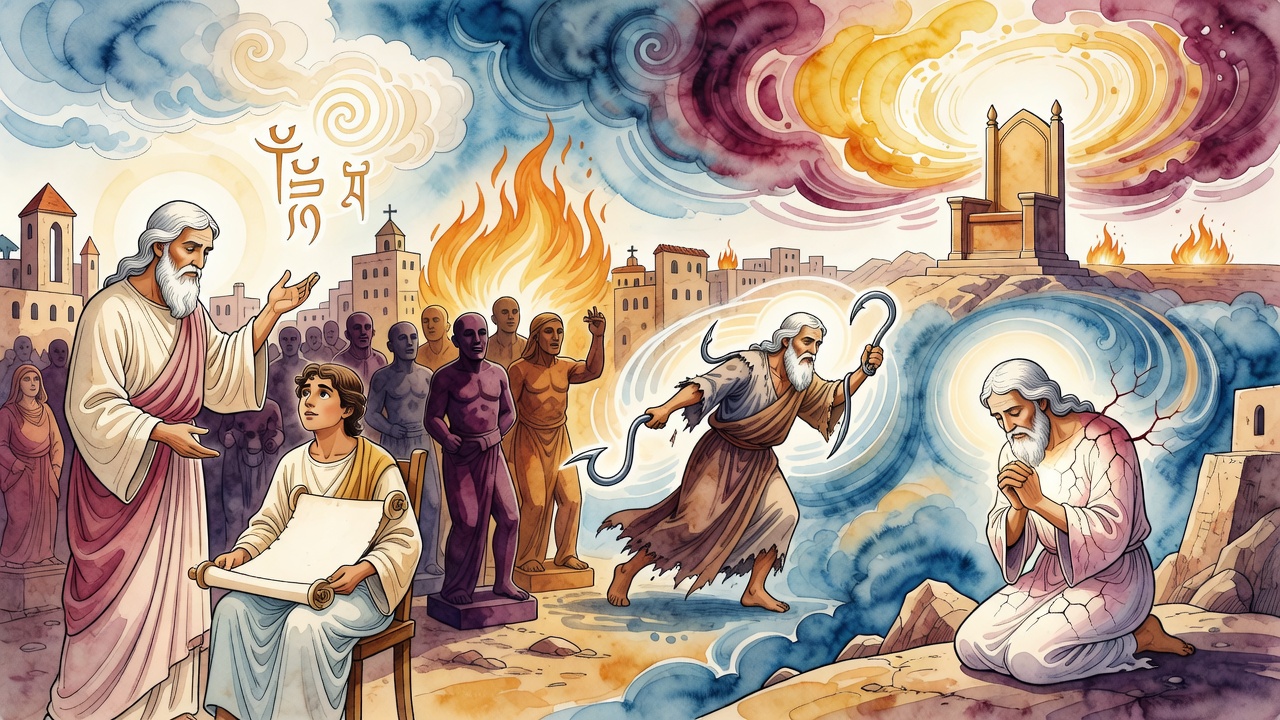
Babylon came apart in Ezra's last years. The Persians went through it and left almost nothing standing, and everything the prophets had ever shouted at that city arrived, on time, in full.

Two things survived. One was a stretch of wall that no human strength could break, and nobody has managed it since. The other was a patch of ground on the site that no animal will cross. You can lead a beast up to the edge of it and it will not put a foot down, and the only way over is to go ahead of it scattering dust from that same ground, so the animal walks on the place while thinking it is walking on something else.

That was the empire finished. In the same years, and under Ezra's direction, a body of men was quietly doing something nobody had tried.

They Prayed Until the Seducers Were in Their Hands

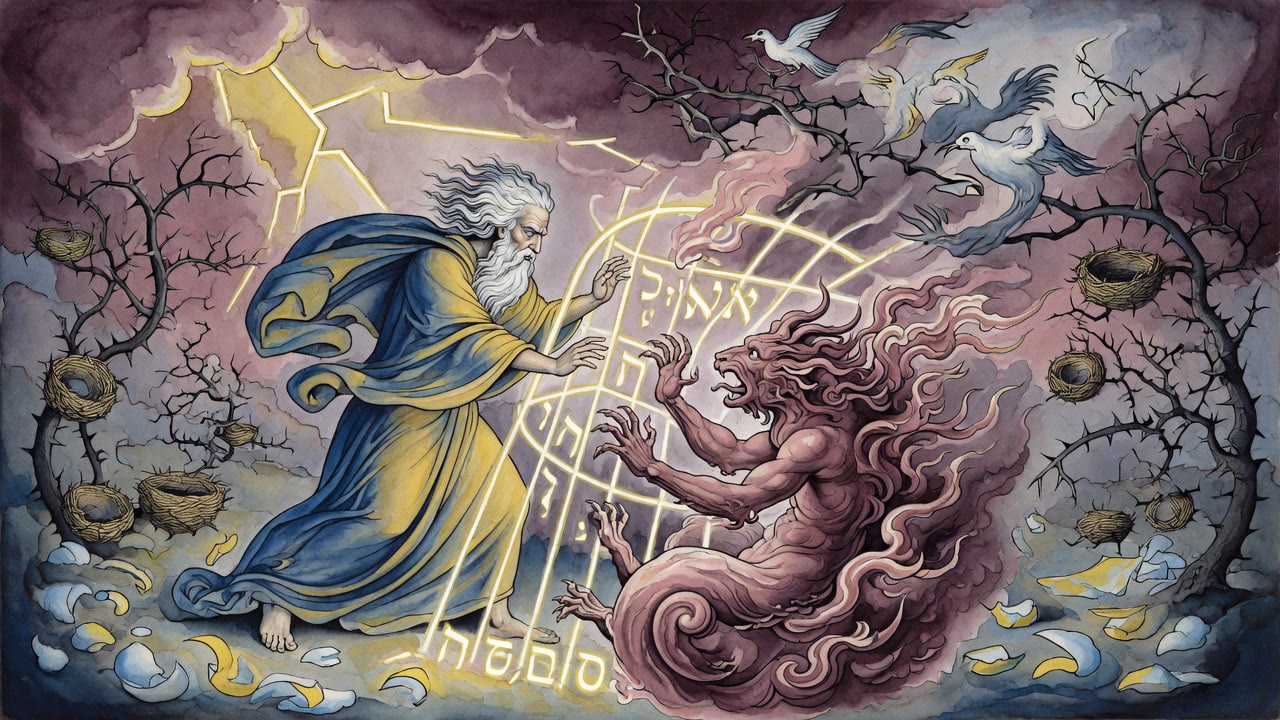
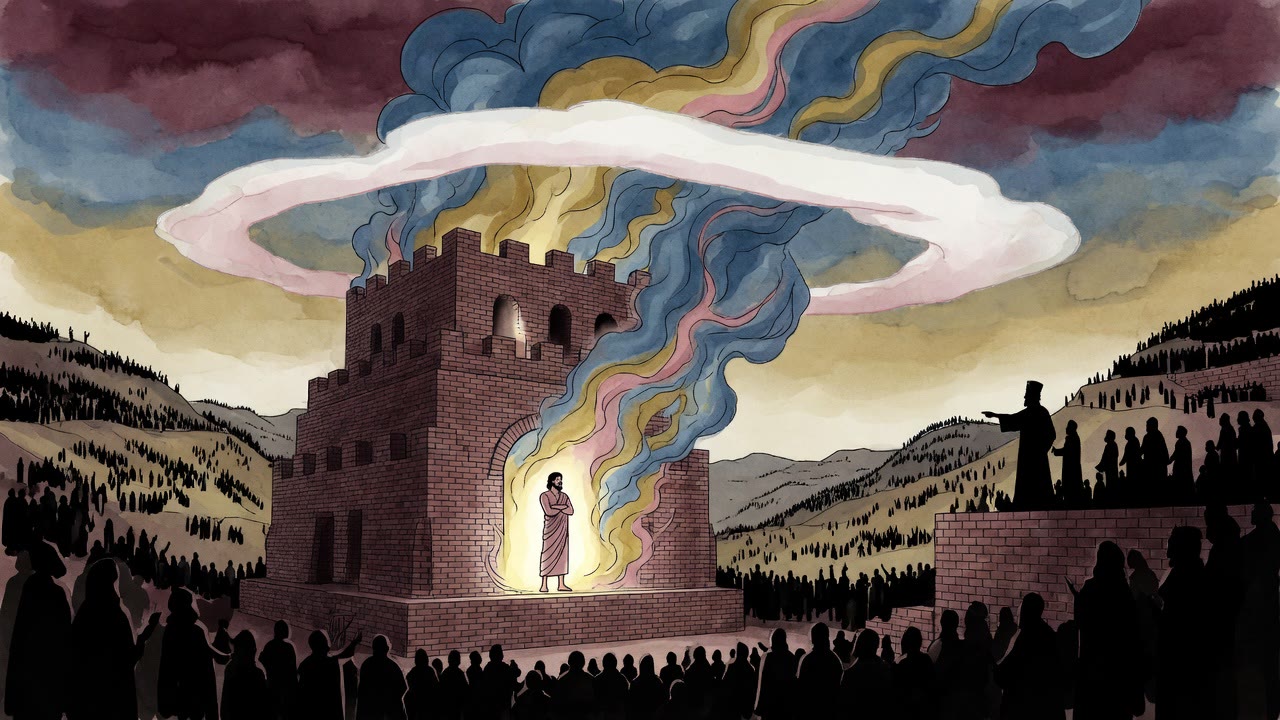
The Great Assembly sat in the gap where the prophets had stopped and the sages had not yet started, and the fences and prayers they set down became the shape Judaism kept. They also prayed until they had their hands on the things that pull people into sin, and then they held on.

Not a shrine. Not a cult. Not one town's altar. They went after the yetzer (יצר), the drive itself, the appetite that had walked beside Israel from the golden calf to every hilltop pole since, and they got it, and they shut it up where it could do no more mischief.

And that was the end of the desire for idolatry in the world.

It did not stop anyone from bowing to a statue afterward. It stopped anyone from wanting to. The pull that had bent whole generations sideways went out like a draft when a door is shut, and nobody has felt it in the old way since.

The Prisoner Who Warned Them

They had one in a cage. Why stop.

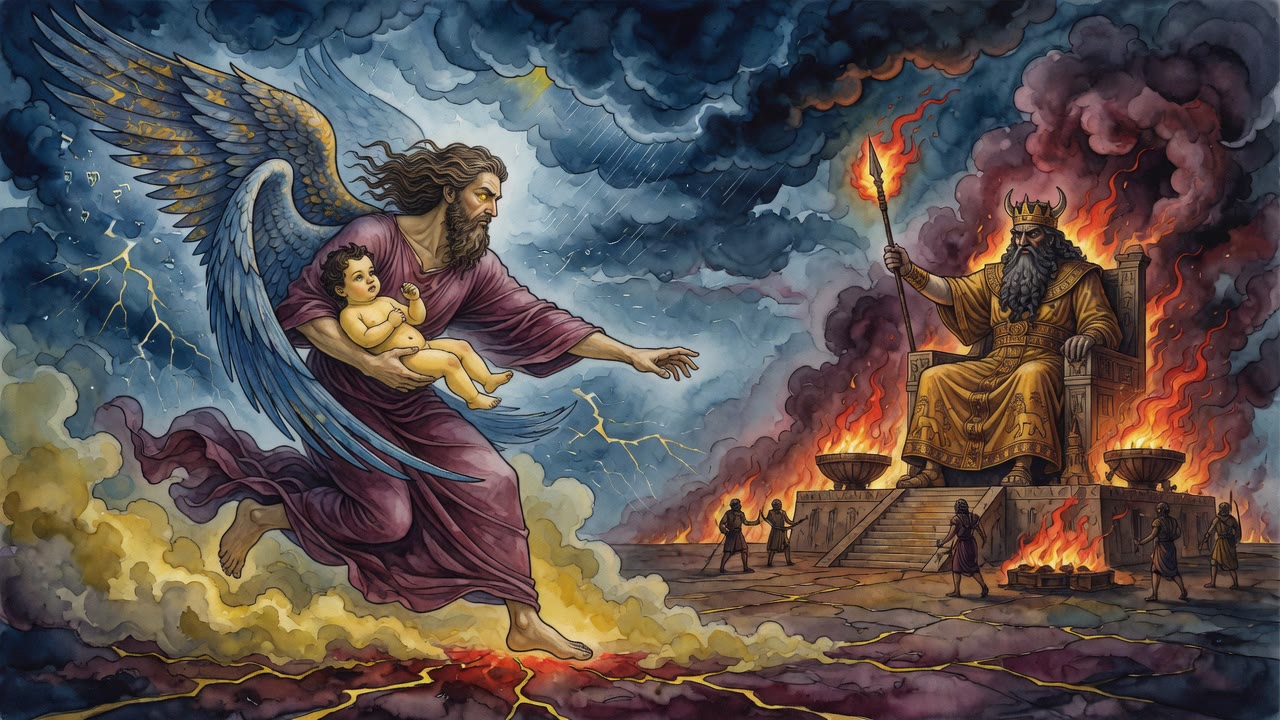
So they came for the second one, the desire for lust, and this one did not go quietly. It argued. It told them plainly what they were doing, and what it said was not a threat but a description.

Make away with me and the world will cease to exist.

Men who have just succeeded do not hear that sentence the way it is meant. They heard a prisoner bargaining. They put it in with the other one and shut the door and went back to their work.

Not an Egg in the Whole World

Three days.

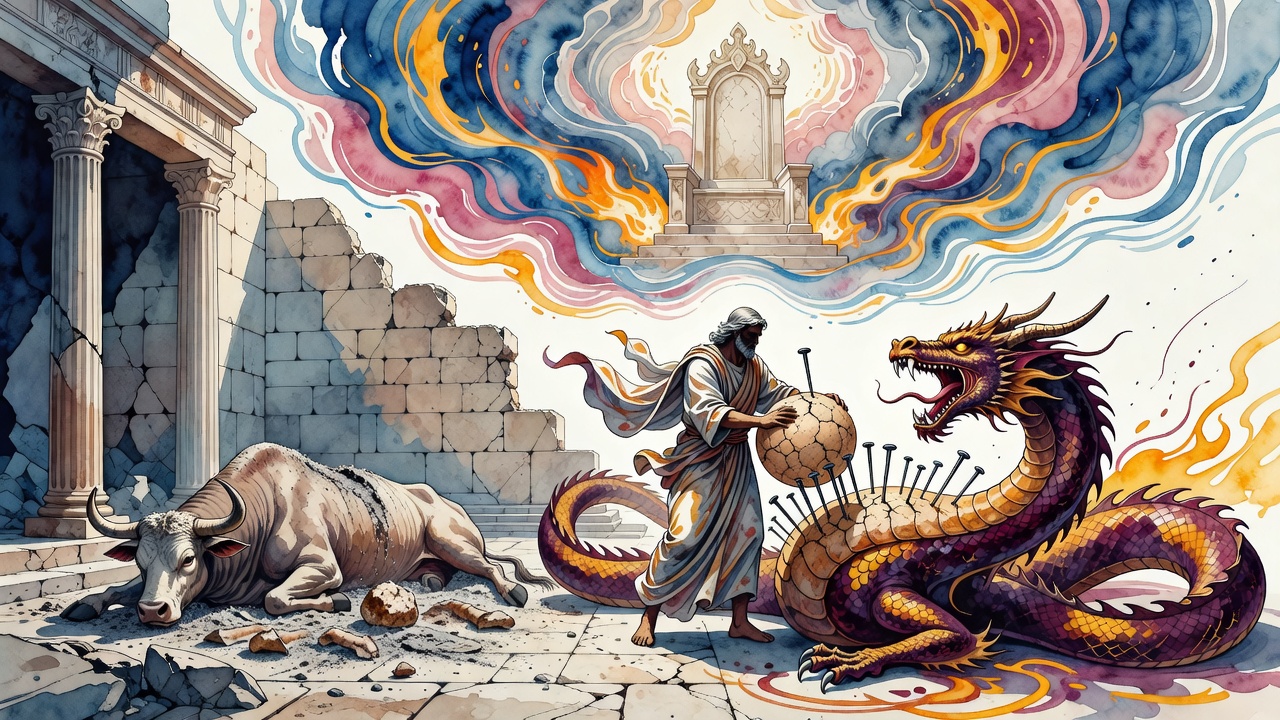
By the third day somebody went to a nest and there was nothing in it. Then somebody else went to another nest. Hens sat on straw and produced nothing. Nothing anywhere had bred, or wanted to, or would. The whole apparatus of continuation had simply stopped, quietly, without announcement, and it stopped in the barnyard first because that is where anyone would notice.

A world of perfect men, and not an egg in it.

They opened the door.

They Plastered Up His Eyes

It did not walk out untouched. Before they let it go they plastered up its eyes, and it went back into the world half blind, and from that day it gave up inflaming men against their own blood relations. That particular fire, the one that turns a man toward his sister or his mother, went out with the eyes. The rest of it they handed back, whole, because the alternative was an empty planet.

As for the men who ran the experiment, the sky over them was empty the whole time. A rainbow is a reminder, put up for a world that has given heaven a reason to think about water again, and in the generation of the Great Assembly the bow was never once seen, because it was never once needed.

The Sage Who Stayed Outside the Cave

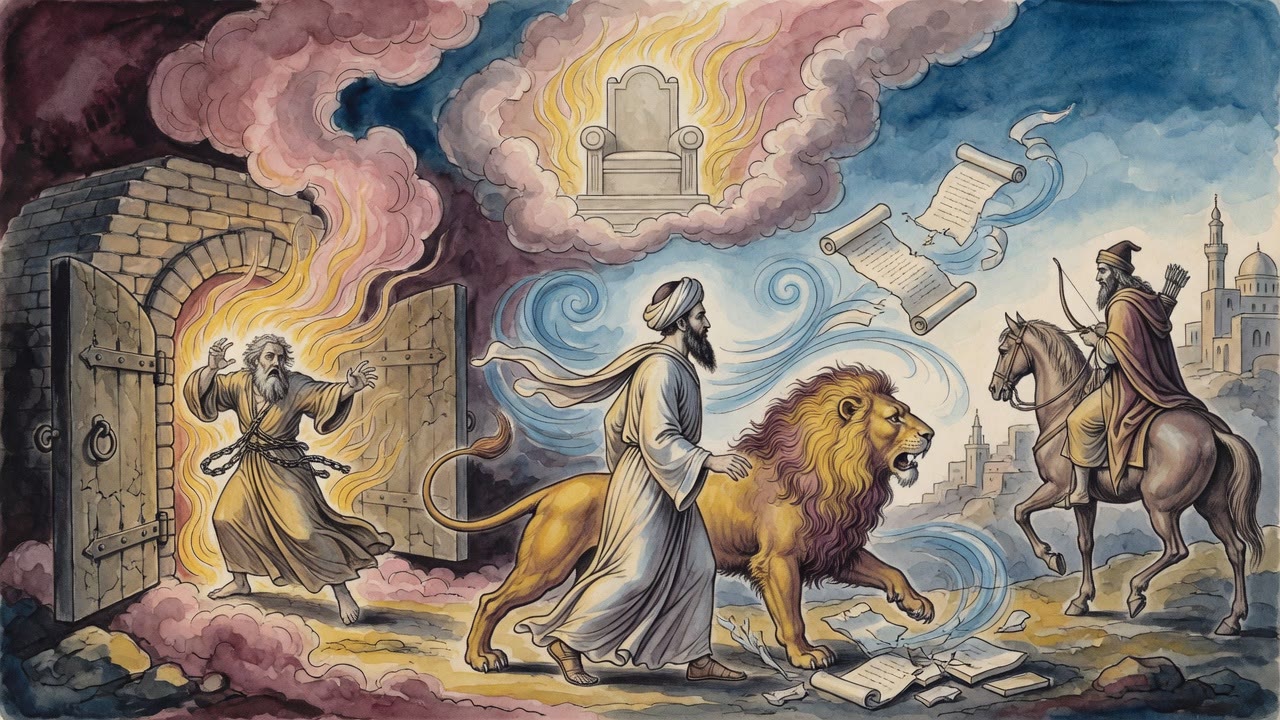
Generations later two men sat over a page of Mishna in the Galilee and came to a teaching of Rabbi Shimon ben Yohai that they could not agree about. His grave was in a cave a short walk away. Elijah went in to ask him.

"Who is with you?"

"The foremost figure of the generation, Rabbi Yehoshua ben Levi."

"Has a rainbow ever been sighted in his days?"

"Yes."

"If a rainbow has been sighted in his days, he is not worthy to see my countenance."

The greatest living sage in the land stood outside a cave in the hills and was not let in, over weather.


← All myths
From the tradition

Sources

2 sources

The texts behind this telling. Some cards carry a translation of the source; others are our own retelling of it, and each card says which. Every card links out to the original.

Legends of the Jews 11:45Legends of the Jews

Retold in our words. Read the original at the link below.The Legends of the Jews by Louis Ginzberg (1909) · Public Domain

Around the time of Ezra, a pivotal figure in Jewish history, Babylon, that mighty, ancient city, suffered a devastating blow. The Persians swept through, leaving only a small, impenetrable section of the wall standing. As if all the prophecies spoken against Babylon had finally come to pass. Legend even says that there’s a cursed spot on the site to this day; no animal can cross it unless soil from that very place is scattered before it.

While empires crumbled, something new was being built. Ezra, or perhaps more accurately, the spirit he embodied, oversaw the work of the Anshei Knesset HaGedolah, the Great Assembly. This group of incredible individuals formed a bridge, a vital link connecting the era of the prophets with the era of the sages. They laid the very foundations of what we now know as Rabbinic Judaism.

Listen to this! The great men of the Great Assembly, through the sheer power of their prayers, actually managed to capture and imprison the very forces that tempt people into sin! According to the tradition, they successfully banished the yetzer hara (יֵצֶר הָרַע) or "evil inclination" toward idolatry, preventing it from causing further harm.

They didn’t stop there. They then attempted to capture and get rid of the yetzer hara (יֵצֶר הָרַע) for lust. The Talmud (Sanhedrin 64a) and Ginzberg's Legends of the Jews tell us that this particular yetzer hara warned them that if they eliminated him, the world itself would cease to exist! For three days, they held him captive. Then, they realized the truth in his words. It seems they couldn't even find an egg – a symbol of fertility – because all sexual desire had vanished from the world!

So, they had to release him. But they didn't let him go completely free. They “plastered up his eyes,” as the story goes. From that moment on, he could no longer inflame men's passions against their own blood relatives. A powerful allegory about the constant struggle against temptation and the delicate balance required to maintain order in the world.

What does this story tell us? Perhaps it’s a reminder that while we can strive to overcome our negative inclinations, completely eradicating them might have unforeseen and undesirable consequences. It's a complex idea, and one that continues to resonate today.

Full source
Bereshit Rabbah 35:2Bereshit Rabbah

Retold in our words. Read the original at the link below.The Sefaria Midrash Rabbah, 2022 · CC-BY

The Torah tells us that the rainbow is a sign of the covenant between God and humanity after the flood, a promise that the world will never again be destroyed in that way. As it says in (Genesis 9:12), “God said: This is the sign of the covenant that I place between Me and you, and every living soul that is with you, for eternal generations.”

What if rainbows weren't always necessary? What if there were times when the merit of certain generations was so great that the world didn’t need a reminder of God's promise?

That's the fascinating question raised in Bereshit Rabbah 35, a collection of rabbinic interpretations of the Book of Genesis. Here, the verse about the rainbow being a sign "for eternal generations" (ledorot) is interpreted in a surprising way. The Hebrew word ledorot, spelled without two vavs in the text, is taken to exclude two generations from needing the sign of the rainbow. The text suggests that not all generations required this sign.

Which generations? The text names the generation of Hezekiah, the righteous king of Judah, and the generation of the members of the Great Assembly – figures who helped establish Jewish practice and law after the Babylonian exile. The idea is that during these periods, the people were so righteous that the rainbow, a reminder of humanity's potential for destruction, simply wasn't needed.

Rabbi Hizkiya offers a slightly different view, replacing the generation of the Great Assembly with the generation of Rabbi Shimon ben Yoḥai, a prominent figure in the Kabbalah tradition.

This leads to a truly remarkable story involving Elijah the prophet and Rabbi Yehoshua ben Levi. They were studying Mishna together, confronting a teaching of Rabbi Shimon ben Yoḥai. They disagreed on a detail and decided to consult the source himself! Remember, Rabbi Shimon had already passed away. But his grave was nearby, located in a cave.

Elijah went into the cave to ask Rabbi Shimon directly. Rabbi Shimon's spirit asked, "Who is with you?" Elijah replied, "It is the foremost figure of the generation, Rabbi Yehoshua ben Levi." Rabbi Shimon then asked, "Has a rainbow ever been sighted in his days?" When Elijah answered yes, Rabbi Shimon declared that Rabbi Yehoshua ben Levi was not worthy to see his countenance. The mere presence of a rainbow in Rabbi Yehoshua ben Levi's time was seen as a sign of spiritual imperfection, preventing him from encountering Rabbi Shimon's holy spirit.

The passage continues with more incredible tales of Rabbi Shimon ben Yoḥai’s power. Rabbi Hizkiya, quoting Rabbi Yirmeya, tells us that Rabbi Shimon once commanded, "Valley, valley be filled with gold dinars," and it was so!

Then comes an even bolder statement: Rabbi Shimon believed that Abraham, with his immense merit, could have drawn all people from his time until Rabbi Shimon's time closer to God. But, if Abraham didn't choose to do so, Rabbi Shimon and Aḥiya the Shilonite could together bring everyone from Abraham's time until the coming of the messianic king closer to God.

Finally, Rabbi Shimon states that the world needs at least thirty righteous people like Abraham to endure. If there are thirty, he and his son are two of them. This number dwindles down: if there are twenty, ten, five, or two righteous people, Rabbi Shimon and his son are among them. And if there is only one righteous person in the world? It is Rabbi Shimon ben Yoḥai himself!

What are we to make of these extraordinary claims?

On one level, it's evidence of the immense respect and reverence held for these figures, particularly Rabbi Shimon ben Yoḥai. He is portrayed as a towering spiritual figure whose merit could influence the fate of the world.

But perhaps there's a deeper message here. Maybe it's about the potential that lies within each of us. The idea that righteousness, spiritual dedication, and connection to God can create a world where reminders of destruction are unnecessary.

It challenges us to consider: what kind of world are we creating? Are we striving to live in a way that diminishes the need for such reminders? Are we contributing to a world where the "rainbow" of covenant is ever-present, or are we striving for a world that transcends even that?

Full source