Fifteen-Year-Old Balaam Sank Africa's Army in Wax
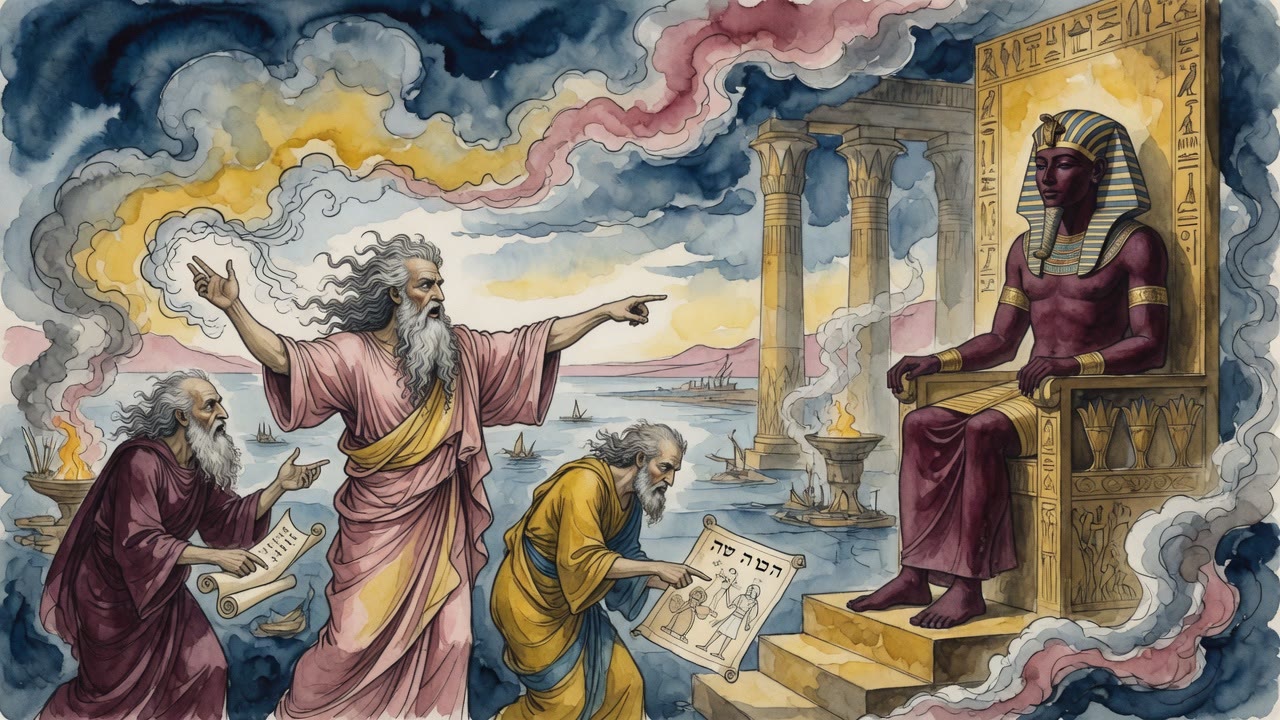
Zepho pushed Agnias to invade Egypt and crush Jacob's sons. A fifteen-year-old Balaam sank wax armies in water, and the king canceled war.
Table of Contents
 Click for full size
Raids Before the Great War
The king of Africa showed strange mercy at Benevento because the city leaned toward Kittim, the sea people later whispered as Cyprus, Greece, or Italy. Restraint did not mean peace. Captain Zepho led raiding parties into Kittim's land until the coast learned the sound of African horses as a seasonal weather.
King Agnias traveled to Pozimana, married Yaniah, and brought her home as queen while the raids still smoked. Wedding music and low war shared the same calendar. Zepho wanted more than plunder. He wanted Egypt broken and the sons of Jacob under the spear.
He pressed Agnias until the king agreed to consider a full invasion. A mighty army gathered. Boots, shields, and hunger for Jacob's house filled the muster lists. Zepho finally smelled the war he had been breeding.
The Boy Among the Shield-Bearers
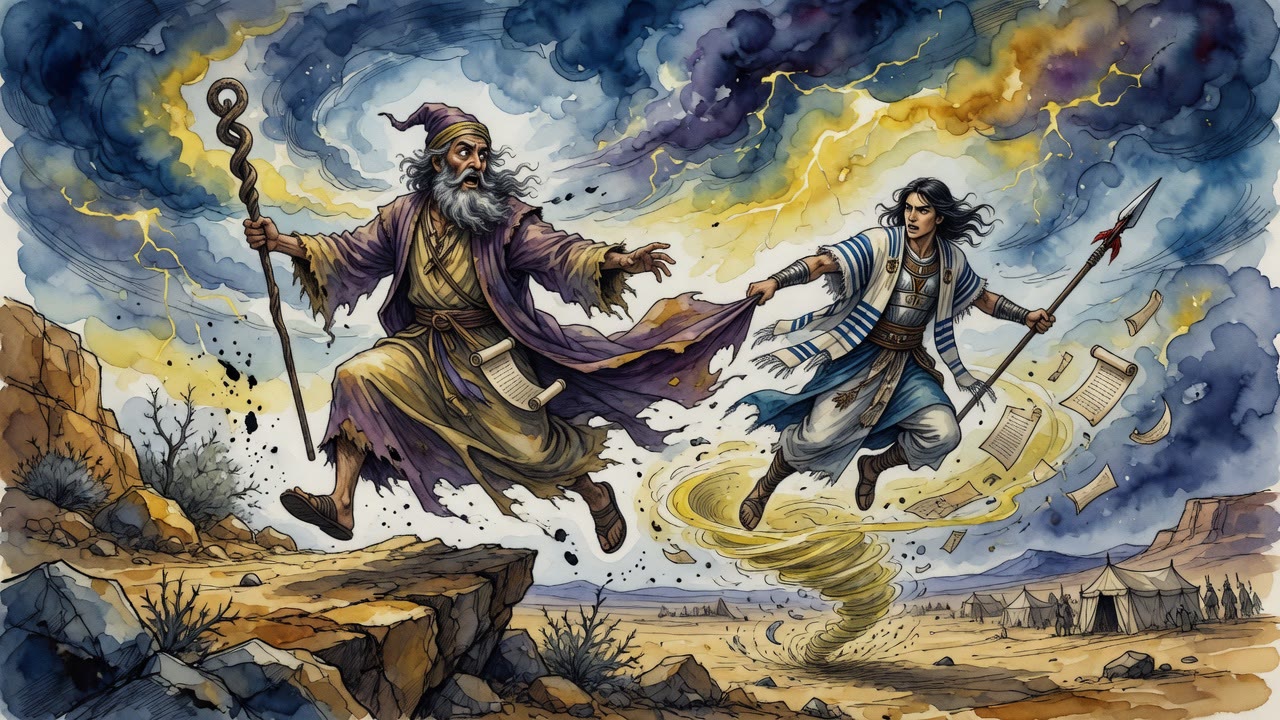
Among the shield-bearers stood a fifteen-year-old named Balaam son of Beor, already called wise and an adept in magic. The same mouth that would later sell curses against Israel first sold foresight to a nervous king. Agnias feared the march more than he loved Zepho's counsel. He asked the boy to read the war before the first arrow flew.
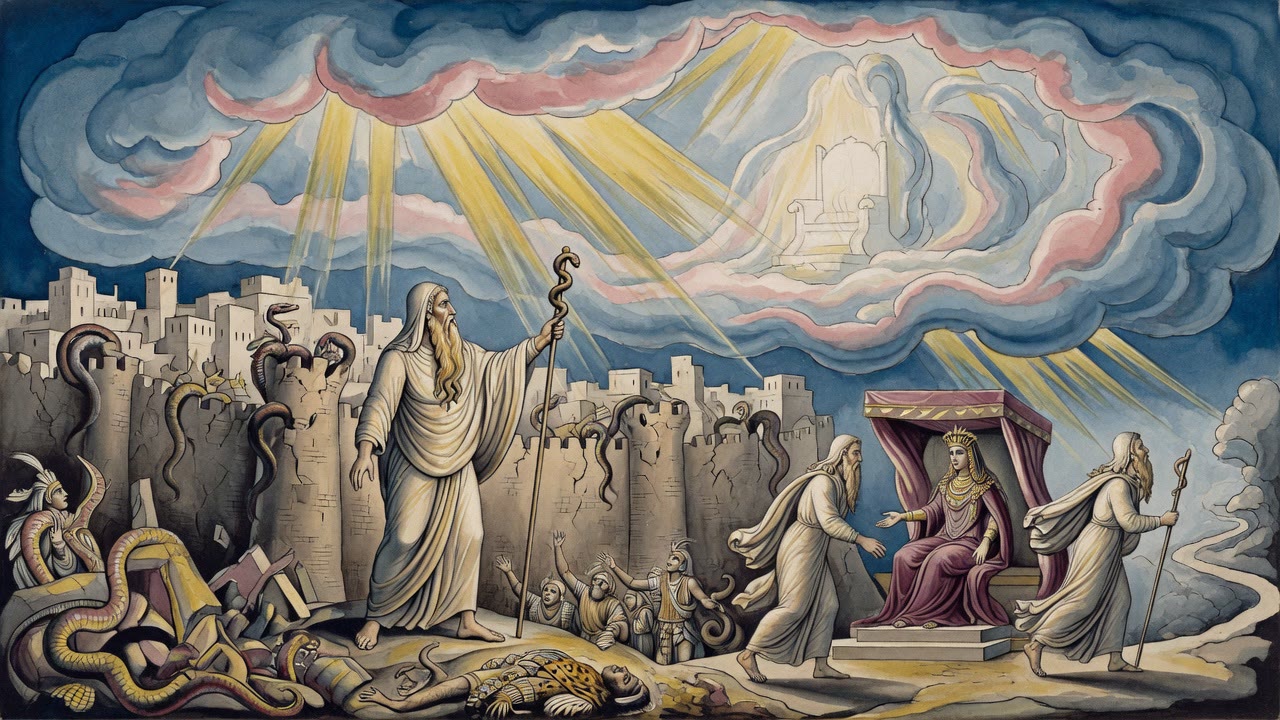
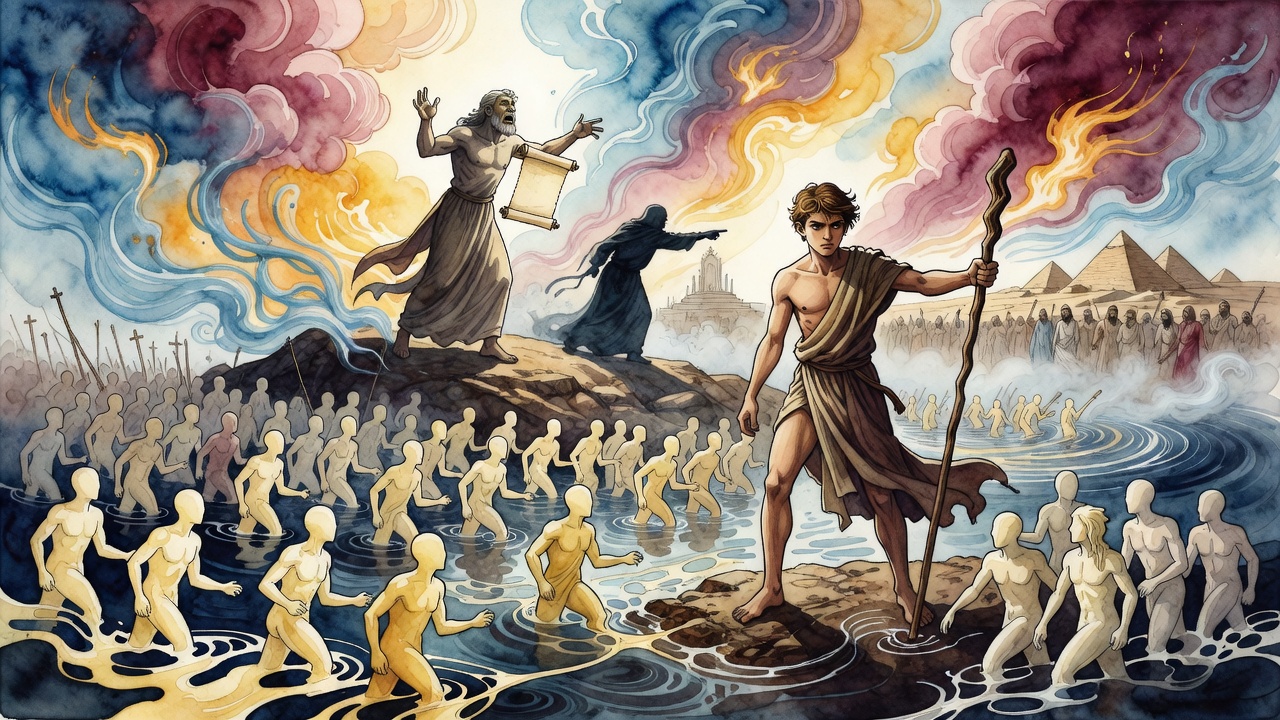
Balaam shaped wax men for Africa and wax men for Egypt. He plunged both armies into magic water and watched them swim. The African figures went under. The Egyptian figures held. The pool returned a verdict colder than any scout's report.
Agnias saw his own host subdued in miniature and called off the campaign. A teenage soothsayer with warm wax undid what a captain of raids had spent months assembling. The king trusted the water more than Zepho's hunger.
Why Egypt Was Already a Furnace
Zepho had aimed at the sons of Jacob in a land that already knew how to strangle Hebrews inside their own walls. Executioners worked houses until groans rose, and God heard the covenant names of Abraham, Isaac, and Jacob. The house of Israel counted years of affliction against older promises of four hundred years, and later reckoners would say the body of the stay in Egypt was two hundred ten years of crushing heat.
Idols still stood thick in that land, waiting for the day the Lord would execute judgments upon Egypt's gods. Zepho wanted to break Jacob's seed from outside. Heaven was already writing a longer war from inside the brick pits and the night cries.
An African invasion would have arrived as one more empire stacking itself on top of a furnace. Balaam's wax said the stack would fall the wrong way for Agnias.
The Captain Who Could Not Bear Peace
Zepho watched the canceled march the way a gambler watches dice freeze midair. He had pushed, mustered, and almost owned a war against Israel. A boy with water and wax had stolen it. Seeing he could not bend the king, Zepho fled Africa for Kittim rather than live under a peace he despised.
Some men leave a court because they lost favor. Zepho left because he lost a slaughter. Kittim received a captain who preferred open coast raids to the humiliation of a king who believed omens over ambition.
The same Balaam who saved Egypt for a season would later ride toward Israel's camps with curses for sale. The first time his craft touched Jacob's house, it kept African spears from the border. The later times would test whether heaven would let any wax or word rewrite the covenant.
Wax, Water, and a Deferred Spear
Africa's army never crossed. Egypt's furnaces still burned. Jacob's sons still groaned under a different empire's weight. Zepho carried his frustration to Kittim, and Balaam carried his craft into a longer story that would not stay a boy's game with floating figures.
For one night the fate of an invasion sat in a basin of magic water. Agnias believed what sank. Zepho believed only in the war that had been taken from him. Between them, Israel's survival did not look like a miracle from within the Hebrew tents. It looked like a foreign king's fear of a teenage diviner.
Heaven keeps stranger ledgers than captains admit. A canceled campaign left Jacob's children under Pharaoh rather than under Agnias, and the furnace that refined them remained the one God had already named in covenant speech.
Wax softens in heat. So does a king's resolve when a pool returns defeat. Agnias had married Yaniah and mustered a host in the same season of appetite. One appetite wanted a queen. The other wanted Jacob's sons under boot. Balaam's basin fed only the second appetite a corpse.
Zepho's raids on Kittim had been practice. Egypt was the prize that would have paid for years of low war. When the prize vanished, he chose exile over obedience. Captains who live for invasion do not retire into peace treaties. They change coasts and keep the hunger.
In the Hebrew houses the strangling still went on without African help. Covenant memory still rose with the groans. The canceled invasion did not cancel the furnace. It only chose which empire would hold the tongs.
← All myths