The Fool Who Could Have Ended Exile at Sinai
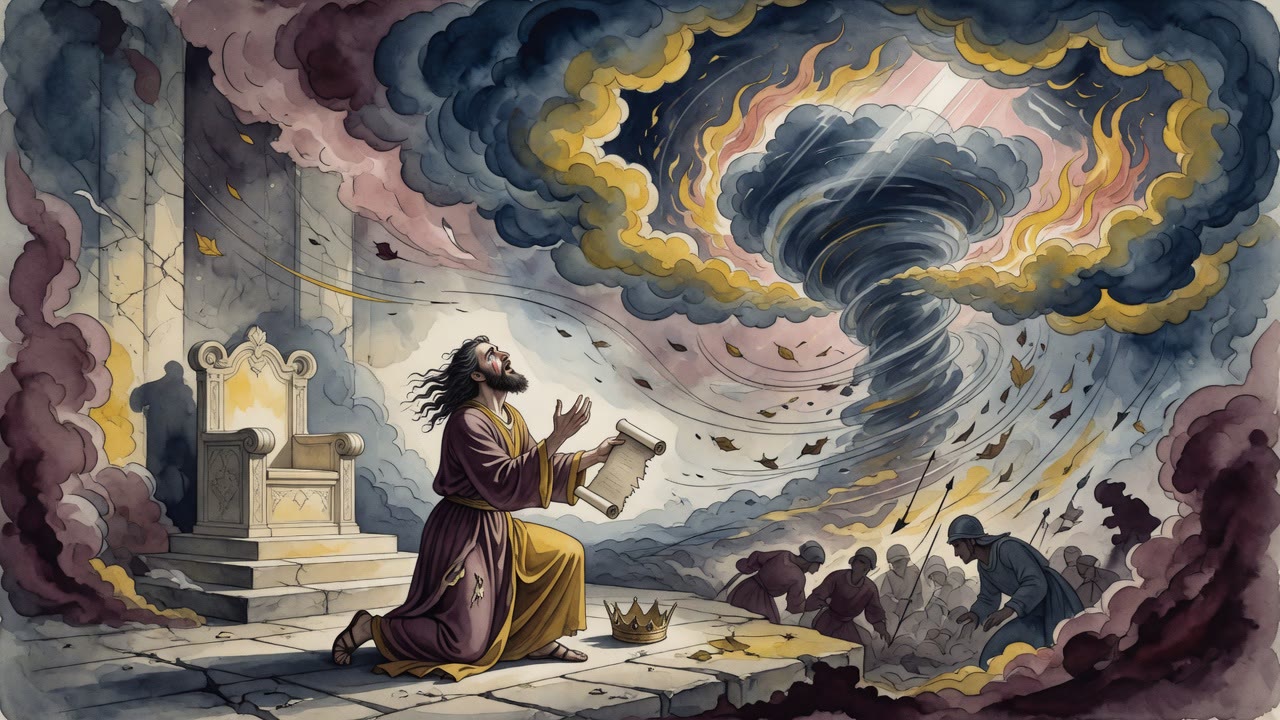
Scorpions stood like white donkeys while God asked who could release the oath. Rabbah came down silent, and the sages called him a fool.
Table of Contents
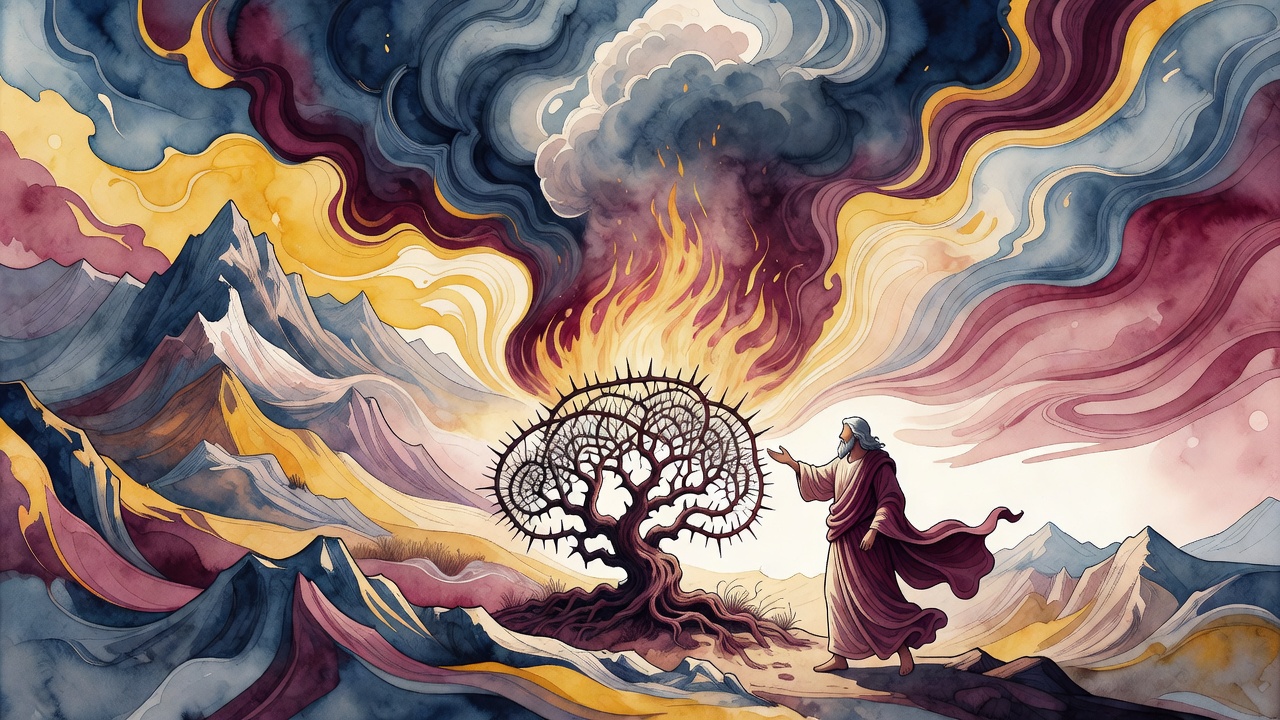
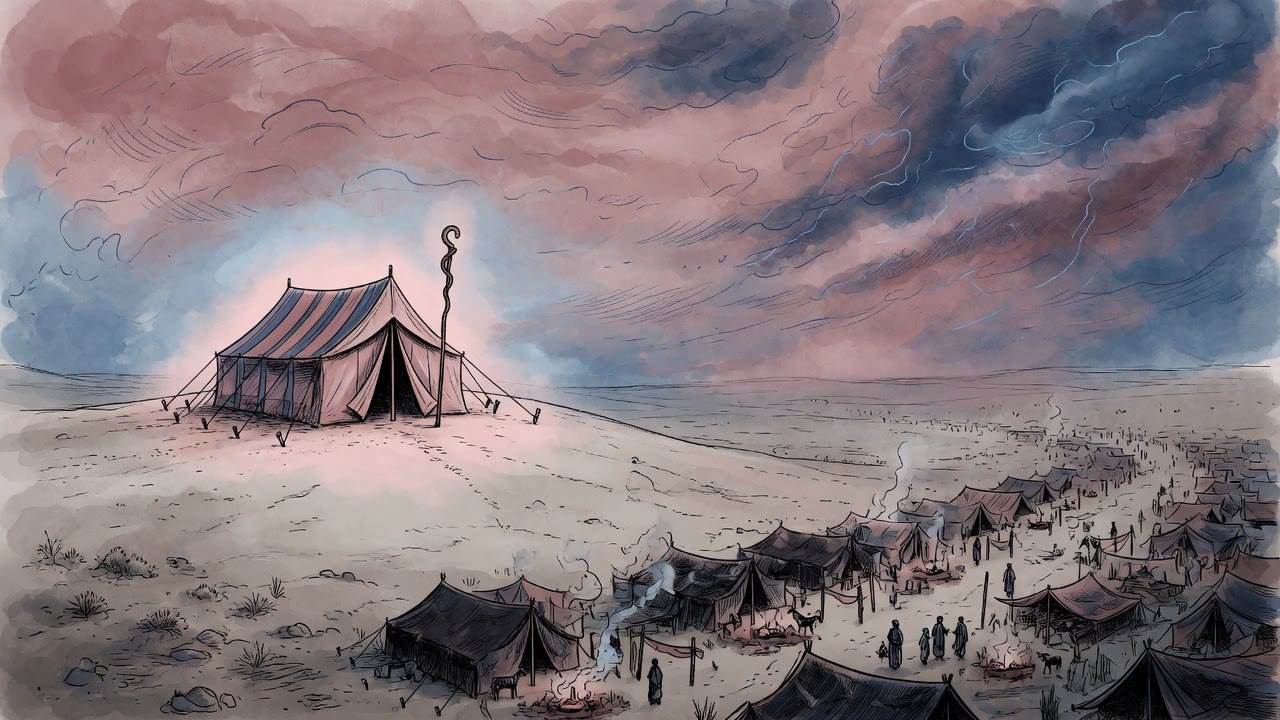
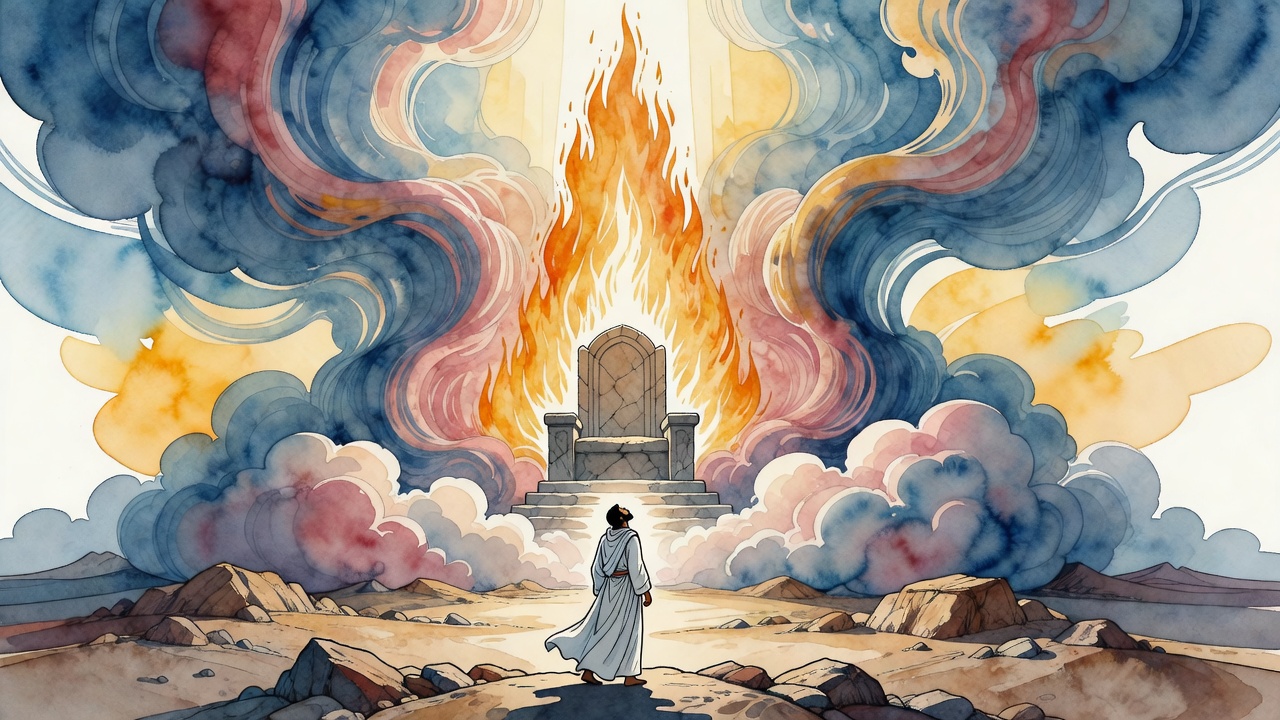
Rabbah bar Bar Hannah climbed Mount Sinai behind an Arab guide who promised him the mountain itself, not a tale about the mountain. Scorpions stood around the ridge like white donkeys. Caravan dust still clung to his cloak. He expected rock, wind, and the pride of standing where the law once fell like fire.
 Click for full size
What he got was a voice.
A Cry That Bound Heaven to Exile
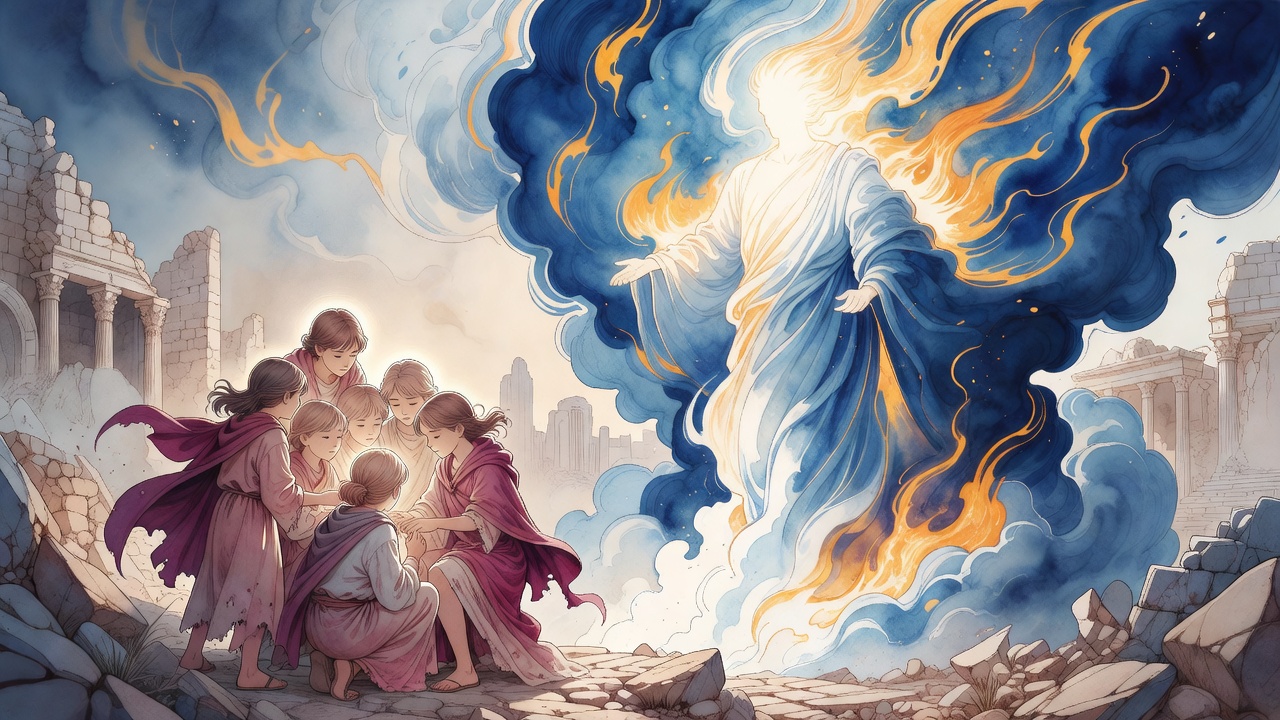
"Woe is Me," the voice said. "I have sworn to exile My children, and now that I have made the oath, who can absolve Me of it?"
God was not complaining about Israel. God was trapped by God's own word. An oath is not a mood. In the law of Israel, a vow stands until another voice releases it. The Holy One had sworn the people out of their land, and the swearer now stood without a human court willing to say the simple formula of release.
Rabbah listened. The mountain did not shake. No bush burned. Only a lament from the same height that once spoke ten words into smoke. Scorpions held their white shapes. The Arab guide watched Rabbah's face and understood none of the Hebrew anguish, only that the mountain had spoken in a register tourists do not book.
Rabbah's hands hung empty. He had climbed for a marvel and received a legal emergency. He went home with the report and no release on his tongue.
The Sages Call Him a Fool
When he told the other rabbis, they did not praise his vision. They nearly tore their garments.
"You fool! You should have cried out, 'I absolve You of Your oath!'"
One human sentence could have cut the chain. Exile might have ended on the spot where exile's law was first given. Instead the traveler brought back a report, and the galut kept its teeth.
The missed moment sat between them like a third person in the study hall. Power had been offered to a man who thought listening was enough. On the descent he had rehearsed what he would tell the hall. He had not rehearsed the three words that mattered. By the time the caravan reached inhabited roads, the moment had cooled into anecdote.
Souls That Pine From the Pit
Far from Sinai, other voices keep asking the same question the mountain asked. "My soul has pined for Your salvation." Jeremiah asks why God forgets forever. Harvest passes, summer ends, and no rescue arrives. David counts the days of divine silence as if they were a personal debt.
Eyes fail from searching a word of comfort that does not come on schedule. The appointed time tarries. Israel feels like smoke long neglected, poured out like water, refined past the point where refinement still feels like love.
Wicked hands dig more than one pit. The people who remember the law against slaughtering mother and young on the same day still find themselves struck again and again, as if the mercy they study is never the mercy they receive. Still the souls cling. The cry itself becomes a form of holding on.
Blood That Drives Out the Presence
Exile is not only an oath on a mountain. It is also blood on the ground. Even accidental killing cannot be bought off with ransom. A manslayer runs toward a city of refuge with silver in his fist, and the city will not take the coins. A life is not a fee. The city holds him because silver cannot scrub a life from the dirt.
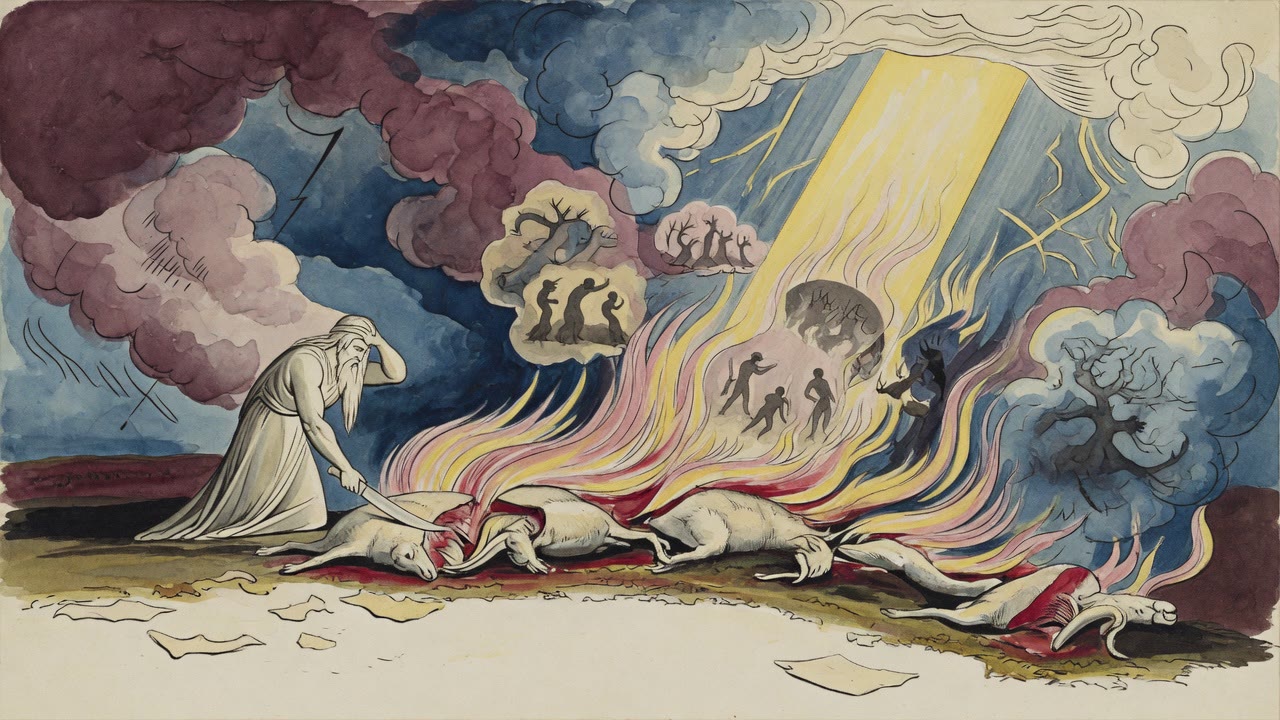
"You shall not pollute the land," the Torah says, and the interpreters hear blood making the earth flatter, fail, and finally refuse its fruit. Blood reposes wrath upon the land. When a heifer's neck is broken in an unsolved murder and the true killer is found later, the earlier rite does not finish the job. The land still waits for real justice.
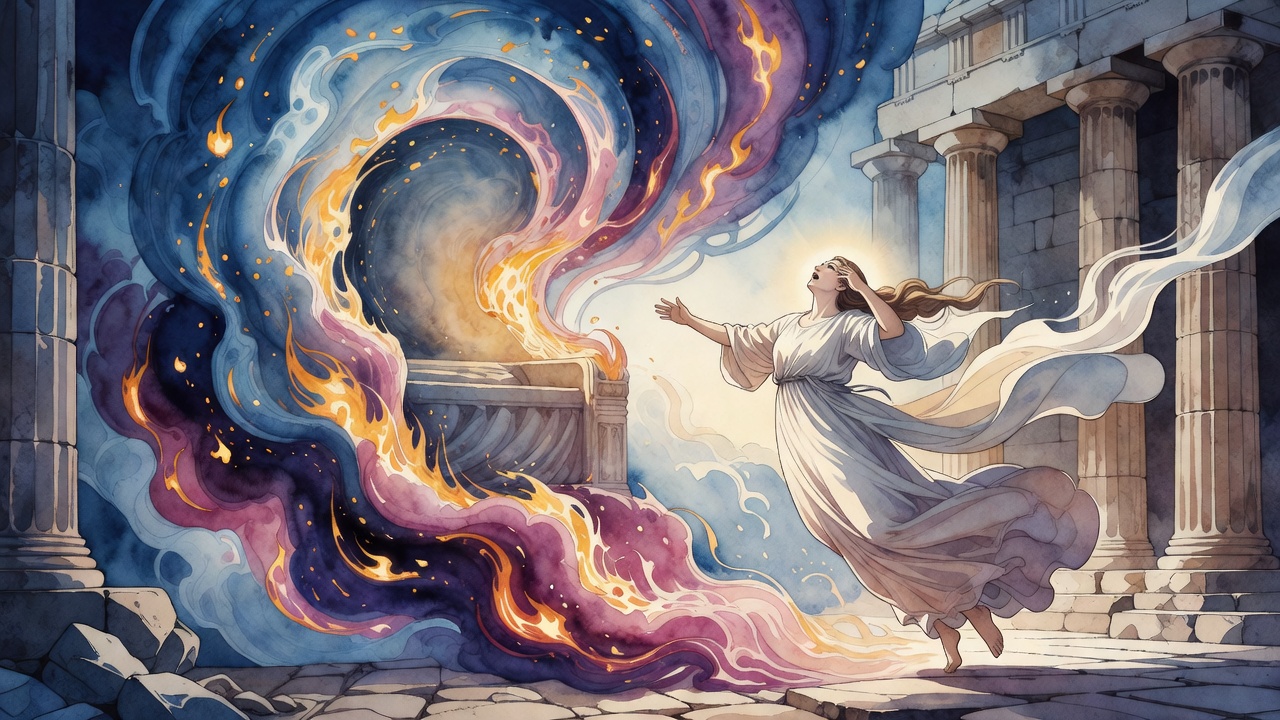
Bloodshed drives out the Shekhinah (שכינה), the Divine Presence. The Temple itself, they said, fell for this. God sworn to exile and God driven from a defiled land are two faces of one disaster. Rabbah stood where the first face spoke and left the second unhealed.
The Sentence That Was Never Spoken
A dusty traveler could have opened his mouth. "I absolve You." The oath would have loosened. Roads would have reversed. Children of the covenant would have walked home under a sky that no longer held a prosecutor's calendar as the only calendar that matters.
He did not speak. The voice on Sinai kept its wound. The souls in the pit kept pining. The land kept counting blood it could not digest.
In later winters, when tax collectors knocked and foreign scripts replaced Hebrew on the gates, people would say the exile was inevitable. The sages who scolded Rabbah refused that comfort. Inevitability is the claim people make after they forget they once stood close enough to an oath to cut it.
Rabbah's empty hands went down the mountain. The scorpions kept their watch. The voice that asked for release did not get it. That silence became part of the inheritance, heavier than any scroll he could have carried down in triumph.
← All myths