Four-Fifths of Israel Died During the Plague of Darkness
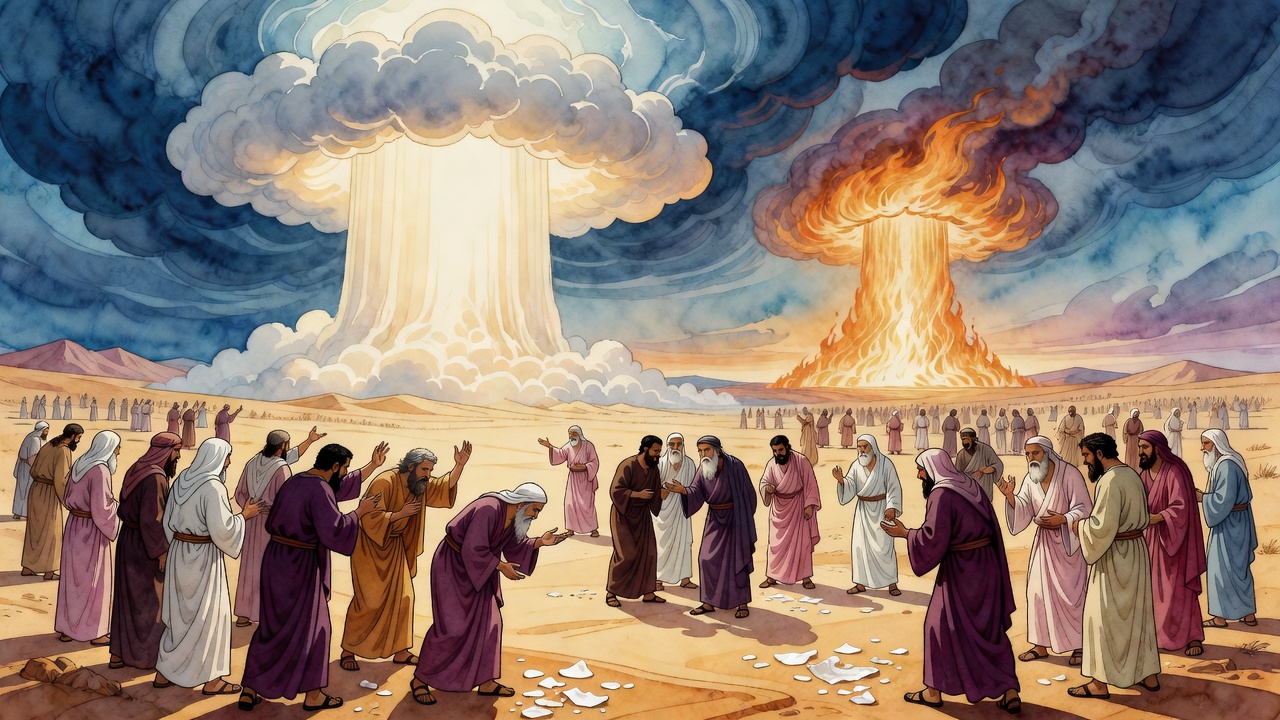
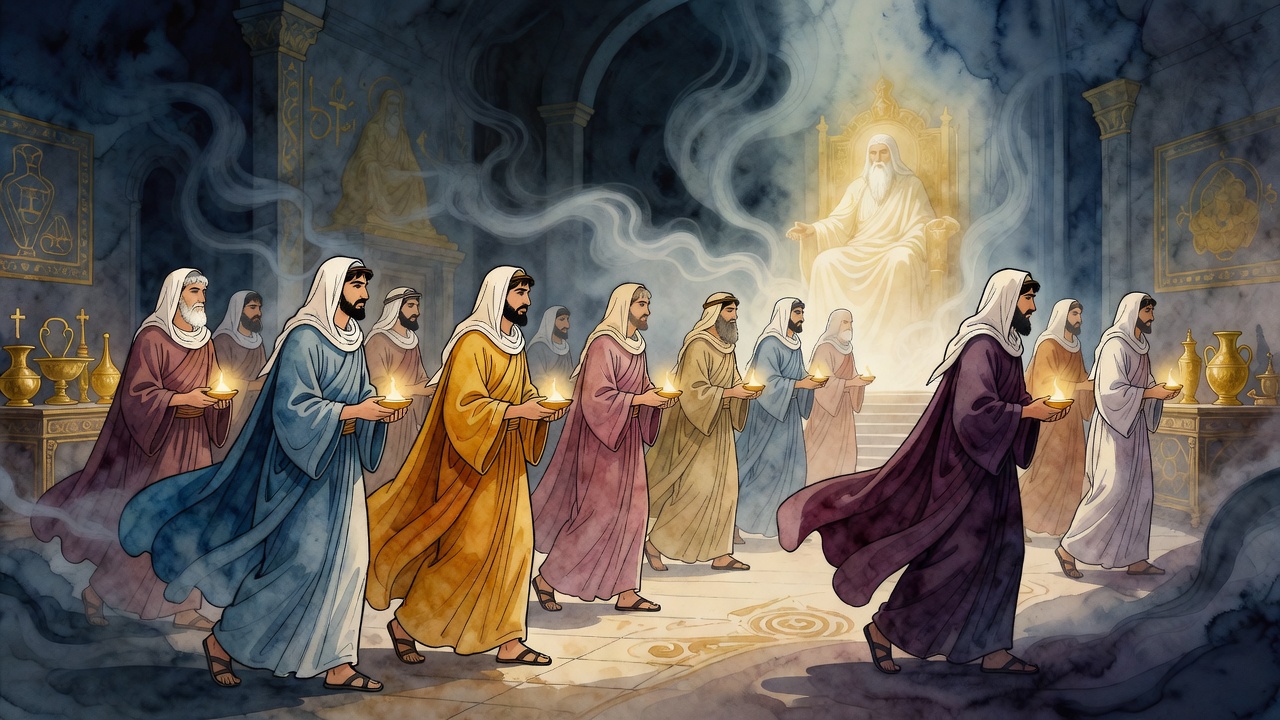
Not everyone wanted to leave Egypt. The midrash says four-fifths of Israel died during the plague of darkness, hidden so Egypt would not rejoice.
Table of Contents
 Click for full size
The Darkness That Only Paralyzed One Side
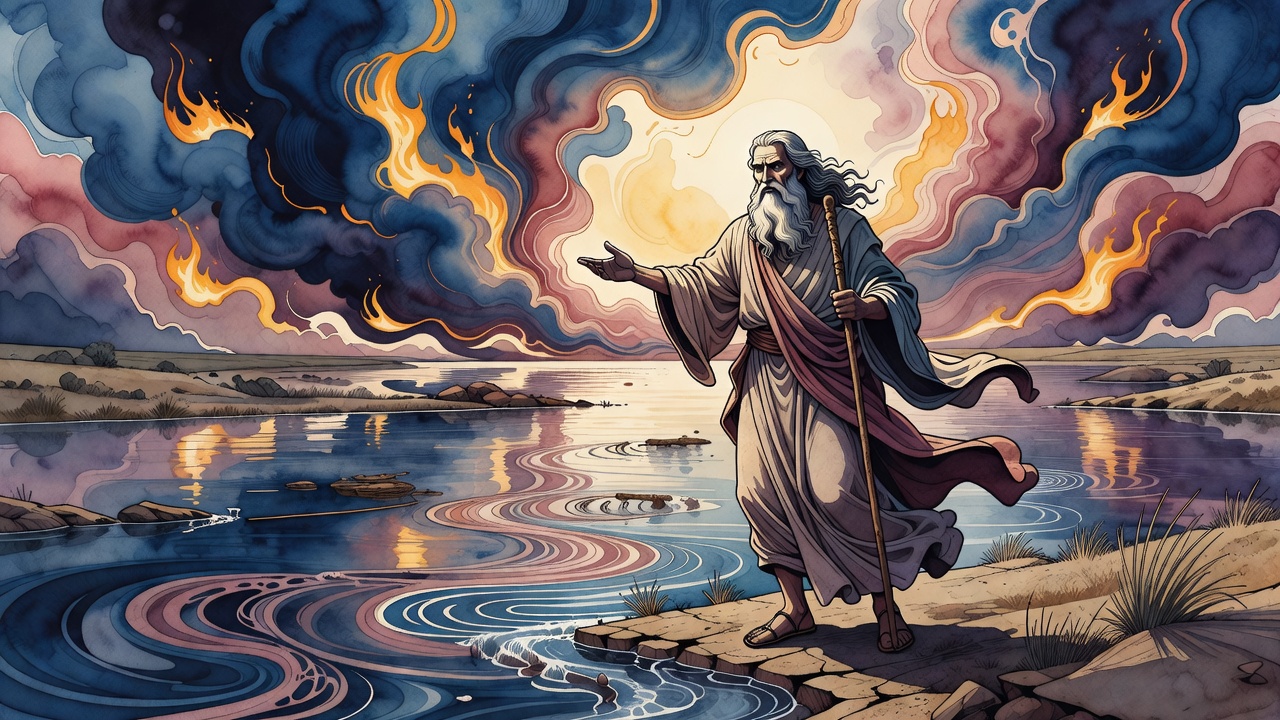
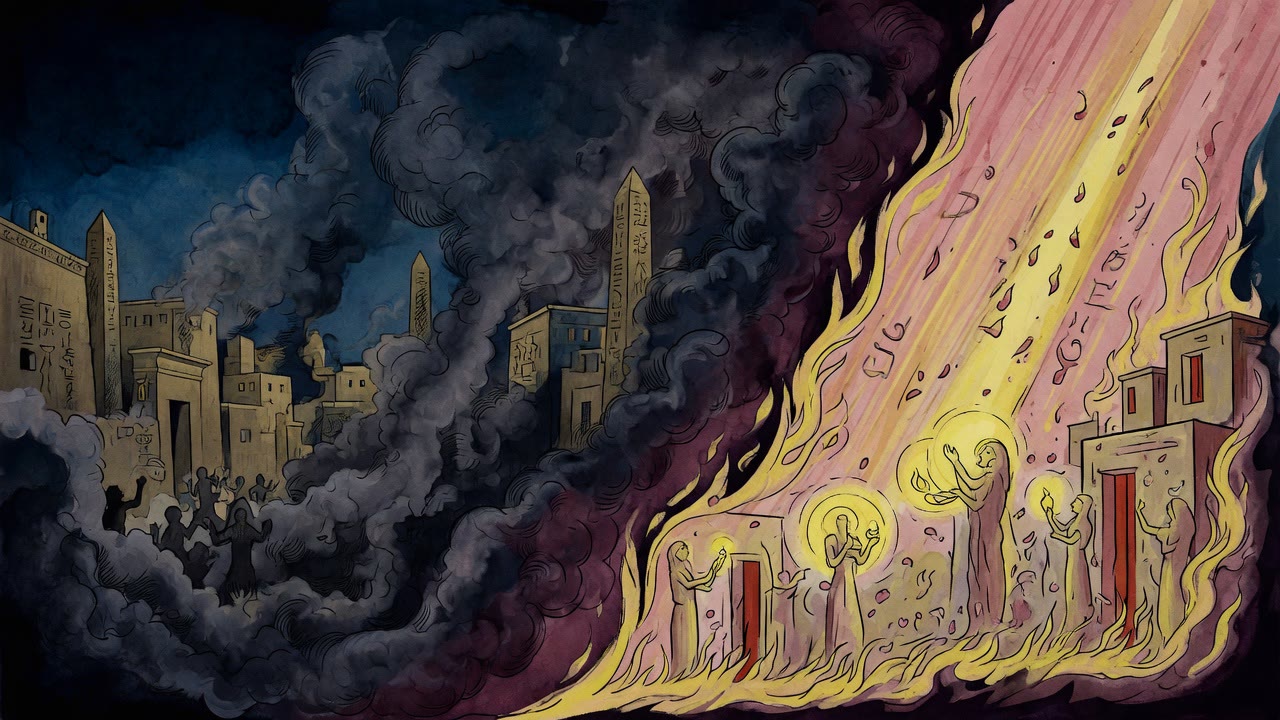
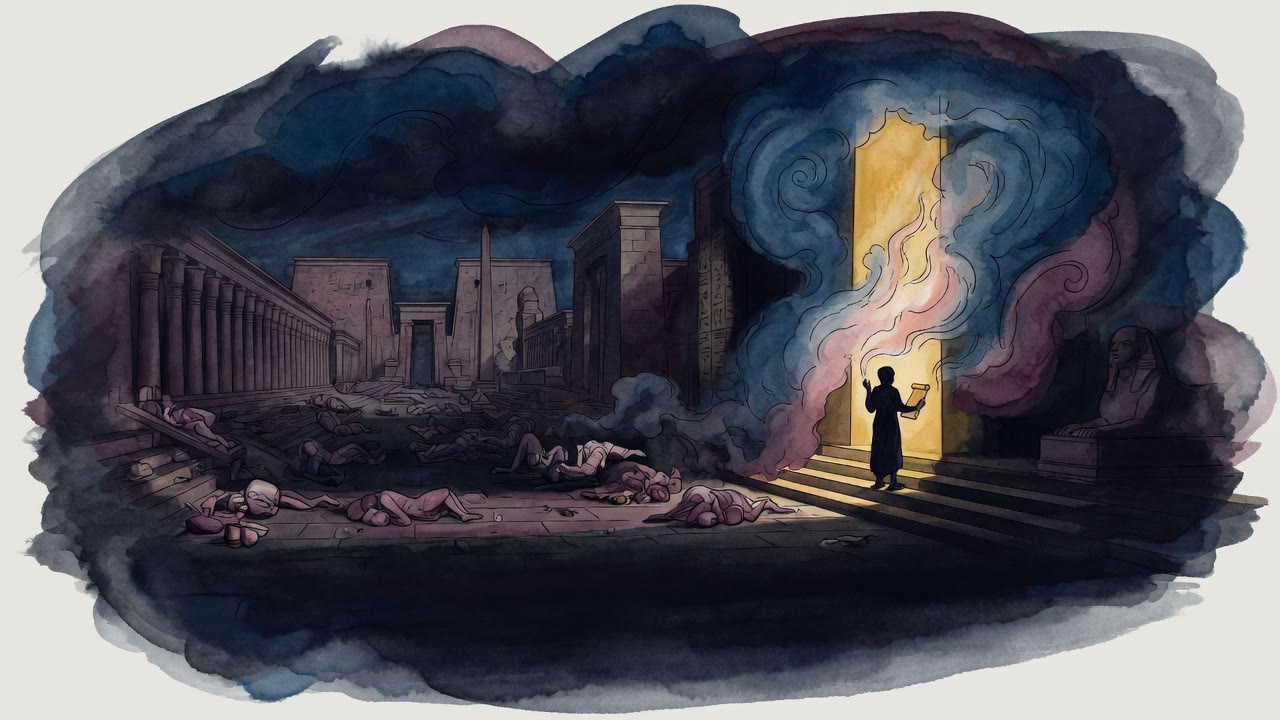
The ninth plague lasted seven days. It was not ordinary darkness, the kind that comes when the sun sets and the eyes adjust over time. This darkness was a substance that could be felt. Egyptians who stretched out their hands could not pull them back. Those who were sitting could not stand up. Those who were standing could not sit down. The bodies of the Egyptians were locked in whatever position they occupied when the darkness arrived and held there for seven days like insects sealed in amber. They could breathe. They could not move. The darkness permitted nothing except existence.
The Israelites in Goshen had light. That detail appears in the biblical text itself. But the traditions surrounding the ninth plague went further. The light in Goshen was not merely the absence of the darkness across the border. The Israelites moved freely through their quarter of Egypt during the seven days, and by that light they learned what their Egyptian neighbors possessed, which houses held the silver and gold they would ask to borrow before the Exodus. The plague of darkness was partly reconnaissance, giving Israel a map of Egyptian wealth that would be stripped from the land on the night they departed.
What the Darkness Concealed
Not all of the Israelites wanted to leave. The traditions are direct about this. Among the people in Egypt were Israelites who had become comfortable, who had adopted Egyptian ways, who had entered Egyptian households as something closer to members than slaves, who had accumulated property and status that depended on remaining where they were. When the time of deliverance came, they refused it.
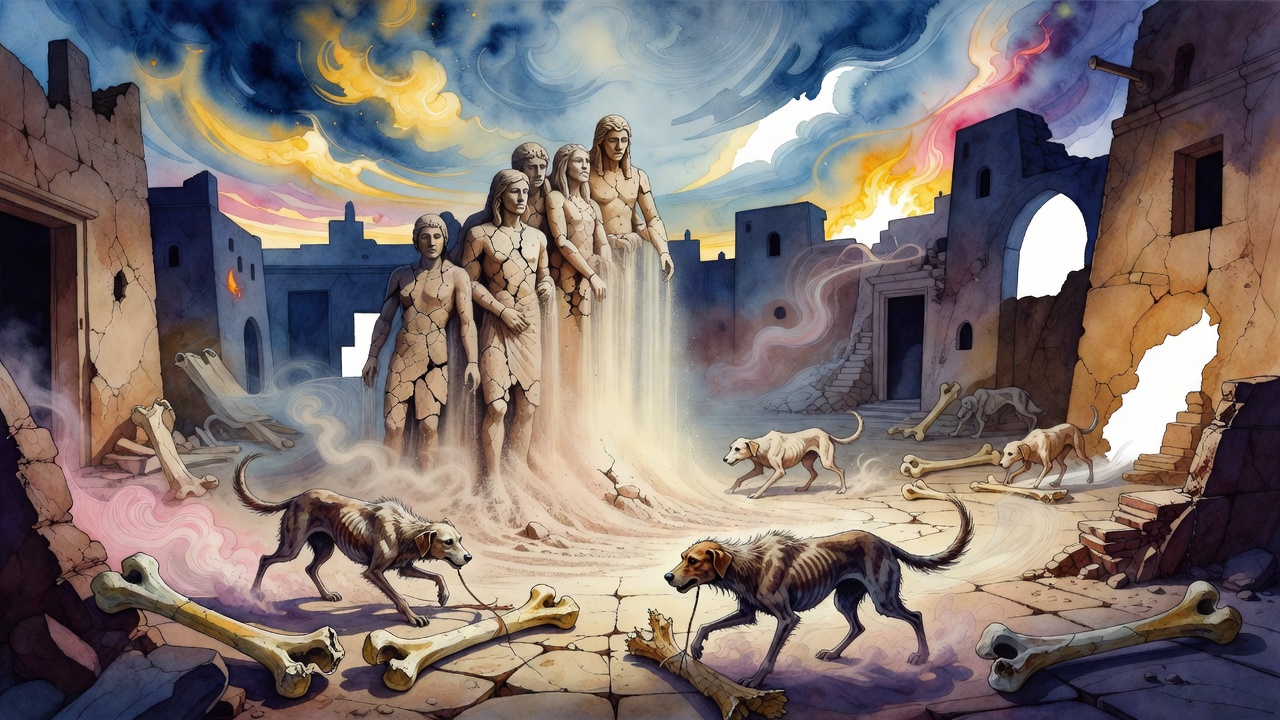
Four-fifths of the Israelite population died during the plague of darkness. They died in the darkness precisely because God was providing cover for the fact of their deaths. If they had died at any other time, in plain daylight, the Egyptians would have seen Israelite bodies and rejoiced. There would have been a mockery of the redemption before it could happen, a counter-narrative available to Pharaoh that would have undermined the departure. The darkness solved this problem. The dead were buried quietly during the seven days of blindness, without Egyptian witnesses, and when the darkness lifted, the Egyptians had no record of a plague that had fallen on the people they had been oppressing.
The God Who Said the Redemption Was for Both of Them
One of the readings of the Exodus preserved in the midrash turns on a verse that sounds, at first, like a typo. God tells Moses that the coming month will be for him, for the people. The commentary reads the phrase as though God is saying the redemption is for Me and for you both. As though God needed the Exodus as much as Israel did. As though there was something in the liberation of the enslaved that addressed a need in the one doing the liberating, not only in the ones being freed.
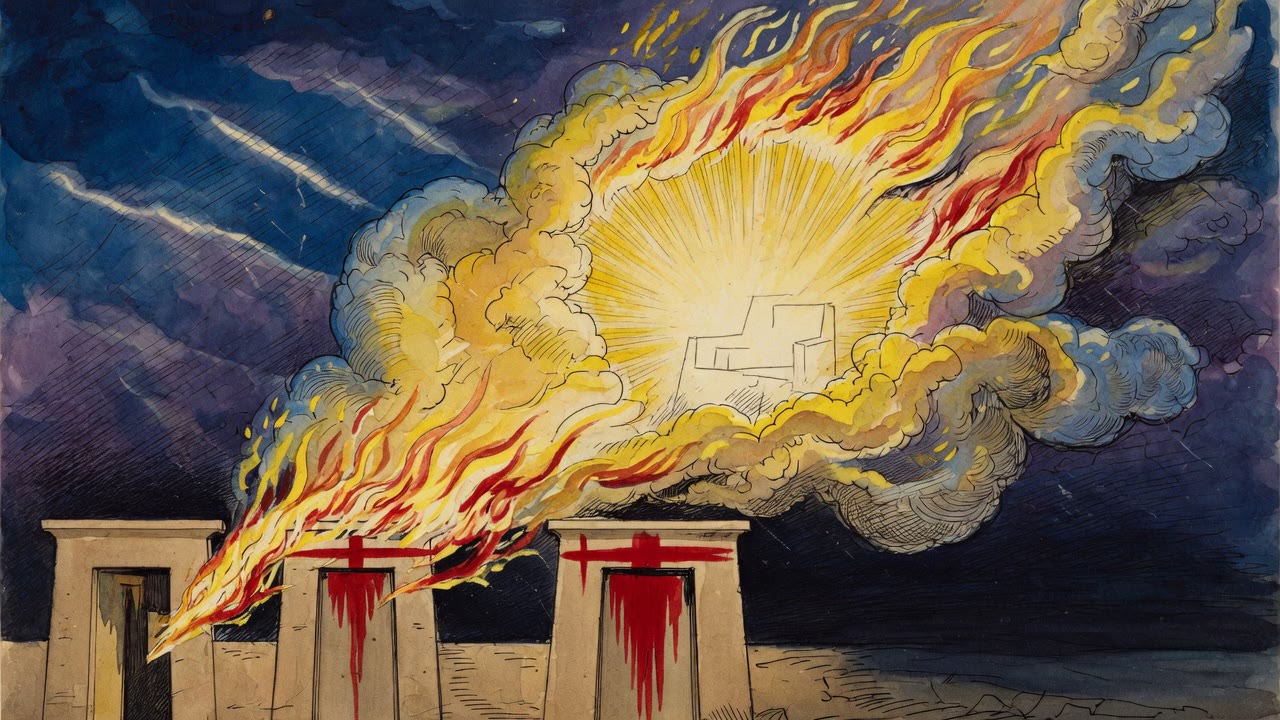
This reading positions the plague of darkness differently. It was not only a punishment for Egypt. It was not only cover for the deaths of Israelites who would not leave. It was also a kind of mercy for those same Israelites. They died, but they died in the dark, without public humiliation, without the triumph of their oppressors over their bodies. The darkness that paralyzed the Egyptians also protected the dignity of the Israelites who had made choices God could not reward but could still shield from mockery. The redemption that followed was for the ones who survived and left. The darkness was for everyone.
The Numbers Behind the Claim
The calculation of four-fifths comes from comparing the census figures that appear in the Torah itself. When Jacob went down to Egypt, the household of Israel numbered seventy people. When Moses finally led the people out, the census in Numbers counted six hundred thousand men of fighting age. But when the sages examined the population figures embedded in the Exodus narrative against the known scale of what the plagues produced, they found a gap. The number that came out of Egypt was far smaller than the number that should have been there had every Israelite survived. Rabbi Nechemia calculated that only one in five had left. The other four-fifths, those who had become too embedded in Egyptian culture, too invested in the structures of the land they were being asked to leave, died during the seven days of darkness, buried without ceremony, without the Egyptians knowing their names.
This tradition refuses to flatten the Exodus into a story of unanimous liberation. Some people did not want to be liberated. Some people had built lives in Egypt that they would not leave. The Exodus was real, and it was incomplete. The population that walked out into the wilderness was a remnant, a fifth of what had been there, a group self-selected by the willingness to move.
← All myths