5 min read

Gideon Refused the Crown Three Times and Abimelech Killed for It

Jotham escaped the stone where his brothers died. From Mount Gerizim he told a parable about trees that refused to be king, and a thorn-bush that agreed.

Curated by Arthur · Told by Maggid ·
Table of Contents
  1. Three Refusals
  2. The Son Who Climbed by Murder
  3. Ephod and Pocket Gods
  4. Humility's Strange Pay
  5. What the Thorn Taught
Gideon Refused the Crown Three Times and Abimelech Killed for It Click for full size

Three Refusals

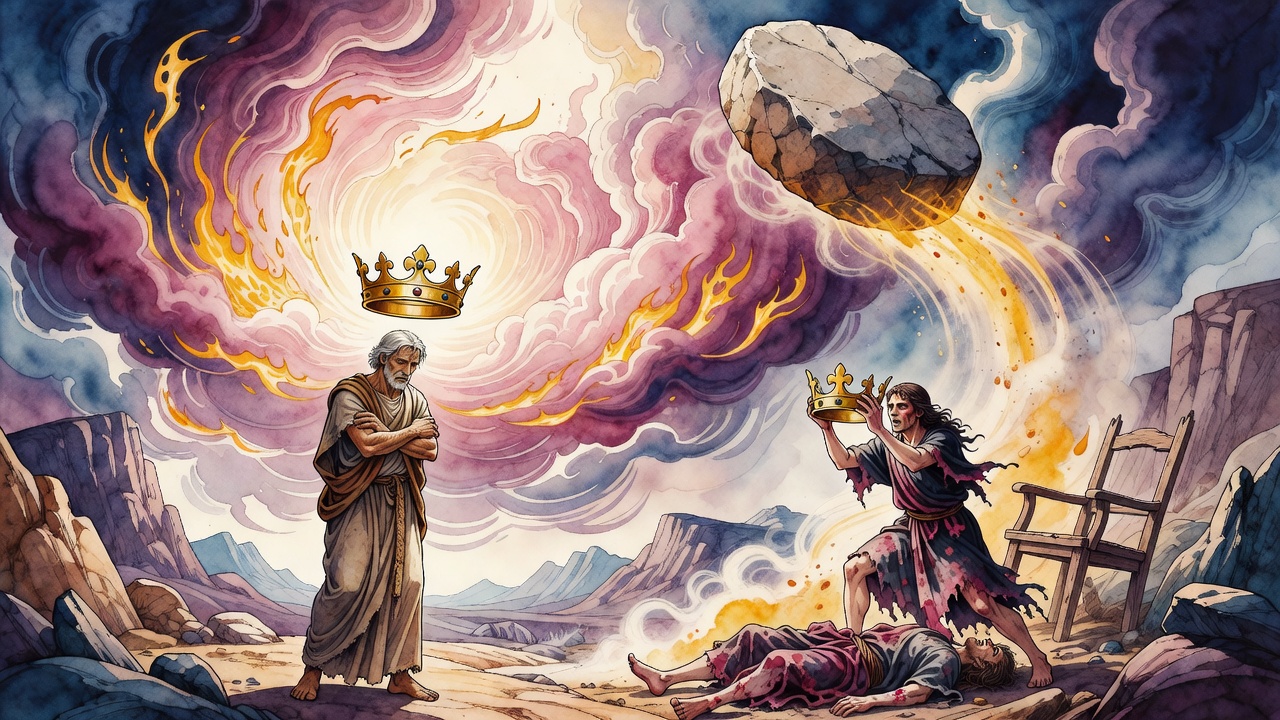
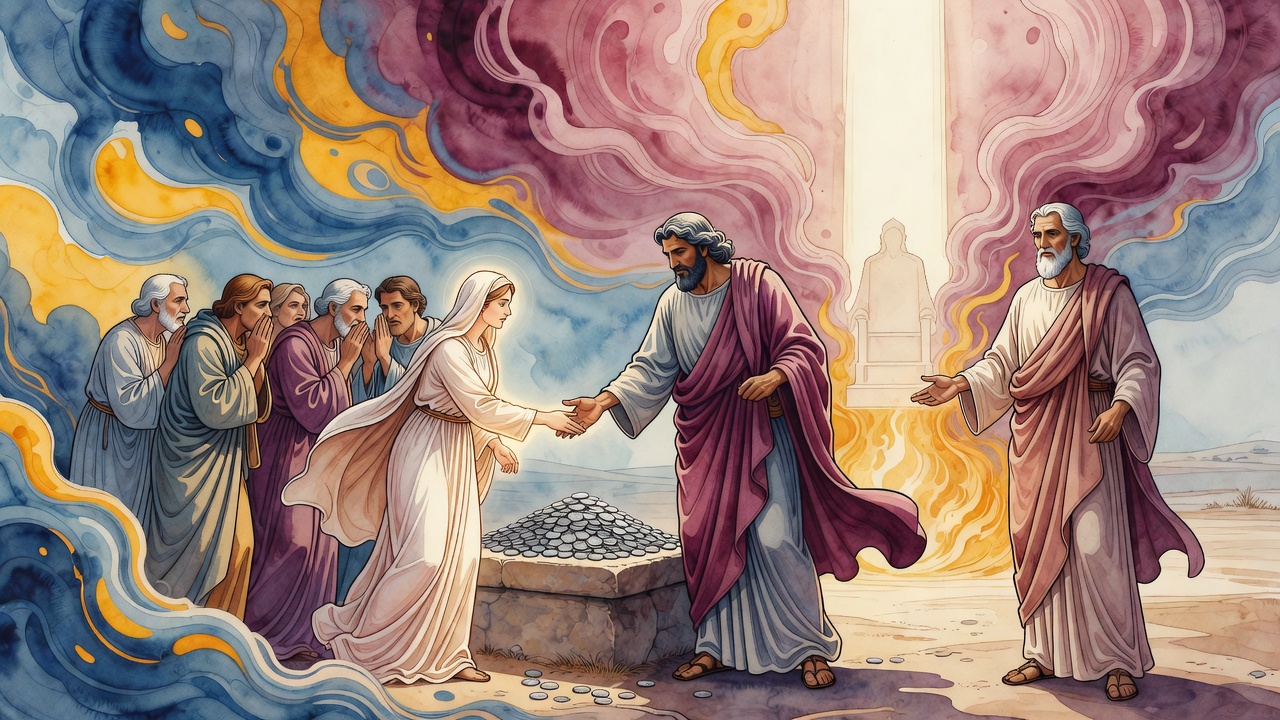
Israel came to Gideon after the Midianite night and pressed a crown into his hands. "Rule over us, you, your son, and your son's son." He answered three times. "I will not rule over you, nor shall my son rule over you; the Lord shall rule over you." Three offers. Three pushes back. He laid kingship on Heaven and kept his own shoulders free.

The Holy One heard the shape of those words. You speak this way? By your life, a son from you will reign three years, one year for each refusal. Humility was not ignored. It was measured and returned in a coin the house did not expect.

The Son Who Climbed by Murder

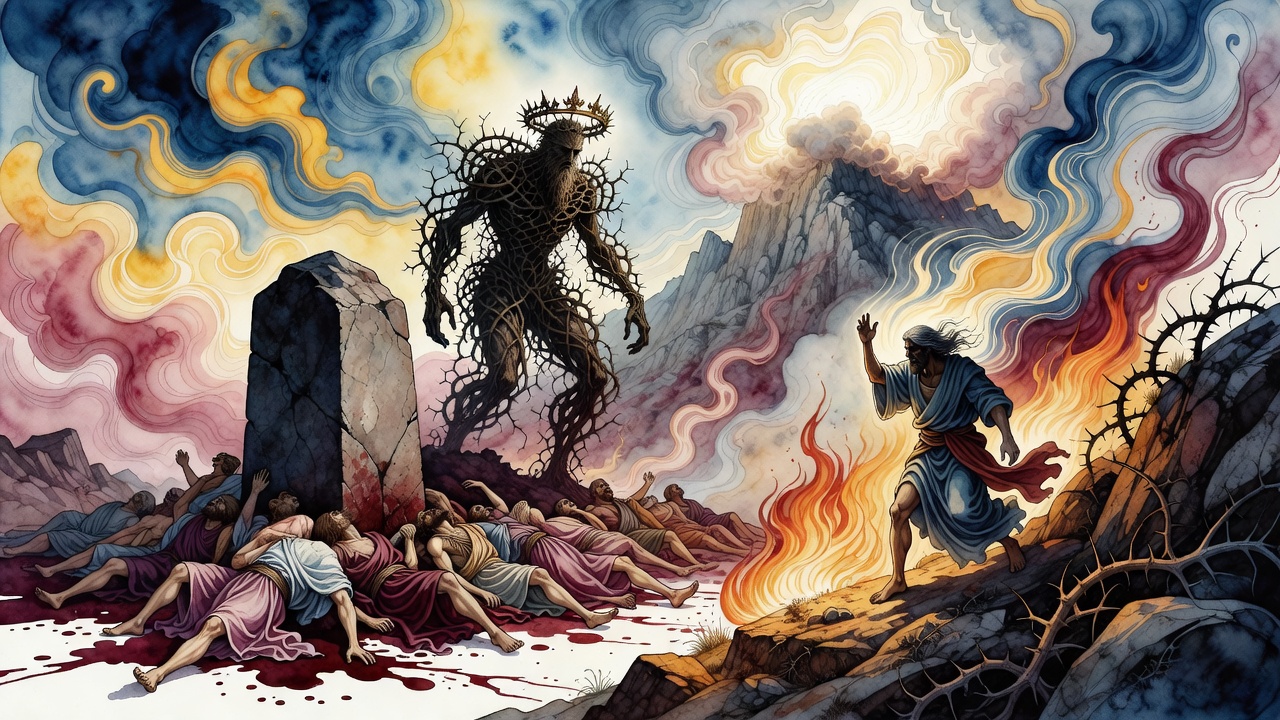
Abimelech, son of Gideon by a concubine of Shechem, took the prophecy and twisted it into a knife. He murdered his brothers on a stone to clear a path to rule. Pride hurried toward its breaking. "Before destruction the heart of a man is haughty," and that heart was his. He reigned three years, no more, no less. The count of the father's humility became the span of the son's violence.

A woman dropped a millstone from a tower and cracked the story shut. The man who killed on stone died by stone. The midrash loves that rhyme. What is sown on a slaughter-rock is reaped from a height. Abimelech's three years closed the way a fist closes: hard, brief, empty of the honor Gideon had refused.

Ephod and Pocket Gods

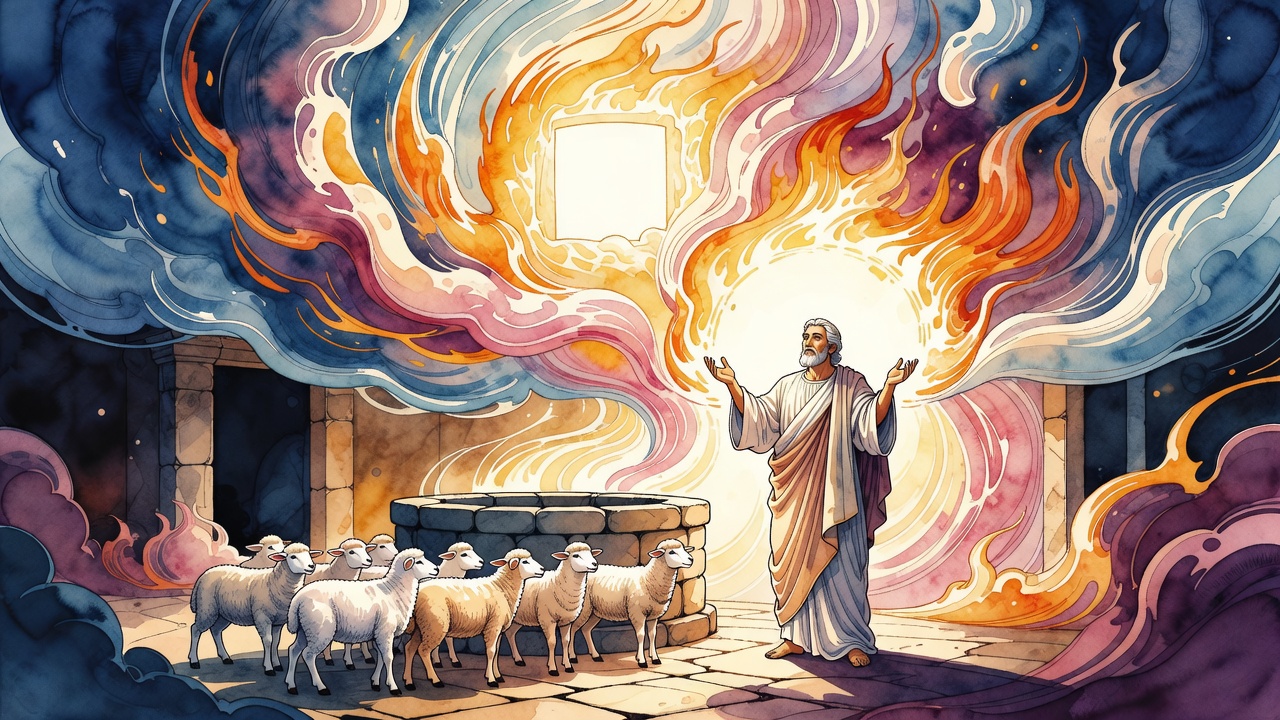
Gideon had made an ephod to honor Manasseh, the tribe the high priest's breastplate had not fully carried beside Ephraim. He meant dedication. After his death the object slid into idol use. The thing built for Heaven became a snare. The camp that had followed him into night war drifted toward small images of Beelzebub carried in pockets, addiction dressed as habit. Legacy is a dangerous tool. Even a judge's gift can teach the wrong lesson once the giver is gone.

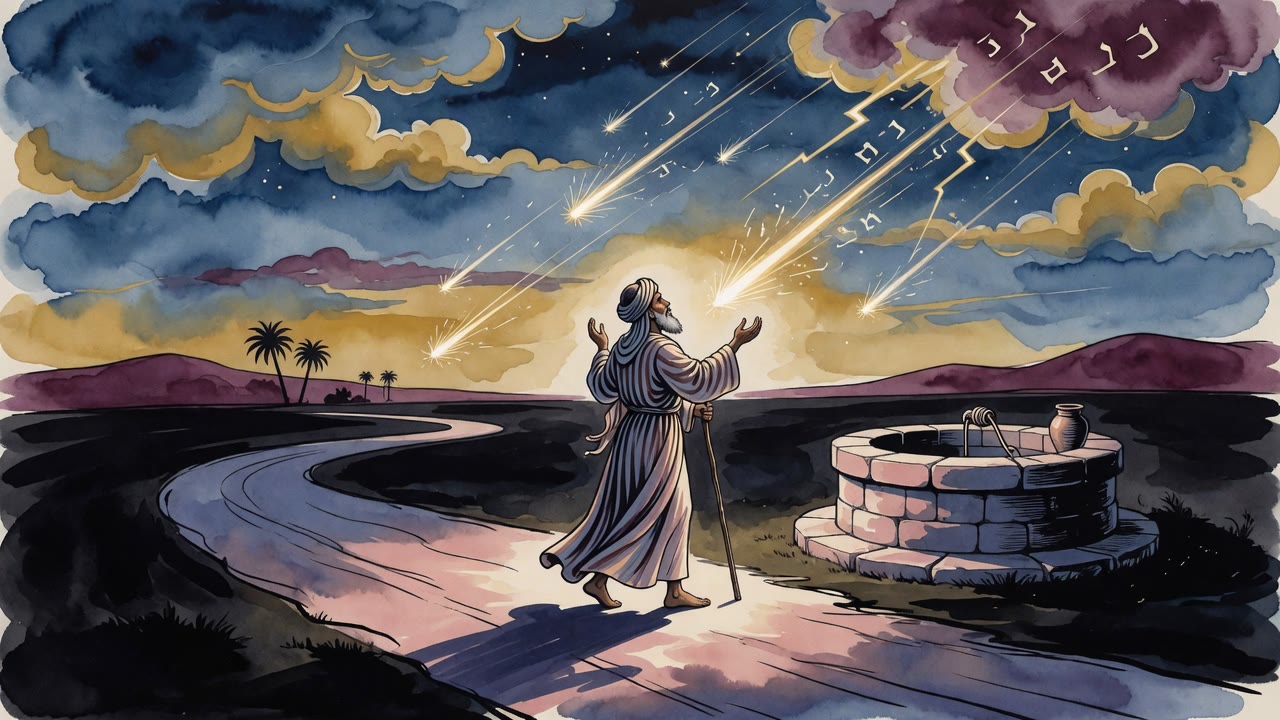
Jotham, the youngest who escaped the stone of brother-murder, climbed Mount Gerizim and spoke a parable of trees. Olive, fig, and vine refused to leave their fatness and sweetness to wave over the trees. The thorn-bush accepted. Abimelech was the thorn. Othniel, Deborah, and Gideon were the fruitful ones who would not grab a crown that costs a people's peace. The curse Jotham hurled from the mountain of blessing stuck to Shechem like pitch.

Humility's Strange Pay

Gideon would not rule. Heaven paid him with a son who ruled badly for exactly three years. The payment looks cruel until the eye sees the midrash's ledger. The father asked for the Lord alone as king. The son proved what a human king without that restraint becomes. Three refusals. Three years. A nation taught by both men: one by restraint, one by ruin.

"Before honor is humility." Gideon wore the first half. Abimelech wore the second half inverted, honor first, destruction hard behind. The verse holds father and son in one breath. The house of the judge learned that refusing a crown does not always keep crowns out of the family. It can still keep the father's hands clean.

What the Thorn Taught

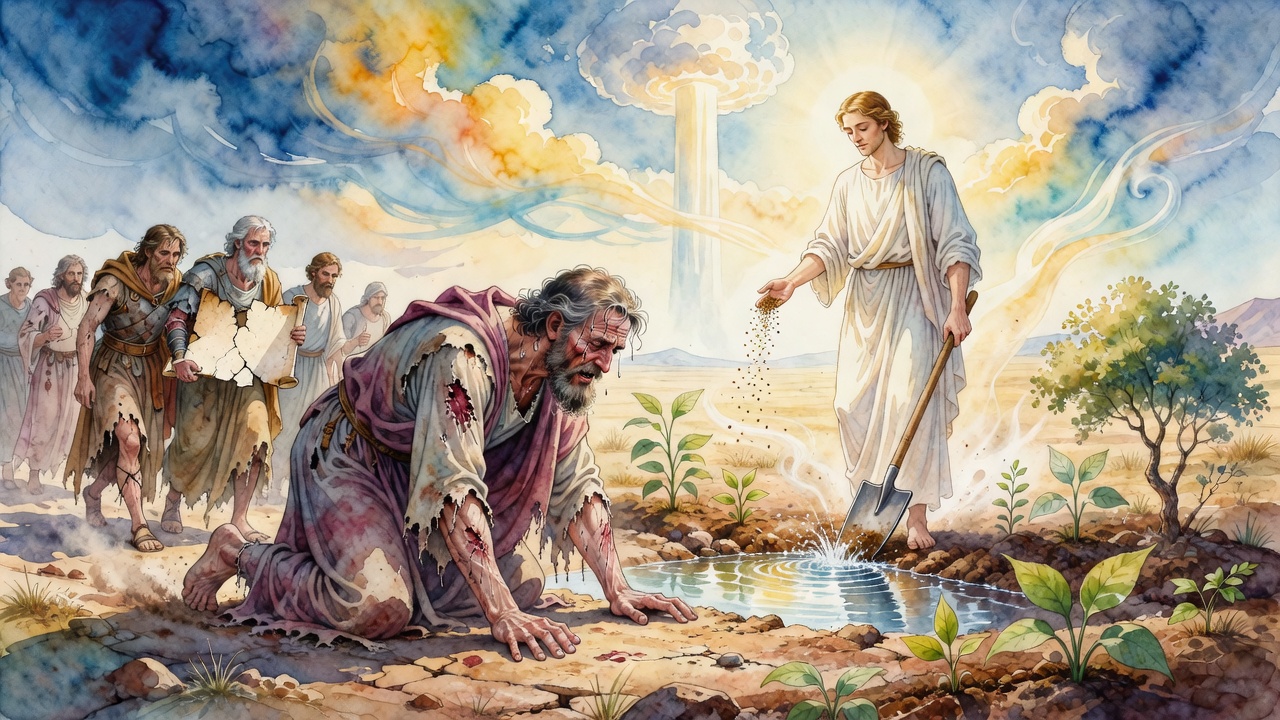
Gideon's ephod and Abimelech's millstone and Jotham's thorn stand in one field. Sacred tools misuse themselves when the heart tilts. Stolen thrones end under falling stone. Parables from a mountain of blessing can still carry a curse when blood has already been poured on a rock. The Lord whom Gideon named as only king remained the measure against which every later grab for power failed.

Israel had wanted a dynasty from a man who wanted only God's rule. They received a three-year lesson in why the father had said no. The night of Midian's fall was not the end of the war inside the house. The quieter war was over who sits above the people. Gideon stepped aside. Abimelech climbed. The millstone answered. The thorn had its season and burned.

The night Midian's camp broke, Gideon could have named himself king while the trumpets still echoed. He did not. He waited until the people offered dynasty in daylight and then refused in triplicate. That discipline is rarer than courage in a ditch. Heaven noticed the wording and wrote a strange receipt: three years of a son's reign for three refusals of a father's.

Abimelech heard opportunity where Gideon heard danger. Shechem's stone became a slaughter block for brothers. The thorn accepted what olive and vine refused. Jotham's voice from Gerizim named the trade while the blood was still wet in memory. Three years later a millstone finished the parable in bone and dust.

The ephod that slid into idol use after Gideon's death warns that even sacred crafts can sour. Pocket gods of Beelzebub completed the fall. A house that would not let Gideon wear a crown watched Abimelech wear one made of murder, then watched it crack. The Lord alone as king was never a slogan. It was the measure that judged both men.


← All myths

From the tradition

Sources

2 sources

The texts behind this telling. Some cards carry a translation of the source; others are our own retelling of it, and each card says which. Every card links out to the original.

Legends of the Jews 2:54Legends of the Jews

Retold in our words. Read the original at the link below.The Legends of the Jews by Louis Ginzberg (1909) · Public Domain

Legends of the Jews turns to Gideon's Miracle.

See, when the twelve tribes were represented on the high priest's breastplate, Joseph (of the coat of many colors fame) was represented only by Ephraim, not by Manasseh, too, both sons of Joseph. Gideon, wanting to honor his own tribe of Manasseh, made an ephod bearing its name. He dedicated it to God, sure, but after Gideon's death, people started treating it like an idol!

The very thing meant to honor God became an object of worship itself.

The story takes an even darker turn. The Israelites, it seems, were struggling with their faith. They were "so addicted to the worship of Beelzebub that they constantly carried small images of this god with them in their pockets." Yikes. These were the very people who helped Abimelech, Gideon’s son with his concubine from Shechem, murder his other brothers.

But, as they say, what goes around comes around. As Abimelech murdered his brothers on a stone, he himself was killed by a millstone. Divine justice, perhaps?

This brings us to Jotham, the youngest of Gideon's sons. He was no fool. He knew his stuff. He even knew that, according to Legends of the Jews, long after this drama unfolded, the Samaritans would claim Mount Gerizim was holy because blessings were once pronounced there upon the tribe. That’s why Jotham chose Gerizim as the spot to hurl his curse upon Shechem and its inhabitants. He understood the weight of location, the power of history.

In a parable, Jotham compared Abimelech to a thorn-bush, while he characterized his predecessors, Othniel, Deborah, and Gideon, as an olive-tree, a fig-tree, or a vine. We find a similar sentiment in Judges 9, where Jotham’s fable of the trees is recorded.

What does it all mean? Perhaps it's a cautionary tale about the slippery slope from reverence to idolatry. Or maybe it's a reminder that even the best leaders can leave behind a complicated legacy.

Full source
Midrash Tanchuma Buber, Vayera 29:1Midrash Tanchuma Buber, Vayera

Translation of the source text.Midrash Tanchuma (Buber), Public Domain, on Sefaria · CC-BY-SA

"Before destruction the heart of a man is haughty" (Proverbs 18:12). This is Abimelech, who was not broken until he exalted himself and killed his brothers. "And before honor is humility" (ibid.). This is Gideon his father; for when they said to him, "Rule over us, you, also your son, also your son's son" (Judges 8:22), he said to them, "I will not rule over you, nor shall my son rule over you; the LORD shall rule over you" (Judges 8:23). They said three things to him, and he said three things to them. The Holy One, blessed be He, said to him: You say thus? By your life, I will raise up from you a son who will reign three years, corresponding to the three things that you said. Thus, "and before honor is humility." Therefore, "And Abimelech ruled over Israel three years" (Judges 9:22).

Full source