Joshua Took Thirty-One Kings Yet Left No Son
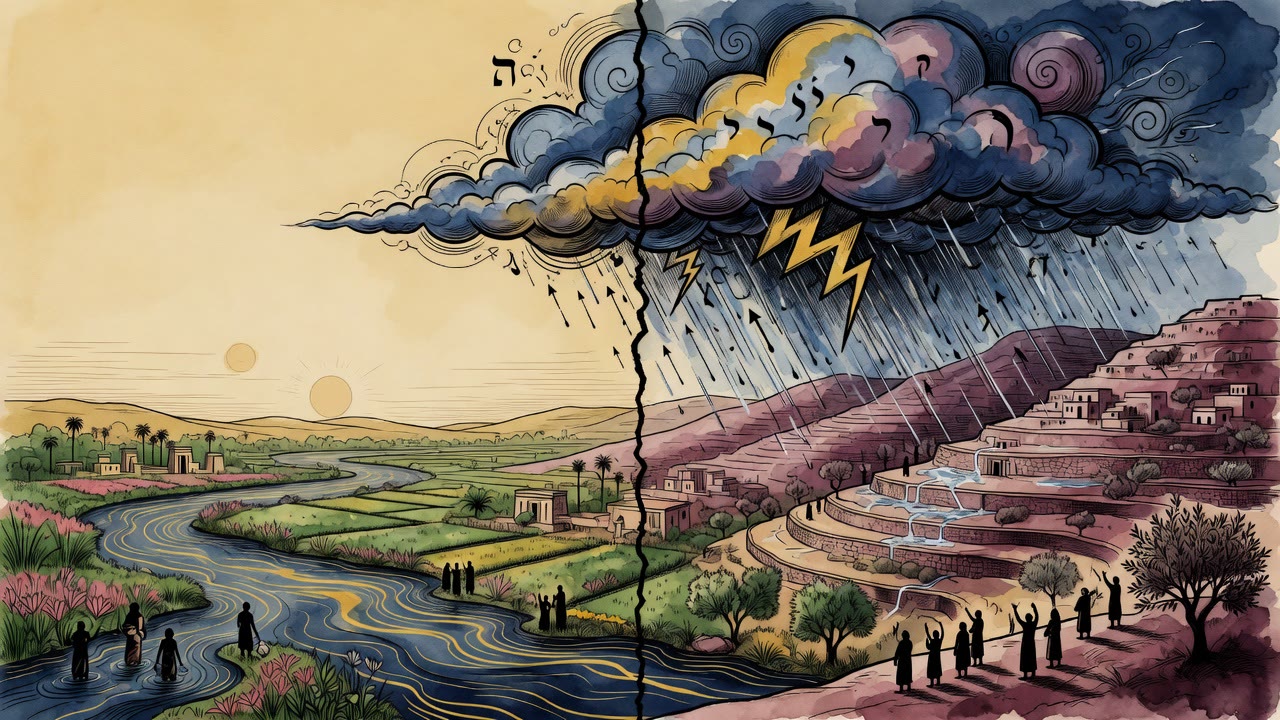
Joshua crossed the Jordan, struck thirty-one kings, and won a loyalty Moses never heard. He still died without a son, while Saul fled a crown that chased him.
Table of Contents
 Click for full size
Loyalty Louder Than Sinai's Servant
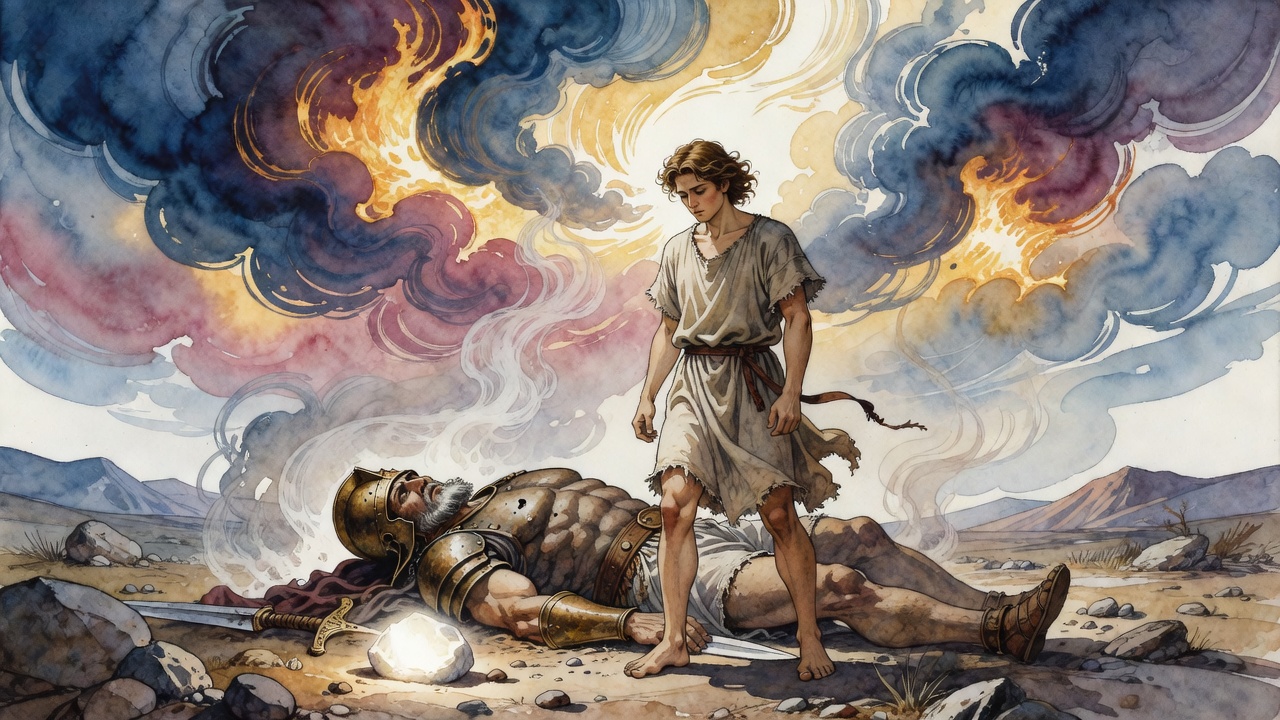
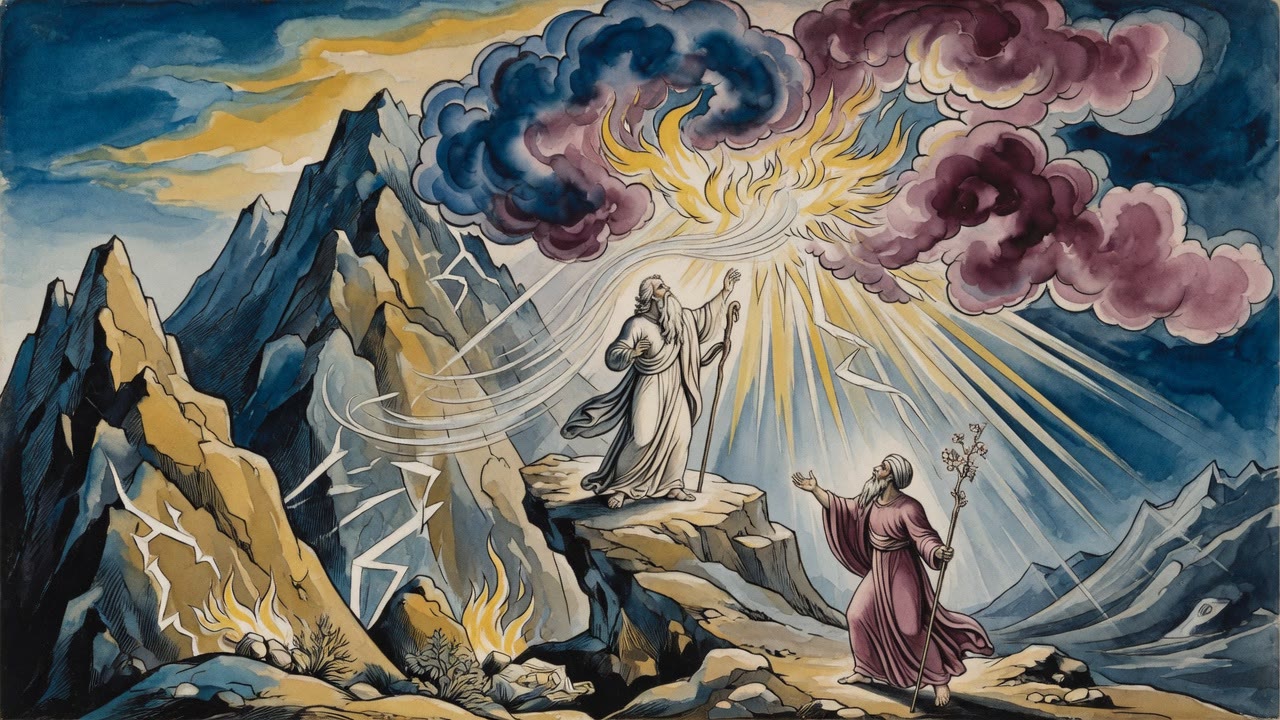
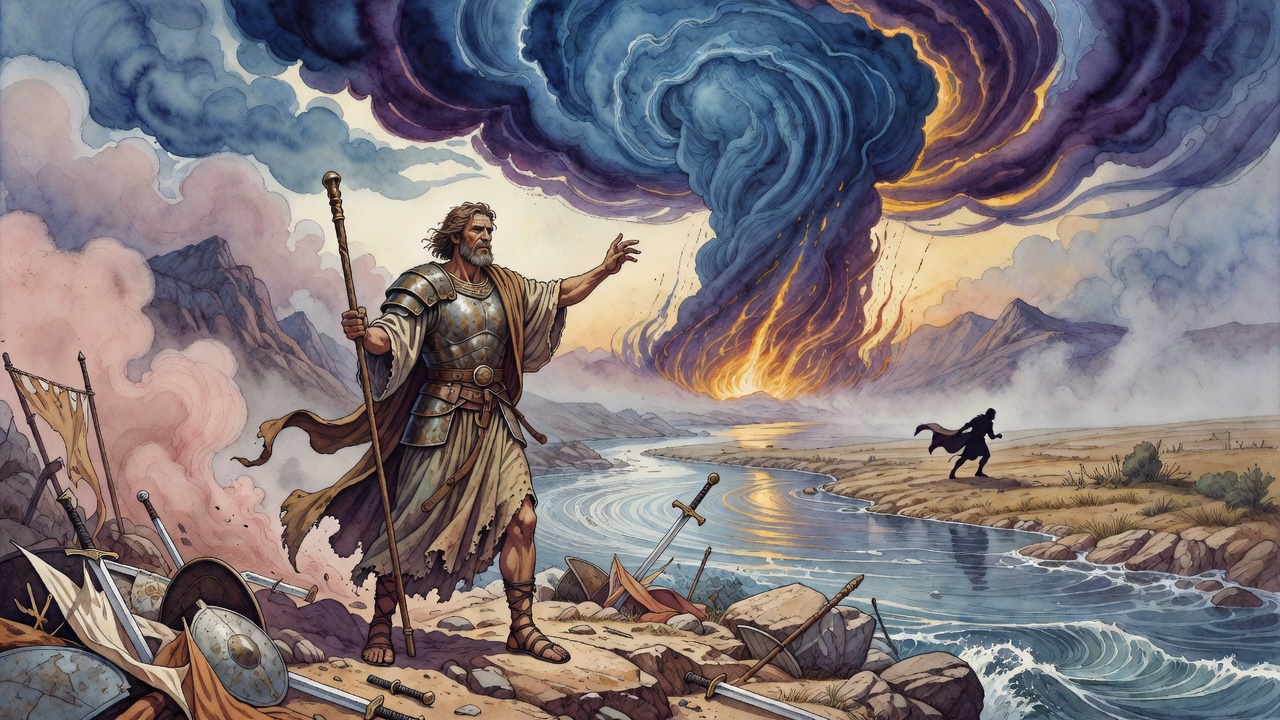
Joshua led Israel across the Jordan and struck down thirty-one kings. He divided the land tribe by tribe. Cities fell. Borders hardened into inheritance. The people swore a vow Moses never received: any man who rebels against your command and does not obey your words shall be put to death (Joshua 1:18).
Hear that promise well. Moses split the sea and stood at Sinai, yet the midrash says he was never granted such total submission from the people. Joshua received what Moses did not merit. Full joy should have sat easily on such a life. The camp shouted his name as if the future itself had enlisted.
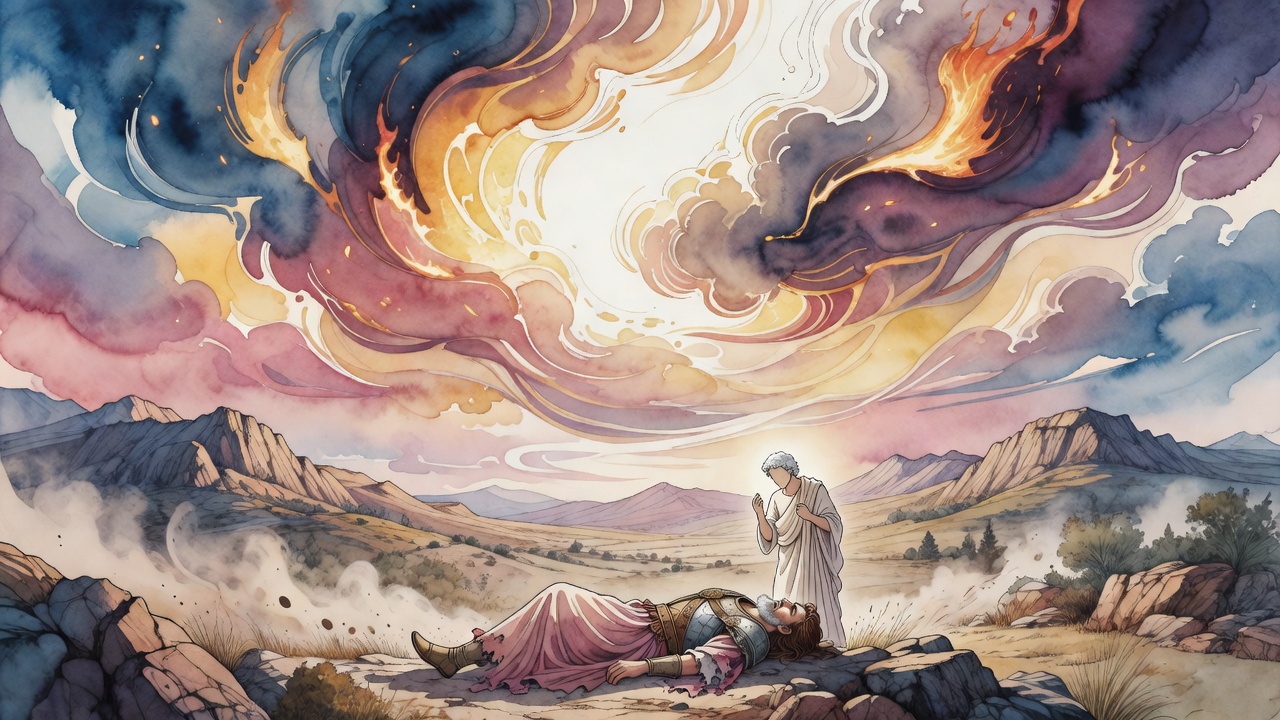
It did not last whole. Joshua died without sons. Conquest filled his hands. His house stayed empty of an heir to carry his name. The verse warns the exultant: do not exult. Rejoice, but never too soon, and never too surely, for no earthly happiness is complete.
Maps of the land could hang in every tent, and still the private map of Joshua's household ended in a blank space where a child's name should have been. The midrash will not let the blank be ignored.
The Crown That Chases the Humble
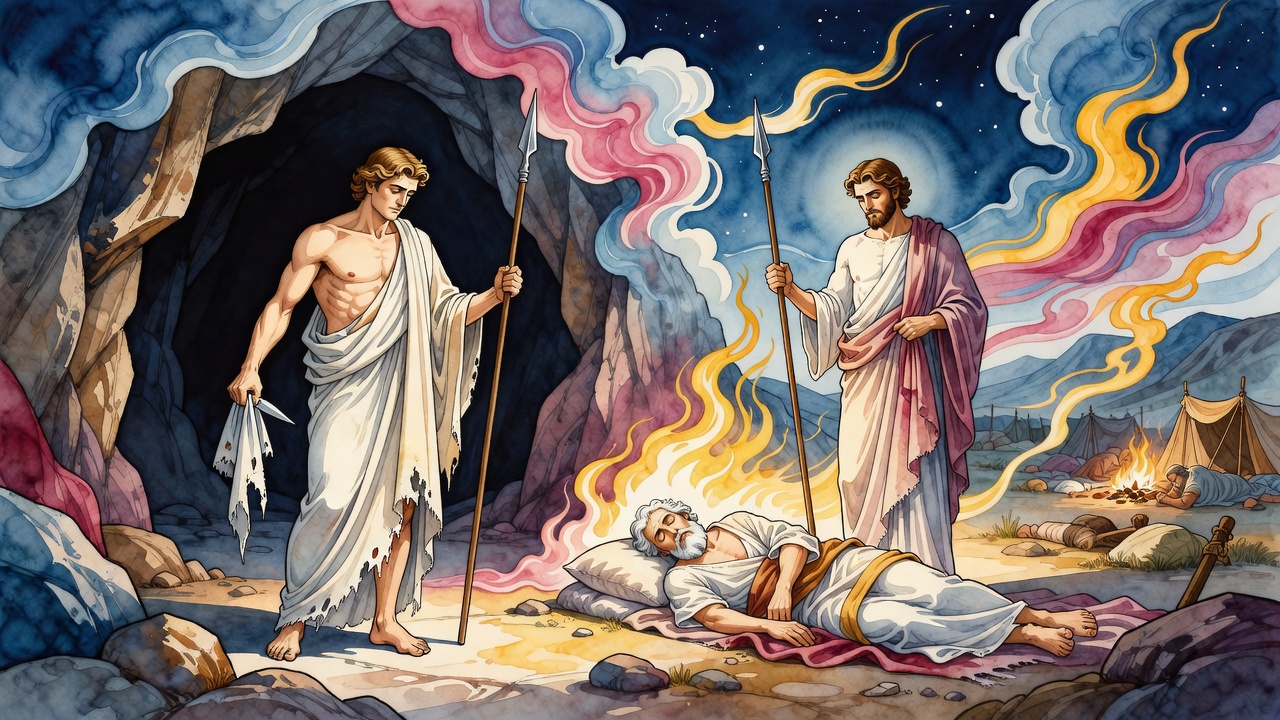
Saul ran from power when Israel came to crown him. "I am not worthy of the kingship," he said. Inquire by the Urim and Thummim whether I am fit, and if not, leave me be. He slipped away and hid among the vessels until the lots spoke, and those vessels, the rabbis taught, were the Urim and Thummim themselves. The Lord said, Behold, he has hidden himself among the vessels. The crown pursued the man who fled it. Do you see him whom the Lord has chosen? There is none like him among all the people.
Abimelech son of Jerubbaal chased rule with both hands in Shechem. He whispered in the ears of its men and grasped at kingship. Authority fled him. God sent an evil spirit between Abimelech and the men of Shechem, and his stolen reign turned to ash.
Whoever runs from power is run after. Whoever hunts power watches it leave. Pride brings low. The humble in spirit uphold honor. Saul's early hiding and Abimelech's grab are two doors into the same law of the soul, and Joshua's childless glory stands as a third door: honor without fullness.
Titles Thin at the Threshold
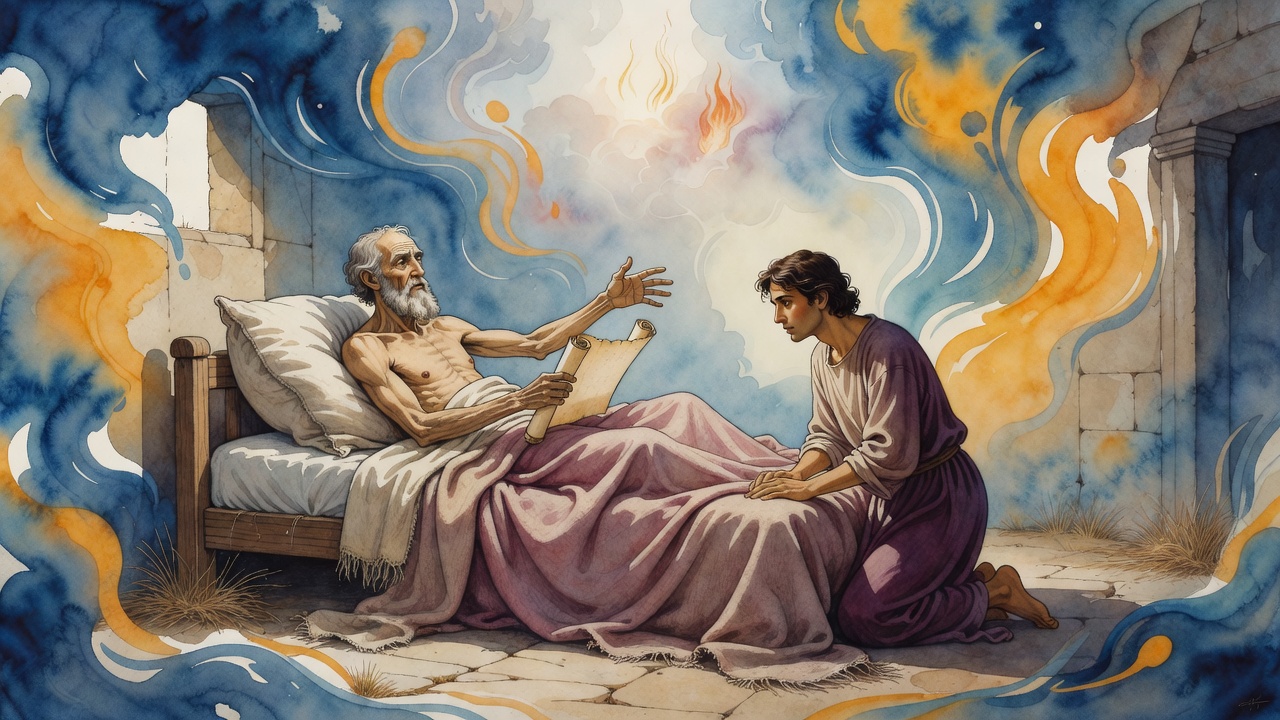
David in life is "King David was old." When the days draw near for him to die, the verse shifts. "And the days of David drew near that he should die." Only David. Not King David. The royal name slips before the soul departs. No crown crosses the grave.
Jacob too, when death approached, humbled himself before Joseph: if now I have found favor in your eyes. A father entreating his child. When did such humbling come upon him? Only when the days drew near for Israel to die. Greatness is loaned, not owned. Pride dissolves at the edge of mortality.
The mighty David and the exalted Israel both bowed low as the end approached, teaching every generation that titles thin and that even the loftiest must, in the end, ask for favor. The bed of a dying king is a poor place for a crown, and the verse knows it.
What Victory Cannot Buy
Joshua's thirty-one kings and Saul's hidden hour and David's stripped title teach the same hard arithmetic. Honor can be vast and still incomplete. A people may vow death for disobedience and still leave their leader without a child. A crown may chase a humble man and still fall from a greater man's name before burial.
Do not exult as if the ledger were closed. The midrash keeps the books open until the last breath, and sometimes past the last victory parade. Joshua could map the land and still die without a son to inherit his private joy. Saul could hide from glory and still be found by it. David could wear kingship for decades and still watch the word "king" leave the sentence that records his end.
Victory is real. So is the empty house. So is the thinned title. Hold all three without lying about any of them. The midrash will not trade honesty for a cleaner ending, and the life that ends without a son after thirty-one kings is honest enough to keep.
After the thirty-first king fell, Joshua walked a quiet road between captured cities and felt the strange thinness of victory without an heir waiting at home. Trumpets still rang in memory. The house did not answer them.
Saul's hiding among the vessels left a different silence, the silence of a man who would rather be lost than crowned, until Heaven named him anyway. Abimelech's Shechem nights left the opposite silence: power that turned to ash in the hands that grabbed it.
On David's last bed the word "king" left the verse before the soul left the body. Jacob's last plea to Joseph stripped the patriarch down to favor asked, not titles owned. Joshua's empty nursery belongs with those unclothings.
← All myths