God Set Shimon Beside the Returning Brother
Twenty-four thousand were dead. Shimon still received a station, and God set them beside Reuben, the brother who knew how to return.
Table of Contents
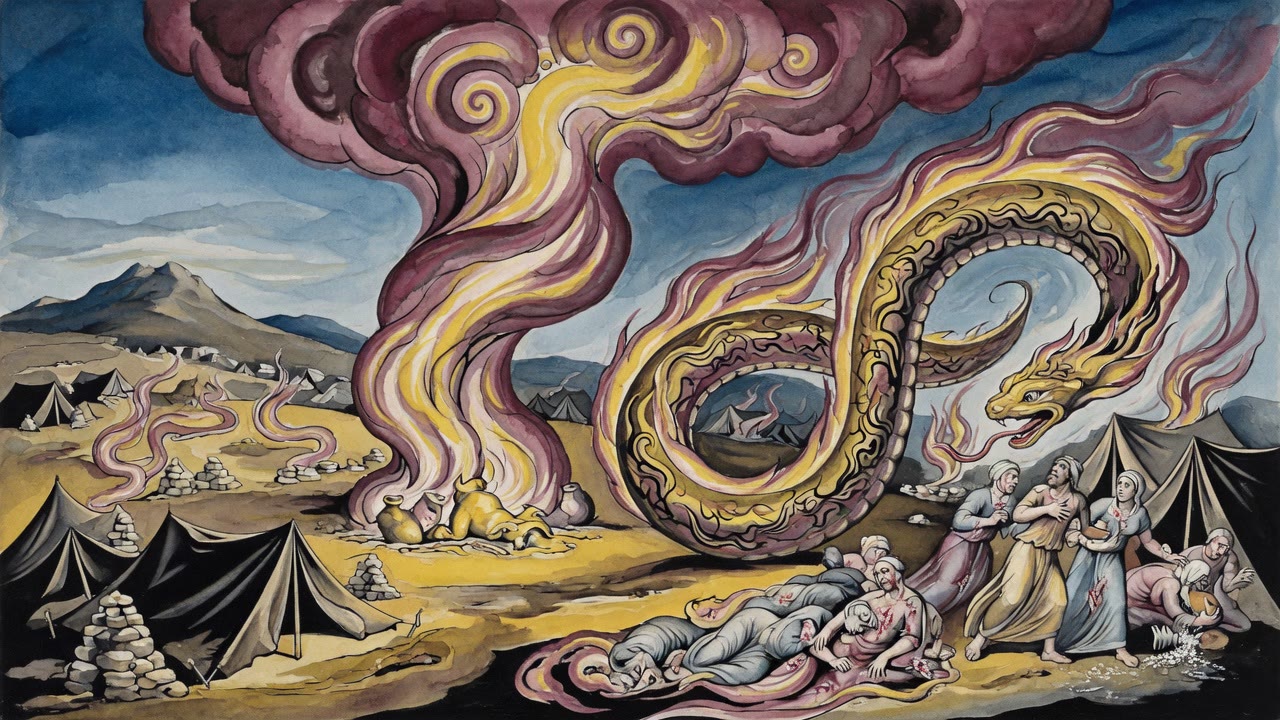
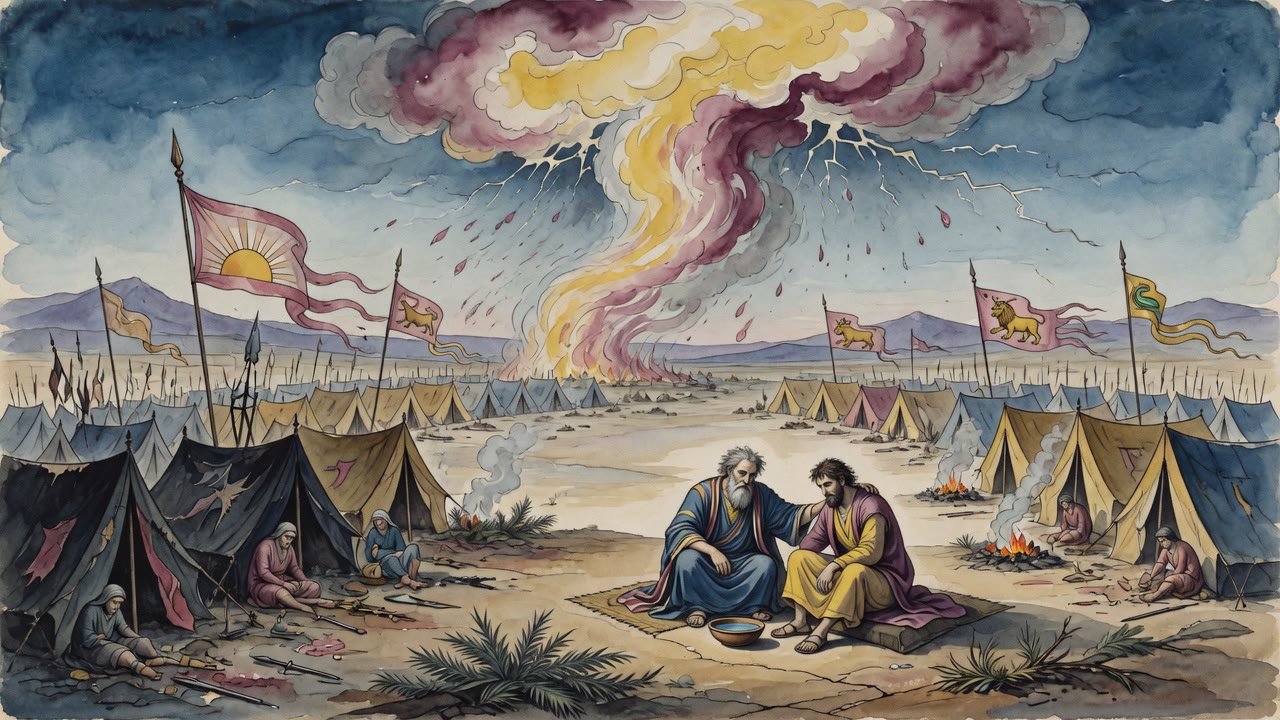
The tents stood empty in a row that had been full the week before. Twenty-four thousand were dead. From the line of Shimon had come Zimri, whose public sin with a Midianite woman triggered the plague. Families counted gaps. A whole people lived in the shadow of its most notorious son. The camp could have written them off and closed the count without their names.
 Click for full size
Heaven did not.
Beside the Brother Who Returned
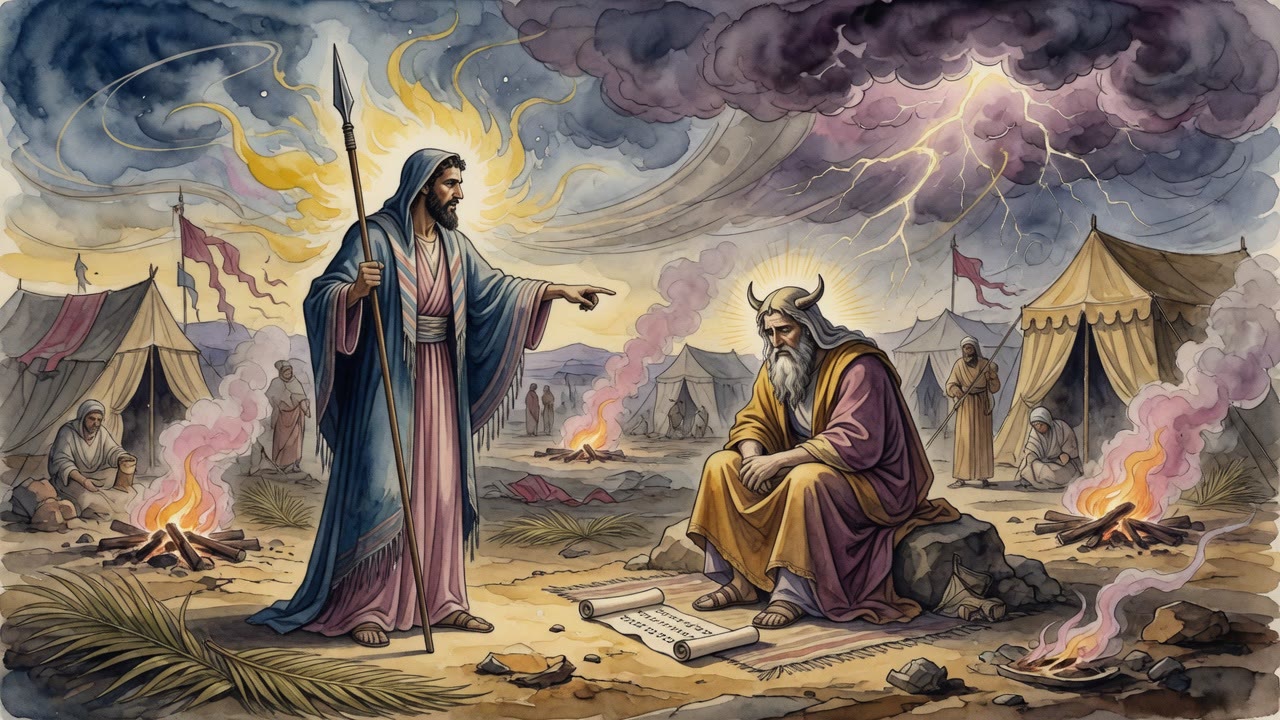
When the tribes were arranged in the wilderness, God placed Shimon, led by Shelumiel ben Tzurishaddai, right beside Reuben. Reuben was no random neighbor. Reuben had sinned, then turned, and become a baal teshuvah (בעל תשובה), a master of return, a man who clawed his way back from a private disaster into the family's hard mercy.
God set the tribe haunted by Zimri next to the man who proved a person can come home. Dust rose from the same paths. The cloud still moved. The tribe still marched. Every time Shimon looked left or right in the wilderness formation, the sermon stood in human form: failure is not the last word if return is still possible.
Peace here is not amnesia. Peace is a campsite assignment that refuses to exile the stained forever. Morning after morning the camp stirred. Standards lifted. A child of Shimon could point to Reuben's tents and hear elders retell how a firstborn fell and climbed again. Heaven built that sermon out of neighbors when words alone would not hold a people who still remembered the plague's count.
The Rock Under the Name
Even the prince's name carries a verdict. Tzurishaddai means "Shaddai is my rock." The descendants of disaster receive a foundation under their feet. God reconciled with them, gave them a place in the count, and surrounded them with the living example that the door back is never bolted shut.
A plague can empty tents in a day. Arrangement can preach for a generation. The rock under the name is still there when the tents are counted again and the banners lift in the morning wind. Shelumiel walked under that name as if the rock had been set on purpose beside the stain, not instead of it.
The Flock That Would Not Stay in Line
Israel in the wilderness did not walk like a tidy army. The people scattered and bolted at a shadow, quarreling, weeping, complaining, rebelling again and again over water, meat, and fear. Moses led them anyway. The Holy One did not abandon them. He kept gathering them back with staff and voice, the way a shepherd gathers a flock that will not stay in line.
A flock tramples crops and breaks branches, yet a patient owner does not hold every offense forever as if animals were judges. Ezekiel calls Israel a flock and also calls them men: sheep when it comes to the leniency of punishment, human beings when it comes to the fullness of reward. God judges them gently like animals and pays them generously like people.
A good shepherd shields the flock by day from burning sun and by night from wolves. So God spread the pillar of cloud over Israel in the heat and stood guard through the dark. The wilderness was dangerous. The people were never walking alone, not even the tribe that had bred a public scandal. Trampling was expected. Gathering was the miracle.
Count the Heads Anyway
Judgment often hides like the deep. When Jerusalem was later destroyed, the date was the ninth of Av, yet when it was shown to Ezekiel it seemed to be on the twentieth, so as not to publicize the wound for every gawker. Magnifying Israel worked the other way. When God came to lift the people, He publicized day, place, month, year, and era without shame.
On the first of the month. In the Sinai desert. In the second month. In the second year after the Exodus. Count the heads of the congregation (Numbers 1:1-2). Counting after disaster is itself a kindness. Shimon is not erased from the list. The plague's tribe still has names, still has a prince, still has a station beside the penitent firstborn of Jacob's sons.
Zimri's story ended with a spear and a plague halted in the middle of the camp. Shimon's story continued in dust and formation. Mercy that hides judgment's date can still shout a census of the living. The banners lifted. The rock under the name held. Reuben's tents stood next door, and the stained tribe marched with a place of its own.
← All myths