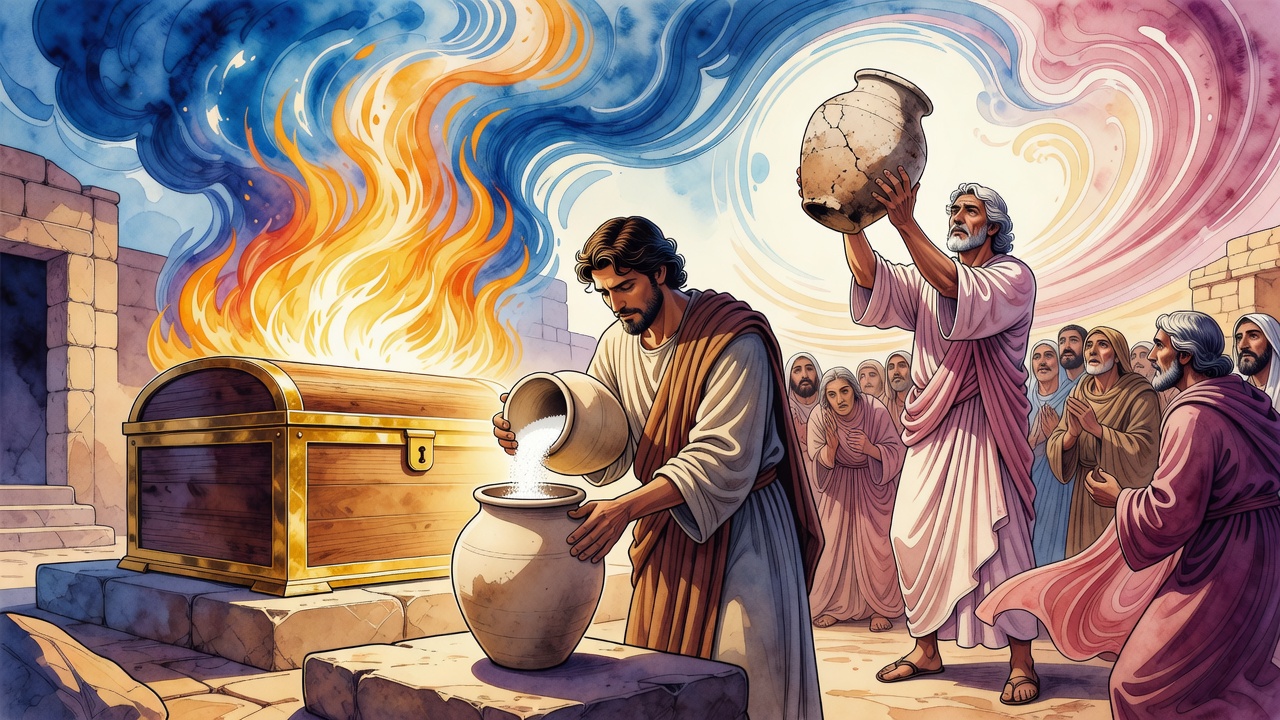
Phinehas Reminded Moses of the Law Moses Himself Had Taught
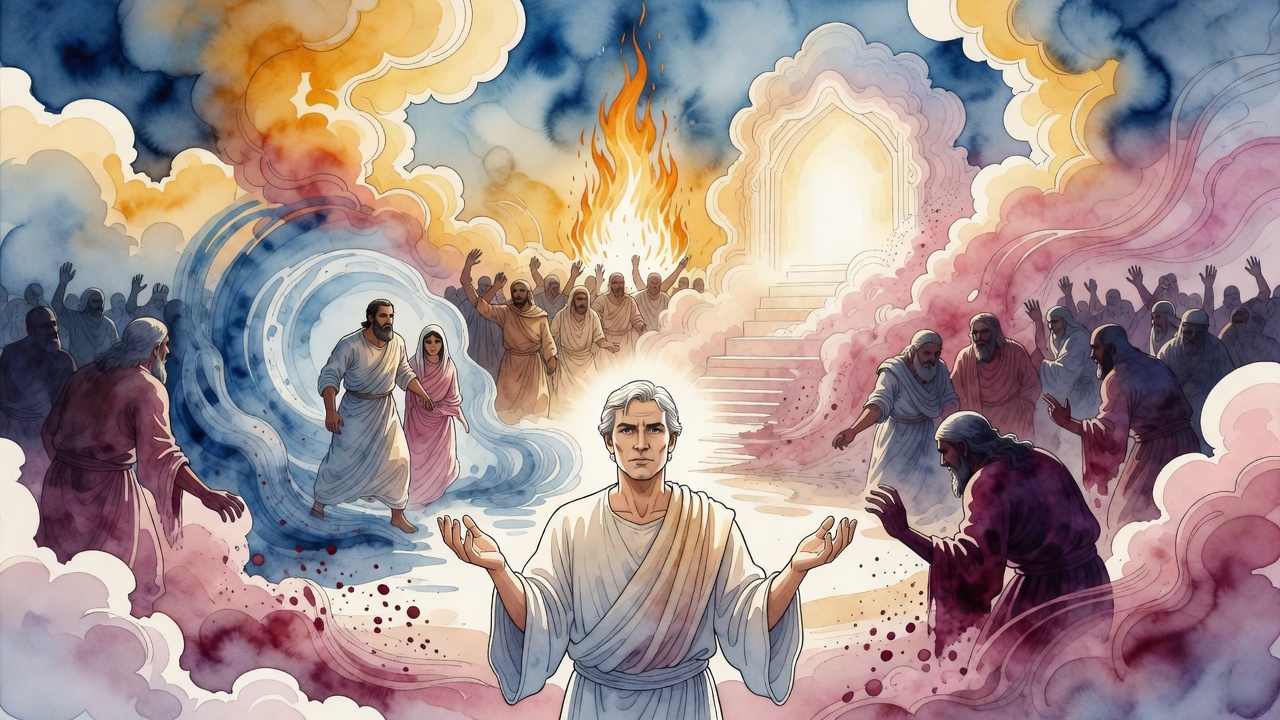
The plague was already moving through the camp. Zimri walked into the assembly with a Midianite princess, and Moses said nothing at all.
Table of Contents
 Click for full size
His Own Tribe Came for Him First
The judges had been working since morning and men were being executed, and the tribe of Simeon was losing more of them than anyone.
So they went to their prince and stood over him where he sat.
"People are being put to death, and you sit here as if nothing is happening."
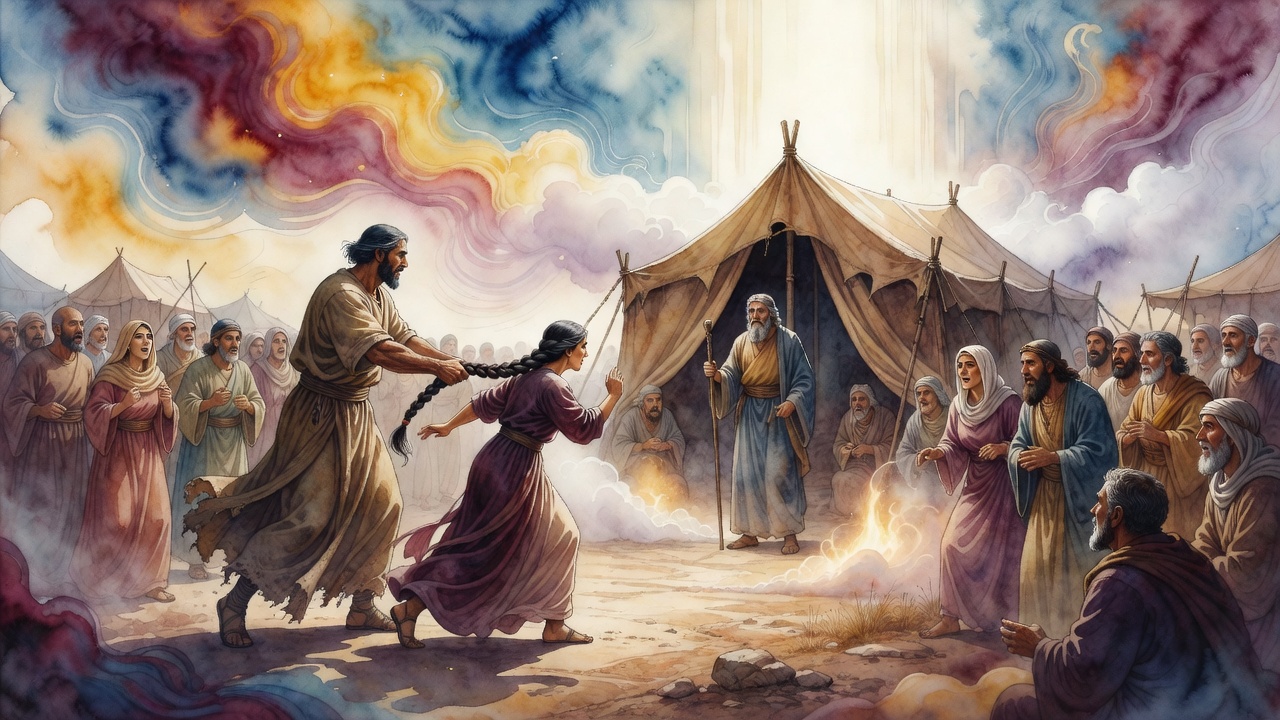
Zimri got up. He did not go to the judges to plead for his tribesmen and he did not go to Moses. He gathered twenty-four thousand men of Simeon behind him and went looking for a woman.
A King's Daughter Is Fit for None but a King
The woman had been placed there on purpose. Balak of Moab had failed to get Israel cursed and had moved to a second plan, and his own daughter was in it.
Whatever heaven decrees against this people, Balak had reasoned, Moses can talk his way out of. But if my daughter can get Moses himself to sin, all of Israel falls into my hand.
So Cozbi had her instructions, and when Zimri came for her she told him what they were. "My father sent me for Moses. A king's daughter is not for anyone but a king."
Zimri did not take that well. "Who is Moses? Levi is the third tribe. Simeon is the second. He is the head of a tribe that ranks below mine, and he has forbidden this, and I am going to do it in front of him."
Then he took her by the hand and walked her into the assembly at the door of the Tent, in daylight, in front of everyone.
The Leaders Sat Down and Wept
The plague was already in the camp by then, moving through it person by person, and the people at the entrance of the Tent were weeping where they stood.
The princes were there, and Eleazar, and Moses. They had been arguing the case in the house of study for some time already, whether what Zimri had done carried death under these circumstances, and the argument was still going. Now the man himself had walked past them with the Midianite king's daughter on his arm, and the argument stopped, and what replaced it was nothing.
Moses said nothing.
This was the man who had stood in front of Pharaoh through ten plagues and argued with God on the mountain and sent three thousand armed Levites through the camp on the day of the calf. He sat down with the rest of them and wept.
Let the One Who Read It Carry It
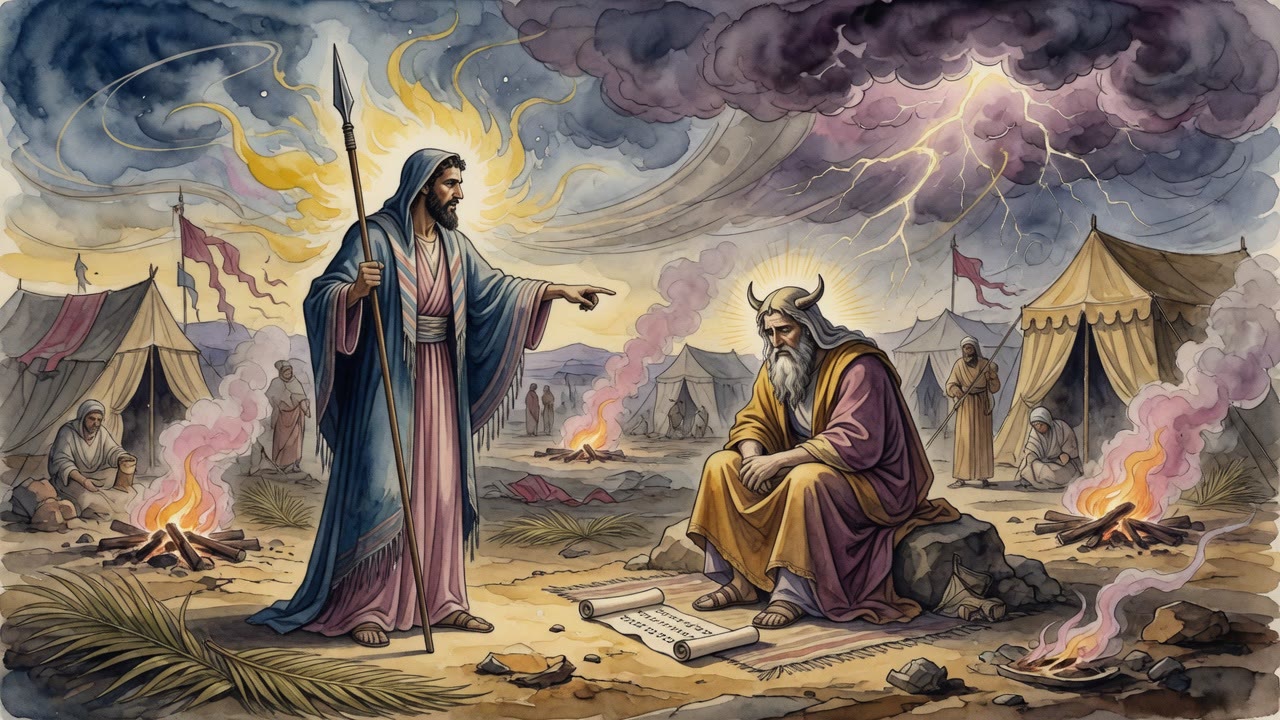
Phinehas had been in that same study session. He was Aaron's grandson and Moses' great-nephew, and he had heard the whole legal argument out and reached the end of it while everyone else was still weeping.
He went to his great-uncle and said the teaching back to him. That when a man does this openly, in public, the one who is seized by zeal for it may act, and does not wait for a court. Moses had taught that. Phinehas had learned it from him.
A student does not correct his teacher in the middle of a crisis, and Phinehas did it anyway, because a name was being trampled in the open and the plague was counting bodies while the leadership deliberated.
Moses did not take offense. He gave him seven words.
"Let the one who read the letter be the one who carries it."
He Broke the Lance in Two
There was a practical problem. Nobody carries a weapon into a house of study, and the leaders and their guards were all standing between Phinehas and the chamber where Zimri had gone.
So he pulled the iron head off his lance and put it inside his cloak, and kept the bare wooden shaft in his hand, and walked out leaning on it like a man with a bad hip.
People noticed anyway. "Where do you think you are going, Phinehas?"
"You know that wherever the tribe of Simeon is, the tribe of Levi is never far behind."
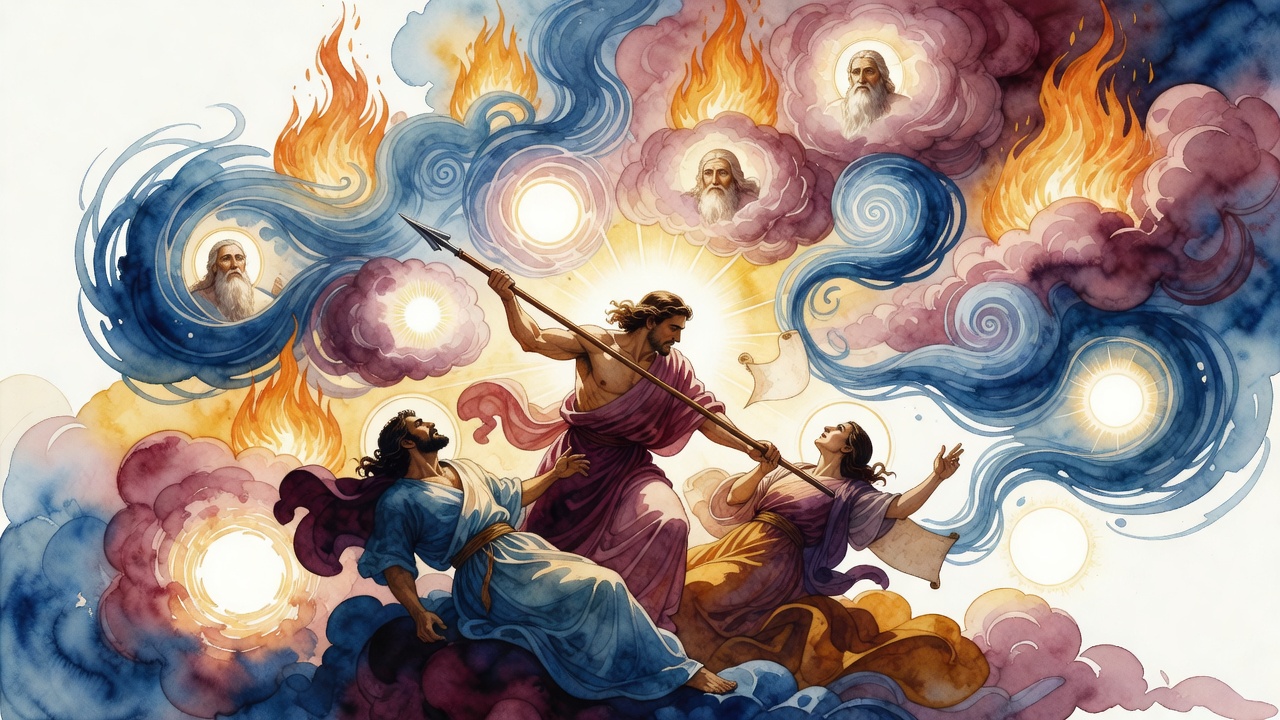
They let him through, and somebody called after him that apparently even the pious were allowing it now. He did not answer that either. He went in, fitted the iron back onto the shaft, and drove the spear through both of them in a single thrust, through the man of Israel and through the woman's belly, and lifted them.
Twenty-four thousand had died in the plague. The counting stopped there.
In another telling the spear was not his at all. In that one he reached over and took it out of Moses' hand.
What Was Handed Over
Afterward there were two rewards, and both of them are pieces of meat.
The shoulder went to Phinehas and his sons forever, for the arms that lifted the spear. And because the jaws of the man were separated from the jaws of the woman on the point of it, the cheeks went to them too. Every animal brought to a priest from that day forward paid out the shoulder, the two cheeks, and the stomach, and every priest who received them was holding the receipt for one afternoon in the wilderness.
The sages asked the harder question anyway. How does a student act while his teacher is standing right there.
Their answer was about time running out. There is no authority on the day of death, and Moses was near the close of his days, and his rule had already begun to slide off him toward whoever came next. The rescue was handed to a younger man, and in the handing over, Moses was lowered. He kept the law he had taught. He no longer got to be the one who carried it.
← All myths