God Always Warns His Prophets Before He Acts
Amos said God never moves without warning his prophets first. The sages took that one line and built a roll call of everyone who heard the secret early.
Table of Contents
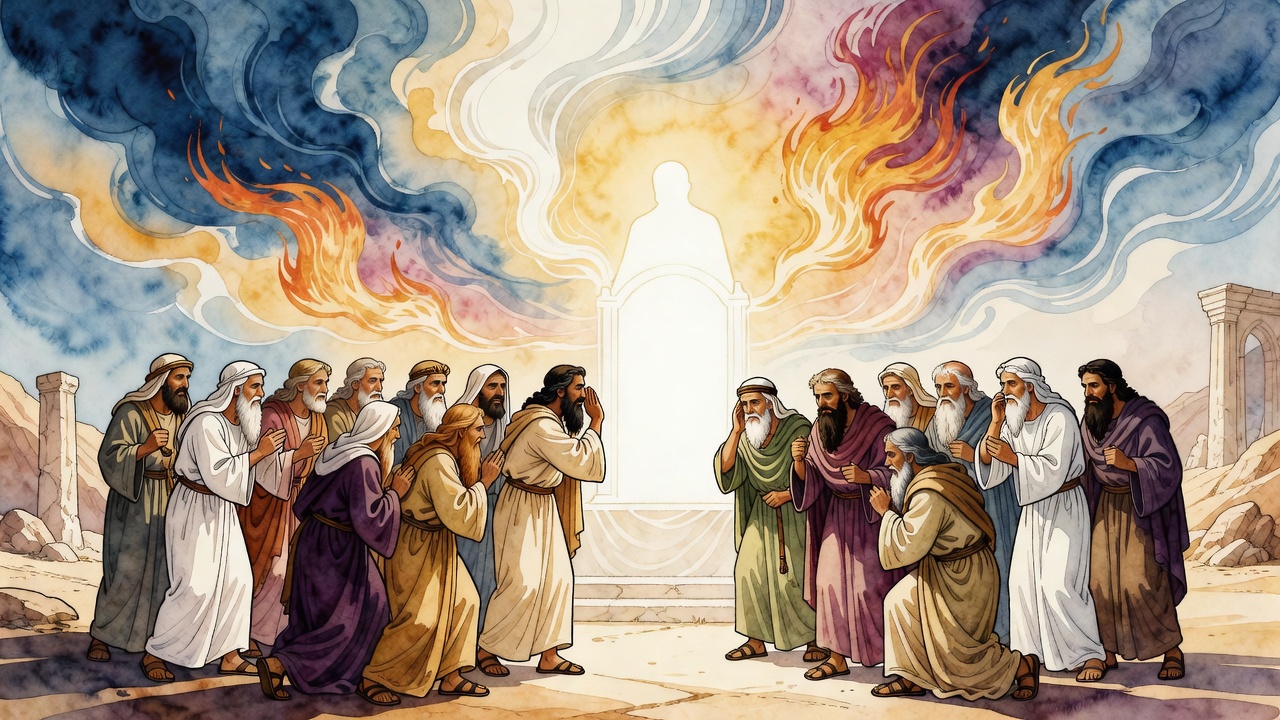 Click for full size
Joseph Standing Before a Foreign Throne
Pharaoh had dreamed twice, and every diviner in Egypt had gone home in silence. The fat cows and the thin cows, the full ears of grain and the withered, and not one interpreter in the greatest court on earth could say what the night had brought. Then they brought in the Hebrew prisoner, and he stood up straight and told the most powerful man in the world the next fourteen years of history.
He knew because God had told him first.
This is the argument that Midrash Shmuel, an aggadic commentary on the books of Samuel compiled around the eleventh century, builds out of a single verse from Amos. Surely the Lord GOD will do nothing, but He reveals His counsel to His servants the prophets (Amos 3:7). The herdsman Amos had written it in the eighth century before the common era, and the sages took it as a universal principle and asked the inevitable question: if this is always true, then name them. Name every person who heard the secret before the event. Show me the roll call.
The Prophets Who Heard Early
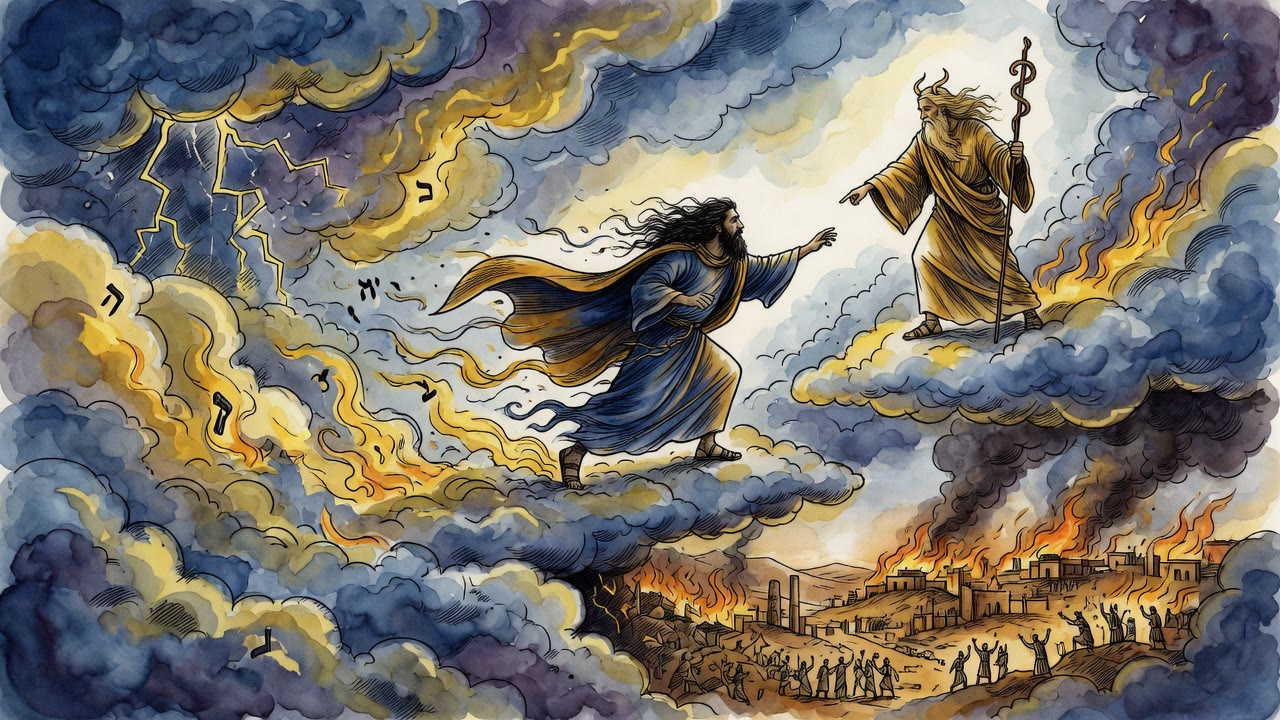
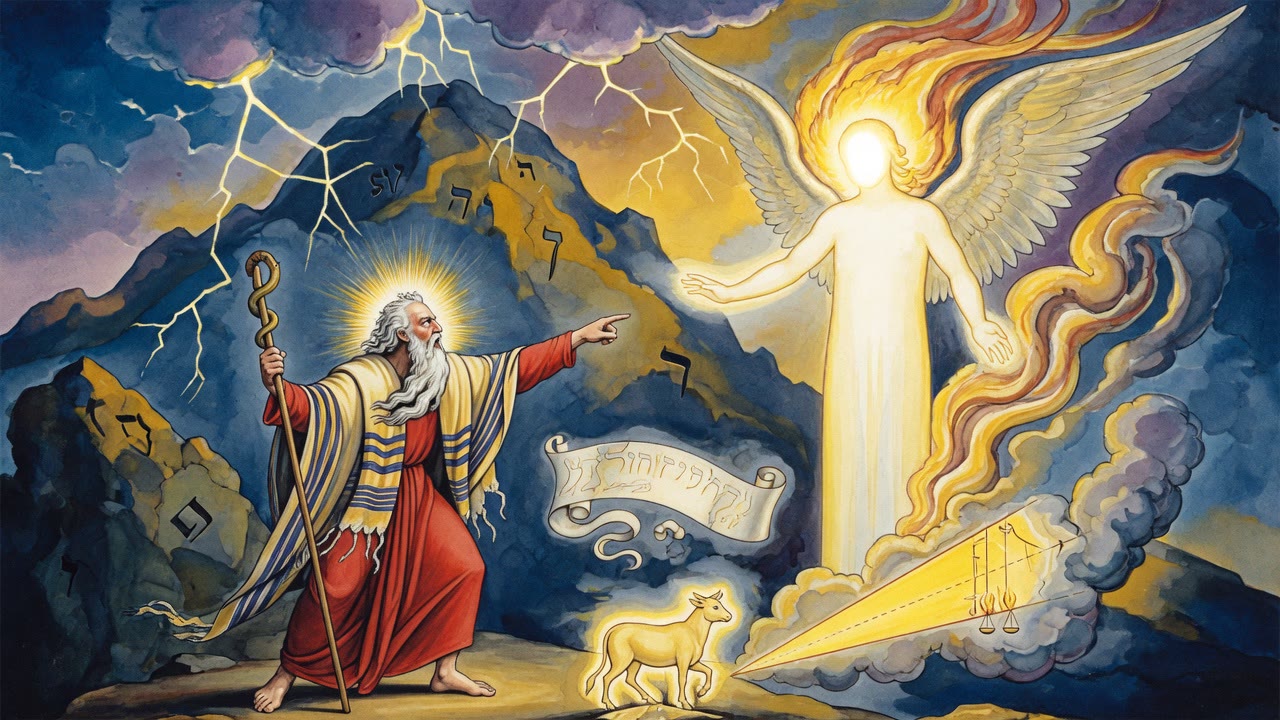
They began with Joseph. Then they moved to Moses, standing at the burning bush while God outlined every plague He was about to bring on Egypt, each one named before a single frog had left the river. Moses knew the sequence before it began. He went to Pharaoh not as a man guessing at divine intention but as a man holding a schedule.
Then the prophets proper: Isaiah walking through Jerusalem and announcing the fall of Assyria before Sennacherib had reached the walls. Jeremiah saying Babylon would come, naming the number of years the exile would last, writing it down so the exiles would know when to start counting back. Ezekiel describing the destruction of the Temple in such detail that the sages said he must have been watching it happen while it happened, from the rivers of Babylon, his soul in two places at once.
Daniel. Zechariah. The prophets of the restoration, who had the dates of the return and spoke them aloud while the exiles were still learning to sing in a foreign language. Each one had been told in advance. None of them worked in ignorance.
Why God Hides Until the End Arrives
There was a harder version of the same question. If God always warns His prophets, why does it sometimes seem like He has gone silent? Why do whole generations pass without a word, the people walking into disaster without anyone on the watchtower calling out?
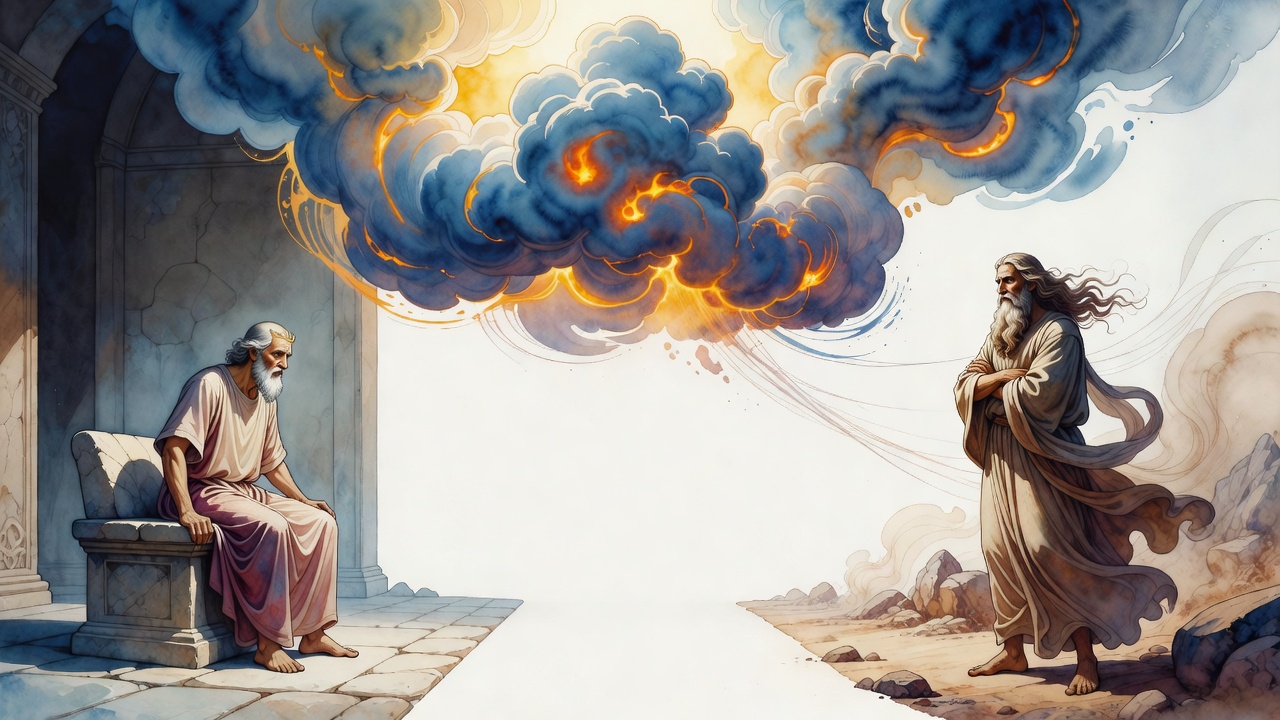
Midrash Shmuel answered with an image of a king who has set a term. He promises that when a certain year arrives, or a certain condition is met, he will act. Until then, he conceals his intention. Not because he is absent or indifferent but because the hiding is itself the mercy. If the people knew the full weight of what was coming, they would collapse before it arrived. The silence before catastrophe is not abandonment. It is preparation disguised as absence.
And when the appointed time came, the king spoke first to the one he trusted. Not to spare the prophet the knowledge, but because a trusted servant deserves to know before the public announcement. The prophet was not an alarm bell rung in an emergency. He was the inner circle, the one who sat close enough to hear the plan while there was still time to carry the word to the people.
How Abba Earned His Son
Tucked into the same section of Midrash Shmuel is a story about a man named Abba, the father of Samuel. He had asked God for a son. The ordinary petition of a man who wanted children. What he received was not ordinary. God gave him a son who would stand in the tradition of all those prophets, a son who would be consulted by kings, who would hear the secret before the event and speak it into the world while there was still time to act on it.
The sages read this as a reward appropriate to the request. Abba had prayed with a whole heart. The child granted to a whole-hearted prayer was a child with the capacity to hold the whole counsel of God and carry it without flinching. Samuel heard the voice of God for the first time as a boy asleep in the sanctuary, and the first thing the voice told him was something terrible about the house of the priest who had been his guardian. He delivered that message in the morning without softening it. He had been told first, and he said what he had been told.
The Shape of Every Prophecy
The theology the sages built from Amos's single line was precise. God does not surprise. God moves through warning, through the whisper to the trusted servant before the door opens. The prophet is not a person with unusual perceptions who happens to notice what others miss. The prophet is the one God chose to tell in advance, the way a king tells his messenger before he tells the court.
So every catastrophe in Israel's history was anticipated. Every exile was announced. Every return was dated. The silence between the announcement and the event was not void. It was the space in which human beings had the chance to hear the counsel and change what could be changed, or at least to understand what could not. The prophet's job was to make sure that when the event arrived, no one who had been paying attention could say they had not been warned.
← All myths