5 min read

Hadad Watched Moab Betray Midian and Kept Killing

Hadad crushed Midian after Moab fled the field, then crushed Midian's revenge. Later Israel took Moabite land only through Sihon's prior theft.

Curated by Arthur · Told by Maggid ·
Table of Contents
  1. A King Who Needed a War
  2. Revenge That Found the Same Blade
  3. Why Israel Could Take Heshbon
  4. Parables, Spies, and the Next War
  5. What a Bolted Ally Leaves Behind
  6. Enmity With a Local Law
Hadad Watched Moab Betray Midian and Kept Killing Click for full size

A King Who Needed a War

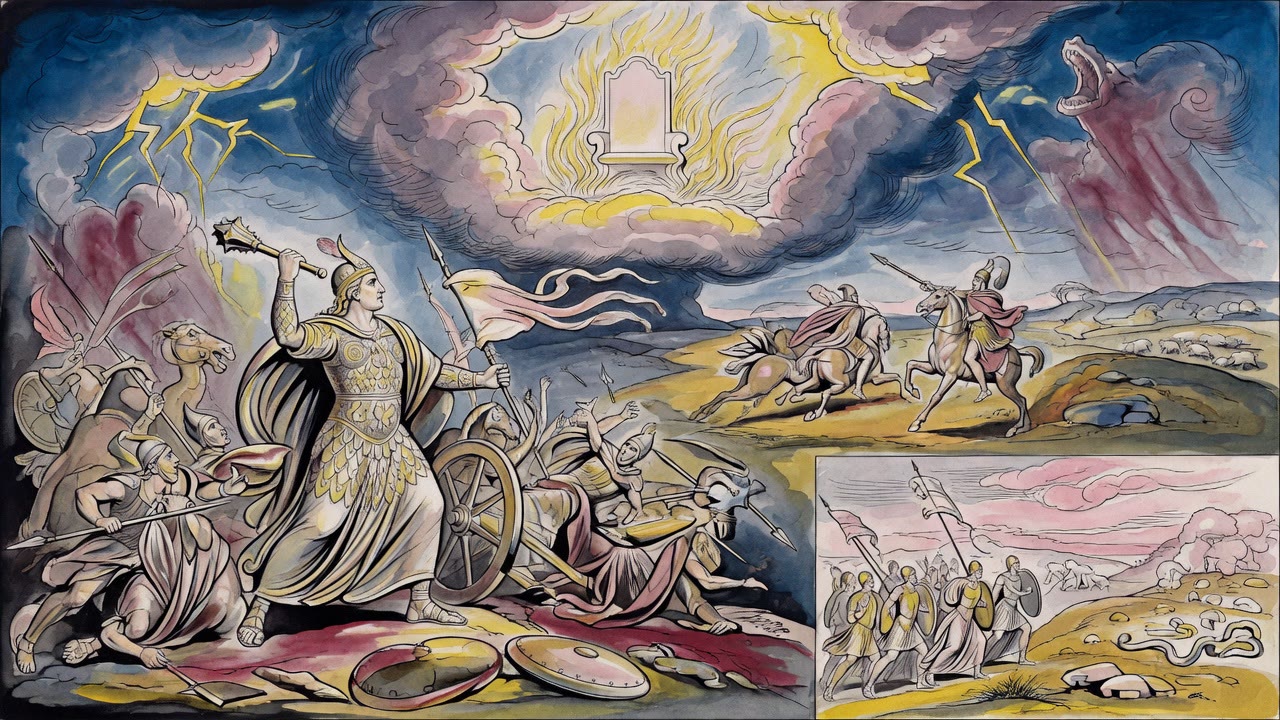
Hadad, king of Edom, had failed to find glory in Egypt. Failure sat on him like a second crown. He turned toward Moab and found a war that would write his name in blood. Moab did not care to meet him alone. The Moabites pulled Midian into the alliance and filled the field with two peoples against one.

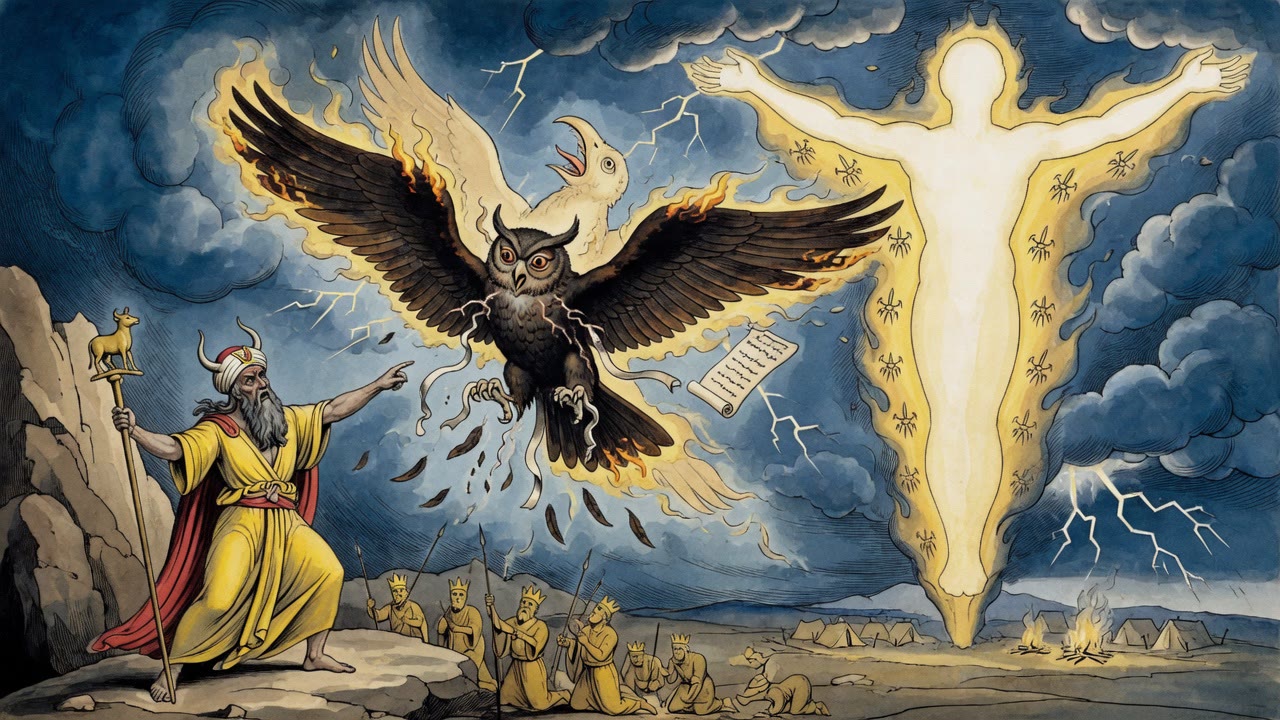
When the fighting turned hard, Moab bolted. The sly partner left Midian facing Hadad's full weight. The Edomite host cut the abandoned allies down to a man. Moab bought life with tribute and flight. Midian bought a grave and a memory of treachery that would not cool.

Glory for Hadad. A grudge for a generation.

Revenge That Found the Same Blade

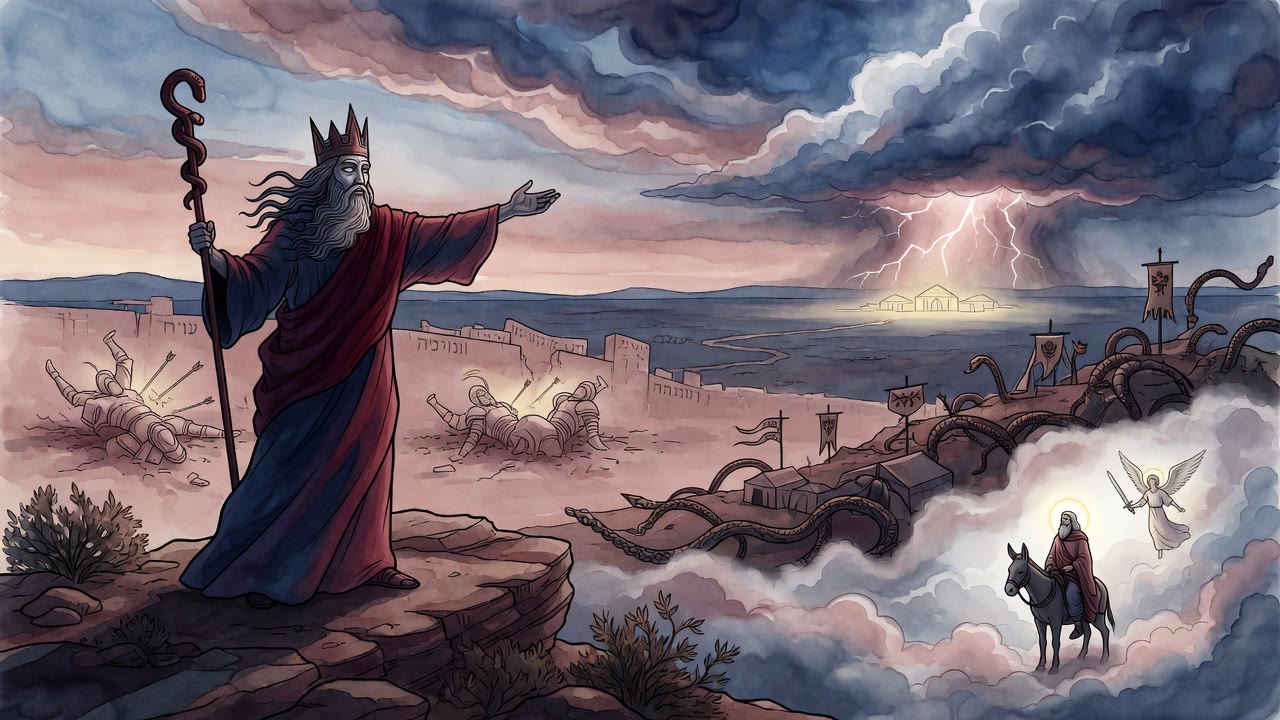
The next year Midian rose with the sons of Keturah, kin through Abraham's later household, and marched on Moab for payback. The trap looked closed. Then Hadad rode in again. He broke the Midianite revenge the way he had broken the first alliance, and Midian abandoned its plan under a second defeat.

From that double wound the legends date an inveterate enmity. If a single Moabite is caught in Midian, he is killed without mercy. A Midianite in Moab fares no better. The kings pass. The hatred stays as a local law of the road.

Betrayal on a battlefield became a custom at every border post.

Why Israel Could Take Heshbon

Centuries of that geography still mattered when Israel approached. The Holy One had said not to trouble Moab. Heshbon had once been Moabite, but Sihon king of the Amorites had already torn it from Moab's former king as far as the Arnon. When Israel took Heshbon, they took a city of Sihon, not a city still under Moab's hand.

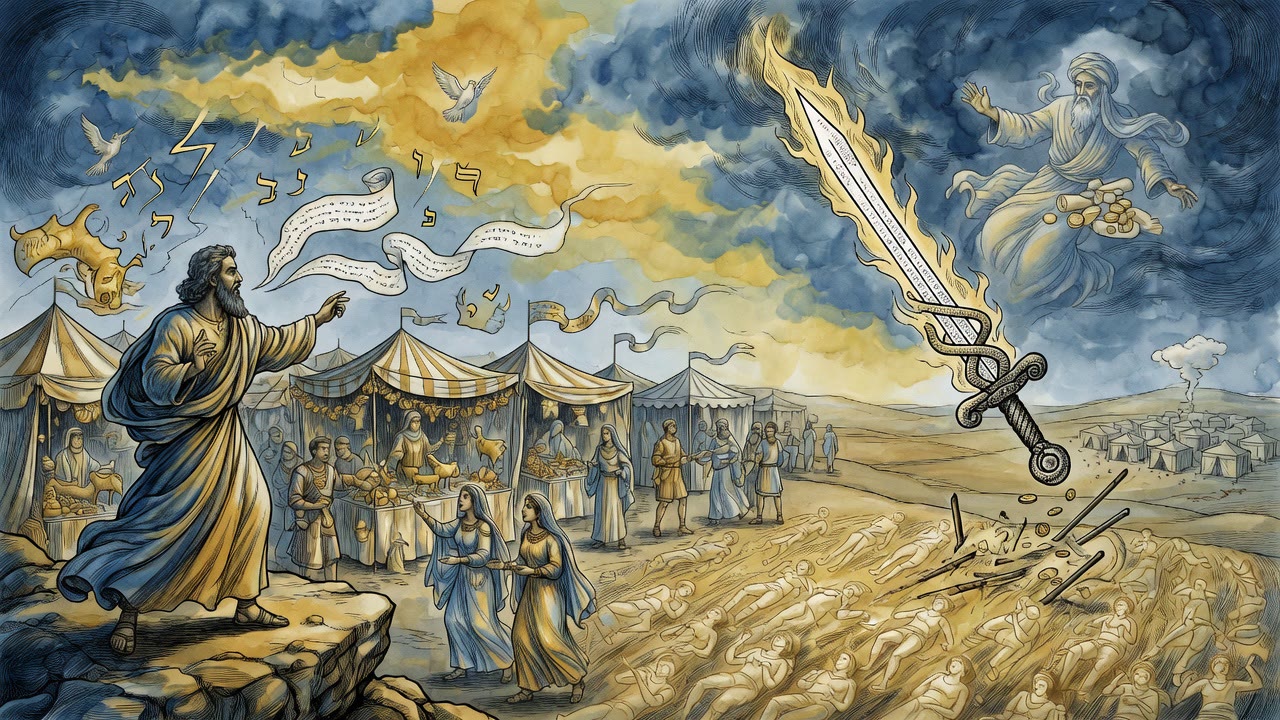
The midrash hears a moral relief in the sequence. Direct seizure from Moab would have been robbery against the command. Sihon had already done the theft. Israel took from the thief. "Because I the Lord love justice, I hate robbery with a burnt offering" stands over the map. Even conquest needed a clean chain of title.

Hadad's old theater of Moabite survival by betrayal sits behind a later law of who may be struck.

Parables, Spies, and the Next War

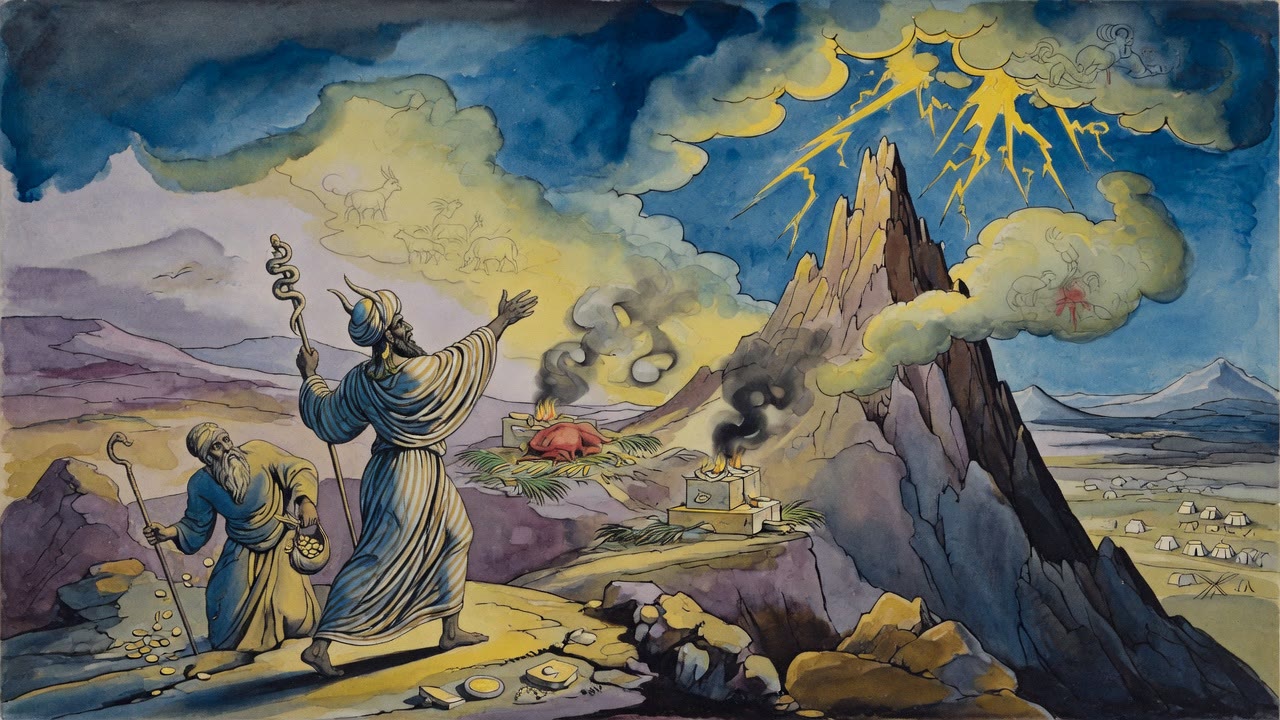
Those who speak in parables, Balaam and his father in the midrash's reading, had once cursed Moab into Sihon's hand with fire-poetry from Heshbon. Israel later sent zealous spies to Jazer who refused to repeat the catastrophe of earlier scouts. They trusted the Holy One and made war, then turned toward Og of Bashan after the festival calendar had turned.

The land around Moab was never empty of schemes. Curses hired by Amorite kings, alliances that dissolve mid-battle, and divine instructions that spare one bloodline while opening another all share the same hills. Hadad's slaughter and Israel's careful seizure are different chapters of one hard neighborhood.

Mercy to Moab never meant softness toward everyone who held Moabite stones.

What a Bolted Ally Leaves Behind

Moab ran and lived. Midian stood and died, then died again for wanting revenge. Hadad collected the glory he had missed in Egypt. The hatred between Moab and Midian outlasted his banner. When Israel finally moved through that map, heaven insisted on a legal path through Sihon's prior conquest so that the command not to trouble Moab would not be mocked by convenient amnesia.

A battlefield betrayal can found a culture. A later people can still be ordered to hate robbery even while taking cities. Between Hadad's double victory and Israel's careful title, the region learned that survival and justice are not always the same art.

The dust of those wars never settled into peace. It settled into rules.

Enmity With a Local Law

Hadad's glory was built on other people's flight. Moab ran and paid tribute. Midian stood and was erased, then returned with the sons of Keturah and was erased again when Hadad rode back into the rescue of his former prey's enemy. From that sequence the legends date a custom more durable than any single crown: Moabite and Midianite kill each other on sight when caught across the wrong border.

Israel later walked the same hills under different orders. Do not trouble Moab. Take Heshbon only because Sihon had already torn it from Moab's hand. Heaven hated robbery even when robbery wore the face of conquest. Balaam's fire-poetry had once helped Sihon swallow Moabite towns. Zealous spies at Jazer refused to repeat older failures and trusted the Holy One into war, then turned toward Og after the festival calendar turned.

Betrayal, title, and command shared one dust. Hadad taught the region how alliances die mid-battle. The Torah taught Israel how not to pretend every stone was free for the taking.


← All myths

From the tradition

Sources

2 sources

The texts behind this telling. Some cards carry a translation of the source; others are our own retelling of it, and each card says which. Every card links out to the original.

Legends of the Jews 1:451Legends of the Jews

Retold in our words. Read the original at the link below.The Legends of the Jews by Louis Ginzberg (1909) · Public Domain

Legends of the Jews turns to Kingdom of Hadad.

Take the story of Hadad, the king of Edom. He wasn't exactly a household name, was he? According to Ginzberg's retelling in Legends of the Jews, Hadad, having failed to achieve glory in an earlier campaign in Egypt, finally found his moment in a war against Moab. But the Moabites, they weren't so keen on facing Hadad’s forces solo. So, they did what any sensible (or perhaps not so sensible) ancient kingdom would do: they formed an alliance with the Midianites.

Picture the scene: a battlefield thick with tension, the clash of swords, the shouts of warriors. And then, the Moabites, those sly fighters, decided they’d had enough. They bolted! They abandoned their Midianite allies, leaving them to face the full force of Hadad and his Edomites. Needless to say, the Midianites were… not pleased. They were, in fact, utterly decimated. Hadad and his army cut them down "to a man," as the story goes.

The Moabites, meanwhile, got off relatively scot-free. Sure, they had to pay tribute, but hey, at least they were alive. But the Midianites, well, they weren't about to let this treachery slide. Fueled by righteous anger (and probably a healthy dose of resentment), they rallied their kinsmen, the sons of Keturah (Abraham’s wife after Sarah), and gathered a mighty army. The following year, they launched a full-scale attack on Moab, seeking revenge for the earlier betrayal.

However, just when it looked like the Midianites might finally get their payback, guess who came riding to the rescue? That's right, Hadad! He swooped in, inflicting yet another crushing defeat upon the Midianites, who were forced to abandon their plans for revenge.

And here, my friends, is where things get really interesting. This series of events, this double-cross and double-defeat, sparked a deep-seated, unyielding hatred between the Moabites and the Midianites. According to Legends of the Jews, this was "the beginning of the inveterate enmity" between them. word: inveterate. It speaks to something so deeply ingrained, so long-lasting, that it becomes almost a part of their identity. So fierce was the animosity that, as Ginzberg writes, "If a single Moabite is caught in the land of Midian, he is killed without mercy, and a Midianite in Moab fares no better." Wow.

It's a stark reminder that even in the grand sweep of history, personal betrayals and the thirst for revenge can have profound and lasting consequences. Which ones, like this ancient feud, might one day erupt into something far bigger and more destructive? And what role do we play in either fueling or extinguishing those flames?

Full source
Midrash Tanchuma, Chukat 24Midrash Tanchuma

Retold in our words. Read the original at the link below.Townsend 1989 translation of Midrash Tanhuma, S. Buber Recension · CC-BY

(Numb. 21:25:) “Israel took all these towns….” This text is related (to Is. 61:8), “Because I the Lord love justice, I hate robbery with a burnt offering.” The Holy One, blessed be He, said to Moses (in Deut. 2:9), “Do not trouble Moab.” Now Heshbon had been part of Moab, since it is stated (in Numb. 21:26), “For Heshbon was a city of Sihon king of the Amorites,” but he had fought against the former king of Moab [and taken all his land away from him as far as the Arnon]. When Israel came, they took Heshbon, which belonged to Sihon and whatever [else] he had taken from the king of Moab. For if they had taken it from him [directly], they would have had major robbery on their hands. Instead Sihon took it from Moab, and Israel took it from Sihon. Thus they were acquitted from [the charge of] robbery. Therefore it is written (in Numb. 21:26), “For Heshbon was a city of Sihon.” (Numb. 21:27:) “Therefore those who speak in parables say.” This refers to Balaam and his father, whom Sihon had hired to curse Moab. And it was they who had said (Numbers 21:27-8), “[Come to Heshbon,] let it be built; let the city of Sihon be established. For a fire has come forth from Heshbon, [a flame from the city of Sihon]. It has devoured Ar [of Moab].” Thus they cursed Moab so that they might deliver it into [Sihon's] hand. (Numb. 21:29-31:) “Woe be to you, O Moab…. But we have cast them down; Heshbon has perished…. Thus Israel dwelt (in all the cities) [in the land of] the Amorites.” [Only] Jazer survived. (Numb. 21:32:) “So Moses sent to spy out Jazer.” These spies were zealous. They said, “We have confidence in the prayer of Moses. [Yet] he has already sent messengers [that were] spies in the past and they brought a catastrophe. But we shall not do so. Rather, we will trust in the Holy One, blessed be He, and make war.” They then did so and slew the Amorites who were in [the city]. (Numb. 21:33), “Then they turned and went up […].” What is the meaning of “Then they turned and went up?” R. Johanan says, “The wars of Sihon took place in Elul. Then they celebrated the festival in Tishri, then after the festival came the war with Og. [Just as you say with regard to the festival of Passover] (in Deut. 16:7), “and in the morning you shall turn to your tents.” (Numb. 21:33, cont.) “And Og king of Bashan came out against them, he and all his people,” for the Holy One, blessed be He, had gathered [them all] before [Israel] in order to deliver [Og and his people] into their hand.

Full source