God Hid the Wicked From the Angels Before Adam Was Made
The angels wanted to know what the new creature would be like. God told them about the righteous who would come out of him and left out the other half.
Table of Contents
 Click for full size
What the Angels Wanted to Know
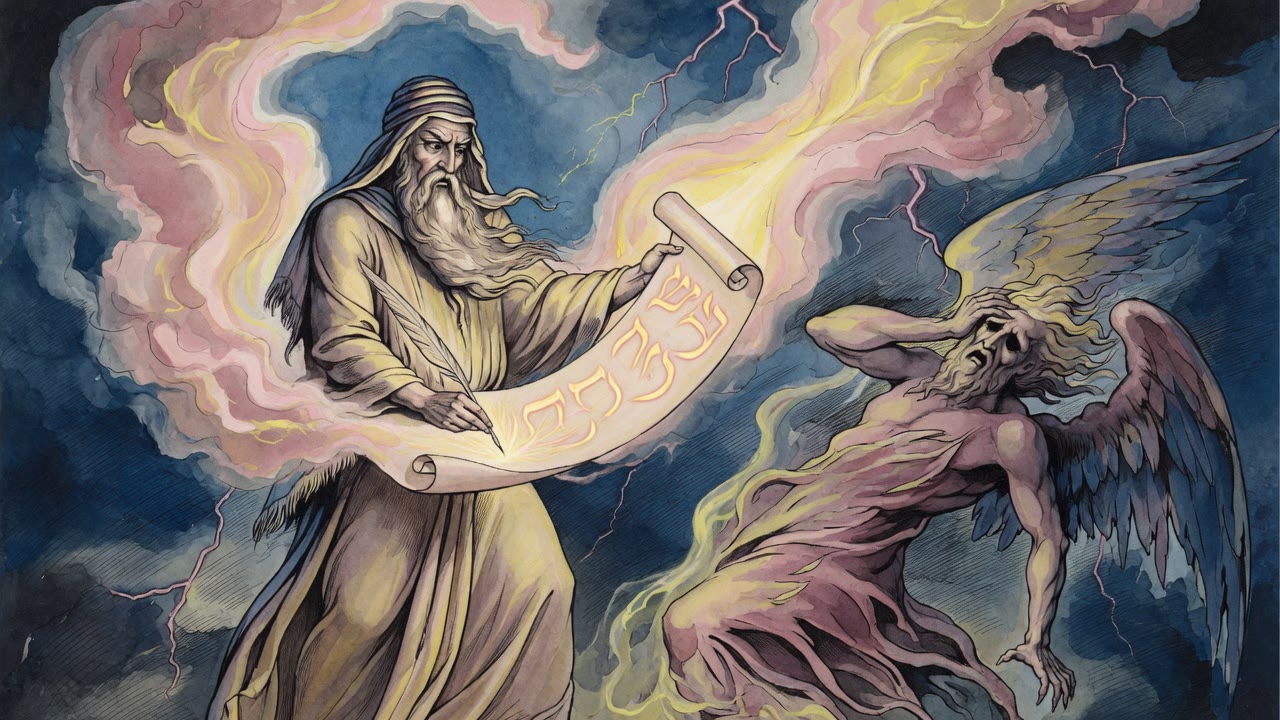
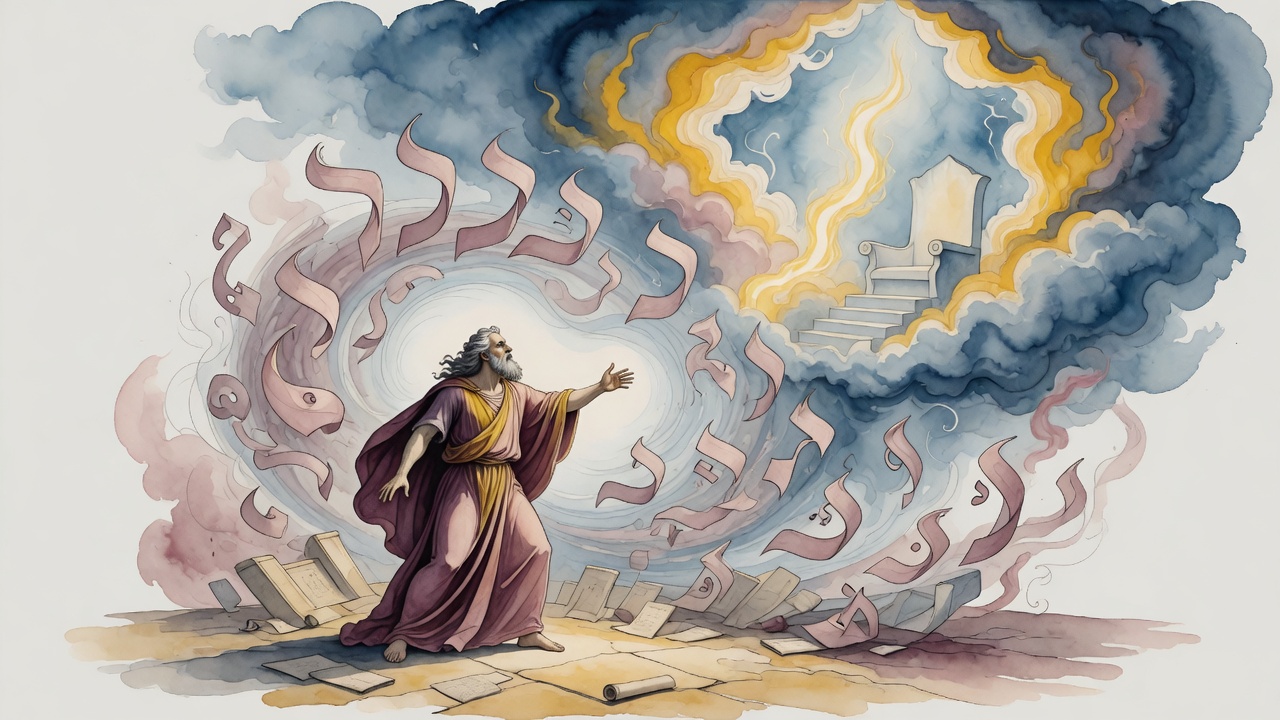
Before there was a man there was a meeting. God turned to the ministering angels and said, "Let us make Man in our image, in our likeness."
They did not simply agree. They asked one question first.
"What is his nature?"
"Righteous people will arise out of him," God said.
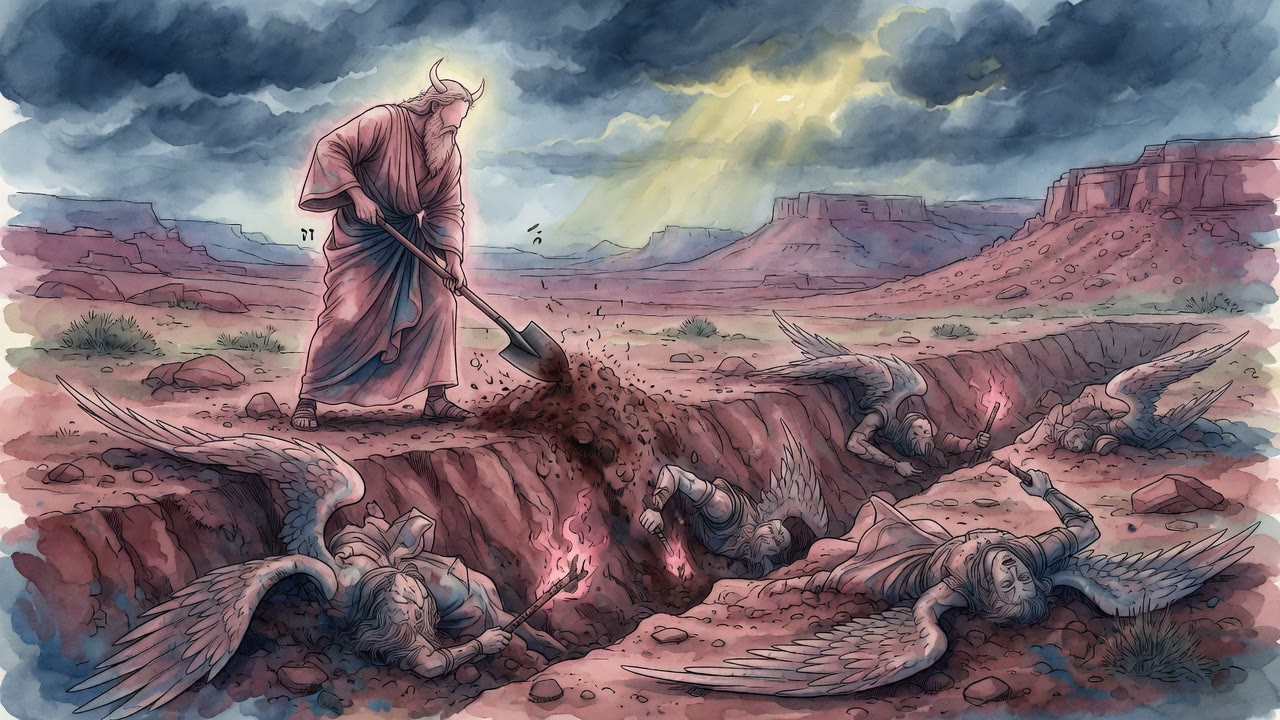
That was true, and it was half. He had already looked down the whole line of everyone who would ever descend from this creature, and He had watched both kinds come walking out of it, and He handed the angels one of the two lists and hid the other. Rabbi Hanina said out loud why. Had God shown them the second list, the attribute of justice would not have permitted the man to be made. The angels would have argued the case and won it, and the argument would have been correct.
The Two Columns
Rabbi Berekhya told the same moment from inside the deliberation, where nobody was watching. God stood over the clay with both futures in front of Him.
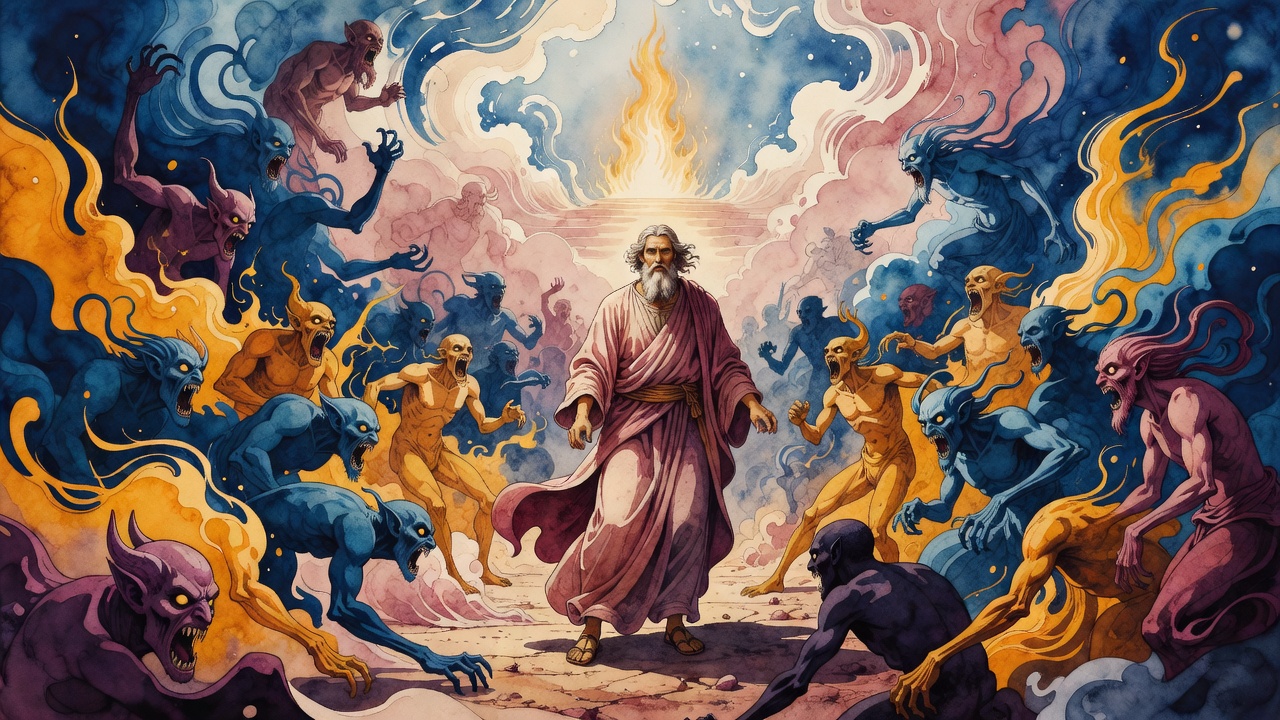
"If I create him, wicked people will descend from him. But if I do not create him, how will righteous people ever descend from him?"
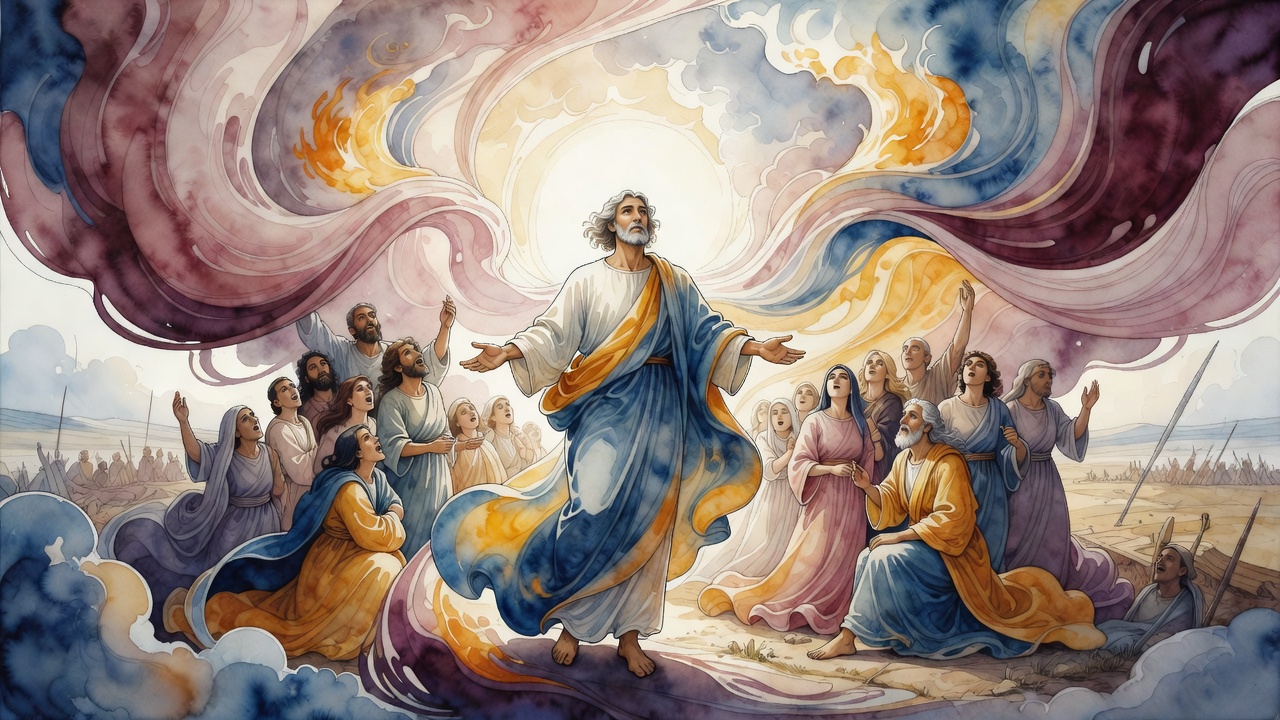
He did not solve it. That is the part worth slowing down. He pushed the road of the wicked out of His own field of vision, took hold of the attribute of mercy the way a man takes hold of a tool he is going to need, and put His hands in the clay. That is how Adam got made. Up to that point the account of the making of the world uses one name for Him. From the making of the man it uses two, and the one that gets added is the name of mercy.
The Womb That Was Carved
Everything after that happened under a decision nobody could see.
Sarah was one of the people who lived under it. Rabbi Yehuda taught in the name of Reish Lakish that her body was not a body with a closed womb. She had no womb at all. There was nothing in her to open, no organ that had failed, no season that had passed. God cut one into her that year, the way a mason cuts a chamber into rock, and then a woman of ninety fed a baby at her own breast.
Rabbi Nehemya said He gave her back the days of her youth outright. Rabbi Abahu put the last piece in place. God said, "I will impose fear of her upon all the nations of the world, so they will not torment her and call her the barren woman." Somewhere in the towns around her, men who had used that word about her for decades opened their mouths in her presence and could not get it out.
What She Had Left on Deposit
Rabbi Ada explained the whole thing as a matter of goods held in trust. "I am a keeper of deposits," God said. "Amalek deposited with Me bundles of thorns." So bundles of thorns went back to Amalek, and the verse that records the return says only that God remembered what Amalek did to Israel.
"Sarah deposited with Me commandments and good deeds." So commandments and good deeds went back to Sarah. Not a reward in some other currency. The same goods she had left, handed back in the shape of a son who would spend his life performing them. She had been paying into that account for ninety years without a receipt.
Not One Nose Ring
Her grandson walked out of the house with nothing in his hands.
Rabbi Shmuel bar Nahman heard Jacob in the psalm that begins by lifting the eyes to the mountains, and heard the word for mountains bend toward the word for parents. I lift my eyes to my parents, to my teachers, to the ones who raised me. From where will my help come?
Because Jacob was doing arithmetic on the road, and it came out badly. When Eliezer went to fetch Rebecca for Isaac, the servant took ten camels loaded with goods. Jacob was going out on the same errand, to bring back a wife, and he did not have one nose ring or one bracelet. Rabbi Hanina said Isaac sent him out empty. Rabbi Yehoshua ben Levi said Isaac sent him out loaded, and Esau came up the road behind him and took it all.
Then Jacob stopped himself in the middle of the sum. "What, will I lose my confidence in my Creator? God forbid. I will not lose my confidence in my Creator."
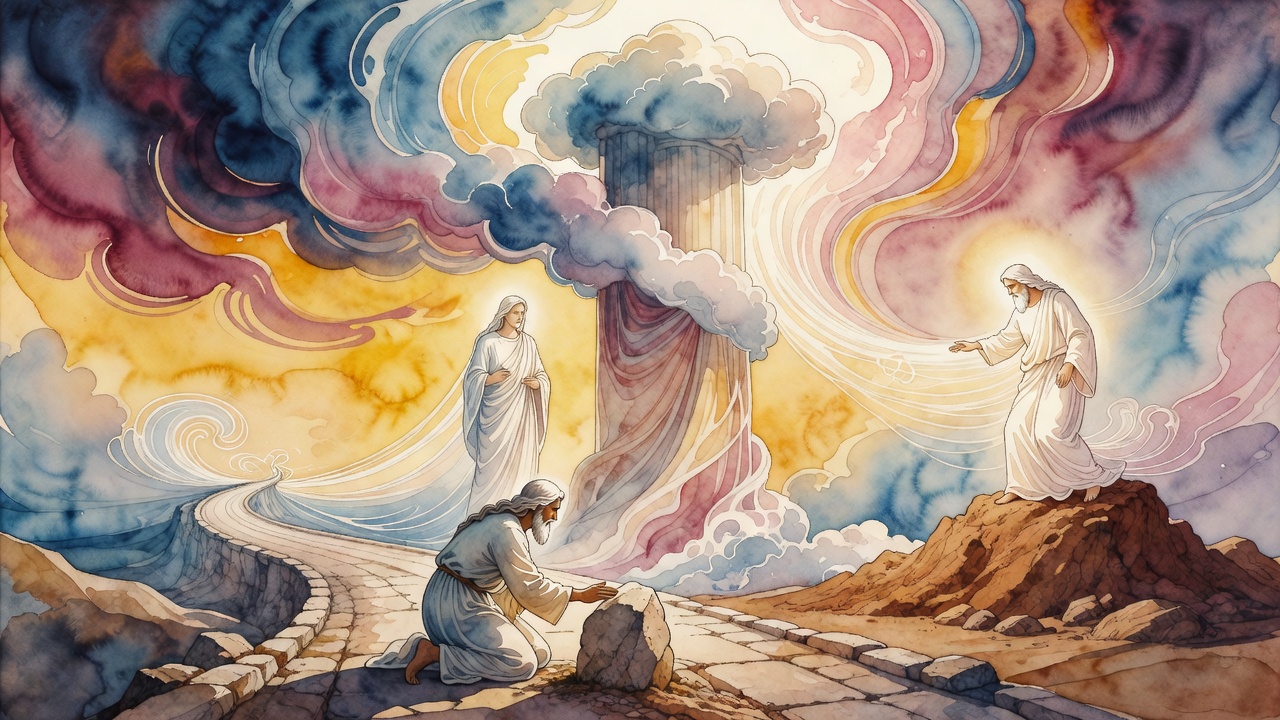
He could not see what was walking with him. The guard against Esau and against Laban, the guard against the angel of death, the one who neither sleeps nor dozes, none of it was visible from the road. It never is. That is the arrangement heaven made before the first man was ever pulled out of the ground, and Jacob went down toward Haran counting camels that belonged to somebody else.
← All myths