Michal Put an Idol in David's Bed and Told Saul's Men He Was Sick
Saul's men watched the house all night and waited for morning. By then David was over the sill and gone, and there was goat's hair on the pillow.
Table of Contents
 Click for full size
He Kept a Muzzle on His Mouth
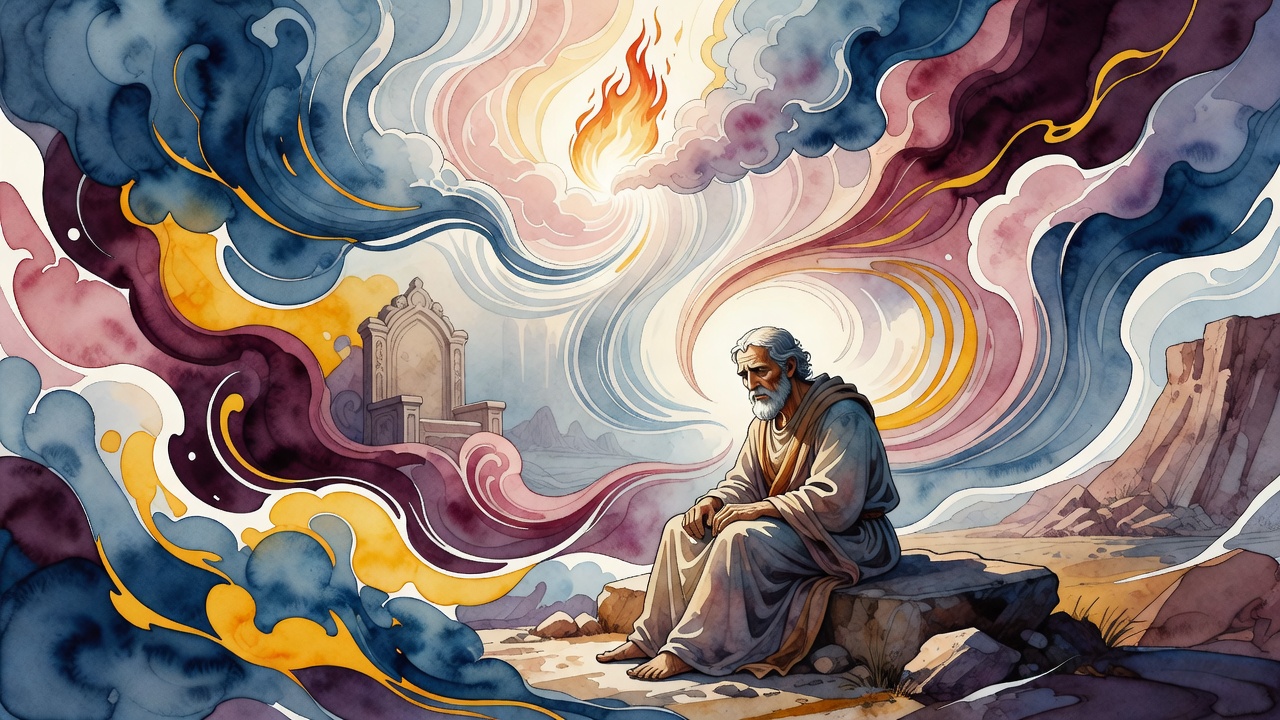
The spear was in the wall about a hand's width from David's head, still shivering, and he had already stopped playing and had not said a word.
He had a rule about that. He had made it for himself and he said it out loud later, in a psalm, in the plainest language he ever used: I will guard my ways from sinning with my tongue, I will keep a muzzle on my mouth while the wicked man stands in front of me. Not a vow of humility. A working rule for a man living inside another man's house with a spear in it.
Saul pulled the spear out of the plaster and David went back to the strings, and neither of them mentioned it.
The Desert Generation Died of Their Own Mouths
Slander runs harder than idol worship. That is the claim, and the proof is a graveyard.
Israel built a calf out of their own earrings, danced in front of it, and lived. They came back out of the land with a report about giants and walled cities, and still lived. The decree did not fall until they opened their mouths in the dark and said they would rather have died in Egypt. The Lord heard the voice of your words. As you have spoken in My ears, so I will do to you.
He took their sentence and handed it back to them word for word, and then it took forty years to carry out, one funeral at a time, the whole camp burying its own until the last of the complainers was in the ground.
Long after, God said through Jeremiah that His own inheritance had turned into a lion in the forest, roaring at Him out of the trees. Is her voice only hatred, then? No. The same throat is the one He asked to hear in the vineyard: let Me hear your voice, for your voice is sweet. One instrument, two uses. Death and life are in the hand of the tongue.
The Men Outside the Door
Saul stopped throwing spears and started sending men.
They came at dusk and stood around the house and settled in to wait, because the order was to take him in the morning. Michal, Saul's daughter and David's wife, worked out what the men in the street were for, and came and told her husband. "If you do not get your life out of here tonight, tomorrow you are a dead man."
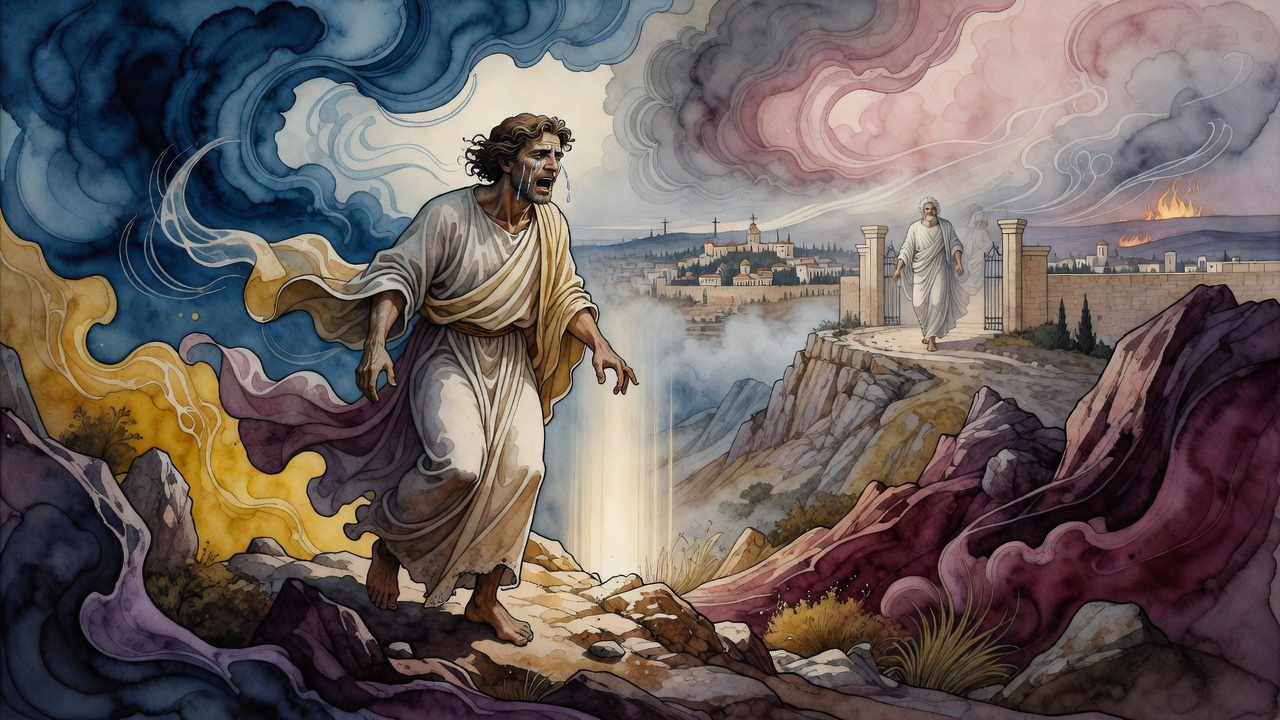
She got him out through the window. He went over the sill and down and away into the dark, and she went back inside and did the rest of it alone.
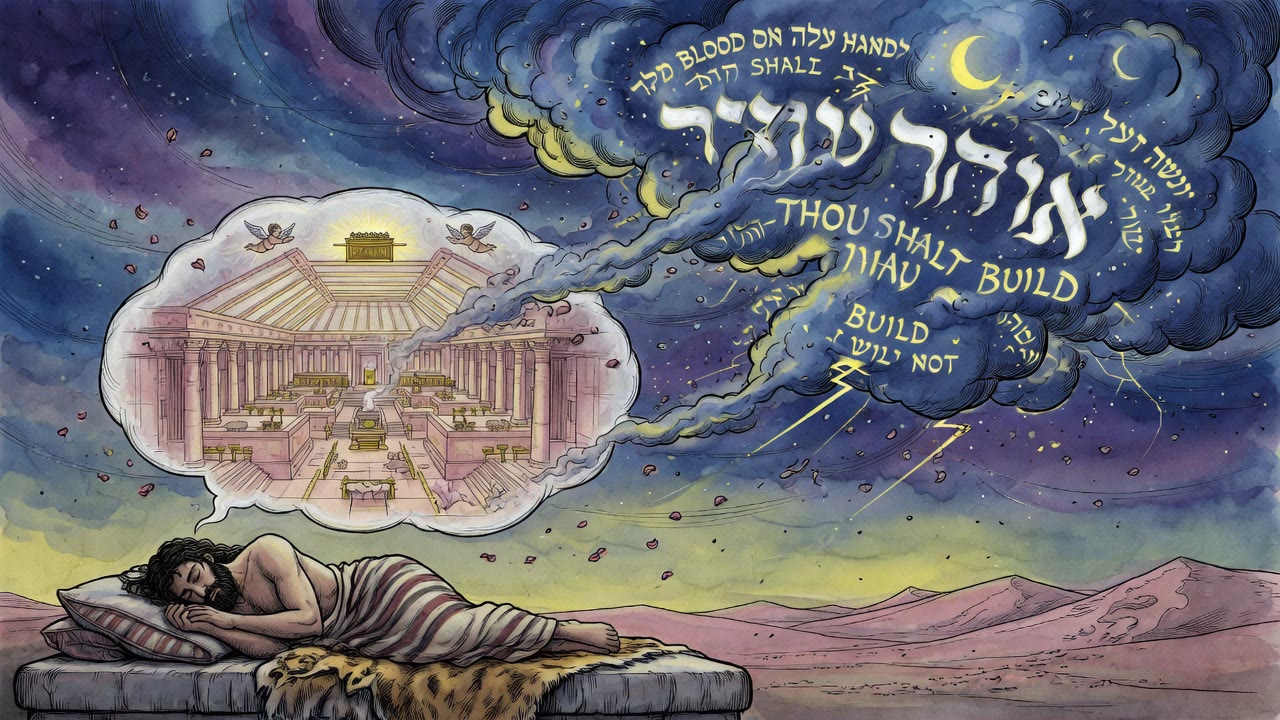
She took the household idol and laid it in the bed. She put a woven pillow of goat's hair at its head. She pulled the blanket up over the whole arrangement, and when Saul's men knocked she told them her husband was sick.
They went back to the king with that. Saul sent them straight around again with a new order. Carry him up to me in the bed, he said, and I will kill him there. They came back into the house, walked to the bed, and pulled the cover off a piece of carved wood in a wig.
The Son Who Sat at the Wrong Table
Jonathan was working the other side of the same problem.
At the new moon feast the king's table was set and David's place was empty, and Saul let the first day go. On the second day he asked where the son of Jesse was. Jonathan gave the answer he and David had agreed on in the field. Saul cursed his own son in front of the whole table, told him he was choosing a rival over his own crown, and threw the spear at him.
Jonathan got up from the meal without eating and did not come back. In the morning he walked out to the field with a small boy and shot an arrow past him and called out that the arrow was beyond him, which was the signal, and the boy ran and gathered the arrows and understood nothing at all.
So one of Saul's children carried David out of the house, and the other carried the warning out of the palace. Two are better than one. If one falls, the other lifts him. If a man overpowers one of them, the two stand against him.
The Third Strand
Over that psalm, at the top of the page, sits the instruction the whole night comes down to: al tashchet. Do not destroy.
A cord of three strands is not quickly broken, and the third strand was the country. All Israel and Judah loved David, and they loved him while he was the hunted one, years before there was a kingdom in his hands to hand anybody anything out of.
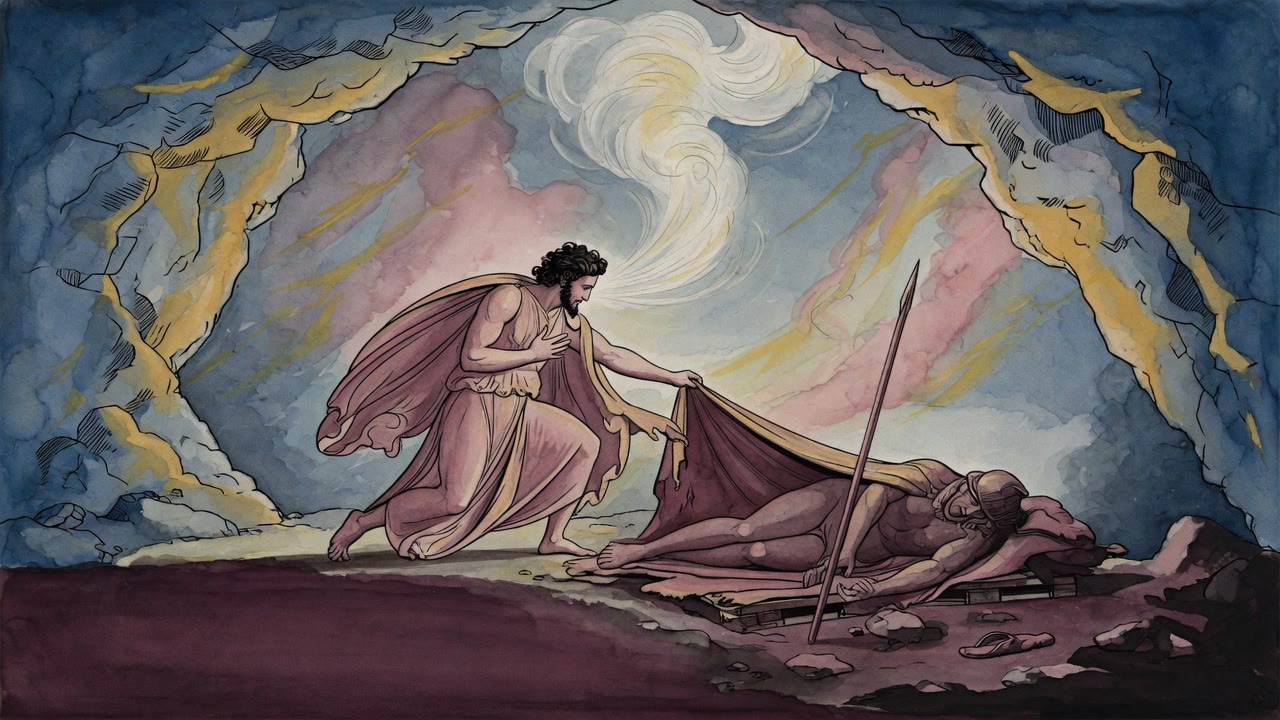
He had chances. He had Saul asleep and in reach more than once, and men beside him telling him to finish it, and the muzzle held. When word finally came that Saul had fallen on his own sword on Gilboa, David executed the man who brought him the crown and then spent his voice on a song for the king who had hunted him for years, and never once, in all of it, said the thing that would have been easiest to say.
← All myths