Heaven Besieged Egypt Like a Rebel Province
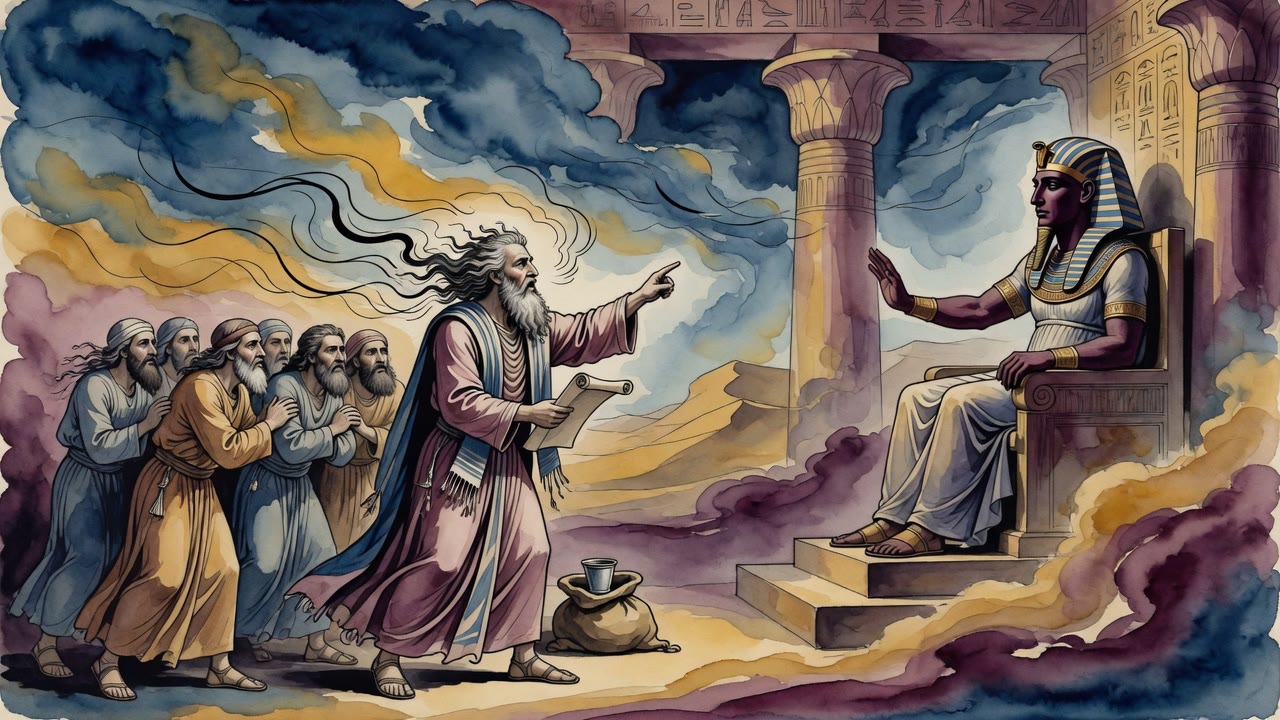
Judah stood in an Egyptian throne room and reminded the man on the chair what happened to the last Pharaoh who kept a woman of this family.
Table of Contents
 Click for full size
Judah Names the Precedent
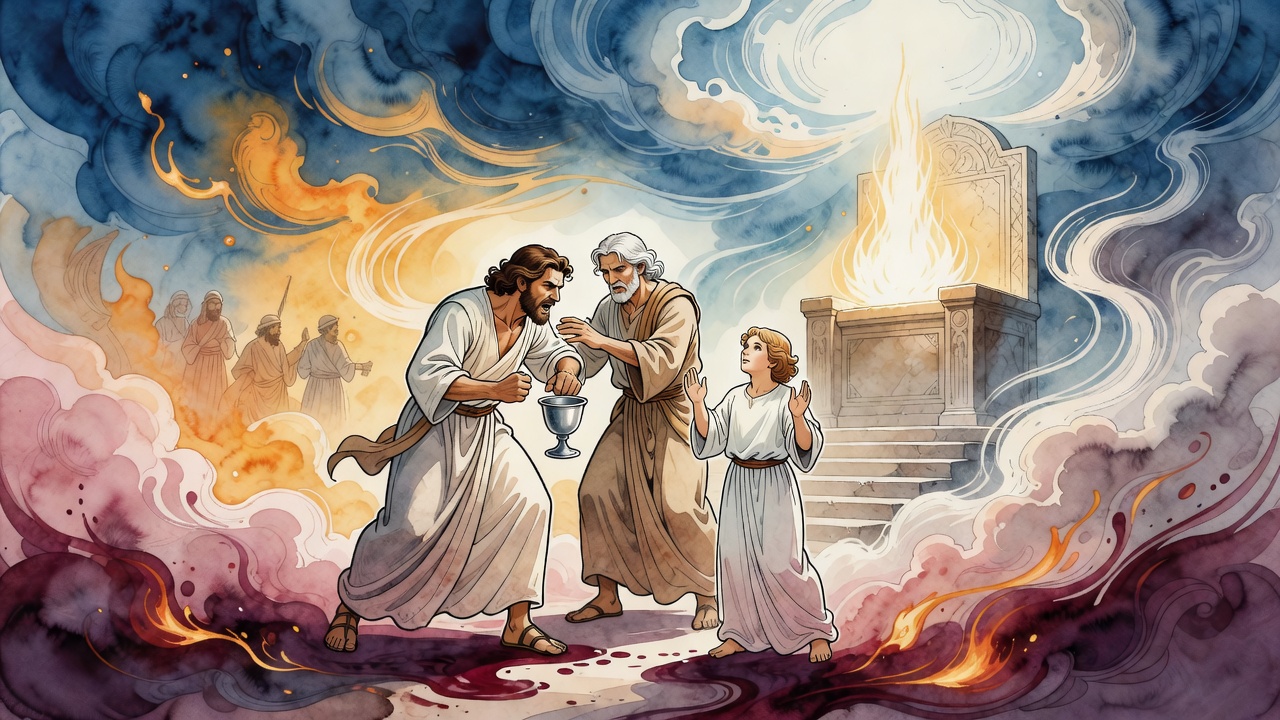
Judah stood in a room in Egypt with his youngest brother under arrest for a stolen cup, and he did not beg. He told the man on the chair a piece of family history instead.
The boy's grandmother was taken into an Egyptian palace once, he said. One night. Against her will. Pharaoh and his whole household came out of that night covered in sores. The boy's mother is dead young because his own father said a hasty word over her without knowing what he was saying, and the word did what words like that do. So be careful what you make this man's father say about you.
Then Judah leaned in. Two of us wiped out an entire city over one woman. Work out for yourself what all of us would do for a man, and this man in particular, the one the Lord loves, in whose portion it is written that God will make His home.
The man on the chair was Joseph, and he said nothing, and the room stayed very quiet. But the threat was not a bluff and it was not new. Egypt had already been billed once for a woman of that family. The second bill was larger and it took ten instalments.
The King Sends His Army to the Water
A province rebels. Its sovereign does not burn the capital on the first day, because a burned capital pays no taxes.
He marches an army out, surrounds the walls, and cuts the water. Then he waits. If the people come out contrite, well and good, and everyone goes home. If not, he moves to the next thing on the list, and there is always a next thing on the list.
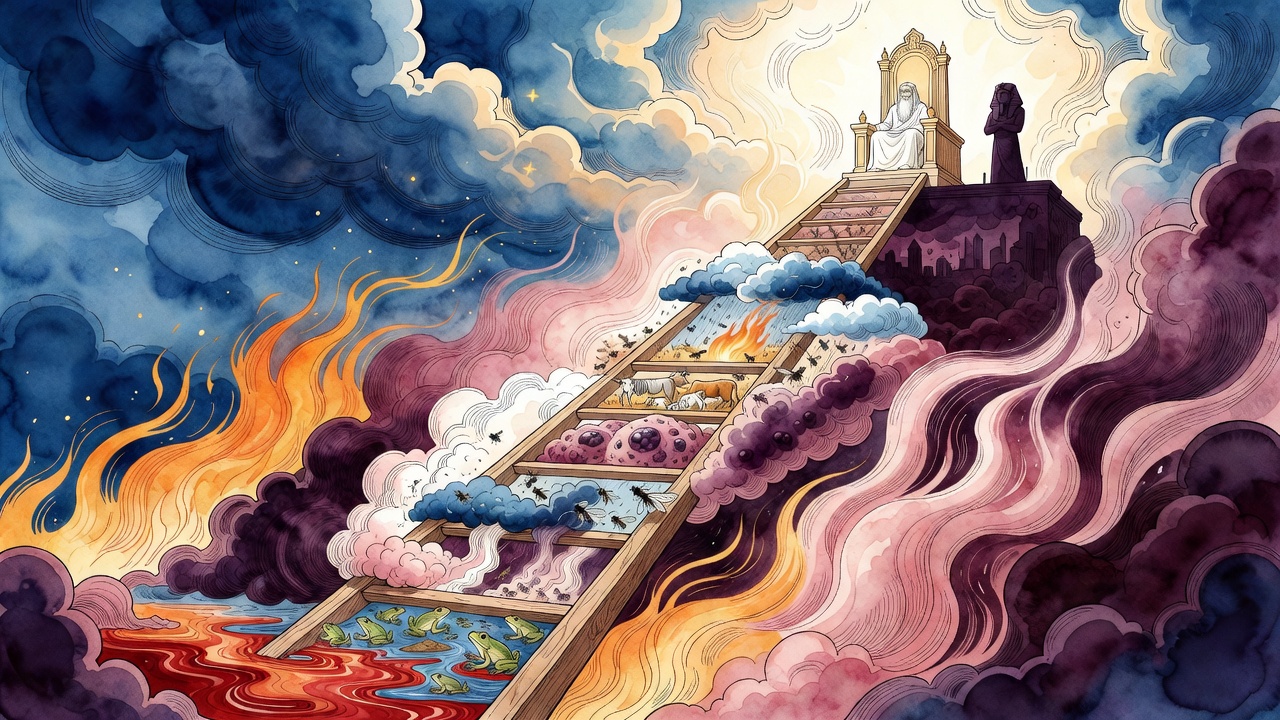
That is how God came at Egypt. A man of war, working through a siege in order, one stage at a time, with a door left open after every stage.
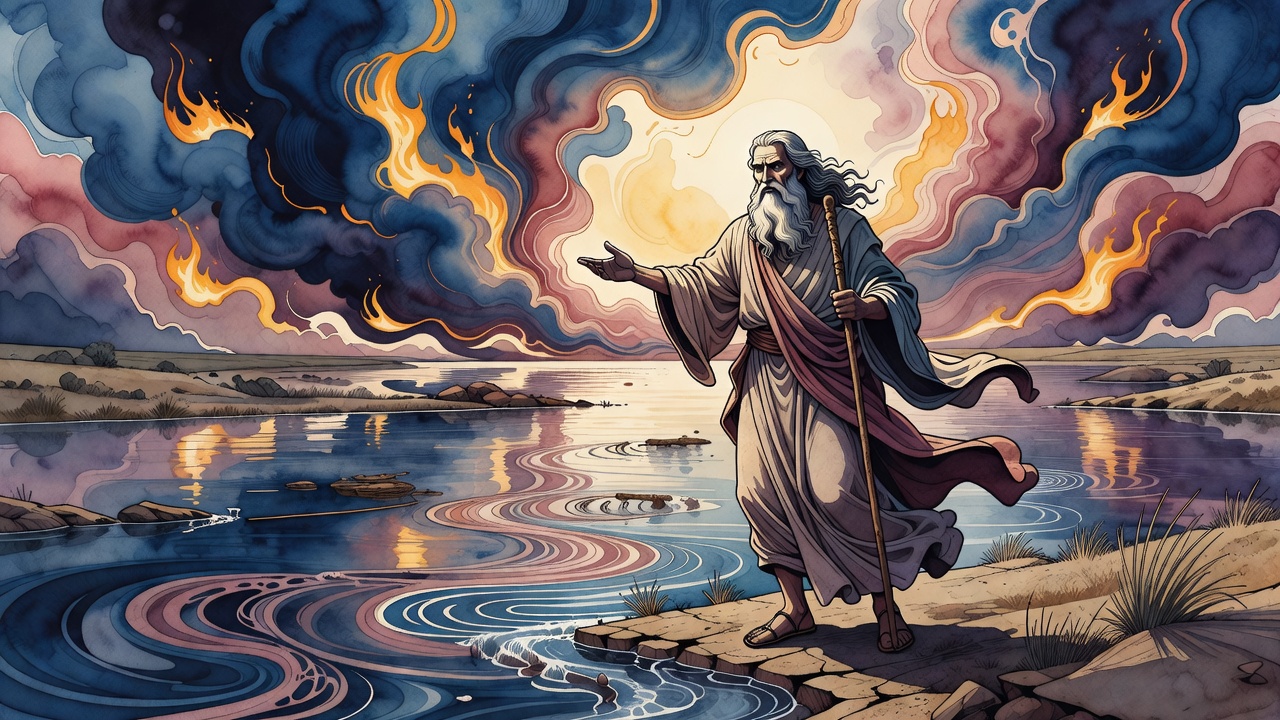
He cut the water first. The Nile went to blood and so did every pool and every jar in the country, and there was nothing to drink in the richest kingdom on earth.
If they are contrite, well and good.
Noise Makers, Darts, and Barbarian Legions
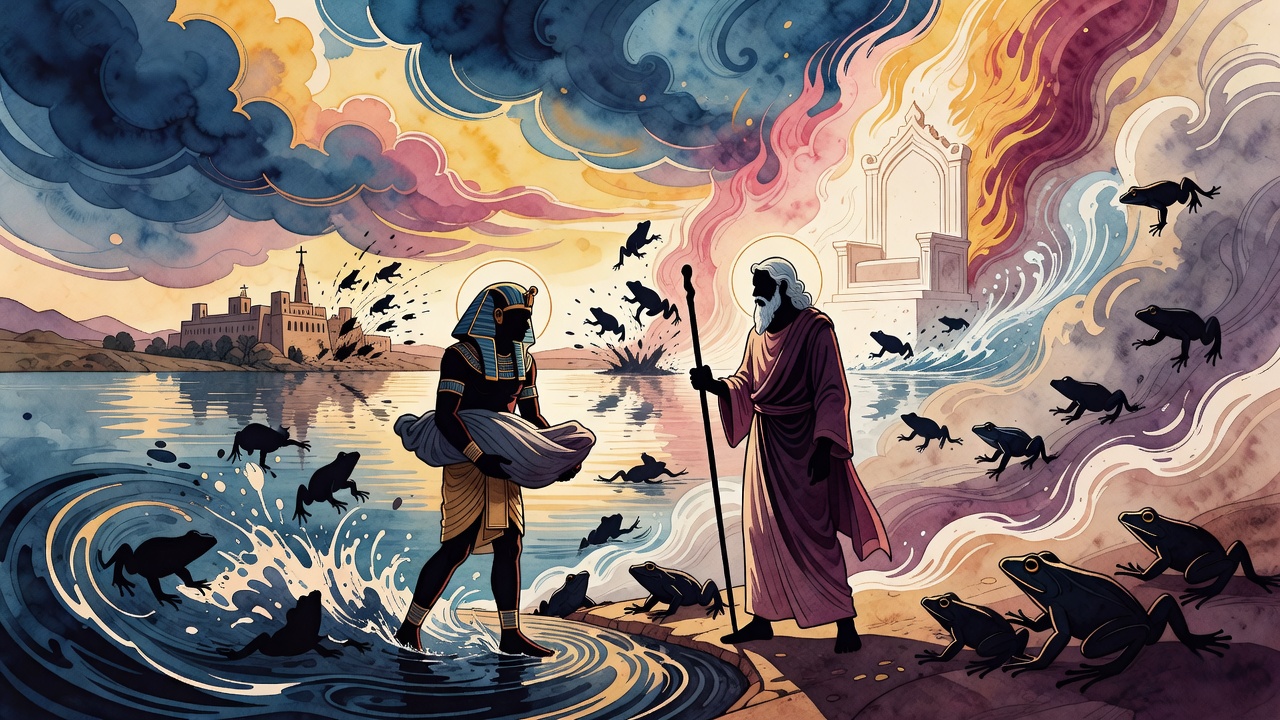
They were not contrite, so the noise makers went in. That is the second stage of a siege, the racket that runs a walled city out of sleep. Heaven's version came up out of the river croaking, and it did not stop at the doorstep. The frogs went into the ovens and the kneading bowls and then into the people themselves, into their stomachs, and the noise came from inside the bodies of the men who had refused.
Still nothing. So, darts. An archer's volley, thousands of small points arriving at once. The lice came down over Egypt and went through skin like that, and there was no armor for it because the thing piercing you was the size of a seed.
Still nothing. So the legions were sent in, the auxiliary troops a king turns loose when he has stopped caring about the city's condition. These were beasts. Mixed hordes of them, every kind at once, running through streets and houses in a country that had spent its whole history painting animals on walls.
Then the carnage stage, when a besieging army stops taking prisoners. The pestilence came and lay down in the fields, and the cattle of Egypt died where they stood.
Naphtha, Ballistae, and Ladders on the Wall
Next in the manual is fire. A besieger pours burning naphtha down onto the defenders and lets it stick and keep burning. God poured it, and it came up on Egyptian skin as boils, and it burned on the magicians so badly that they could not stand in front of Moses to be looked at.
After fire, artillery. The engines are wound back and the stones go over the wall. Hail came down on Egypt with fire inside it and broke everything standing in the open, every tree, every crop, every man and animal that had not been brought indoors.
After artillery, escalade. The ladders go up against the wall and the assault troops climb. The locusts came, and they went up the country like soldiers, over every barrier, into every room, and what the hail had left they took, until there was nothing green anywhere in Egypt.
The Dungeon and the Magnates
When a city has been broken open, the survivors are thrown into the dark under it.
The darkness came for three days and it was not the absence of light. It had weight. No Egyptian rose from his place. A man sitting stayed sitting, a man standing stayed standing, and the whole kingdom was in a cell it could not see the walls of.
One stage remained, the one a king keeps for last because after it there is nothing left to threaten anyone with. He kills the great men.
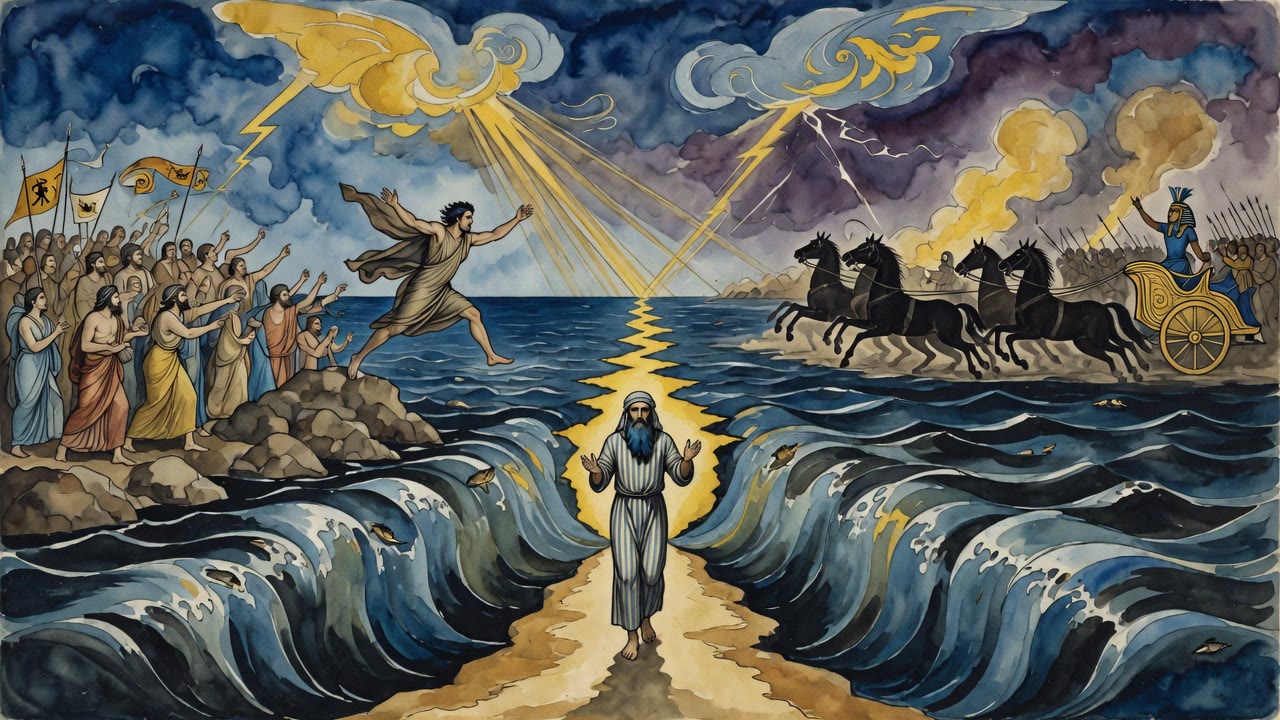
At midnight every firstborn in Egypt died in the same instant, from the son on the throne to the son in the prison, and the cattle in the byres with them. There was not a house without a dead body in it. Pharaoh got up in the dark and went looking for Moses himself, through a country that was screaming, and told him to take his people and his flocks and his herds and go.
Nine times the door had been left open. Nine times it was shut from the Egyptian side.
← All myths