Abraham Kept God Waiting and Jacob Sent Angels to Esau
Strangers walked into a tent in Haran and walked out as different people. Later a scribe turned a verse around so nobody would see God waiting.
Table of Contents
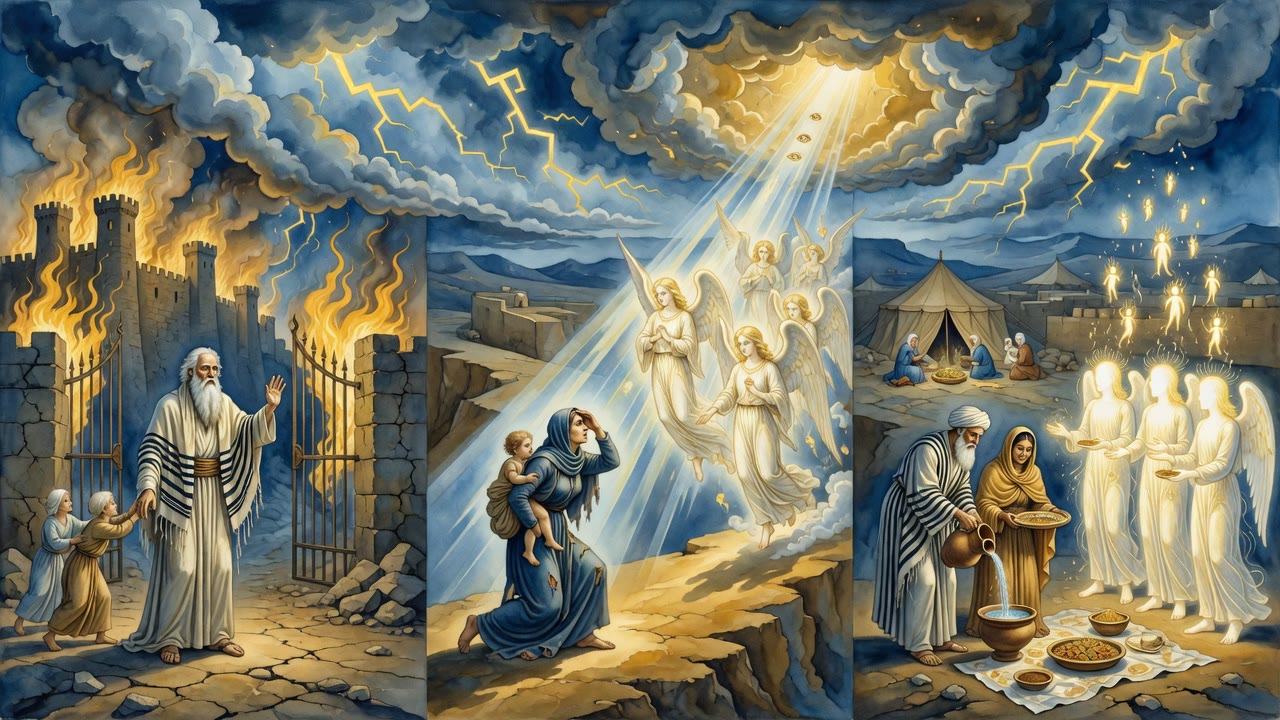
The tent in Haran stood open on all four sides, and people came in out of the sun. Abraham put food in front of the men. Sarah took the women. A household walking through got split in two and handed back fed, watered, argued with, and put to sleep.
 Click for full size
When they walked out into the heat they were not the people who had come in.
The Souls They Made
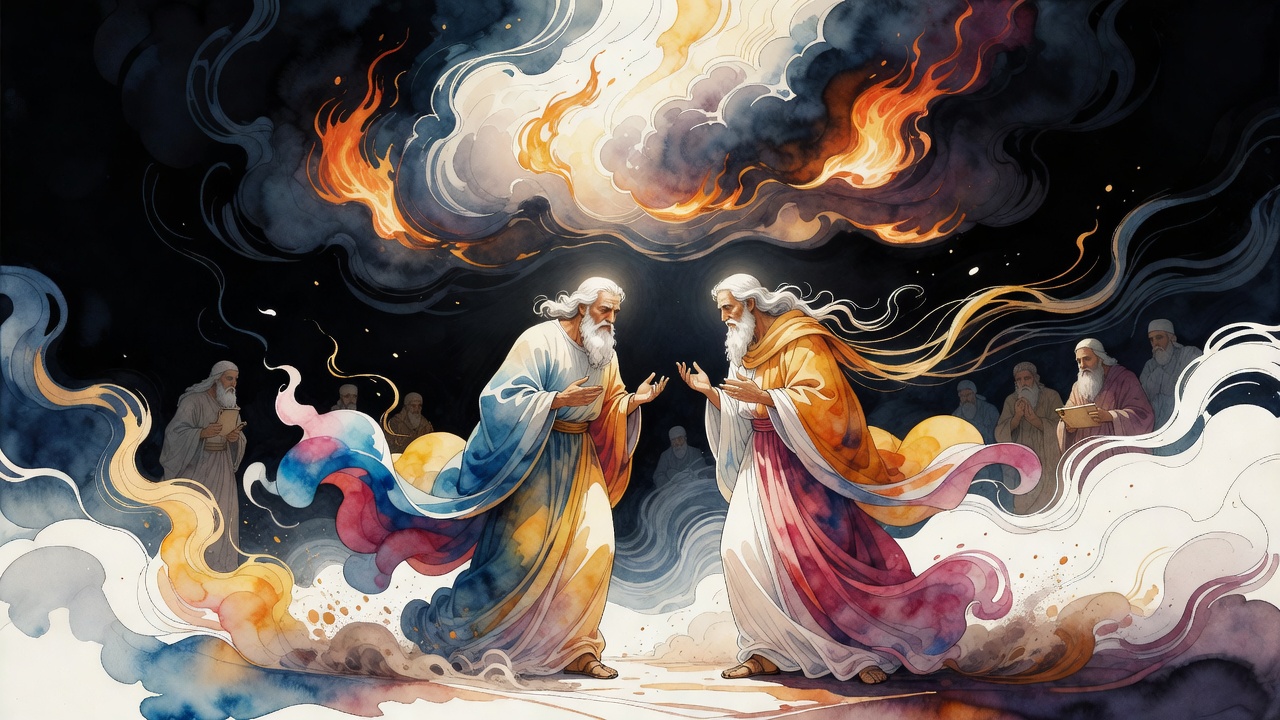
A man came in from the road with dust on his mouth. Abraham sat him, broke bread, poured water, and would not let him leave until the man had heard whom the bread was from. Sarah took the man's wife behind a curtain and did the same work in a lower voice. In the morning the couple walked out with a different Name in their mouths.
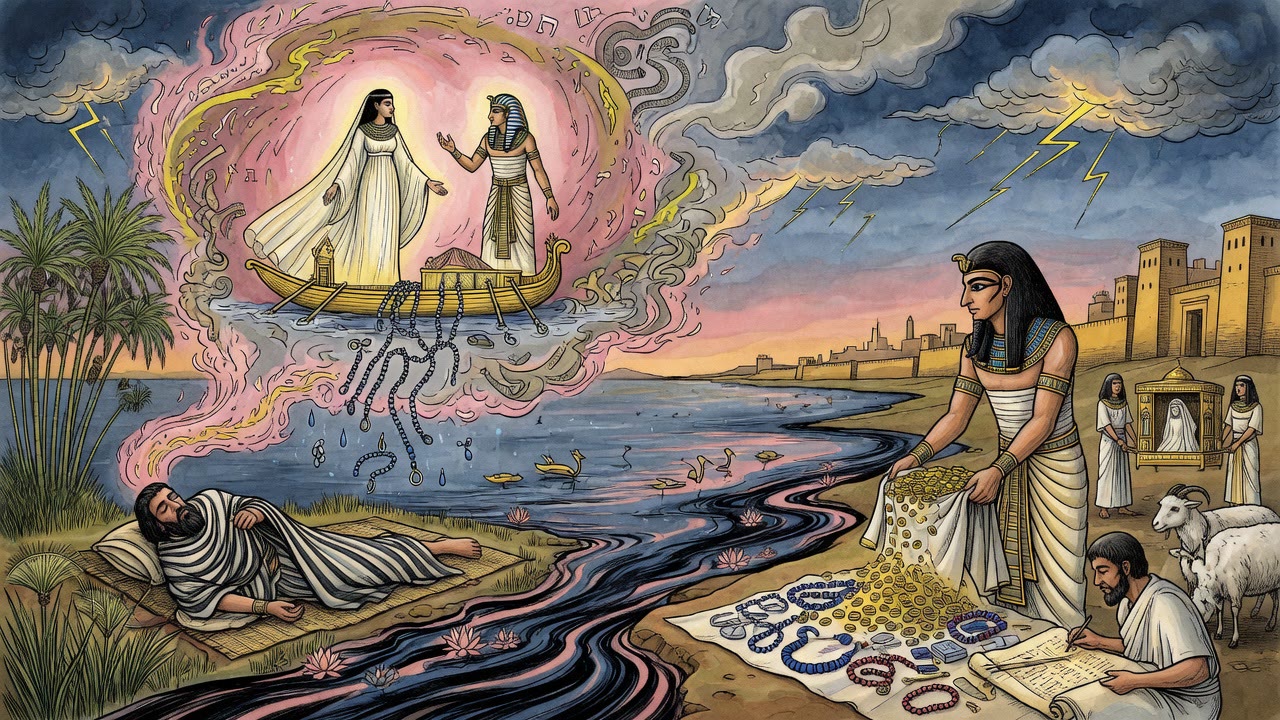
When the household packed for Canaan, the count included people who had not been born in that tent. The packing list named Sarah, Lot, the property, and the souls they had made in Haran (Genesis 12:5).
Made. Not gathered. Made.
No crowd on earth, handed every tool it asked for, can produce one gnat. These two were credited with souls anyway. Abraham brought the men under the wings of the Presence. Sarah brought the women. The credit was not half. It was creation.
Isaac inherited the work in a word for the land where his father had lived, a word that sounds like the people his father converted. Jacob kept it going in his own camp, walking through the tents and pulling foreign gods out of baggage before he would travel with those people. The patriarchs did not collect followers. They made souls and then had to live with them.
Angels With No Backs
Three visitors rose from that same hospitality and started down toward Sodom.
They walked away and they were still facing him. Angels have no backs to their heads. There is no direction in which an angel is turned away. The men leaving Abraham were also, the whole time, looking straight at him.
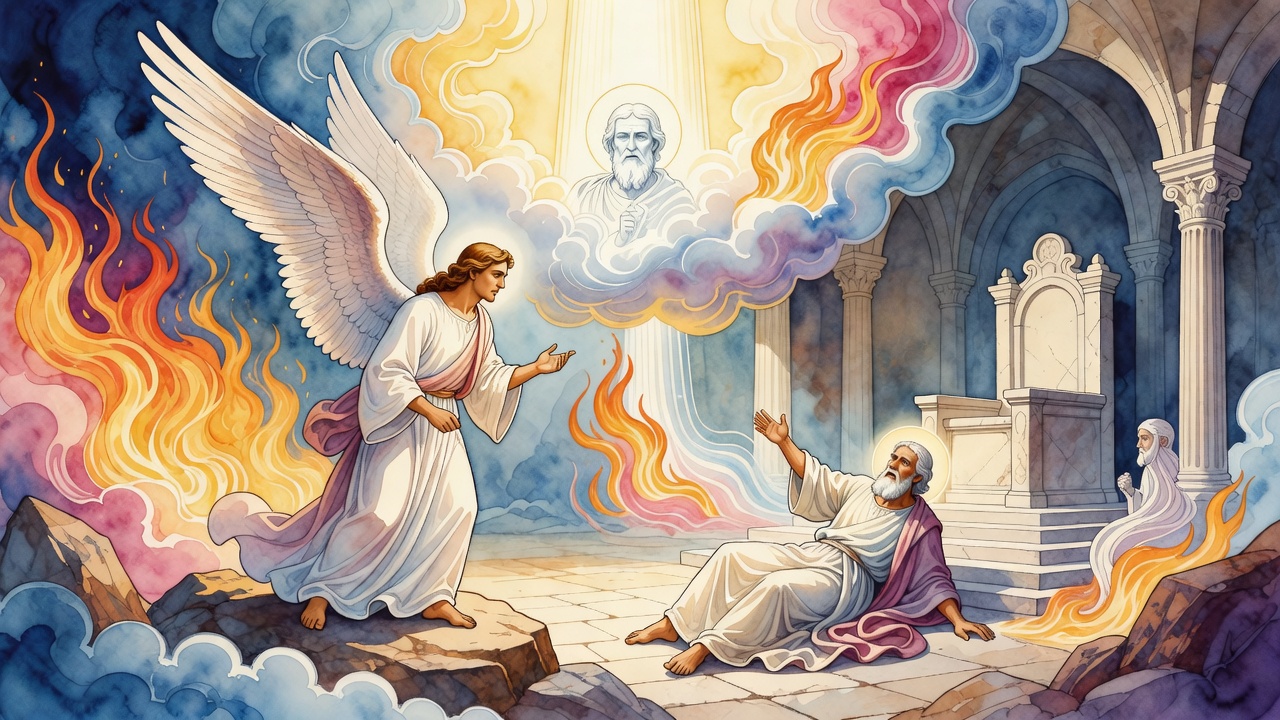
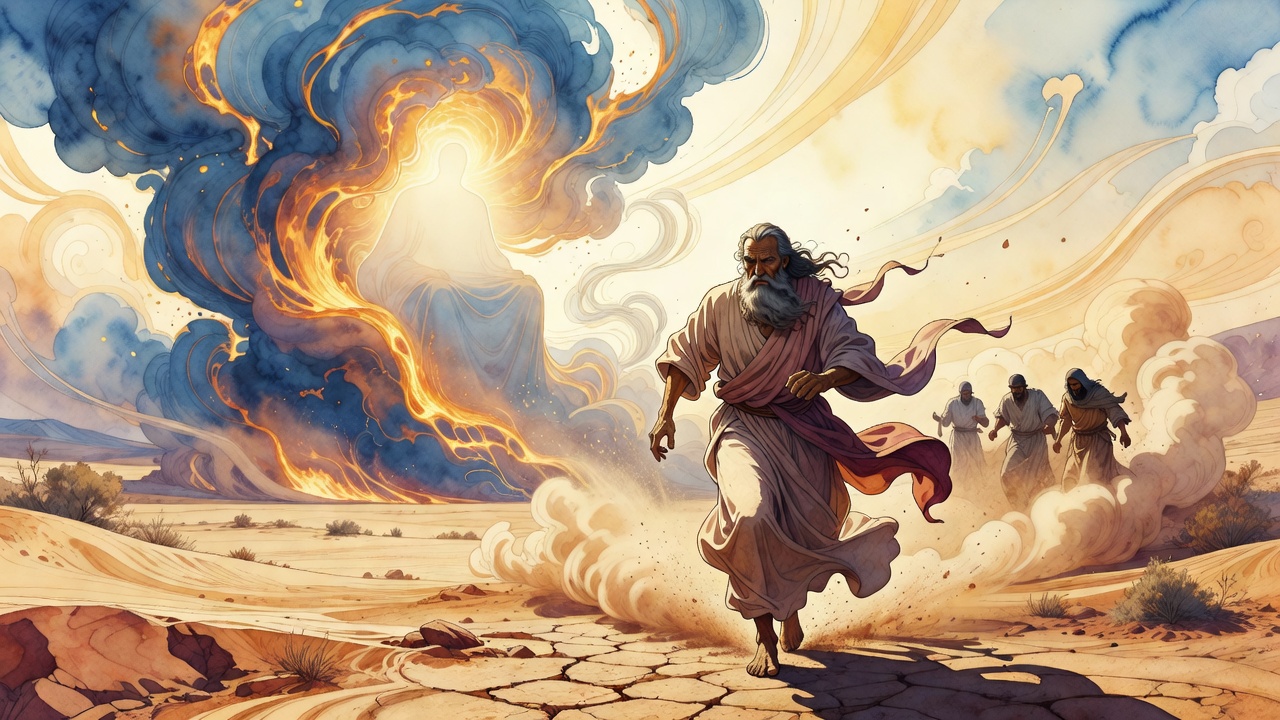
Abraham stood in the worst heat of the afternoon, ninety-nine years old, three days out from cutting his own flesh, and he would not sit down. The Presence stood too, waiting, because heaven would not leave him standing alone. Then he opened his mouth and bargained for a city that had never done anything for him.
Fifty. Forty-five. Forty. Thirty. Twenty. Ten.
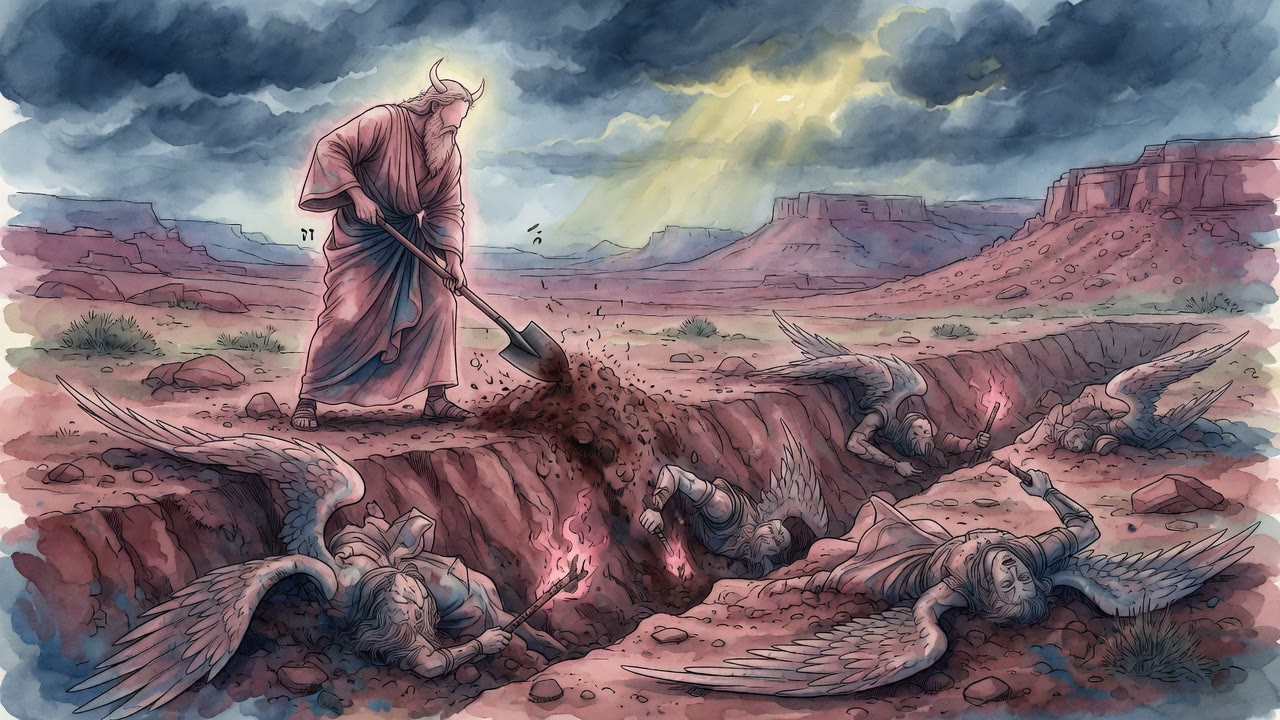
He stopped at ten. He had no more numbers. The Presence was still there. The angels were already on the road to Sodom, faces still turned toward the old man who would not sit. The sentence later written down says Abraham was still standing before the Lord after the men turned (Genesis 18:22). The true order in that heat was the other way. God was the one being kept.
Six Hundred Thousand at the Border
His grandson came home twenty years later with a limp and a frightened family. The border was not empty.
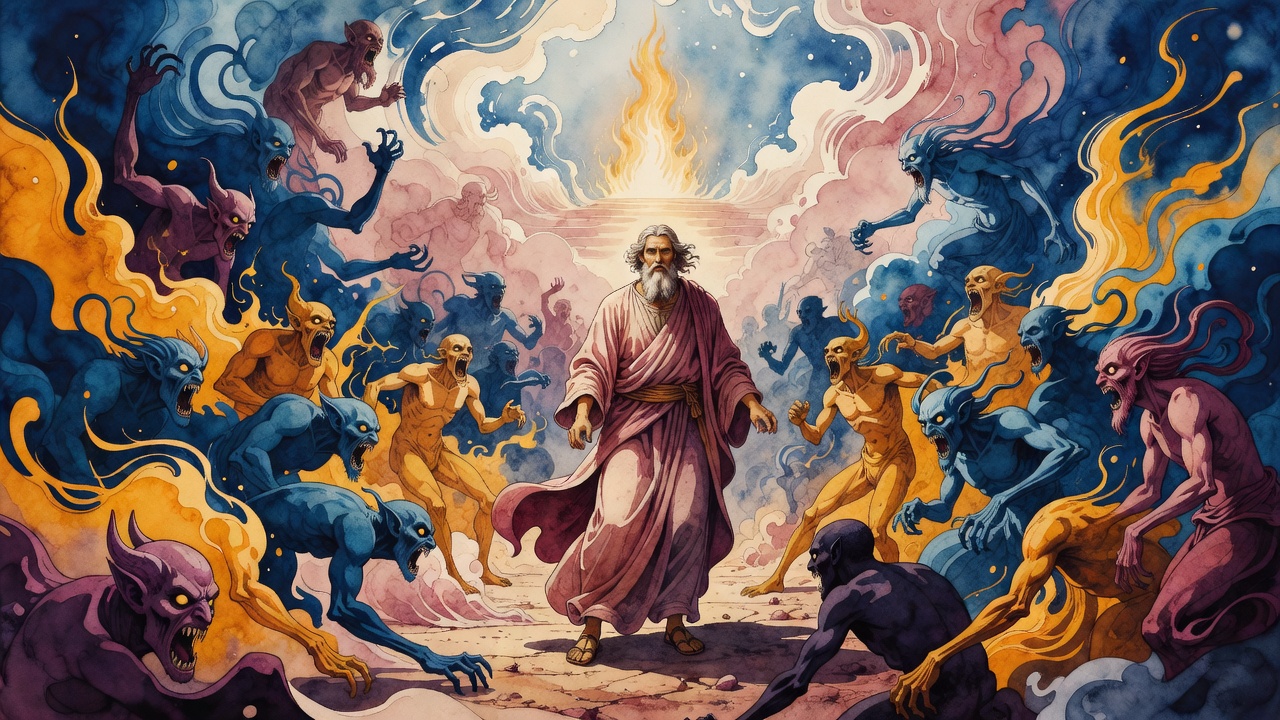
Angels were dancing in front of Jacob as he crossed. Not standing. Dancing, going ahead the way a crowd goes ahead of a bridegroom. He said, "This is the camp of God" (Genesis 32:2). The Presence does not settle on a gathering smaller than six hundred thousand. He named the place Mahanaim, two camps, and the count doubled: a million two hundred thousand on the ground for one exhausted man and his children.
He had left with a staff. He came back with flocks, wives, sons, and an honor guard that would not hold still.
He Sent the Dancers to Esau
Esau was out ahead with four hundred men. Jacob needed to send word before he met a brother who had once promised to kill him.
He divided the camp in the dark. He put the handmaids and their children first, Leah and her children next, Rachel and Joseph last, the ones he could least bear to lose. Then he peeled angels out of both dancing camps and put his message in their mouths. He took some from this camp and some from that camp, and sent them down the road. The messengers were pulled out of the honor guard. Whatever those angels had been dancing about at the border, by evening they were carrying a nervous man's message toward Edom. Instructions about flocks. Camels. How to speak to a man who came like a king, and how to bow in the right order so the four hundred did not finish what the old vow had started.
Kings send tribute ahead of a meeting they cannot win. Jacob sent angels.
Nobody in Haran could make a gnat. The household that fed strangers into existence had a grandson who looked at a million angels and saw a courier service. The patriarchs were changed by tents, heat, and a border that would not stay empty. Souls went out of Haran. God waited in the sun. The dancers went to Esau.
← All myths