How the Temple's Fate Lived in the Bones of Its Rulers
Abraham named it. Isaac smelled the smoke. Jacob woke shaking. And Tzidkiyahu, the last king, lived the ending three patriarchs had already seen.
Table of Contents
 Click for full size
Abraham Named Three Tenses at Once
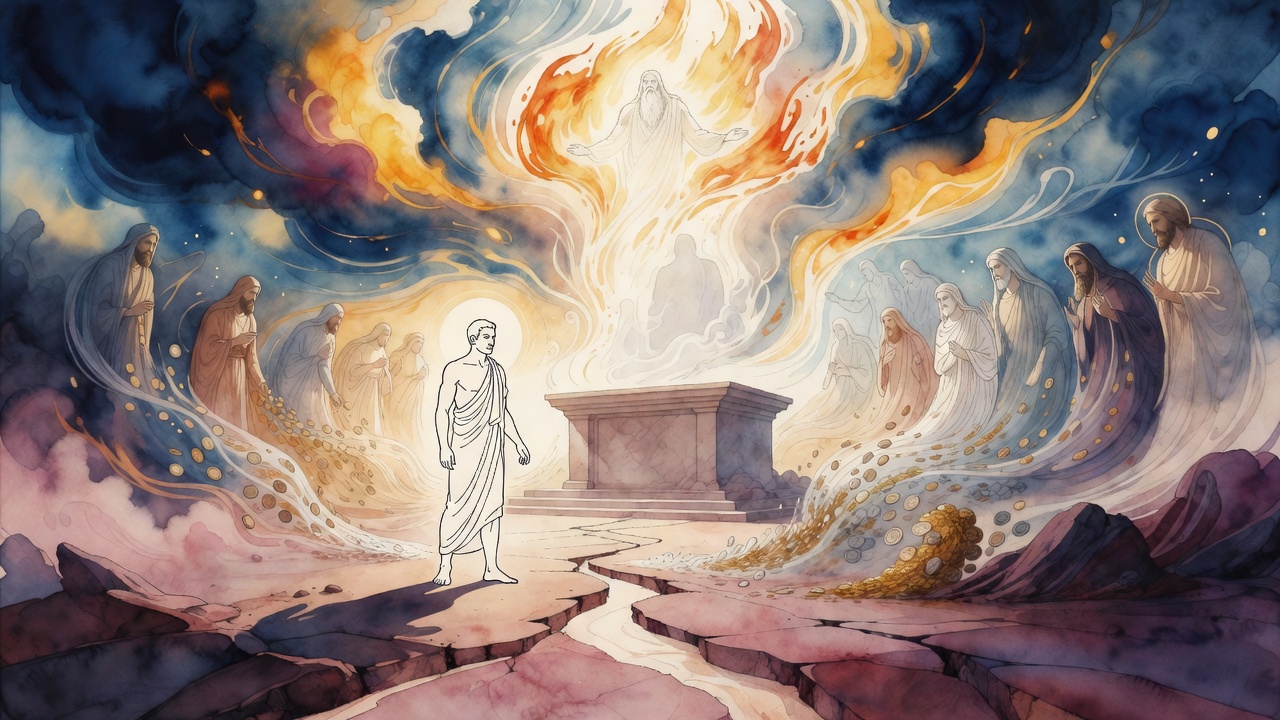
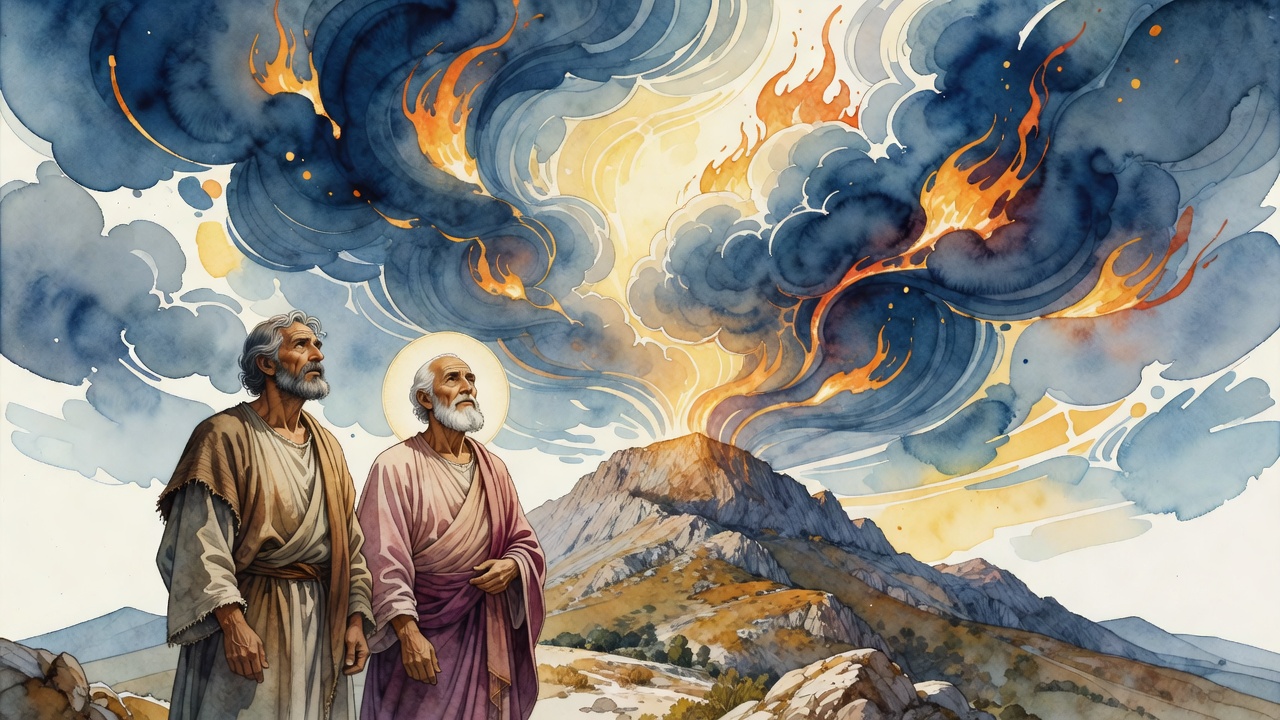
On Mount Moriah, his knife still trembling from what he had almost done, Abraham named the place. He called it Adonai Yireh, the Lord will see (Genesis 22:14). Sifrei Devarim listened to all three grammatical tenses inside that name and refused to flatten them into one.
The Lord will see: future. The Temple built, the smoke rising, the priests moving through the courts at dawn. The Lord saw: past. The Temple burning, the columns toppling, Nebuchadnezzar's soldiers walking through rooms that once held the Ark. The Lord sees: present eternal. The Temple that will rise again at the end of days, the rebuilt house that has no date yet but also no doubt.
Abraham named all three at once on the mountain, in a single breath, as the ram caught in the thicket bled out below him. He did not know the full sequence of what he had named. But the name held the whole arc: built, ruined, rebuilt. And standing on the ground where the first Temple would rise, he pressed all three tenses into four words and walked back down the hill.
Isaac Smelled the Smoke
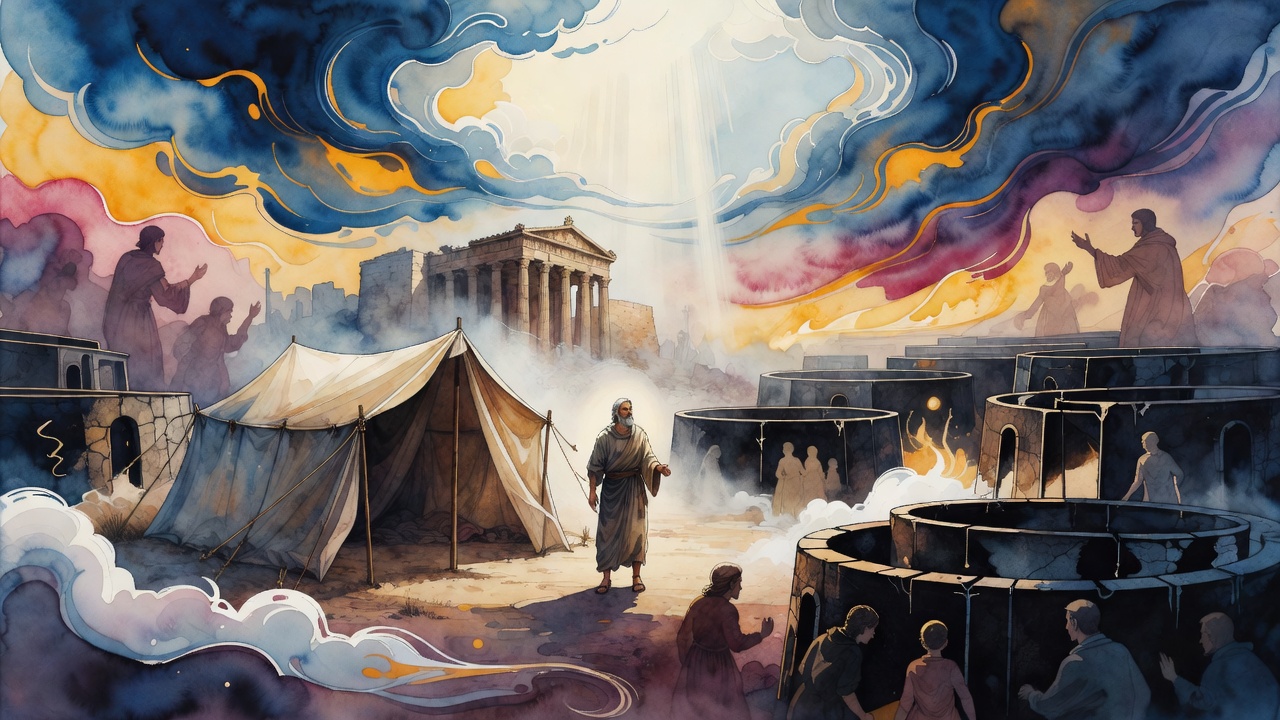
When Isaac blessed Jacob, the Torah records a pause. Isaac said, See, the smell of my son is like the smell of a field that the Lord has blessed (Genesis 27:27). Sifrei Devarim read that pause with suspicion. Isaac was nearly blind. He could not see his son's face. But he could smell him, and what he smelled was not the fields of Canaan or the wool of the goat skins on Jacob's arms.
He smelled sacrificial smoke. Future smoke, the smoke of offerings not yet burned, from a Temple not yet built on a hill he would never stand on. The field in Isaac's blessing was Zion under the plow, the Zion Micah would mourn centuries later: Zion shall be plowed as a field (Micah 3:12). But the blessing the Lord commanded was the rebuilt house. Isaac stood in Beersheba and smelled simultaneously the Temple in glory and the Temple in ash, and he reached forward through both of them to the blessing at the far end.
Jacob Woke Shaking from Bethel
Jacob's ladder dream at Bethel is the most famous of the three visions, and Sifrei Devarim read it as the most explicit. The angels ascending and descending, the gate of heaven above the stone pillow, the voice that said "this is none other than the house of God, this is the gate of heaven" (Genesis 28:17). Jacob woke and said, How awesome is this place.
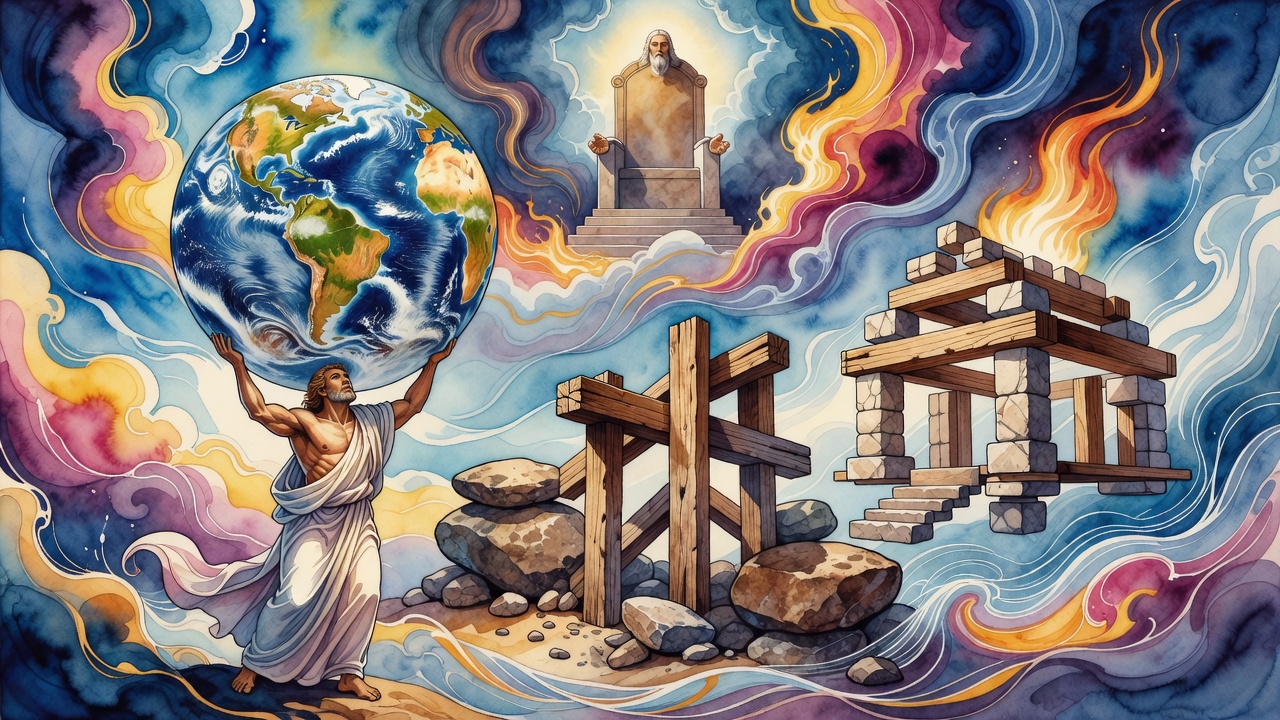
The rabbis read those words as a man watching a three-frame film playing simultaneously. Frame one: the Temple built, awesome with incense and song. Frame two: the Temple in ruins, awesome in a different register, awesome the way a catastrophe is awesome, overwhelming and terrible and impossible to look away from. Frame three: the Temple rebuilt in the age to come, awesome with a finality the first two frames were only pointing toward. Jacob woke up shaking. He had seen all three in a single instant, and he named the stone and walked away carrying everything he had seen inside him.
Why Benjamin Got the Land
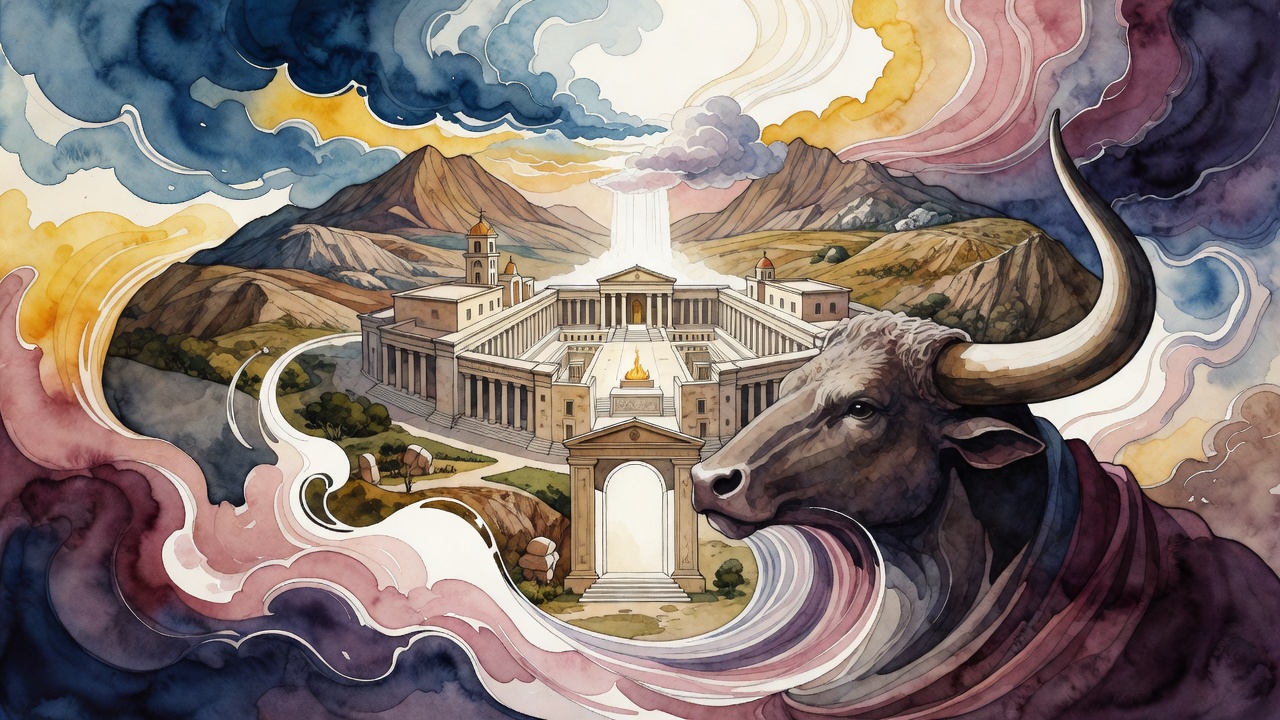
Sifrei Devarim stopped to ask why the Temple was built in Benjamin's territory and not Judah's. Judah was the royal tribe. David came from Judah. The line of kings ran through Judah. It would have made obvious sense for the Temple to sit on Judean ground.
But Benjamin was the only son born in the land of Canaan itself, not in Mesopotamia or on the road between the two, but inside the borders of the promise. Benjamin was also the youngest, the one born last, the one who had never gone down to Egypt in his own lifetime as an adult. There was something uncontaminated about Benjamin's portion, something that had never bent the knee to Pharaoh. The Temple was placed there because the ground needed to be as innocent as the presence that would fill it.
Tzidkiyahu Lives the Ending
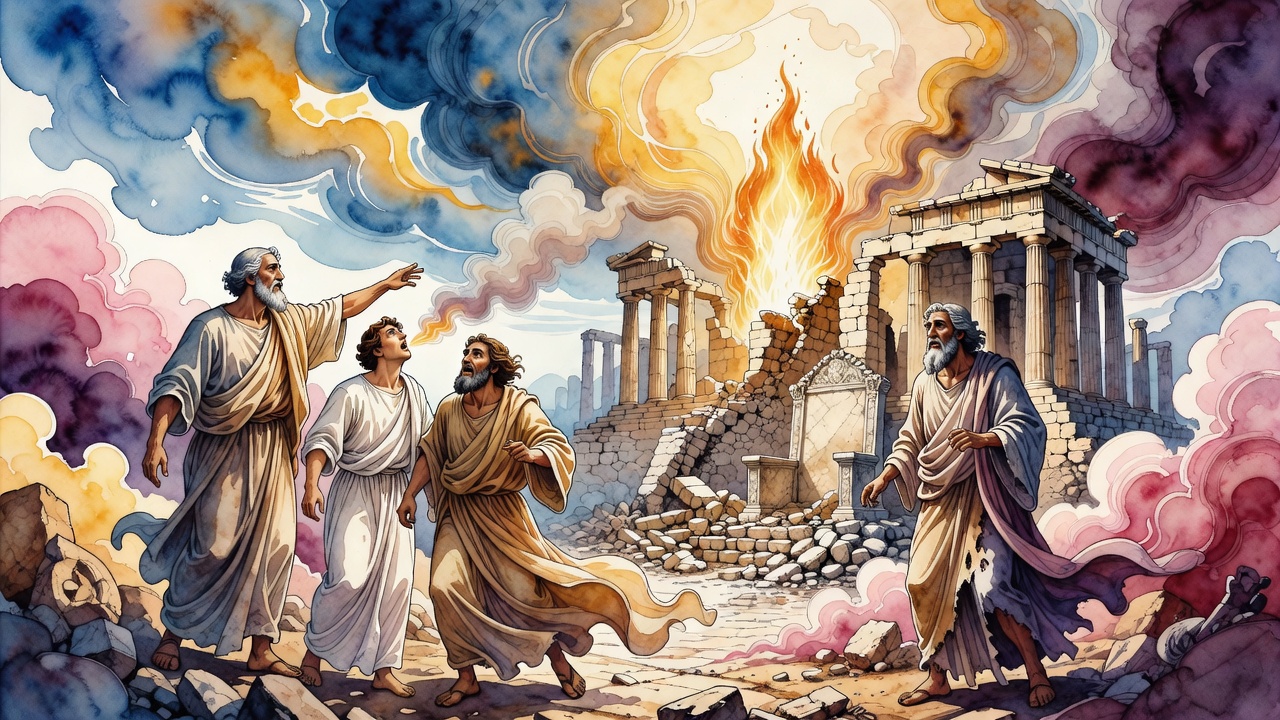
Three patriarchs had seen the sequence in visions and in smells and in dreams. Tzidkiyahu lived it. The last king of Judah watched Nebuchadnezzar's army surround Jerusalem, watched the city starve, watched the walls break. He tried to escape through a gap in the siege and was captured in the plains of Jericho. His sons were executed in front of him. Then his eyes were put out (2 Kings 25:7). The last thing Tzidkiyahu saw was the death of his children. The last image his eyes held was the ending Abraham had named, that Isaac had smelled, that Jacob had woken shaking from on the stone pillow at Bethel.
Sifrei Devarim read the ending of Tzidkiyahu's story against the beginnings of the patriarchs' visions and found them locked together. The Temple's fate was not determined by the policies of kings or the ambitions of empires. It was written into the bloodline from the first moment Abraham stood on Moriah with a knife in his hand, and every generation between Abraham and Tzidkiyahu was one more chapter in a story whose last word was already known.
← All myths