Iron Stakes Lit Inside the Hasmonean Temple
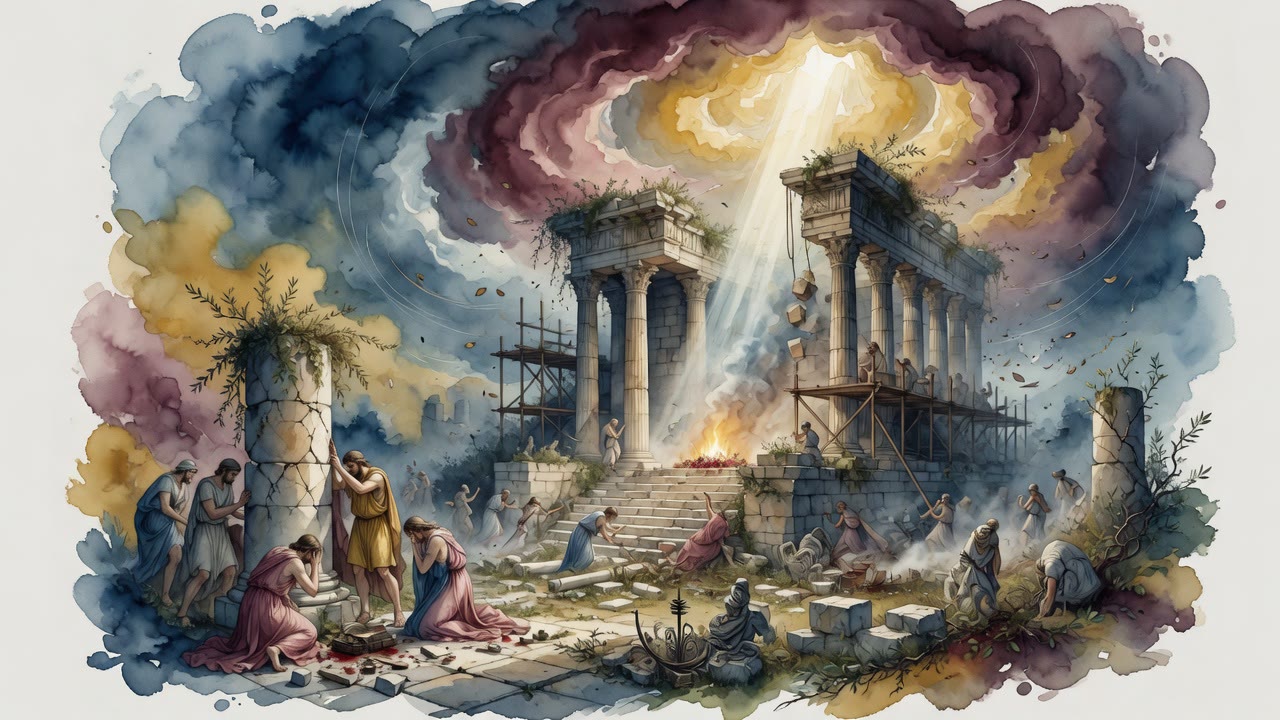
Gold was gone from the sanctuary. Men with dusty boots drove metal into the floor. Lamps sat on it before the market emptied.
Table of Contents
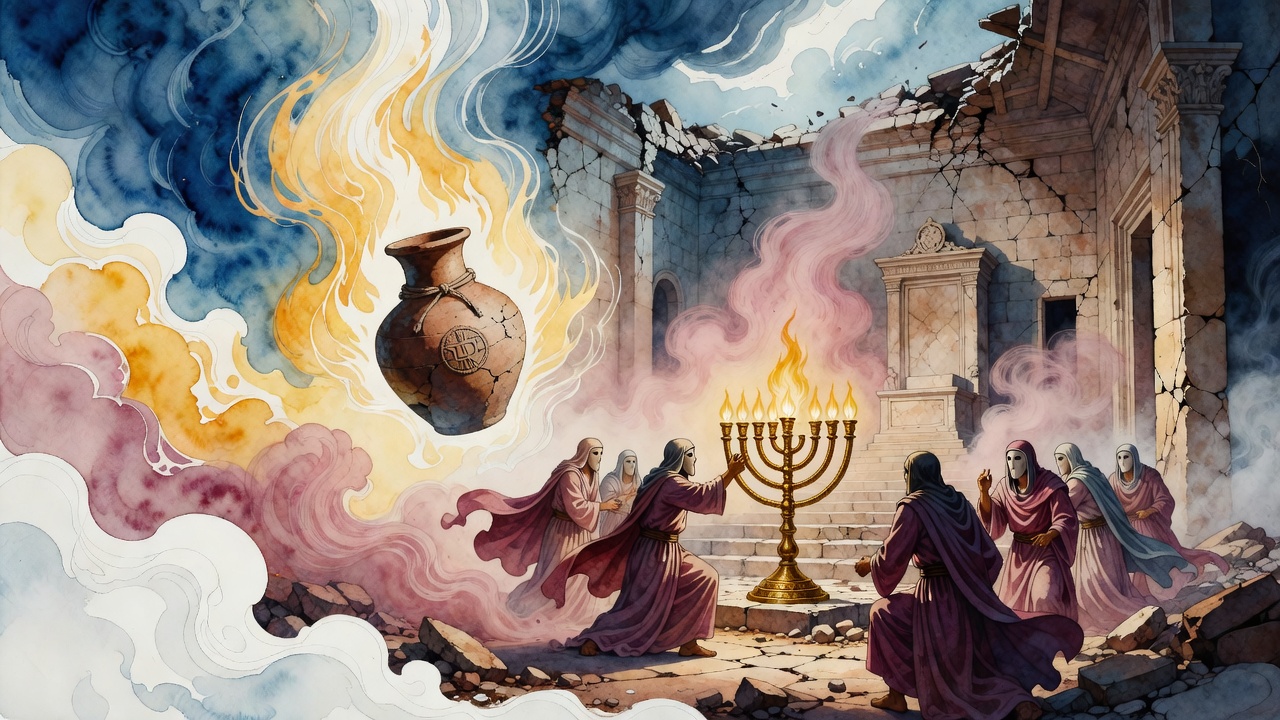
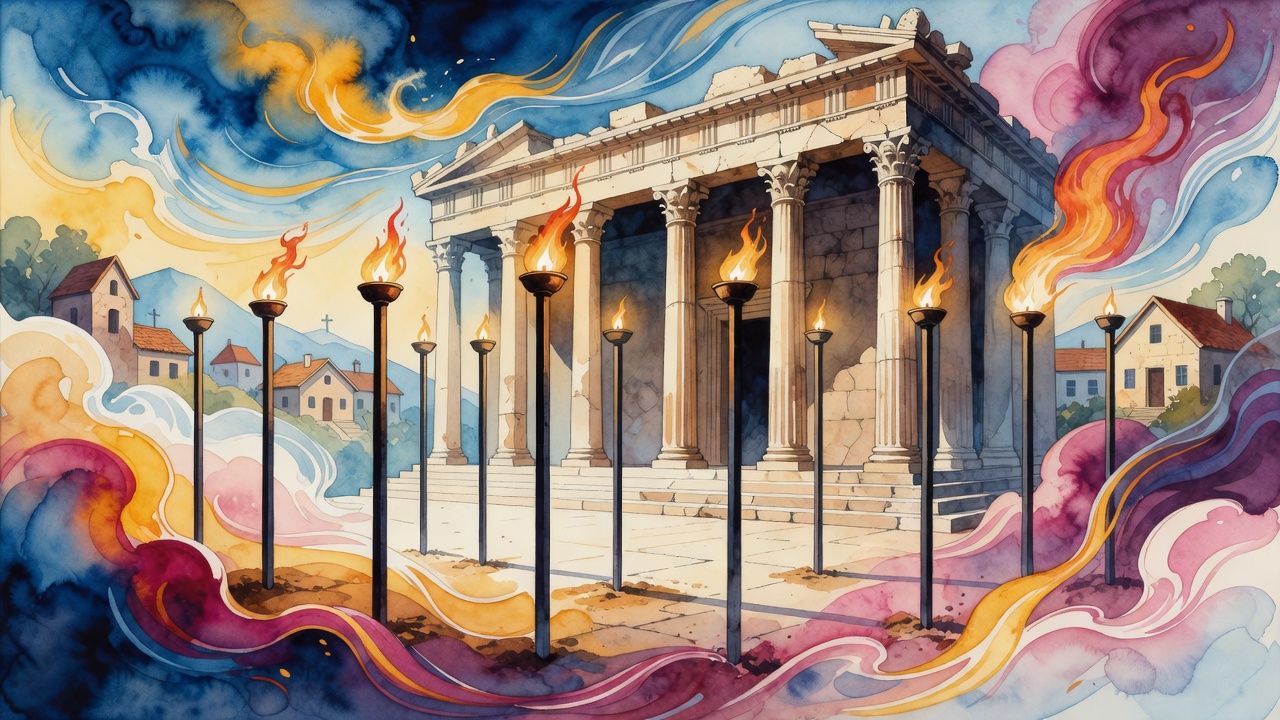
The High Priest walked into a house of God that still smelled of pig fat and old smoke. Gold was gone. The branches of the lampstand were gone. He set eight iron stakes on the floor, drove them into the dirt with a mallet, and set lamps on the metal. Light stood on spears because that was what the hour allowed.
 Click for full size
His men held the stakes while he struck. Sparks jumped from iron before any oil caught. When the wicks took, the ruined hall had a kind of day again. No one praised the metal. They praised the fact that it held.
Eight Stakes in the Floor
Judah had been bent like a bow, the prophet said, against the children of Javan (Zechariah 9:13). The bow's end was plain. Eight rods. Eight flames. The Hasmonean house had beaten Greece and found the sanctuary stripped, so they made a lampstand out of whatever would stand.
A younger priest asked if they should wait for goldsmiths. The High Priest did not wait. He drove the next stake. The floor took it. Oil went into cheap cups set on the iron heads. That first night did not look like later winters. It looked like a campfire in a ruined court, and the men who had fought for the house stood around it with dust on their boots and did not sit down.
The Window After Sunset
Generations later a man on an upper floor opened a window that faced the street. The sun had gone. Most of the market had not. He lit a clay lamp and set it on the sill because other eyes still had to see it.
From sunset until most people have left the marketplace, the old teaching ran. An upper window on the street is the preferred stage. In a time of danger the lamp moves inside the house. Rabbi Asi went further. A man may not even let ordinary work be seen by that flame. The fire is not a tool. It is a witness.
A child reached for a book to read by it. The father moved the book. Passersby who meant only to buy bread went home having seen a claim they did not purchase. The house spoke outward while the shops were closing, and the street, without asking, received the light.
Hallel After Greece Fell
They sang Hallel (הלל), the psalms of praise, on those nights because "The Lord is God, and He gave us light" (Psalms 118:27). On Purim they withheld the full hymn. Ahasuerus still sat on his throne after the plot failed. A kingdom that still looms does not get the song of fallen empires.
When Greece's power broke, the people could say they had been servants to Pharaoh, servants to Greece, and now servants only to the Holy One. "Praise, you servants of the Lord" (Psalms 113:1). The iron stakes were the crude end of that sentence. Chanukah sits in the chain of dedications as the priesthood's light reclaimed with metal, not as a private winter hobby.
Do I Require Your Light
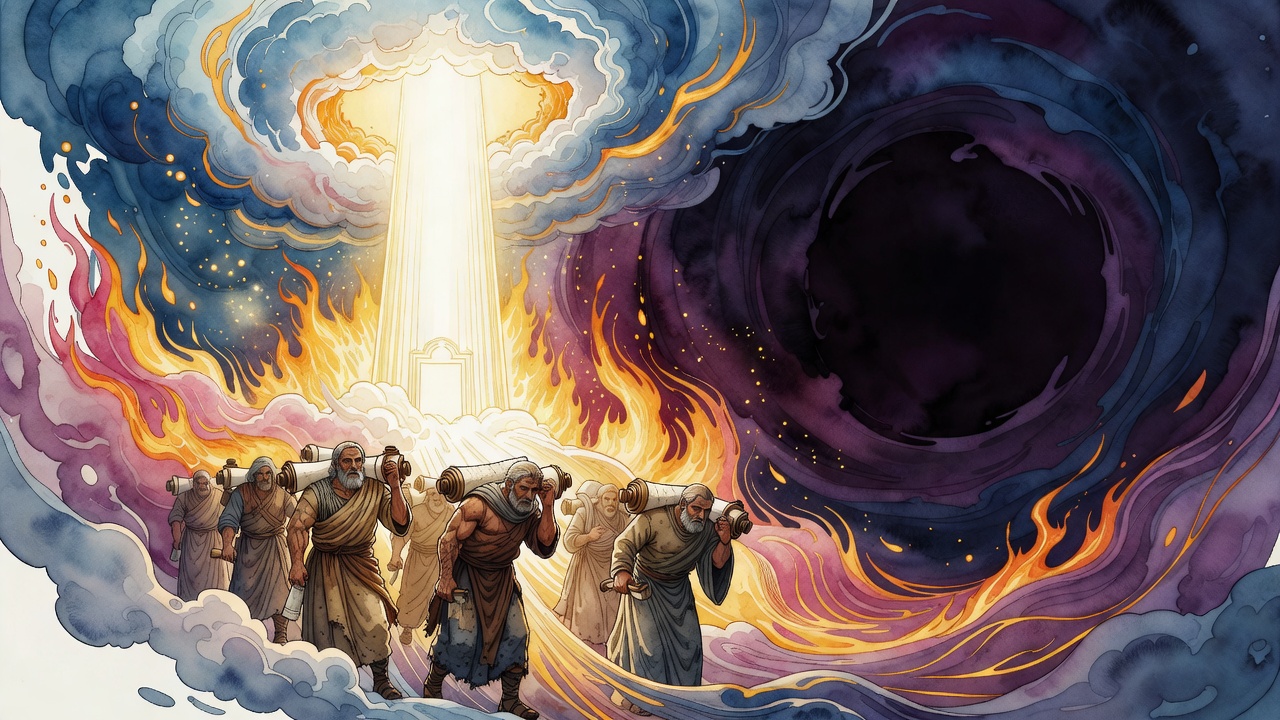
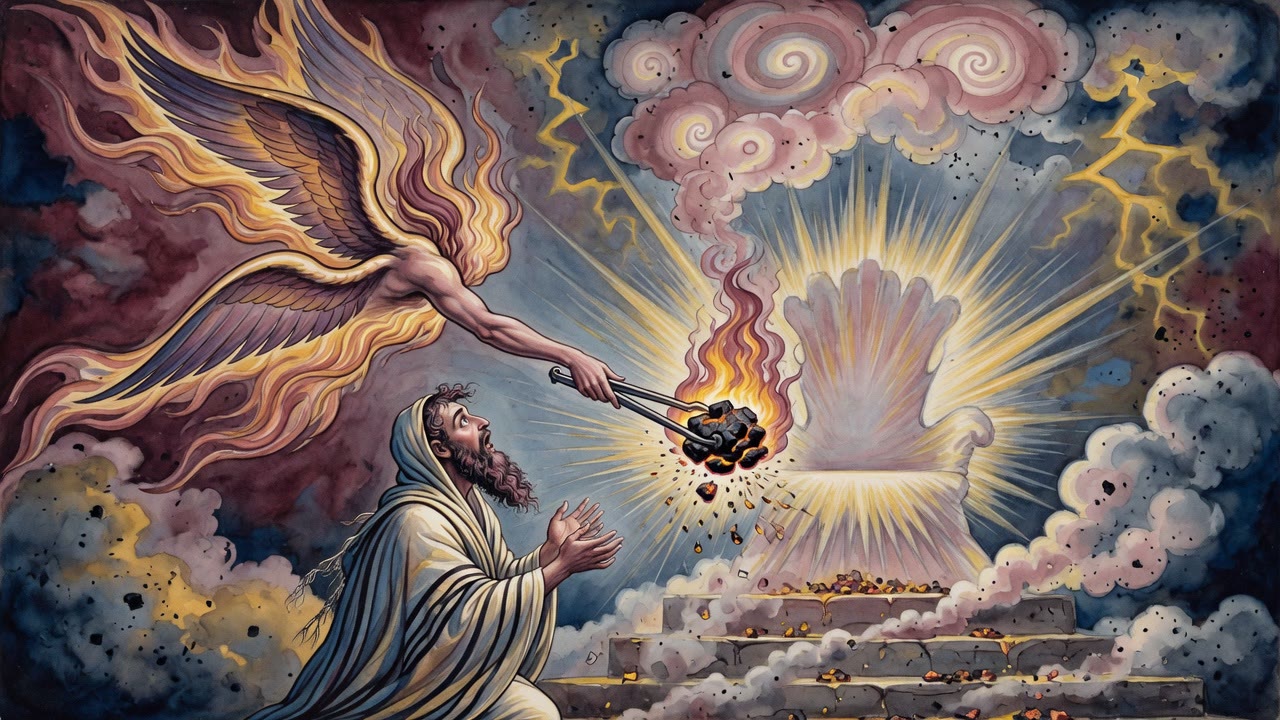
Rabbi Avina stood in noon glare and heard God speak of the sun as one attendant among many. Creatures cannot stare into that servant's face. A river of fire runs from before Him (Daniel 7:10). Lightning is only a scrap of that fire flashing from end to end of the world. The question returned.
"Do I require your light?"
Rabbi Berekhya put a finger to his own eye. Sight comes from the black, not the white. From darkness, seeing. If from darkness God created light for human eyes, does He need the lamps men lift? The lamps are not for divine shortage. They are for human merit. "The Lord is desirous for the sake of His righteousness; He will make the Torah great and glorious" (Isaiah 42:21). Heaven is not underlit. Israel is under training.
The Name That Sat on Day
Rabbi Eleazar ben Pedat, in the name of Rabbi Yochanan, went back to the first naming. "God called the light Day," and the Name sat on the brightness. "The darkness He called Night," and the Name held back (Genesis 1:5). The Holy Name is spoken over good, not over evil. Blessing of Adam and Eve carries the Name. The curses that follow often fall without it.
So a Chanukah lamp in a window is a human attempt to keep speaking on the side where the Name already leans. The iron stakes were crude. The window flame is small. Night is real. The Name does not make a home in it the same way.
When the majority left the square, the remaining walkers saw a house that had not gone fully dark. Somewhere a child was told not to read by that flame. Somewhere a family in danger kept the light indoors and still counted it. The Hasmoneans once lit iron because gold was gone. Their heirs light clay because the street still needs a claim.
God does not need the lamp. The people need the act of lighting it where other eyes can pass. Eight stakes. Then eight nights. The metal cools. The custom does not.
← All myths