A Seraph Touched Isaiah's Mouth With Live Coal
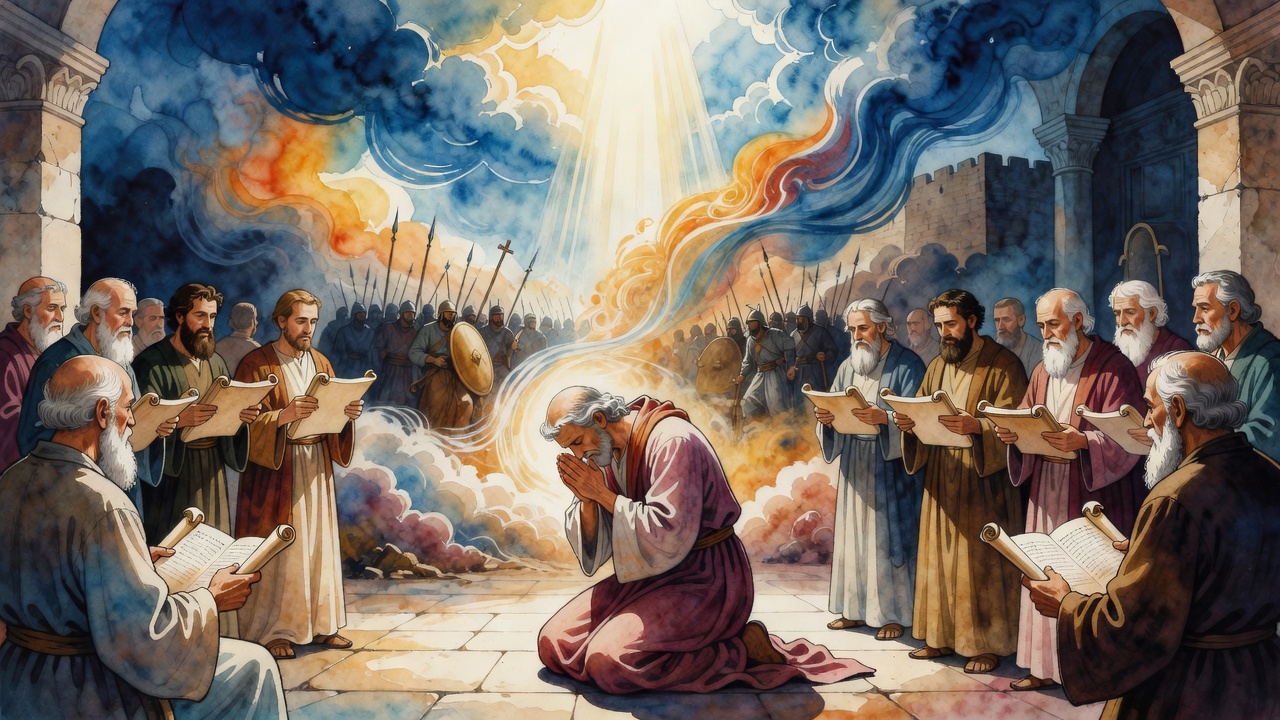
Isaiah stood among six-winged seraphim and called himself ruined. Then a coal from the altar found the mouth he had named unclean.
Table of Contents
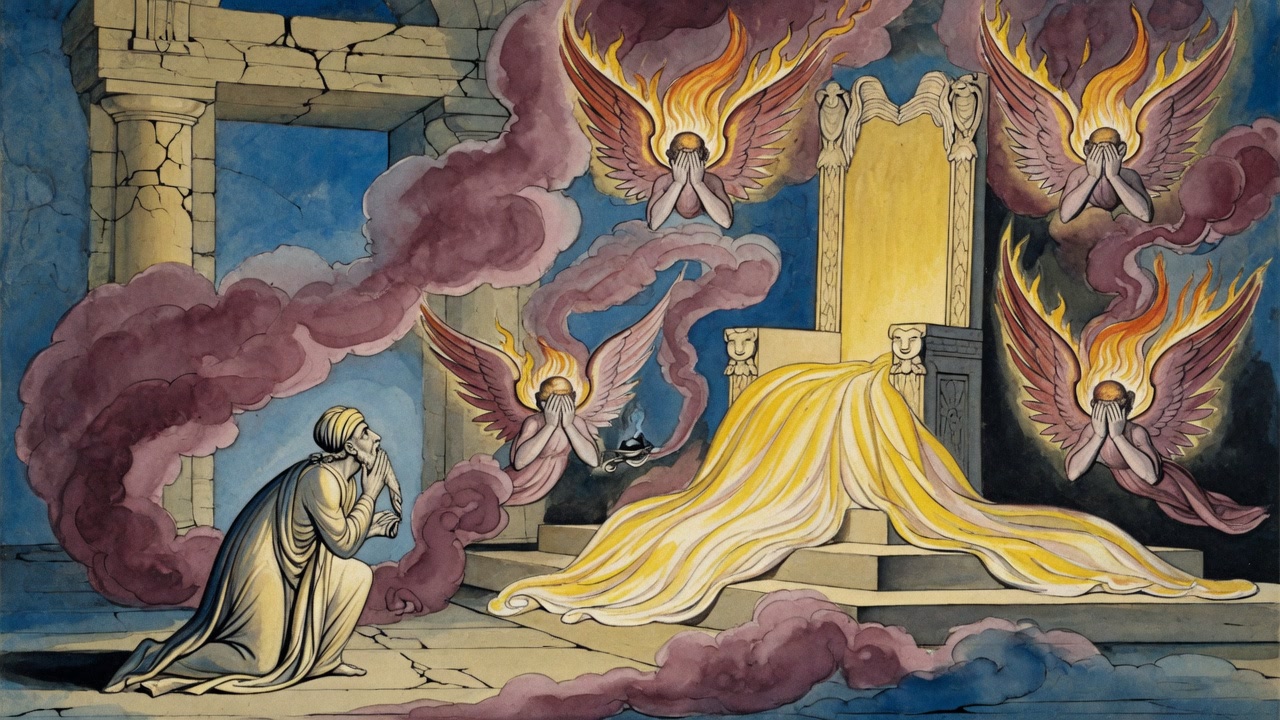
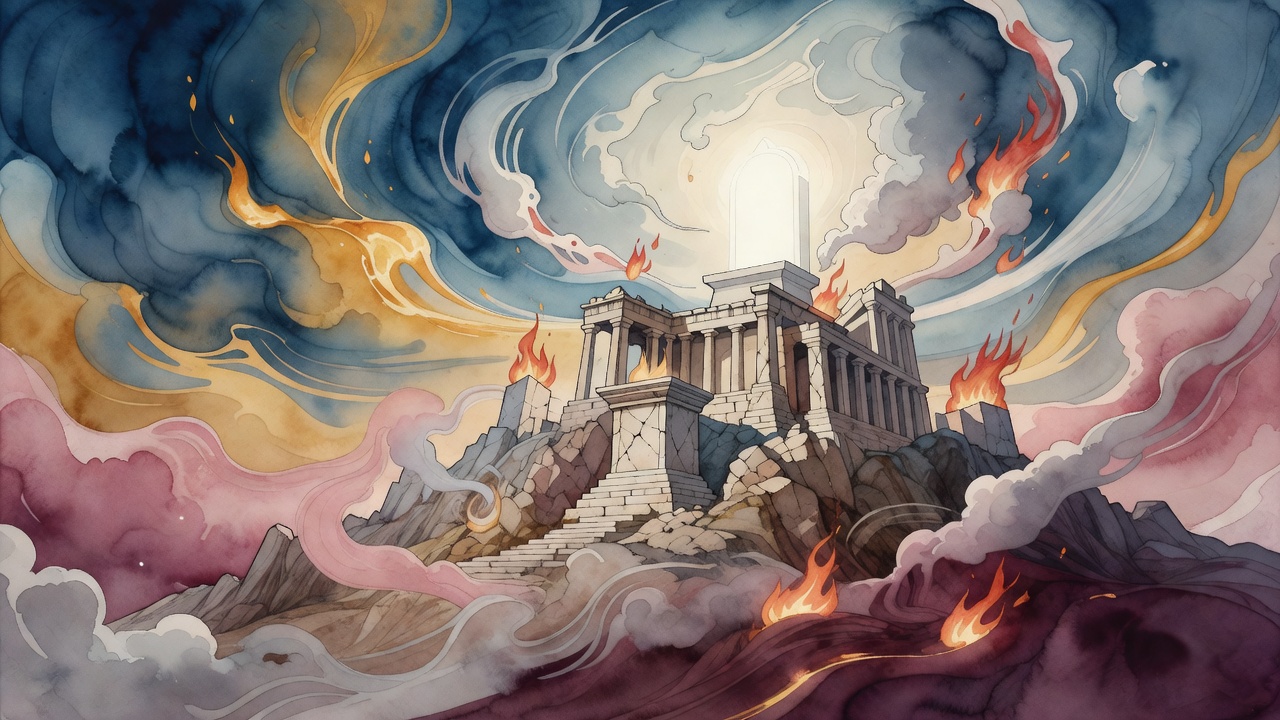
Isaiah stood where a man should not stand. Seraphim (שרפים), the burning ones, waited before the throne, six wings each: two covering the face, two covering the feet, two for flight. They called to one another, "Holy, holy, holy is the LORD of hosts; the whole earth is full of His glory" (Isaiah 6:3). The thresholds of the Temple shook. Smoke filled the house.
 Click for full size
His first clear thought was ruin. A man of unclean lips among a people of unclean lips, eyes that had seen the King.
Thresholds That Shook
The seraphim had human features enough to speak and to handle tools, yet they were not tame. They stood nearest the throne and made the doorposts tremble. Isaiah did not catalogue them. He shook with the house.
Smoke took the room. The song did not pause for his fear. Holy, holy, holy. Each cry hit the stone. The foundations of the threshold answered as if the building itself had a throat.
He wanted to leave. His feet would not agree. A mouth that had spoken ordinary Judah now had to survive a sound that filled the earth.
Coal on the Mouth
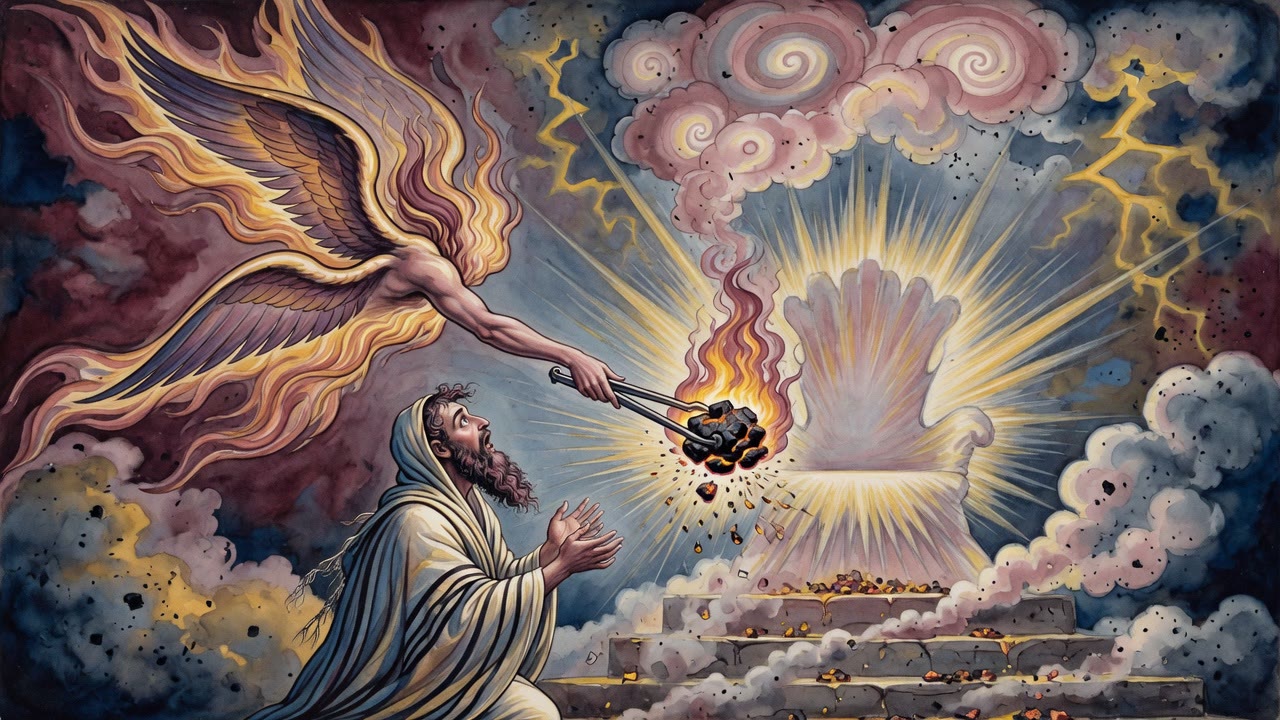
One seraph flew with a live coal taken by tongs from the altar and touched it to Isaiah's lips. "Your iniquity is taken away, your sin purged." Fire that could destroy became fire that could commission. The prophet's mouth, the very site of his confessed uncleanness, became the site of repair.
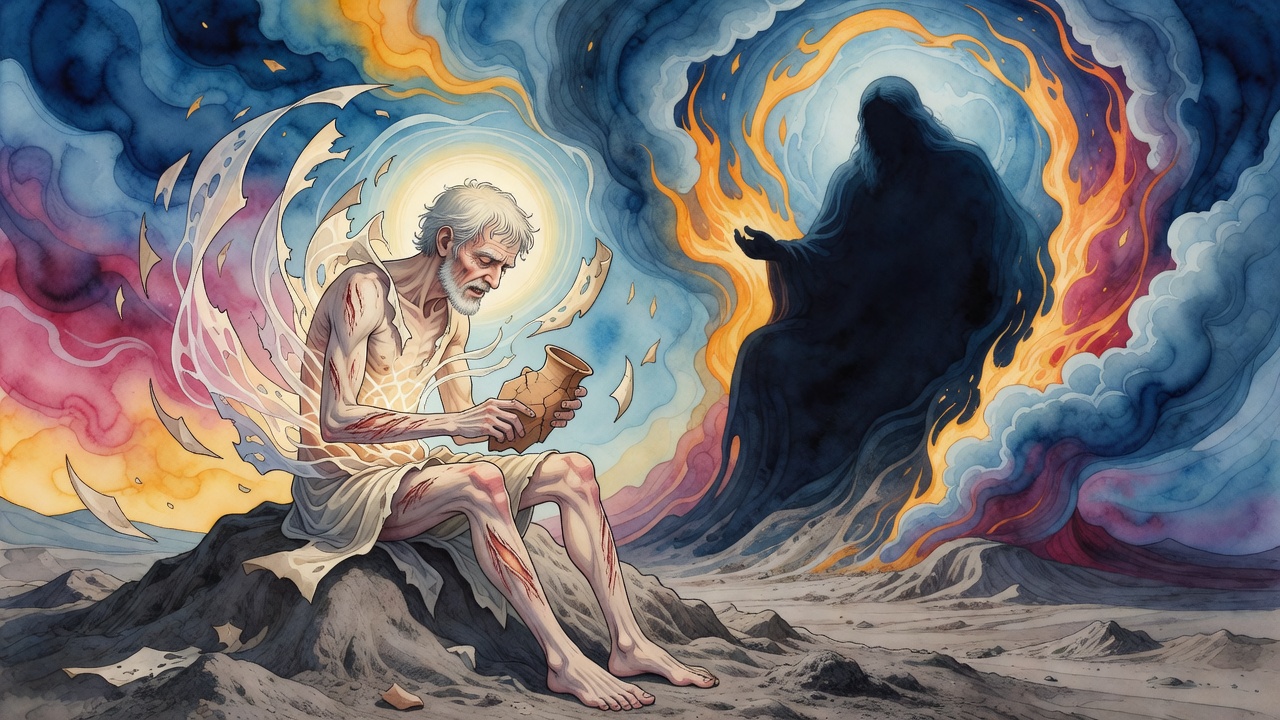
The sting arrived before the words. Heat, then the sentence. He did not choose the coal. The coal chose the place shame lives. Only then did the voice ask whom to send, and Isaiah answered with the raw willingness of a man who has just been burned clean: "Send me."
Commission after coal is not glamour. It is a throat that can speak hard words without pretending the speaker was born already pure. He left the vision carrying both the shake of thresholds and the sting on his mouth.
He Walked Past the Cherubim
He passed the inner room where two olivewood cherubim, overlaid with gold and standing ten cubits high, stretched their wings over the Ark. Inner wings touched. Outer wings reached the walls. They did not speak. They did not bring coal. They only held the place the glory sits.
Seraphim burn a mouth. Cherubim bear a throne. Both are nearness that costs. Isaiah walked out into Judah's streets with ash-taste and assignment. Vendors still cheated by small weights. Officials still polished phrases that hid violence. The coal did not decorate him. It obligated him.
The seraphim did not follow as pets. They remained in the vision as proof that unclean lips can be hired by heaven after fire, not before denial. The cherubim stayed over the Ark, gold on wood, a silence heavier than the song.
Light Formed, Darkness Created
Years later he had to speak a harder verse. "He forms light and creates darkness. He makes peace and creates evil" (Isaiah 45:7). Listeners who wanted only comfort flinched the way he had flinched before the coal. Officials wanted the peace half. He would not split the line.
Light has substance, so it is formed, shaped from what can be handled. Darkness has no substance, so it is created, a new act, not an accident Heaven forgot to sweep. Chaos sits inside evil. Even peace holds a seed of desolation. He said it with a mouth that still remembered heat.
A prophet dares to speak because something hotter than shame once touched the place shame lives, and the thresholds shook hard enough to make honesty the only stable floor left. He did not sand the verbs. Formed. Created. Made. Created. Order has a grammar. Terror has one too.
Ash on the Assignment
The streets of Jerusalem did not look holier after the vision. Kings would not thank him. He carried both the shake and the sting into rooms that preferred softer maps of the world.
When someone asked how a man dares to open his mouth after seeing the King, the answer could be small and physical. Because a seraph took tongs. Because a coal left the altar. Because the lips that named themselves unclean were not excused. They were used.
He said send me while his tongue still tasted ash. Light is formed. Darkness is created. A coal is applied. The house still smelled of smoke when he stepped back into the city that had not shaken with him.
← All myths