6 min read

The Temple Stood Ready Before Light Was Made

Before light splits the dark, God already sees a House on Zion rise, fall, and shine again. Partnership waits for the Tabernacle day.

Curated by Arthur · Told by Maggid ·
Table of Contents
  1. Chaos With a Shadow of Walls
  2. Light Chosen Over Chaos
  3. A Desire for Partners Below
  4. Ten Crowns on One Dawn
  5. Two Rains Over the Same Field
The Temple Stood Ready Before Light Was Made Click for full size

Chaos With a Shadow of Walls

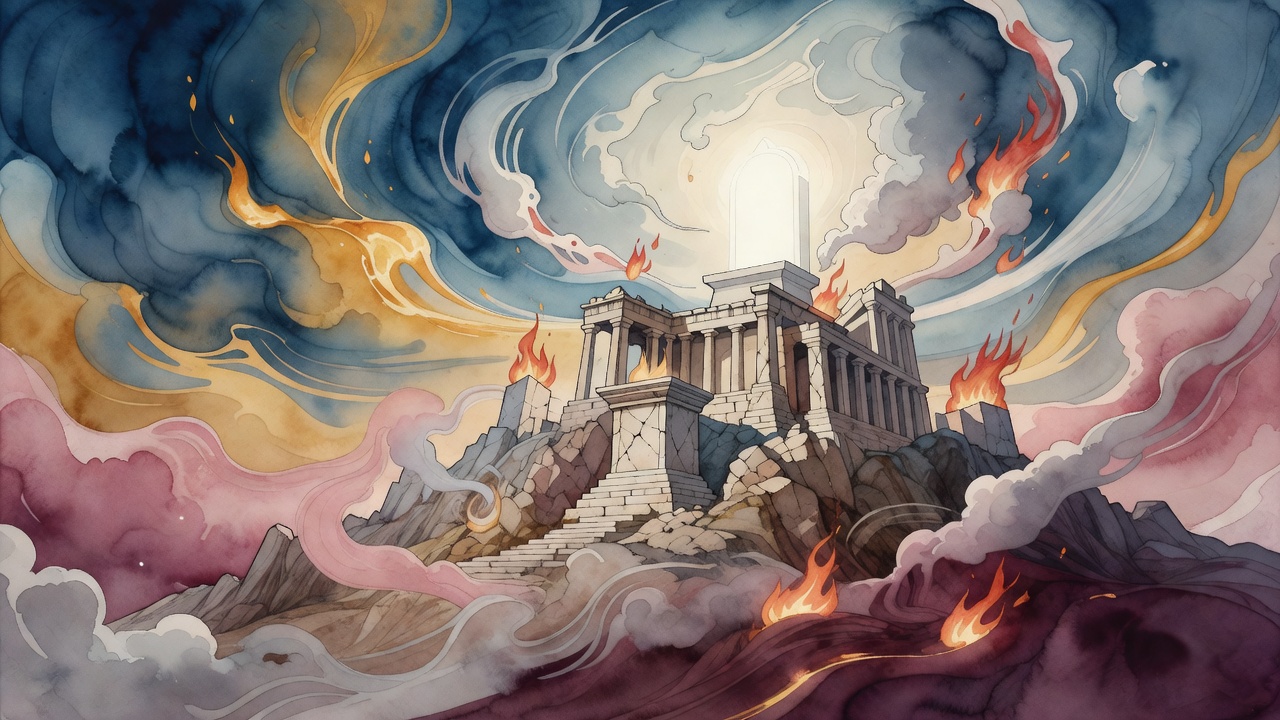
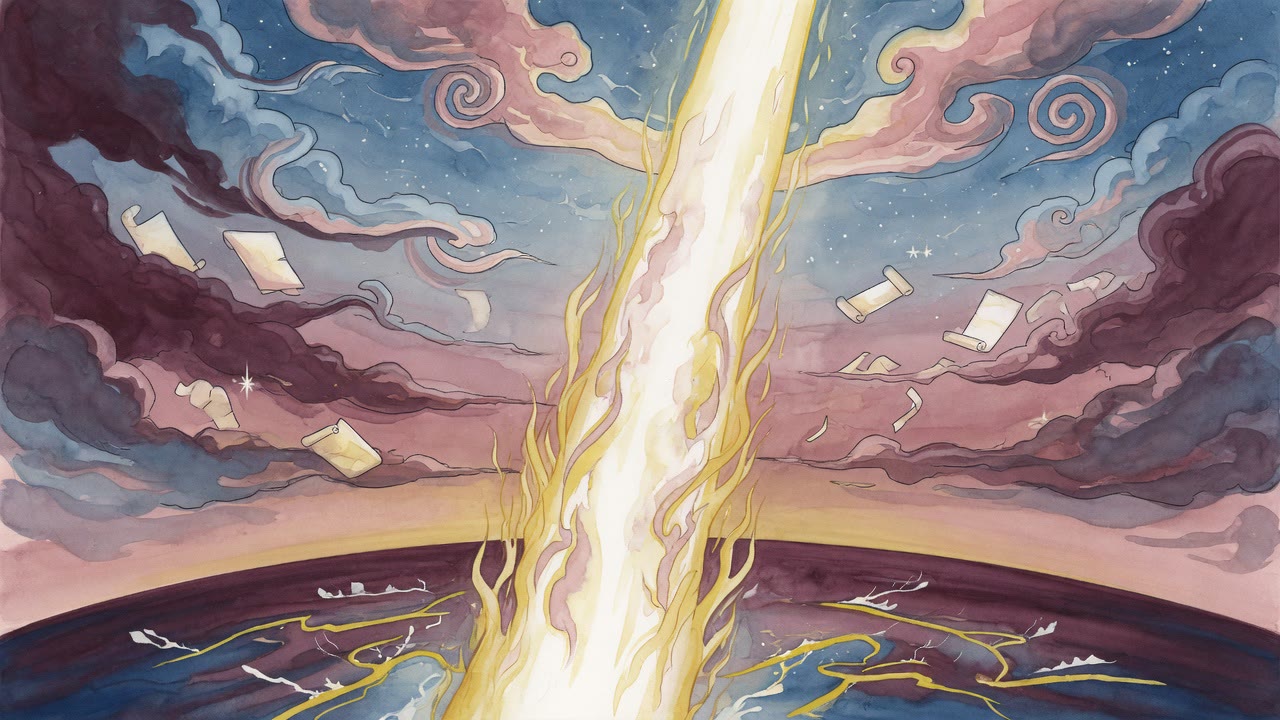
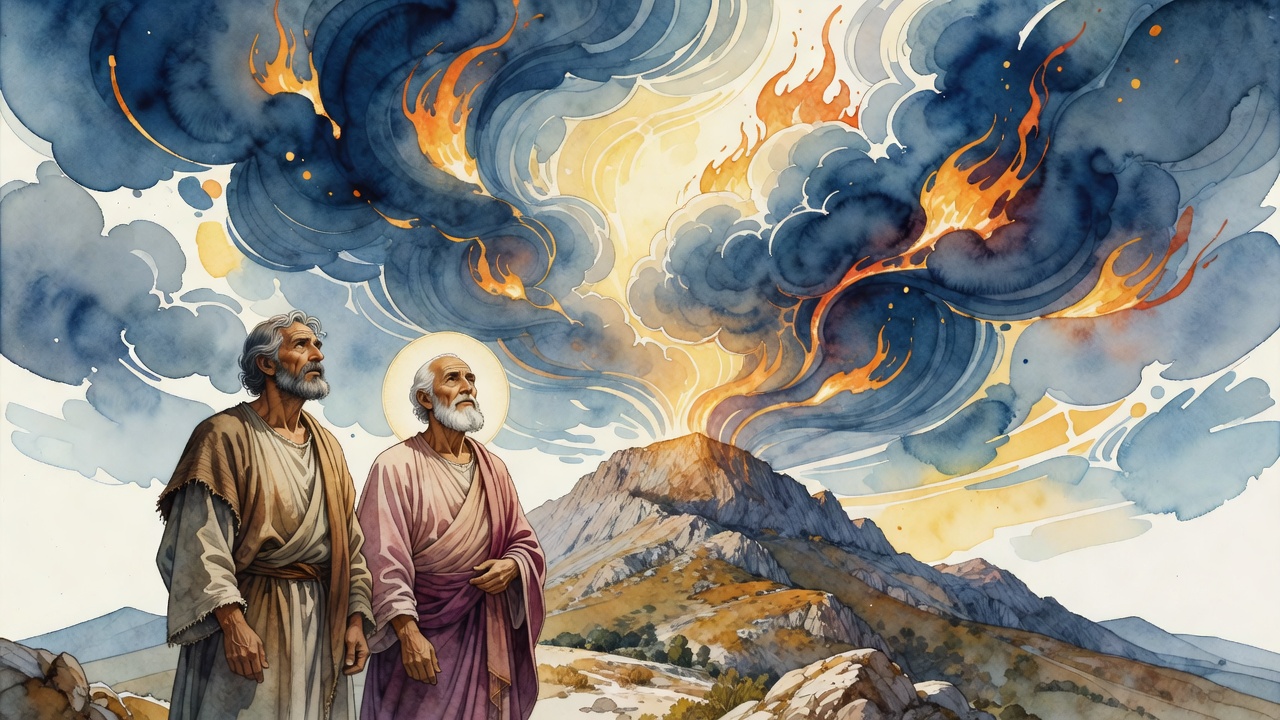
Before the first morning, the earth lay emptiness and disorder. Tohu vavohu. No bird. No altar. No stone course of Jerusalem. Still, in the mind of God, a House already cast a shadow forward through that dark.

Rabbi Ḥiyya the Great heard the whole history of the Temple inside the opening of Genesis. In the beginning God created the heavens and the earth (Genesis 1:1) answered to the building of the House, as if planting heavens and laying earth's foundation already pointed toward Zion. The emptiness that followed answered to destruction, the same phrase Jeremiah would one day cry over a ruined land. Then light. Arise, shine, for your light has come (Isaiah 60:1). Restoration waited inside the first week like a seed under frost.

Creation was never only landscape. It was architecture announced early.

Light Chosen Over Chaos

Rabbi Abahu read the same verses as a moral fork. The disorder was the path of the wicked. The light was the path of the righteous. God saw the light, that it was good (Genesis 1:4). Preference is written into the first evaluation. Heaven does not shrug between ruin and repair. Heaven names one good.

The Lord knows the way of the righteous, but the way of the wicked will perish (Psalm 1:6). From the start, both ways were seen. From the start, only one was called good. The Temple's story of rise, fall, and return sits inside that choice. Stones can be pulled down. The preference for light cannot.

A Desire for Partners Below

Rabbi Shmuel bar Ami taught a desire almost too intimate for theology. From the beginning of creation, the Holy One wanted partnership with the creatures below. The numbering of the days holds a clue. Scripture says one day, then second day, third day, a strange count that refuses a clean tally. One day alludes to the One, attaching the divine Name to the fabric of time.

But when did the desire land in a room humans could enter? On the day the Mishkan, the Tabernacle, stood complete. The one who presented his offering on the first day (Numbers 7:12) alludes back to the first day of creation. God said, as it were, today I created the world again. The Shekhinah (שכינה), the indwelling Presence, rested among the camps. Partnership stopped being a longing and became furniture, fire, and smell of sacrifice.

Ten Crowns on One Dawn

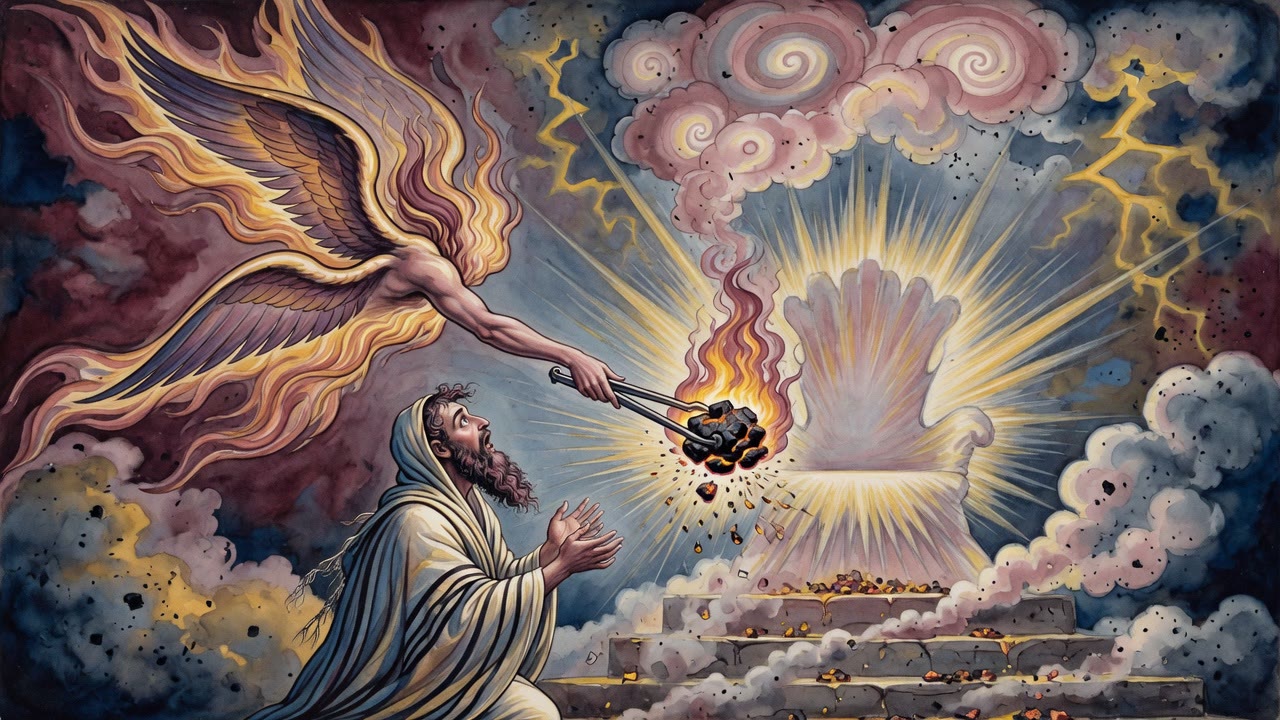
That day of Nisan wore ten crowns. First day of creation remembered. First day for kings' years. First day for the princes' gifts. First day for the priesthood. First day for the Presence on earth, as it is said, they shall make Me a sanctuary and I will dwell in their midst (Exodus 25:8). First day for blessing. First day for service. First day against improvised altars. First day for northern slaughter of the most holy offerings. First day for fire from before the Lord (Leviticus 9:24).

A single sunrise carried the weight of a second genesis. The world that began in speech now held a place where speech could answer.

Two Rains Over the Same Field

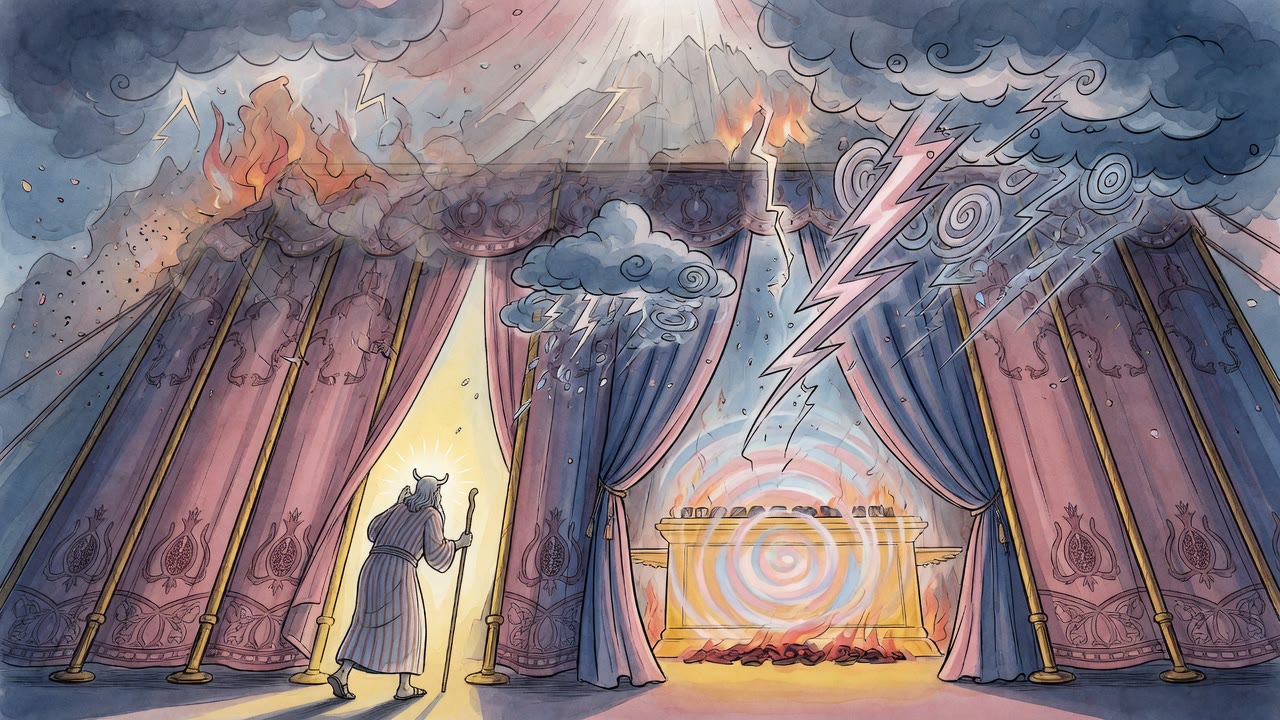
Even the sky learned to distinguish gift from mechanism. Clouds can haul water from the sea and drop it wherever the King points. Growth comes, but the sages call that earth like a widow conceiving without blessing, mechanics without favor. Then there is the other rain. When the Holy One wishes to provide, He opens His good treasury in the heavens. Male waters fall. The ground conceives a harvest with shalom in it, the kind promised when the Lord opens His good treasure to give rain in its season (Deuteronomy 28:12).

The same field drinks two waters. The same history holds two Temples of meaning, ruin and light, ordinary cycle and opened treasury. Rabbi Yehuda adds that once a month hidden channels rise from the deep to water the ground from beneath, quiet care under the louder weather.

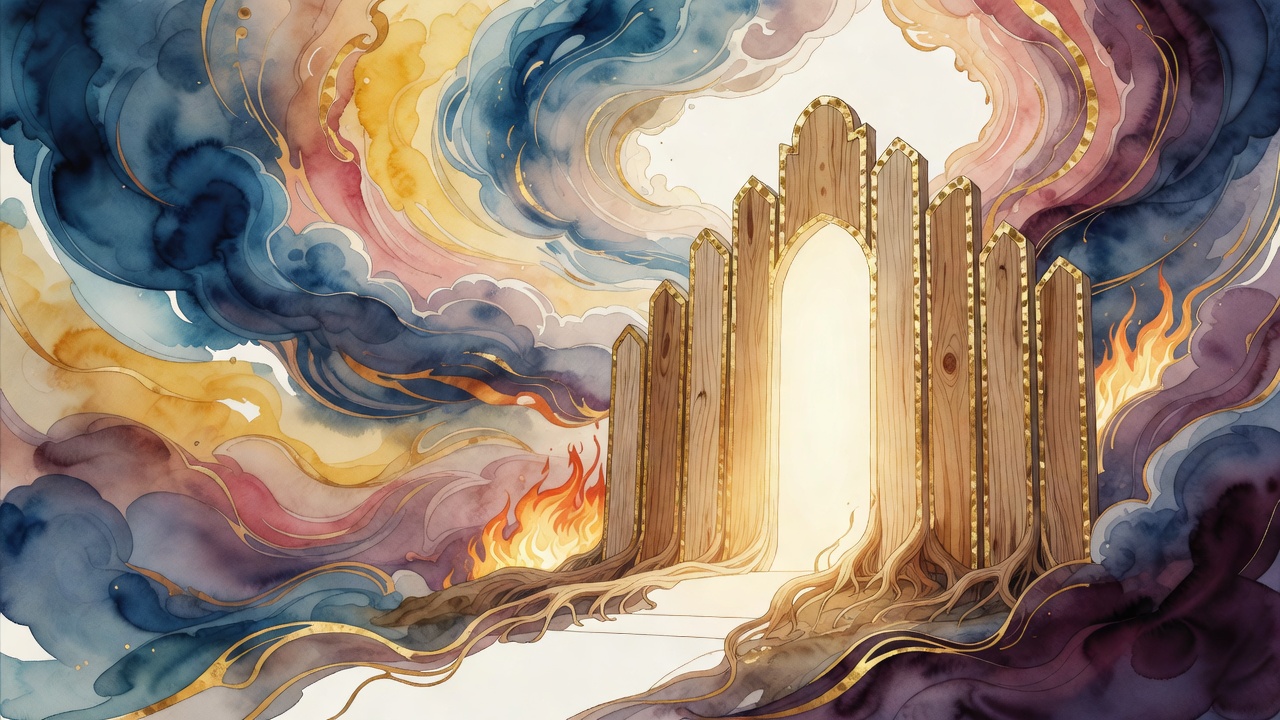
Before light was made, the House was already desired. After light was made, partnership still had to wait for boards and sockets and a people willing to host. The dark was never empty of a plan. It was waiting for a door.

Walk the claim slowly. Day one is not empty of Zion. Day one already knows a House can be built, burned, and lit again. The wicked path and the righteous path are not surprises sprung later on an unprepared Creator. Preference for light is as old as light's first evaluation.

Then the lag. Desire for partnership does not instantly produce boards and sockets. Generations live under sky before a sanctuary teaches sky how to sit among tents. The ten crowns on the first of Nisan are Heaven's way of saying the wait was not forgetfulness. When the Presence finally rests, creation is crowned again, not cancelled.

Rain makes the theology local. A farmer can taste the difference between a year that merely wet the furrows and a year that felt like a storehouse opened on purpose. The midrash gives him language. Widow water. Male water. Deep channels once a month. Blessing is not automatic weather. Blessing is relationship under a King.

So the dark before light is crowded. Crowded with a future Temple, a future Tabernacle day, a future treasury door. Nothing in that crowding forces human freedom away. It only means the world was aimed at dwelling from the first syllable.


← All myths

From the tradition

Sources

3 sources

The texts behind this telling. Some cards carry a translation of the source; others are our own retelling of it, and each card says which. Every card links out to the original.

Bereshit Rabbah 2:5Bereshit Rabbah

Retold in our words. Read the original at the link below.The Sefaria Midrash Rabbah, 2022 · CC-BY

Our sages certainly did. They saw echoes of history, morality, and even the fate of the Temple itself woven into those very first verses of Genesis.They offer profound insights into what God foresaw at the dawn of creation.

Rabbi Abahu proposes a compelling idea: right from the start, God knew the paths of both the righteous and the wicked. He finds support for this in (Psalms 1:6): "For the Lord knows the way of the righteous, but the way of the wicked will perish." The chaos described in (Genesis 1:2), "The earth was emptiness and disorder," represents the actions of the wicked. In Hebrew, this is tohu vavohu, often translated as "formless and void." And the creation of light? That embodies the deeds of the righteous.

Here's the crucial question: Which path does God truly desire? Rabbi Abahu finds the answer in (Genesis 1:4): "God saw the light, that it was good." This, he argues, reveals God's preference for the actions of the righteous.

Rabbi Ḥiyya the Great offers a complementary, yet distinct, perspective. He sees the creation narrative as foreshadowing the entire history of the Temple in Jerusalem – its construction, destruction, and eventual rebuilding.

He connects "In the beginning God created [the heavens and the earth]" to the building of the Temple. He draws a parallel to (Isaiah 51:16), which speaks of "planting the heavens and laying the foundation of the earth and to say to Zion: You are My people." This verse links creation directly to Zion, to Jerusalem, to the Temple.

Then, Rabbi Ḥiyya interprets "The earth was emptiness and disorder" as a prophecy of the Temple's destruction. He points to (Jeremiah 4:23), where the prophet laments, "I have seen the land, and behold, it is emptiness and disorder." The same phrase, tohu vavohu, signifies devastation and ruin.

Finally, Rabbi Ḥiyya sees the creation of light as a promise of the Temple's future restoration. He cites (Isaiah 60:1): "Arise, shine, for your light has come!" and (Isaiah 60:2): "For, behold, the darkness will cover the earth, and nations, a fog; but upon you the Lord will shine and His glory will be seen upon you." In a time of darkness, God's light will shine upon Jerusalem, upon the rebuilt Temple.

What are we to make of these interpretations? They show us how deeply the rabbis of the Midrash (rabbinic interpretive commentary) read into scripture. They weren't just interested in the literal meaning of the text, but in its symbolic and prophetic dimensions as well. These interpretations, found in Bereshit Rabbah, invite us to see creation not just as a singular event, but as a continuous process, a reflection of God's eternal plan and a mirror to our own moral choices and historical destinies.

Full source
Bereshit Rabbah 3:9Bereshit Rabbah

Retold in our words. Read the original at the link below.The Sefaria Midrash Rabbah, 2022 · CC-BY

The Bereshit Rabbah, a classic Midrashic (rabbinic interpretive commentary) collection that expands on the Book of Genesis, dives deep into the creation story. And in Bereshit Rabbah 3, Rabbi Shmuel bar Ami offers a beautiful, and somewhat radical, idea: "From the beginning of the creation of the world, the Holy One, blessed be He, desired to enter into a partnership with the creations below." What a thought! God, wanting to be in relationship with us, right from the start.

The text then grapples with the way the days of creation are numbered. Instead of a simple "One, two, three," the Torah says "One day, second day, third day." Why? The Midrash asks, "If it [the counting of the days] was for the purpose of a tally, it should have said: ‘One, two, three,’ or else ‘first, second, third’; is it proper to say: ‘One, second, third?’ This is bewildering.”

It is bewildering! So, what’s the explanation?

The Midrash proposes that "one day" is an allusion to the One God, who attached His name to the day. It's like God is putting a little piece of Himself into the very fabric of creation, showing His desire to be together with us. The very act of creation, the very numbering of the days, is evidence of God's longing for connection.

But when did God truly "repay" this desire, this longing? When did this partnership really come to fruition? According to the Bereshit Rabbah, it was later, with the establishment of the Mishkan, the Tabernacle. Remember the verse, “The one who presented his offering on the first day” (Numbers 7:12)? This, the Midrash says, alludes to the first day of creation.

The Holy One, blessed be He, said: ‘It is as though I created the world on that day.’ What a powerful statement!

It was on that day, the first of Nisan (Exodus 40:17), when the Tabernacle was erected, that God’s original desire was realized and His Divine Presence, the Shekhinah (the Divine Presence), rested among His creations. The Shekhinah, that indwelling, palpable sense of God's presence.

The text goes on to say that day was conferred with ten crowns. Ten! It was… the first day of Creation; the first day for years of kings (Jewish kings counted their reigns from the first of Nisan); the first day for the princes (their offerings were presented for the dedication of the altar); the first day for the priesthood (Aaron and his sons began their service); the first day for the Divine Presence on earth, as it is stated: “They shall craft a sanctuary for Me [and I will dwell in their midst]” (Exodus 25:8); the first day for blessing (the Priestly Benediction); the first day for sacrificial service; the first day for the prohibition of improvised altars; the first day for slaughtering sacrifices in the north (offerings of the most sacred order were to be slaughtered in the north of the courtyard); and the first day for descent of fire from heaven, as it is stated: “Fire emerged from before the Lord…” (Leviticus 9:24).

That day, the day the Tabernacle was erected, was like a reset, a new beginning, a fulfillment of God's initial desire for partnership.

So, what does this all mean for us? Maybe it's a reminder that we are all part of something bigger. That God desires connection, partnership, and relationship with us.

Full source
Yalkut Shimoni on Torah 20:6Yalkut Shimoni on Torah

Translation of the source text.Torat Emet (Yalkut Shimoni) · CC-BY-NC

"And a mist went up from the earth": the clouds draw water from the sea, as it is said, "who raises vapors from the ends of the earth" (Psalms 135:7). And in every place where the King commands them, there they bring rain. At once the earth conceives and brings forth, like a widow who conceives from harlotry.

But when the Holy One, blessed be He, wishes to bless the growth of the earth and to give creatures their provision, He opens His good treasury in the heavens and causes rain to fall upon the earth - which are male waters - and at once the earth conceives and brings forth a growth of blessing, as it is said, "the LORD shall open unto thee His good treasure" (Deuteronomy 28:12).

Rabbi Yehuda says: once in every single month, channels rise from the deep to water the whole face of the ground, as it is said, "and a mist went up from the earth and watered the whole face of the ground."

Full source