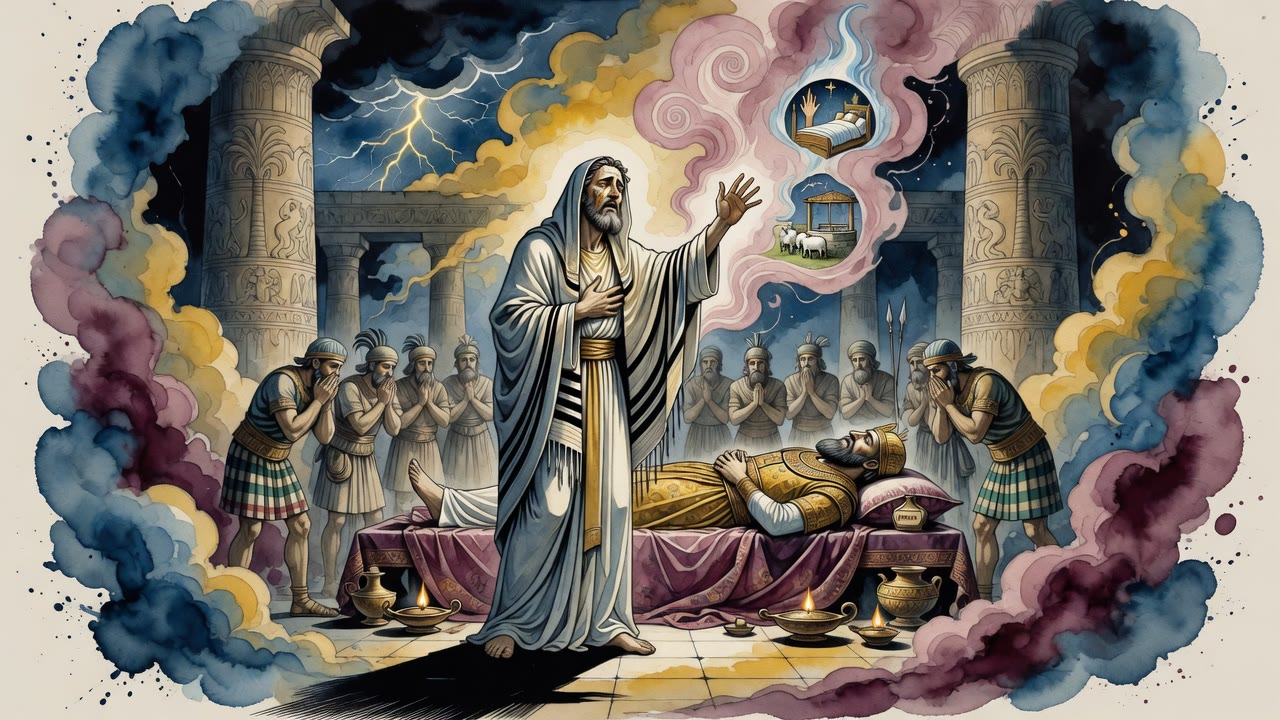
Isaac Cursed Caphtor So No Remnant Would Remain
Isaac thrived among Philistines until their cruelty over wells. He cursed Caphtor's seed past sword, nations, and even Sheol (the underworld).
Table of Contents
 Click for full size
A Hundredfold in Hostile Ground
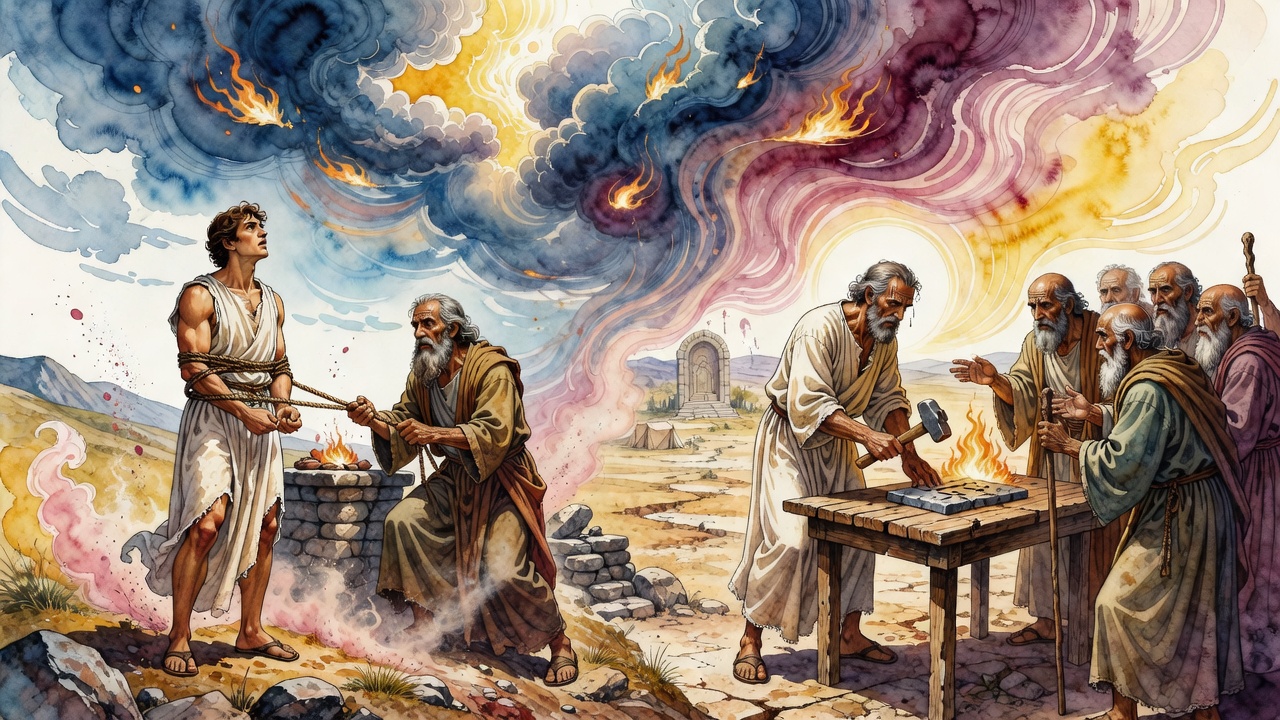
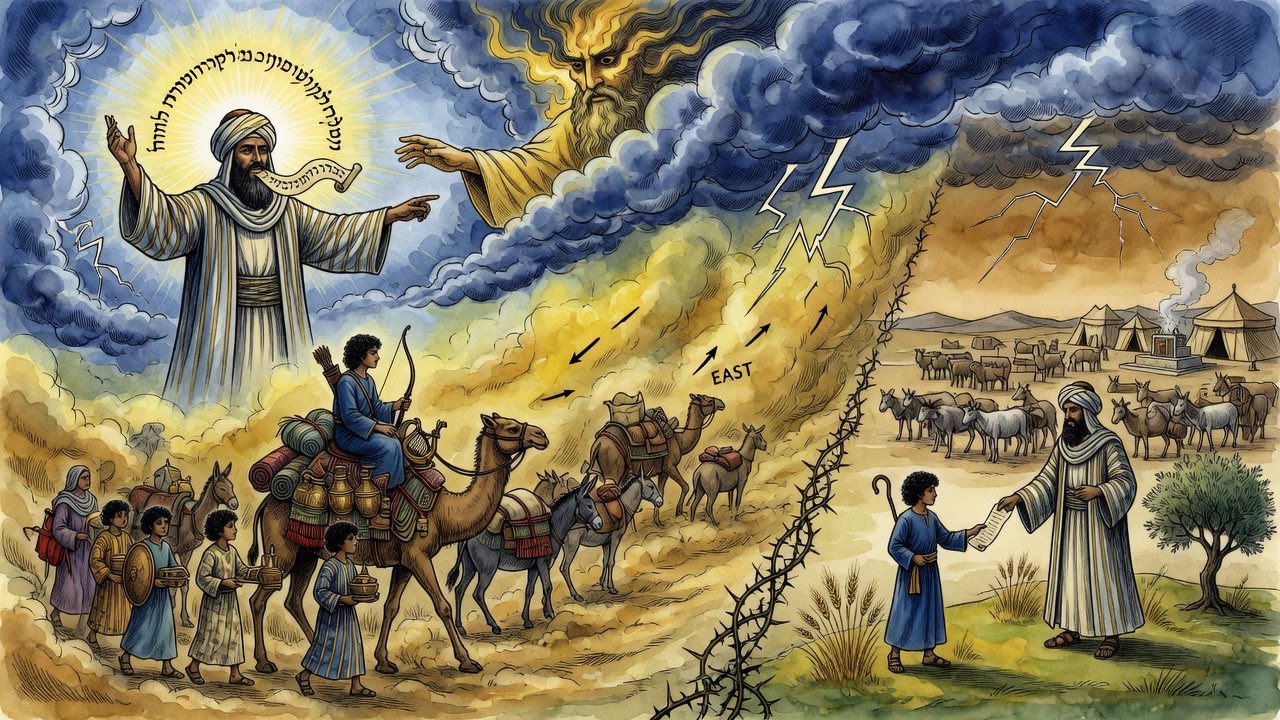
Isaac waxed strong among the Philistines. Oxen, sheep, camels, asses, and a great household gathered around the son of Abraham. He sowed in their land and brought in a hundredfold. Harvest wagons groaned. Neighbors watched with thin smiles and thinner patience.
Abimelech charged the people concerning him. Any man who touched Isaac or what was his would surely die. Blessing sat on him like armor you could not forge in a smithy. The strength came through the father's obedience. Abraham had heard God's voice and walked. Isaac inherited the fruit in fields that did not love him.
Prosperity under watchful foreign eyes is a tight kind of peace. The Philistines could count his flocks. They could not count the covenant that fattened them. For a time the king's charge held the border between envy and violence.
Wells and the Day of the Curse
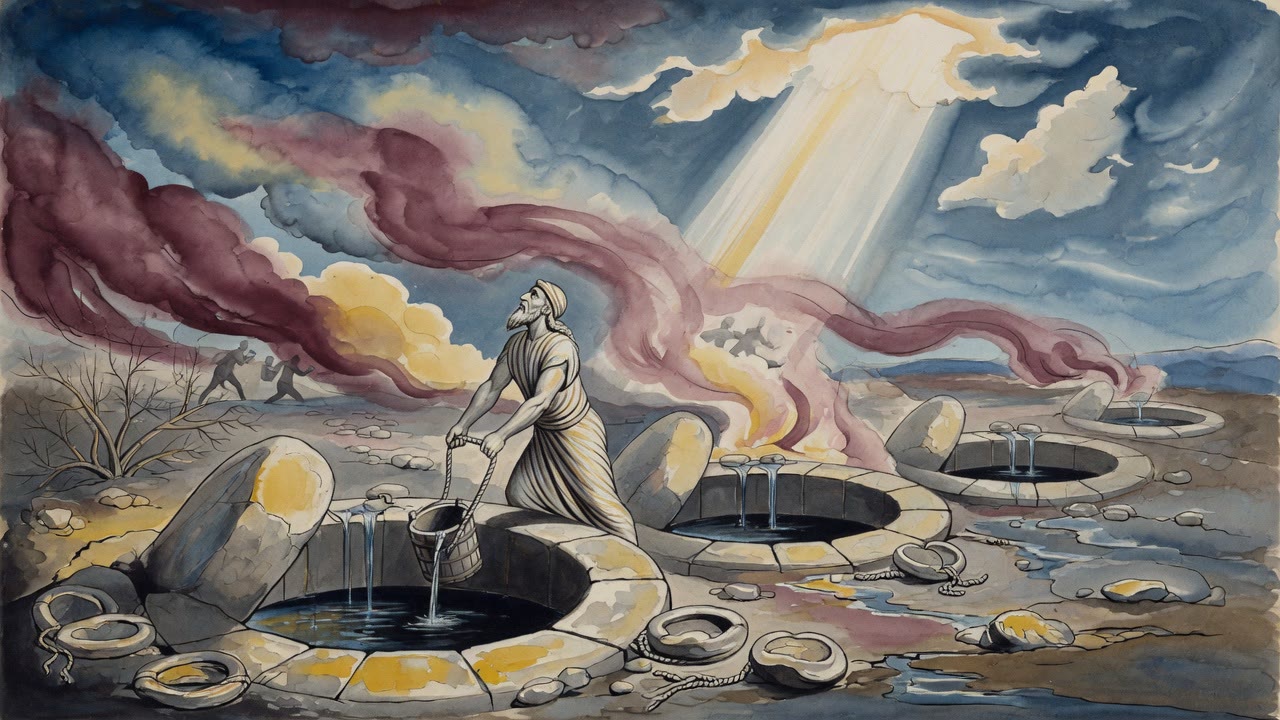
That peace cracked over water. Philistine hands troubled the wells that kept flocks alive. Earth filled the mouths of pits Isaac's men had opened. Thirst is a slow war. On "that day" Isaac stopped measuring patience and opened his mouth for judgment.
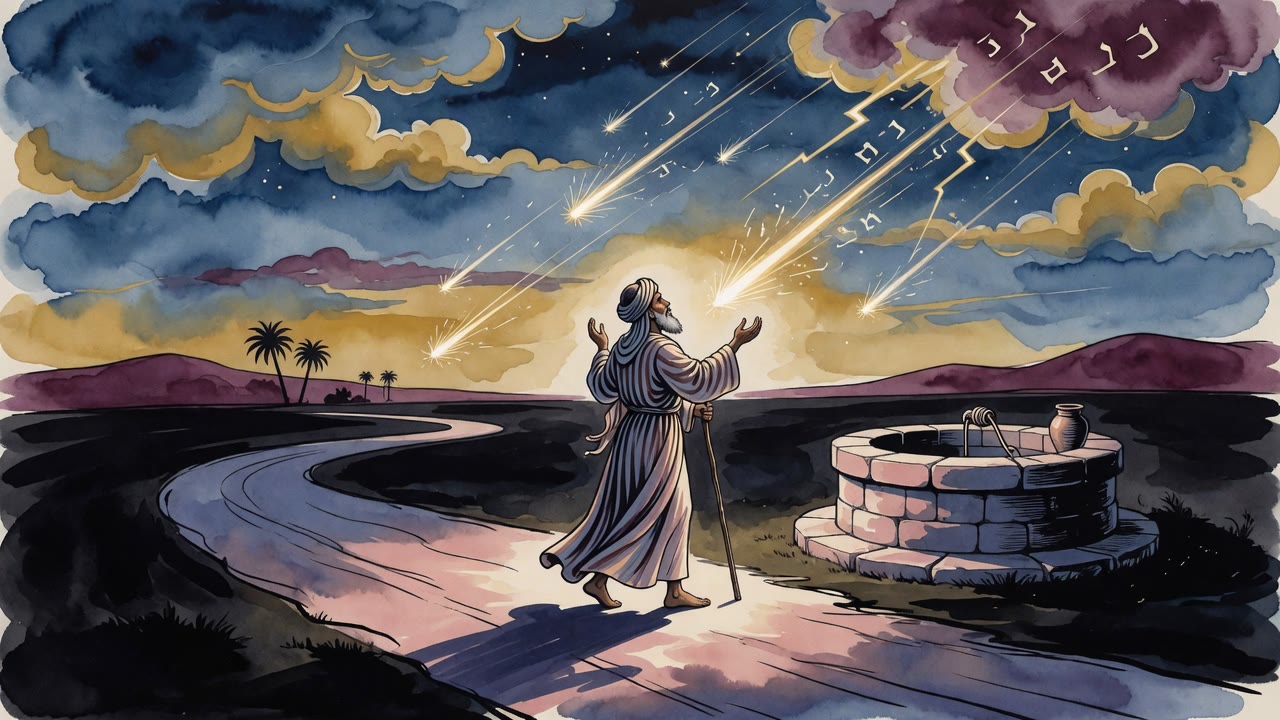
The man who had thrived in their land now spoke as a father of a people who would carry the wound for generations. "Cursed be the Philistines unto the day of wrath and indignation from the midst of all nations," he said. "May God make them a derision and a curse and an object of wrath and indignation in the hands of the sinners the Gentiles and in the hands of the Kittim."
Empires still half-named entered the sentence. Sea powers. Future swords. Isaac did not curse a mood. He cursed a people and bound their shame to nations that would one day hold the whip.
No Escape Route Left
He did not stop at armies. "Whoever escapeth the sword of the enemy and the Kittim, may the righteous nation root out in judgment from under heaven, for they will be the enemies and foes of my children throughout their generations upon the earth." Survival of the first blow only invited the next.
"And no remnant will be left to them, nor one that will be saved on the day of the wrath of judgment." The seed of the Philistines, the Caphtorim, was reserved for destruction, rooting out, and expulsion. No name. No seed. The language left no attic to hide in.
Enmity was written as lasting. Not a season of bad wells. A generational foe status that would outlive the men who plugged the water.
Heaven, Earth, Nations, Sheol
The curse climbed and dug. Though he ascend unto heaven, thence will he be brought down. Though he make himself strong on earth, thence will he be dragged forth. Though he hide among the nations, even from thence will he be rooted out. Though he descend into Sheol, there also will his condemnation be great, and there also he will have no peace.
Death was not a door out. Geography was not a door out. Isaac bound the quarrel to the structure of the world as he knew it, from sky to underworld, because well-cruelty had touched the life of the covenant household.
The same mouth that had blessed and dug and bargained now closed every exit. Caphtor's seed heard, in the telling, that height, depth, and empire would not cancel the ledger of that day.
Enmity Written Forward
The hundredfold harvest and Abimelech's shield had not purchased friendship deep enough to spare the wells. Isaac answered with a word that outlived his tent. Later ages would hear Philistine and Israel as names that could not share a border without blood. The curse did not invent rivalry. It sealed a memory of plugged water and a patriarch who refused to call that memory small.
Isaac went on as father of Jacob. The Philistines went on as the people he had placed under wrath until wrath finished its work. Between them stood empty wells and a sentence that chased even into Sheol (the land of the dead).
Blessing had made him great in their land. Cruelty over water made him a prophet of their end. The hundredfold and the curse belong to one life, the life of a man who knew both the fruit of Abraham's obedience and the cost of neighbors who will not let a righteous man drink in peace.
Water is the first politics of a flock. Plug a well and you write a sentence on living throats. Isaac had prospered under Abimelech's charge and still watched Philistine hands undo the pits that kept his household alive. The hundredfold harvest did not buy clean water. So he bought, with words, a future in which Caphtor would find no remnant and no peace even in Sheol (the underworld of the dead). The curse was proportionate to thirst denied and to children he meant to protect for generations yet unborn.
← All myths