Jacob Outplayed Laban While Levi Farmed in Integrity
Levi worked his father's fields until he was too tired for anything else. He married at thirty. Firstfruits went to the priest, then Jacob, then him.
Table of Contents
 Click for full size
Birthright, Blessing, and the Road to Paddan-aram
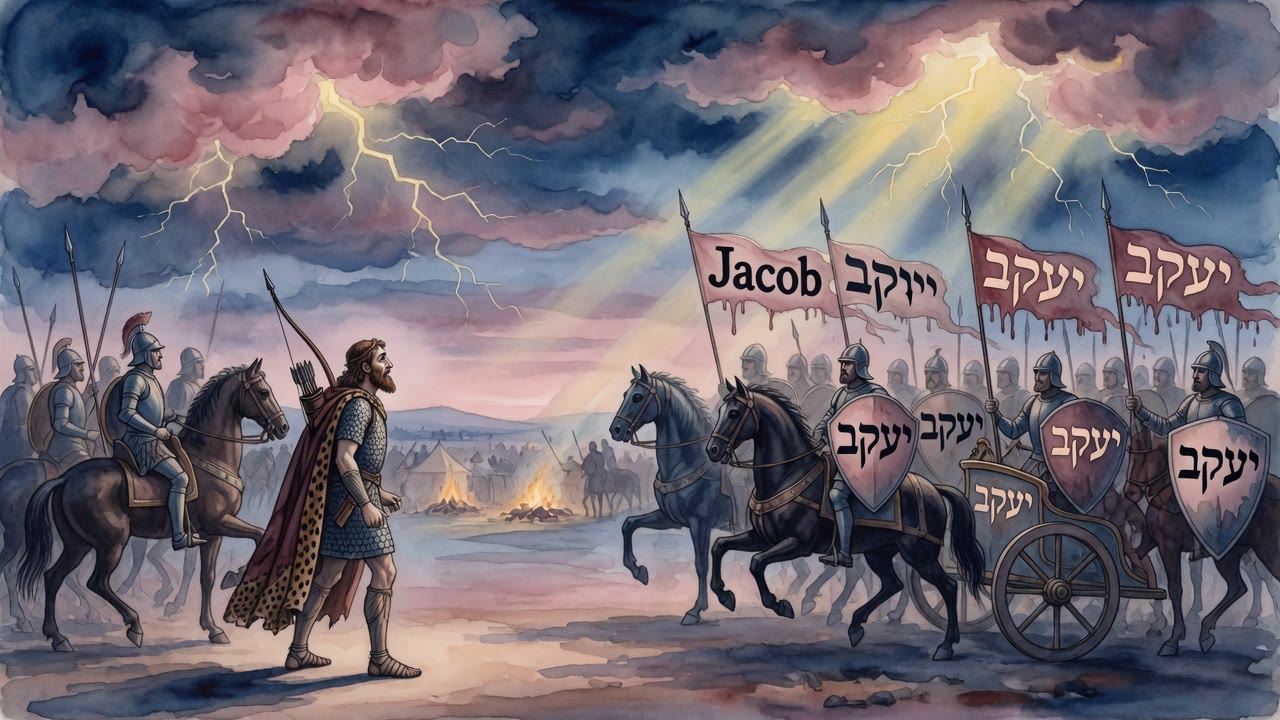
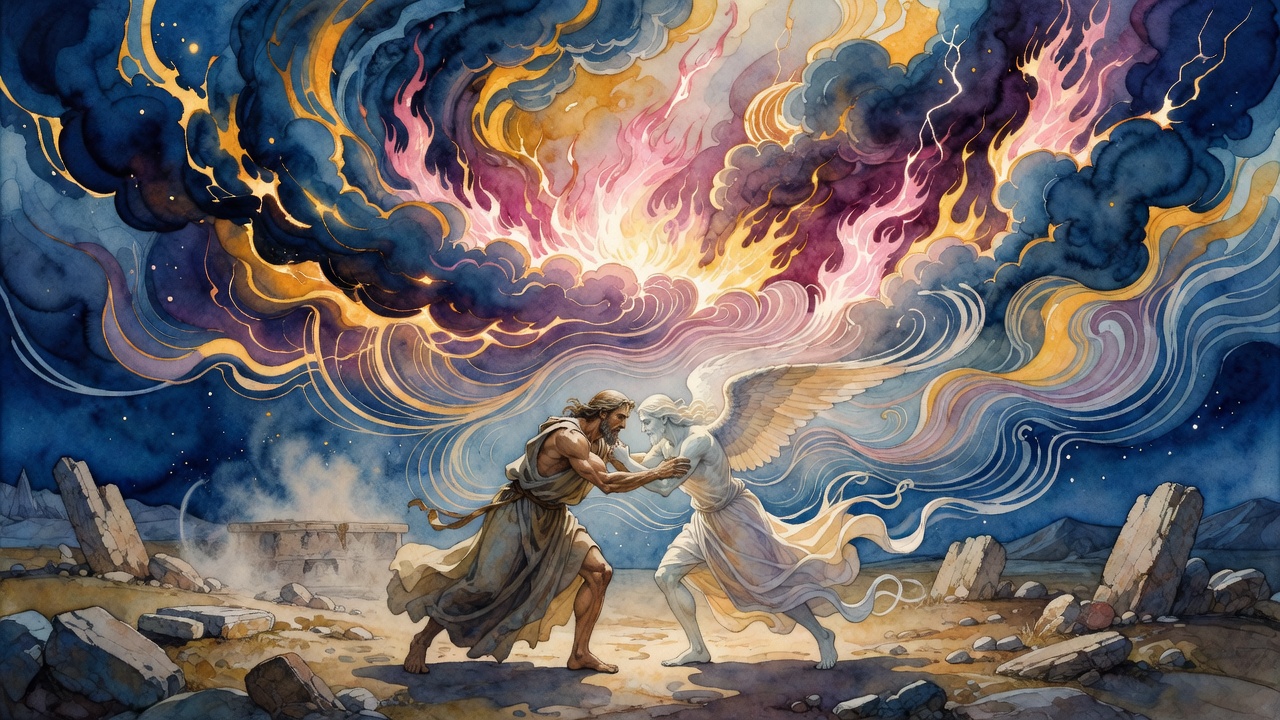
Jacob's story refuses a simple halo. He dealt treacherously with his brother, took the birthright and the blessing meant for Esau, and fled to Paddan-aram, to Laban, his mother's brother. The same household that taught him cunning would charge him rent in years of labor.
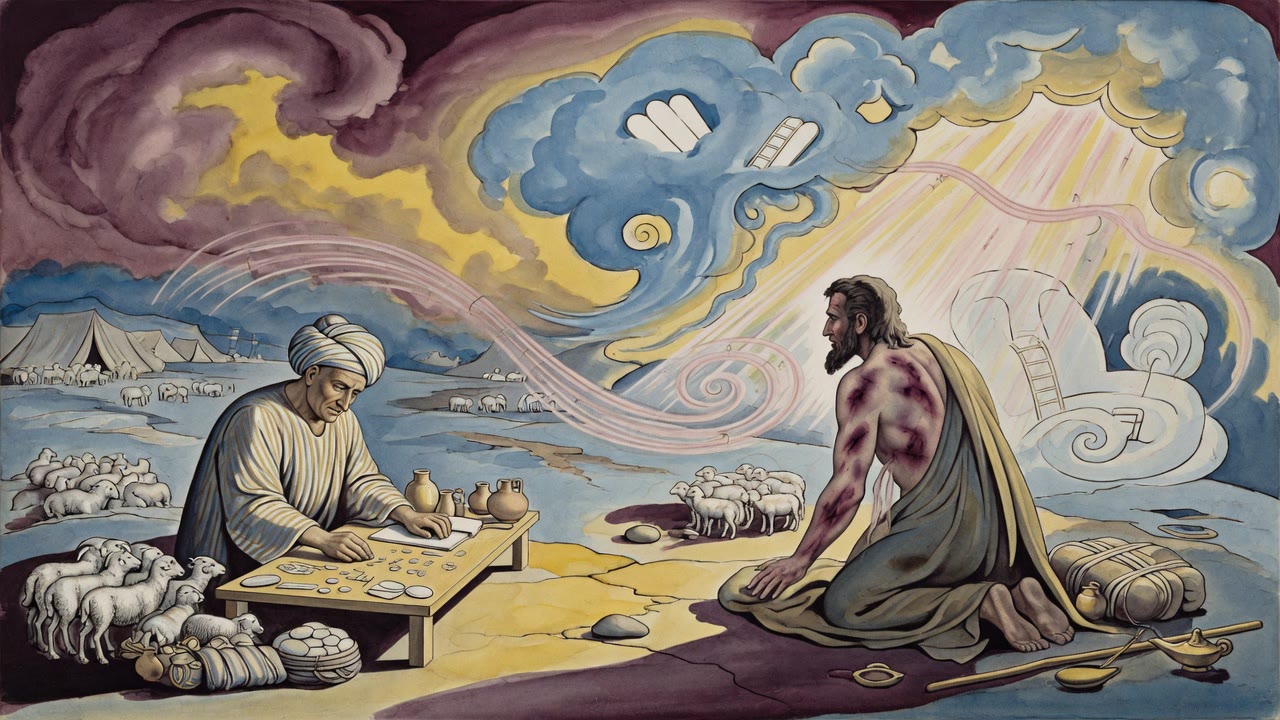
Laban the trickster met Jacob the learner. Daughters came by bargain and substitution. Cattle came by mottled strategies under open sky. The text says Jacob obtained wives, herds, and goods cunningly, then escaped toward Canaan with a household large enough to terrify a guilty brother and a greedy uncle both.
Egypt Already Waiting in the Sons
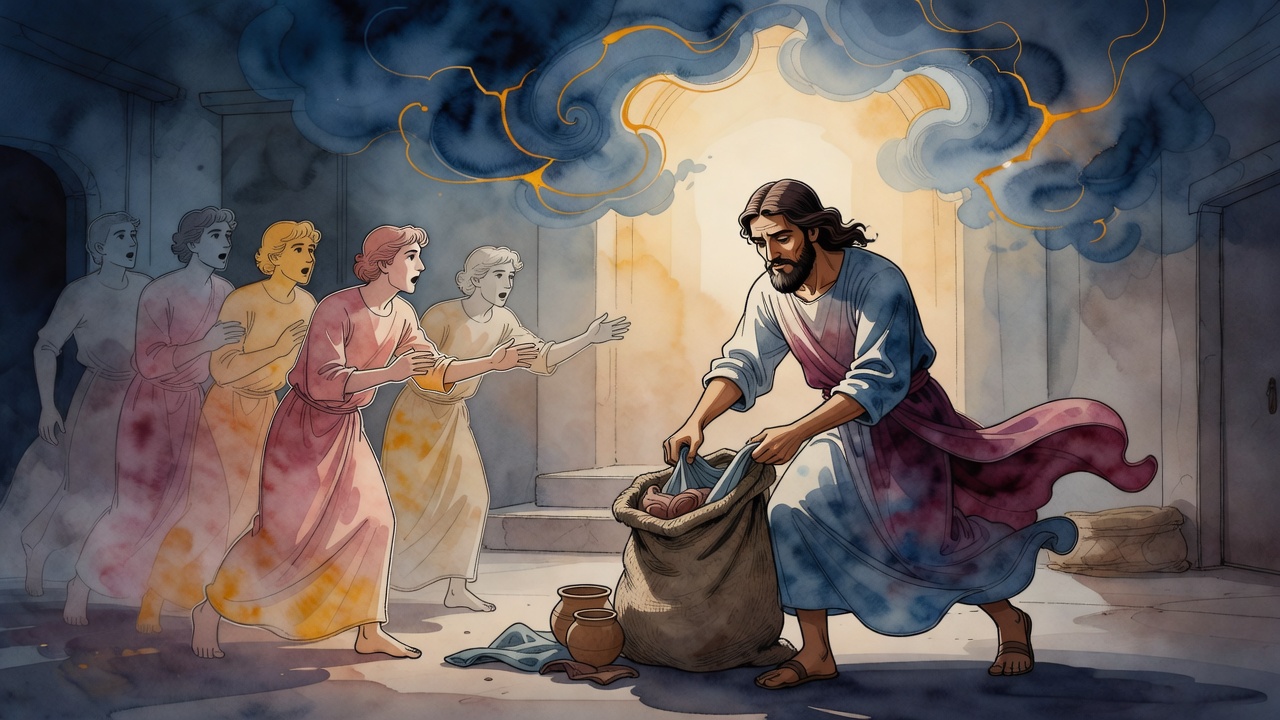
The saga does not rest at the border. Jacob's sons sell Joseph into slavery. Joseph sinks into prison for twelve years until a Pharaoh lifts him for dream-reading and sets him over Egypt. Famine then pulls Jacob's family down into the Nile land. Joseph acquires Egypt for the crown and feeds the fathers who once threw him away.
Blessing and betrayal share a bloodline. The man who outplayed Laban becomes the old father who must bow inside a son's foreign court. History in this telling is not a straight reward chart. It is a rope twisted from theft, love, hunger, and providence.
The Clock From Flood to Judah
Seder Olam Zutta, heir to the chronology passion of Seder Olam Rabbah, counts the years as if memory needed arithmetic. Three hundred forty years from the Flood to the Dispersion. Abraham's birth sits forty-eight years before that dispersion in the reckoning, summing toward 1,996 years from Creation. Isaac's birth, Jacob's birth, Judah's birth: each is a stake in a long fence from Eden's aftermath to Egypt's door.
Abraham lives 175 years. Isaac lives 180. Jacob lives 147. The numbers are not decoration. They are how a people refuses to let empire redefine when their story began. While Jacob bargains with Laban, the midrashic clock is already ticking toward exile and return.
Levi's Exhausted Integrity
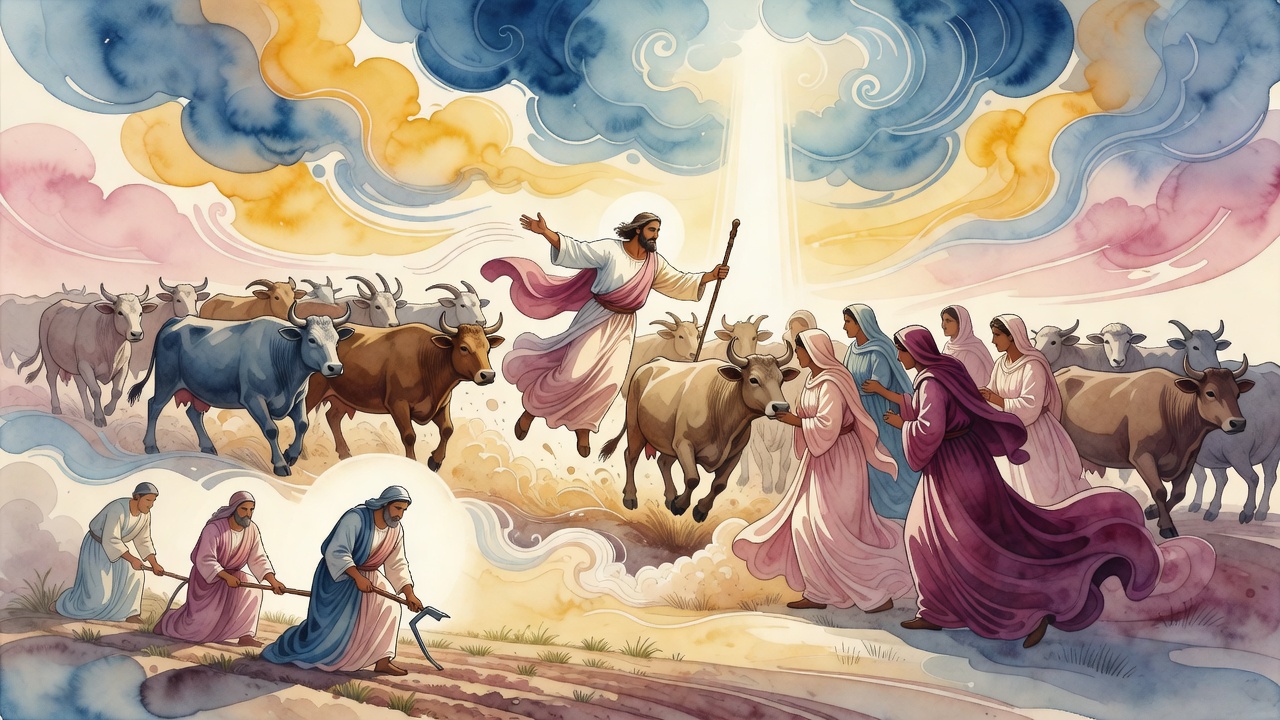
Inside that family stands Levi, speaking as a father who farmed with a pure heart. "When I grew up, my children, I walked in the integrity of my heart." He worked as a husbandman for father and brothers, bringing harvest in season until fatigue swallowed desire. He delayed marriage until thirty because labor spent his strength and sleep claimed him before lust could.
When the field succeeded, firstfruits went to the priest of the Lord. The next portion went to Jacob. Only then did Levi take for himself. Heaven doubled his produce for that order of gifts. In a clan famous for sharp deals, Levi's wealth grew from integrity that looked almost plain beside Jacob's contests with Laban.
Cunning Father, Counting Scroll, Honest Son
Jacob survives Laban by wit sharpened in a brother's loss. Seder Olam pins the generations to Creation's count so no exile can orphan the timeline. Levi answers both with sweat that becomes worship. The drama of the house of Israel is not only stolen blessings and foreign prisons. It is also a farmer-son who stacks grain in the right sequence: God, father, self.
From that integrity a tribe will later carry the Sanctuary. The boy who fell asleep from fieldwork becomes the root of shoulders that bear holy weight. Jacob's cunning saved a line. Levi's honesty trained a priesthood's ancestors.
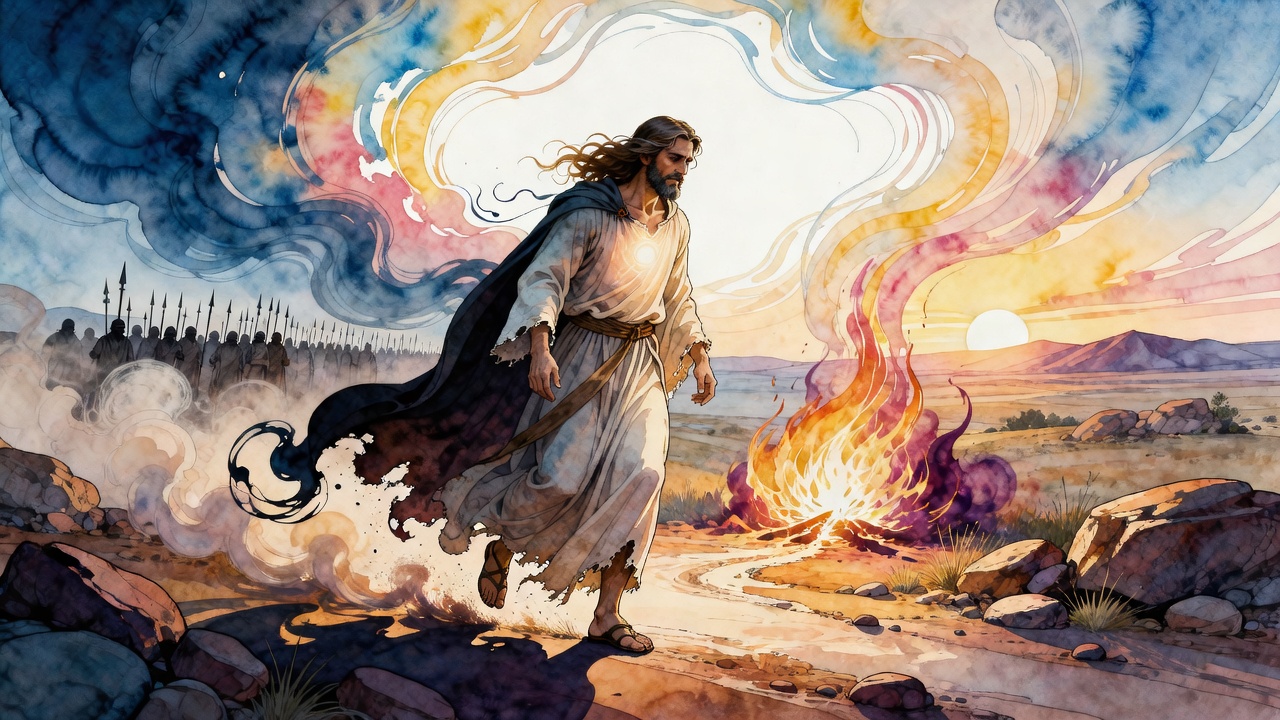
Jacob at Laban's troughs is a man paying interest on earlier thefts. Fourteen years for wives, extra years for flocks: the bill arrives in calendar form. Laban's substitutions train Jacob in the cost of disguises. When Jacob later faces Esau, the fear in his throat is memory as much as prophecy.
Joseph's rise converts family crime into national survival. The brothers' jealousy becomes, under providence, the seed of sojourn. Seder Olam's arithmetic keeps that sojourn from floating free of Creation's count. A people that can say how many years from Flood to Abraham can resist empires that claim history began with their own kings.
Levi's farming holiness is the quiet counter-song. He does not steal a birthright. He stacks sheaves. First to the priest, then to Jacob, then to himself: a liturgy of distribution. Fatigue that postpones marriage becomes, in the legend, proof that labor can sanctify desire by exhausting it toward service. From such men the later Levites inherit not only blood but a habit of putting sacred claims first.
Watch the three tempos. Jacob's tempo is maneuver under pressure. Seder Olam's tempo is patient counting that outlasts any single trick. Levi's tempo is seasonal and agricultural, measured in firstfruits and sleep after harvest. Israel needs all three or it becomes only a clever clan, only a calendar sect, or only quiet farmers without memory of promise.
When Joseph later feeds Egypt, the cunning of Jacob, the count of years, and the integrity of Levi's line meet in one administration of grain. Exile will test whether those tempos can survive brick and empire. The myths say they can, because they were forged in Laban's fields and Levi's calluses before Pharaoh ever dreamed.
← All myths