Jair Died at Ai and Counted as a Whole Sanhedrin
About thirty-six died at Ai, yet the sages hear one man worth a court. Joshua tears cloth, and a ledger of torn robes opens across ages.
Table of Contents
 Click for full size
Dust and a Wrong Number
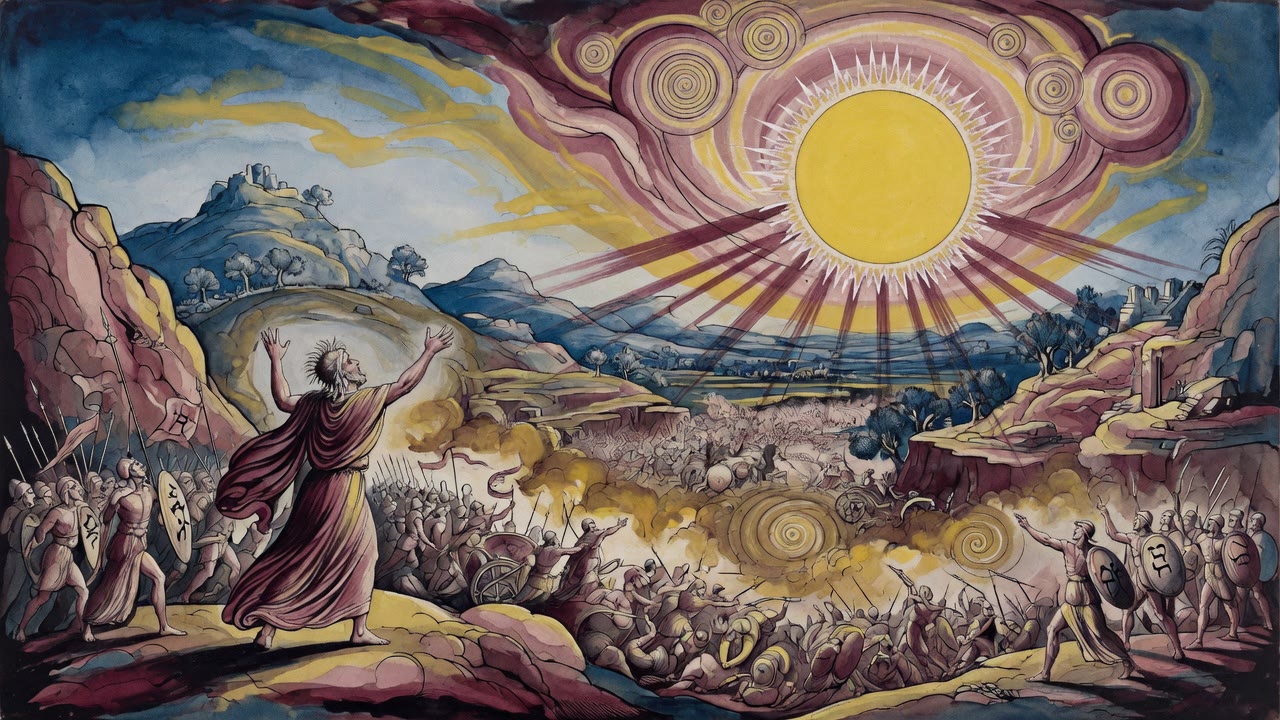
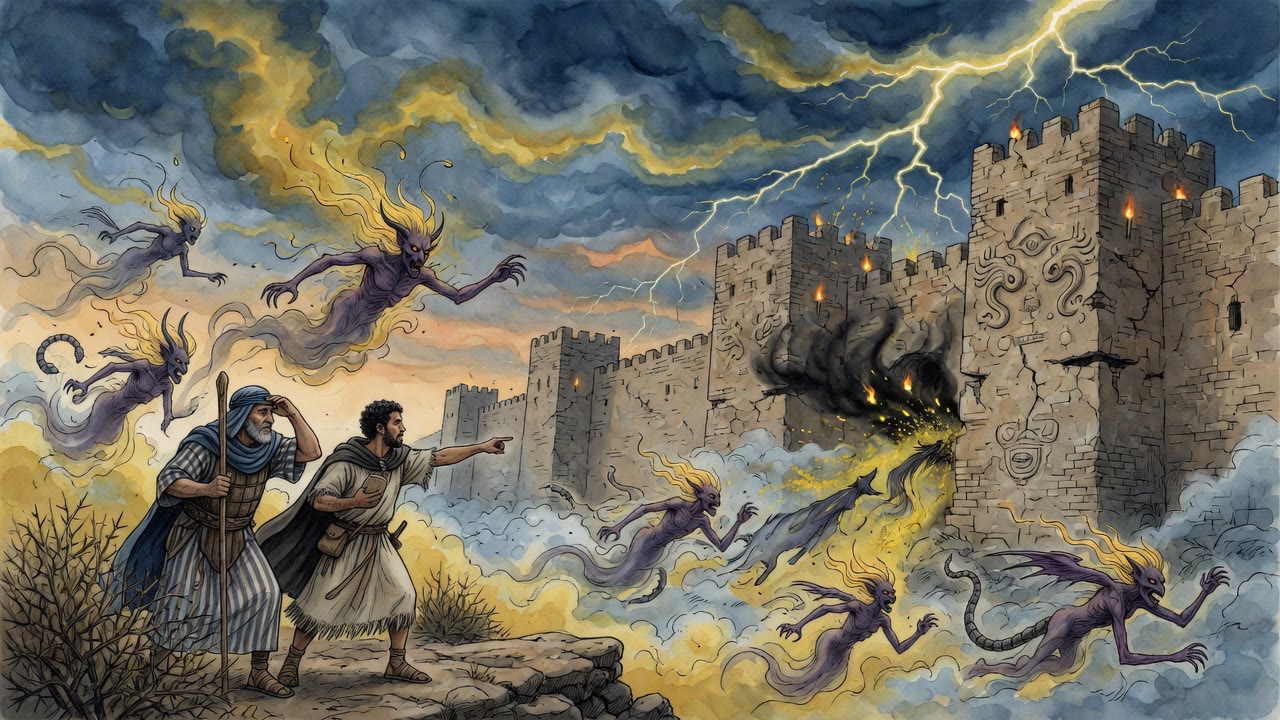
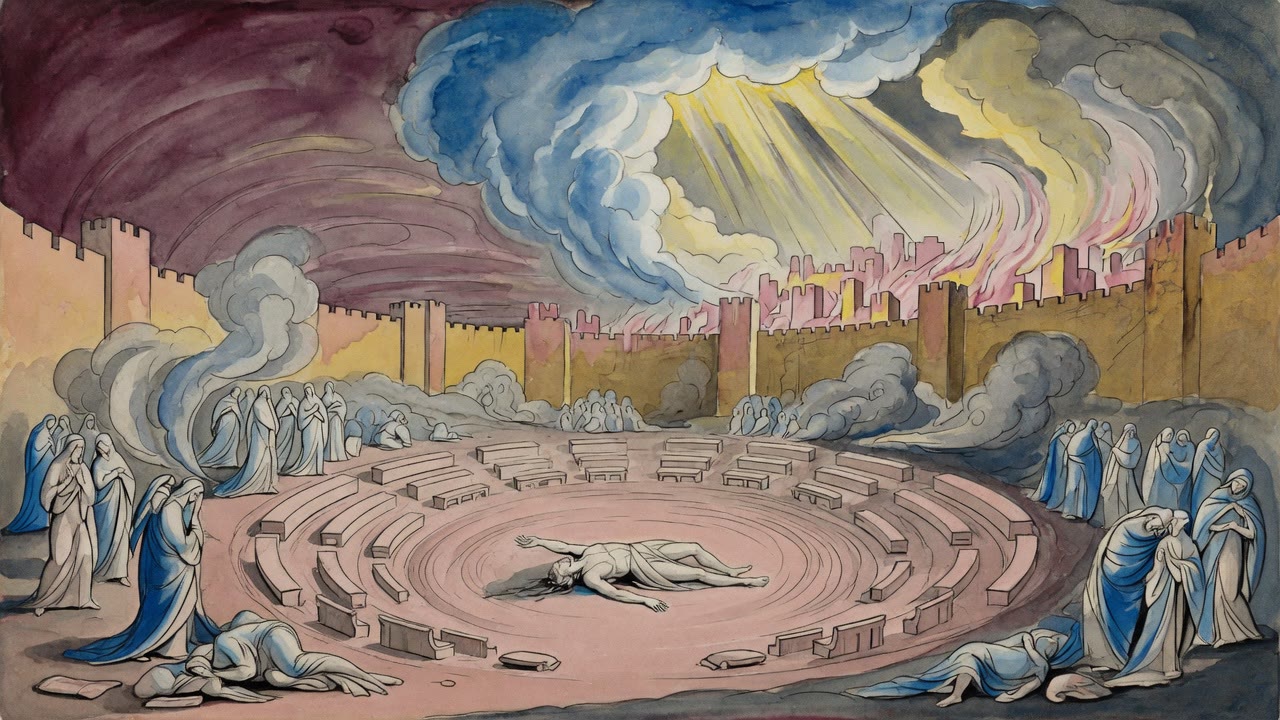
The gate of Ai held. Men who had walked through Jericho's fallen walls now fell in a narrow street that should have been easy. Runners came back to Joshua with a count that refused to sit still: about thirty-six dead. About. Not a clean tally. Not a list of names the camp could recite without catching in the throat.
The sages later refuse the blur. They hear in that vague number one man so heavy he counted as many: Jair son of Manasseh, equal in weight to most of a Sanhedrin (Israel's high court of seventy-one sages). A single sage can hold the worth of a whole court. When such a man falls, the census of the dead swells because value, not only breath, has been cut down.
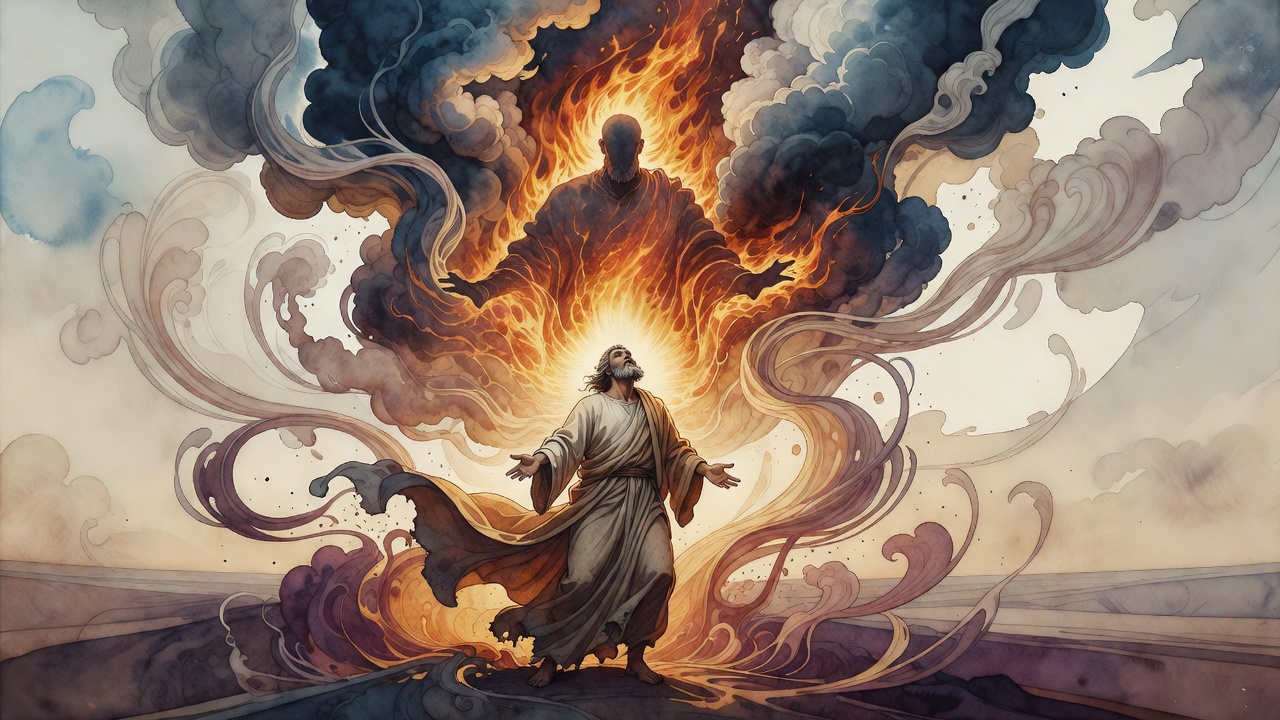
Joshua does not argue the arithmetic. He tears his garments. Cloth rips in the silence after the runners finish speaking. Ash goes on his head. The ark is left for a moment that feels longer than the battle. The commander who had watched walls fall now sits in the dust like a man whose house has burned.
The Ledger of Torn Cloth
That tear is not only grief. The midrash opens a ledger that runs backward and forward through the tribes. The brothers made their father Jacob tear his robe when they brought him Joseph's coat stained as if by a beast. Years later those same brothers tore their own clothes in Egypt when a cup was found and the old debt came due.
Joseph, ruling over them, forced another tearing. Joshua, who stands in Joseph's line, tears at Ai. Manasseh once caused brothers to tear, and so Manasseh's inheritance itself is torn, half east of the Jordan and half in Canaan. Benjamin's line reaches Shushan, where Mordecai tears his clothes over Haman's decree. The sages will not call Ai random. They call it a page in a book that keeps balancing measure for measure across centuries.
A young soldier who survived the street watches Joshua's hands work the fabric and understands, without words, that cloth can record what mouths will not say.
Mouths That Ran Ahead of Eyes
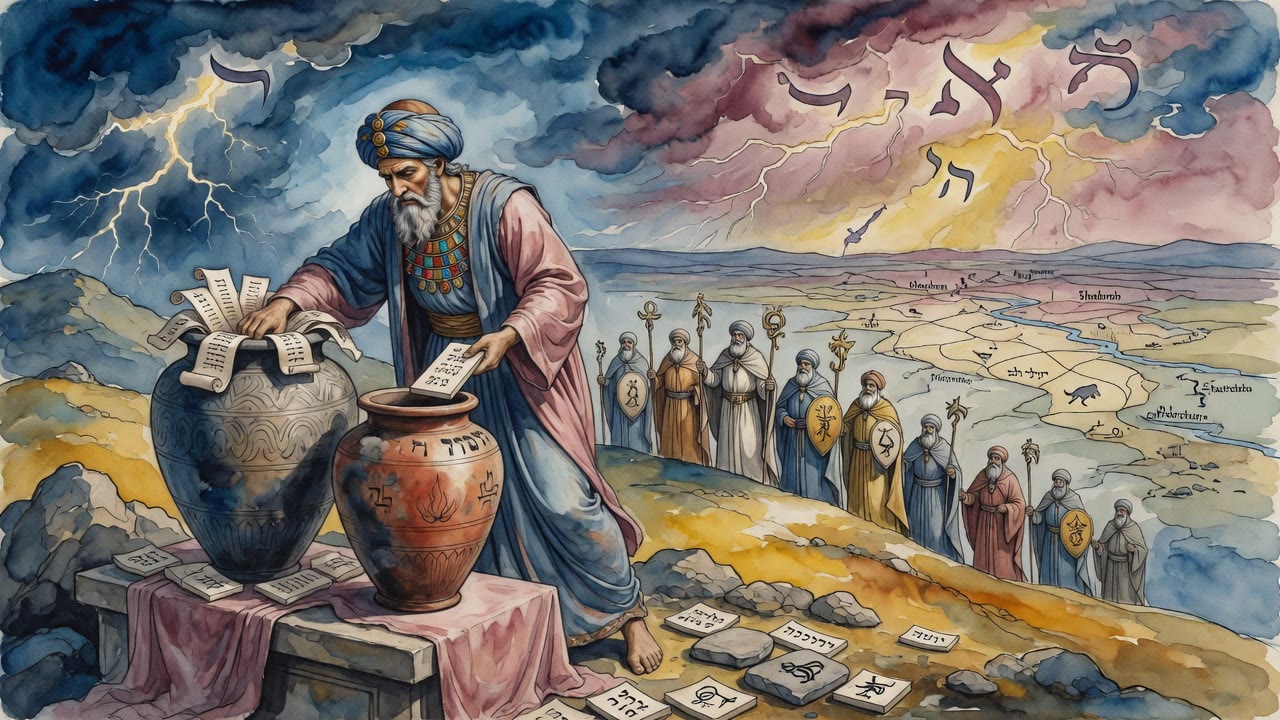
Other enemies open their mouths wide against Jerusalem and whistle and gnash teeth. Lamentations hears them cry that they have demolished the city, that this is the day they hoped for. The second chapter of that book is an alphabetical acrostic, letter after letter in order, until the order breaks. The verse of peh comes before the verse of ayin, though ayin should precede peh in the alphabet.
The rabbis of Eikhah Rabbah will not shrug. Mouth is peh. Eye is ayin. By setting mouth before eye, the prophet fixes the sin of premature gloating into the letters themselves. Foes spoke what they had not yet seen. They celebrated demolition before the outcome was certain. Their mouths sprinted while their eyes still lagged.
At Ai the reverse grief happens inside Israel. Joshua's mouth is closed. His eyes have already seen the bodies. The tear is honest. No boast runs ahead of the fact. The camp learns, in the same week, what false triumph sounds like and what true mourning looks like.
Prayer When the Burden Is Heavy
In another hall of song the people cry, Master of the universe, our enemies have imposed a heavy burden upon us. They do not stop at the complaint. They bind themselves to a psalm that says the enemies of the Lord shall perish and the workers of iniquity shall scatter like dust before wind. Rabbi Berechiah adds that the world stays under control from the highest heights even when the street of Ai does not feel controlled.
Israel is likened to a green olive tree in the house of God, roots still drinking when the branches shake. Horns of a wild ox appear in the blessing of the tribes, not as mindless rage but as power reserved for a people that refuses to let the burden become the last word.
Joshua, still in torn cloth, will rise and send spies again. The prayer does not cancel the ledger of torn garments. It keeps the camp from becoming the kind of mouth that runs ahead of eyes.
One Man, Many Counts
When the people finally take Ai, the victory does not erase Jair. The midrash has already taught that one life can equal a court. Conquest that forgets that lesson becomes only another whistling mouth. Conquest that remembers it walks carefully over the ground where about thirty-six were not about at all.
At night the campfires burn lower. Someone mends a cloak with uneven stitches because the fabric was pulled wrong in the first panic of retreat. Joshua sits with the torn robe still on him and does not hurry the needle. The ledger is open. The olive tree is still green. The next march will not be taken with a gloating alphabet.
← All myths