How the Sons of Japheth Named Every Nation
Gomer, Magog, and Javan walked away from Babel and gave their names to the land. One old book says they became Africa, Germany, and Macedonia.
Table of Contents
 Click for full size
The Scattering After the Tower
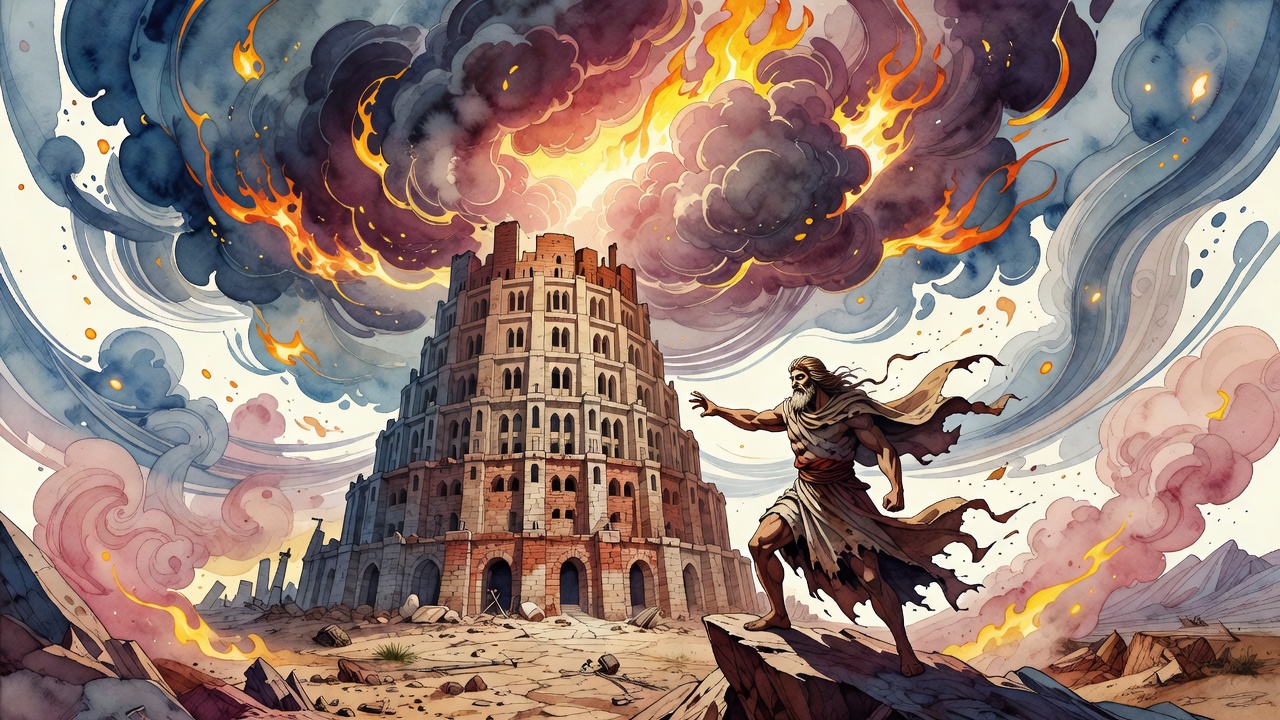
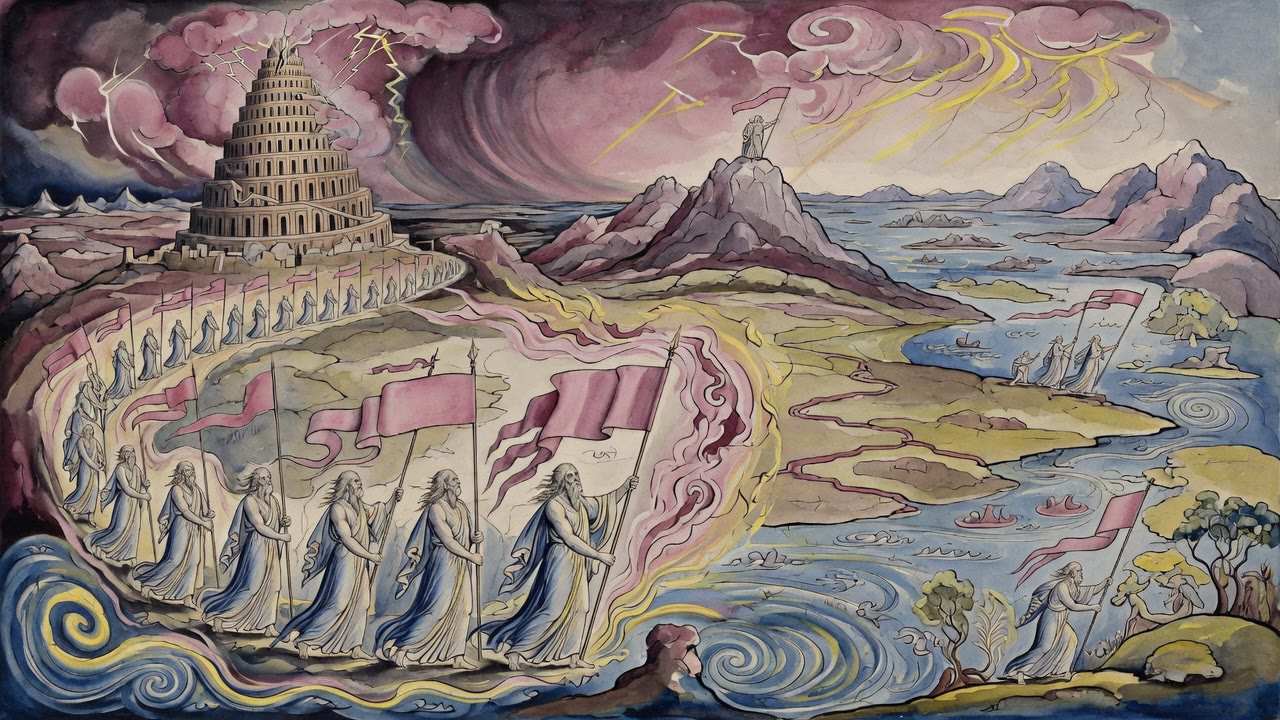
When the tower fell silent and the languages broke apart, the sons of men had no choice but to walk. They moved in families, in clans, in small groups clutching whatever they could carry, and they spread toward the four corners of the earth. For a generation, the whole world had spoken one tongue. Now every household woke to a language the neighbors could not follow. The common project was finished. The ground under the tower still held the imprint of a million footsteps going up and coming down, but the builders were gone.
Japheth's sons were among those who walked. Seven of them, named in the Torah's Table of Nations: Gomer, Magog, Madai, Javan, Tuval, Meshekh, and Tiras. They had grown up in a world where everything was still unnamed in the final sense, where the land was old but the maps were not yet drawn. So they drew them by walking through them.
The Sons Who Named the Lands
The Book of Jasher, an ancient Hebrew text referenced in the Torah itself, records what happened after the dispersal. The sons of Japheth and their children divided themselves across the face of the earth, each group carrying a name and leaving it wherever they settled. Cities were called after the men who built their first walls. Rivers took the names of the men who first waded across them. Whole peoples became known by the name of the ancestor who had gathered them in one place and told them: this is where we stay.
Gomer's children settled in what later ages would call one of the great northern territories. Madai's descendants moved toward the east and became the Medes. Javan's sons went west into the islands and the coastal lands where a civilization of sailors and scholars would one day flourish. Tuval and Meshekh filled out the northern reaches. Tiras and his children found their own territories and set their names on the stone.
The Targum Pseudo-Jonathan, the Aramaic translation of Genesis composed in Palestine and reaching its final form around the seventh century CE, presses even harder. It gives the sons their addresses in the language of the known world: Gomer becomes Afriki, Magog becomes Germania, Madai becomes Medi, Javan becomes Makadonia, Tuval becomes Iatinia, Meshekh becomes Asia, Tiras becomes Tharki. Stop and read that list again. Africa. Germany. Media. Macedonia. Italy. Asia. Thrace. The translator is pointing at real places on the map of the Roman world and saying: every one of these nations, even the ones that would one day rule over Israel and destroy its Temple, has a name in the family tree. They are not strangers. They are cousins.
What the Tower Left Behind
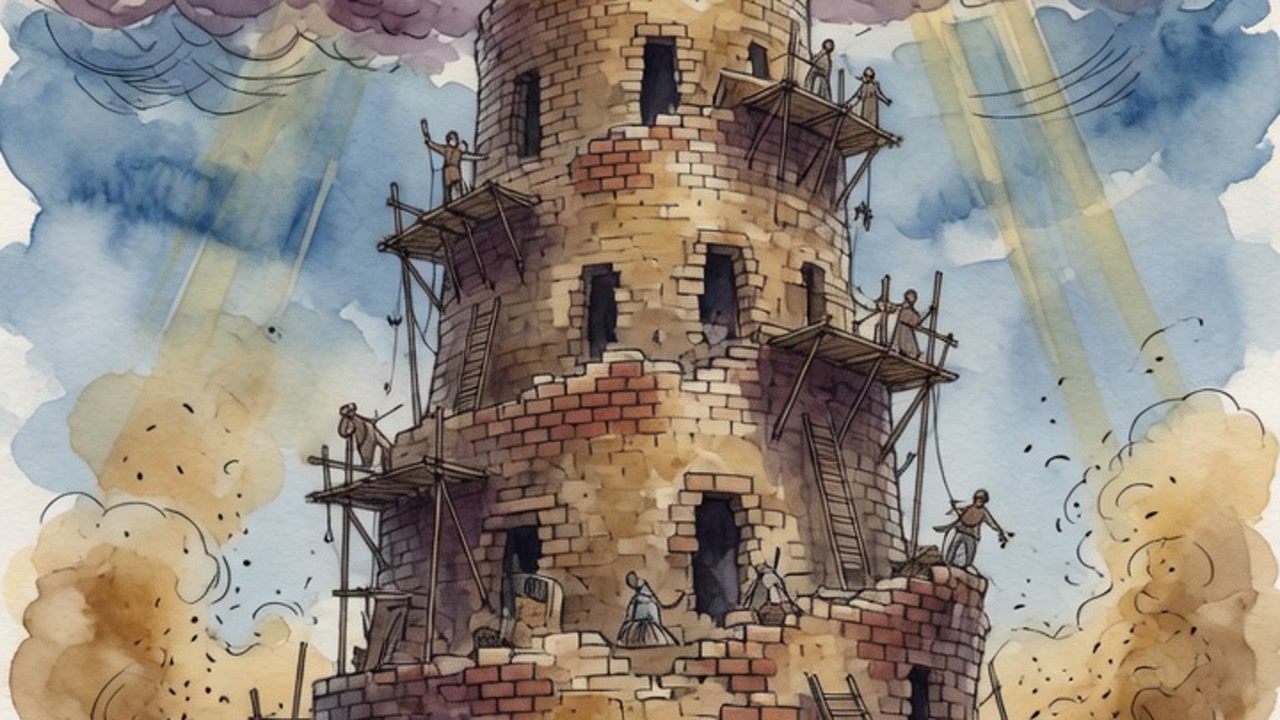
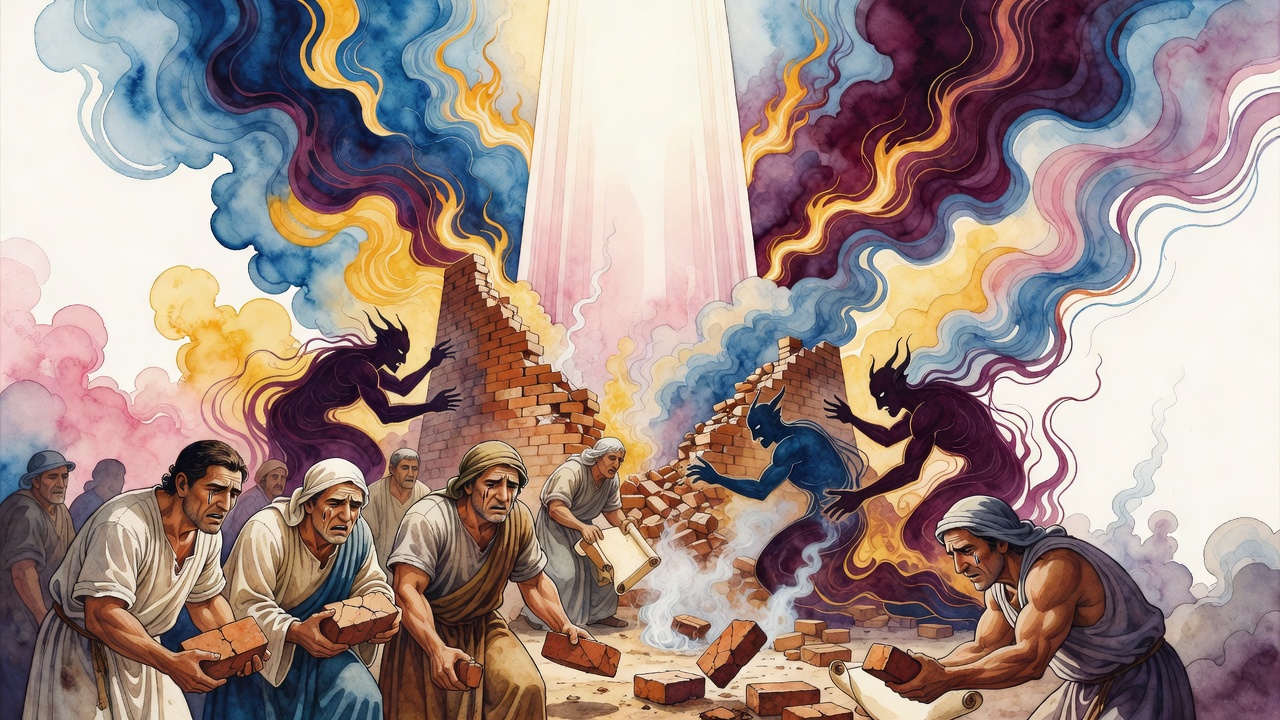
The Legends of the Jews preserves a detail about the tower itself that puts the dispersal into sharper relief. The tower had grown so tall that a man who dropped a brick at the top would take a full year to hear it hit the ground. The builders had stopped mourning when a worker fell to his death, because workers were replaceable. They wept when a brick was lost, because bricks were not. The tower had turned human beings into tools and tools into sacred objects, and it took the confusion of languages to undo the logic entirely.
When the families of Japheth walked away from the wreckage, they were carrying something the tower's builders had forgotten how to carry: the weight of a name that belonged to a person rather than a project. They could name rivers after themselves because they were people again, not components. The dispersal was a punishment, but it was also a restoration. The world got its maps. The nations got their founders. The family of Noah spread across the face of the earth and left their names on it like a signature on a document that was still being written.
A Table Becomes a Story
Genesis 10 lists these names in parallel columns, one generation after another, without comment on who built what or settled where. Scanning the list brings in the sound of them: Gomer, Ashkenaz, Riphath, Togarmah. Javan, Elishah, Tarshish, Kittim, Dodanim. They are names without faces, ancestors without scenes.
But the older traditions refused to let them stay that way. Behind each name was a man who had once stood on empty ground and looked out across territory that had no name yet, and who had built something there and called it after himself. Behind each name was a family that had survived the tower and the scattering and the confusion of tongues, and had found a place in the world and put down roots. The Table of Nations is not an abstraction. It is a record of what happened when the world was young and every nation on earth was one man's grandchild deciding where to make his home.
← All myths